








Minecraft enchanting is one of those systems that looks magical until it suddenly feels expensive. You place an enchanting table, surround it with bookshelves, spend lapis and levels, and hope the game gives your pickaxe something better than a tiny durability bump. The trick is not to chase perfect gear immediately. The trick is to build a simple setup that gives you level 30 options, then use those options on the tools that actually move your survival world forward.
For a new or returning player, enchanting should solve real problems. Mining feels slow, armor breaks too often, mobs hit too hard, and diamonds feel too valuable to risk on a bad roll. A good early enchanting plan makes those problems smaller without turning your base into a complicated XP factory on day one.
This guide focuses on the practical version: how enchanting tables work, how many bookshelves you need, why chiseled bookshelves do not count, which early enchantments are worth caring about, and when books are safer than enchanting your best item directly.
How Enchanting Works
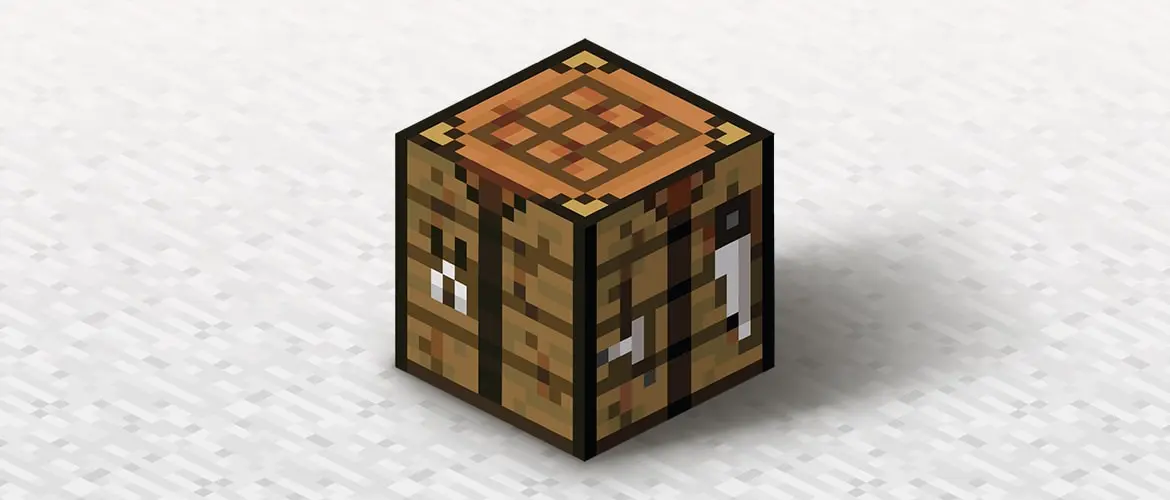
An enchanting table lets you spend experience levels and lapis lazuli to add enchantments to tools, armor, weapons, and books. The table shows three options. The bottom option is usually the strongest, but it also needs a higher player level and a better bookshelf setup around the table. You are not spending all 30 levels when you choose a level 30 option; you need to have 30 levels available, then the table takes a smaller cost shown on the screen.
That distinction matters because newer players often wait too long. If you have enough levels, enough lapis, and a useful item, enchanting is not something you save forever. Dying with 34 levels in a cave feels much worse than turning some of those levels into Protection armor, Efficiency tools, or a stronger bow before the trip.
The table also does not show every enchantment you will receive. It previews one result, then the finished item may get extra enchantments depending on luck and the item. That is why enchanting can feel exciting and annoying at the same time. You are making an informed gamble, not choosing from a full menu.
How Many Bookshelves You Need
For the classic level 30 enchanting setup, you need 15 regular bookshelves placed correctly around the enchanting table. More than 15 does not push the table higher, so once you hit that number, spend your wood, leather, and paper somewhere else.
Placement matters. Bookshelves need to sit one block away from the enchanting table, with a clear air gap between the table and the shelf. If you place torches, carpets, blocks, snow layers, or decorations in that gap, the table may stop reading the bookshelf. It is fine to make the room pretty later, but build the functional shape first.
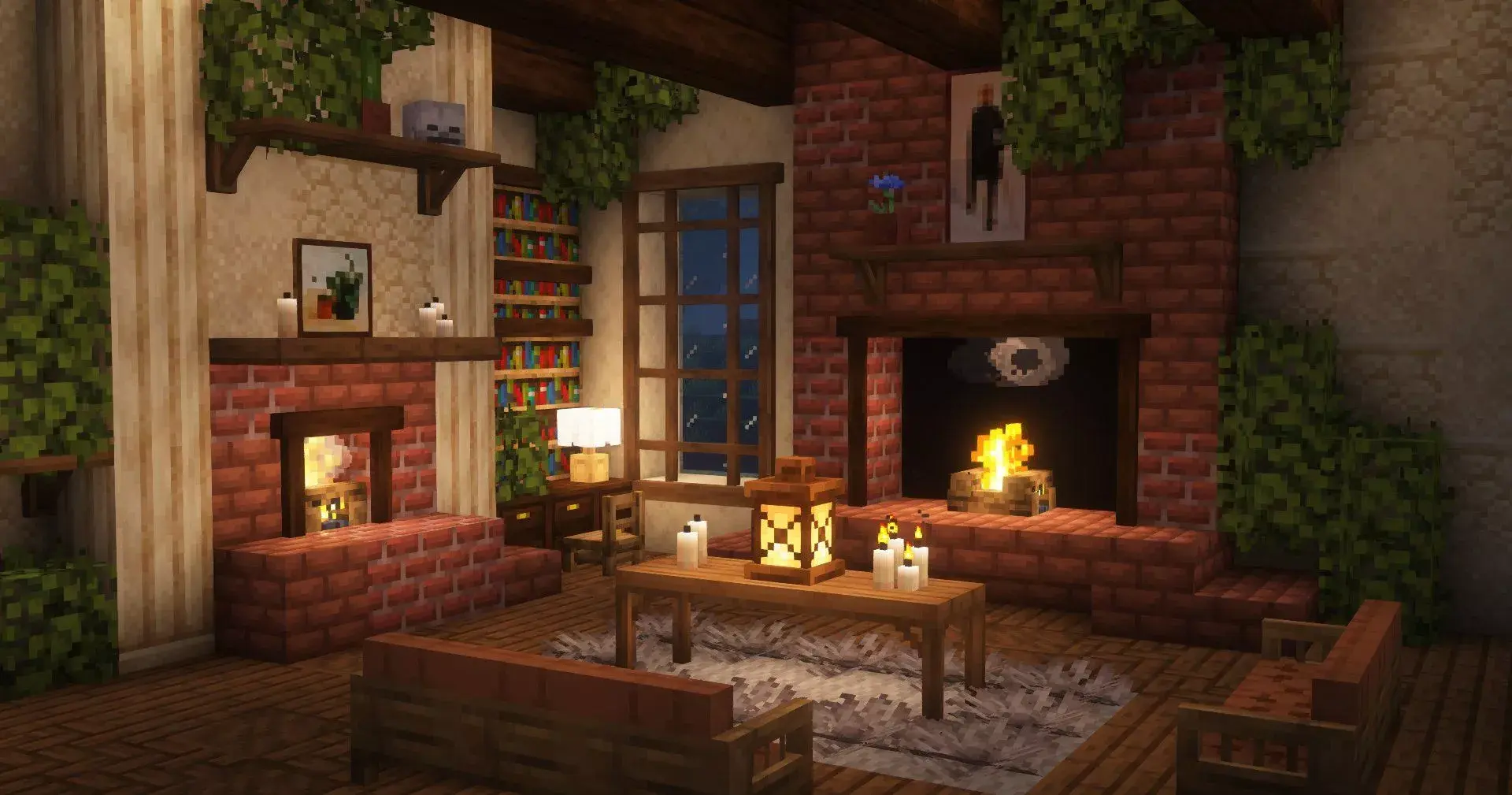
A simple early layout is a U-shape or ring around the table: bookshelves on three sides, table in the middle, and one open side so you can walk in. You can build it at floor level, stack shelves one block high, or make a small library corner. The game does not care whether it looks fancy. It cares whether the shelves have the right line to the table.
Do Chiseled Bookshelves Count?
No. Chiseled bookshelves are useful for storage and decoration, but regular bookshelves are the ones that power an enchanting table. Mojang's own chiseled bookshelf explanation makes the distinction clear enough: use chiseled shelves when you want to store books, and use normal bookshelves when you want stronger enchantments.

This is an easy mistake because chiseled bookshelves look exactly like the kind of block that should belong in an enchanting room. They do belong there visually. They just do not replace the 15 regular bookshelves your table needs.
Advertisement

What to Enchant First
The best first enchantment target is usually the tool or armor piece that keeps slowing you down. If mining is the bottleneck, enchant an iron or diamond pickaxe. If you keep getting shredded by skeletons and creepers, enchant armor. If food and mob fights are manageable but cave trips feel slow, Efficiency on a pickaxe or shovel can make the whole world feel lighter.
Do not feel forced to enchant only diamond gear. Iron tools are replaceable, and that makes them good practice. A basic Efficiency iron pickaxe is not glamorous, but it can help you gather the resources for better gear faster. Save diamonds for when you can accept a little risk or when you have books ready to control the result.
For armor, Protection is the cleanest early win because it helps against many common sources of damage. Specialized protections can be useful later, but a beginner trying to survive caves, night travel, and accidents will usually get more from simple broad safety.
Best Early Enchantments for Tools
Efficiency is the early star for mining and building. It makes repeated block-breaking less tiring, especially on pickaxes, axes, and shovels. Unbreaking is the quiet workhorse because it helps gear last longer. Mending is excellent later, but it usually depends on trading, loot, or a stronger setup, so do not plan your first enchanting room around having it immediately.
Fortune and Silk Touch are the big pickaxe prizes, but they do different jobs. Fortune is for multiplying drops from ores and useful blocks. Silk Touch is for collecting blocks as they are, including things like ore blocks, glass, and delicate building pieces. Do not put them on the same pickaxe; they conflict. Most survival worlds eventually want one Fortune pickaxe and one Silk Touch pickaxe.
For fishing rods, bows, and crossbows, early enchantments are nice but not usually urgent. A stronger pickaxe changes every mining trip. A stronger bow helps combat, but you can still survive early mobs with shield timing, armor, and patience.
Best Early Enchantments for Armor and Weapons
On armor, Protection and Unbreaking are the safest early goals. Feather Falling on boots is also huge because fall damage is one of Minecraft's most ordinary ways to lose a good inventory. Respiration and Aqua Affinity are useful when your world pushes you toward oceans, ruins, or underwater building, but they do not need to beat basic survival enchants in your first setup.
For swords, Sharpness is the easy all-purpose pick. Smite is excellent against undead mobs, but it is more specialized. If you mostly want one sword that handles normal survival, Sharpness is simpler. Looting is valuable when it appears, especially if you are gathering mob drops, but raw safety usually matters more than loot in the first stage.
For bows, Power is the main damage upgrade. Infinity is convenient if arrows are a pain. Mending is better for long-term durability, but Infinity and Mending do not go together on the same bow in normal play, so pick the style that fits your world.
When to Use Books Instead of Gear
Enchanting a book is safer when you are not sure where an enchantment should go yet. A good book can wait in a chest until you have the right diamond gear, the right anvil plan, or the right villager trade setup. The downside is that books can feel less exciting in the moment, and using them later costs extra experience at an anvil.
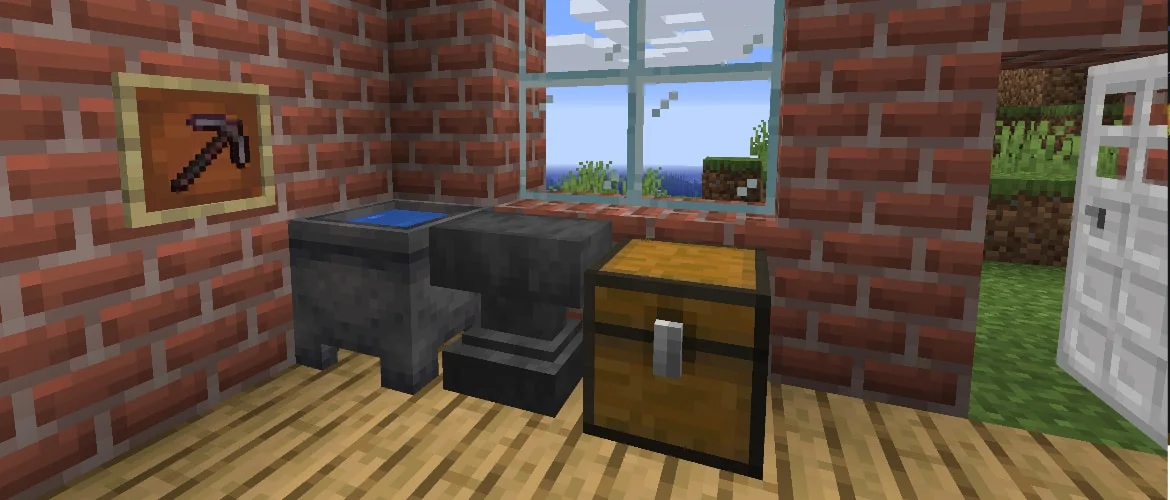
A good beginner rhythm is to enchant replaceable gear when you need help now and enchant books when the table preview looks promising but you do not want to risk your best item. If the table offers Efficiency IV on a pickaxe, that might be worth taking directly. If it offers something interesting on a book, store it and decide later.
This pairs well with a normal survival path. If you are still getting your world stable, start with Minecraft Beginner Guide: What to Do First, then move into the first 10 days survival guide and the mining guide for iron, diamonds, and copper before spending all your levels.
A Simple Early Enchanting Plan
First, build the table. You need obsidian, diamonds, and a book, so the enchanting room naturally comes after your first serious mining push. Second, gather enough sugar cane, leather, and wood for 15 regular bookshelves. Third, keep a lapis stash near the table so you are not running back to a chest every time you want to check options.
Once the table is ready, enchant one pickaxe, one main armor piece, and one weapon or bow before you start chasing perfect gear. That gives your world a foundation. After that, use books, villagers, anvils, and better tools to refine the setup.
The biggest mindset shift is accepting that early enchanting is not about perfection. It is about making the next ten hours easier. A slightly imperfect Efficiency pickaxe that helps you mine more diamonds is doing its job. A Protection chestplate that saves you from one bad creeper moment is doing its job. Minecraft opens up when your gear stops being fragile, and enchanting is the first big step toward that feeling.