









The first night gets most of the attention in Minecraft, but a world usually becomes comfortable a few days later. A shelter keeps zombies outside. It does not solve food, storage, iron, navigation, or the moment when you die far from home with every useful item in your inventory.
This is not a speedrun schedule. Weather, terrain, daylight, villages, and luck with iron can change the order. Treat each day as a small target. Finish the important jobs first, then use the remaining daylight for whatever made you start the world in the first place.
The separate Pixel Twelve beginner guide explains the basic controls and survival loop. This plan starts after the world loads and gives the first 10 days a clearer shape.
Day 1: Wood, Stone, Food, and a Door
Collect enough wood for a crafting table, sticks, a few tools, and the first shelter. Make a wooden pickaxe, mine stone, and replace it immediately. The wooden tool has done its job once it opens the stone tier.
- Stone tools: Make a pickaxe and axe first. Add a sword if you prefer it, but an axe can cover woodcutting and early defense while supplies are tight.
- Food: Take animals, fish, berries, village crops, or anything else the spawn provides. Keep some food uncooked only when it can be planted or bred later.
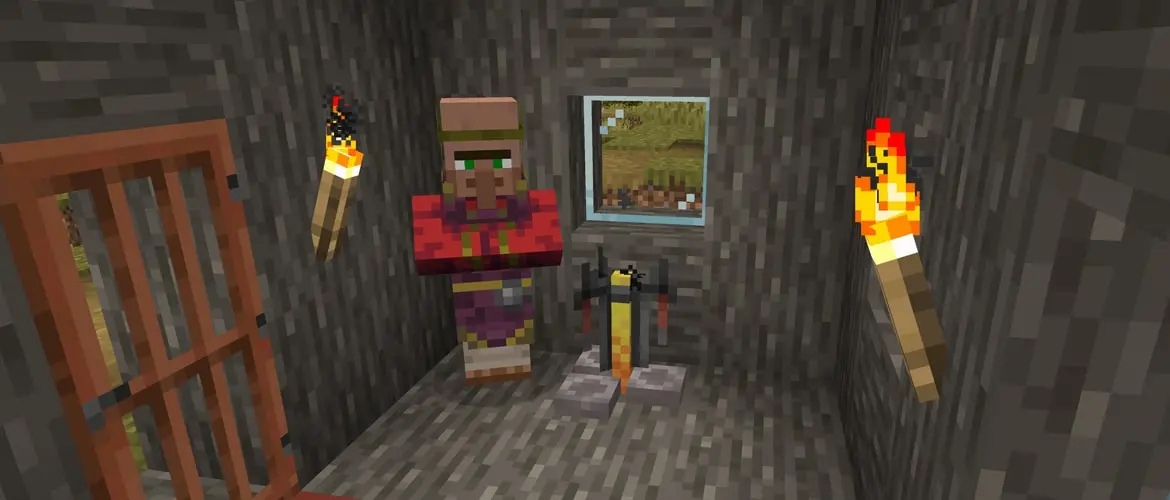
- Shelter: A hillside room or small box is enough. Leave space for a bed, furnace, crafting table, chest, and a door that hostile mobs cannot walk through.
- Light: Coal is helpful, but charcoal works when no cave is nearby. Smelt logs in a furnace, turn the charcoal into torches, and light the inside and entrance.
A bed makes the first night shorter, but it is not guaranteed. When sheep are nowhere nearby, close the shelter and spend the night cooking, smelting charcoal, and making spare stone tools. Digging straight down to pass the time creates more trouble than it saves.
Day 2: Find Iron and Mark Home
Use the second morning for a short cave trip or exposed stone near the base. The first iron should make the next trips safer, not sit in a chest while the player continues with stone equipment.
- Shield: One iron ingot and planks create protection against arrows, melee attacks, and badly timed encounters. Learn to raise it before taking on a large cave.
- Iron pickaxe: Keep one ready for diamonds, redstone, gold, and other blocks a stone pickaxe cannot collect correctly.
- Bucket: Water breaks falls, controls lava, moves animals, irrigates crops, and eventually helps create a Nether portal.
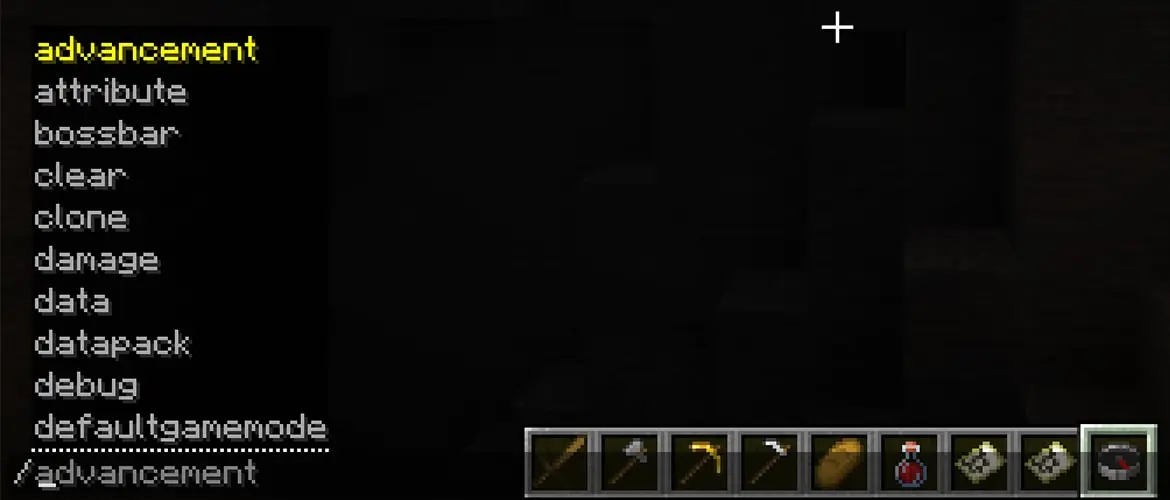
- Coordinates: Write down the base position. Java players can use the debug screen, while Bedrock players can enable Show Coordinates in world settings.
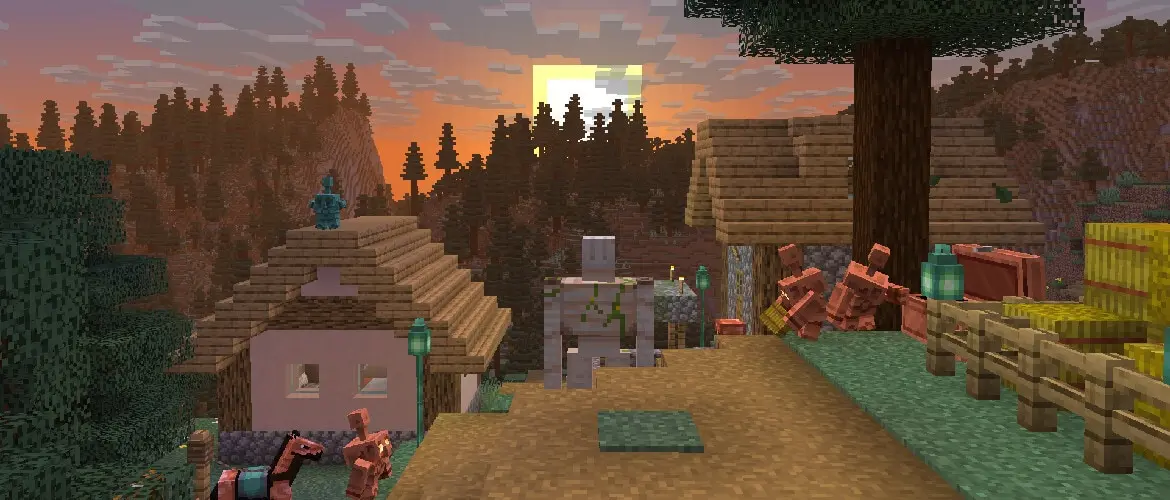
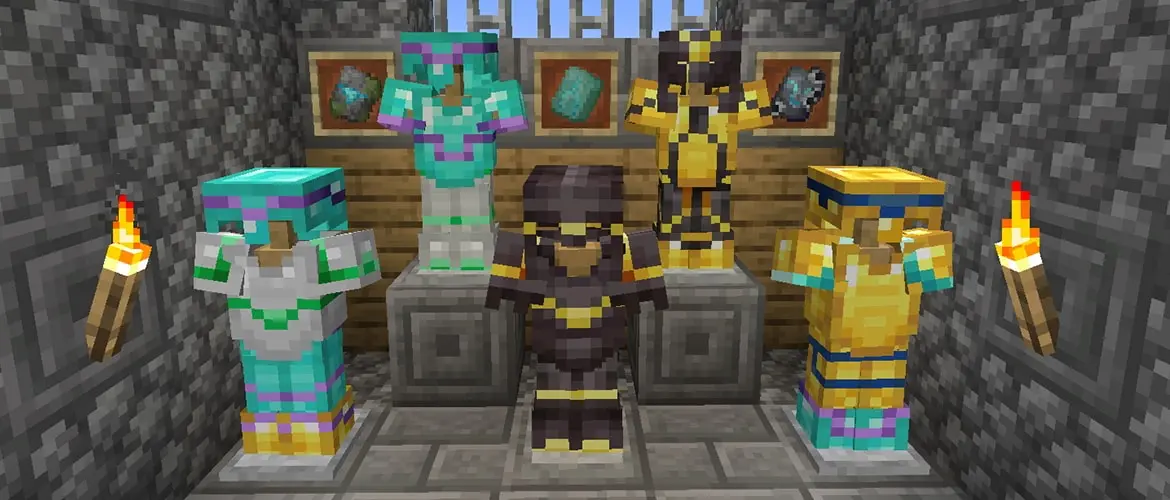
Copper tools and armor now offer another early option after The Copper Age. Use them when the spawn provides plenty of copper before iron. They are stronger than stone, but they do not replace the shield, bucket, or iron pickaxe, so keep the first iron focused on recipes that copper cannot cover.
Leave extra wood, food, and a stone pickaxe at home before going out again. Losing the first shield hurts less when the base still has enough supplies to recover.
Days 3 and 4: Build Food and Storage Into the Routine
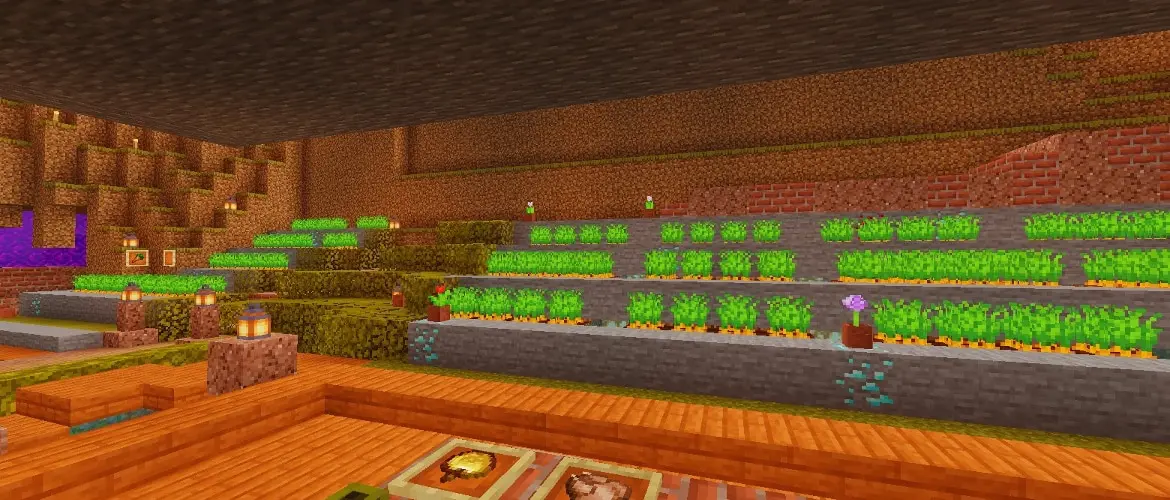
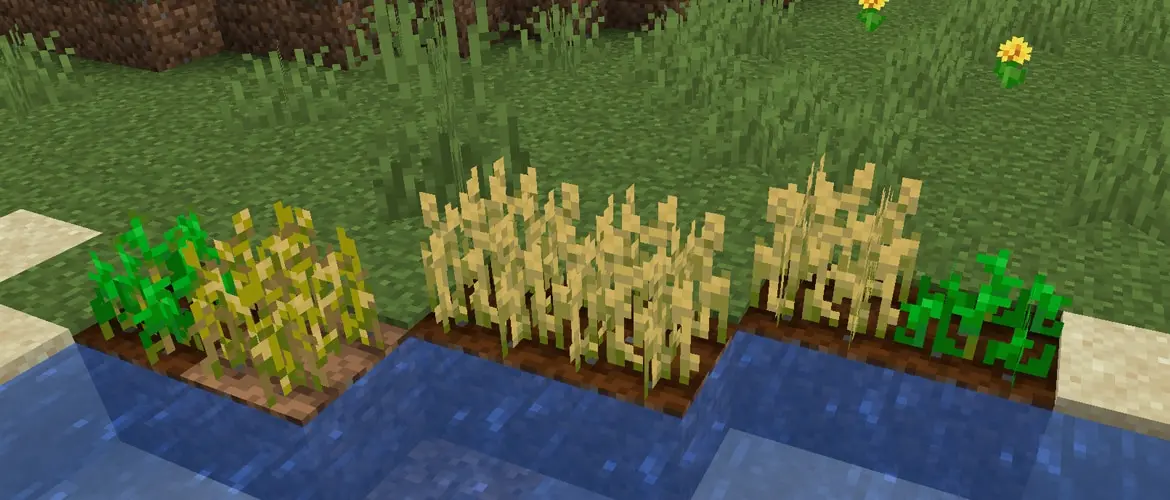
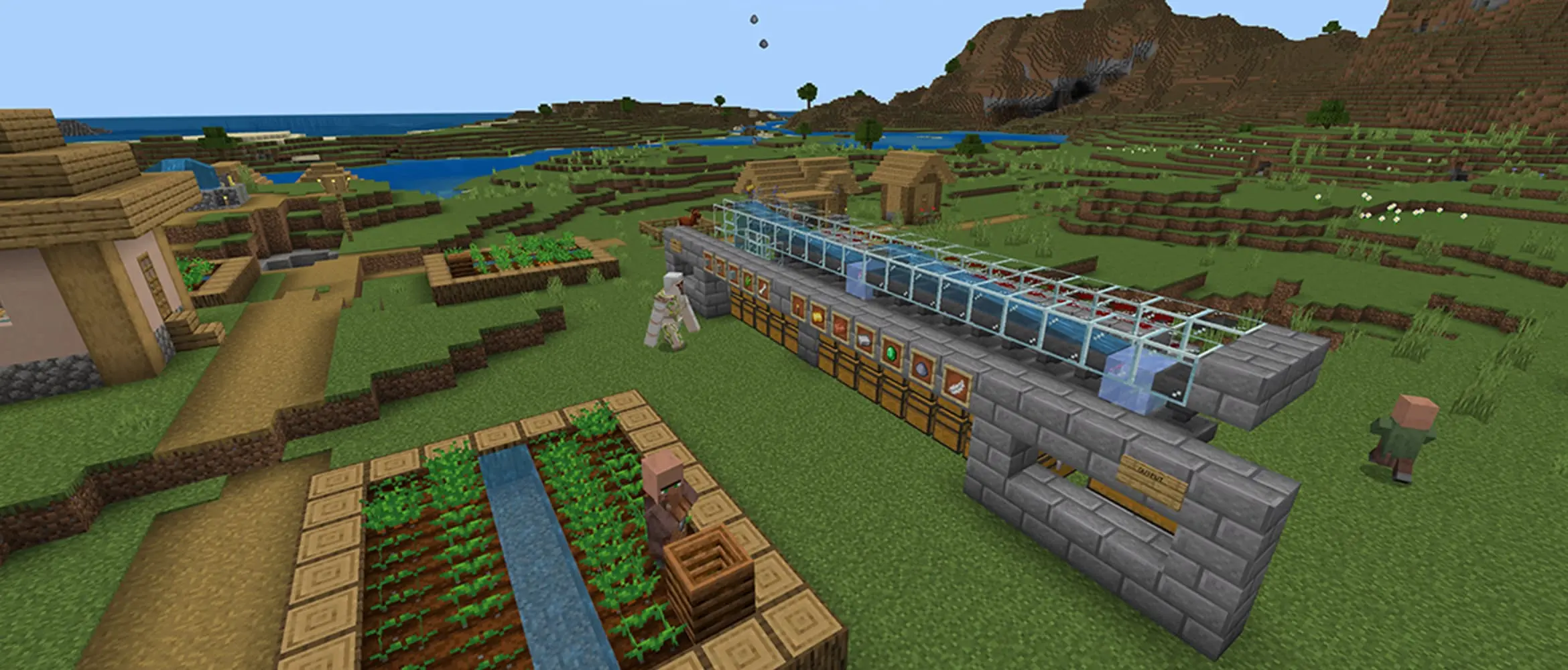
A few cooked animals can carry the first two days. They are not a food plan. Plant wheat, potatoes, carrots, beetroot, or any crop the world provides. Fence two animals when possible and keep their breeding food nearby. The farm can be small; it only needs to produce more than the player eats.
Storage deserves the same early attention. Use clear categories instead of dropping everything into the nearest chest. Blocks, ores, food, plants, tools, and mob drops are enough to begin. Put an emergency chest near the bed with food, wood, torches, and a spare pickaxe.
- Base marker: Use coordinates, a tall pillar, a visible roof, or a path from the nearest landmark. Smoke from a campfire can also help from a distance.
- Safe perimeter: Light the doorway, farm, animal pen, and the route to the mine. Current hostile mobs need complete darkness to spawn, but caves and shaded corners still need attention.

Days 5 and 6: Finish the Iron Setup
Now the world can support a longer mining trip. Bring food, torches, blocks, a shield, and more than one pickaxe. Light one side of the route consistently so the exit is easier to recognize. Avoid carrying every valuable item from the base into the same cave.
Advertisement

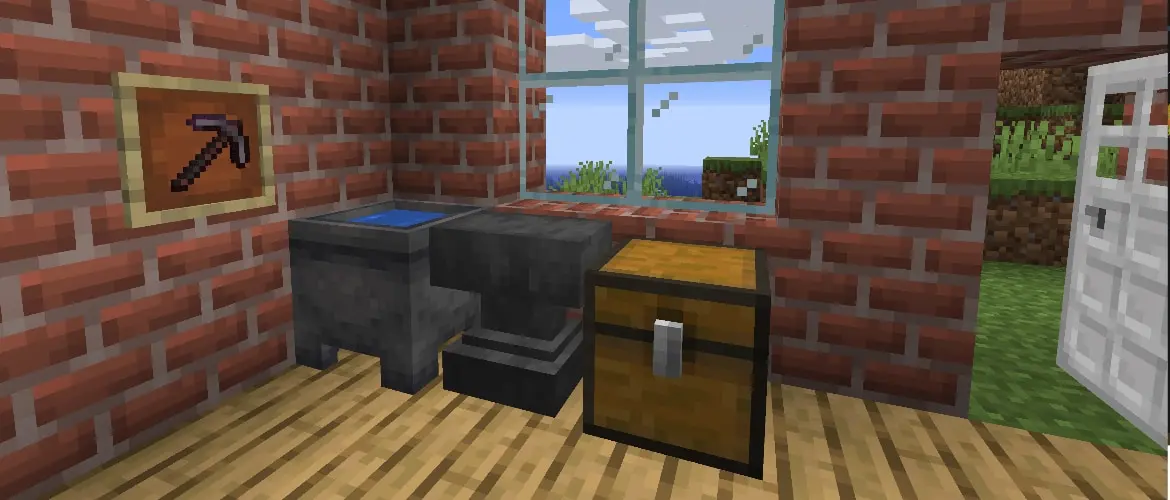
Full iron armor is a useful target, but the order can change. A shield, bucket, and iron pickaxe usually improve survival sooner than boots or a helmet. Once those tools are ready, fill the remaining armor slots and craft shears, a second bucket, or an anvil only when the iron supply can handle it.
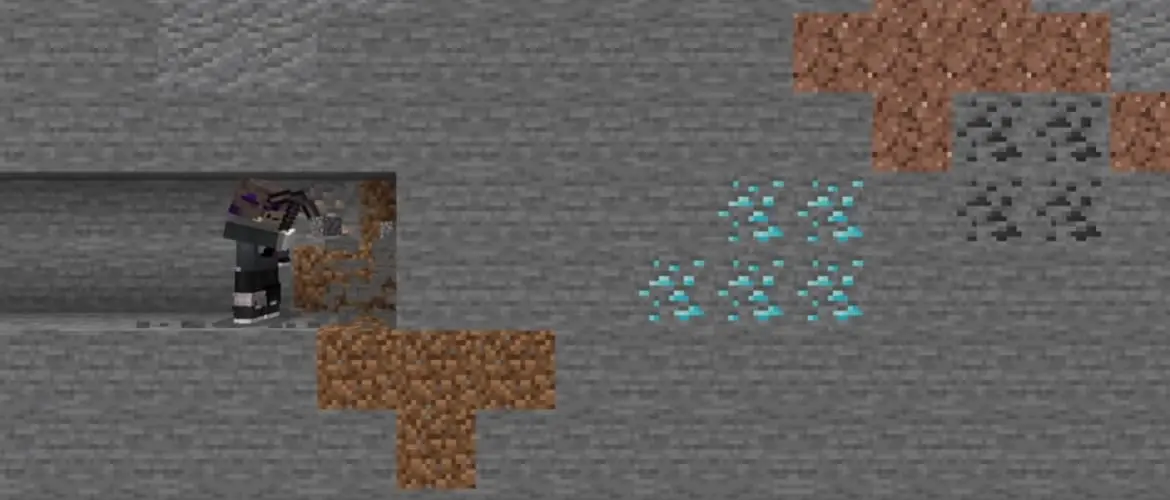
Diamonds may appear during this stage. Mine them with an iron pickaxe and take them home. There is no prize for turning the first three diamonds into the wrong item while standing beside lava.
Days 7 and 8: Explore Without Emptying the Base
Longer exploration becomes reasonable once the emergency chest, farm, iron equipment, and coordinates are ready. Carry a bed when traveling far, but do not sleep in a dangerous location without checking the area. A new spawn point is useful only when the player can safely leave it.
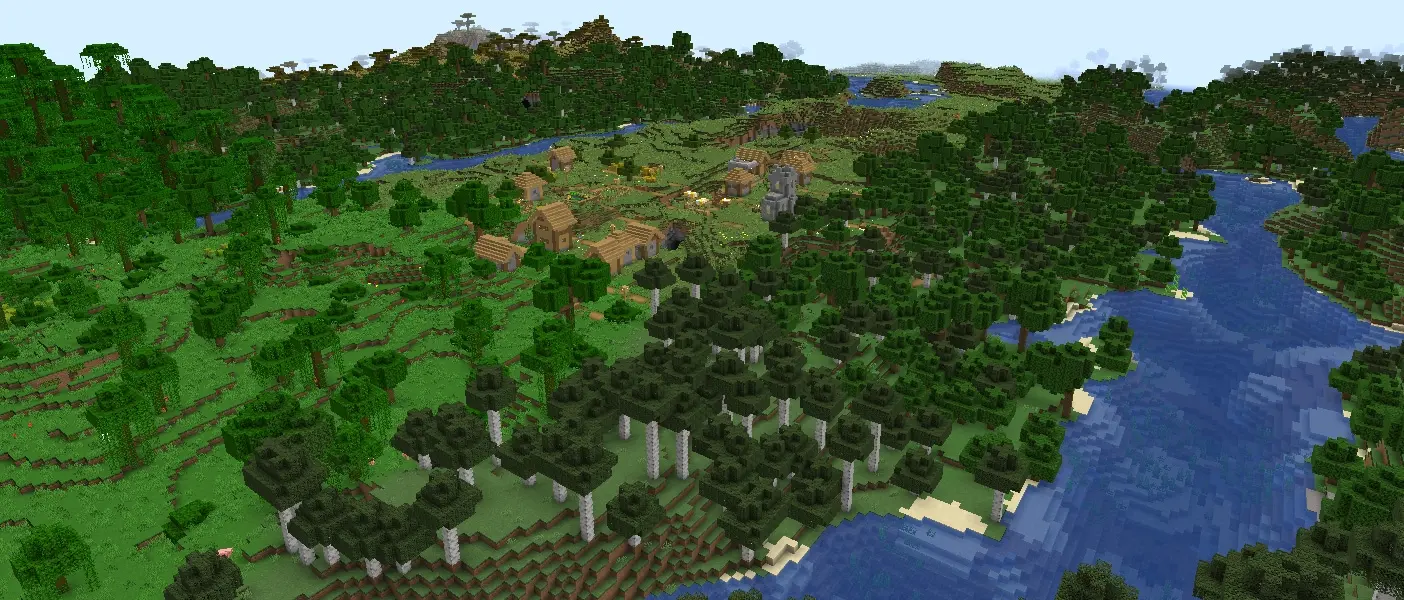
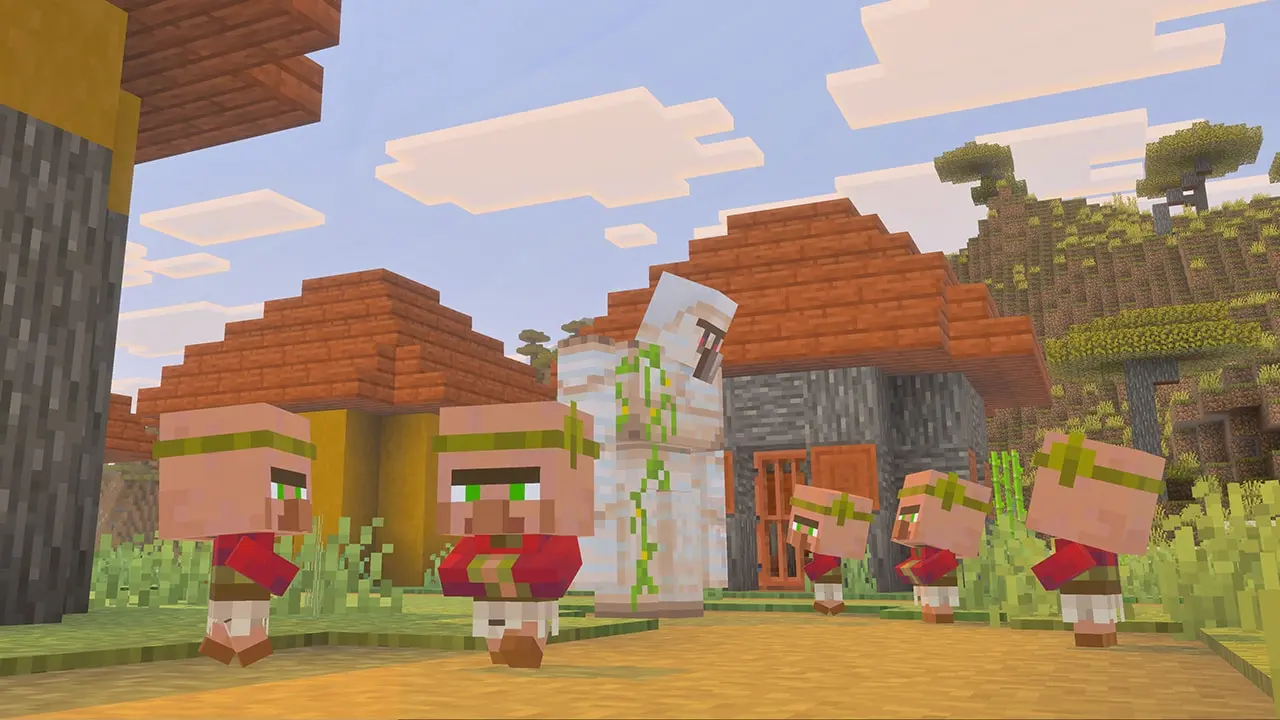
- Village: Look for crops, beds, workstations, and future trading opportunities. Avoid damaging villagers or taking every source of food when the settlement will be used later.
- Ruined portal: The chest may contain useful gold items and obsidian. Treat the structure as a bonus, not a reason to enter the Nether without supplies.
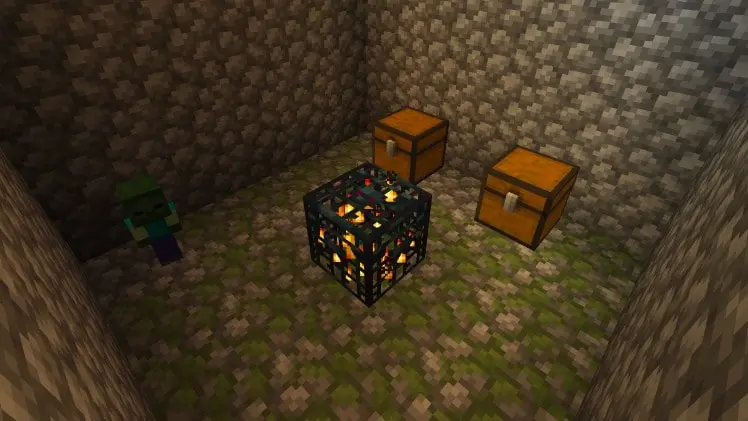
- Cave or mineshaft: Mark the entrance coordinates and carry enough blocks to control drops, water, and exposed openings.
- New biome: Collect saplings, crops, animals, and building materials that are difficult to find near home. Leave room in the inventory for the return trip.
A boat is worth carrying around rivers and coastlines. On land, paths, torches, signs, and coordinates do more than memory. Minecraft landscapes look different when the return journey begins at night.
Days 9 and 10: Choose the World’s Next Direction
The first 10 days do not need to end at the Nether portal. Use the last two days to prepare the part of Minecraft you actually want to play.
- For exploration: Make maps or navigation markers, improve food supplies, and prepare a portable bed, boat, leads, and replacement tools.
- For building: Collect one main material, one contrasting material, and one detail block. Expand the base without removing the bed and emergency storage during construction.
- For the Nether: Prepare iron armor, a shield, a flint and steel, blocks that cannot burn, food, and one piece of gold armor. Record the Overworld portal coordinates.
- For deeper mining: Set up spare pickaxes, more torches, food, water, and a clear route to the level needed for the target ore.
Pick one direction and finish the preparation. Starting a portal, an enormous house, an enchanting room, and a distant expedition on the same day usually leaves four unfinished problems around the base.
What You Should Have by the End of Day 10
- A reliable spawn point: The bed is protected, accessible, and not surrounded by blocks that prevent a safe respawn.
- Renewable food: At least one crop or animal source produces food without depending on another long trip.
- Useful iron gear: A shield, iron pickaxe, bucket, and enough armor for normal cave exploration are ready.
- Organized storage: Valuables and replacement supplies are not mixed into one chest that travels everywhere with the player.
- A recorded home location: Coordinates or clear markers make the base possible to find from another biome.
- One next project: The supplies for exploration, building, mining, trading, or the Nether are collected before the project begins.
When the Schedule Goes Wrong
A death, terrible spawn, missing sheep, or empty iron cave can push the plan back. Repeat the unfinished day instead of treating the world as ruined. Minecraft does not grade the calendar. The number above the day only helps decide what should be stable before the risks get larger.
Keep the emergency chest stocked after every successful trip. The first 10 days are complete when losing one inventory no longer sends the entire world back to wooden tools.