






Pixel Twelve
Minecraft Survival Checklist for New Worlds

How To

Minecraft Survival Checklist for New Worlds

Use this Minecraft survival checklist to handle the first day and first night in a new world, from wood and stone tools to food, shelter, torches, bed setup, and early mining priorities.

Game: MinecraftVerified Jul 12, 2026
Guide Type
How To
Last Verified
Jul 12, 2026

Guide details

Overview

Use this Minecraft survival checklist to handle the first day and first night in a new world, from wood and stone tools to food, shelter, torches, bed setup, and early mining priorities.

Guide section

The first-day order that matters

A new Minecraft world feels huge because it is. Trees, caves, water, hills, animals, villages, and random landmarks all compete for your attention in the first few minutes. That is exactly why a checklist helps. If you are new, the early game gets easier when you stop treating the opening like a giant open-world exam and start treating it like a small survival routine.

For most new worlds, the order that matters is simple: wood, crafting table, stone tools, food, shelter, light, and then a bed if you can get one before dark. That order works across Java Edition on PC and Bedrock on console because the basic pressure is the same. Daylight gives you a short setup window. Night punishes wandering, weak gear, and indecision.

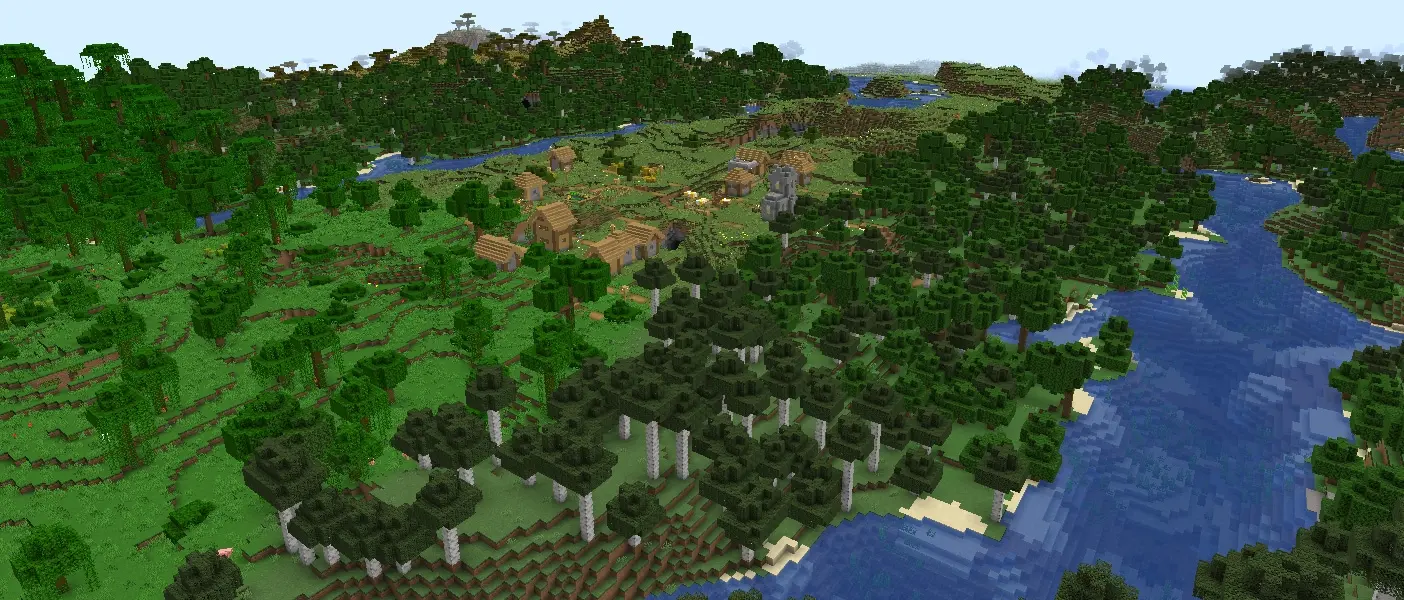
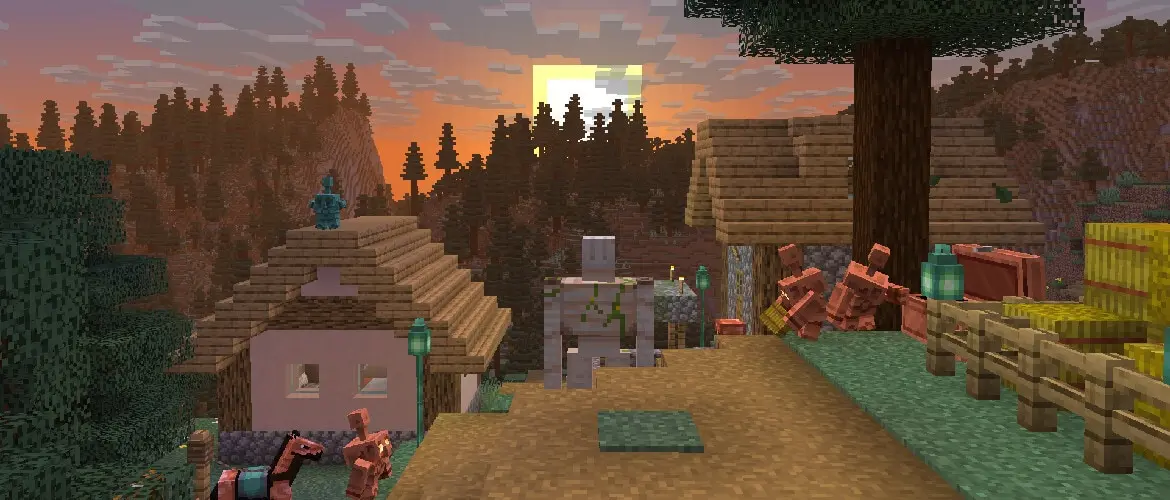
Lucky spawns can change the details without changing the plan. A village can solve food, beds, and temporary shelter fast. A bad spawn might force you to improvise with dirt and charcoal. Either way, the safest beginner mindset is the same: make the world smaller before you try to make it impressive.

Guide section

Your first tools should come in this order

Start by punching trees, turning logs into planks, and making a crafting table right away. From there, build a wooden pickaxe only as a bridge to stone. The first real upgrade is cobblestone, because stone tools last longer and work faster than wooden ones. If you spend too long crafting every wooden tool first, you usually waste daylight you cannot get back.

A practical first-day tool order is wooden pickaxe, stone pickaxe, stone axe, and then either a stone sword or a stone shovel depending on what your area is giving you. The axe speeds up wood gathering. The pickaxe keeps progress moving. The sword matters if animals, caves, or early hostile mobs become a problem. The shovel is useful, but it usually is not the tool that saves a rough opening.

This is also why deep exploration is a trap early on. If you run toward a mountain, cave network, or distant biome before your tools are set, you often trade useful progress for scenery. Stay near trees, harvest stone fast, and use the first minutes to build momentum instead of chasing a perfect location.

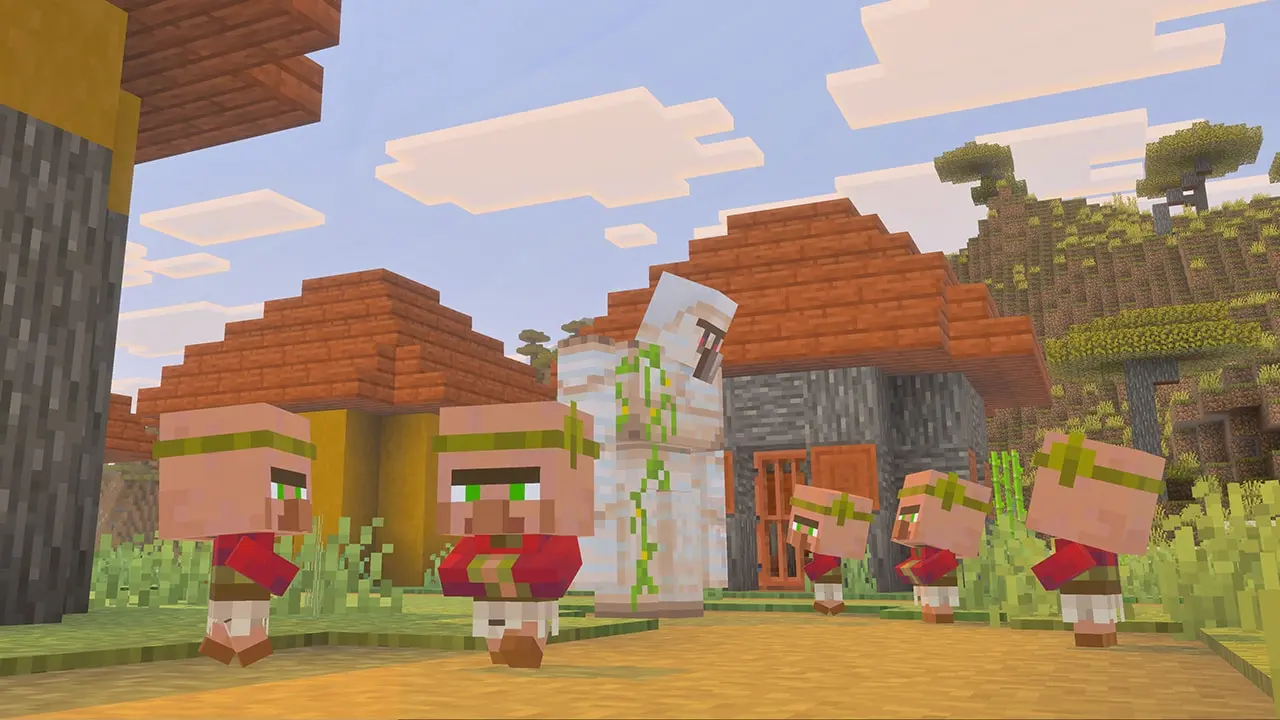
If a village appears close by, treat it like support for the checklist, not a replacement for it. Villages can speed up beds, food, and temporary safety, but you still want your own tools, your own crafting setup, and a clear idea of where your starter base will be. Borrowing a lucky spawn is smart. Depending on it for everything is how players get stranded the second they wander away from it.

Guide section

Food and a furnace matter before sunset

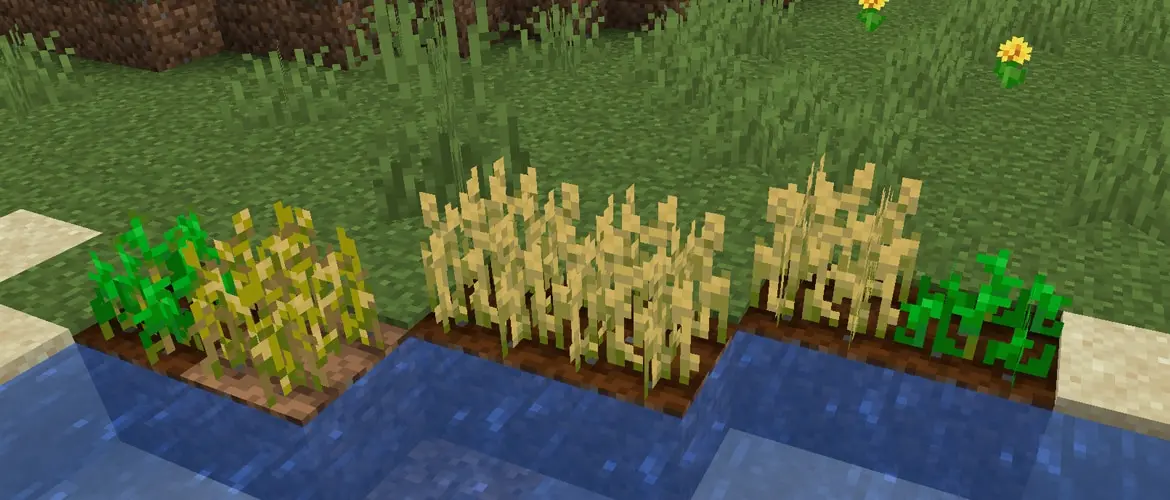
A lot of beginners think shelter is the only first-day priority, but food is what keeps mistakes from snowballing. The hunger bar lets health regenerate, which means a world gets safer the second you have a reliable meal instead of one lucky snack. Animals, fish, village food, or even quick wheat access can all work. The important thing is not variety. It is having enough to stay alive while you learn.

A furnace should show up early in the same routine because it solves two problems at once. It cooks better food and gives you charcoal if coal does not show up quickly. Charcoal is not a glamorous early item, but it keeps torches flowing, and torches are one of the quietest upgrades in the whole game. Light makes shelters safer, caves readable, and first-night panic much less likely.

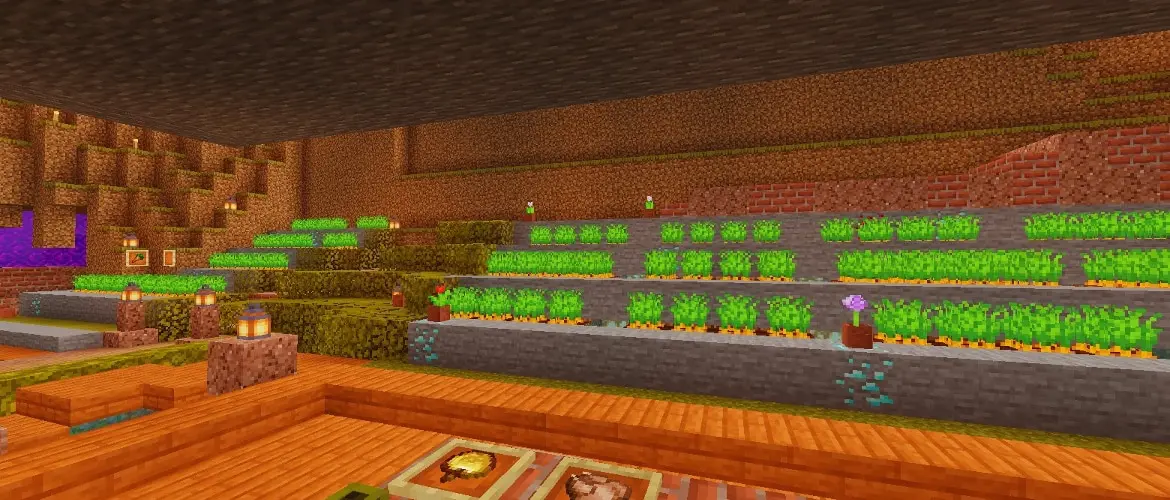
If you find hay bales in a village, use that advantage. If you spawn near animals, cook what you can. If your area feels thin on food, do not burn the whole day looking for a perfect farm setup. Minecraft gets easier once you accept the first food plan can be ugly and temporary.

Guide section

Shelter, bed, and light are the real night-one checklist

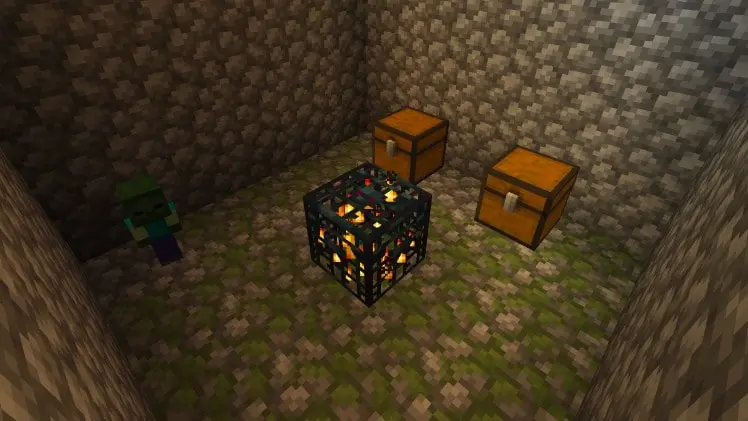
Your first shelter does not need to deserve a screenshot. A dirt room, a carved-out hillside, or a tiny wooden box is fine if it keeps hostile mobs outside. New players often lose good starts because they try to build something pretty before they build something safe. Survival first, style later is still the best rule for a fresh world.

If you can make a bed before dark, do it. A bed is one of the biggest early comfort upgrades in Minecraft because it lets you skip the most chaotic part of the first night and gives you a respawn point that is actually useful. That said, do not throw away the whole day chasing sheep across the map. A bed is the goal, not a reason to abandon the rest of the checklist.

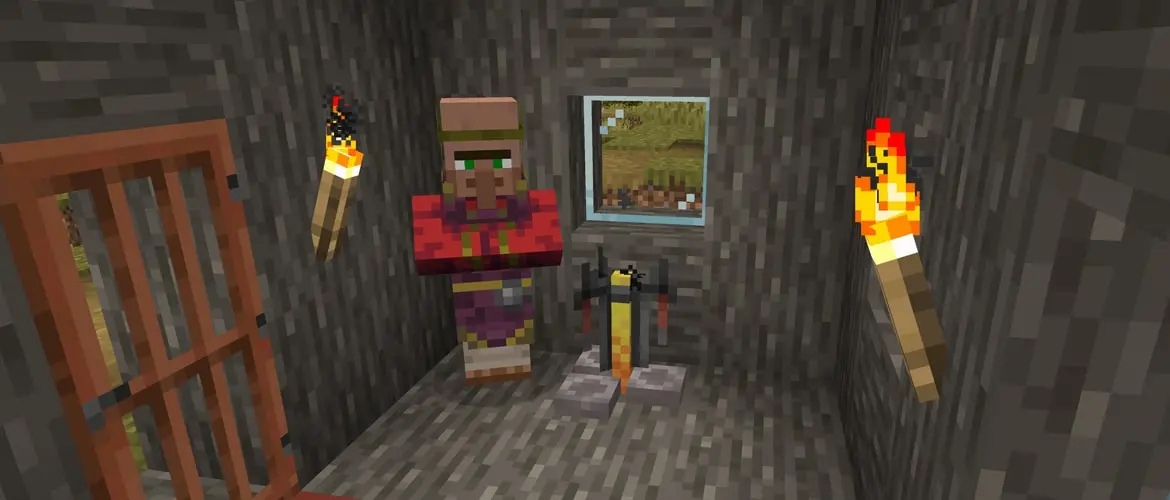
Torches belong inside and around your shelter as soon as possible. Even a basic first base feels much better once you can see clearly, stop surprise spawns nearby, and move through the room without guessing what is behind you. The players who enjoy their second Minecraft day usually are not the ones who built the fanciest shack. They are the ones who finished night one with food, light, and somewhere to reset.

Guide section

What to do if night arrives before you are ready

Sometimes the first sunset shows up before the world fully clicks. That does not mean the run is ruined. If you do not have a bed yet, seal yourself into a small shelter, keep food ready, and wait the night out while smelting, crafting, organizing, or listening for danger outside. A boring first night is much better than a dramatic death that sends you back into the dark with no plan.

This is the moment to avoid one of the classic beginner mistakes: treating a deep cave like an emergency solution. Shallow stone access is useful. A huge underground branch with weak gear, low food, and no clear exit usually is not. If you need more cobblestone or coal, grab the easy part and come back later when the world is stable enough to support real mining.

It also helps to mark home before you get brave again. A dirt pillar, simple coordinates, or a visible landmark can save a world from turning into a long, frustrated search after one bad fight. Getting lost can be fun later. Early on, it is mostly a way to separate you from your bed, furnace, and supplies.

Night one is also a good time to do small cleanup work that makes morning two smoother. Organize a chest if you have one. Cook extra food. Convert spare logs into planks. Make backup tools if durability is low. Minecraft rewards players who use quiet moments well, and the first night is one of the best places for that habit to start.

Guide section

Morning two is when mining actually starts to make sense

Once you survive the first night, the next priorities become more practical and less desperate. This is a good time to make a chest, clean up your shelter, gather more wood, and start thinking about iron instead of diamonds. Diamonds are exciting, but iron changes the early game faster because it opens better tools, armor, a shield, and eventually a bucket.

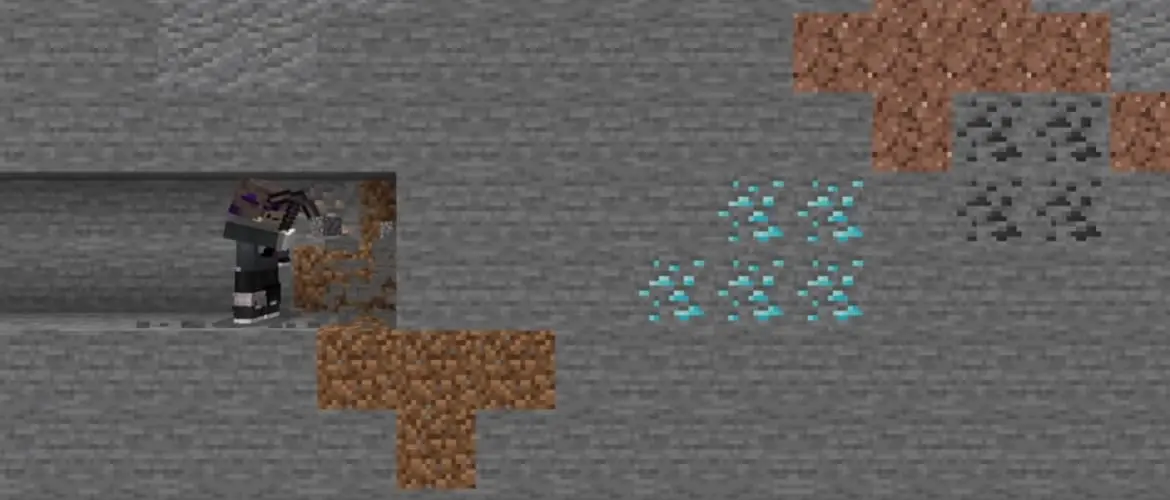
If you are ready to mine, do it from a position of stability. Bring food, torches, a stone pickaxe or better, and enough awareness to know how to get back home. Mining is much less stressful once your base already exists and your spawn point is set. You are not trying to become rich in one trip. You are trying to turn survival into a routine that keeps paying off.

The first shield deserves special attention the moment iron is realistic. It is one of the clearest beginner power jumps in Minecraft because it gives you room to recover from bad timing instead of losing every fight on contact. After that, the game opens up fast. Better mining, safer exploration, and longer trips all start making sense once the first two days are handled in the right order.

This is also the point where a little inventory discipline starts paying off. Keep wood, food, torches, and basic blocks with you before longer mining or exploration runs. New players often lose momentum not because they chose the wrong grand strategy, but because they forgot a small survival tool and had to retreat. The best early Minecraft habits are usually the boring ones that stop setbacks from stacking.