Pixel Twelve
Minecraft Diamonds, Iron, and Early Resources Guide

How To

Minecraft Diamonds, Iron, and Early Resources Guide

This Minecraft early-resources guide explains how to prioritize coal, iron, and diamonds in a new world, with clear mining tradeoffs and better early progression choices.

Game: MinecraftVerified Jul 12, 2026
Guide Type
How To
Last Verified
Jul 12, 2026

Guide details

Overview

This Minecraft early-resources guide explains how to prioritize coal, iron, and diamonds in a new world, with clear mining tradeoffs and better early progression choices.

Guide section

Why iron matters before diamonds

New Minecraft players love the idea of finding diamonds fast, but the smarter early-game resource is almost always iron. Iron is what turns a shaky first shelter into a real survival setup. It gives you a shield, stronger tools, armor that forgives mistakes, shears for beds, and eventually buckets that make caves, lava, farms, and obsidian far easier to manage.

That is why a good early resource guide should not start with diamond hype. It should start with priorities. If your world is still short on coal, food, torches, or stable iron tools, diamonds are exciting but not yet the thing that fixes your run. Iron usually changes your day-to-day survival much faster than a single diamond vein does.

Diamonds matter most once your basics are already stable. They unlock higher-end tools, stronger armor, and your path to obsidian and the Nether, but they are a second-stage goal. Minecraft gets much easier when players stop treating diamonds as the first proof they are playing correctly and start treating iron as the real early foundation.

Guide section

Minecraft no longer has one perfect mining level

One of the biggest old habits that still confuses returning players is the idea that there is one magic height for everything. Minecraft's official mining guidance has moved away from that. The old Y=11 rule used to be a simple answer when ore generation was flatter, but modern world generation asks players to make tradeoffs instead of mining one height forever.

That change matters because early resources no longer sit on the same schedule. Coal wants a higher search. Iron has one strong lower band and another stronger mountain-heavy pattern higher up. Diamonds reward going much deeper. Official Minecraft world-generation notes also point out that several ores have reduced air exposure, which means the best finds are not always the obvious ones staring at you from an open cave wall.

In plain English, the current system rewards intention. If you want coal and easy surface momentum, stay higher. If you want steady iron, mine around its stronger zones or explore mountains. If you want diamonds, commit to a deeper trip instead of hoping one medium-depth cave solves everything at once.

Guide section

What to look for first in a brand-new world

Your first useful resource loop is still wood, stone, food, and then the materials that keep the loop alive: coal or charcoal for torches and iron for upgrades. That order matters because torches, cooked food, and better picks are what let you keep gathering safely instead of resetting every time a cave turns messy.

Coal is easy to underrate because it is common, but it is one of the most important early resources in the game. Official Minecraft generation notes place coal higher than a lot of players expect, especially compared with the old pre-1.18 instincts. If you are climbing hills, cutting through higher terrain, or passing through elevated forest and mountain areas, grabbing coal early can save you from turning your first mining trip into a dark scramble.

If coal refuses to cooperate, charcoal is still the clean backup. That is why your first furnace and a stack of logs matter so much. A beginner who can make light consistently is much better positioned to find iron and eventually diamonds than a beginner who tunnels deeper with no torches because they wanted to skip the boring setup.

Guide section

The smartest way to find iron early

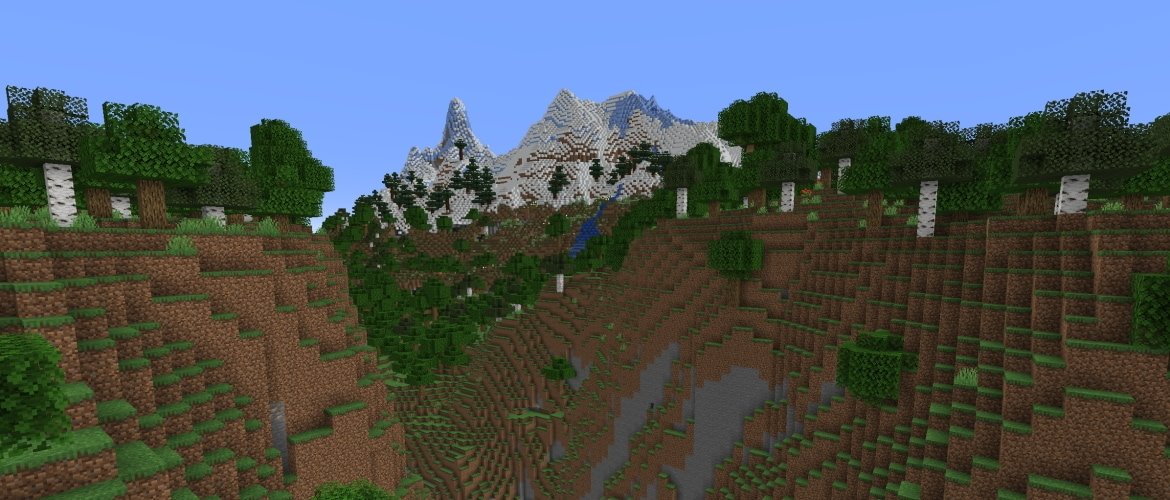
Iron is where Minecraft's resource guide becomes practical instead of romantic. Official ore-distribution notes for the modern overworld say iron has a strong bias around the lower mid-levels and another richer high-altitude pattern in mountains. That means early iron often comes from one of two playstyles: sensible first caves and cliffside or mountain exploration.

For a brand-new world, the safest version is usually shallow cave mining or exposed stone near hills and slopes. You do not need a giant expedition to make iron pay off. A few early veins can turn into an iron pickaxe, bucket, shield, and basic armor surprisingly fast, and that kit changes how confident your next cave run feels.

Mountain iron can be great, but it is not automatically the beginner answer if the terrain is awkward or hostile. The real lesson is that iron is common enough to build around if you keep your expectations grounded. Mine what is easy first. Upgrade your survival tools. Then start using that better equipment to go deeper for higher-risk resources.

The first iron crafts matter more than the raw ingot count. A shield usually gives you the biggest survival jump, especially if caves still feel chaotic. After that, an iron pickaxe and bucket do a lot of hidden work. The pickaxe opens better mining options, while the bucket solves falls, lava, farming, and even basic cave control. Early iron is strongest when it turns fear into flexibility.

Guide section

How to chase diamonds without wasting time

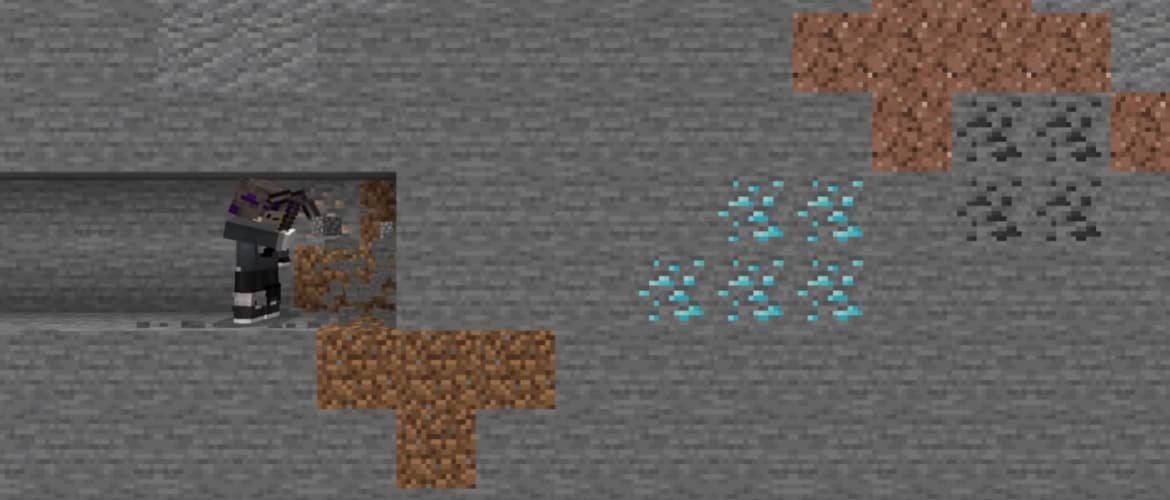
Official Minecraft world-generation notes say diamond ore generates below height 16 and becomes more common the lower you go. They also note reduced air exposure, which is why deep branch mining and buried veins can outperform the fantasy of finding every diamond by walking through giant open caves. Some exposed caves still pay off, but the current game often hides diamonds in places that reward patient digging.

That does not mean players should rush straight downward the second they make an iron pick. It means diamonds should happen after you are stable enough to support a deep run: food, torches, spare tools, a bucket, and ideally a shield. Deep mining without those basics usually turns one good goal into a bad recovery mission.

When diamonds finally show up, do not burn them immediately on whatever looks coolest. A diamond pickaxe is usually the first meaningful upgrade because it opens obsidian and the next stage of progression. Diamond armor and weapons are powerful, but the best first diamond choice is the one that unlocks more options instead of only making one fight easier.

It also helps to be realistic about what a diamond trip is supposed to accomplish. Your first deep run does not need to end with a full set of armor. Even two or three diamonds can be a win if they move your world forward. The mistake is staying underground too long because you are chasing a perfect haul with weak supplies. Short, controlled mining trips usually build stronger worlds than one heroic tunnel vision session.

Guide section

A simple early-resources plan that keeps paying off

If you want one resource checklist to remember, make it this: get enough coal or charcoal to stay lit, enough iron to stabilize your loadout, and only then commit to deeper diamond hunting. That order works because every piece supports the next one. Light keeps you alive. Iron lets you work faster and survive mistakes. Diamonds become much easier to keep once the first two are already handled.

This is also why good Minecraft progression feels less glamorous than people expect. The players who build strong worlds are usually the ones who respect the middle of the ladder instead of skipping it. They do not panic if diamonds take longer. They build around iron, torches, food, and safer caves until deeper mining stops feeling reckless.

Minecraft's resource game is better when you stop asking for one perfect answer and start asking what your world is missing right now. Missing food? Fix that first. No coal? Make charcoal. No shield? Prioritize iron. Already stable? Go deeper for diamonds. That mindset turns resource gathering from random luck into a system you can actually trust.

If a new player remembers only one thing from all of this, it should be that resources are really a timing problem. The ore itself is only part of the answer. The better question is when each resource becomes useful enough to deserve your attention. Coal and charcoal matter the moment darkness starts slowing you down. Iron matters as soon as caves and mobs start punishing mistakes. Diamonds matter once you already have the stability to keep them. Get the timing right, and the whole early game feels less overwhelming.