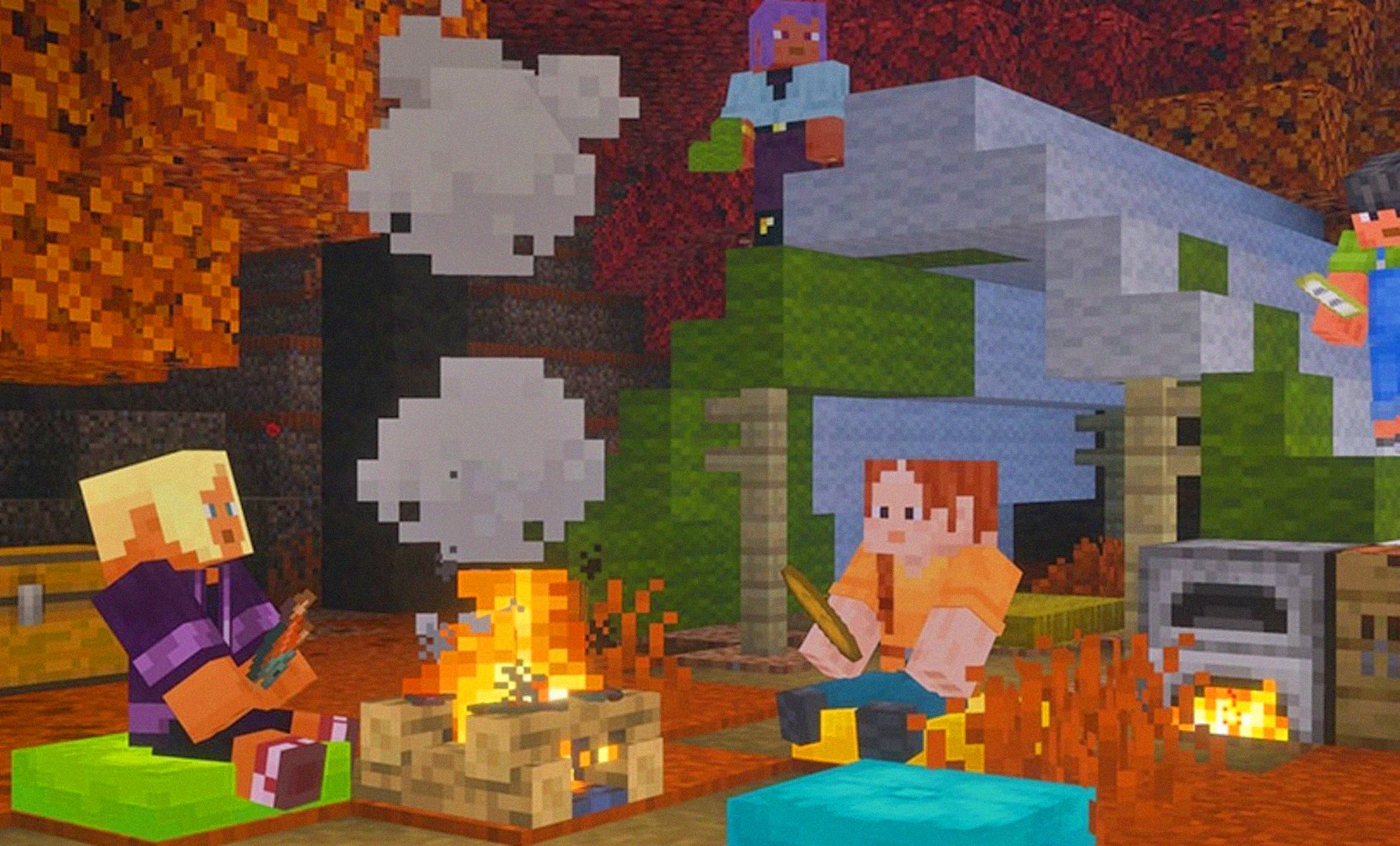
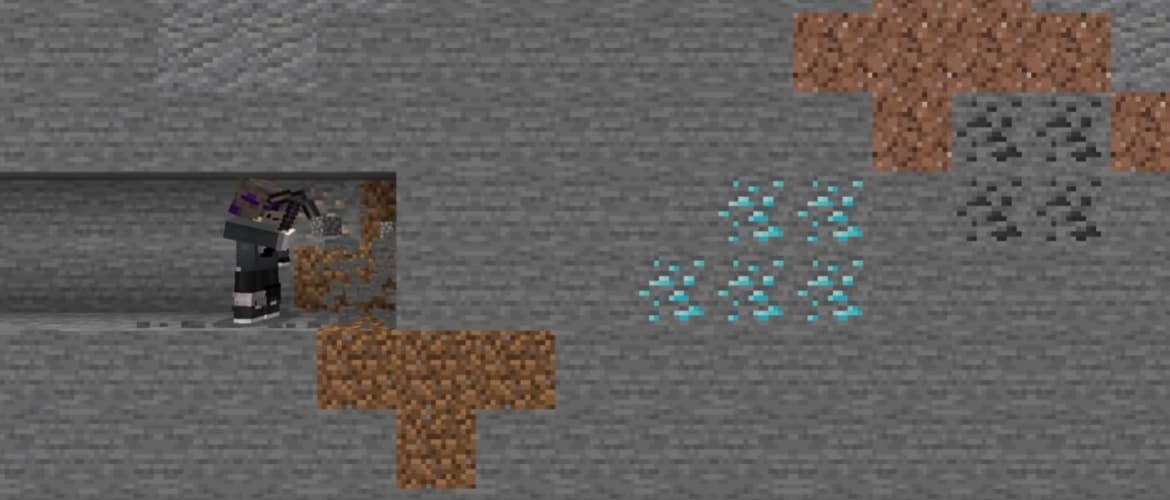
Minecraft mining sounds simple until a returning player realizes the old habits do not explain the current game very well. For years, people passed around one magic height, dug long tunnels, and treated diamonds as the first real proof that a world was going well. That picture is outdated. After Caves & Cliffs: Part II, ore generation became more about tradeoffs, and after The Copper Age, early resource progression has another step between stone and iron.
That does not mean mining became complicated in a bad way. It means the best question changed. Instead of asking where the one perfect level is, ask what your world needs next. A base with no torches needs coal or charcoal more than diamonds. A player with no shield needs iron. A player with stone tools and a lot of exposed copper can use copper gear as a practical bridge while building toward stronger equipment.
The smartest mining plan is not flashy. It keeps you alive long enough for the good finds to matter.
Start With Light, Food, and a Real Exit
Before chasing any ore, solve the boring part. Bring food, torches, blocks, and enough tools to get back out. Coal is easy to overlook because it is not rare, but it controls the pace of a cave trip. Torches make routes readable, stop panic, and help you see when a cave is turning into a problem. If coal is not nearby, charcoal from logs is still a perfectly good early answer.
Caves are useful, but they are not all equally useful on day one. A shallow cave that gives stone, coal, copper, or a few iron veins is better than a huge drop that eats your supplies and leaves you guessing where the exit went. Use blocks to mark dead ends, light the path you actually plan to use, and leave when the trip has already paid off. A short successful mine is better than a dramatic one that costs your gear.
Copper and Iron Do Different Jobs
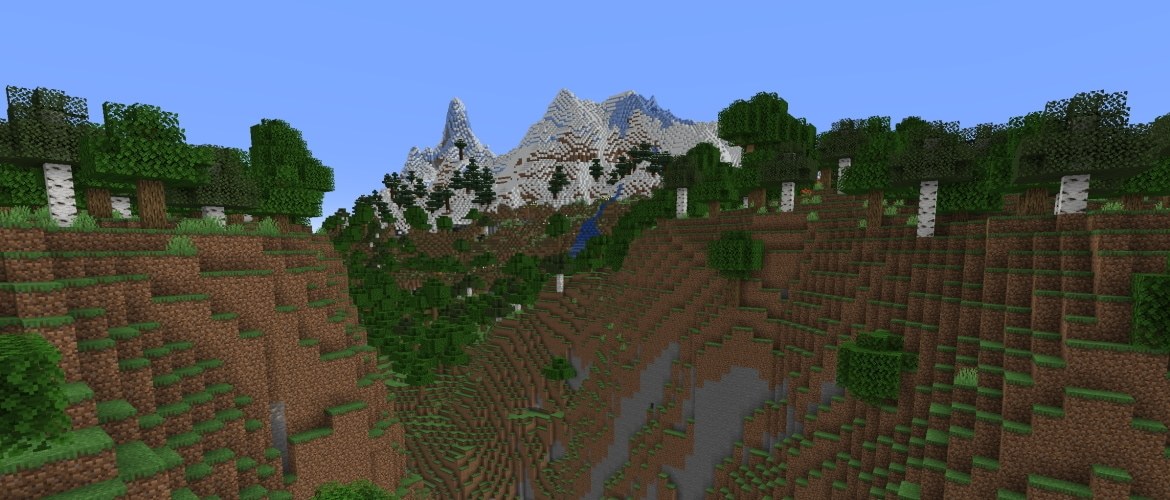
Copper used to be easy to ignore if you did not care about building with it. The Copper Age changed that by making copper part of early equipment progression. It is easier to find than iron and can help bridge the awkward gap between stone tools and a stronger iron setup. That makes copper useful in the same way many Minecraft updates are useful: not because it replaces everything, but because it smooths out a part of survival that used to feel thin.
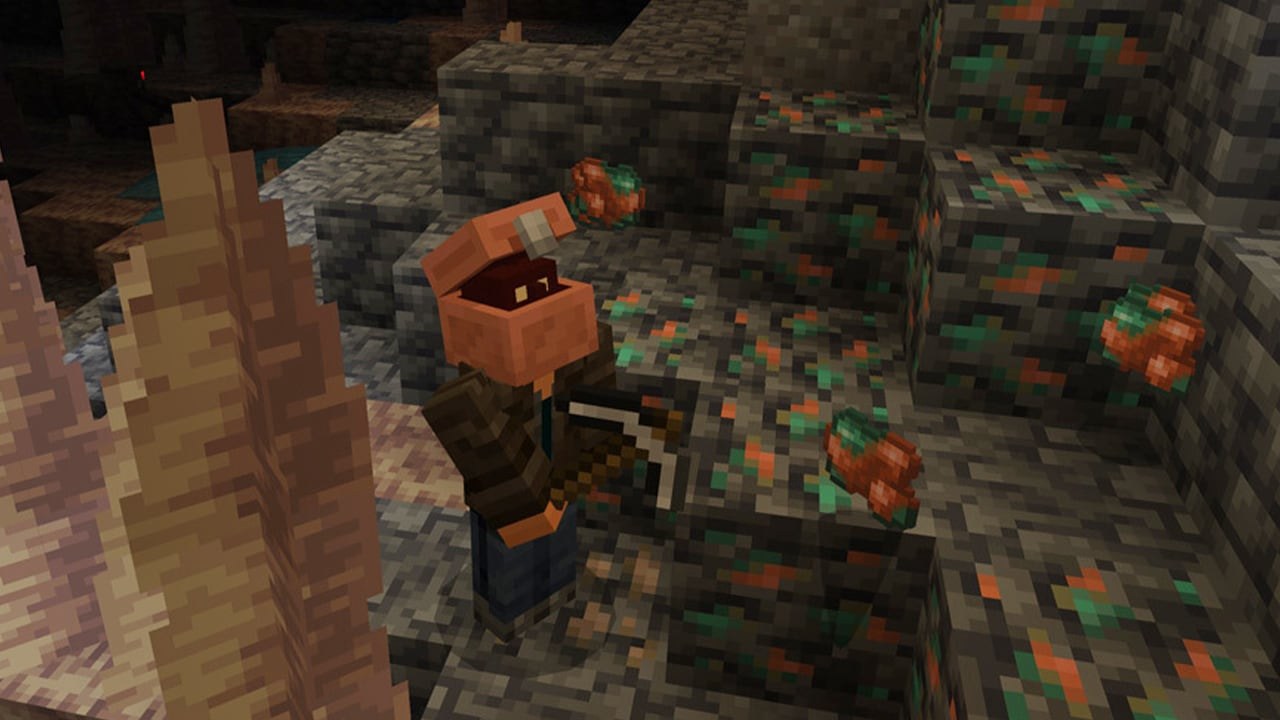
Iron still matters more in the long run. It opens the tools, armor, shield, bucket, and utility items that make survival feel sturdy. If copper helps you move through the early game, iron is what lets you stay there with confidence. Your first good iron crafts should usually be practical, not flashy: a shield, an iron pickaxe, a bucket, and then armor as your supply allows.
That order also keeps the guide useful for different kinds of players. A builder may care about copper early because it turns into lighting, blocks, and storage personality later. A survival-focused player may only need enough copper to improve the first stretch before iron becomes consistent. Both approaches are valid as long as the ore is serving the world you are actually building, not just filling a chest because you mined it by accident.
Ore height matters, but it should not turn into tunnel vision. Official Caves & Cliffs notes made the bigger point clear: there is no single height that is best for every ore. Iron has strong zones lower down and high in mountains. Coal favors higher areas. Diamonds generate deep and become more common lower down, with reduced air exposure. In normal language, that means different goals ask for different trips.
Diamonds Are a Deep-Trip Goal
Diamonds are still exciting, and nobody should pretend otherwise. The mistake is treating them like the first useful mining target. A deep diamond trip goes better once you already have food, torches, a shield, a bucket, and enough tools to recover from surprises. Going deep too early can work, but it often turns one lucky find into a risky recovery mission.
Once diamonds show up, spend them with a plan. A diamond pickaxe is often the cleanest first craft because it opens obsidian and the next stage of progression. Diamond armor feels great, but a single armor piece rarely changes the world as much as unlocking new options. Early Minecraft rewards upgrades that create more choices.
The best current mining rhythm is simple: use surface and shallow resources to stabilize, let copper or stone carry the earliest tasks, build toward iron, and go deep for diamonds when your kit can support the trip. Minecraft is more fun when mining feels like a route you chose, not a hole you got stuck in.