Minecraft armor progression looks obvious until your first serious world starts punishing every wasted resource. New players often treat each armor material like a mandatory step on a staircase: leather, then iron, then diamond, then netherite, all as fast as possible. In real survival play, that is not how the game feels. The best progression path is more about timing, enchantment value, and the modern smithing system than about blindly crafting the next shiny tier.
Armor in Minecraft is there to solve a survival problem, not to satisfy a checklist. That means the right question is not only, 'What set is strongest?' It is also, 'What set is worth the cost right now?' A world where you barely have food, villagers, or a safe mine needs different priorities than a world that is already pushing into bastions and ancient debris.
If you are still in the opening stretch, start with our Minecraft beginner guide. For the ore side of the same journey, our mining guide and our enchanting guide fit right alongside this page.
Skip Leather Unless the World Gives It to You
Leather armor exists, but most survival worlds do not need you to invest in it. It is fine if you spawn near a village chest, loot a few pieces from structures, or kill enough cows that a stopgap helmet feels free. It is not fine as a serious crafted goal. The defense is low, the value window is short, and iron arrives too soon to justify making a full leather set unless your early world has been unusually stingy.
The only time leather really earns special treatment is when powdered snow becomes part of the conversation, because leather boots have a real functional use there. Outside that, leather is mostly what you wear because it happened, not because it was the plan.
Iron Is the Real First Armor Set
Iron is where armor progression actually begins. The jump from piecemeal scraps to a full iron set changes the survival game immediately. Fights stop feeling like accidental death sentences. Caving becomes calmer. The Nether stops looking completely irresponsible. Iron armor is not glamorous, but it is the first set that reliably lets you play forward instead of constantly recovering from mistakes.
That is why your early armor goal should be simple: get iron fast, then keep it alive with smarter play rather than instantly burning diamonds on the first promising vein. Full iron armor plus a shield is a much bigger power jump than a lot of players remember.
It is also the material where enchantments start mattering in a serious way. A solid enchanted iron set can carry much longer than people think, especially if the alternative is rushing into unenchanted diamond gear you cannot really protect yet.
Diamond Is the First Long-Term Set
Diamond armor is not only stronger than iron. It is the first set that feels worth building around for the medium term. Once diamond is on your body, enchantments, repairs, and upgrade planning all become more meaningful because this is gear you may carry for a very long time. A diamond chestplate or boots with strong enchants can outlast a lot of sloppy netherite dreams.
That said, not every world should rush full diamond the same way. If you only have enough for a couple of pieces, prioritize the slots that give the most meaningful improvement for how you are playing. Chestplate usually changes survivability the most. Boots and helmet often become special once you know which enchants or hazards you care about.
The biggest mistake here is treating raw material tier as more important than enchantment quality. A well-enchanted diamond set is where Minecraft starts feeling stable. That stability matters more than saying you technically reached the next resource step.
Netherite Is Strong, but the Real Cost Is the Upgrade Path
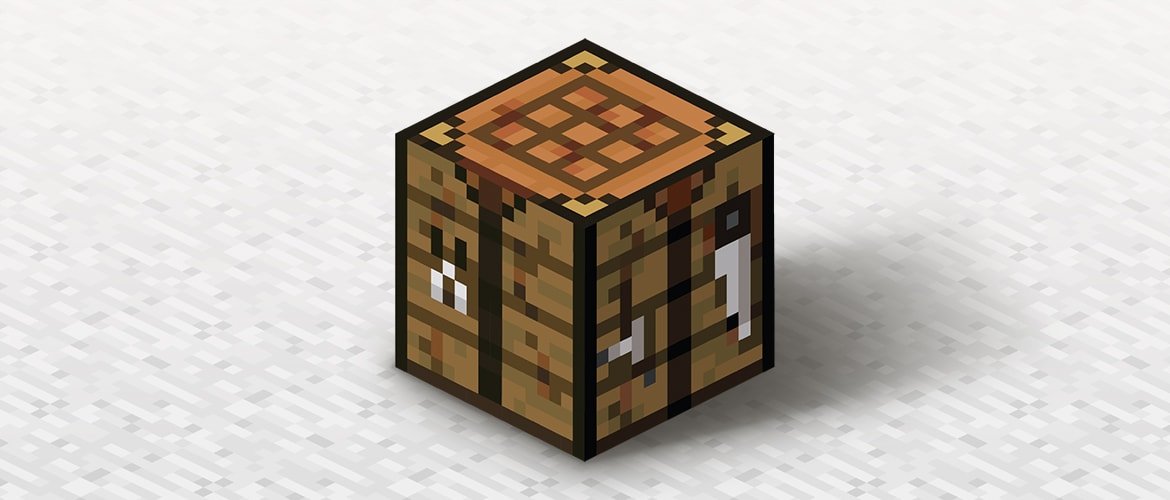
Modern netherite progression is not only about mining ancient debris anymore. Since the smithing changes introduced the Netherite Upgrade template, turning diamond gear into netherite now asks for more than one rare ore and a confident trip home. You need the template, the smithing table, the ingot, and the diamond item you are upgrading. That turns netherite into a deliberate late-game project instead of a simple ore conversion.
The upside is obvious. Netherite gear is tougher, hits harder when it is a weapon or tool, and gives knockback resistance on armor pieces. It also survives lava, which is the kind of quiet advantage players fully appreciate only after one horrible mistake. The downside is that the upgrade cost is high enough that you should be picky about order.
Upgrading your entire set immediately is not always the smartest play. In many worlds, the best first netherite target is the piece or tool that changes risk the most, not the one that sounds coolest.
Best Upgrade Order for Most Survival Worlds
For armor specifically, a very practical order is chestplate first, then boots, then leggings, then helmet. The chestplate gives the largest defensive feeling in normal play, and boots become unusually valuable once you start stacking important enchants. Feather Falling alone can save more runs than some players want to admit. If you use lava-heavy travel routes or raid bastions often, any netherite piece gains extra peace of mind because losing it to fire becomes much less likely.
If your world is enchantment-rich but debris-poor, it is completely reasonable to stay in enchanted diamond armor longer and spend your first netherite ingots on tools instead. Armor progression is part of survival progression, not separate from it.
Do Not Confuse Armor Trims With Armor Power
Armor trims matter for style, not power. They use smithing templates too, which is part of why the modern smithing table looks more intimidating than it really is, but trims are cosmetic. They do not replace the Netherite Upgrade template and they do not secretly improve defense.
That distinction matters because players returning after older versions sometimes mix the two systems together. If the goal is stronger armor, you need the actual netherite upgrade path. If the goal is making the set look incredible while you survive, trims are the bonus layer.
Enchantments Change the Progression More Than Materials Do
This is the part many progression guides undersell. Armor tier matters, but enchantments often matter more once you are past iron. Protection, Feather Falling, Respiration, Aqua Affinity, Depth Strider, Soul Speed, and Mending can do more to shape a world's feel than the raw material jump from one set to the next.
That is why the cleanest progression looks like this: reach iron, stabilize; reach diamond, invest; reach netherite, refine. If you skip the invest step and try to sprint straight to netherite, the world often feels rougher than it needs to. The armor looks elite while the rest of the setup still plays like a scramble.
A Smart Survival Path
In most worlds, use leather only if it falls into your hands or you need powdered-snow boots. Build full iron quickly and let that carry the dangerous early game. Move into diamond once mining and survival are stable enough that the set will last. Enchant that diamond gear before you obsess over netherite. Then treat netherite as a targeted late-game upgrade, not a panic craft.
This approach keeps the cost curve sane and makes every set feel like it earned its moment. Minecraft armor progression is at its best when each material solves a real problem. Iron keeps you alive. Diamond gives the world structure. Netherite is what you build once the world is already yours.
When Enchanted Iron Is Better Than Weak Diamond
A lot of players hit their first diamonds and feel like the world is telling them to switch immediately. Sometimes that is right. Sometimes it is a trap. If your iron armor already has useful enchantments and your diamond pieces would be plain, the real upgrade may be smaller than it looks. Protection, Feather Falling, and a few quality-of-life enchants can make old gear feel better than technically stronger gear that still has no support around it.
This comes up all the time in survival worlds that are strong on mining luck but still weak on infrastructure. If you do not have bookshelves, a villager setup, steady lapis, or even a safe base that lets you play without constant item loss, diamond gear can feel more fragile in practice because every mistake hurts more. Iron with good support can carry until the rest of the world catches up.
How to Prepare for Netherite Without Wasting Time
Before you go hunting ancient debris, get the rest of the run ready for it. Stock up on food, build or secure a path through the Nether that you actually trust, and make sure your diamond gear is already worth upgrading. The worst netherite sessions are the ones where players reach the right biome, find the debris, and then realize the real bottleneck is everything around it.
You also want to understand the modern smithing table before you get home. The Netherite Upgrade template is not optional, and duplicating templates takes resources of its own. A clean upgrade plan keeps that from turning into an awkward second expedition where the hard part is already done but the crafting step still is not.
What Most Survival Worlds Really Need
Most normal survival worlds do not need every armor milestone as quickly as possible. They need one reliable set at each stage, with enchantments and upgrades arriving when the world is ready to support them. That is why a calm iron-to-diamond path usually feels better than a frantic sprint toward netherite bragging rights.
If the world is still shaky, fix the world. Build the farm, improve the mine, get the enchantment setup online, and make the Nether safer. Armor progression feels much better once it grows out of a stable survival loop instead of trying to compensate for one that is still held together with panic crafting.