

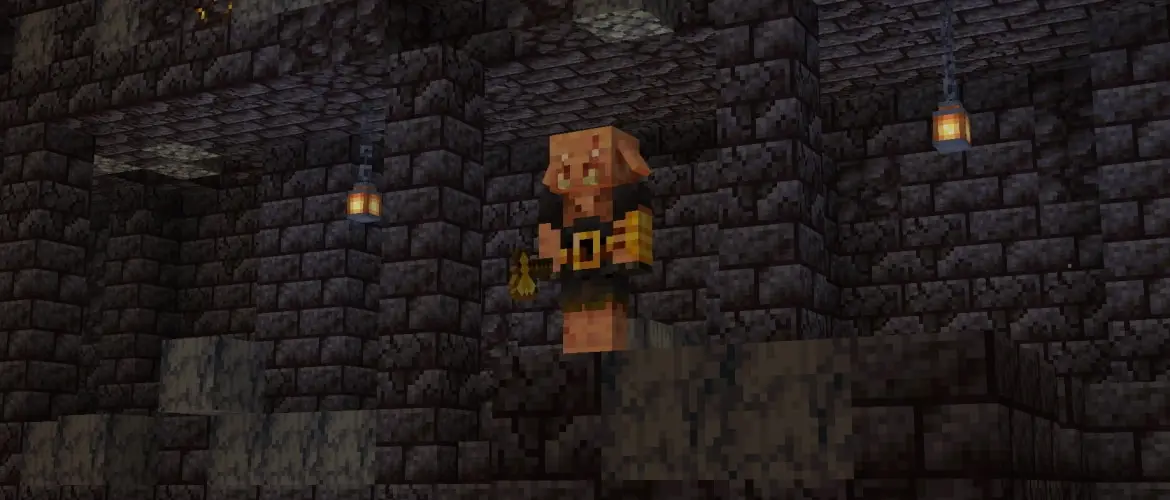




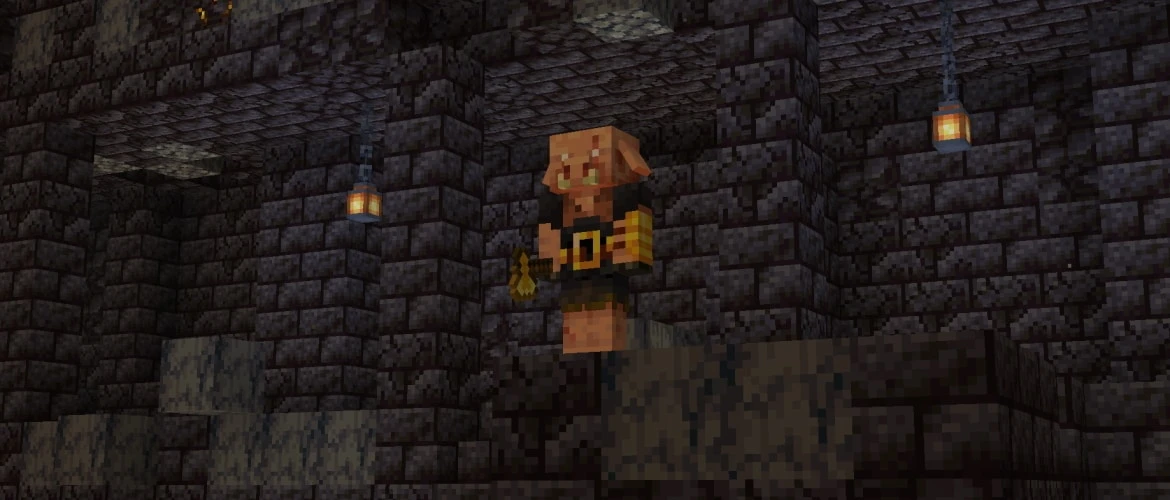
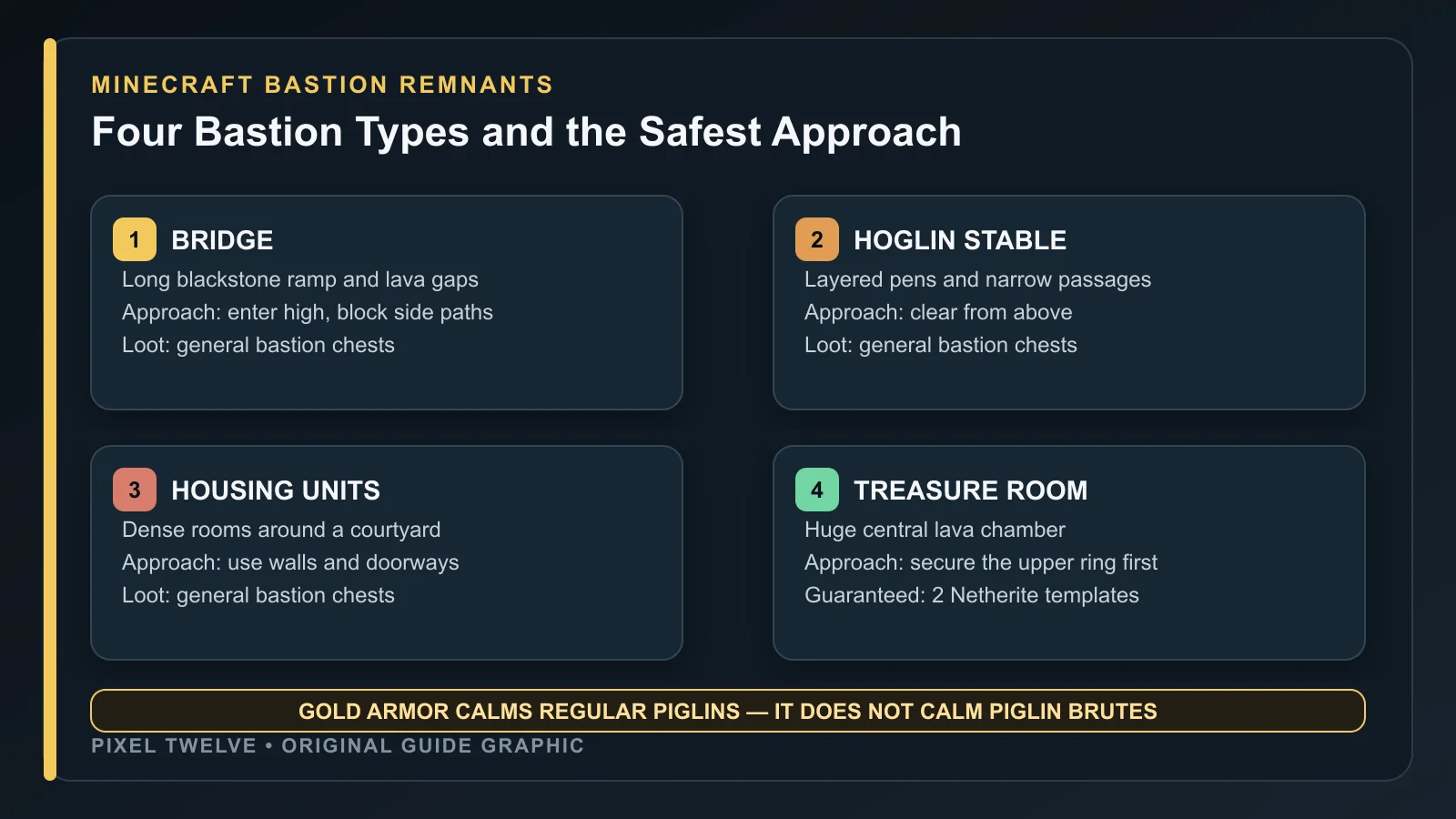
Every Minecraft Bastion Remnant belongs to one of four layouts: Bridge, Hoglin Stable, Housing Units, or Treasure Room. The layout changes the route, the number of dangerous rooms, and the loot you can expect. Gold armor keeps regular piglins neutral until you disturb them, but it never protects you from Piglin Brutes.
There is no single fixed brute count for every bastion. Generated pieces and the layout change how many guards you meet. Enter from above, isolate one room at a time, block lava routes, and never open a chest until you control the nearby piglins.
Bastion Remnant Quick Answers
- How many types? Four: Bridge, Hoglin Stable, Housing Units, and Treasure Room.
- How many Piglin Brutes? There is no universal count. It varies with the generated layout and structure pieces.
- Does gold armor stop brutes? No. Piglin Brutes attack on sight no matter how the player is dressed.
- Do Piglin Brutes respawn? No. The brutes generated with the bastion do not return after being defeated.
- Do all bastions have a Netherite template? All bastion chest types can roll one, but only a Treasure Room bastion guarantees two.
- Where do bastions generate? Across Nether biomes except Basalt Deltas.
The Four Bastion Types
Identify the layout from a safe ledge before committing to a route. The original guide below shows the main visual clue and the safest first move for each type.
How to Find a Bastion Remnant
Search the Right Nether Biomes
Bastion Remnants can generate in most Nether biomes, but not in Basalt Deltas. Wide open Nether Wastes and crimson areas make the large blackstone silhouette easier to spot. Increase render distance only if your device can handle it safely.
Mark the Portal Before Exploring
Save your portal coordinates and build a protected path home. Bastions are easy places to lose a direction because blackstone rooms, lava falls, and broken bridges hide the outside view.
Use the Minecraft Nether guide for portal safety, fortress searching, and the supplies needed for a longer Nether trip.
What to Bring to a Bastion
Wear One Piece of Gold Armor
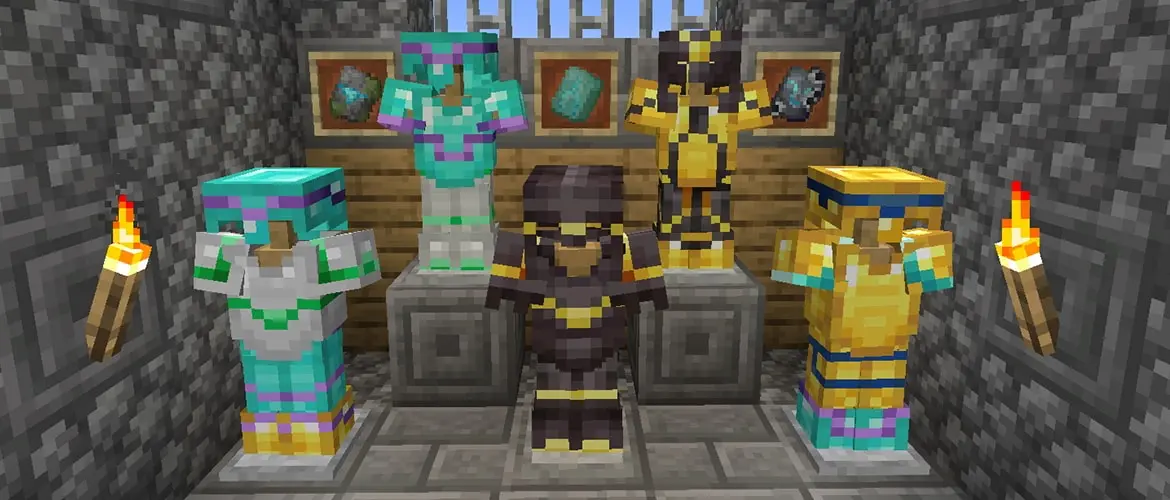
A gold helmet or boots keeps ordinary piglins neutral before you open containers, mine gold-related blocks, or attack them. It does nothing against Piglin Brutes, so keep your real armor strong and use the cheapest gold slot that fits your build.
Bring Fire Resistance
Lava is part of every bastion route, especially the Treasure Room. Fire Resistance turns a knocked-off ledge from an instant disaster into a recoverable mistake. Keep a potion in the hotbar, not buried in a shulker box.
The Minecraft potions guide covers Fire Resistance and extended potion duration.
Carry Blocks, a Shield, and a Bow
Solid blocks are your best control tool. Close side corridors, create waist-high barriers, and prevent hoglins from reaching your ledge. A shield helps against axes but can be disabled, so do not stand in an open room trading hits with several brutes.
If your armor is not ready for the Nether, follow the Minecraft armor progression guide first.
Bridge Bastion
How to Recognize It
The Bridge layout has a long damaged bridge or ramp leading into a large carved piglin face. Open lava gaps and side rooms make the approach visible but exposed.
Safest Route
Approach from a high side wall instead of walking the center line. Block side openings, clear brutes with a bow or controlled doorway fight, and create a protected staircase down. Do not chase a piglin onto a narrow bridge over lava.
Loot Expectations
Bridge chests can contain valuable bastion loot, including a chance for the Netherite Upgrade template, but the layout does not guarantee one. Search the side rooms and main interior after the route is secure.
Hoglin Stable Bastion
How to Recognize It
Hoglin Stables have layered pens, balconies, narrow stairs, and a tall open central space. Hoglins add knockback danger to the usual piglin and brute threats.
Safest Route
Enter from above and clear one balcony at a time. Block stairways so hoglins cannot rush from below. Keep warped fungus ready because hoglins avoid it, but do not depend on it when a brute is already attacking.
Loot Expectations
Stable chests use their own loot table and can hold food, obsidian, gold, saddles, and other Nether supplies. Netherite Upgrade templates are possible, not guaranteed.
Housing Units Bastion
How to Recognize It
Housing Units form dense rooms around a central courtyard. The structure feels like stacked apartments, with many doorways and short routes that can hide brutes.
Safest Route
Use walls and doorways to create small fights. Check above and below before opening a chest. This layout rewards patience because moving one room too far can connect several piglin groups at once.
Loot Expectations
Housing chests can hold useful blocks, gold, arrows, and a chance at bastion-exclusive items. There is no guaranteed Netherite template in this layout.
Treasure Room Bastion
How to Recognize It
The Treasure Room has a huge central chamber with a lava floor, a magma cube spawner, blackstone walkways, and the best-known bastion treasure area at the bottom. It is also the most dangerous layout to rush.
Safest Route
Secure the upper ring before descending. Disable or contain side paths, remove brutes from range, and build a protected staircase. Block lava where practical and decide how you will return before jumping to the bottom.
Guaranteed Netherite Upgrade Templates
A Treasure Room bastion guarantees two Netherite Upgrade Smithing Templates in its treasure loot. Other bastion chests can randomly contain a template, but only this layout gives you that two-template guarantee.
How Many Piglin Brutes Are in a Bastion?
There is no fixed answer that works for every Bastion Remnant. The number depends on the layout and the individual structure pieces that generated. A short Housing Unit and a large Treasure Room do not create the same encounter.
Plan as if every unopened room contains another brute. They do not respawn after being defeated, so methodically clearing the structure makes later return trips safer.
Piglin Brute Rules
Gold Armor Does Not Work on Brutes
Piglin Brutes attack players on sight no matter how they are dressed. Gold armor is still worth wearing because it controls ordinary piglins before you disturb the bastion, but it is not a disguise against the guards.
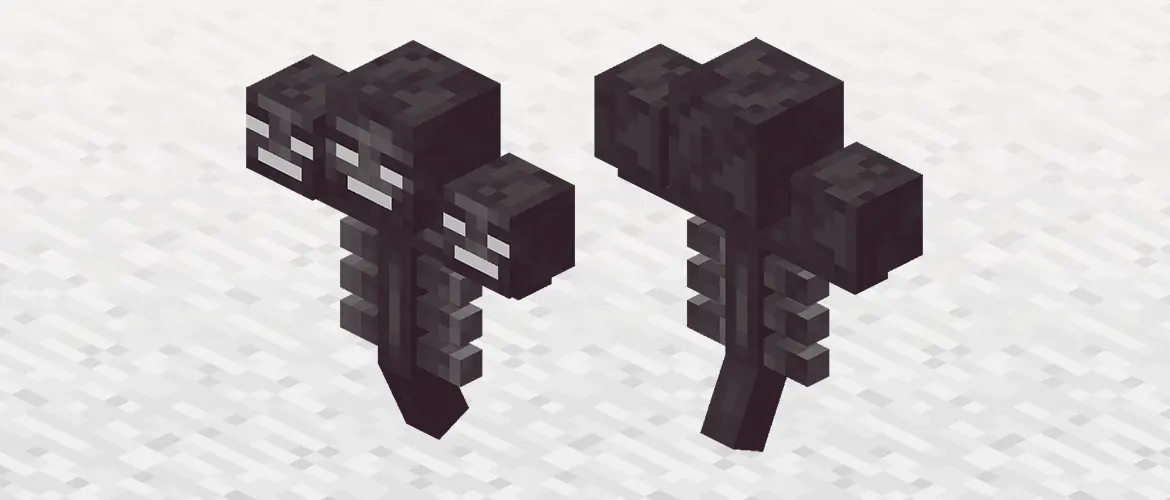
Brutes Use Axes
Their axes hit hard and can disable a shield. Fight from a doorway, use vertical distance, or remove them with a bow. Do not let two brutes surround you in an open courtyard.
Brutes Do Not Respawn
Once the generated brutes are gone, they do not naturally return. Regular piglins can still appear in the area, so a cleared bastion is safer but not permanently empty.
How to Open Chests Without Starting a Disaster
- 1. Close every side route. Use solid blocks to stop piglins from walking into the room.
- 2. Remove Piglin Brutes. They are hostile even before the chest opens.
- 3. Move ordinary piglins away. Opening or breaking a chest angers nearby piglins.
- 4. Protect the floor. Cover lava gaps and give yourself a wide escape path.
- 5. Open and leave. Take the rare loot first, then sort it somewhere safe.
Bastion Loot Worth Keeping
Netherite Upgrade Smithing Template
You need this template to upgrade diamond gear to Netherite. The template is consumed during the upgrade, so duplicate it with seven diamonds, one netherrack, and the original template before converting a full equipment set.
Use the Minecraft mining guide for the diamond supply needed to duplicate templates.
Snout Armor Trim
The Snout armor trim template is a bastion-exclusive cosmetic reward. Duplicate the template before applying it to several armor pieces, especially if the bastion is far from your portal network.
Pigstep Music Disc
Pigstep is another famous bastion-exclusive item. It can appear in bastion chests, so check every safe loot room even after finding the Netherite template.
Gilded Blackstone and Gold Blocks
Gilded blackstone is useful as a building block but can anger nearby piglins when mined. Gold blocks are valuable and dangerous for the same reason. Clear the room before collecting decorative wealth.
Netherite Template FAQ
Do all bastions have a Netherite Upgrade template?
Not as a guaranteed result. Any bastion chest can randomly contain one, but only the Treasure Room layout guarantees two templates.
Can the template be duplicated?
Yes. Use the original template, seven diamonds, and one netherrack to craft two. Store the first template before spending diamonds on multiple copies.
The Minecraft enchanting guide helps finish the diamond gear before you convert it to Netherite.
Common Bastion Mistakes
- Assuming gold armor makes Piglin Brutes neutral.
- Opening a chest before blocking the routes used by ordinary piglins.
- Dropping into a Treasure Room without building a return path.
- Expecting every bastion to contain a guaranteed template.
- Fighting near lava without Fire Resistance in the hotbar.
Bastion Remnant FAQ
Which bastion type is best?
Treasure Room is the best target when you specifically need Netherite Upgrade templates because it guarantees two. Other layouts can be easier for general loot and building blocks.
Can a bastion generate in a Basalt Delta?
No. Search other Nether biomes.
Do Piglin Brutes respawn?
No. Clear them carefully and later visits become easier, though ordinary piglins may still appear.
Can you use a shield against a Piglin Brute?
A shield can stop a hit, but the brute uses an axe and can disable it. Solid cover, range, and controlled doorways are safer than standing still behind the shield.
Save the bastion and portal positions with the Minecraft coordinates guide. Open the Minecraft game page for more structure and progression guides.