









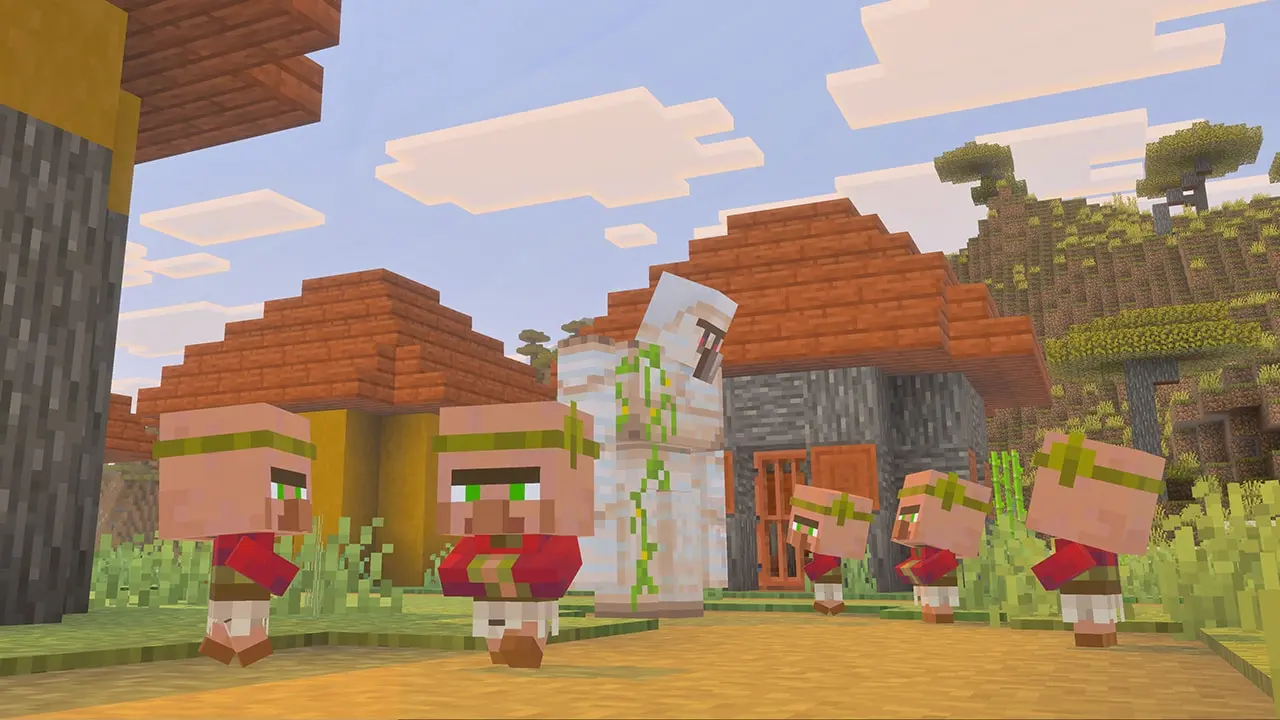




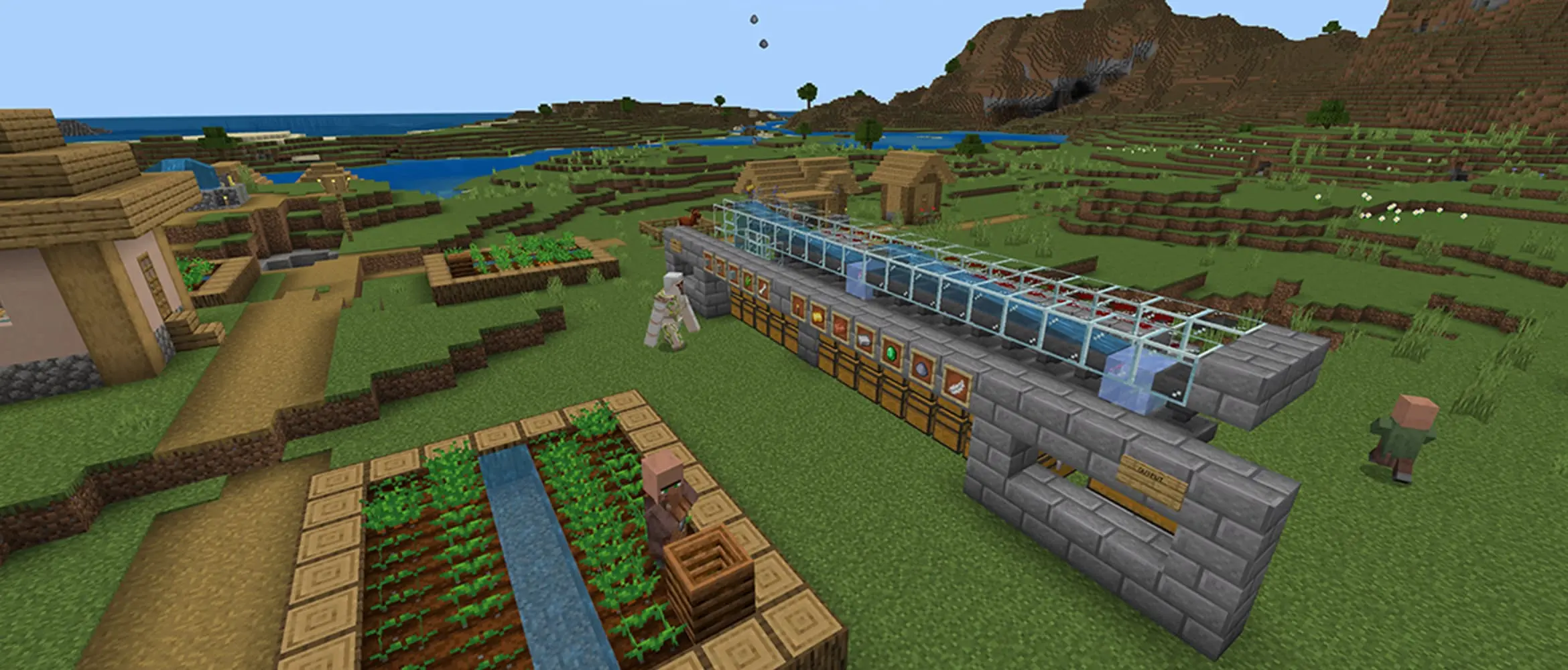
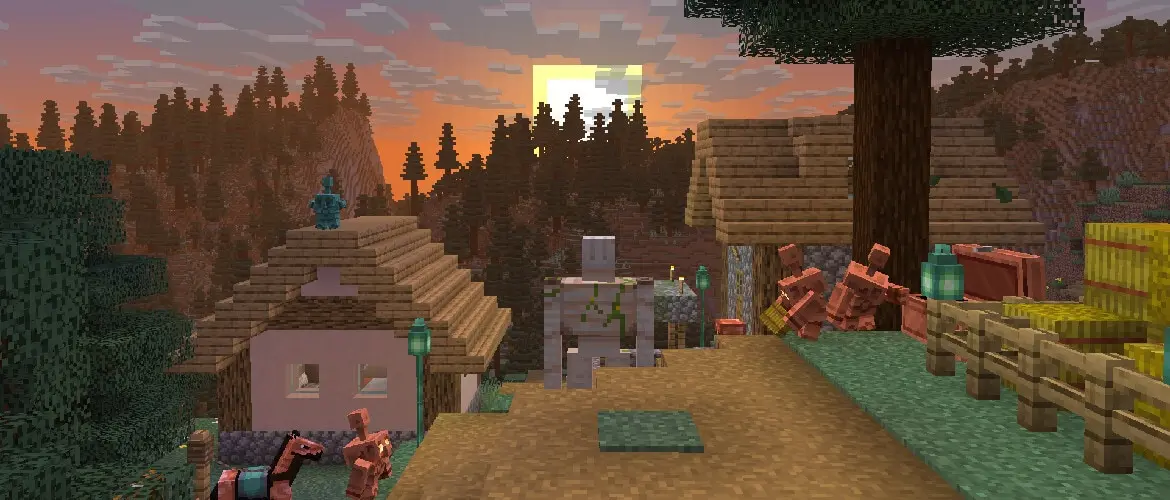



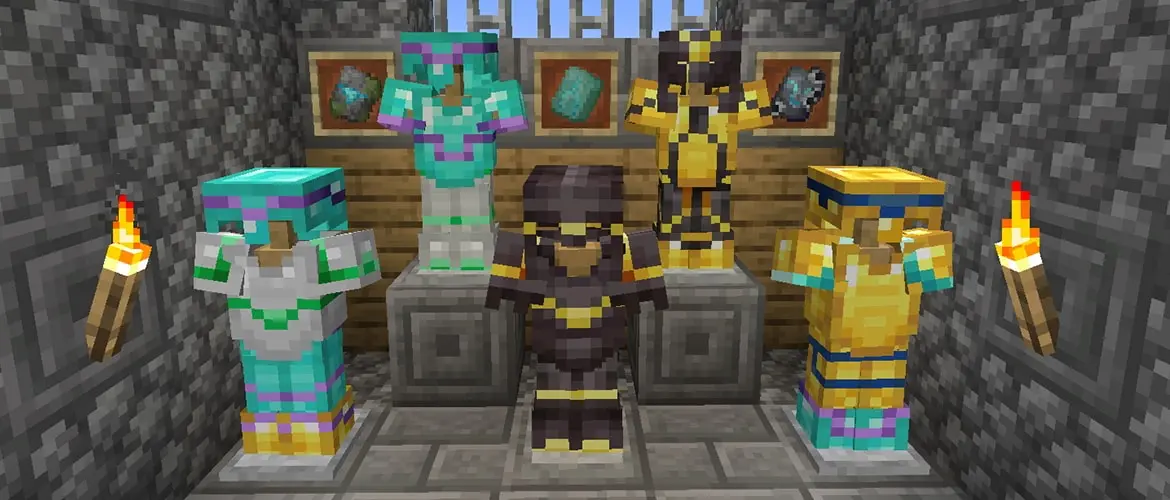



Minecraft villager trading is one of the strongest survival systems in the game, but it is also one of the easiest to make annoying for yourself. A villager can sell the exact enchanted book, tool, armor piece, food, map, or emerald trade you want, then suddenly feel broken because it will not restock or because the price went up after you emptied the trade too many times.
The good news is that villager trading makes sense once you stop treating villagers like random shops. Jobs come from job-site blocks. Trades lock after you trade with a villager. Restocks depend on work access. Prices can move because of demand, reputation, Hero of the Village, and curing. If you understand those pieces, a village turns into a long-term survival engine instead of a confusing crowd of people making noise in a house.
This guide is the next step after the Minecraft Beginner Guide and the Minecraft enchanting guide. Villagers matter most once you already have food, shelter, basic mining, and a reason to care about better gear.
How Villager Jobs Work
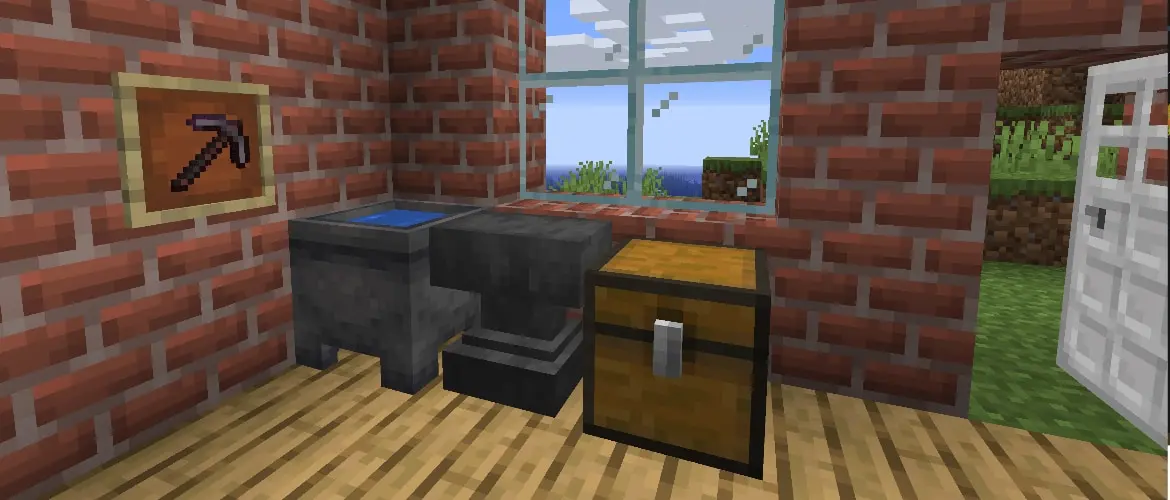
Most adult villagers can take a profession when they claim a job-site block. A lectern makes a librarian. A composter makes a farmer. A blast furnace makes an armorer. A smithing table makes a toolsmith. A grindstone makes a weaponsmith. A brewing stand makes a cleric. There are more, but those are the ones many survival players notice first because they connect directly to food, emeralds, armor, tools, weapons, and enchantments.
Unemployed villagers can change jobs when they connect to a different valid job-site block. That flexibility ends once you make a trade. After you trade with a villager, the profession and trade path are locked. This is good when you finally see the book or tool you want. It is bad when you accidentally buy from the wrong villager and freeze a weak trade forever.
So before you trade, look carefully. If you are rolling librarian trades, break and replace the lectern until the first trade looks useful, then trade once to lock it. If the trade is bad and you have not traded yet, you can still adjust the job site and try again.
Restocking Is About Work Access
A villager does not restock because you stare at it long enough. It needs to be able to work at its claimed job-site block during its work time. If a librarian is separated from the lectern it owns, or if another villager stole the pathing situation, the trade can stay empty and make the whole setup feel bugged.
This is why clean trading halls use obvious job-site placement. Put the block where the villager can reach it. Do not create a pretty room that secretly blocks the villager from working. If a trade is sold out, give the villager time and access rather than replacing random blocks in a panic.
When troubleshooting, check the simple things first: Is the villager an adult? Does it still have its job? Is the correct workstation nearby? Can it reach that workstation? Has enough in-game time passed for work to happen? Most restock problems come from one of those questions.
The Best Villagers to Set Up Early
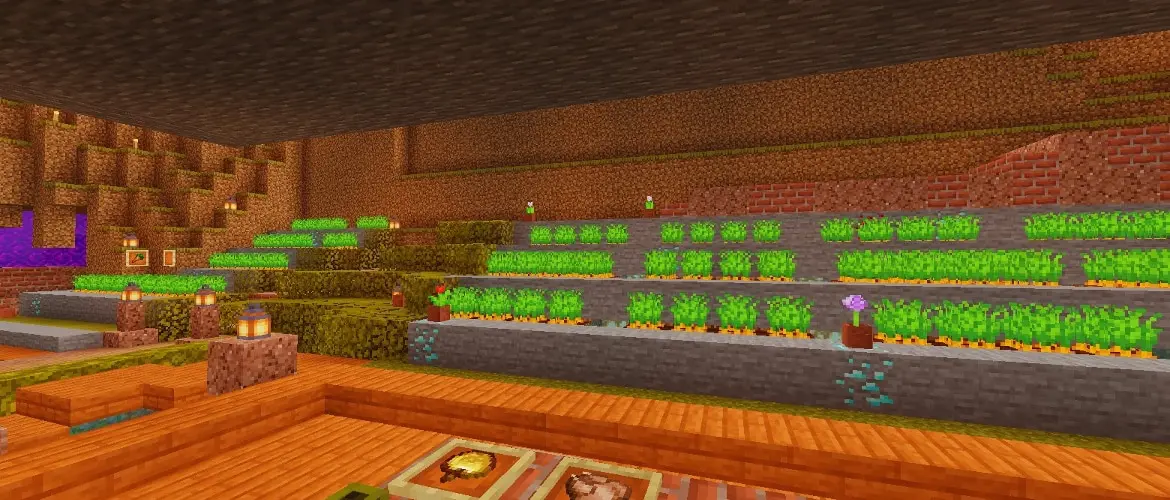
Farmers are the easiest early emerald engine because they buy crops you can grow safely. Wheat, carrots, potatoes, pumpkins, and melons can all become part of a simple economy depending on the trades you roll. A farmer is not flashy, but a steady emerald source makes every other villager better.

Librarians are the most important long-term villager because enchanted books can shape your whole world. Mending, Unbreaking, Efficiency, Fortune, Silk Touch, Protection, and Feather Falling all become less painful once you can buy them instead of hoping the enchanting table behaves. The tradeoff is patience: rolling for the right librarian can take time.
Toolsmiths, weaponsmiths, and armorers are the practical gear lane. They can give you access to useful equipment and later diamond gear depending on trade level. Clerics are good for odd resources and emerald movement. Fletchers can be helpful early because stick trades are simple, though relying on one trade forever can push demand and prices around.
Advertisement

Job-Site Blocks Worth Learning First
You do not need to memorize every job on day one, but a few blocks are worth knowing by heart. Lectern means librarian. Composter means farmer. Fletching table means fletcher. Blast furnace means armorer. Smithing table means toolsmith. Grindstone means weaponsmith. Brewing stand means cleric. Cartography table means cartographer. Stonecutter means mason.
Those blocks are more than labels. They are how you control the village. If you want a librarian, place a lectern near an unemployed villager and check the trade. If you want a farmer, use a composter. If the wrong villager grabs the job, remove the block and reset the room before you trade. The moment you trade, that villager's job path is no longer flexible.
For most survival worlds, the first strong lineup is farmer, librarian, armorer, toolsmith, and weaponsmith. That gives you emerald income, enchanted books, armor, tools, and weapons without needing to master every profession at once.
How to Get Better Prices
Villager prices are not fixed forever. Demand can raise the price of a trade you keep exhausting. If you sell or buy the same thing until it locks, the villager may raise that item's price after restocking. If you stop hammering that one trade, demand can cool off. This is why a trading setup feels healthier when you rotate between several villagers instead of draining one trade all day.
Reputation and Hero of the Village can also affect prices. Hero of the Village comes from defending a village from a raid, and it can make trades cheaper while the effect is active. That is useful, but it is not a beginner requirement. Raids can go badly if your village is unprotected, so do not start one just because you want cheaper pumpkins.
Curing zombie villagers is another discount path, but it is the riskiest one. It requires setup, weakness, a golden apple, and a safe place to manage the conversion. Difficulty also matters because villagers killed by zombies are not equally likely to convert on every difficulty. Treat curing as a later project, not the first thing you do after finding a village.
The biggest price mistake is overusing one convenient trade and then assuming the villager is punishing you personally. It is just demand. If the stick trade gets worse, use crops for a while. If pumpkins get worse, swap to paper, melons, rotten flesh, or another villager. A good trading setup has several ways to earn emeralds so one price jump does not stop the whole machine.
Also be careful with accidental hits. Hurting villagers or letting them get caught in bad village events can make the area feel hostile and messy. Protect the village, light the paths, and keep trading rooms calm. Better prices are not only about tricks. They are also about not creating problems you have to undo later.
A Simple Trading Setup That Actually Works
Start with two farmers and one librarian. That gives you food-to-emerald stability and one enchantment target. Protect the villagers, light the area, give each villager a clear workstation, and avoid trading until you are sure you want to lock the job. Once the first three are stable, add toolsmith, armorer, weaponsmith, and cleric lanes.
Keep your storage nearby. Emeralds, paper, books, crops, rotten flesh, sticks, and traded gear all pile up quickly. Villager trading becomes irritating when the village is 400 blocks from your base and every trip turns into inventory cleanup. A small trading room near your main base is less romantic than a natural village, but it is much easier to use.
Do not chase the perfect trading hall before you understand the basics. You can build the beautiful version later. Early on, the win is simple: villagers are safe, workstations are clear, trades restock, and the prices are not rising because you only use one trade until it screams.
What Not to Do With Villagers
Do not trade once with every villager just to see what happens. That locks weak jobs and leaves you with a village full of mediocre offers. Do not move workstations randomly after trades are locked, because the villager may need the correct block to restock. Do not build a trading room where villagers can see workstations but cannot actually reach them.

Do not depend on one librarian for your entire gear plan either. A Mending librarian is amazing, but you still need emerald income, anvils, XP, and gear worth repairing. A trading system is strongest when it supports the rest of your world instead of becoming the only thing you do.
How Villagers Connect to Enchanting
Villagers do not replace enchanting tables. They complete them. The enchanting table is great for turning levels into broad upgrades, especially early. Librarians are great for targeting specific books when the table refuses to cooperate. A survival world feels much better when both systems exist side by side.
If your gear plan still feels fuzzy, use the Minecraft mining guide to gather better materials, then use villagers to make those materials last. The goal is not to make Minecraft automatic. It is to remove the boring parts that stop you from exploring, building, and taking bigger risks.