A Minecraft farm becomes useful long before it becomes impressive. The first wheat patch gives the player bread, animals, emeralds, and a reason to stop gambling every trip on whatever food happens to appear. A small plot beside the base can quietly carry an entire survival world.
New players often plant every crop in a giant field, build crowded pens behind it, and discover that harvesting the whole project feels like work. Start with what the world needs now: one dependable crop, one animal pen, a cooking station, and enough storage to keep seeds away from dinner.
Food does more than refill the drumsticks above the hotbar. A well-fed player can regenerate health, sprint, explore farther, and recover from mistakes. The best farm is not the one with the most rows. It is the one that keeps doing those jobs without demanding half the day.
Start With a Farm You Will Actually Harvest
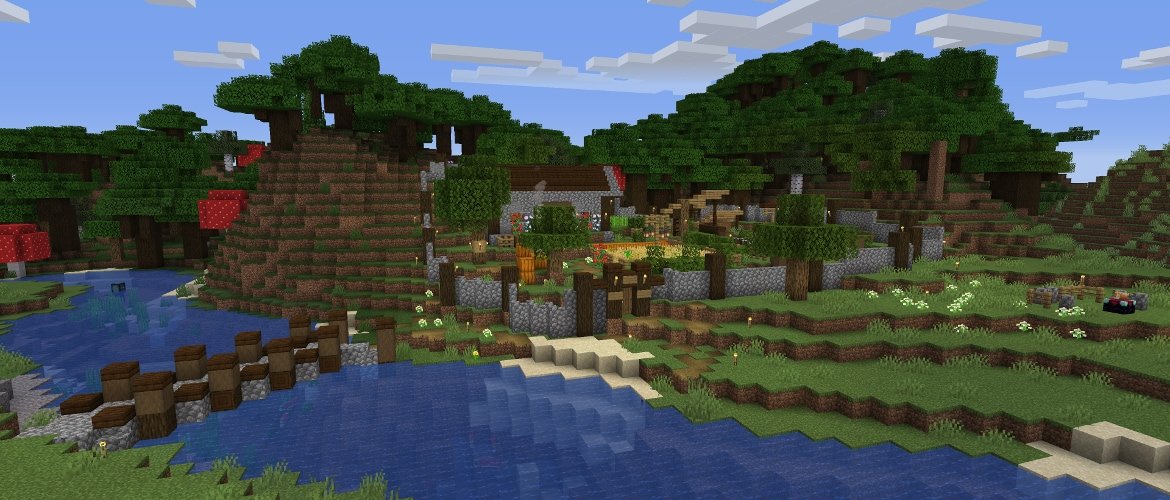
Build the first crop plot near the door, not on the prettiest hill in the distance. If the farm sits along the path between the bed, mine, and storage room, it gets harvested naturally. A beautiful field that requires a special trip is easy to ignore until the food chest is empty.
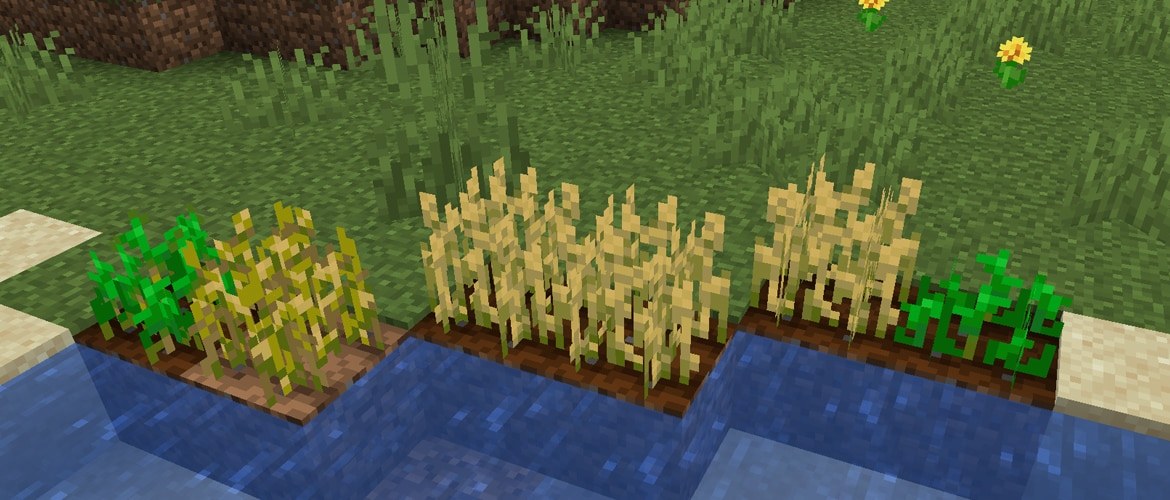
Water keeps nearby farmland hydrated. A single water source can support farmland four blocks away in every horizontal direction, which makes a nine-by-nine plot with water in the center a compact early layout. Cover the water with a slab or waterlogged block if falling into it becomes annoying.
Use fences or walls when animals and villagers share the area, leave a path wide enough to walk while carrying crops, and light the field so the base stays safe at night. Crops also need enough light to grow. A few torches are not elegant, but they are better than finding a creeper between the carrots.
Plant the First Carrot or Potato Instead of Eating It
Wheat is usually the first crop because seeds drop from grass and the finished wheat makes bread. It also attracts and breeds cows, sheep, goats, and mooshrooms. That makes one field useful even when bread stops being the player's favorite food.
Carrots and potatoes often come from village farms, structure chests, or rare zombie drops. The first one should go into farmland. A mature carrot or potato plant returns several items, so a tiny discovery can become rows of food after a few harvests. Eating the only carrot solves one hunger problem and creates another.
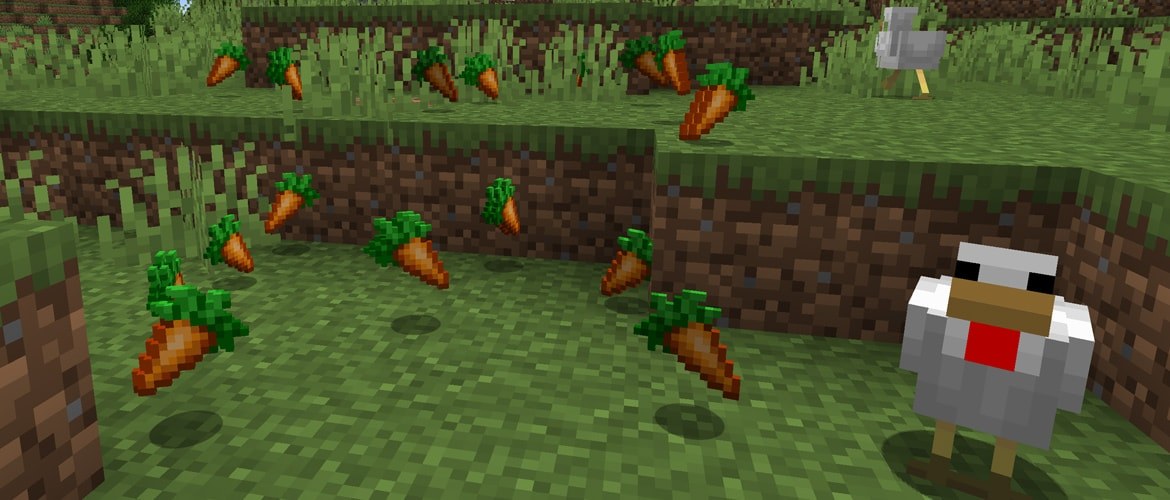
Harvest crops only when they are fully grown. Wheat turns golden, carrots show thick orange roots, potatoes develop a fuller plant, and beetroot leaves become tall and dark. Breaking young crops resets the time without giving the full return.
Which Crops Are Worth Growing?
- Wheat: is the easiest start. It makes bread and hay bales, breeds several animals, heals horses and llamas, feeds composters, and can be sold to farmer villagers.
- Carrots: can be eaten immediately, bred into pigs and rabbits, traded, or crafted into golden carrots for late-game travel and brewing.
- Potatoes: become much better food after baking. They also breed pigs, support farmer trades, and are easy to expand from a village harvest.
- Beetroot: grows quickly and provides soup, red dye, pig breeding, seeds, compost, and another farmer trade, though it is rarely the strongest everyday food.
- Melons and pumpkins: take more space but support crafting and reliable villager trades. They become more attractive once the base has room for stems and automatic collection.
Do not force every crop into the starter base. Wheat plus either carrots or potatoes covers food and breeding well. Add the rest when trading, decoration, potions, or a larger farm gives them a clear purpose.
Cooked Food Makes Early Exploration Easier
Raw crops are convenient, but many fill the hunger bar too slowly for caves and long journeys. Bread works early because wheat is easy to replace. Baked potatoes are one of the cheapest steady foods once the farm and furnace are running. Cooked beef and porkchops last longer between meals and fit dangerous trips better.
Keep a furnace or smoker near the food chest. A smoker cooks food faster than a normal furnace, while the furnace remains useful for everything else. Coal and charcoal are easy early fuels; dried kelp blocks and lava become options when the world has the farms or buckets to support them.
The food bar controls natural healing. With at least nine of its ten drumsticks filled, health can begin regenerating, so entering combat nearly hungry is a quiet way to make every hit more dangerous. Eat before the fight instead of waiting for the screen to shake.
Cows and Chickens Earn Their Space First
Cows provide cooked beef, leather for books, and milk that clears status effects. Wheat handles both attracting and breeding them, so the same starter field supports the pen. A small cow herd connects food to enchanting without needing a second crop.
Chickens need seeds, which the wheat farm already produces. They provide meat, feathers for arrows, and eggs that can sometimes hatch another chicken. Their pen can grow quickly, so collect eggs and avoid keeping more birds than the base can feed or the device can comfortably run.
Sheep are worth adding when wool and colored building blocks matter. Pigs become convenient after carrots, potatoes, or beetroot are plentiful. Two healthy animals are enough to begin; protect the breeding pair instead of filling the pen on the first afternoon.
Keep Animal Pens Usable
Put the gate where it can be reached without walking through the crop rows. Add a second fence gate as a small airlock if animals keep escaping. Carpets placed on fences can give the player another way in, but a normal gate is easier for new players to understand.
Separate chickens from larger animals so eggs are easy to collect and the pen does not become a moving wall of bodies. Light the area, cover nearby drops, and keep a chest for wheat, seeds, shears, buckets, and spare leads. A farm feels organized when the tools live where they are used.
Breed animals with a goal. Cows may be supporting leather for bookshelves; chickens may be supplying feathers; sheep may be producing colored wool. Constant breeding without harvesting creates noise, lag, and a pen nobody wants to open.
Best Food for Mining, Nether Trips, and Boss Fights
Bread and baked potatoes are excellent routine food because a base can produce stacks with little risk. Cooked chicken and mutton are useful when their materials already matter. Cooked beef and porkchops are stronger choices for a long mining trip or the Nether because the player spends less time stopping to eat.
Golden carrots are a late-game favorite. They provide excellent saturation, which helps the hunger bar stay useful between meals, and farmers can sell them after reaching the right profession level. The recipe costs gold nuggets, so ordinary carrots remain the better starter crop.
Golden apples belong in the emergency slot, not the lunch stack. Their absorption and regeneration can rescue a dangerous fight, but the gold cost makes them wasteful for normal hunger. Keep the everyday food and the emergency item in separate hotbar positions.
Turn Extra Crops Into Emeralds and Bone Meal
Farmer villagers can buy common crops, turning a field into emeralds without another mine. Wheat, carrots, potatoes, pumpkins, and melons are especially useful when the base already grows more than it eats. Restocking still requires the villager to reach the correct workstation.
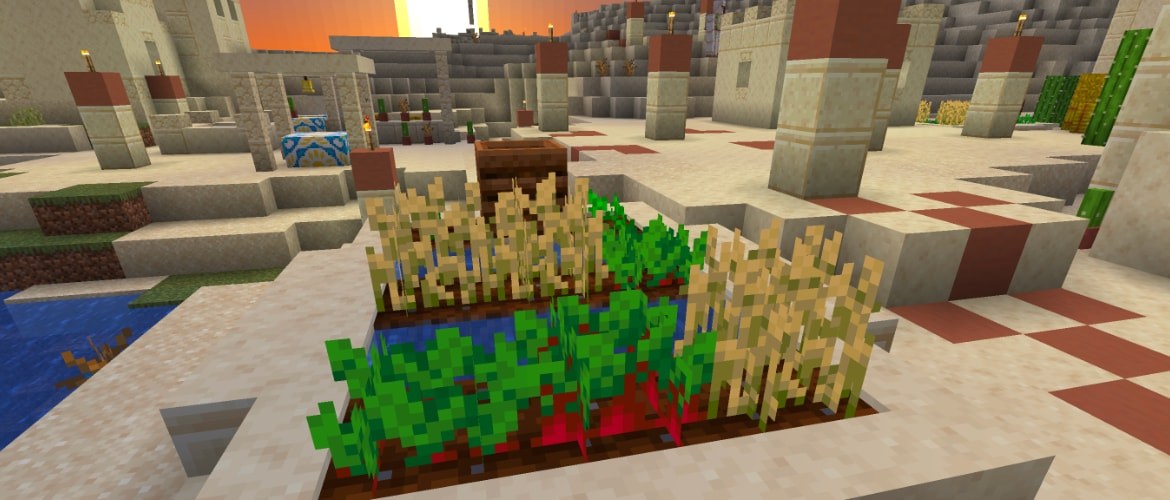
Seeds and spare crops can feed a composter. When it fills, the composter produces bone meal for faster crop growth, trees, flowers, and other projects. Compost the overflow after saving enough seed to replant the field and enough food to cover the next trip.
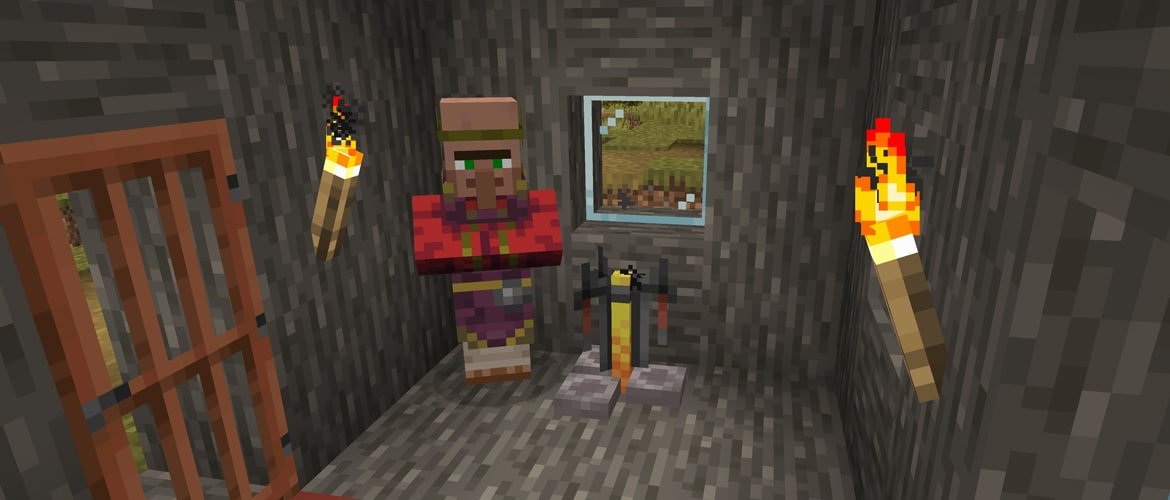
A composter is also the farmer villager's job-site block. Place it deliberately. Dropping one beside an unemployed villager can assign a job when the player was only trying to clean the seed chest.
When Automatic Farms Are Worth Building
Automation becomes useful when the manual harvest cannot keep up with the base. A small survival world rarely needs a machine for every crop. It may need one dependable sugar cane farm for paper, an egg collector under the chicken pen, or a simple water harvest for a large wheat field.
Build the manual version first. It teaches how the crop grows, how much space it needs, and whether the world consumes enough to justify redstone. Automatic farms also vary between Java and Bedrock, so check the edition and current version before copying a tutorial.
Storage is part of the design. A machine that fills the ground with drops is not finished. Add collection, overflow protection, a way to turn it off, and safe access for repairs before trusting it beside the main base.
A Small Farm Plan That Covers Most Worlds
- Plot one: grow wheat beside the base for bread, cows, sheep, and early emeralds.
- Plot two: plant carrots or potatoes as soon as the world finds them; expand by replanting the first few harvests.
- Pen one: keep cows for strong cooked food, milk, and the leather needed for books.
- Pen two: keep chickens for meat, feathers, eggs, and an easy use for extra seeds.
- Work corner: place a smoker, composter, chest, water source, and the tools used for harvesting and breeding.
That setup is enough for mining, exploration, enchanting, trading, and the first Nether trips. Pumpkins, melons, bees, automatic harvesters, and decorative barns can grow around it later. The starter farm has already done its job when the player stops wondering where the next meal will come from.