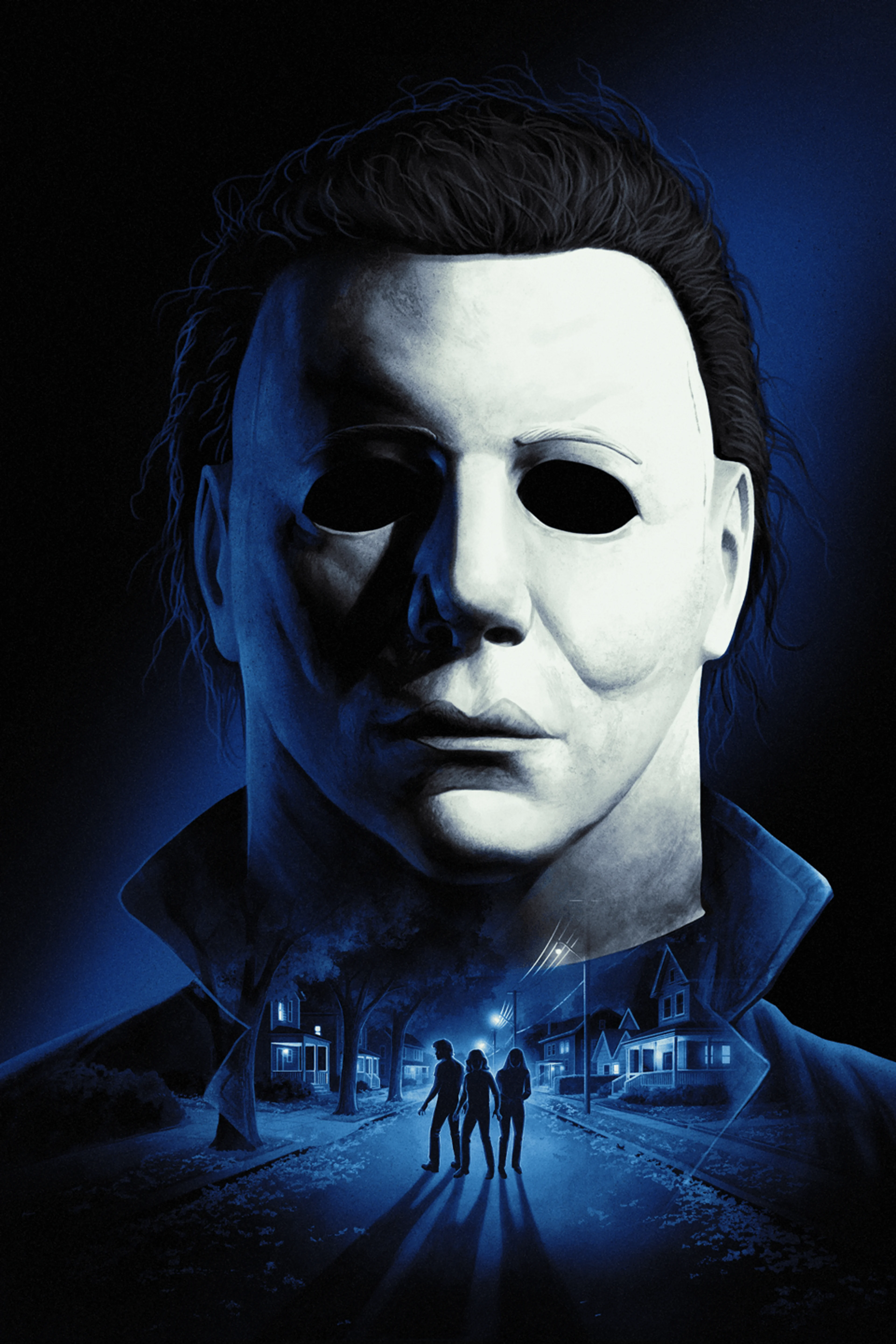
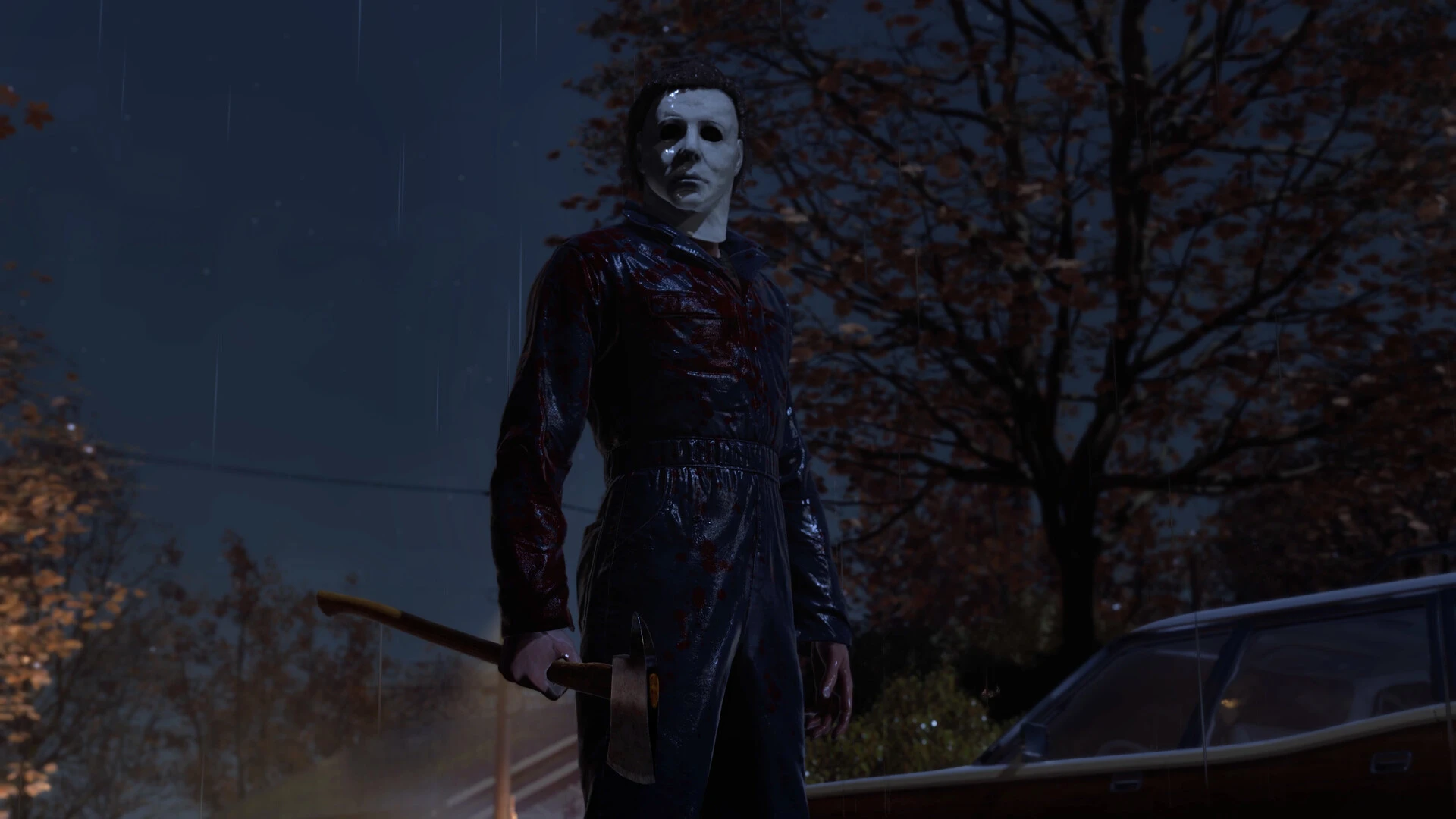
Halloween: The Game understands why Michael Myers is frightening. He watches through windows, walks into dark houses, cuts the power, and appears where a civilian thought they were safe. His slow movement fits the 1978 film because his abilities let him close distance without turning him into a sprinting action character. When the lighting, music, and player timing line up, Haddonfield feels dangerous before anyone is attacked.
The four Civilian players have more work than opening one exit and leaving. They warn residents, tell people to hide or call the police, protect special targets, find vehicles and other escape routes, and decide how many people they can save before Michael reaches them. Those extra residents make each map feel occupied. They also give the killer targets to stalk when the player-controlled Civilians are hiding.
Launch bugs often interrupt those good ideas. Characters can catch on doors or scenery, an important interaction can fail, an execution can break near a wall, and computer-controlled residents do not always reach the place they were told to go. Frame-rate problems and crashes also vary by platform and hardware. Version 1.0.1 fixes several specific issues, but the launch still feels rough enough that impatient players may want to wait for more updates.
A 7.1/10 score fits a horror game with a strong killer, useful team objectives, and clear technical problems. Groups that enjoy asymmetrical multiplayer can get tense chases and ridiculous stories from it now. A solo player buying mainly for the story gets much less. Halloween fans have the easiest reason to stay through the rough parts because Haddonfield, Michael, and John Carpenter’s music receive careful attention.
Michael Myers is the best part of every match
Michael does not need to chase every target in a straight line. Shape Jump moves him through a shadowed version of the map where victims cannot see him. He can leave that state closer to a target, use Shape Dash to cover distance, and build Stalk by watching people. Bright light restricts some of these powers, so cutting electricity and choosing a dark route have a practical purpose.
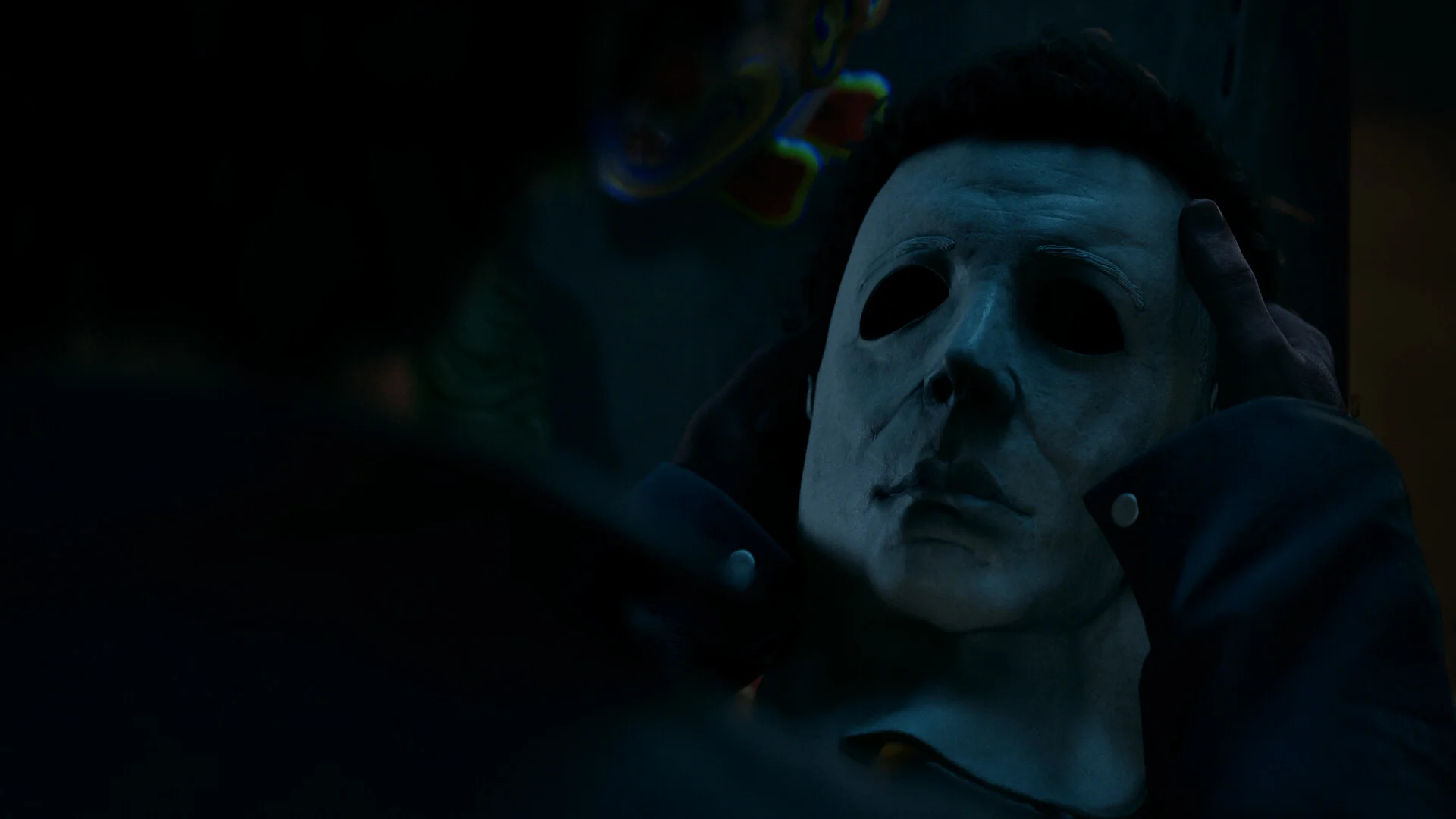
That movement makes him behave more like the film character. A Civilian can look down an empty street, turn toward a house, and find him standing closer a few seconds later. He becomes stronger as a match continues, while Bloodlust and Stalk improve the pressure he can apply. The best play is patient. Watching a house, breaking a light, cutting a phone line, and waiting for someone to panic usually suits him better than swinging a weapon at the first person nearby.
Michael can use a knife, axe, pitchfork, and other weapons found around Haddonfield. Environmental executions give houses, garages, and businesses specific dangers instead of using the same finishing move everywhere. Special targets are worth more, but ordinary residents still affect the final score. Letting someone call the police can even bring more victims into the area, though the officers make movement harder and give Civilians another chance to survive.
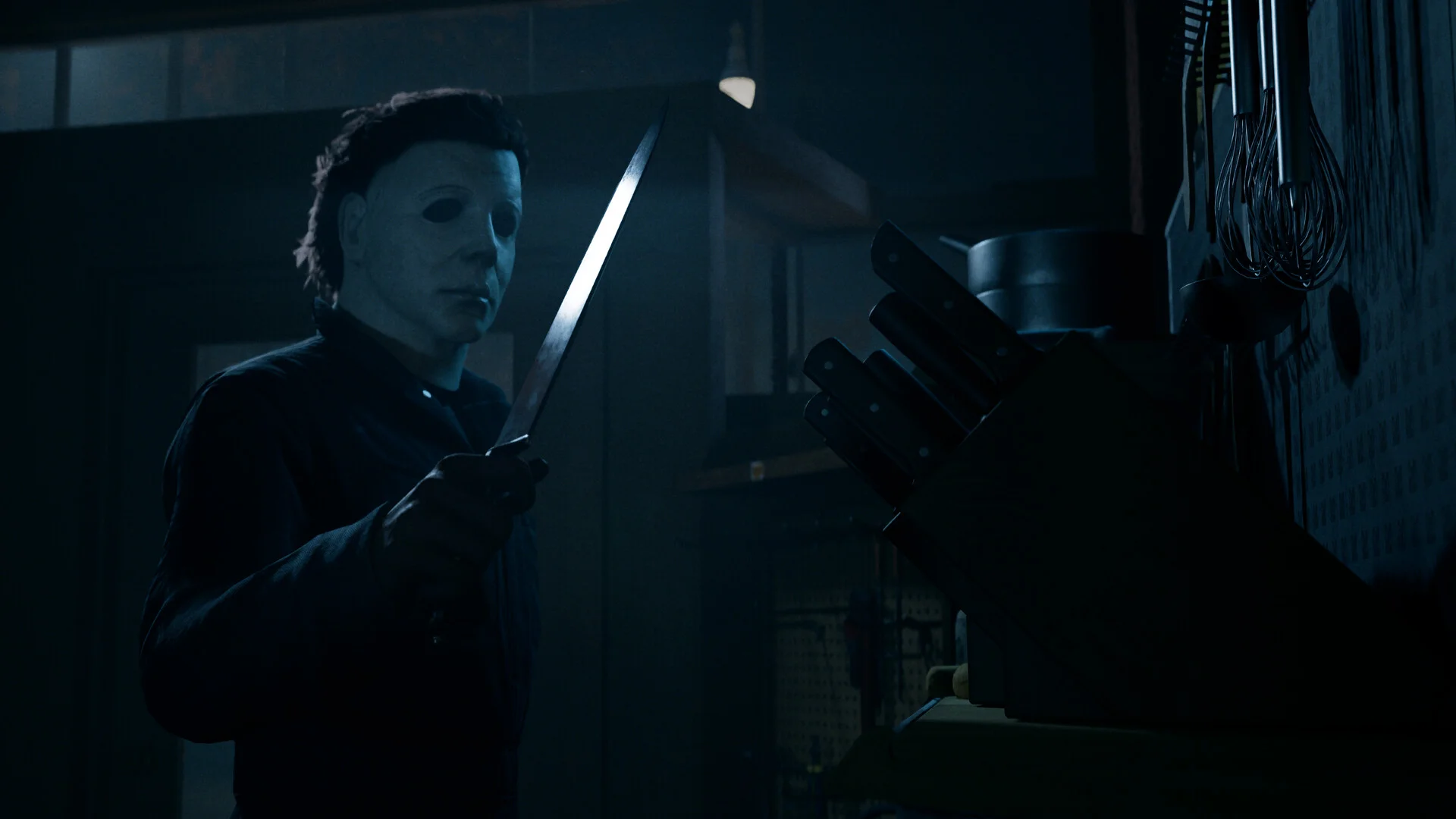
Close combat is much less dependable. Basic attacks can feel stiff, and a wall, doorway, or nearby object may interfere with a grab or execution. A missed interaction is frustrating because Michael is supposed to be the most powerful person in the match. The problem is also easy to notice after the stalking works well. A careful approach can build several minutes of tension, then an animation mistake can turn the attack into a joke.
Haddonfield supports his style. Residential streets use hedges, windows, back doors, and small yards to hide movement. Town Center adds stores and tighter routes. Haddonfield Heights uses larger homes and familiar locations from the film. East Haddonfield opens the view with roads, businesses, a garage, farmland, and a large mill. The four maps share the same dark autumn night, but their buildings and sight lines change where Michael can watch and where Civilians can run.
The film music does a large part of the work. Its simple notes warn players before Michael is clearly visible, while quiet interiors make footsteps, broken doors, and a ringing phone easy to hear. The game also copies the warm indoor lights, cold blue streets, rain, and ordinary 1970s rooms that make the first movie unsettling. Haddonfield looks like a town where people were living normal lives until one person arrived.
Civilians have to protect Haddonfield, not only themselves
Every match places residents around the map. A Civilian must find them and complete short persuasion checks before giving them an order. A convinced resident can hide, call the police, follow the player, carry a weapon, or move toward an escape. Special targets matter more to the score, so leaving them behind can give Michael a strong advantage even when several player characters survive.
Cars, cellars, and other exits have limited space. One player cannot collect everybody and use the nearest route. Teams need to spread out, identify several exits, move residents in small groups, and decide when helping one more person is too risky. Michael can cut phone lines, disable routes, or attack the people who were left alone. Those decisions give Civilians a fuller job than waiting for the killer to find someone else.
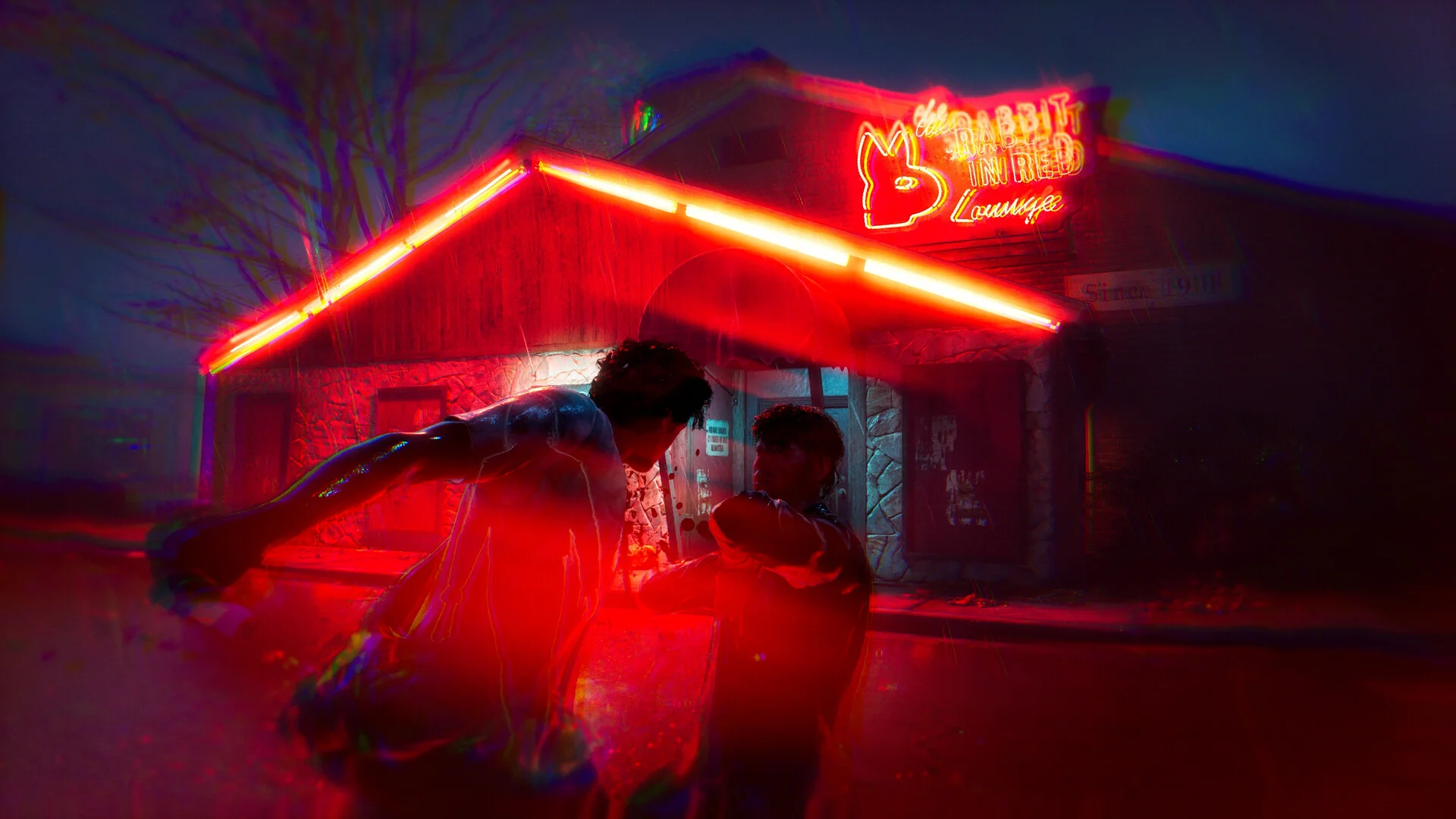
A coordinated group is funny as often as it is scary. Proximity chat means a confident plan can disappear when Michael enters the room. A resident can refuse to believe a warning. Someone can arrive with a bicycle or household weapon and interrupt a chase. Four friends who talk, divide the map, and accept a few bad outcomes will see more of the game than four strangers who quietly run in different directions.
Playing with strangers exposes the weak onboarding. The story teaches Michael’s movement, stalking, executions, and objectives across six chapters. Civilians do not receive an equivalent guided introduction. Their first match can begin with unfamiliar icons, several possible exits, residents asking for help, short minigames, and a killer already moving. The September 8 patch increases the distance at which exits are discovered, but a real Civilian tutorial would solve more confusion.
Persuasion and repair checks also repeat often. They keep a player occupied for a few seconds, which gives Michael time to approach, but the inputs themselves are not interesting after several matches. Resident behavior adds variety when people hide, fight, or run in different directions. It causes trouble when pathfinding fails and a rescued person gets stuck before reaching an open exit.
Defeated players are not always removed from the match completely. Support minigames can provide cards that help a surviving teammate, and certain conditions allow a return as another character. That gives a dead player something to do while friends finish the match. It is less useful when the remaining team cannot meet the return condition, leaving the spectator with few useful choices.
Characters and perk decks allow different priorities. One Civilian can focus on movement, another on helping residents, and another on surviving a direct encounter. Michael can adjust his own abilities and weapons. These loadouts give regular groups reasons to change roles, although they cannot hide the fact that every match still returns to the same four maps, the same killer, and a similar set of escape tasks.
Long-term value will depend on stable matchmaking and continued updates. Asymmetrical games need enough people willing to play both sides, and Halloween already lets players state a role preference before joining. A preference is not a guarantee. Players who only want Michael can still receive a Civilian, while a small group may see the same locations and routines quickly. Cross-play helps keep the available audience together across PC, PS5, and Xbox Series X|S.
The solo campaign is brief, and the launch is still rough
The story has a prologue and five chapters based on the 1978 film. It begins with Michael as a child, follows his escape, and then places the adult killer in small Haddonfield sandboxes. Each chapter teaches another ability or rule before asking him to find targets. Familiar rooms, characters, and deaths connect the missions to the movie, while optional challenges reward different kills, stealth, higher scores, and repeated play.
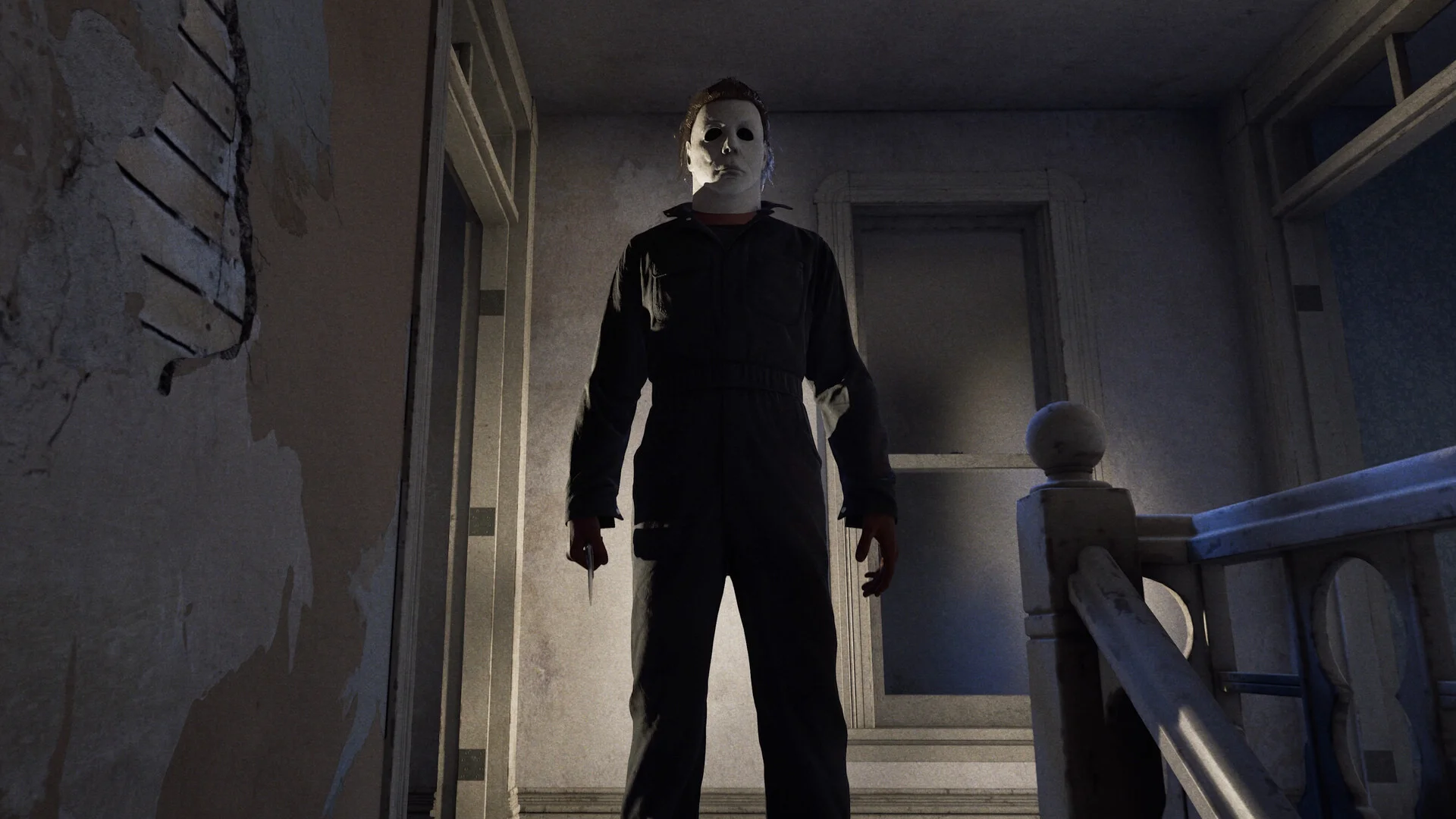
The campaign works as training for Michael. It is not a full story for Laurie Strode or the other Civilians, and reaching the ending takes only a short time. Replaying chapters for challenges adds goals, but it does not add new locations or a second point of view. Solo bot matches remain available outside the story, giving players another way to use Michael without joining public matchmaking. The Civilian side still belongs mainly to multiplayer.
Technical problems affect both modes. Residents can choose poor paths, characters can clip into doors or objects, prompts can disappear, and kills can fail to line up correctly. Some PC hardware struggles to hold a smooth frame rate, with handheld computers receiving especially poor performance. Console reports are mixed: one PS5 review found stable image quality while another saw glitches and performance drops, and the Xbox launch build also showed frame-rate and interaction problems.
Patch 1.0.1 arrived for the September 8 launch. It fixes cross-play parties that were dropping members, improves police and resident pathfinding, changes stamina and scoring, increases the distance for discovering exits, stops maps from repeating until all four appear, repairs several challenges, and includes crash fixes. Those are useful corrections because they address problems that affect ordinary matches.
The patch notes also confirm how many systems needed attention. They do not promise that every collision, animation, performance problem, or failed interaction has disappeared. A player joining after version 1.0.1 receives a better starting point than the early-access build, but this review cannot treat a listed fix as proof that every platform now behaves perfectly. More updates are already planned.
Halloween: The Game official screenshots
5 screenshotsHalloween: The Game is available digitally on PC, PlayStation 5, and Xbox Series X|S. Cross-play allows those players to share matchmaking. The current package is easiest to recommend to a group that likes horror games, uses voice chat, and can laugh when a strange animation interrupts a chase. Michael gives those players a satisfying killer, and the resident system gives the other four people enough work to make teamwork useful.
Solo-only players should wait unless a short Michael campaign is already enough. Players who dislike launch bugs should also give the updates more time. Everyone else gets a good 1v4 horror game that understands its villain, fills Haddonfield with people worth saving, and still needs technical work. The 7.1 score reflects both parts: tense matches with the right group and too many rough moments around them.
The Halloween: The Game maps guide explains Haddonfield Heights, Haddonfield Town Center, Orange Grove Estates, and East Haddonfield, including how each location changes routes and sight lines.