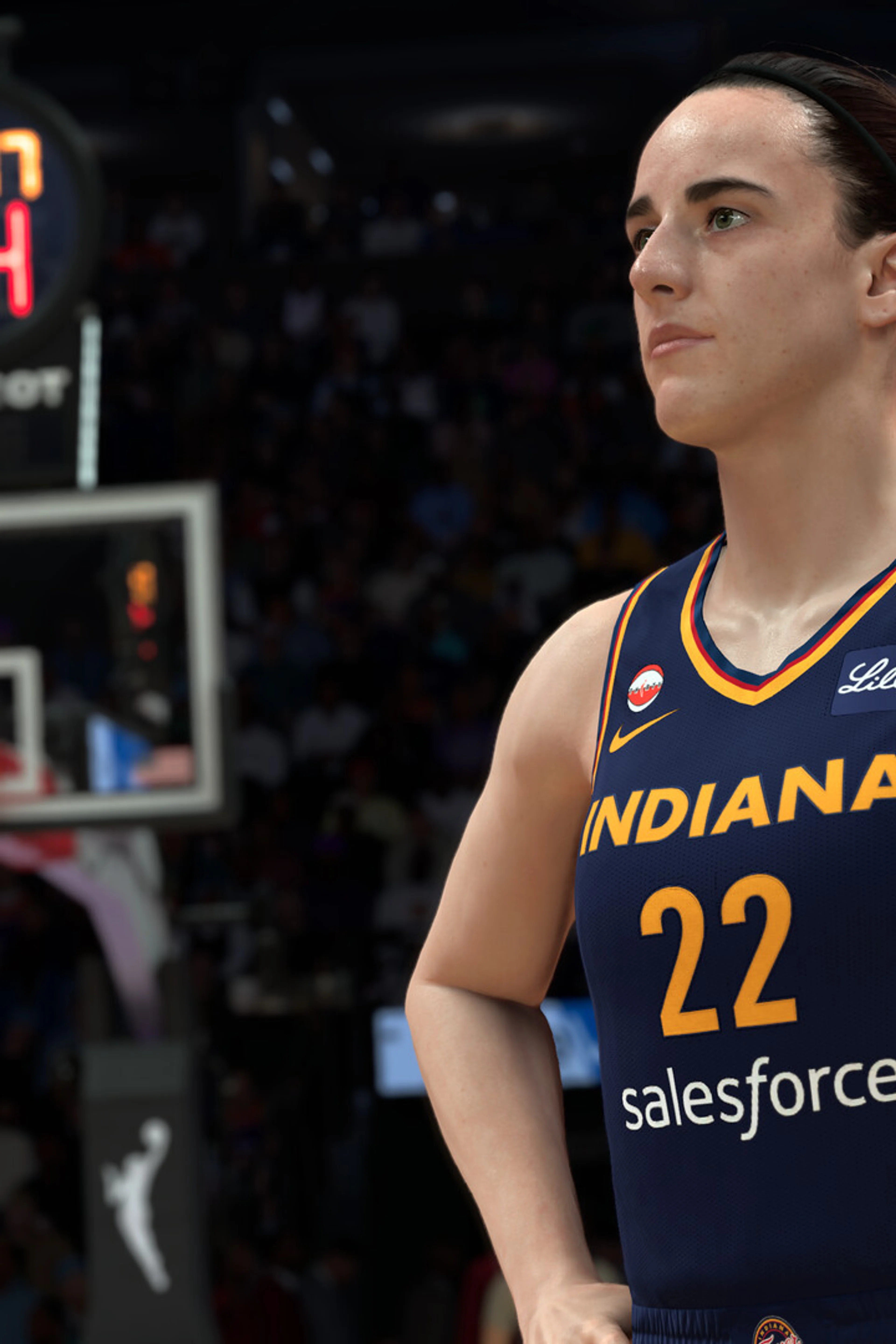
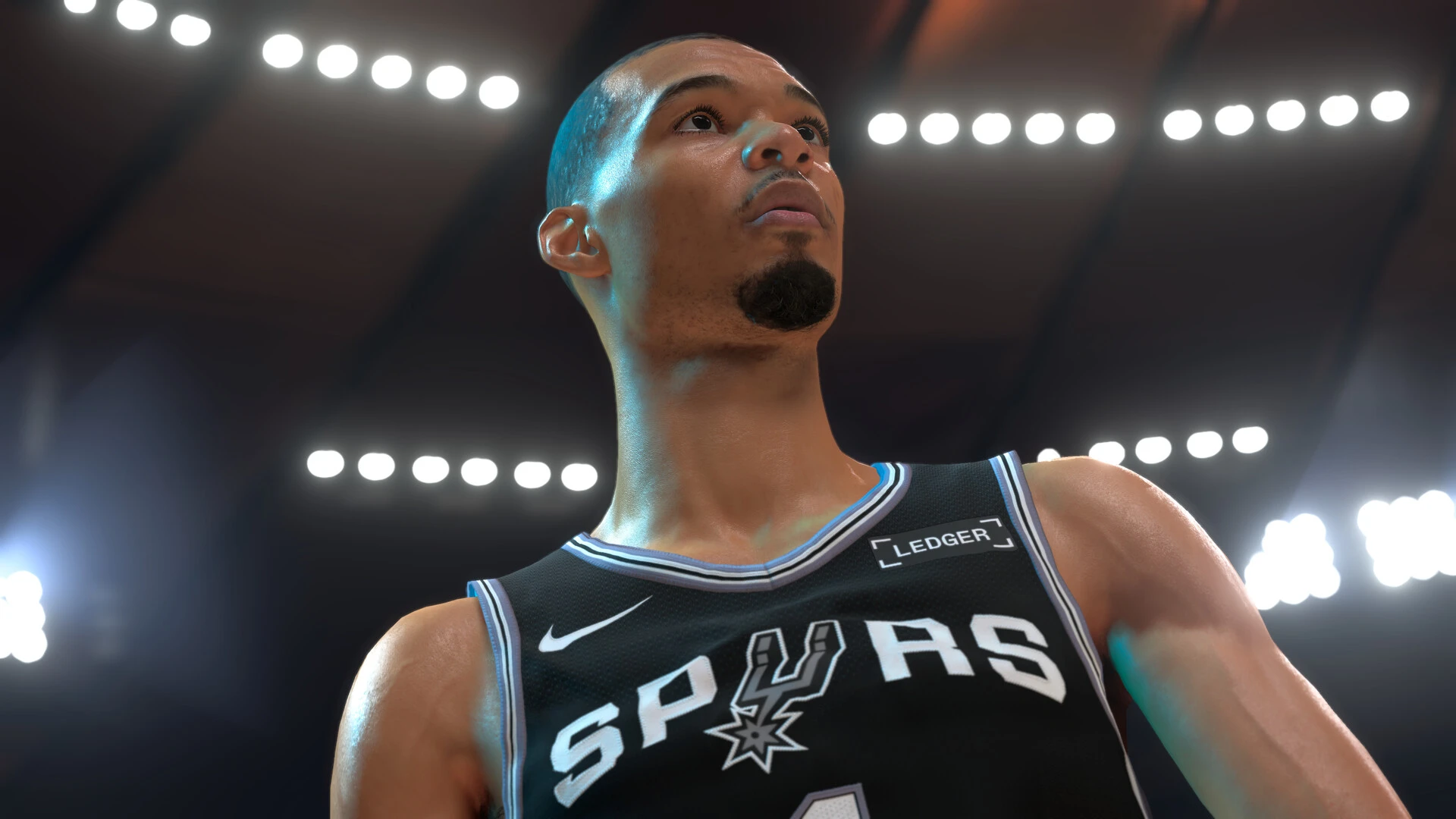
NBA 2K27 is easiest to judge when the ball is live. Players move with more weight, defenders have better ways to stop drives, and a good shot takes better timing than it did last year. The broadcast cameras, arena lights, player models, and commentary make an ordinary regular-season game look close to a television presentation. These improvements affect every mode, from a quick Play Now match to a long MyNBA season.
The problems begin when the game asks players to leave the court and manage progress. MyCAREER has five historical Eras, an 11-chapter story, and co-op for the first time. It also uses separate created players, a slow Virtual Currency grind, and online spaces where buying VC can save many hours. MyTEAM has better exchanges and more ways to improve favorite cards, but packs, passes, and paid shortcuts still sit beside the basketball.
That split defines the whole review. NBA 2K27 gives offline players a large and often excellent basketball package. It gives competitive MyPLAYER and MyTEAM players another system that can turn time and money into an advantage. The new modes are not empty updates, but the old business model keeps them from feeling as generous as the basketball underneath them.
Defense finally matters on every possession
Defense is the biggest improvement. Hands-up contests now let a defender choose a more aggressive or conservative response. Better cutoff movement helps a skilled on-ball defender stay in front of a dribbler, while the collision system considers player ratings and contact before deciding whether the ball comes loose. The result is not perfect simulation, but it gives defense more decisions than simply standing near a shooter and hoping the game recognizes the contest.
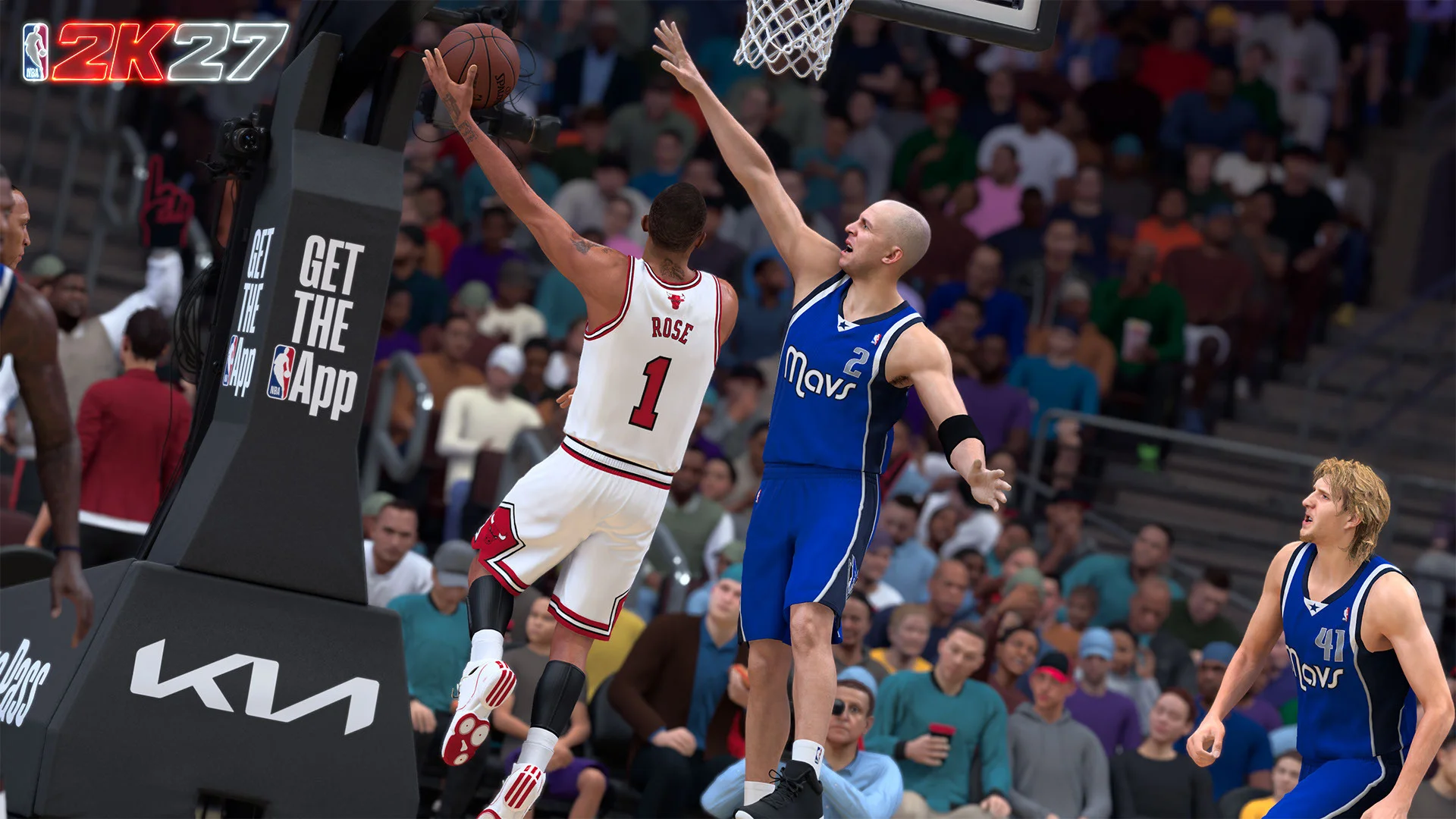
Good positioning now changes a possession. A strong perimeter defender can fight through a screen, close a driving lane, and force the ball handler toward help. Big players are more useful near the rim because blocks respond better to the direction and height of a shot. The game still favors star ratings and animation systems, but timing and angle have enough influence to make a defensive stop feel earned.
Offense has more answers too. The dribbling system separates signature packages into smaller movements, letting players build combinations instead of choosing one large preset. Step-through moves, changing layups, no-look passes, and more direct alley-oop controls give skilled players ways to react after the first move fails. The Dynamic Dunk Meter also changes its success window based on the defense around the rim, so an open lane and a late contest do not receive the same result.
Shooting asks for cleaner timing. Rhythm Shooting now requires a green timing result, and the meter gives more visible feedback about tempo. This makes careless jump shots less dependable and gives defenders time to matter. It also creates a learning period for returning players. The narrower windows can feel harsh at first, especially with a new MyPLAYER whose ratings are low, but quick games with established NBA and WNBA stars show why the stricter system helps.
More than 7,000 new ProPLAY animations help guards, wings, and centers move differently. A fast guard can change direction without looking like a power forward, while a large defender takes up space in a way that affects the drive. The best improvement is not one spectacular dunk. It is the number of small transitions between dribbles, gathers, passes, contests, and rebounds. Those movements make possessions easier to read and reduce the feeling that every player is using the same body.
The court still produces strange moments. A ball can move through a body during contact, a referee can call an unexpected reach-in foul, and computer-controlled players sometimes choose a shot or position that does not fit the situation. Historical Eras make those AI mistakes easier to notice because older teams are supposed to follow different habits. The stronger defensive tools improve most games, but they do not remove every collision or decision problem.
Presentation remains one of the series' strongest areas. Players show sweat, fabric movement, and small facial reactions under detailed arena lighting. Score graphics, camera cuts, crowds, and commentary make a match feel like an event instead of a practice session. Historical modes change their on-screen graphics and visual filters to match each period, while WNBA games receive the same attention to players and arenas. Occasional background glitches are visible, but the main action usually looks convincing.
MyCAREER adds good ideas and an expensive grind
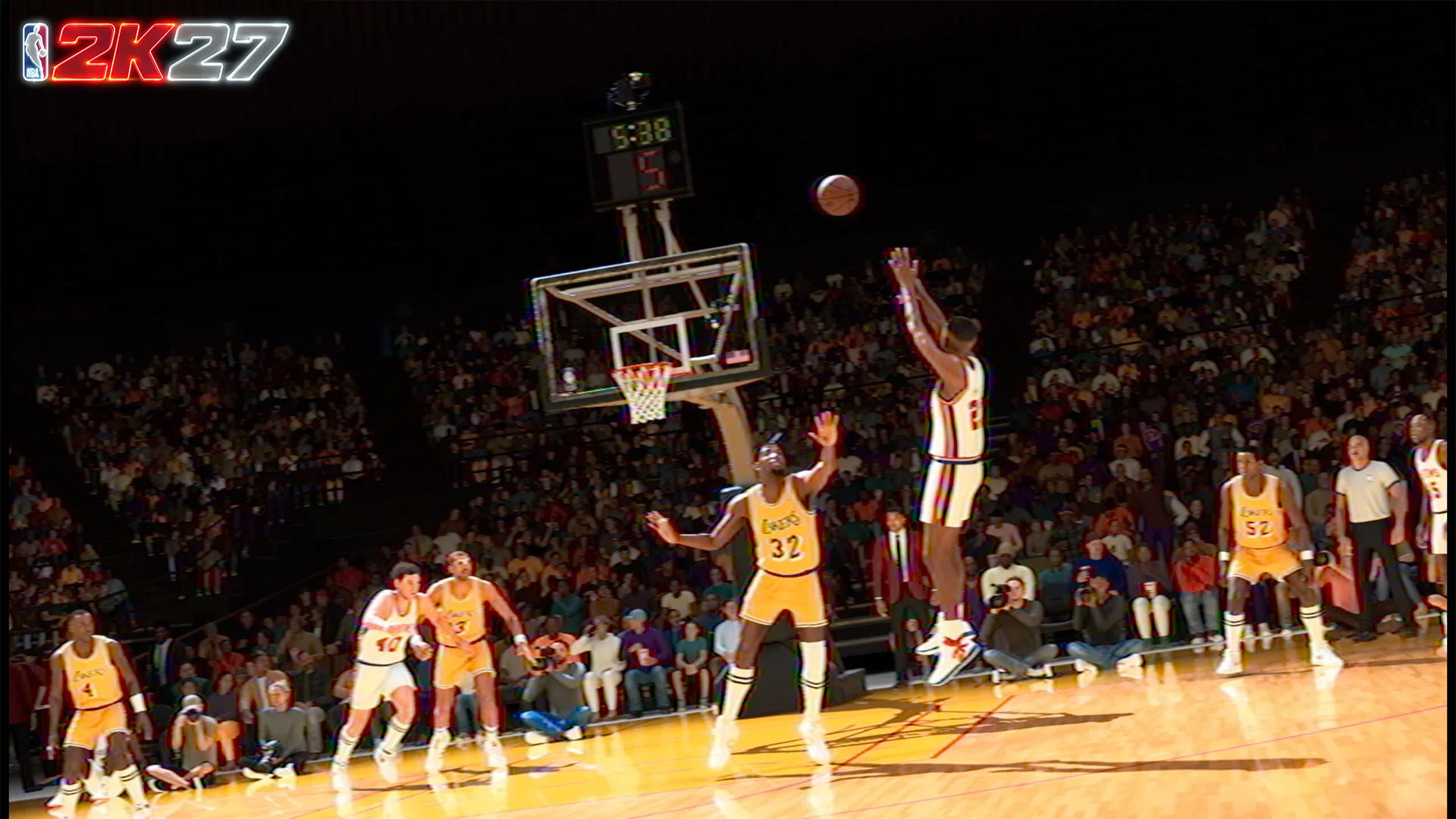
MyCAREER has more ideas than last year. Players can start a career in five periods: the Magic vs. Bird Era in 1984, the Jordan Era in 1991, the Kobe Era in 2003, the LeBron Era in 2010, or the Steph Era in 2016. Each period changes rosters, rules, locker rooms, score graphics, and presentation. Era Moments ask the created player to complete goals connected to that period, adding structure beyond simply playing another season.
The modern story is called Fire & Concrete. It follows a former top high-school prospect through the G League, Rucker Park, and the NBA across 11 chapters. Vince Staples performs Cam, the player's cousin, and gives the story one of its more recognizable personalities. Draft position changes with performance, and the story later leads into sets of important games during the second season. The campaign is longer and more detailed, although its opening takes time to reach the parts where choices and games become more interesting.
Co-op is useful but limited. A friend can control Running Mate Trace Miller during MyCAREER games, and both players receive their own VC and Season XP. Trace can be controlled by the computer when a friend is unavailable, so the main career does not require two people. The guest cannot bring a separate MyPLAYER into the host's story, however. The second player uses Trace, which makes the feature closer to shared season games than a complete two-player career.
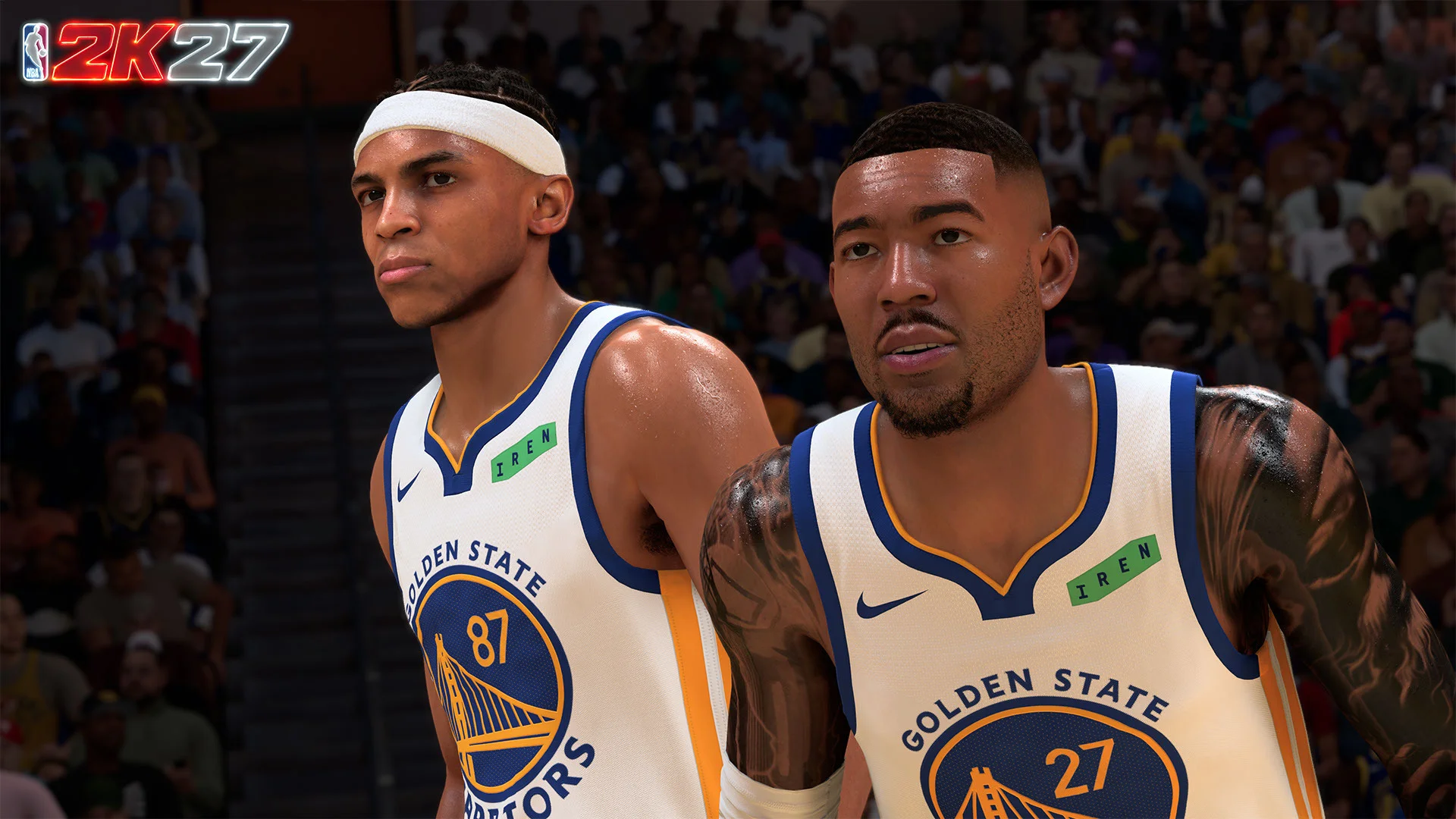
Trace also affects solo play. Some game goals ask the main player to help him score or complete other tasks. That can conflict with a build designed around shooting, rebounding, or another specific role. Because Trace remains part of the career, his position can also change how real NBA teammates are used. A co-op partner gives those goals a social purpose. With the computer controlling Trace, they can feel like instructions that limit how the created player is allowed to play.
The separate-build grind is the main problem. A modern MyCAREER player does not carry ratings into the historical Eras. A second build begins at a low overall rating and needs its own upgrades. Players can earn VC through games and challenges, and the game gives more ways to make progress than a simple cash purchase. The pace is still slow enough that paying real money can move a build toward online competition far faster.
This matters because NBA 2K27 is sold as a full-price game. A player who wants quick matches, franchise management, or a solo season can ignore most of the pressure. A player who wants several MyPLAYER builds, historical careers, The City, or competitive online games cannot ignore it as easily. Low ratings affect shooting, defense, speed, and teammate grades at the same time, so the early grind can make the improved basketball feel worse than it does with established stars.
The City adds a few helpful changes. Male and female MyPLAYER builds can compete together through the same rating rules. Casual Corner gives newer players a place to learn without immediately entering the hardest competition, while Crew HQ gives regular groups a shared practice and tournament space. These additions make the hub more welcoming. They do not solve the difference between a carefully earned build and one improved quickly with purchased VC.
MyTEAM follows a similar pattern. The Exchange is more useful because unwanted cards can become better players, and Player XP lets favorite cards improve with use. A unified auction house connects PS5, Xbox Series X|S, and Switch 2 players. Those are practical changes. Packs, premium passes, level skips, and the need to keep up with new cards remain. MyTEAM can be enjoyable without extra spending, but its structure constantly shows where spending would make the process faster.
MyNBA and The W give offline players the best value
MyNBA is the strongest mode for offline players. It includes roster tools, contract negotiations, front-office trust, four-team trades, international prospect stashing, and modern rule changes. MyNBA Legacy adds a player-locked career inside that management game. Players can follow a current star or restart that star as a rookie, control the team around the career, and continue through a 100-year league.
The long timeline uses descendants to continue a family after the first player retires. Children inherit parts of a parent's rookie profile and can receive traits or bonuses across a family tree. The idea is unusual, but it gives a franchise save a reason to continue after familiar current players are gone. Management fans can focus on contracts, trades, drafts, and rule changes, while Legacy players can stay close to one athlete and still shape the organization.
The W and MyWNBA also receive specific systems instead of a shortened copy of the men's modes. The W uses Build-as-You-Go progression, allowing attributes to be removed and assigned elsewhere as a player develops. Team Badges and Teammate Badges reward chemistry, while PlayVision and coaching trust gradually unlock more control over offensive sets. MyWNBA includes the franchise tools needed for trades, drafts, simulation settings, and long-term team building.
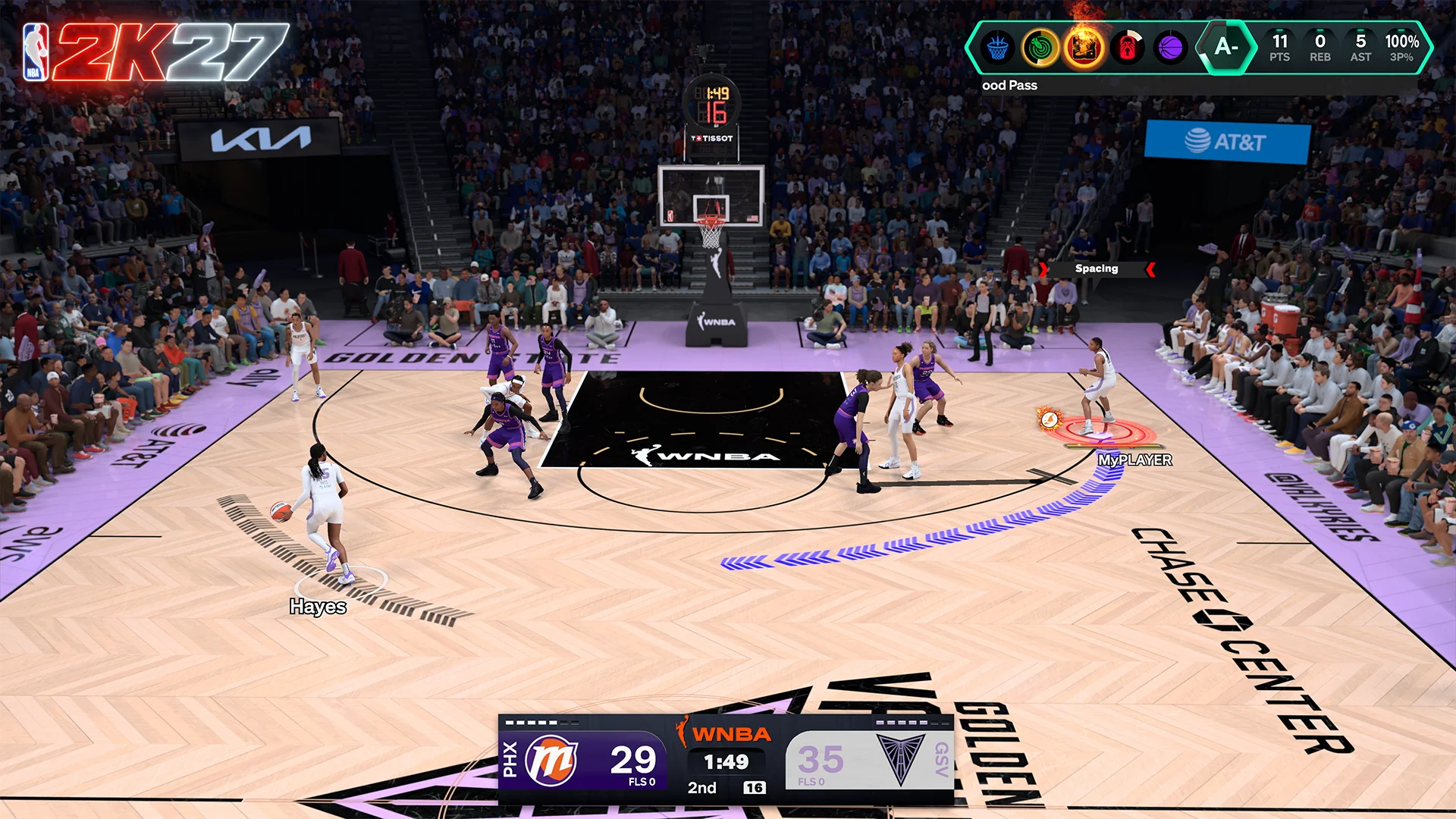
These offline modes make the annual release easier to recommend. They do not require a competitive online rating or a new card every week. Players can use real teams, adjust difficulty, build a franchise, learn the playbook, and stop when they want. Play Now remains the fastest route to the improved basketball, while MyNBA, MyWNBA, and The W provide longer goals without placing The City's economy at the center of every decision.
NBA 2K27 official screenshots
5 screenshotsNBA 2K27 is available on PlayStation 5, Xbox Series X|S, PC through Steam, and Nintendo Switch 2. The main modes are broad enough to serve several groups, but those groups receive different value. Offline basketball fans get the strongest package. Players who mainly want one MyCAREER build can enjoy the story and co-op if they accept a long upgrade path. Competitive players should expect the economy to affect how quickly they can participate.
A 7.7/10 score fits a strong basketball game burdened by expensive progression. Defense, shooting, movement, presentation, MyNBA, and The W all improve the game that players already bought. MyCAREER Eras, Fire & Concrete, and co-op add meaningful choices. Separate builds, slow VC earnings, online pressure, and MyTEAM spending prevent those improvements from producing a complete step forward.
NBA 2K27 launched worldwide on September 4, 2026. See the NBA 2K27 release guide for current platforms, edition details, MyCAREER Eras, and co-op rules.