





Legendary animals in Red Dead Redemption 2 are one of the best examples of the game being fussy and generous at the same time. The hunts are memorable, the rewards are useful, and the map design around them is often excellent. They also become much more annoying than they need to be if you tackle them in a random order, ride into them underprepared, or assume every reward is equally important from the moment the feature opens.
The good news is that legendary hunting gets cleaner once you understand three things: how the clue system works, which hunts are gated by story progress, and which rewards actually change the way the game feels. After that, the whole thing stops feeling like a giant pile of pelts and starts feeling like one of the most satisfying long-form side activities in the game.
If you want another practical RDR2 utility page nearby, our best horses guide pairs well with this one, and our RDR2 cheats guide covers the separate sandbox side of the game. This page is all about story-mode hunting.
How Legendary Animal Hunts Actually Work
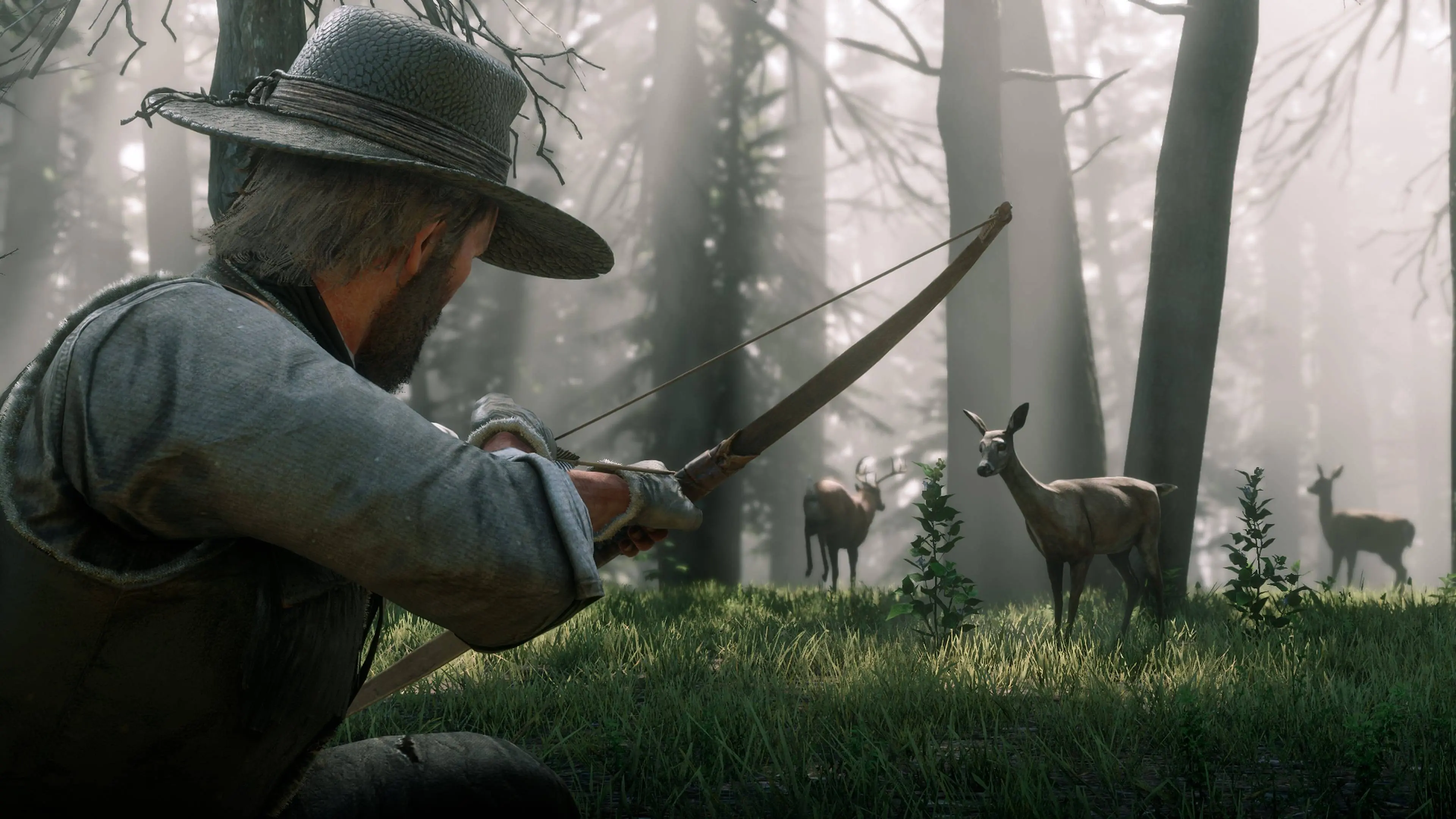
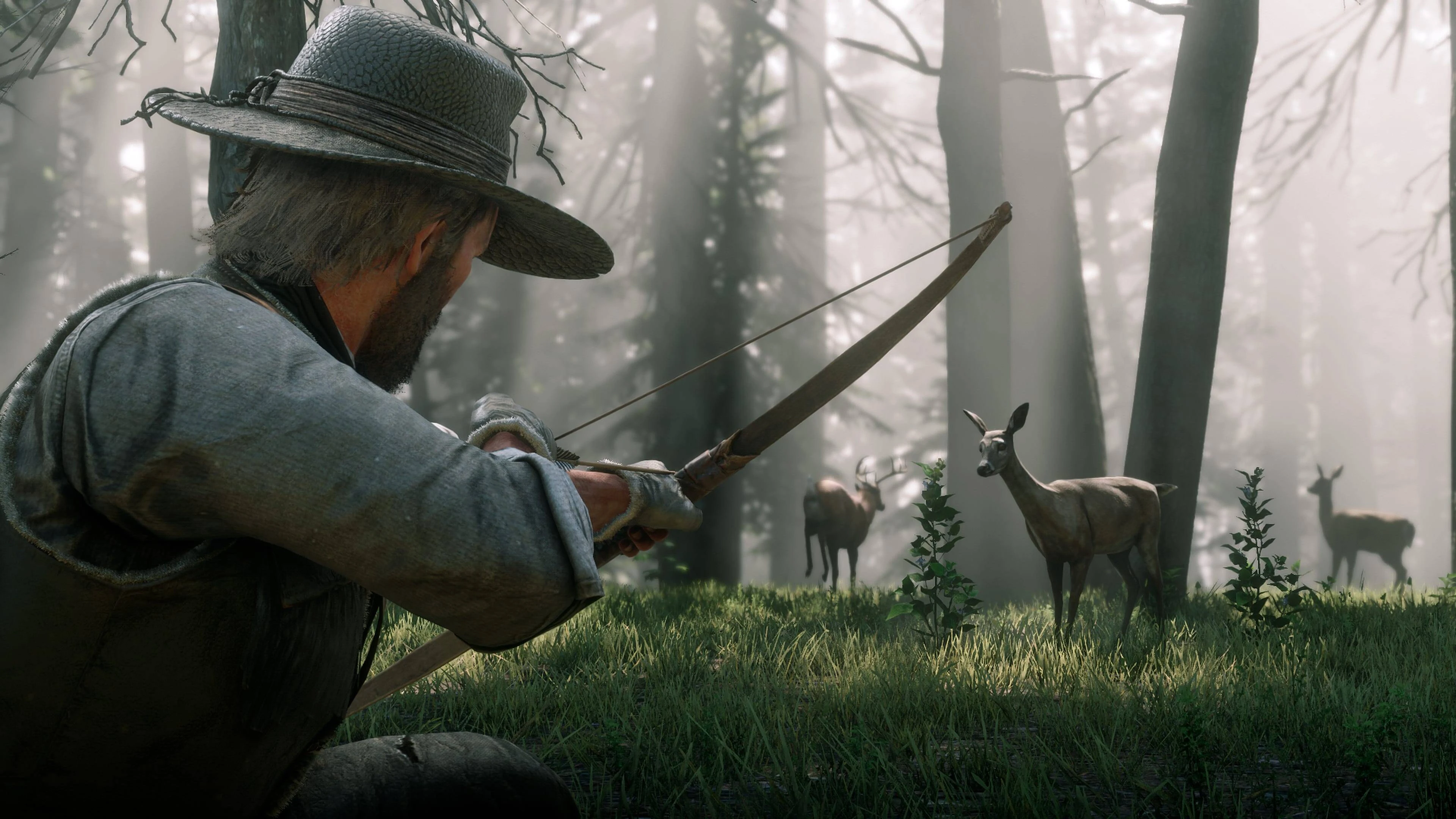
Legendary animal hunts are not normal tracking sessions with bigger numbers. Once the map reveals a legendary territory, you enter the area and look for the first clue. From there, the hunt usually follows a clue trail until the animal finally appears. If the game tells you there is too much activity in the area, that is your sign to clear out, let the space reset, and try again without panicking.
Weather and time can matter in ordinary hunting, but legendary hunts are more forgiving than many players expect. The bigger issue is simply approaching the right zone calmly, without a camp exploding nearby or another event muddying the space.
You also do not need to stress about ruining the pelt. Legendary pelts are protected from the normal quality-loss headache, which is one of the reasons these hunts feel more cinematic than ordinary resource farming. Regular animals are less forgiving, so use the perfect pelts and satchel upgrades guide when you return to normal hunting.
The Best Early Legendary Hunts
The smartest early legendary hunts are the ones that either fit your route naturally or lead to rewards that make the rest of the game more comfortable. The Legendary Buck is one of the most useful early targets because the trinket reward is famous for a reason. It helps squeeze more value out of general hunting and turns a side activity into a real long-term upgrade.
The Legendary Beaver is another strong early pick because the hunt is manageable and the crafted reward path is actually useful instead of purely decorative. The Legendary Ram and Legendary Elk are also good early candidates if they line up with where your story or exploration route is already heading.
What you are trying to avoid early is the feeling of crossing half the map for a reward you do not really care about yet. RDR2 is long enough that convenience matters.
A Practical Hunting Order
A clean order for many players is to start with easier hunts in the Heartlands and nearby regions, then widen into the more remote or more dangerous parts of the map once your weapons, horse, and general confidence are better. That usually means the Buck, Beaver, Ram, and Elk get attention before you start treating the far north, swamps, or cougar-heavy stretches like casual errands.
The point of this order is not that the animals have some secret official ranking. It is that the map punishes sloppy travel more than the animals themselves do. When you group hunts by route and region, the legendary system feels adventurous. When you zigzag the whole world for one pelt at a time, it starts feeling like tax season on horseback.
The Rewards That Matter Most
Not every legendary reward changes the game equally. Some are genuinely useful trinkets or talismans. Some lead to trapper gear that looks great but may not matter to your actual playstyle. Some are nice to have if you enjoy the crafting fantasy but do not dramatically reshape the campaign.
That is why it helps to split rewards into three buckets. First, things that make regular play easier, like hunting-adjacent or comfort-adjacent trinkets. Second, gear you want because you love the look. Third, completionist pride. All three are valid. They just do not deserve the same urgency.
If your goal is efficiency, chase the utility rewards first. If your goal is style, the trapper becomes much more of the story. If your goal is doing everything, you will eventually care about both anyway.
Legendary Animals by Region
The Buck, Beaver, Elk, and Ram are good examples of why regional cleanup works well. They let you learn the hunt rhythm without constantly fighting the roughest terrain in the game. The boar, fox, coyote, and pronghorn are also relatively manageable once your roaming pattern broadens.
The swamp and far-north hunts feel different. Alligators, cougars, wolves, and some of the harsher-weather routes ask more from your movement and patience even before the final encounter shows up. They are still worth doing. They just feel better once you have stopped playing like every ride into the wilderness is improvised.
Then there are the story-gated or special-case hunts that arrive later or under more specific conditions. Those should not scare you. They should simply remind you that a perfect legendary route is partly about timing, not only about courage.
Advertisement

Mission and Story Gating
This is the part players sometimes forget when they search a location, get nothing useful, and assume the guide was wrong. A few legendary hunts are tied to later story progress or special unlock conditions. The best-known example is the Legendary Giaguaro Panther, which only becomes available after you complete the Master Hunter challenges. That is not the game being broken. That is the game telling you this hunt belongs later. If you are still early in Arthur's journey, the RDR2 beginner guide explains the wider progression systems that open these activities.
Treat any apparently missing legendary animal as a gating question before you treat it as a bug question. RDR2 hides a lot of side content behind natural progression, and legendary hunting is no exception.
What to Bring on Every Hunt
Bring a weapon you actually trust, enough health items that a bad ambush does not turn into a comedy clip, and a horse you are comfortable handling in rough terrain. This is another reason good horse choice matters. The cleaner your travel feels, the cleaner the hunt feels.
Scent cover and tracking habits help, but the bigger advantage is mental. Slow down. Legendary hunts reward players who actually read the clue chain instead of trying to speedrun the path between them.
Do the Trapper and Fence Work Right Away
Do not leave rewards sitting idle just because the pelt is secured. Legendary content feels best when you immediately turn the result into something tangible. Visit the Trapper. Check the Fence. See which reward tree the animal actually unlocked. Otherwise the hunt can feel strangely incomplete, like you did the cinematic part but skipped the reason it mattered.
This is especially useful when you are choosing the next hunt. Once you know which reward helped and which one mostly just looked cool, the next priorities become easier to sort.
The Best Mindset for the Full Run
The legendary-animal run is better when you stop trying to do all 16 in one feverish burst. Pick the hunts with good utility early, group animals by region whenever possible, respect the story-gated cases, and treat the Trapper and Fence as part of the hunt rather than as cleanup chores afterward.
That approach turns legendary animals into one of RDR2's best side arcs instead of one of its longest errands. The world is built for that slower rhythm, and the rewards feel more satisfying when the route has a little intelligence behind it.
Which Rewards Are Worth Prioritizing
Not every legendary reward changes daily play in the same way. Some trinkets or talismans feel immediately useful, while others are more about collection, outfits, or the satisfaction of filling out the hunting side of the world. If you only want the strongest early practical value, focus on hunts that feed useful Fence rewards and upgrade the parts of Arthur's routine you actually notice.
That usually means asking a boring but helpful question before every hunt: will this reward make the next ten hours smoother, or do I mostly want this because the animal sounds famous? Both are fine reasons. They just lead to different routes.
A Sensible Hunting Order for Most Players
A smart order usually starts with the easier central and northern hunts that do not ask for exotic setup. Use those to learn the clue rhythm, get used to the pace, and secure a few rewards. Then move into the rougher terrain, the swamp, and the more aggressive predators once your travel habits and supplies feel settled.
Leave special-case hunts and challenge-gated animals for later on purpose. They feel much better as part of a broad hunting arc than as brick walls you slam into because a checklist somewhere listed them alphabetically.
What Makes Legendary Hunts Go Wrong
Most failed hunts do not fail because the animal is too hard. They fail because the approach is sloppy. Players ride in too fast, ignore the clue trail, arrive understocked, or assume every encounter should play like a normal hunt. Legendary animals are cinematic little set pieces. The game wants you to track, observe, and react, not sprint at the outcome.
Weather, terrain, and horse control can also do more damage than the beast itself. Mountain routes get messy, swamp visibility gets ugly, and predator hunts can turn fast if you are already flustered before the final clue. Going in calm is a real advantage in RDR2 because the game exaggerates every rushed decision.
How to Make the Full List Feel Manageable
Treat legendary animals like a long side campaign that lives beside the main story, not a side job you cram into one weekend. Check the reward after every successful hunt, decide whether the next target should be chosen for usefulness or proximity, and let your map routes do some of the planning for you.
That slower pace fits the game. Red Dead Redemption 2 is at its best when you let the world breathe a little. Legendary hunting works the same way. A route with patience feels better, rewards more cleanly, and leaves you with a side story you actually remember instead of a pile of pelts you barely processed. For another long-form hunt across the map, the Legendary Fish locations guide is the natural next challenge.
If you only remember one rule, make it this one: finish each hunt completely. Track it, skin it, cash in the reward path, and then decide where the route goes next. Legendary animals feel much less intimidating once every success immediately turns into progress you can see.
That is the difference between a hunt log that keeps moving and one that turns into a pile of half-finished rides across the map.