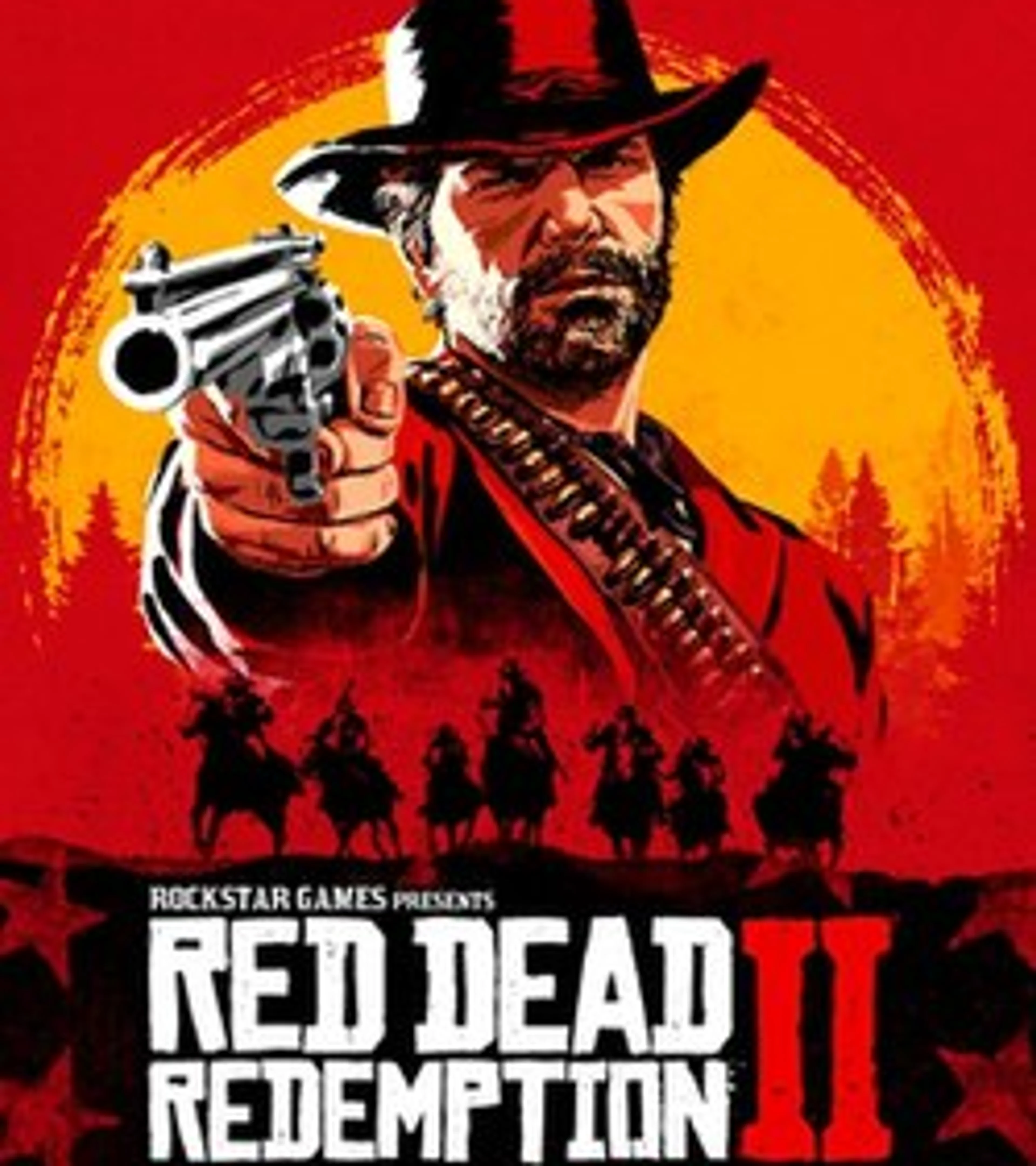
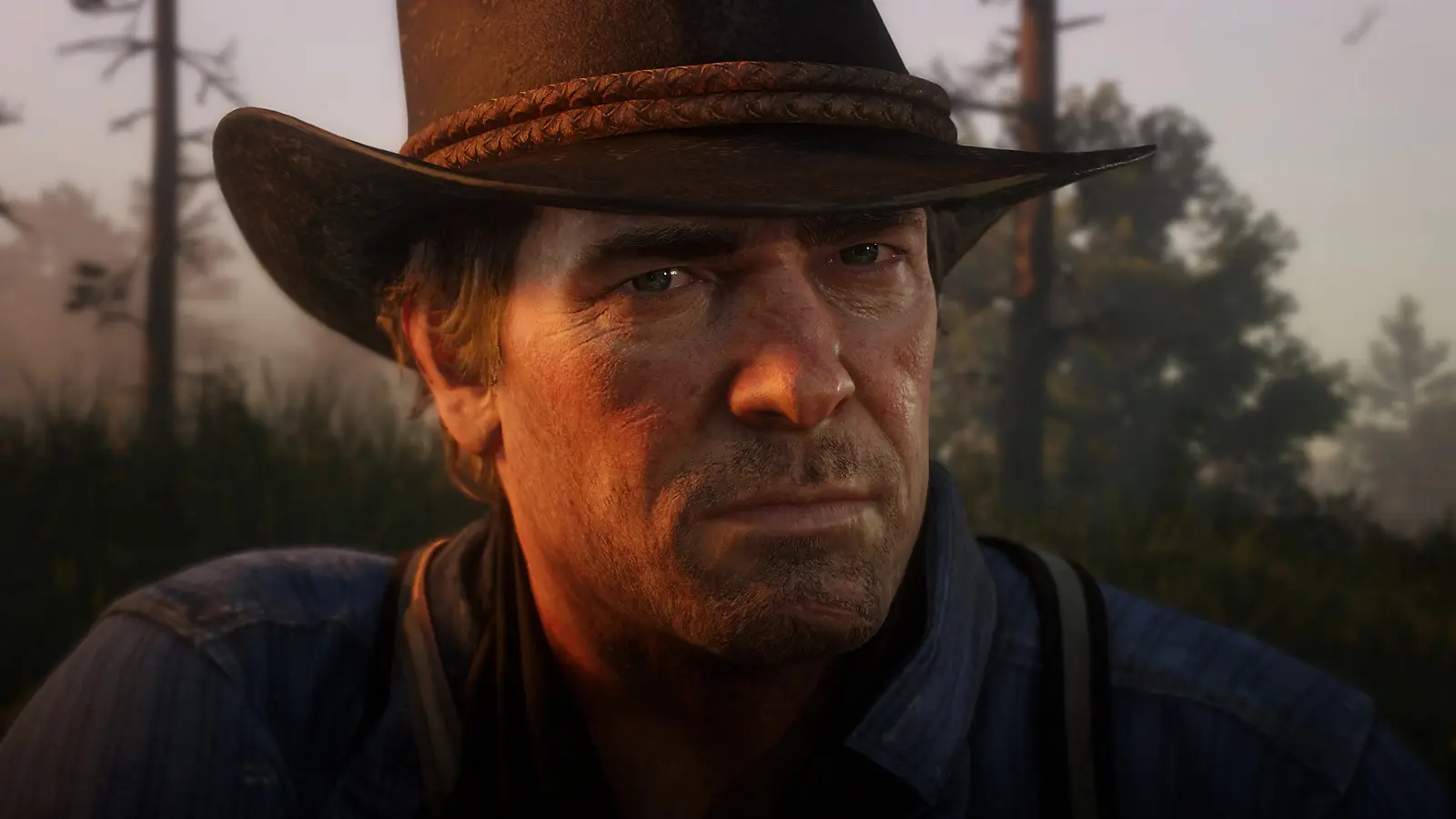
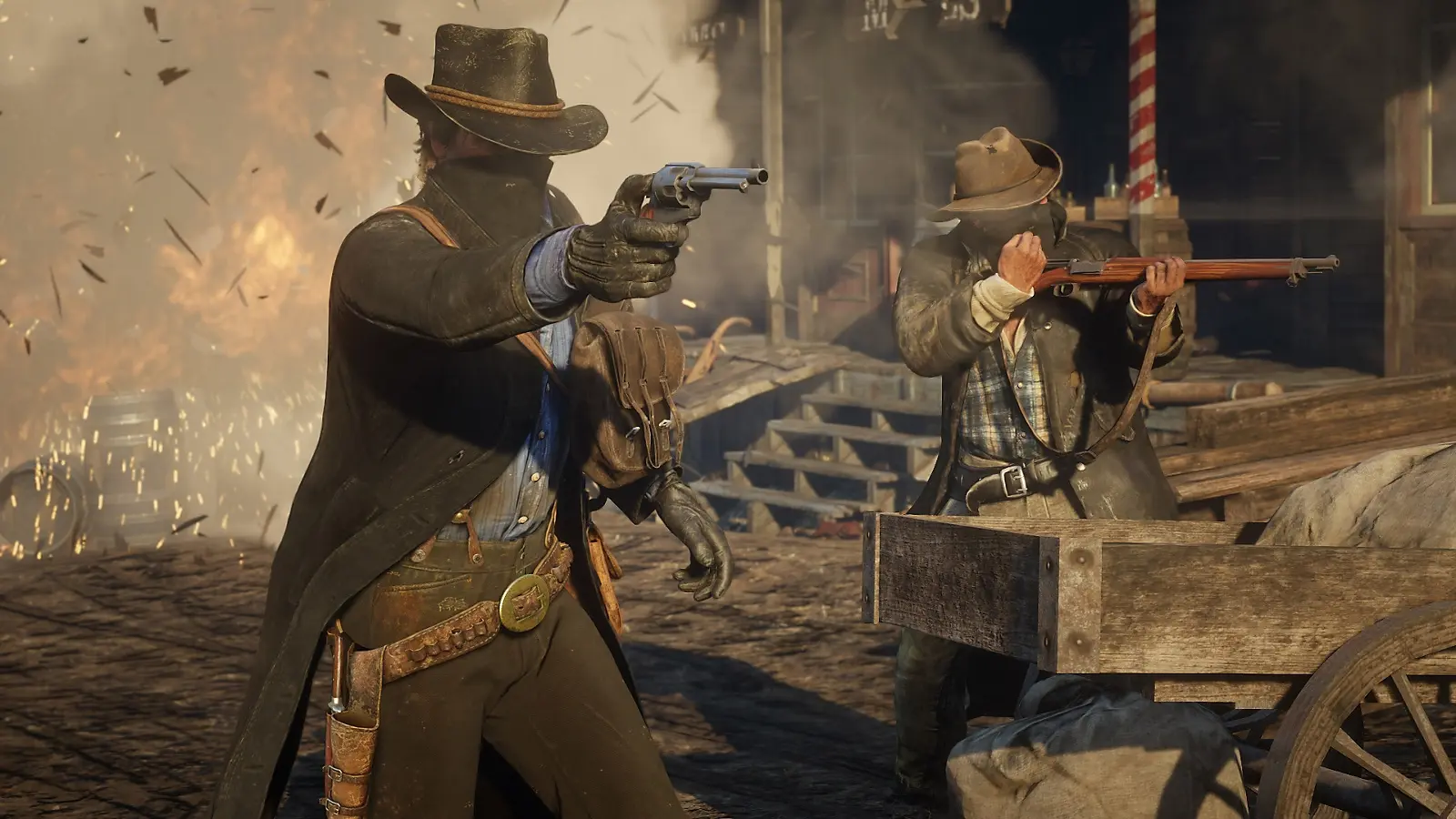

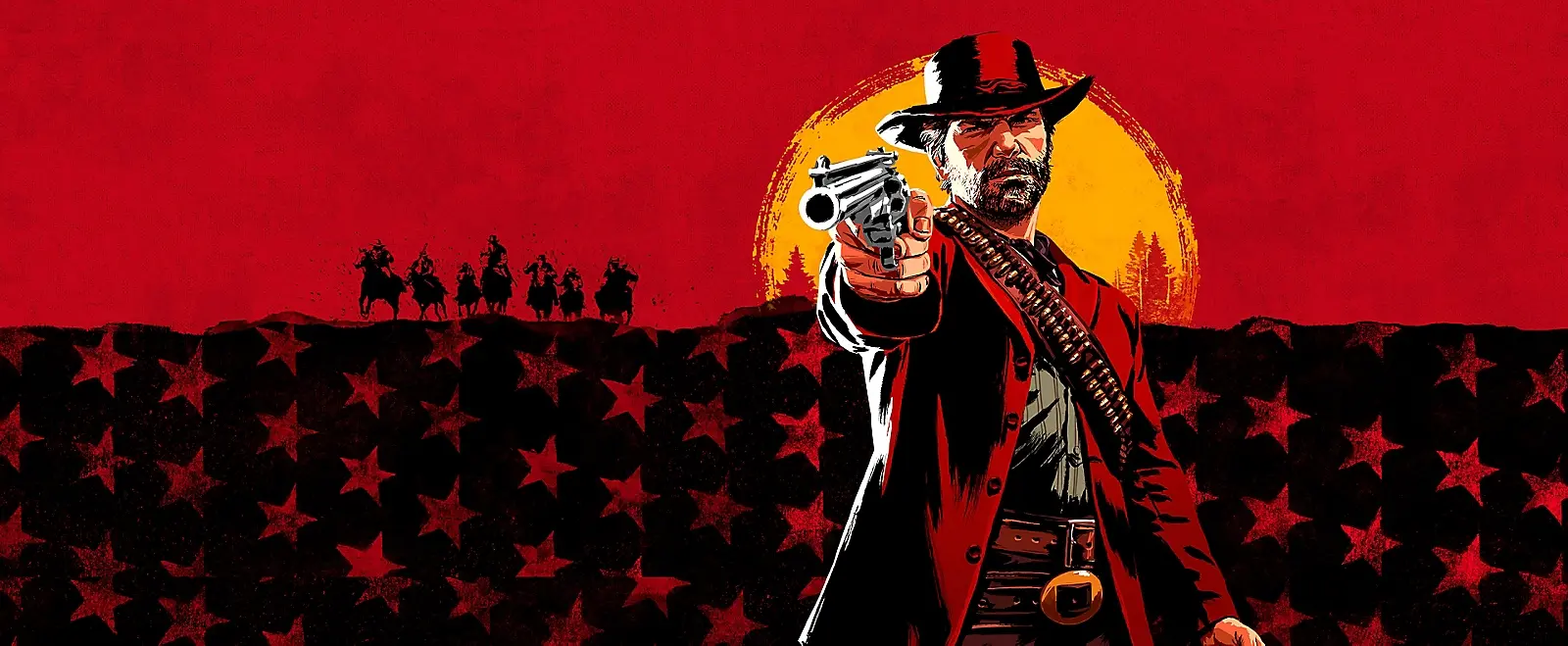
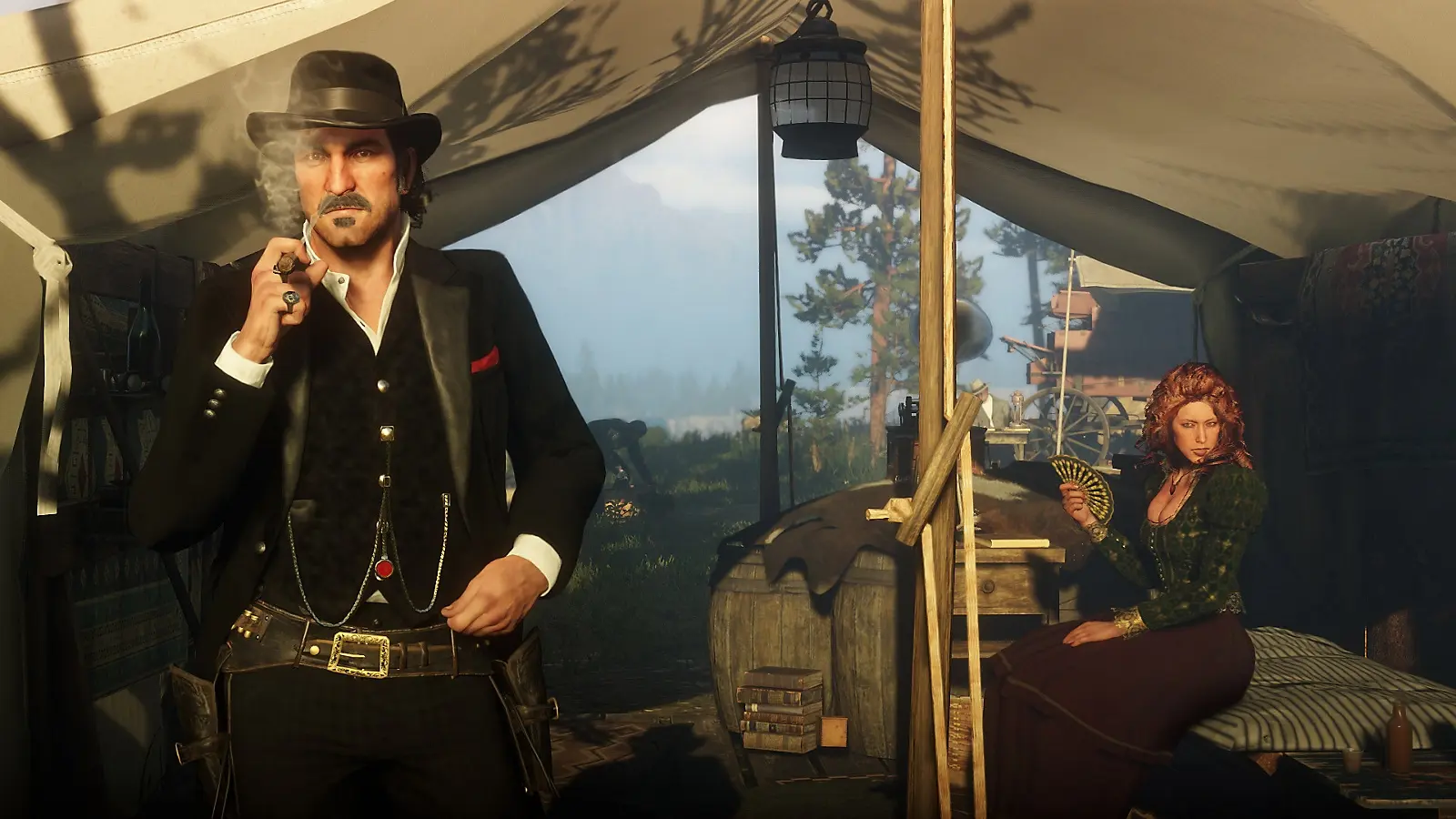
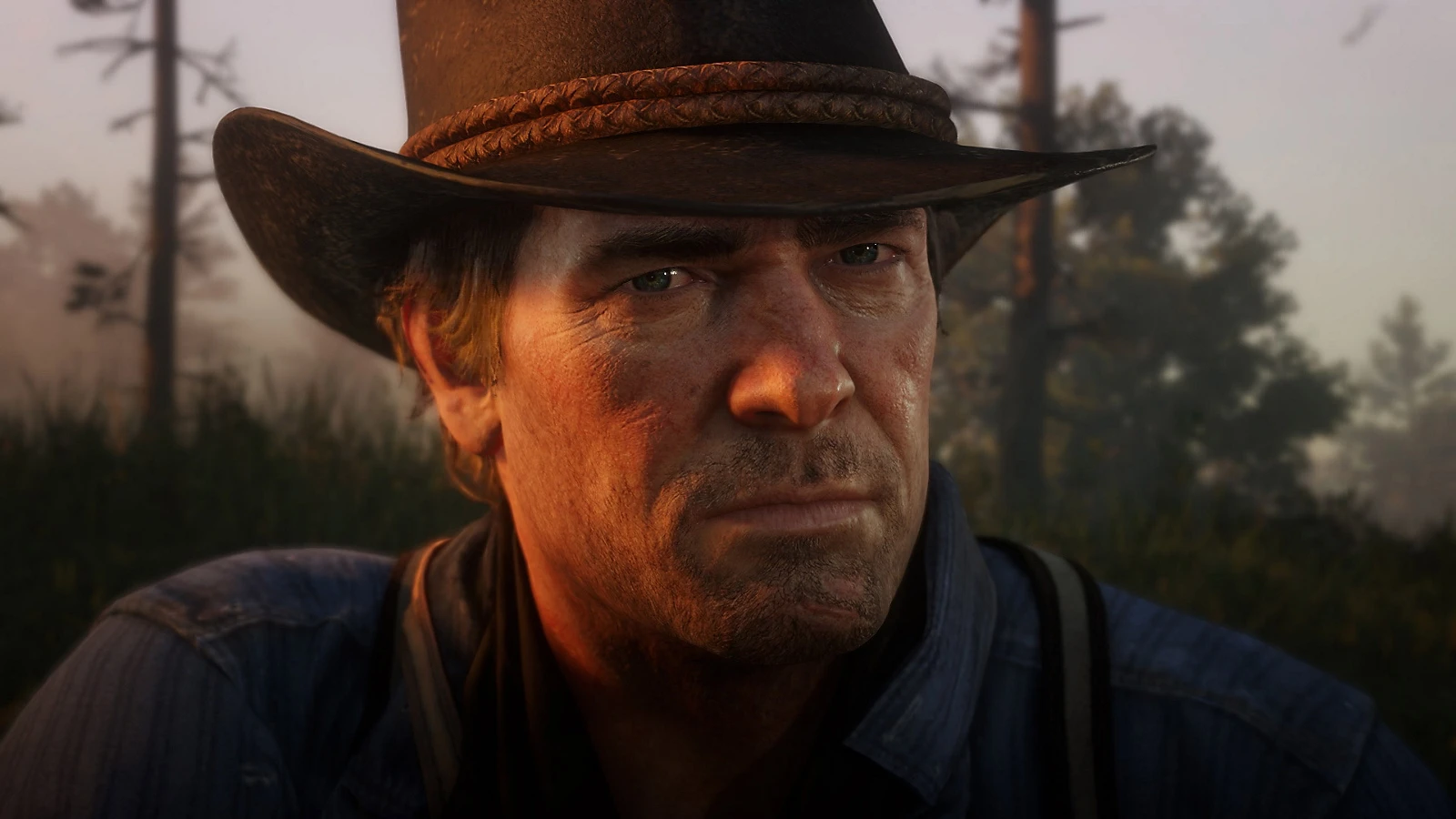
Red Dead Redemption 2 can feel strangely strict at first. The opening chapter keeps you on a narrow path, then Chapter 2 drops you into a huge world filled with camp upgrades, hunting rules, bounties, horse care, side missions, and shops that do not all open at once. You are not behind. The game is built to reveal itself slowly.
This guide avoids story turns and character outcomes. It focuses on the early decisions that save money, prevent frustrating mistakes, and help you enjoy the world without turning your first playthrough into a checklist.
Let Chapter 2 Open the Game for You
Once the gang reaches its first open camp, spend some time on the yellow story missions around camp before disappearing into the wilderness for twenty hours. A handful of early missions introduce the stable, hunting, the camp ledger, the Fence, fishing, and other basic systems. If a shop option or activity seems missing, the answer is often a nearby story mission rather than a hidden requirement.
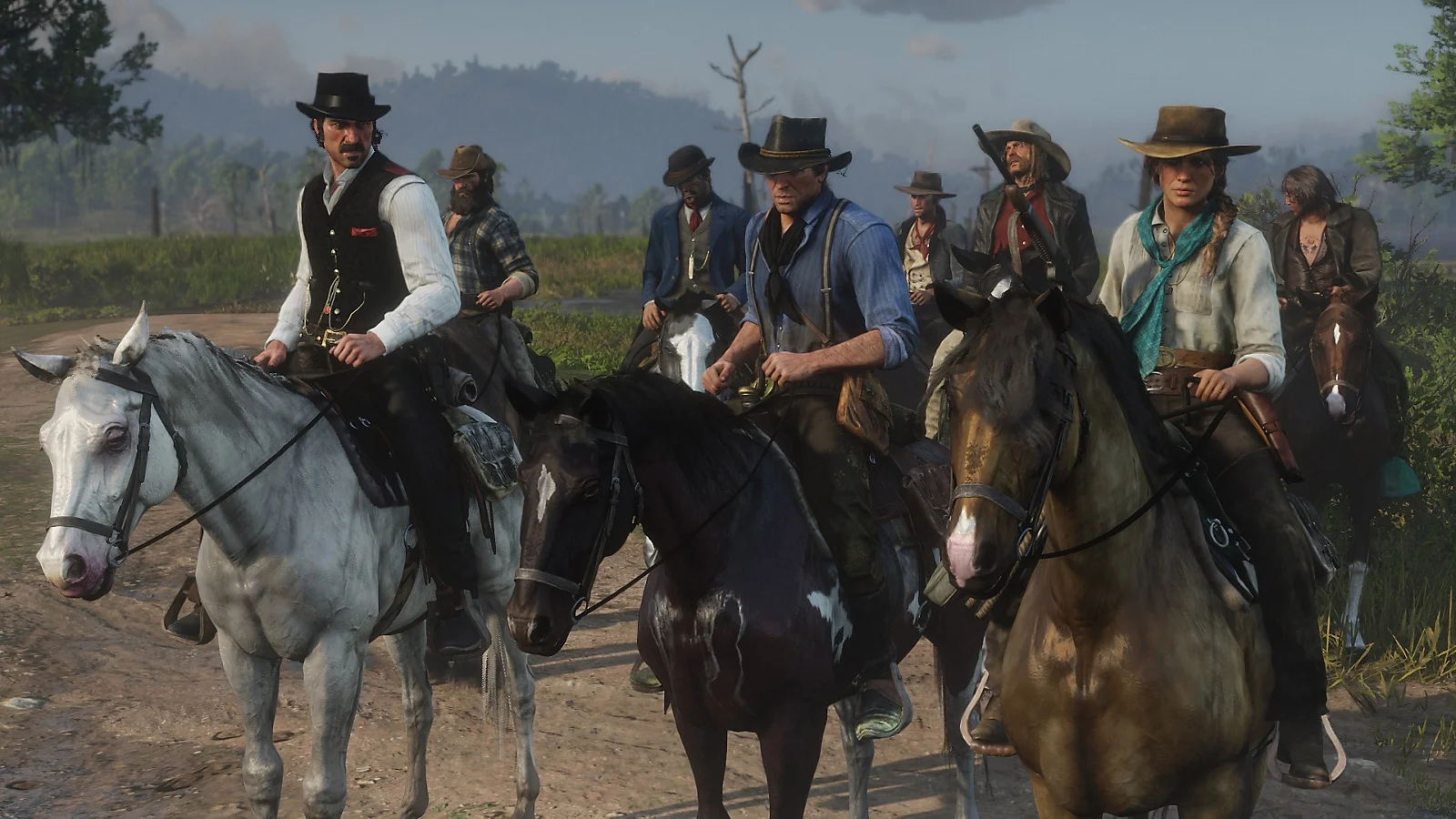
You can still wander, hunt, and help strangers between missions. Just return to camp regularly. White map icons lead to optional encounters, and conversations inside camp can open small requests or scenes that are easy to miss if Arthur only visits to sleep and refill ammunition.
Spend Early Money on Tools, Not Style
The gun shop is tempting, but the game gives Arthur several useful weapons through missions and world events. Buying every revolver early only empties your wallet and clutters the weapon wheel. Put your first serious money into upgrades that keep paying you back.
- Leather Working Tools from the camp ledger, once the ledger is available. Pearson needs them to craft better satchels.
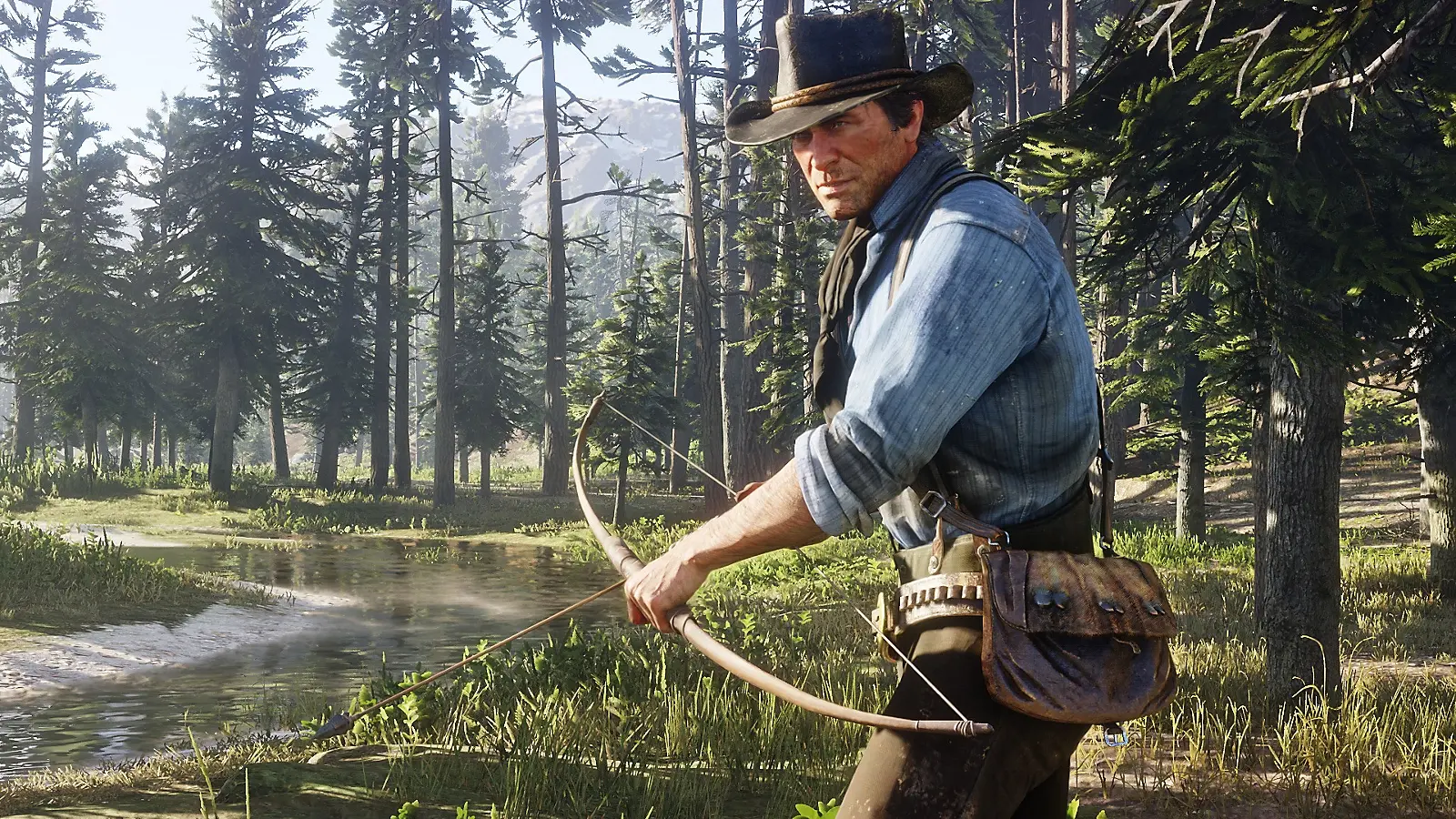
- The Varmint Rifle if you plan to hunt rabbits, raccoons, beavers, and other medium-small animals for perfect pelts.
- A reliable rifle for larger animals. The Springfield is available early, while stronger options arrive through the story.
- Horse Reviver, gun oil, and a small reserve for bounties. These are less exciting than a new coat and much more useful when a trip goes wrong.
Camp lodging upgrades eventually lead to fast travel from Arthur's map. It is convenient, but trains, stagecoaches, and ordinary riding are often how you discover the game's best unplanned moments. Buy it when you can afford it; do not treat it as an emergency.
Learn the Difference Between Bars and Cores
Health, Stamina, and Dead Eye each have an outer bar and an inner core. The bar is the resource you spend in the moment. The core controls how quickly that bar comes back and can affect Arthur when it is empty. Food restores cores, while tonics usually refill or strengthen the outer bars. Sleeping also helps, and cooked meat is cheaper than living on store-bought cans.
Keep cooked meat on your horse, not just in Arthur's satchel. Big Game Meat is especially useful, and seasoning it with herbs can add temporary benefits. You do not need to memorize every recipe on day one. A few cooked portions, coffee, and basic tonics will cover most early trips.
Advertisement

Treat Your Horse Like Part of the Loadout
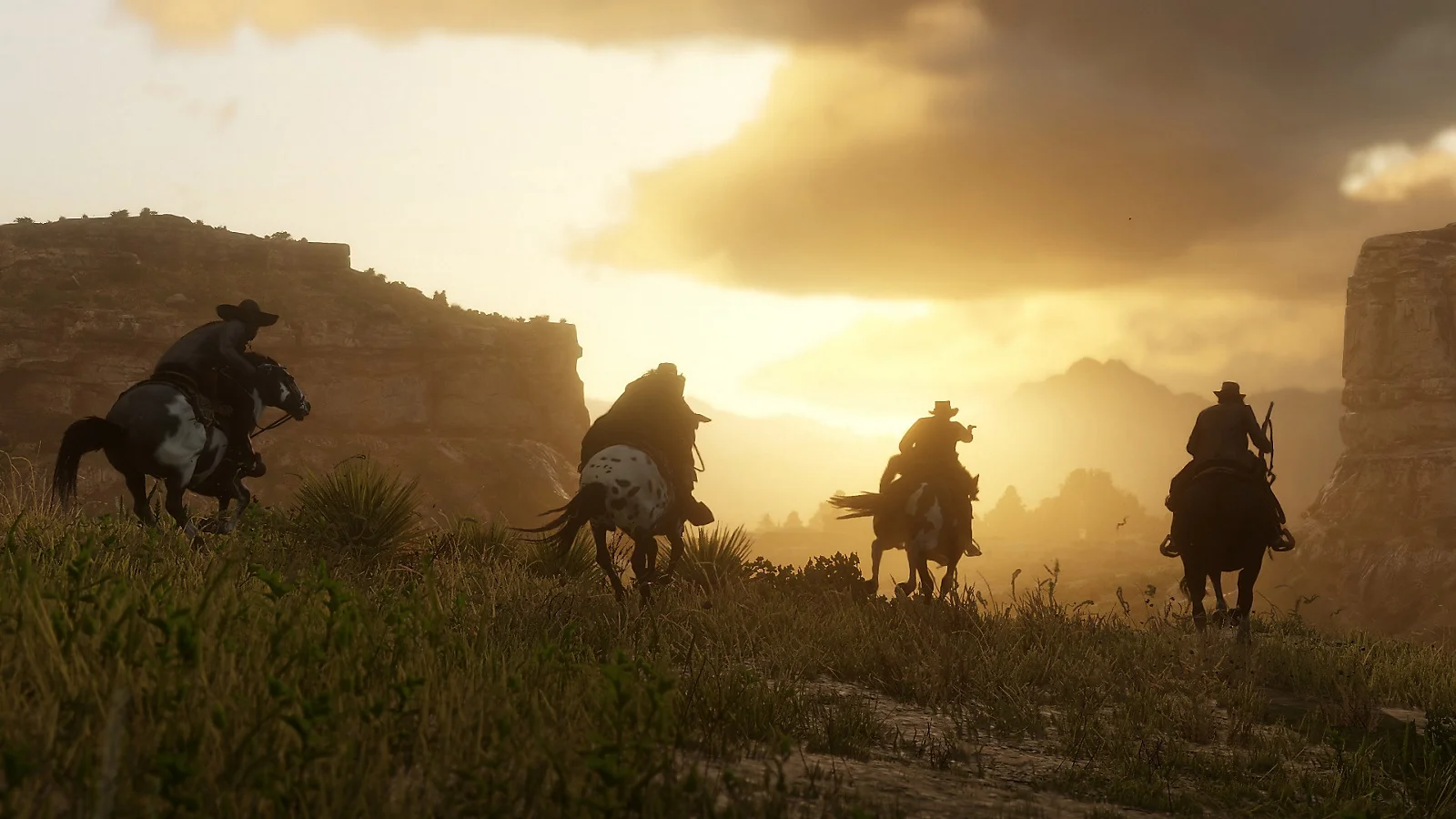
Horse bonding improves handling and unlocks useful moves, but the everyday benefits are even simpler: a calm, fed horse is easier to rely on. Brush it when it is dirty, feed it before the cores empty, hitch it in towns and at camp, and keep Horse Reviver in your inventory. Horses can die permanently in Story Mode, and a manual save is much kinder than discovering that after a bad fall or gunfight.
Store a warm outfit on the horse before riding into the mountains and a lighter outfit for hot regions. Arthur can carry several saved outfits once they are assigned through a wardrobe, which removes one of the most common reasons new players see their cores draining for no obvious reason.
Hunting Has One Rule You Cannot Ignore
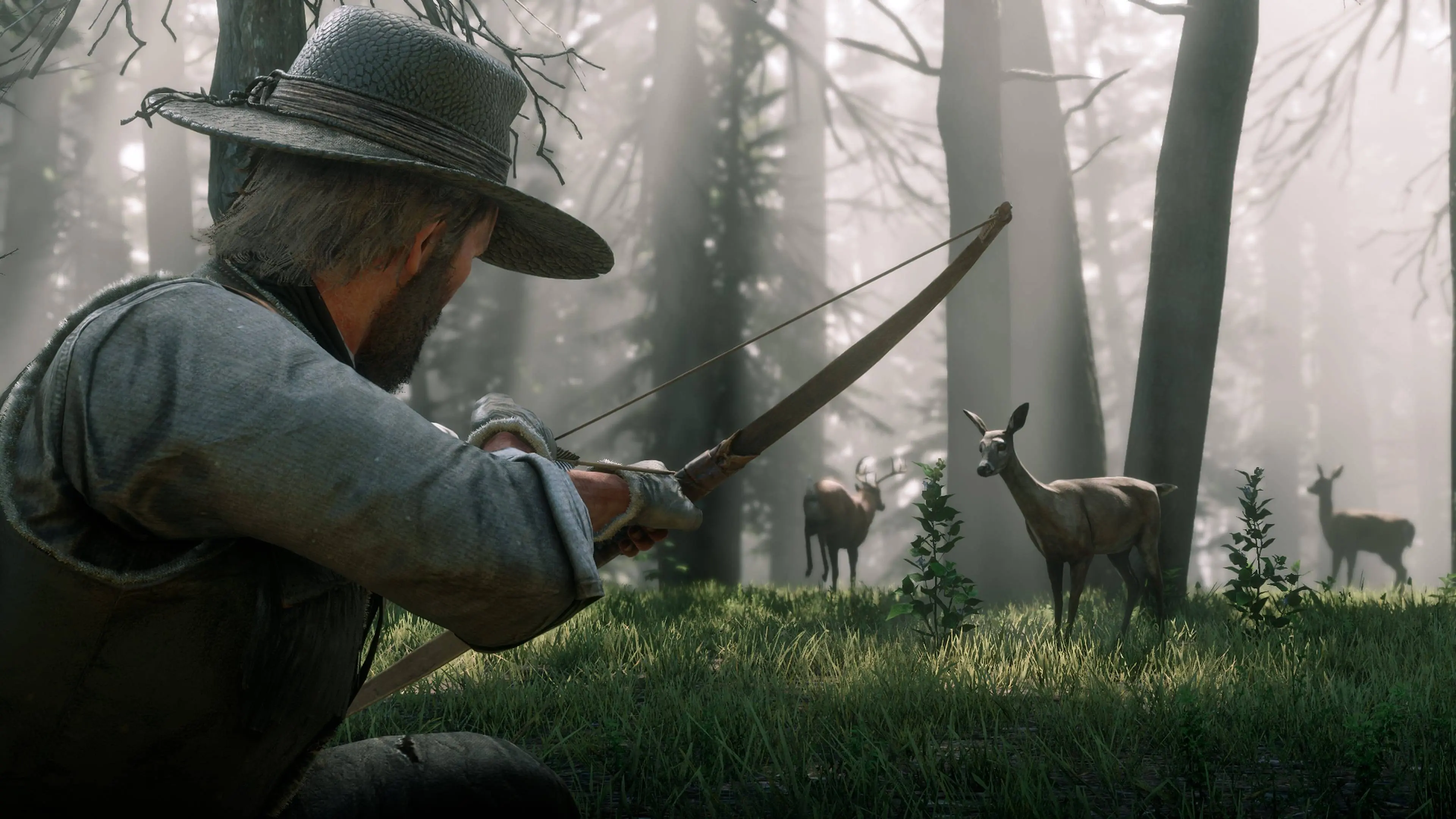
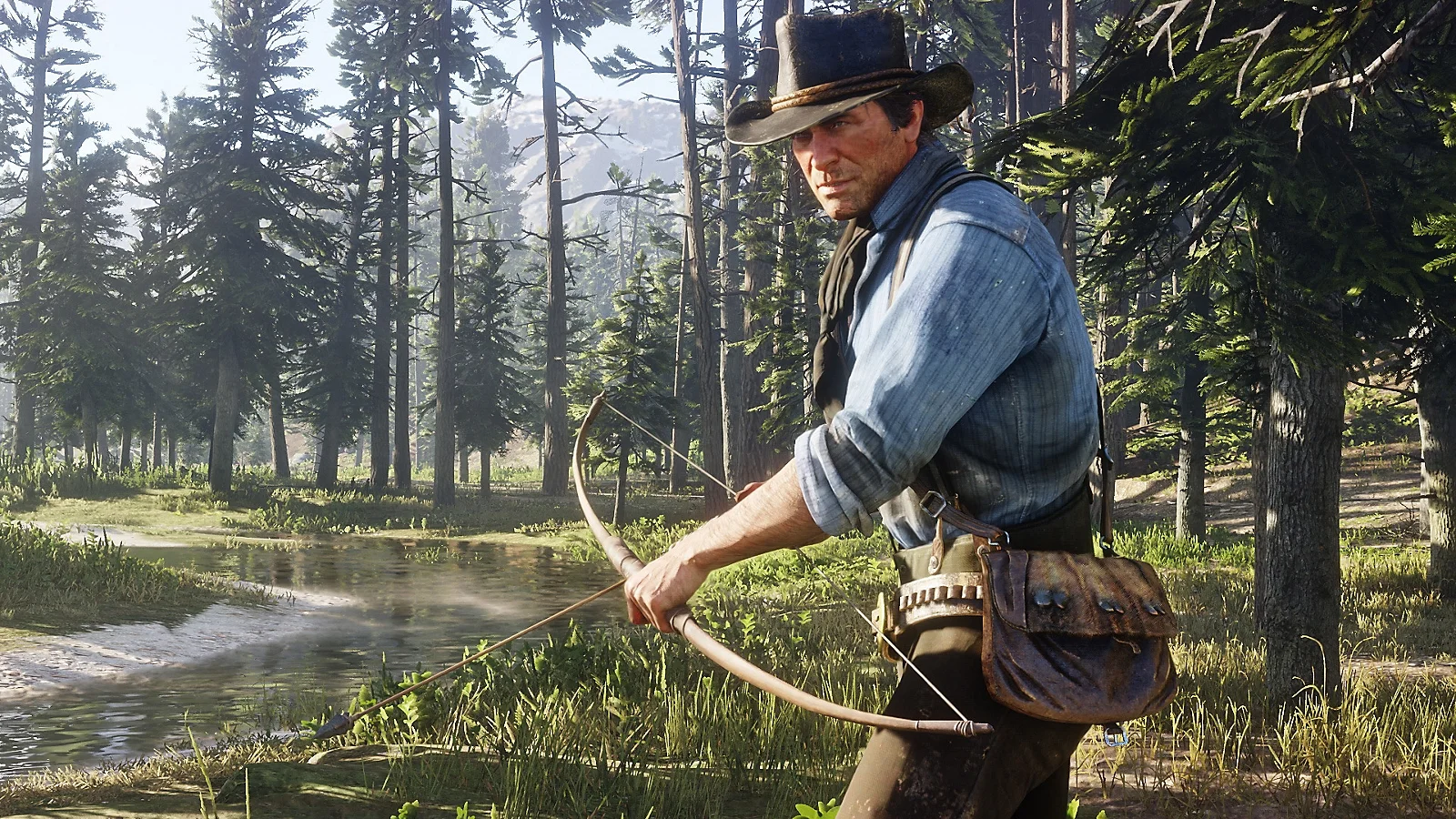
A perfect pelt requires a three-star animal, the correct weapon, and a clean kill. Study the animal first, then check its Compendium entry if you are unsure what to use. Shooting a rabbit with a powerful rifle or filling a deer with repeater rounds can ruin the pelt even when the animal started at perfect quality.
Use binoculars or a scoped weapon to check the star rating before you fire. Aim for the head or another vital area and make one shot count. If the kill is for Pearson, donate the pelt or carcass at camp. Selling it to a butcher or the Trapper means Pearson cannot use it for a satchel.
Save Manually Before Risky Trips
RDR2 autosaves, but it is not a replacement for a clean manual save before a long hunt, a dangerous robbery, or a ride with a rare pelt on the horse. Make rotating saves instead of overwriting the same slot forever. They give you a way back when a horse dies, a weapon pickup is missed, or a crime grows into a bounty you never wanted.
Masks hide Arthur's identity from civilians more effectively than they hide it from lawmen. Change clothes if you enjoy the role-play, but do not expect an outfit swap to erase a recognized crime. Leave the red search area, avoid more violence, and pay manageable bounties at a post office before they turn every trip through the state into a fight.
Return to Camp and Listen
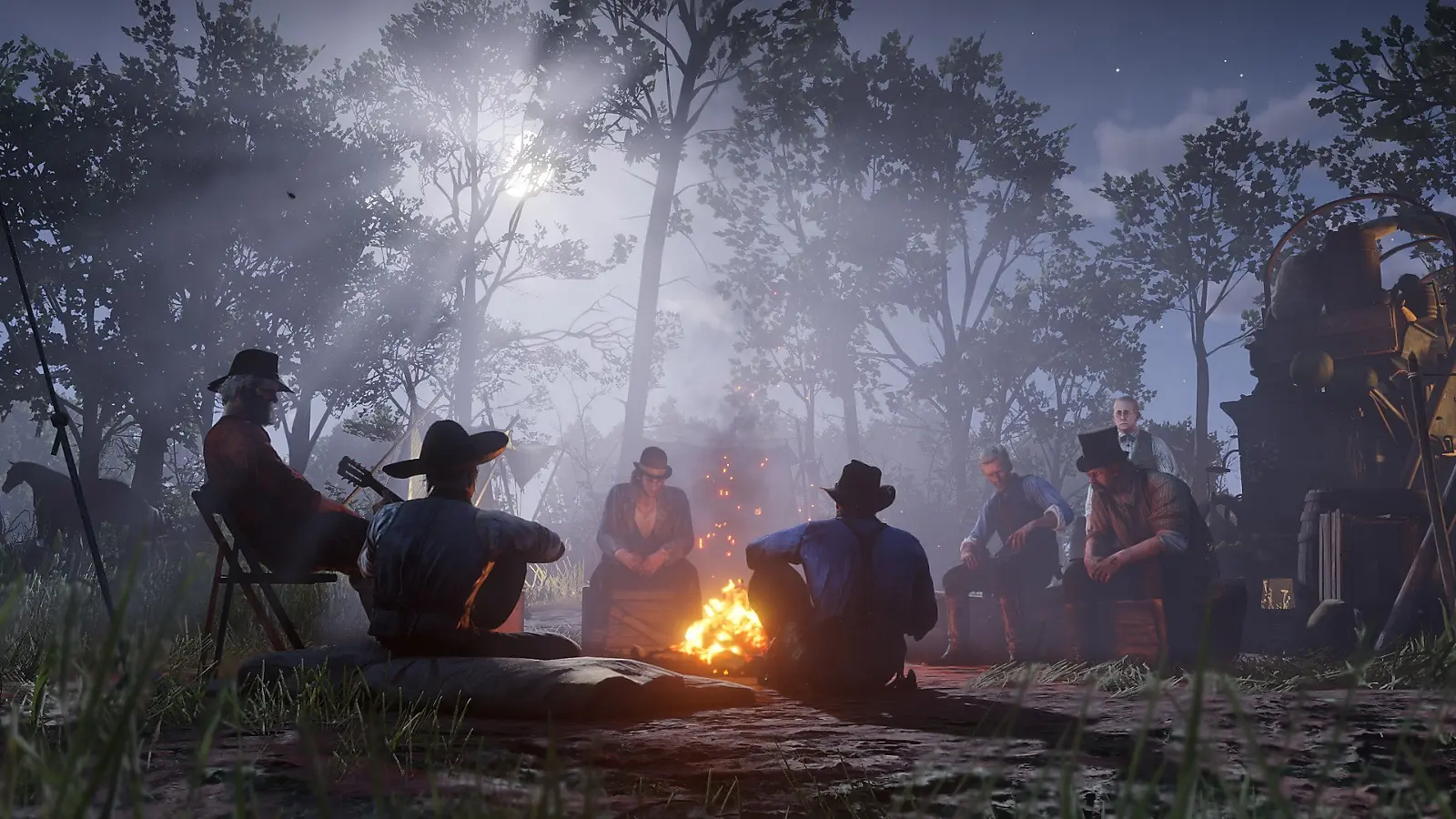
The camp changes as the story moves. People argue, sing, tell stories, ask for items, and react to things Arthur has done. Some of those moments only appear at certain times or chapters. Walking through camp in the morning and again at night gives you more of the game than sprinting straight to the next mission marker.
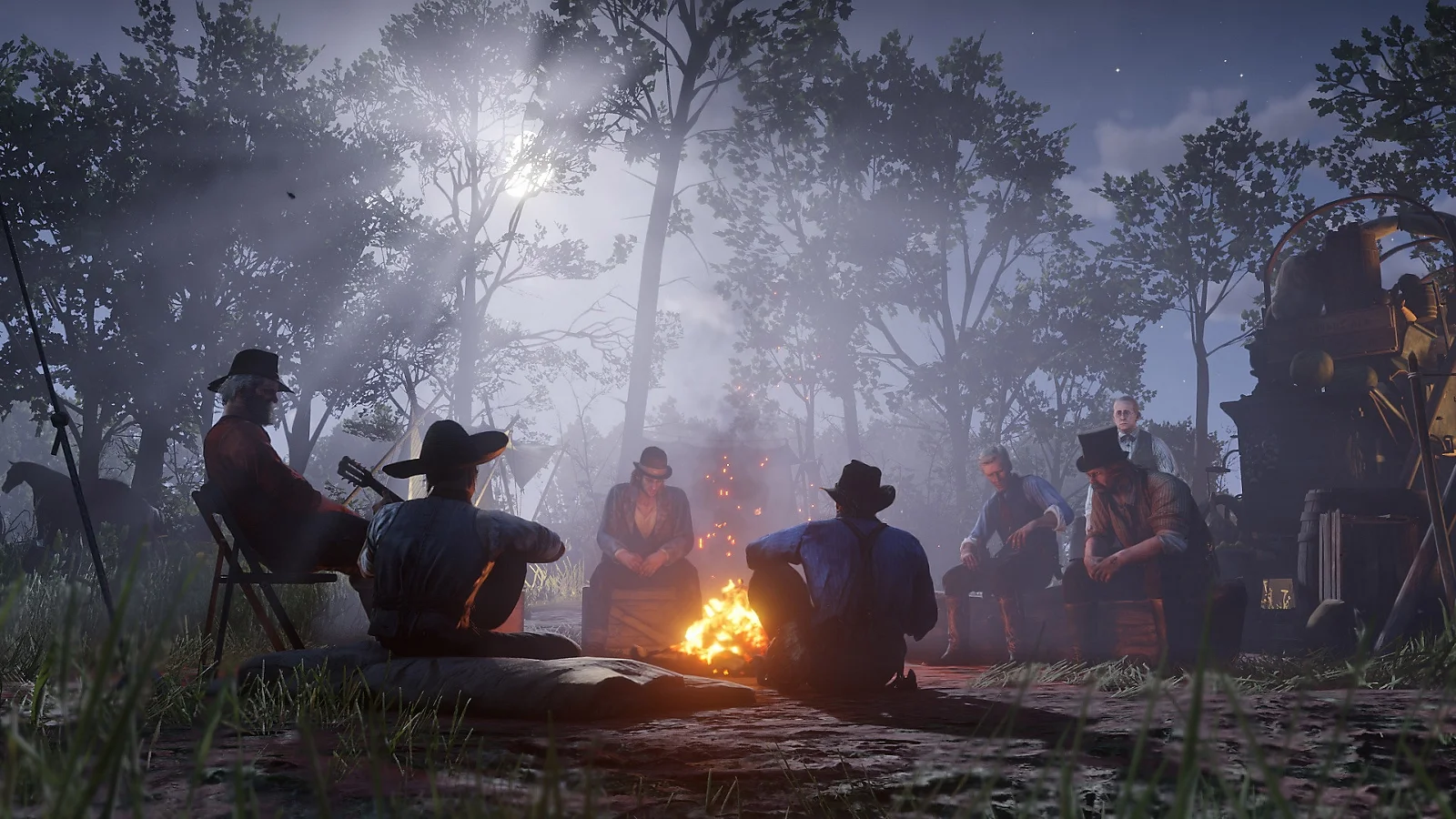
Camp chores also add small amounts of Honor and improve Arthur's Dead Eye experience. You do not need to carry every sack and chop every log each day. Do a few when you return, donate useful supplies, and check Pearson's crafting menu before selling high-quality pelts elsewhere.
A Good First-Week Checklist
- Play enough Chapter 2 story missions to open the stable, ledger, Fence, hunting, and fishing systems.
- Buy Horse Reviver and make at least two manual saves.
- Study animals before shooting and keep the Varmint Rifle or bow ready for smaller game.
- Upgrade Arthur's lodging and buy Leather Working Tools when the camp budget allows.
- Carry one warm outfit, cooked food, gun oil, and a few basic tonics on the horse.
- Visit camp between long trips and stop for white stranger icons when they interest you.
After that, follow your curiosity. RDR2 is generous when you ride toward smoke, a distant cabin, or a voice calling from the roadside. The best beginner route is the one that gives you enough tools to explore without making the world feel like work.