Grand Theft Auto does not have one continuous timeline. Rockstar divides the series into separate 2D, 3D, and HD universes, so characters and events from one version of Liberty City or Vice City are not automatically part of another.
The cleanest way to play GTA is release order, because each game builds on the design of the one before it. If you only care about story chronology, follow the order inside each universe instead of mixing every title into one list.
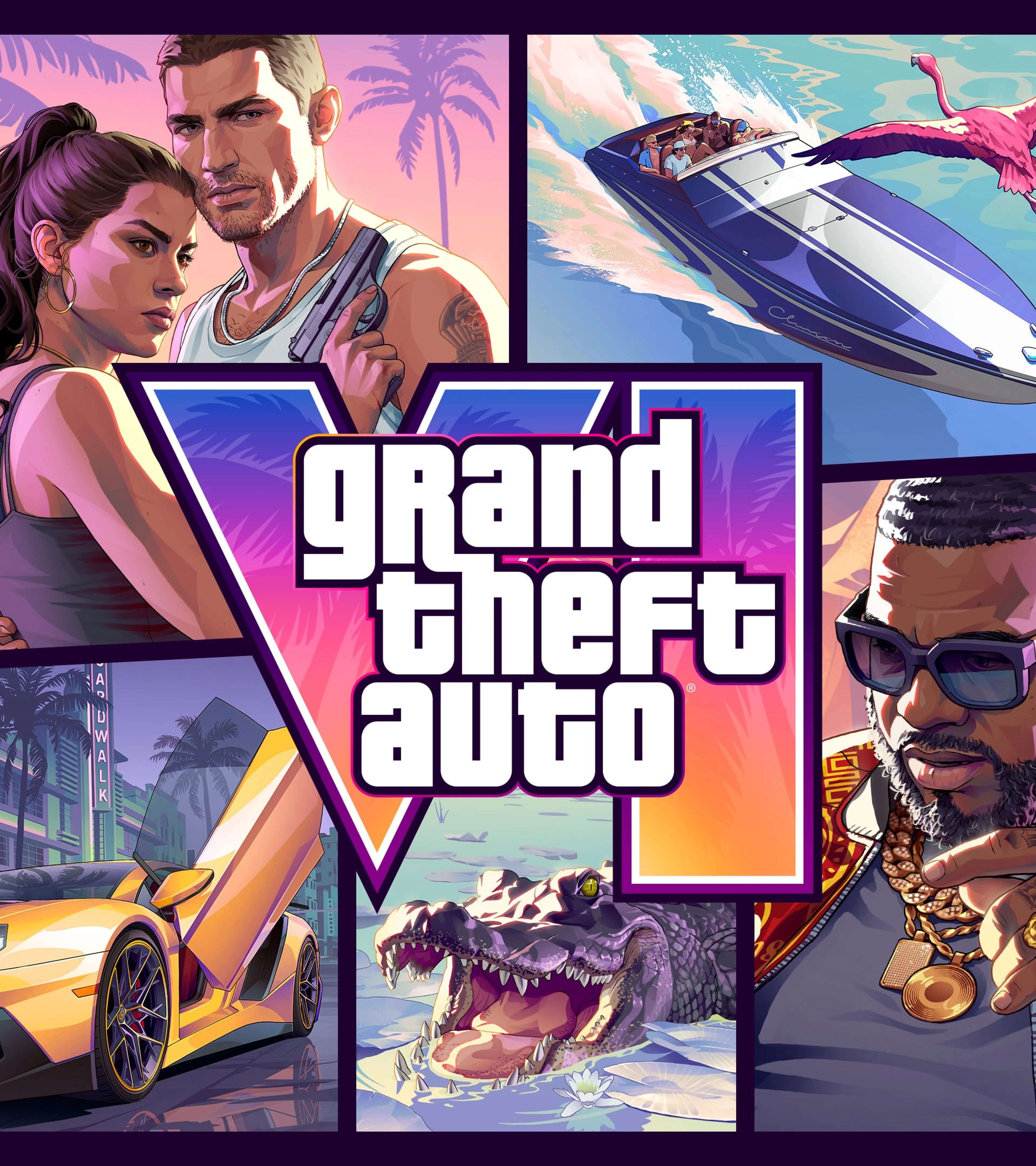
Grand Theft Auto VI is currently scheduled for November 19, 2026. Rockstar’s official GTA VI page confirms Leonida, Vice City, Jason, and Lucia, but it does not turn the older 2D and 3D stories into HD-universe canon.
All GTA Games in Release Order
- Grand Theft Auto — 1997
- Grand Theft Auto: London 1969 — 1999 expansion
- Grand Theft Auto: London 1961 — 1999 expansion
- Grand Theft Auto 2 — 1999
- Grand Theft Auto III — 2001
- Grand Theft Auto: Vice City — 2002
- Grand Theft Auto Advance — 2004
- Grand Theft Auto: San Andreas — 2004
- Grand Theft Auto: Liberty City Stories — 2005
- Grand Theft Auto: Vice City Stories — 2006
- Grand Theft Auto IV — 2008
- Grand Theft Auto IV: The Lost and Damned — 2009
- Grand Theft Auto: Chinatown Wars — 2009
- Grand Theft Auto: The Ballad of Gay Tony — 2009
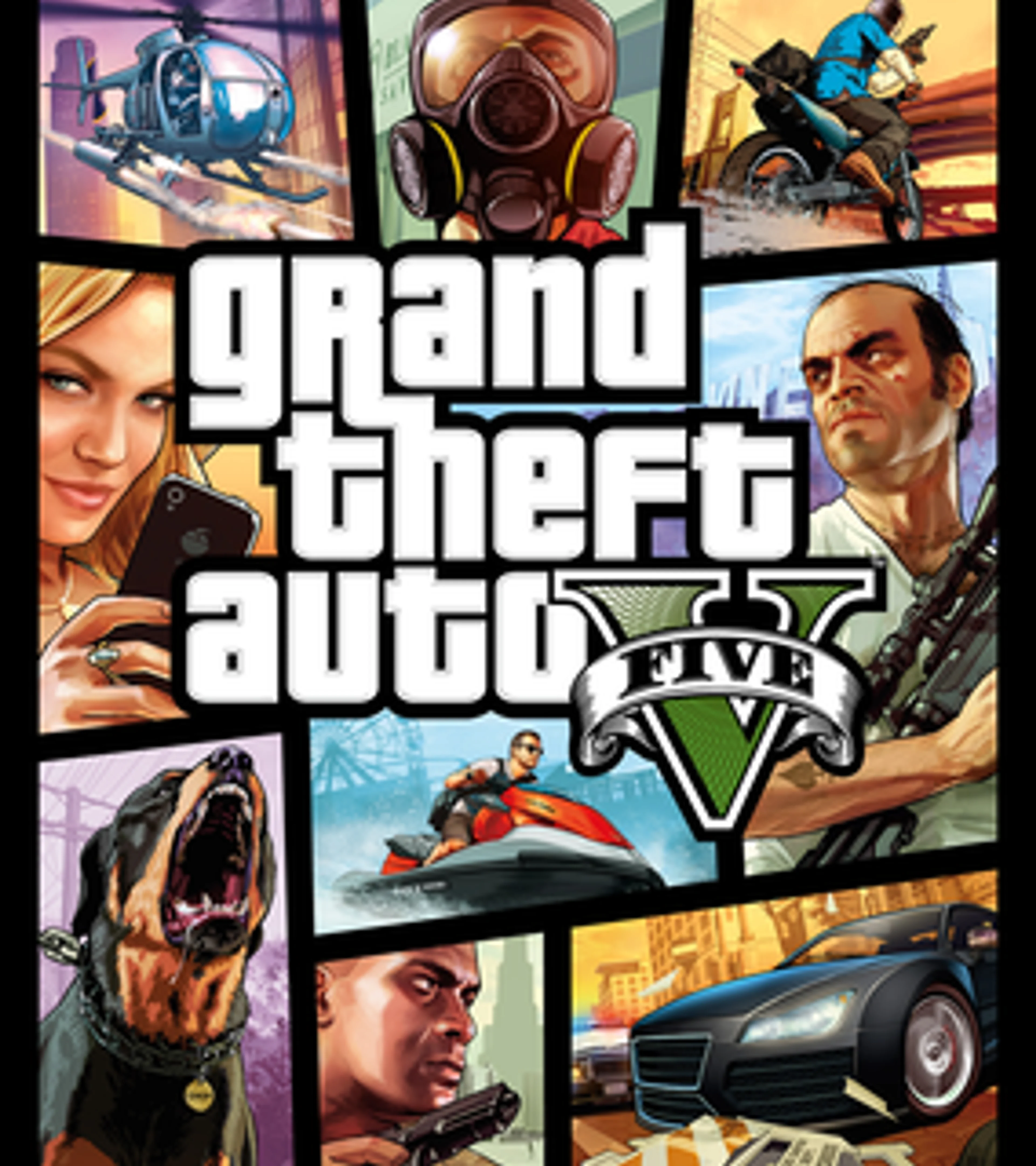
- Grand Theft Auto V — 2013
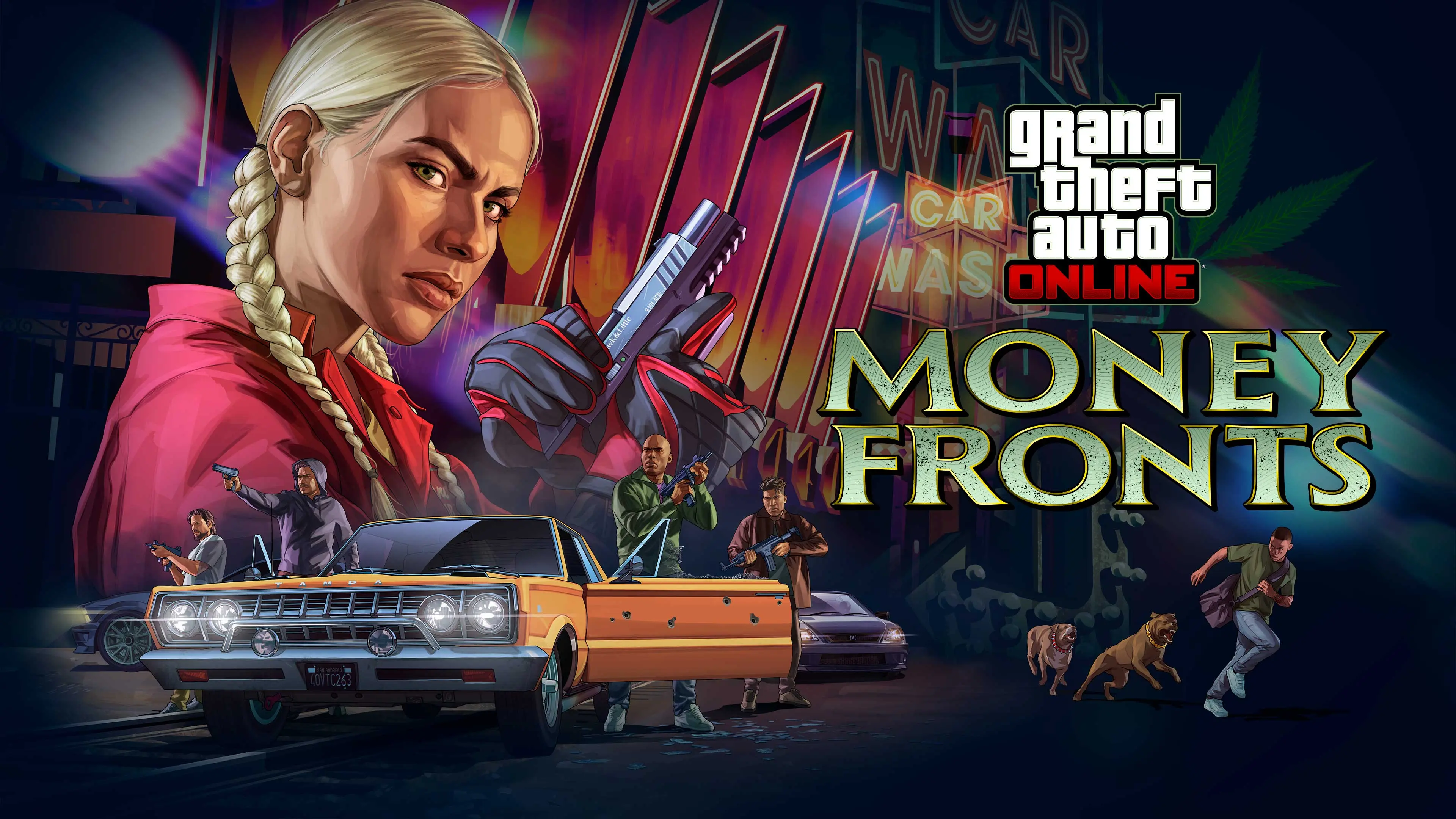
- Grand Theft Auto Online — 2013
- Grand Theft Auto VI — November 19, 2026
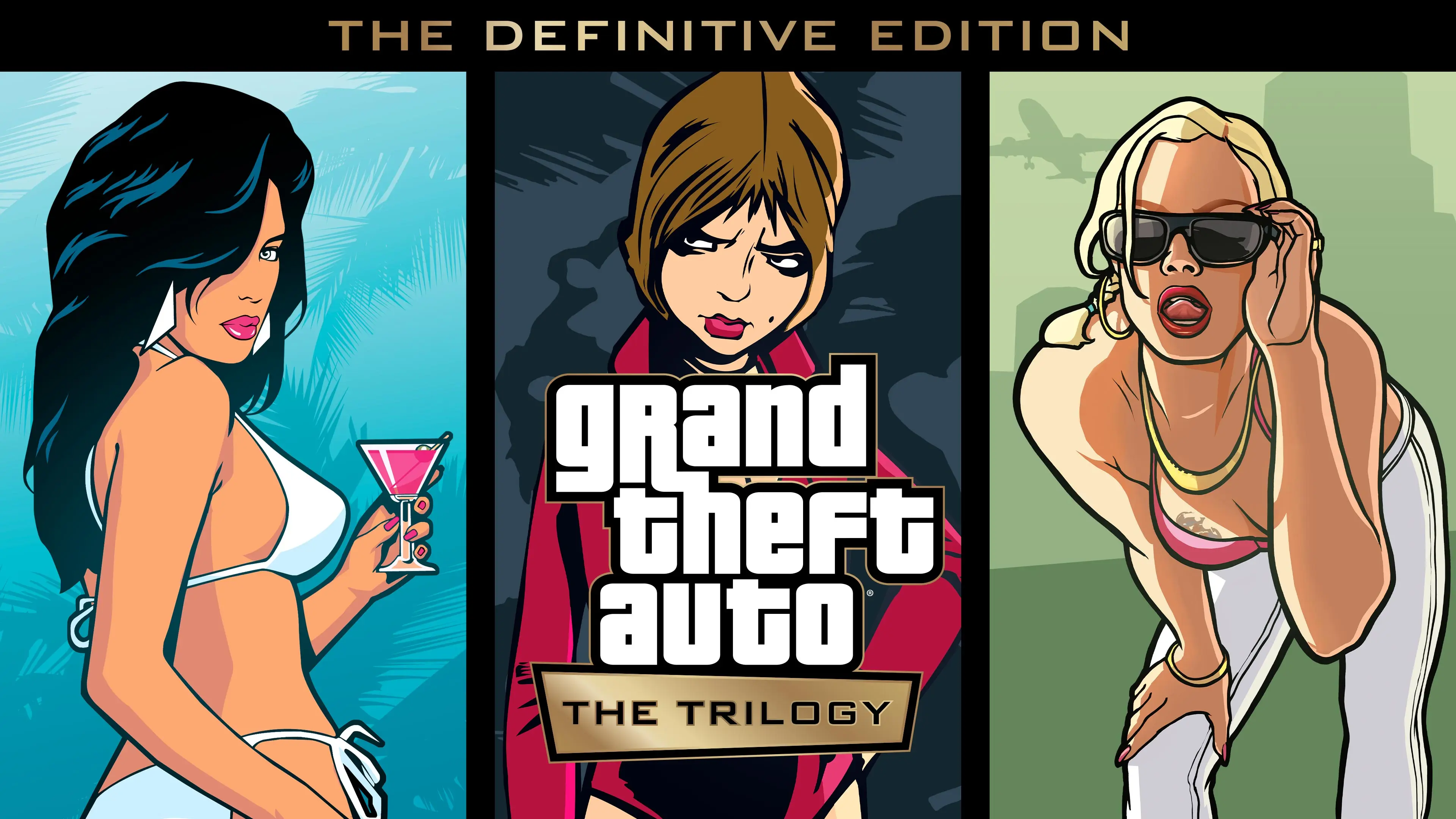
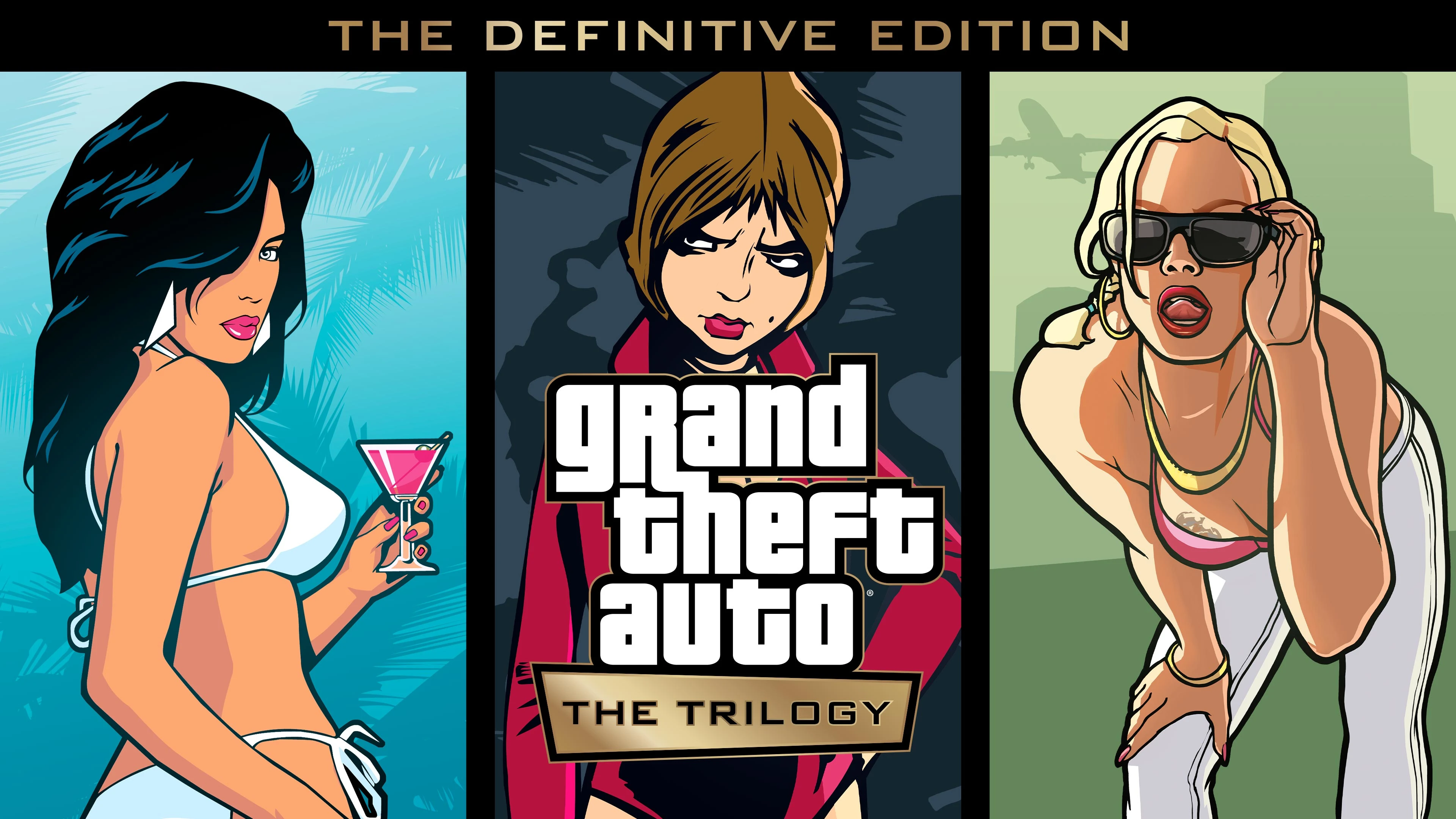
Some lists produce a different total because they count the London releases as add-ons, combine GTA IV’s episodes into Episodes from Liberty City, or treat GTA Online as part of GTA V. Remaster collections such as The Trilogy — The Definitive Edition are rereleases, not new points in the story timeline.
The Three GTA Universes Explained
- 2D Universe: the original top-down games, including GTA, the London expansions, and GTA 2.
- 3D Universe: GTA III, Vice City, San Andreas, Advance, Liberty City Stories, and Vice City Stories.
- HD Universe: GTA IV and its episodes, Chinatown Wars, GTA V, GTA Online, and GTA VI.
Cities can return with familiar names across universes, but they are new versions. The Vice City seen in the 3D universe is not automatically the same continuity as the Vice City and wider Leonida setting in GTA VI.
2D Universe: Release Order Is the Safest Order
The original Grand Theft Auto established the top-down crime sandbox in 1997. The London expansions moved the formula into a period setting, while GTA 2 pushed toward a stylized near-future city.
GTA 2’s exact in-world date is deliberately unclear, so placing every 2D game into one precise story chronology creates more confidence than the games support. Play this universe in release order if you want to see where the series started.
3D Universe in Chronological Story Order
- Grand Theft Auto: Vice City Stories — set in 1984
- Grand Theft Auto: Vice City — set in 1986
- Grand Theft Auto: San Andreas — set in 1992
- Grand Theft Auto: Liberty City Stories — set in 1998
- Grand Theft Auto Advance — set in 2000
- Grand Theft Auto III — set in 2001
This order is different from release order because Rockstar later created prequels that filled gaps before Vice City and GTA III. It works well for a story replay, but release order still shows the mechanical improvements more naturally.
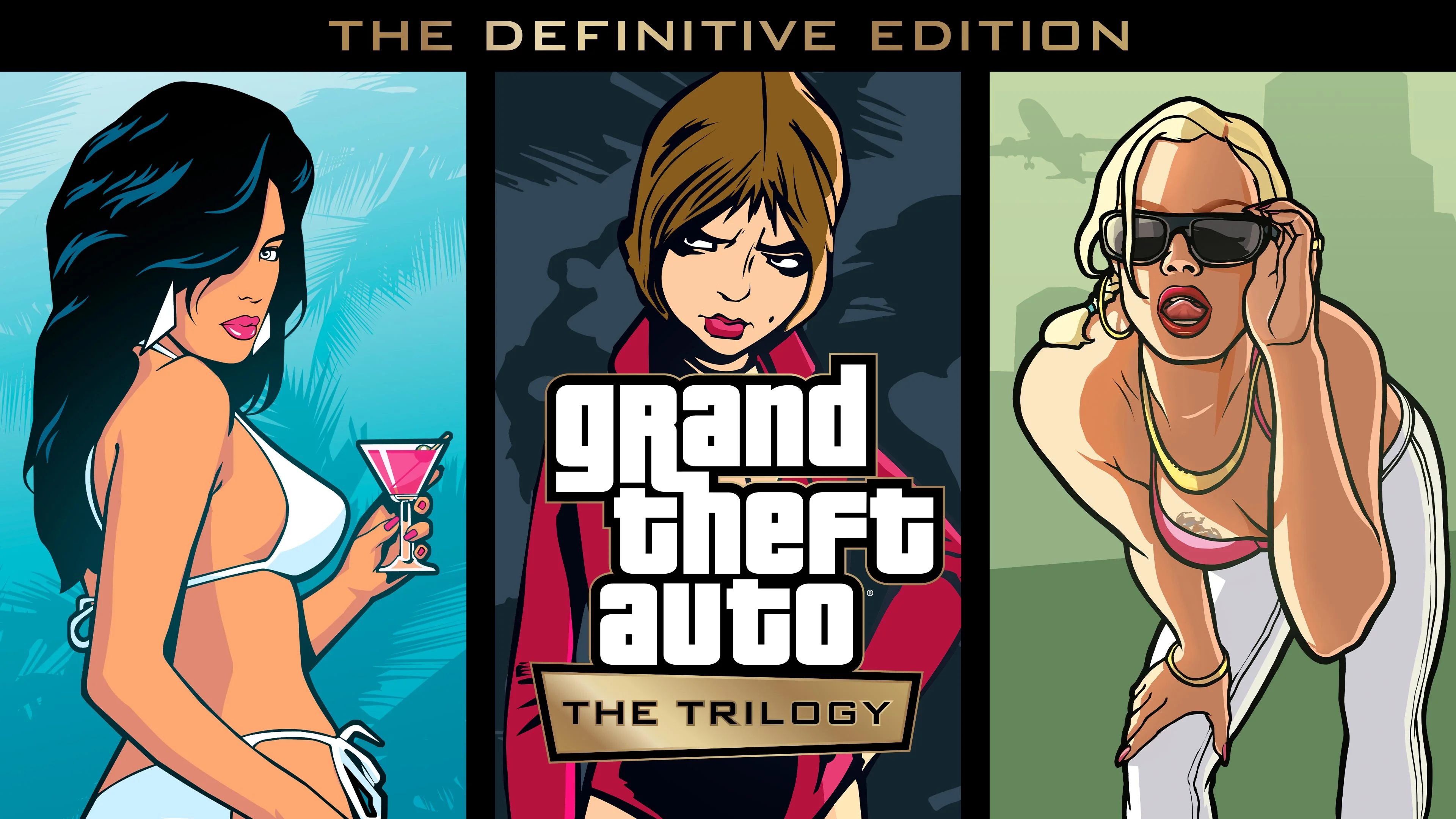
Why the 3D Era Changed Open-World Games
GTA III built the modern formula
Liberty City turned the top-down idea into a 3D city with radio stations, mission chains, wanted levels, traffic, pedestrians, and room for unscripted chaos. It became the foundation modern players recognize.
Vice City gave the series a strong identity
Vice City kept the structure and transformed the mood with Tommy Vercetti, neon, music, and an exaggerated 1980s crime-film atmosphere.
Advertisement

San Andreas expanded the scale
San Andreas added three major cities, countryside, character customization, gangs, and light role-playing systems. It made the world feel larger than a single urban sandbox.
The Stories games filled in the past
Vice City Stories and Liberty City Stories revisited familiar maps from earlier points in their histories. GTA Advance connected more directly to the road toward GTA III.
HD Universe in Story Order
- Grand Theft Auto IV — set in 2008
- The Lost and Damned — overlaps GTA IV in 2008
- The Ballad of Gay Tony — overlaps GTA IV in 2008
- Grand Theft Auto: Chinatown Wars — set in 2009
- Grand Theft Auto V — set mainly in 2013
- GTA Online — begins around the GTA V period and continues through later updates
- Grand Theft Auto VI — next HD-universe entry, releasing November 19, 2026
The three GTA IV stories overlap and show the same Liberty City events from Niko Bellic, Johnny Klebitz, and Luis Lopez’s perspectives. Playing GTA IV first, followed by either episode, keeps the shared moments easier to recognize.
GTA Online is the awkward part of a strict chronology. Its earliest missions were positioned around the GTA V era, while years of updates moved the online world forward. It now works better as an evolving branch of the HD universe than as one fixed date on a line.
GTA V, GTA Online, and the Thirteen-Year Era
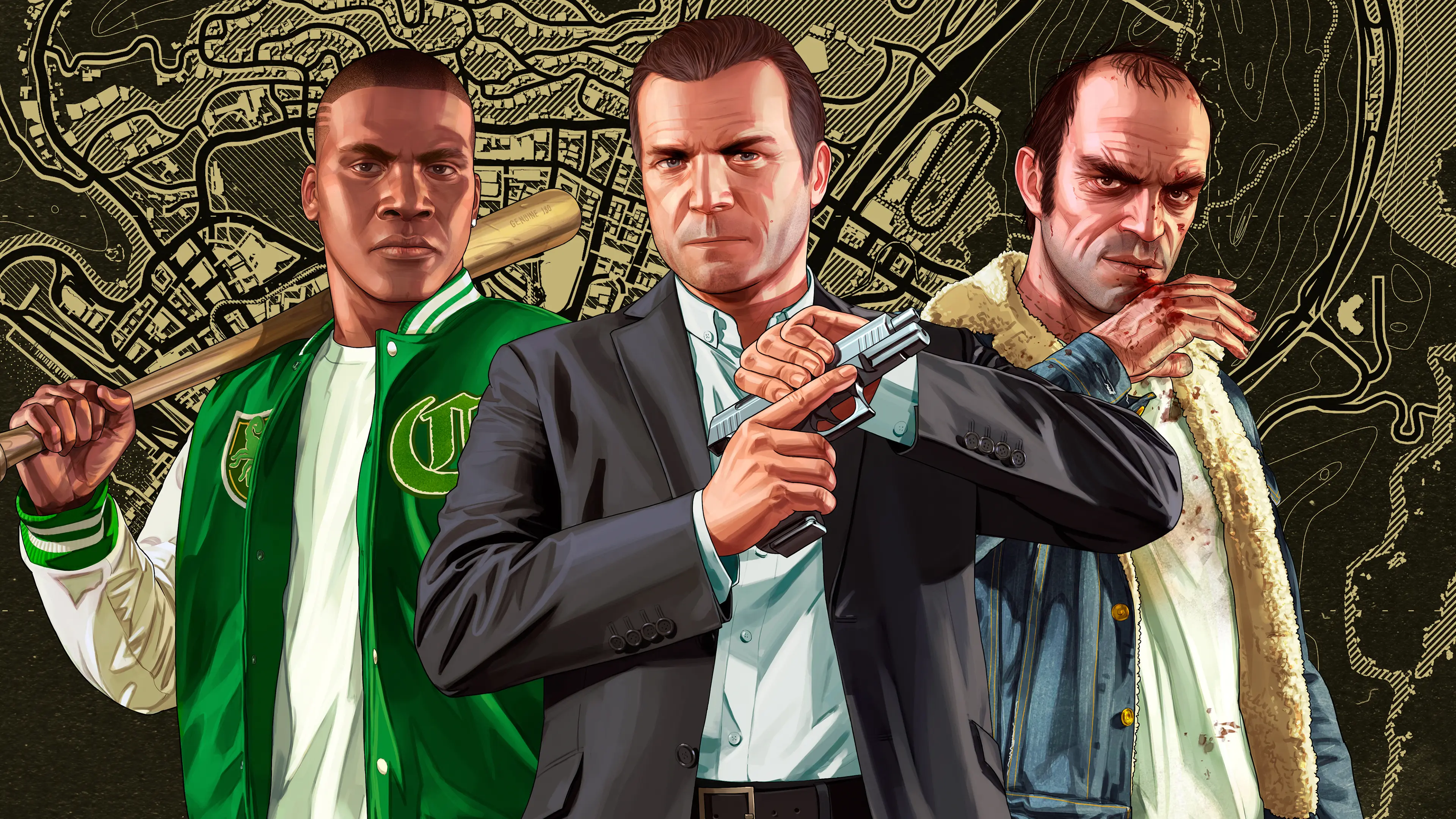
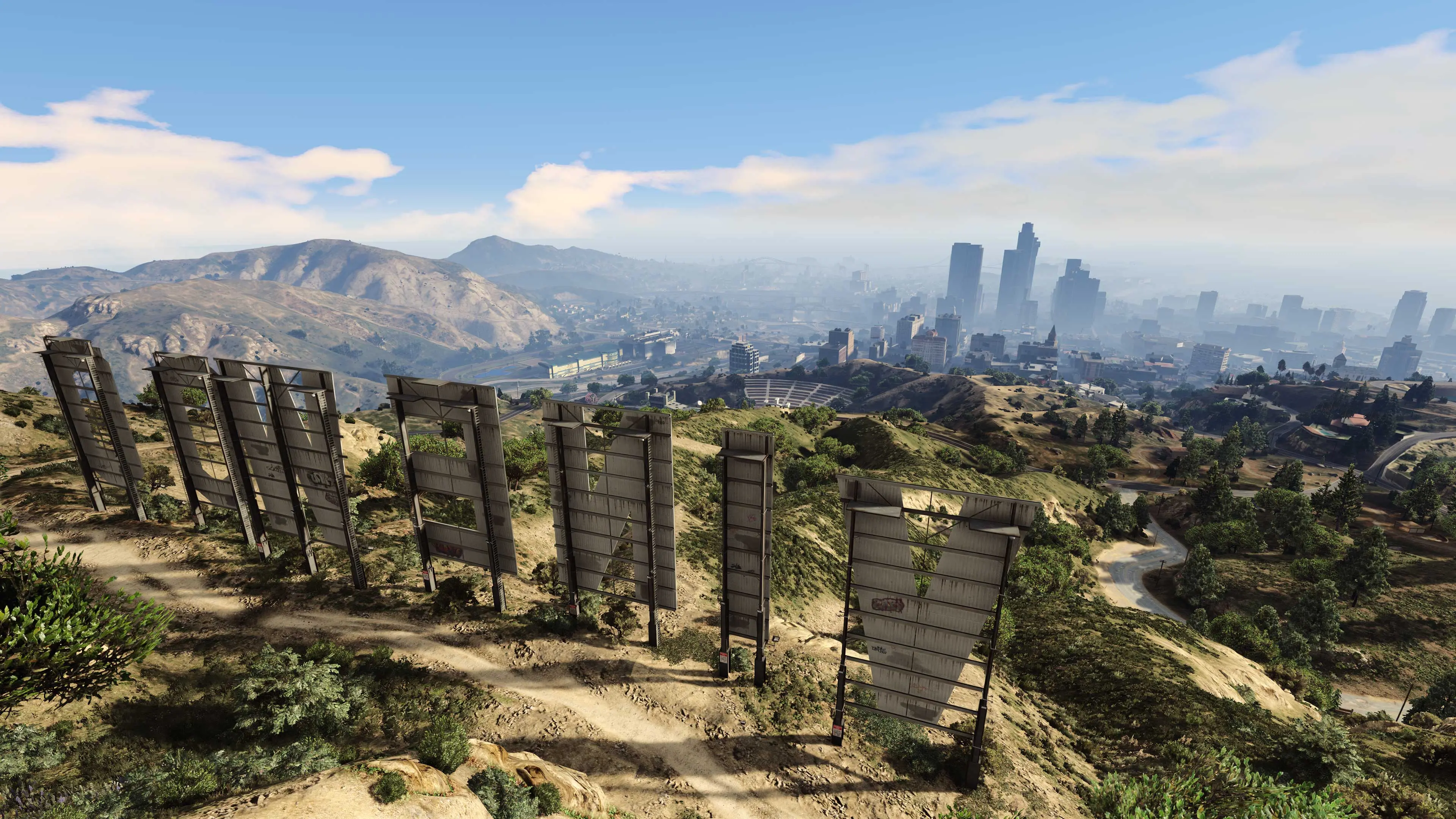
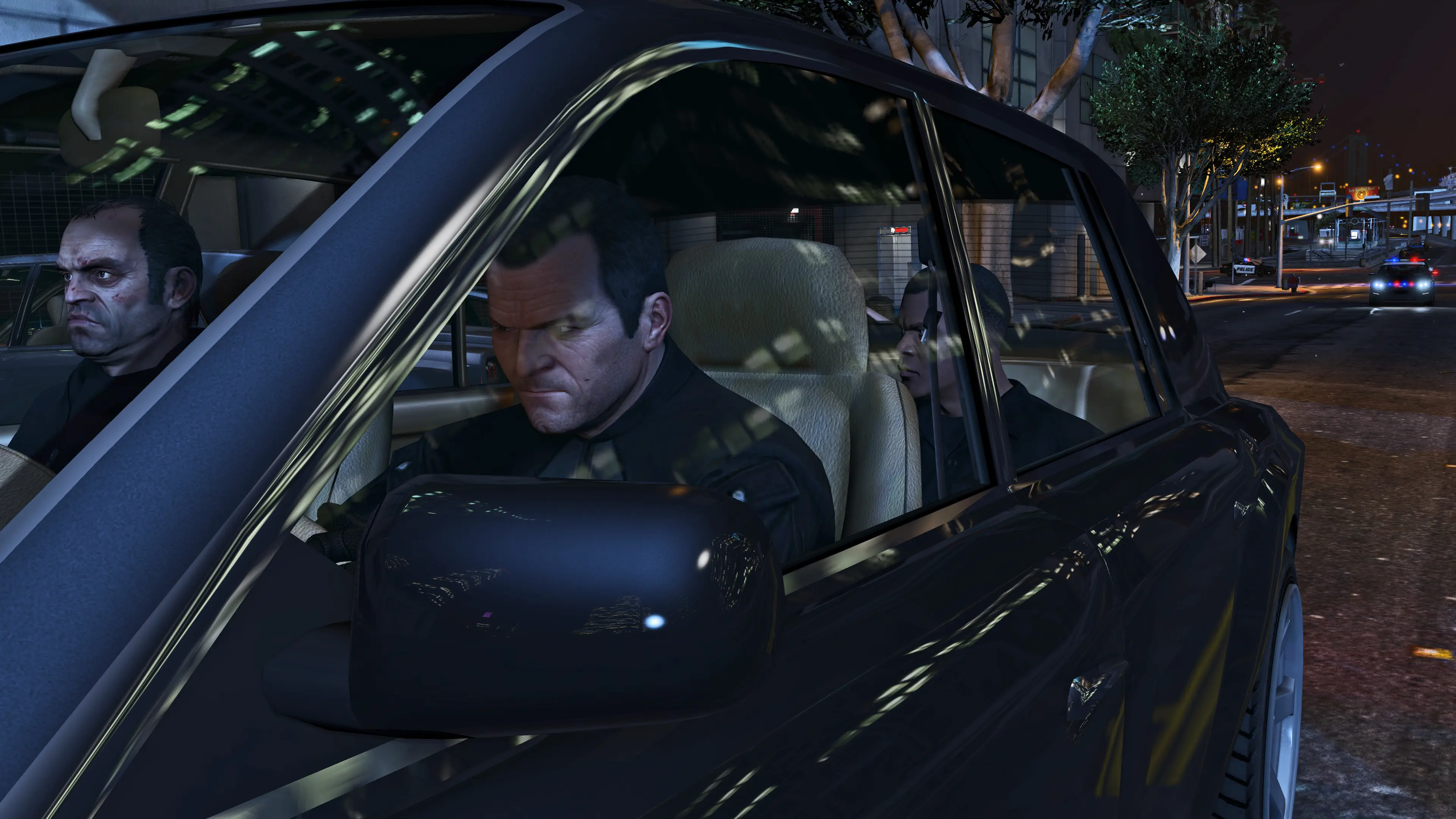
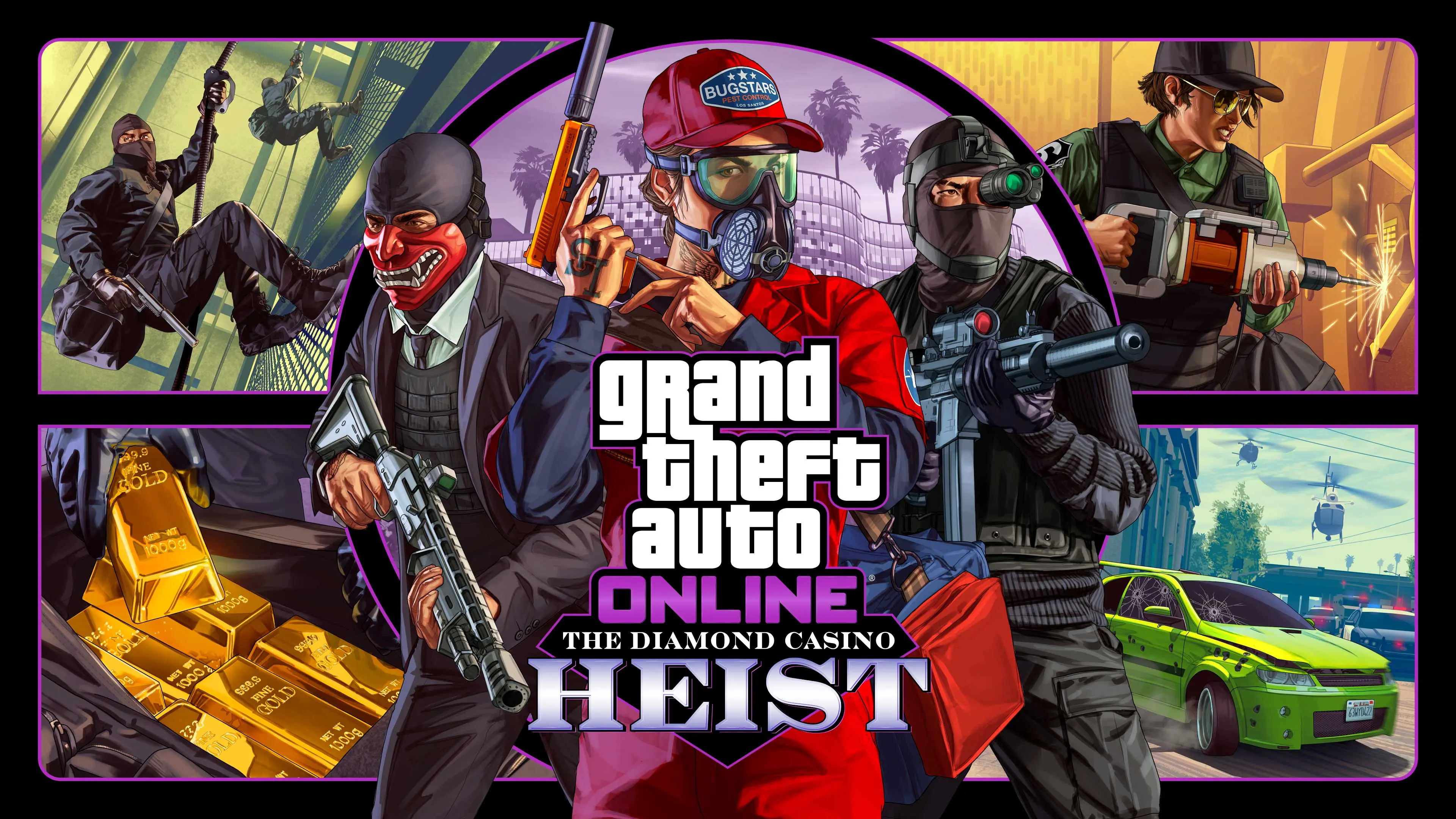
GTA V moved the series back to Los Santos and split the campaign between Michael, Franklin, and Trevor. Its heist structure and character switching gave the single-player game a larger blockbuster shape.
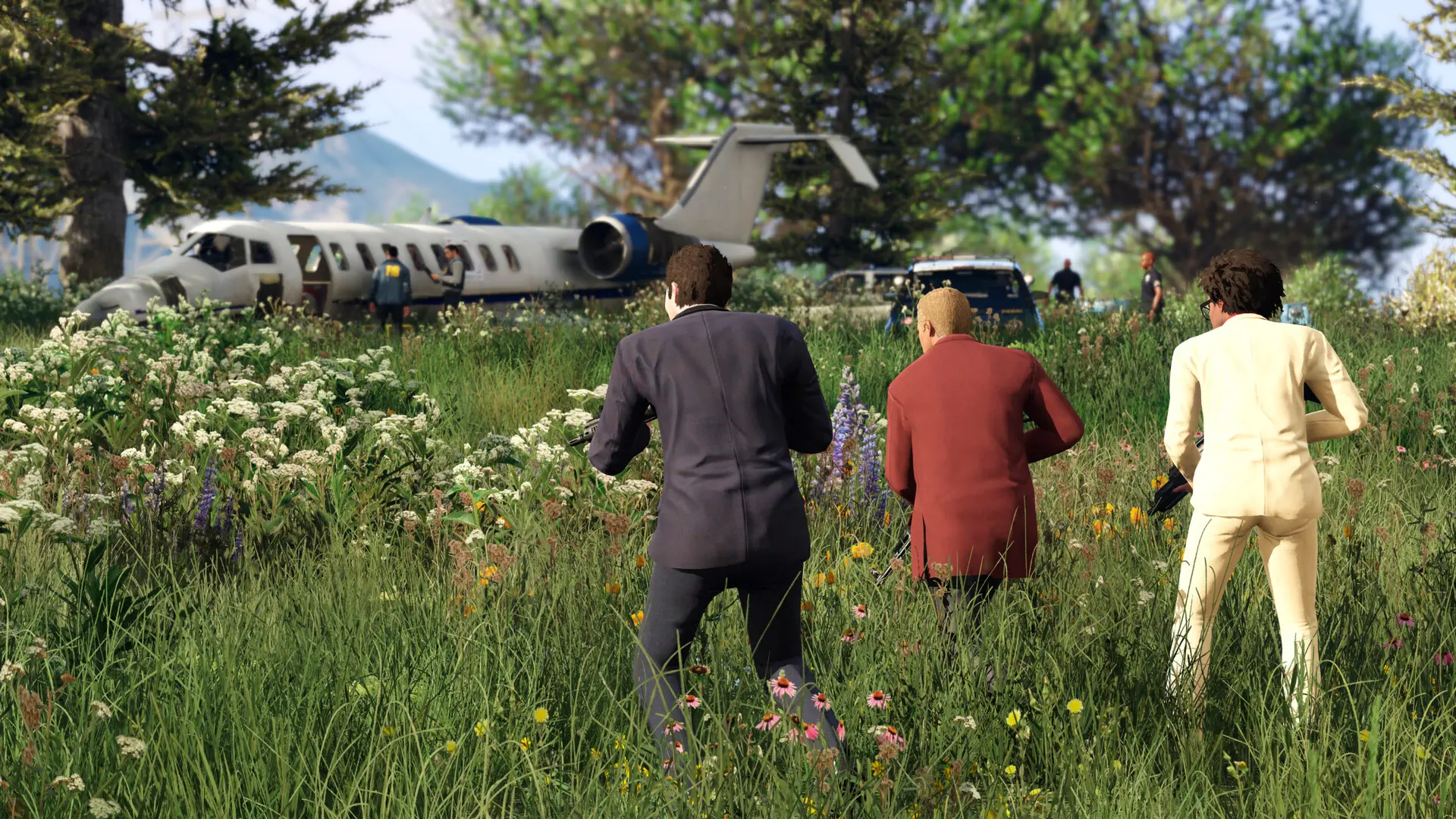
GTA Online started as the multiplayer side of that release and grew into a long-running platform of heists, businesses, vehicles, property systems, and live updates. It is optional for understanding GTA VI, but it explains how the series stayed active between numbered games.
Where GTA VI Fits
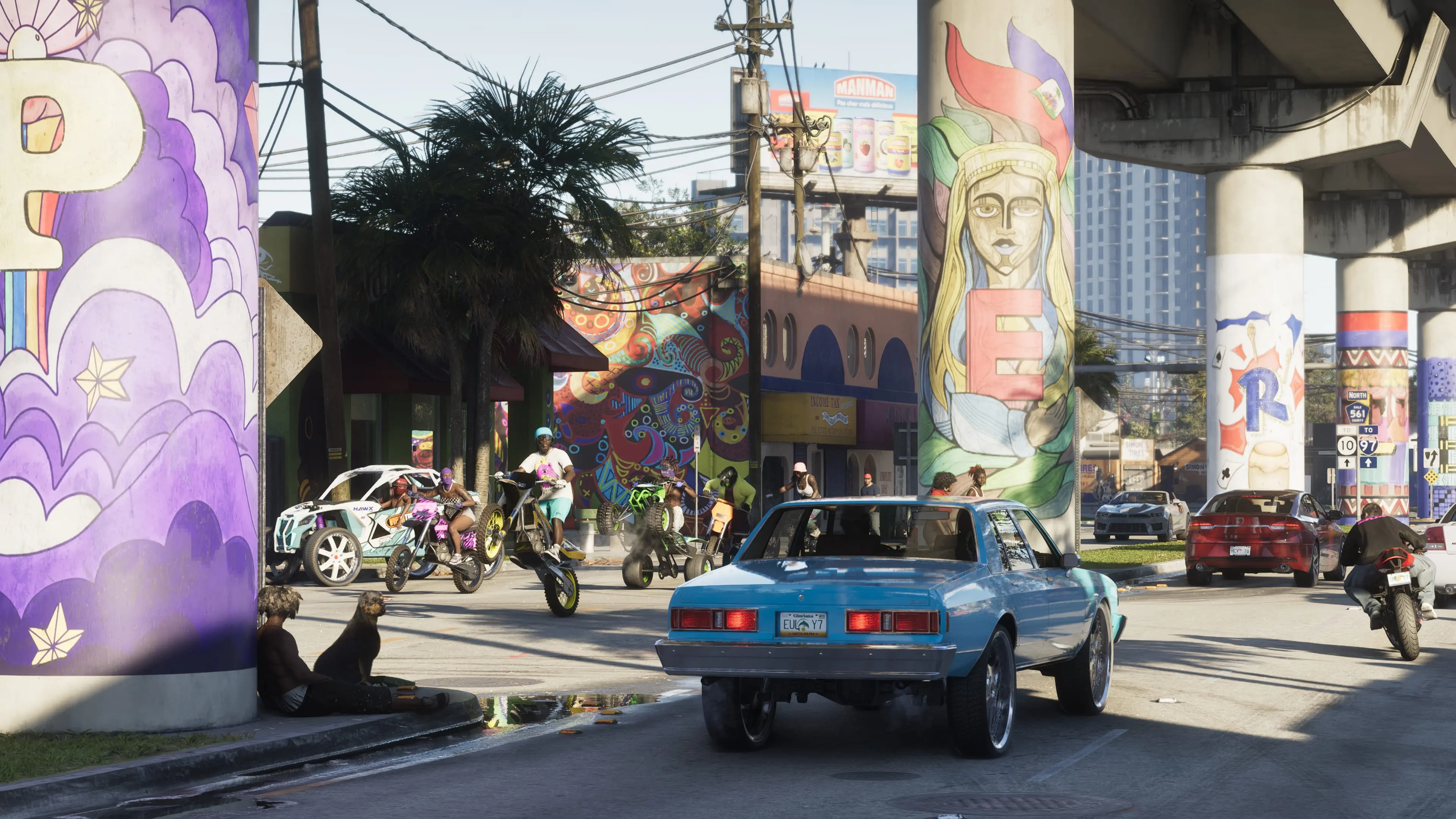
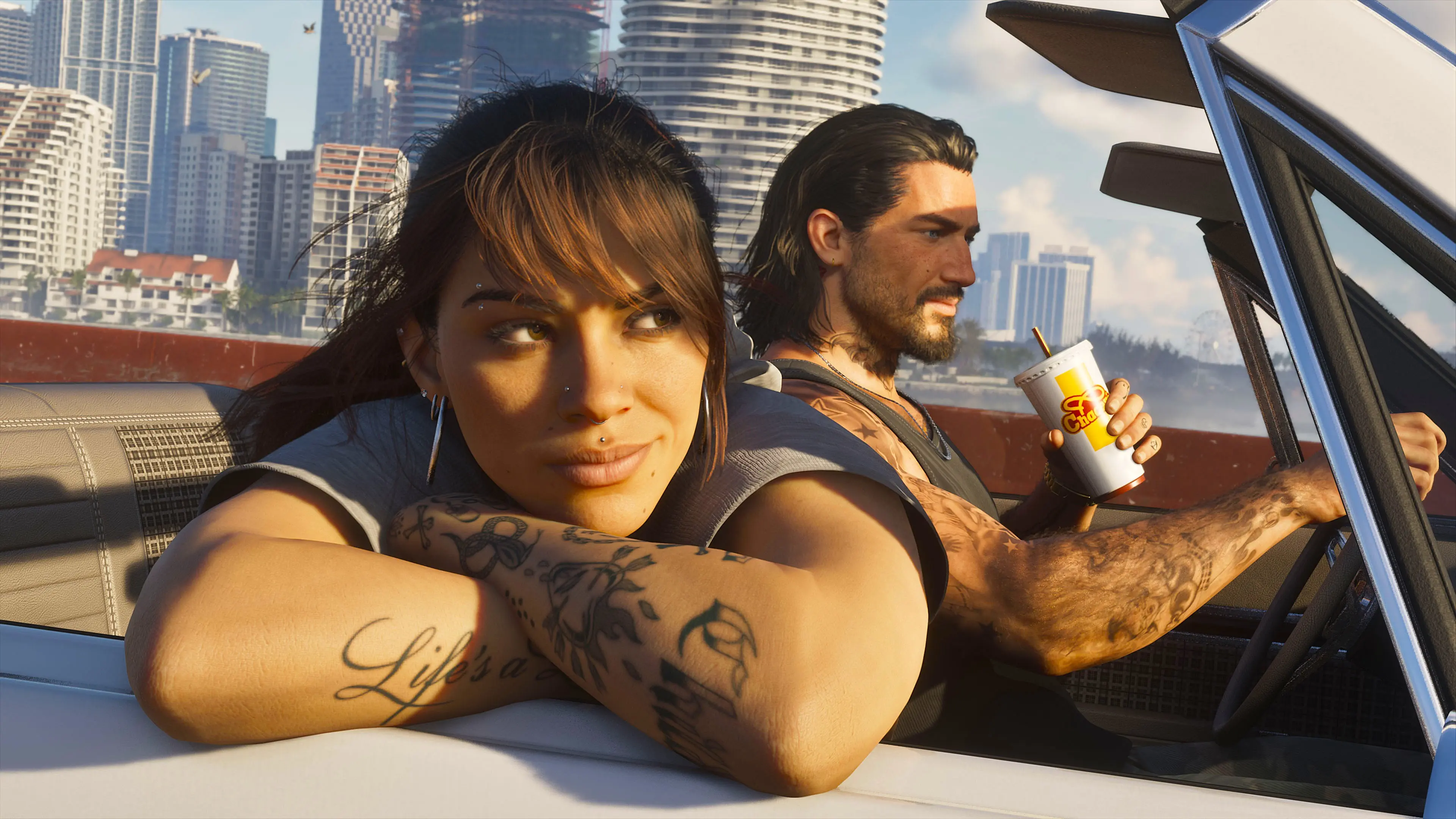
GTA VI belongs to the HD universe and introduces Jason and Lucia in Leonida, including a new version of Vice City. It follows GTA V as the next numbered game, but Rockstar has not confirmed that players need knowledge of Michael, Franklin, Trevor, or GTA Online to understand its main story.
The exact in-world year has not been formally stated on Rockstar’s public GTA VI page. The trailers show a contemporary setting, but the safe timeline claim is its place after the earlier HD-universe releases, not an invented calendar date.
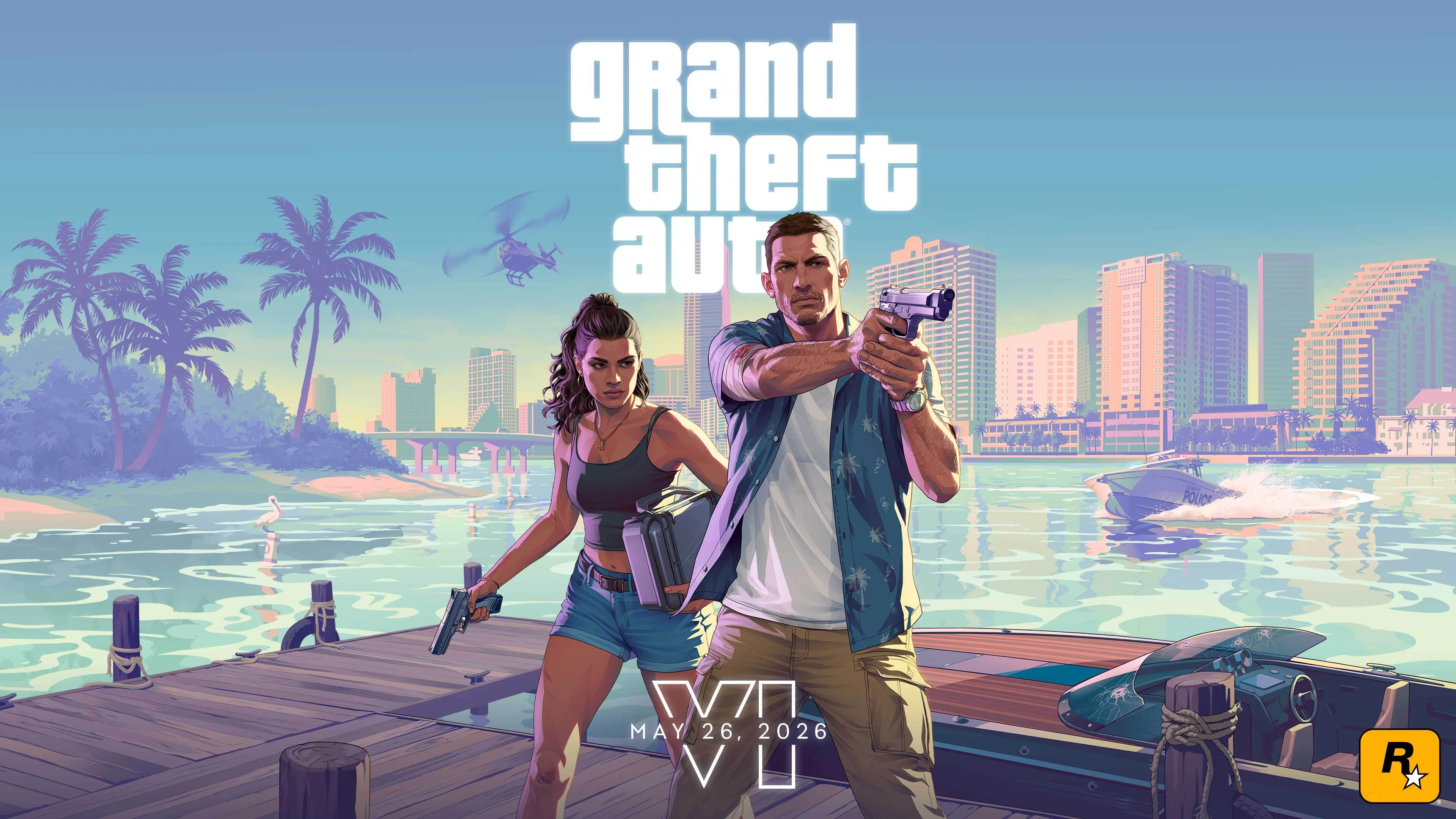
Best GTA Play Order Before GTA VI
Fast modern route
- Grand Theft Auto: The Trilogy — The Definitive Edition for GTA III, Vice City, and San Andreas.
- Grand Theft Auto IV.
- The Lost and Damned and The Ballad of Gay Tony.
- Grand Theft Auto V.
- Selected GTA Online stories or heists if you want the live-service era.
- Grand Theft Auto VI when it releases.
Full history route
Use the complete release-order list above. This route starts with the 2D games and shows every major change in viewpoint, mission design, storytelling, scale, and online structure.
Story-first route
Choose one universe and stay inside it. The 3D chronological order gives you the clearest classic story path, while the HD order gives you the most direct route toward GTA VI.
Do You Need to Play Every GTA Game?
No. Each main GTA game introduces a new lead character and a story designed to stand on its own. Returning cities, brands, radio personalities, background references, and occasional characters reward longtime fans, but they are not required homework.
If you only have time for two games before GTA VI, Vice City offers the most useful contrast with the new version of Vice City, while GTA V shows Rockstar’s most recent numbered-game structure.
Release Order or Chronological Order: Which Is Better?
- Choose release order if: you want to see how GTA evolved mechanically and technically.
- Choose chronological order if: you already know the games and want a story-focused replay within one universe.
- Choose the fast modern route if: you want the important 3D and HD entries without playing every expansion or handheld release.
There is no single correct marathon because the universes are separate. The mistake is mixing dates from different continuities and treating the result as one canon history.
What Counts as a Main GTA Game?
The numbered line usually means GTA, GTA 2, GTA III, GTA IV, GTA V, and GTA VI, with Vice City and San Andreas treated as full major releases even without numbers. Advance, Chinatown Wars, the Stories games, London expansions, and GTA IV episodes are side entries or expansions, while GTA Online is an evolving online title.
That is why totals vary between lists. The release order in this guide includes every distinct game or story expansion, but it does not count remaster packages as new stories.
Continue the GTA Guide Cluster
Prepare for the next game with everything confirmed about GTA VI, revisit Los Santos through the GTA V Story Mode beginner guide, or start multiplayer with the GTA Online progression guide.
GTA Timeline FAQ
Are all GTA games connected?
No. The franchise uses separate 2D, 3D, and HD universes. Similar cities and names can appear in more than one continuity.
Is GTA VI connected to GTA V?
They share the HD universe, but GTA VI has new lead characters and a new setting in Leonida. Rockstar has not said that GTA V is required to understand it.
What game comes before GTA VI?
GTA V is the previous numbered release. GTA Online continued receiving new stories and systems during the long gap between the two games.
Should you play Vice City before GTA VI?
It is not required, but it is the best way to compare the 3D-universe version of Vice City with Rockstar’s new HD-universe interpretation.