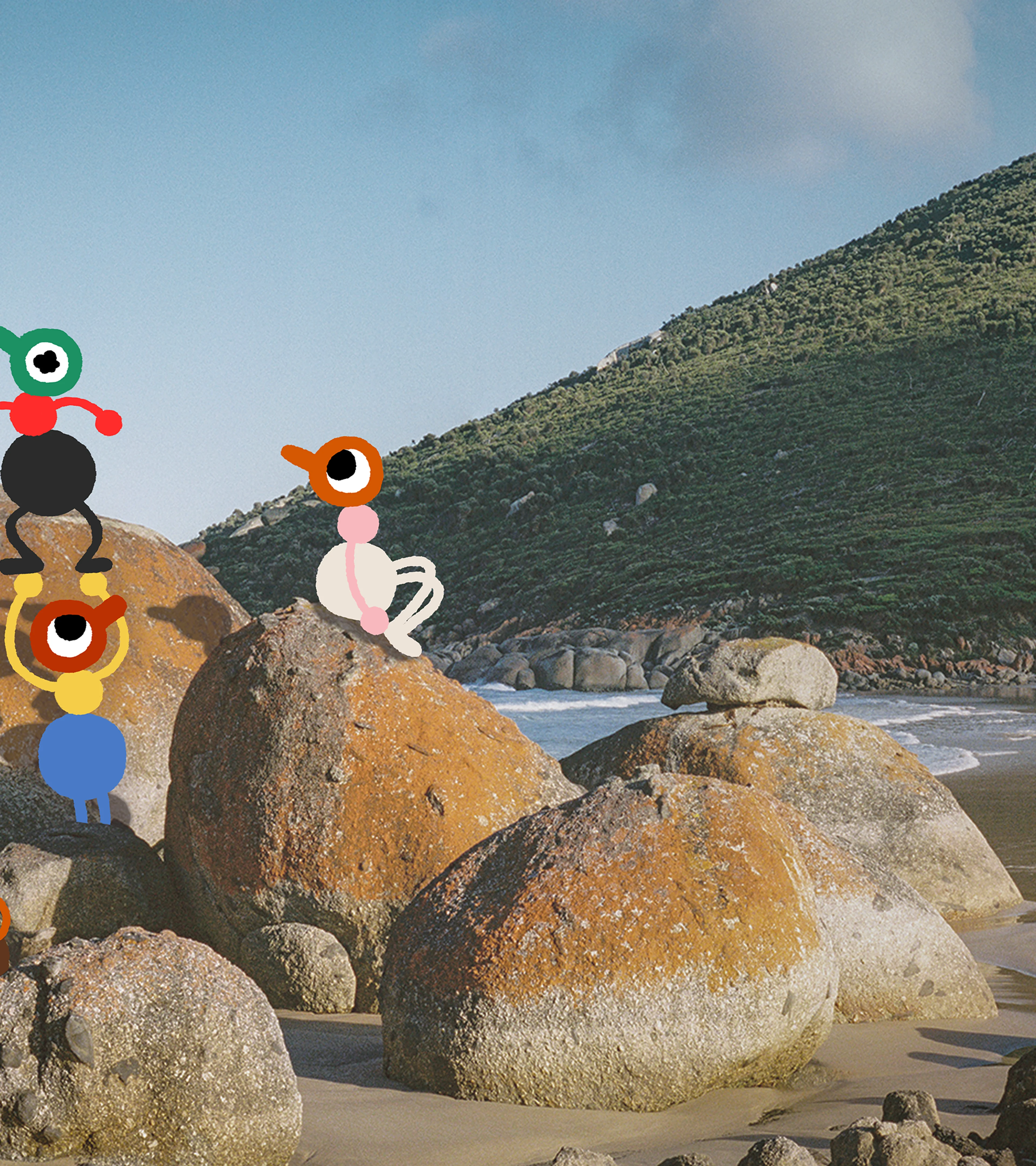
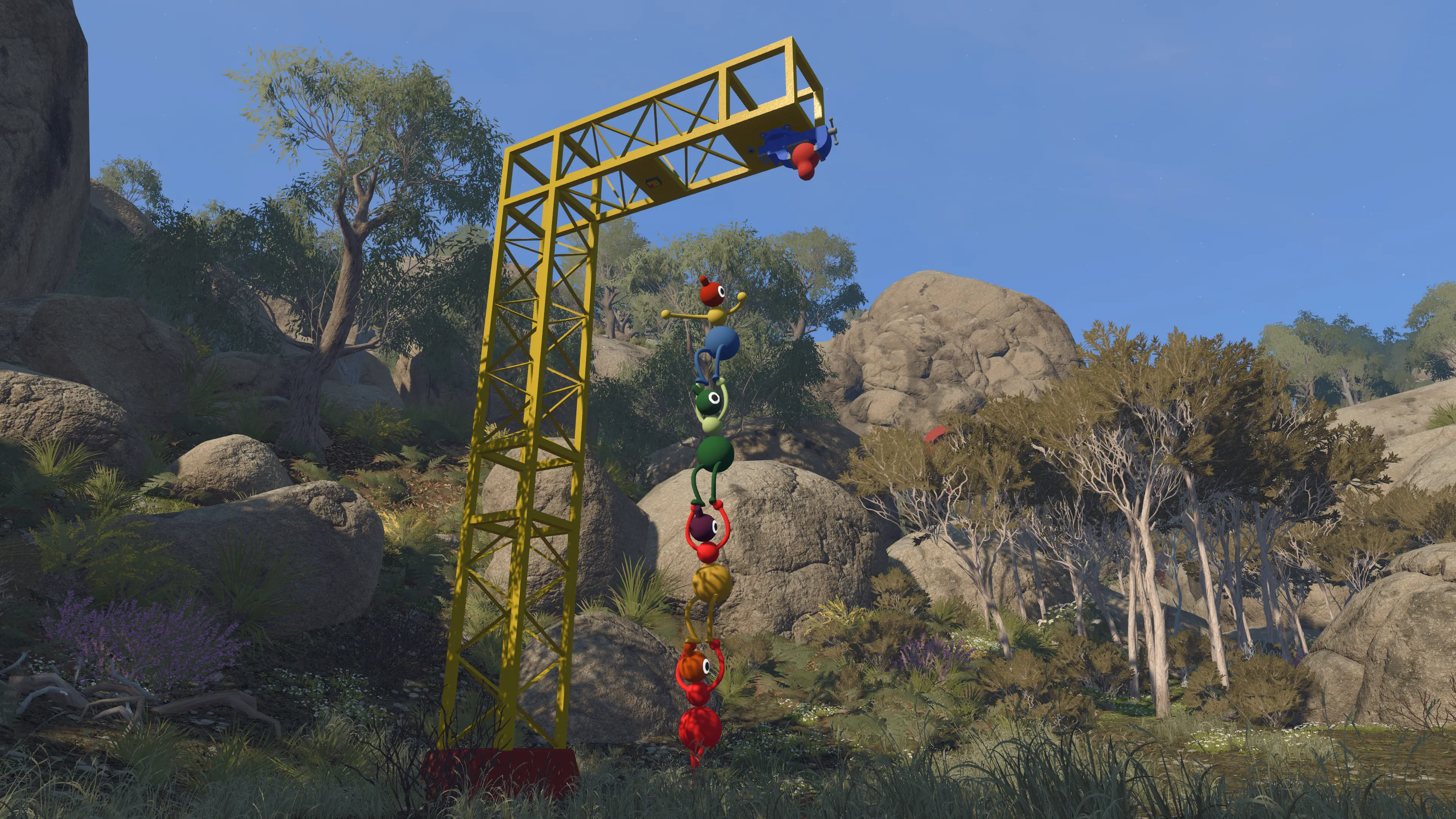
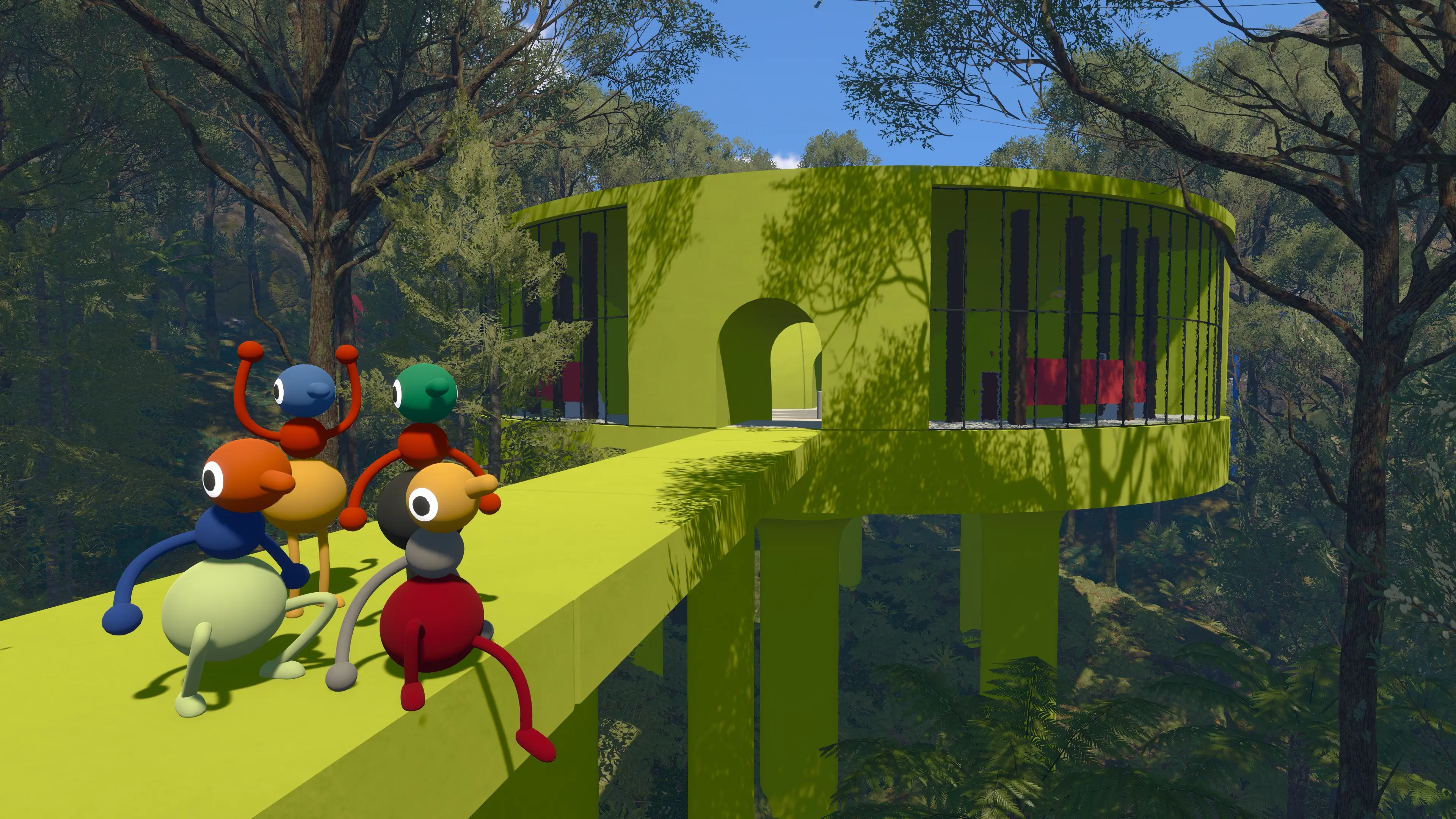
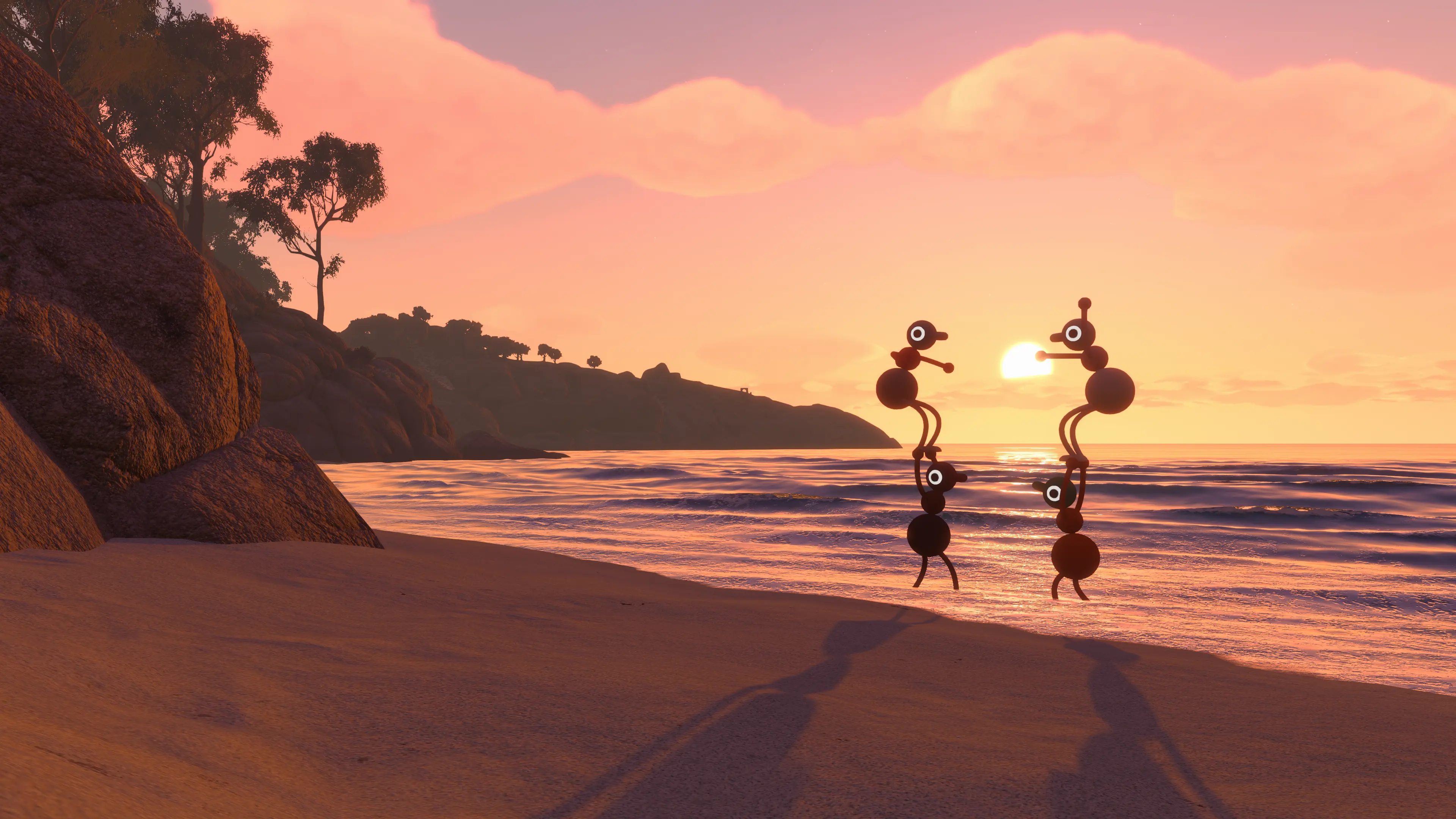
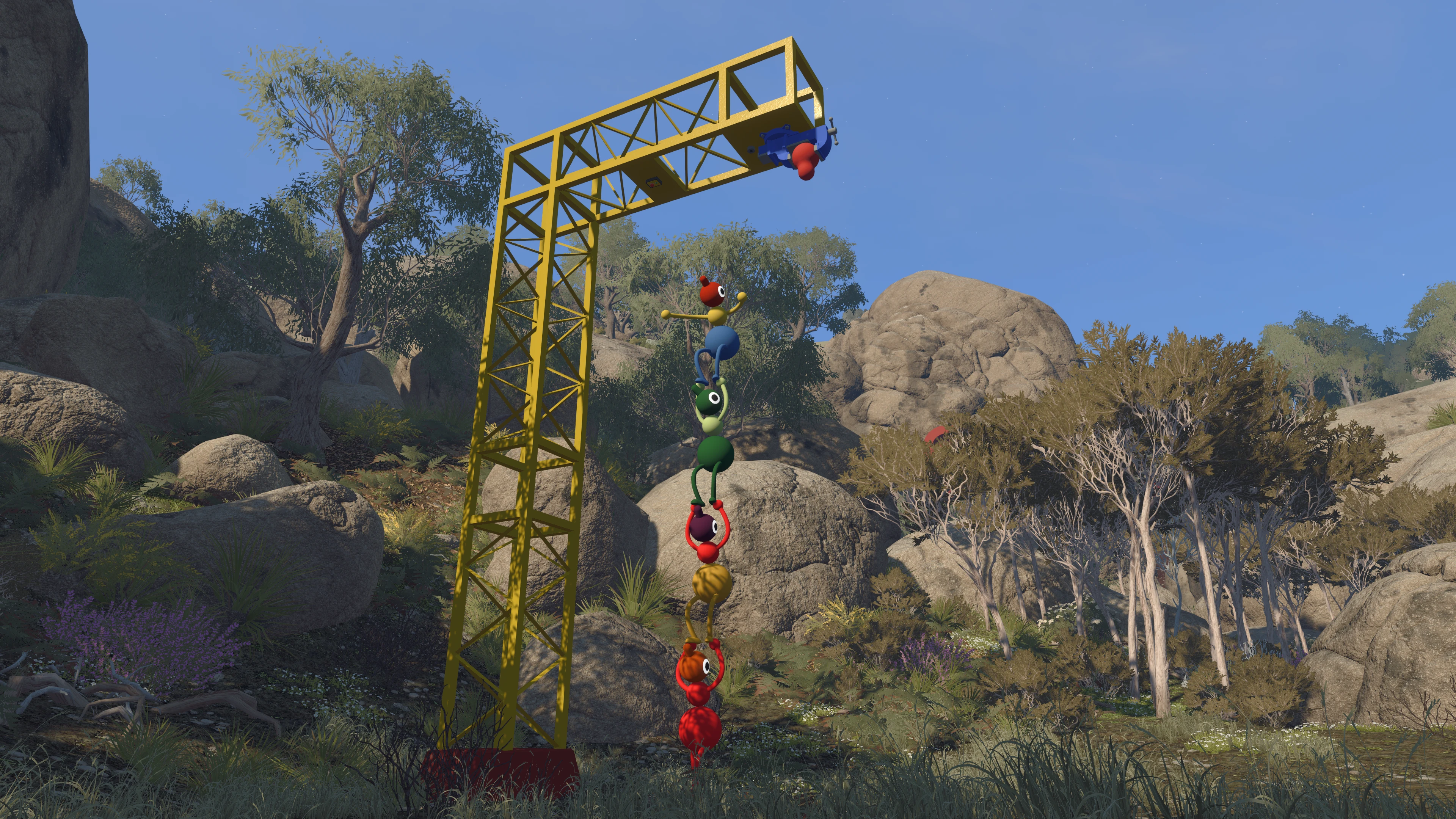
Big Walk is out now, and it is built for groups of 2–12 players. The co-op adventure supports crossplay across PlayStation 5, Nintendo Switch 2, Windows PC, and Mac, so friends do not need to buy it on the same system.
There are two different numbers people may mean when they search for the Big Walk player count. One is the number of friends allowed in a session: a minimum of two and a maximum of 12. The other is the live Steam player count, which changes constantly and only covers people playing through Steam.
During our August 5, 2026 check, SteamDB showed 12,611 players in Big Walk on Steam at that moment. The game had also reached a 46,409-player 24-hour and all-time Steam peak on August 5. Those figures will move as more people start or stop playing, so check the live chart when you need the newest total.
Big Walk sold one million copies in six days
Panic announced on August 10 that more than one million copies of Big Walk had been bought during the game's first six days. The co-op adventure launched on August 4, so it reached the milestone before completing its first week.
That figure counts copies bought across the game's available platforms. It is not the number of people playing at the same moment, and it should not be compared directly with the Steam concurrent-player peak. Panic has not published one combined live player count for PS5, Nintendo Switch 2, Windows PC, and Mac.
The milestone shows that Big Walk found a large audience quickly. How many buyers are online at any given time will be lower and will keep changing throughout the day.
Big Walk player count at a glance
- Players per session: 2–12
- Single-player campaign: No
- Online matchmaking: No
- Crossplay: Yes
- Supported platforms: PS5, Nintendo Switch 2, Windows PC, and Mac
- Copies bought in the first six days: More than one million
- Steam all-time peak as of August 5, 2026: 46,409 concurrent players
- Who owns the save: The host
Big Walk is not a public-lobby game where 12 random players are automatically placed together. It is a long-form co-op adventure designed for a group that organizes before playing and returns with the same host when it wants to continue.
How many players can join one Big Walk game?
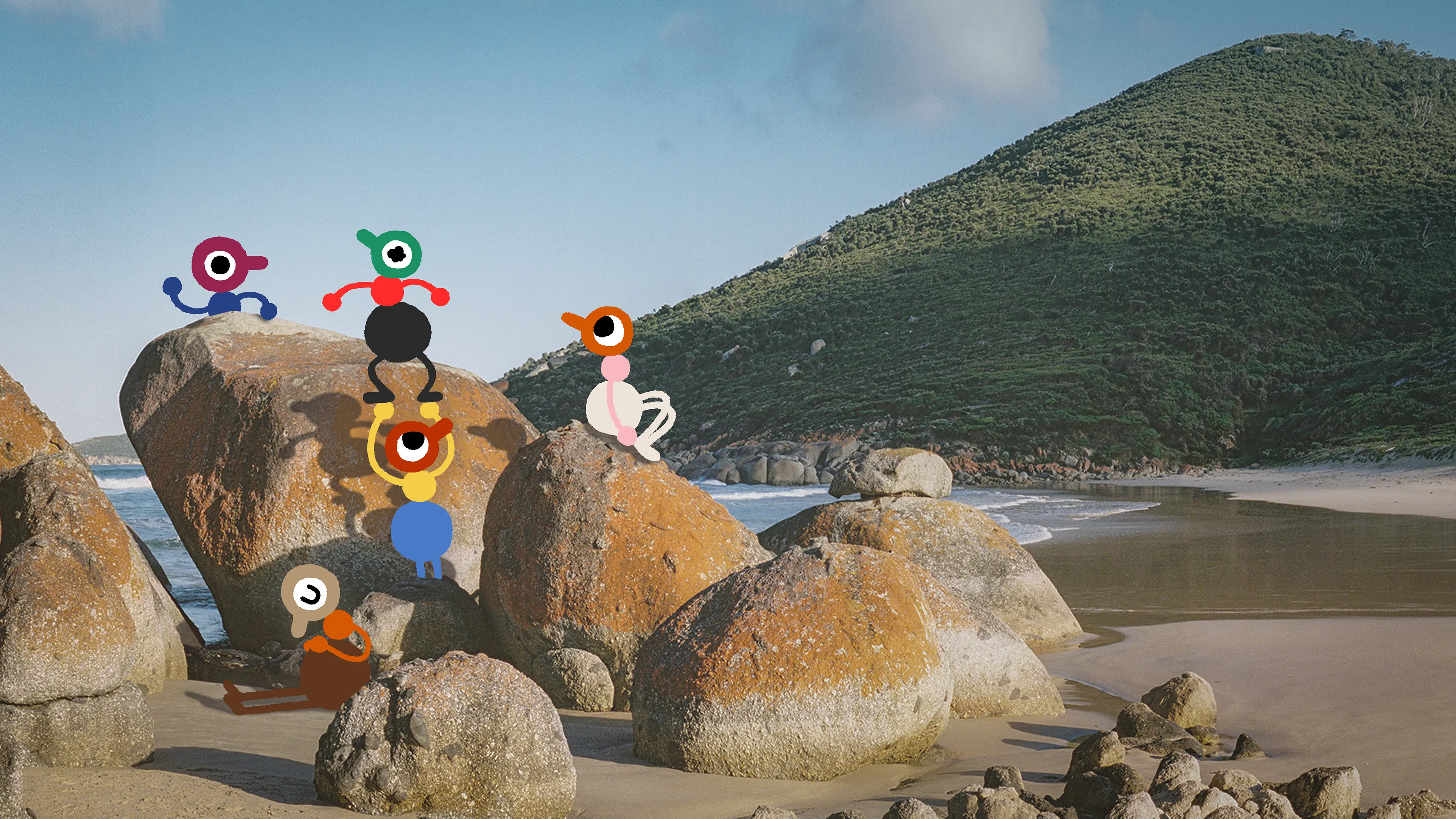
A Big Walk session supports at least two and as many as 12 players. House House describes two players as the focused version of the experience and 12 players as the chaotic version. Both are supported ways to play.
The host selects a two-player, three-player, or four-plus-player version of the world when creating the session. Some parts of the environment adjust around that selection. The chosen option is closer to a minimum expected group size than a strict cap, so a host should select the lower setting if the group size may change between sessions.
A smaller party makes it easier to hear everyone and keep the group together. A larger party creates more confusion, more crossed conversations, and more chances for someone to wander away with an important tool. Big Walk is designed around both moods.
For the full setup process, see the Big Walk multiplayer guide.
Big Walk Steam charts and peak player count
SteamDB recorded an all-time peak of 46,409 concurrent Steam players on August 5, 2026, one day after launch. It showed 12,611 people playing at the moment we checked the chart that day.
The live figure is a snapshot, not a fixed total. It can rise during evenings and weekends, fall during quieter hours, and change after updates or sales. Anyone looking for the newest number should use the live SteamDB chart rather than relying on an older article headline.
Steam's number still does not represent everyone playing Big Walk. It excludes players on PlayStation 5 and Nintendo Switch 2, and it may not capture every Mac purchase outside Steam. Panic has announced more than one million copies bought across all platforms, but it has not published one combined live concurrent-player total. Sales and concurrent players measure different things.
This distinction is useful when judging whether the game is active. The Steam chart can show the size and direction of the PC audience, but it cannot tell us the complete cross-platform player population.
Is Big Walk out now?
Yes. Big Walk launched on August 4, 2026 and is available now. The pre-release waiting period is over, so players can buy or download it through the supported storefronts.
The game is also part of the PlayStation Plus monthly lineup for August 2026. PlayStation players should check the current membership terms and claim period before buying a separate copy. Our PlayStation Plus August 2026 guide explains the full monthly selection.
What platforms is Big Walk on?
Big Walk is available on:
- PlayStation 5
- Nintendo Switch 2
- Windows PC through Steam
- Mac
Xbox is not part of the current supported-platform list. House House has not announced an Xbox version, so any claim that one is coming would be speculation.
Computer players can use a mouse and keyboard or most game controllers. Controls can be rebound, and the Nintendo Switch 2 version supports the system's mouse mode. The Big Walk PC requirements guide covers the official specs, Mac support, and current Steam Deck status.
Does Big Walk have crossplay?
Yes. Big Walk supports crossplay, allowing friends on different supported systems to join the same session.
If the host is already on your platform friends list, the session should appear in the active-friends menu. The host can also share a short Join Code created for that session. This is the easiest way to connect when players use different platforms or are not already linked through one friends service.
The Mac App Store version does not support Game Center friend lists, so those players need to use a Join Code.
Crossplay should not be confused with cross-progression. Big Walk ties the group's adventure to the host's save rather than giving every participant an identical copy of the shared progress.
Can you play Big Walk solo?
Big Walk does not have a complete single-player mode. One person can start a session and walk around, but the cooperative challenges eventually require another player. You need at least one other person to progress through the full adventure.
Players who want a clear introduction before gathering a group can use the Big Walk beginner guide to understand the first steps, tools, and early priorities.
Does Big Walk have matchmaking?
No. Big Walk does not automatically match you with random players.
House House made that choice because the game is meant to continue across multiple sessions with the same group. Dropping strangers into the middle of a saved journey would clash with its puzzles, communication systems, and host-based progress.
You will need to organize at least one partner before starting. A larger group can use platform friends lists or Join Codes to bring everyone together.
How hosting and saves work
The host owns the Big Walk save. That person starts the session, keeps the group's progress, and needs to return when everyone wants to continue from the same point.
Progress saves automatically. Other players can join after the host starts, but everyone is disconnected when the host ends the session. Choose a host who is likely to be available for the group's future play sessions.
This structure makes Big Walk feel closer to a shared co-op campaign than a drop-in public server. The group can change over time, but the continuing journey remains connected to the host.
What do you do in Big Walk?
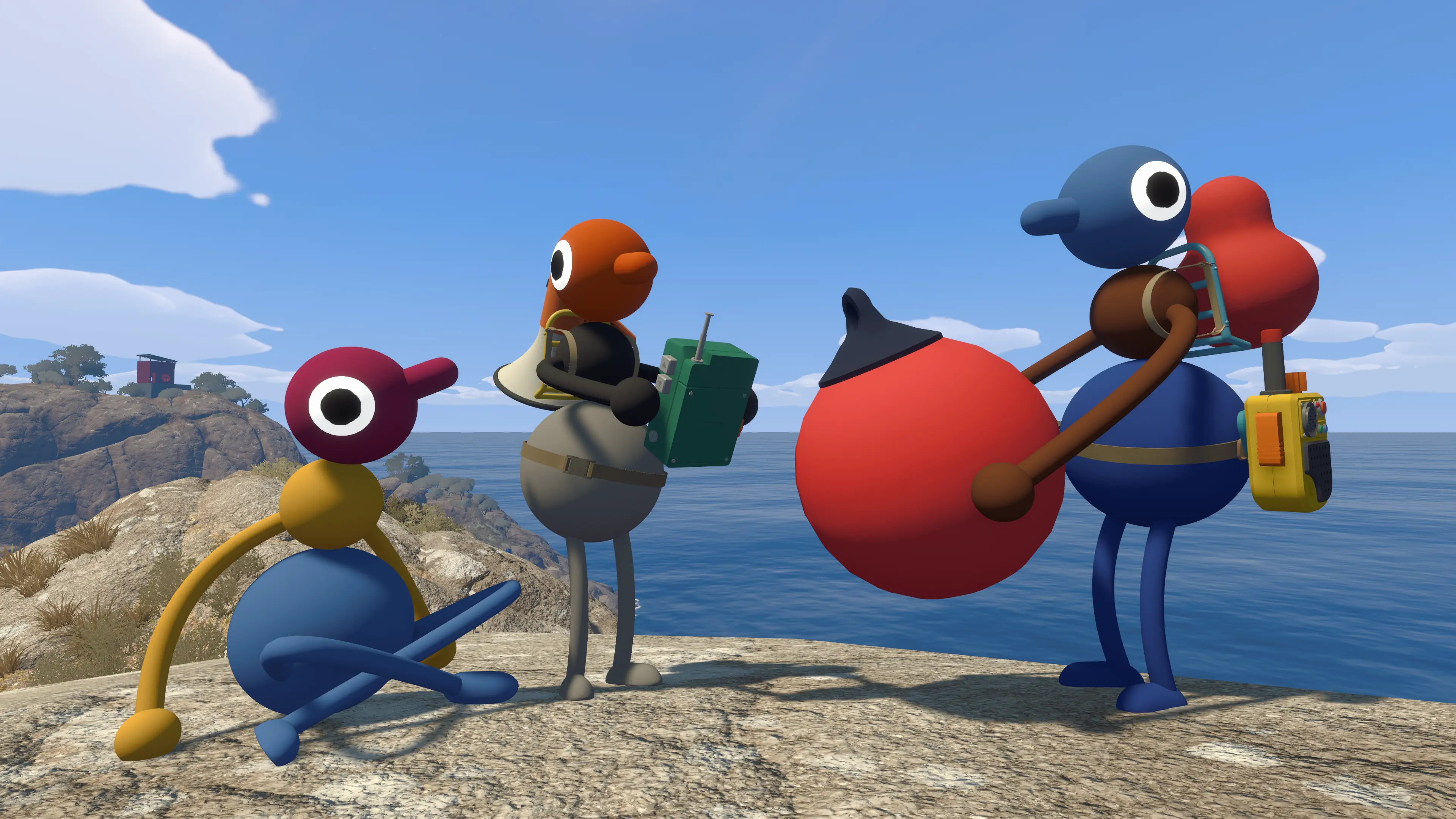
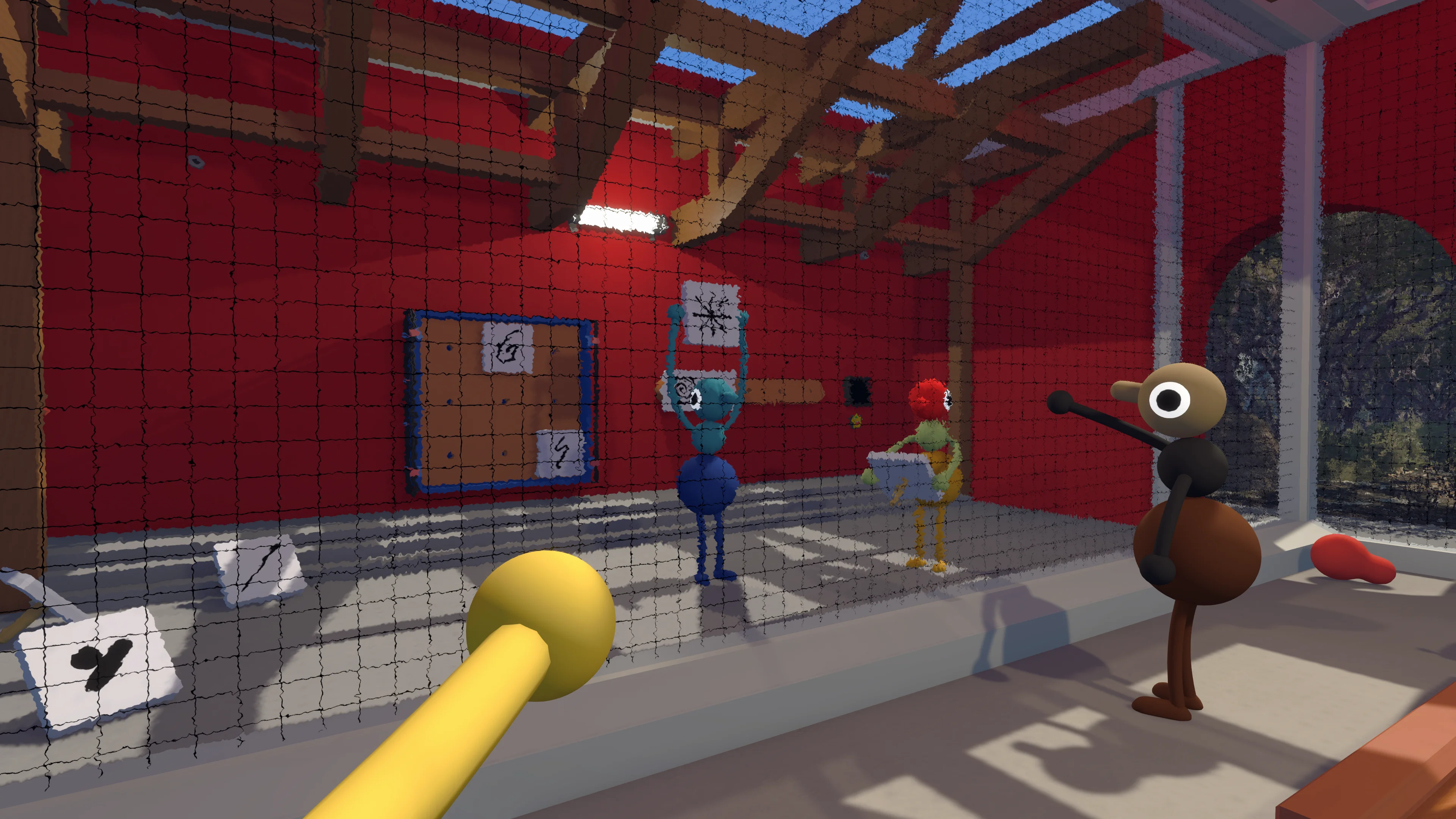
Big Walk is a hand-crafted cooperative adventure about exploration, puzzles, and communication. Players travel through a wide-open world, find unusual places, use strange tools, and try to stay connected when the environment makes normal conversation difficult.
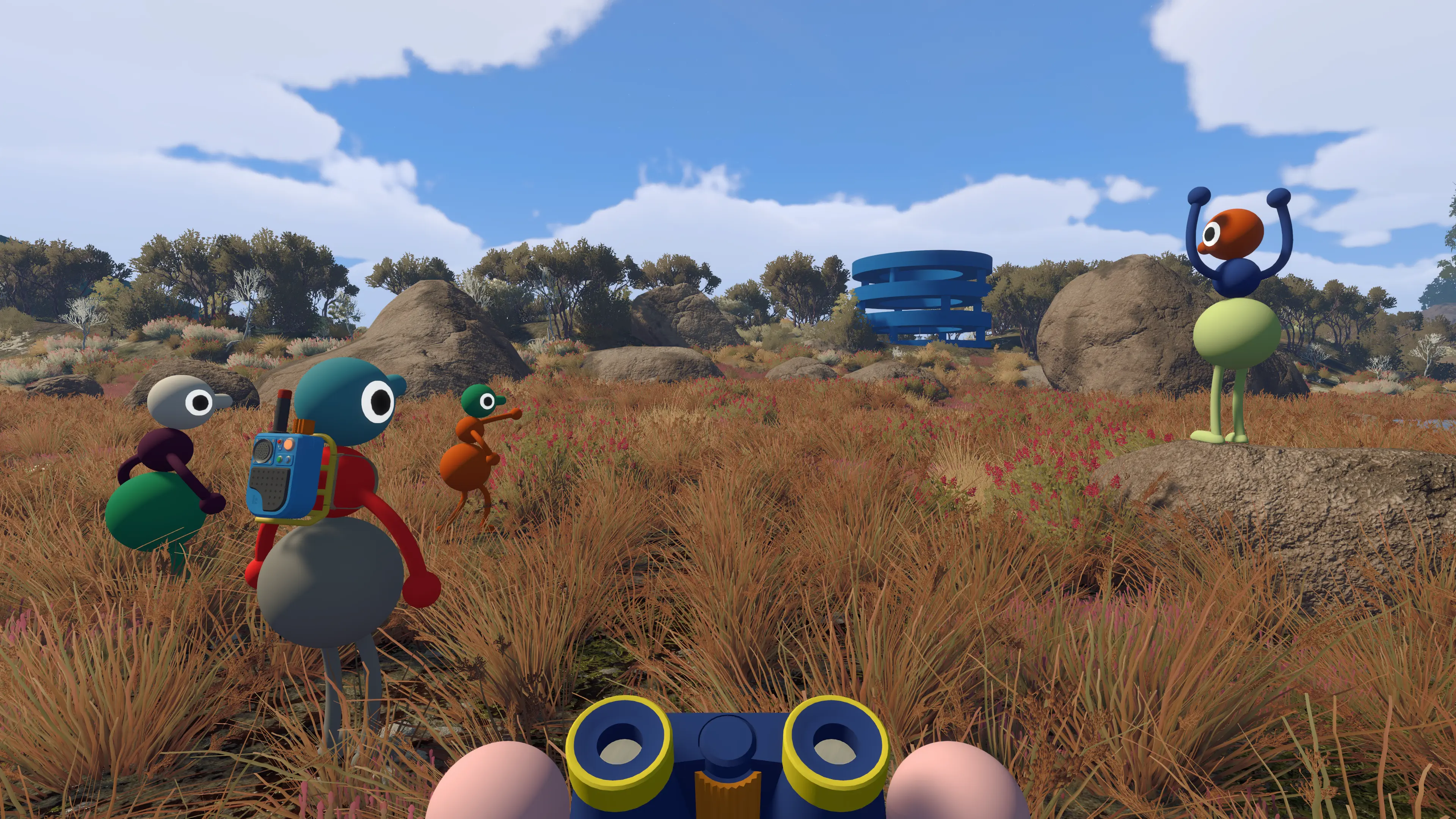
Proximity chat changes how voices travel. Friends become quieter as they move away, voices echo in corridors, walls muffle sound, and walkie-talkies help people communicate across longer distances. Laser pointers, binoculars, flares, megaphones, whiteboards, cowbells, and other items can help the group—or become distractions at the worst possible time.
Characters can also point, wave, and move their arms. Those gestures become useful when a puzzle blocks speech or separates part of the team.
The game gives the group time to relax between challenges. You can explore, watch the landscape, or mess around with the objects you find. The journey is not just downtime between puzzles; spending time with friends is the core idea.
If you want help understanding the equipment, the Big Walk items and tools guide explains the map, compass, radios, and other useful objects. Players hunting upgrades can also use the all backpack locations guide.
Do you need a microphone?
No. Big Walk includes both voice chat and text chat, and the full game can be played without a microphone.
Text follows the same in-world rules as voice. A message may become unreadable across a long distance or through soundproof glass, while a walkie-talkie can extend communication. Text is an accessible alternative without removing the situations built around losing contact.
House House recommends using the game's own communication tools instead of Discord or console party chat. An outside call will not trigger a punishment, but it can bypass puzzles and remove some of the funniest moments. The Big Walk voice and text chat guide covers both systems and common microphone problems.
Does Big Walk have an ending?
Yes. Big Walk has a beginning, middle, and ending. It is a complete co-op adventure, not an endless live-service loop.
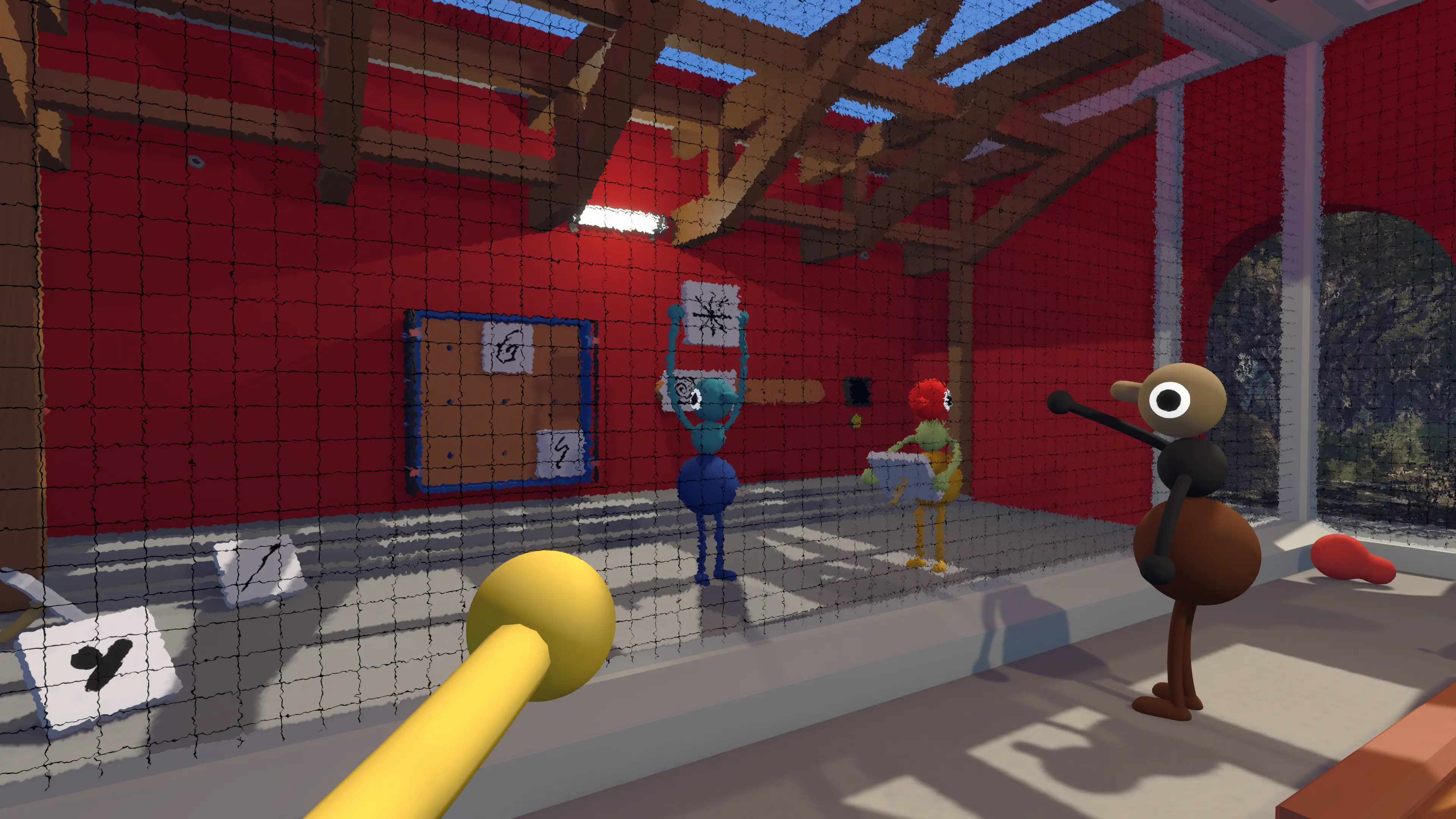
Players can return simply to explore or spend time together, but the main journey is designed to be completed from start to finish with a group. When the route becomes more complicated, the Big Walk Map Room guide covers all five Red Tower puzzles and the Key Cutters needed to solve them.
Who made Big Walk?
Big Walk was developed by House House and published by Panic. House House is the Melbourne studio behind Untitled Goose Game, the comedy puzzle game about a goose disrupting a quiet village.
Big Walk turns that interest in playful chaos into a group experience. Instead of controlling one troublesome goose, up to 12 friends are trying to communicate, solve problems, and resist the urge to throw each other's equipment into the ocean.
You can also visit the Big Walk game page for the main overview and connected Pixel Twelve coverage.
Big Walk player count FAQ
What is the maximum Big Walk lobby size?
Big Walk supports up to 12 players in one session.
What is the minimum player count?
You need at least two players to progress through the complete adventure.
Does Big Walk have crossplay?
Yes. Players on supported systems can join one another through friends lists or a Join Code.
Can you join random players?
No. Big Walk does not include automatic matchmaking.
How many copies has Big Walk sold?
Panic announced that more than one million copies were bought during Big Walk's first six days. This is a sales milestone, not the number of people playing at the same time.
Is the Steam player count the total number of players?
No. Steam charts only show concurrent Steam users. They do not include the full PS5, Switch 2, or wider Mac audience.
What was Big Walk's Steam peak?
SteamDB recorded a 46,409-player all-time peak on August 5, 2026. That record may be surpassed later, so the live chart remains the best source for the newest figure.