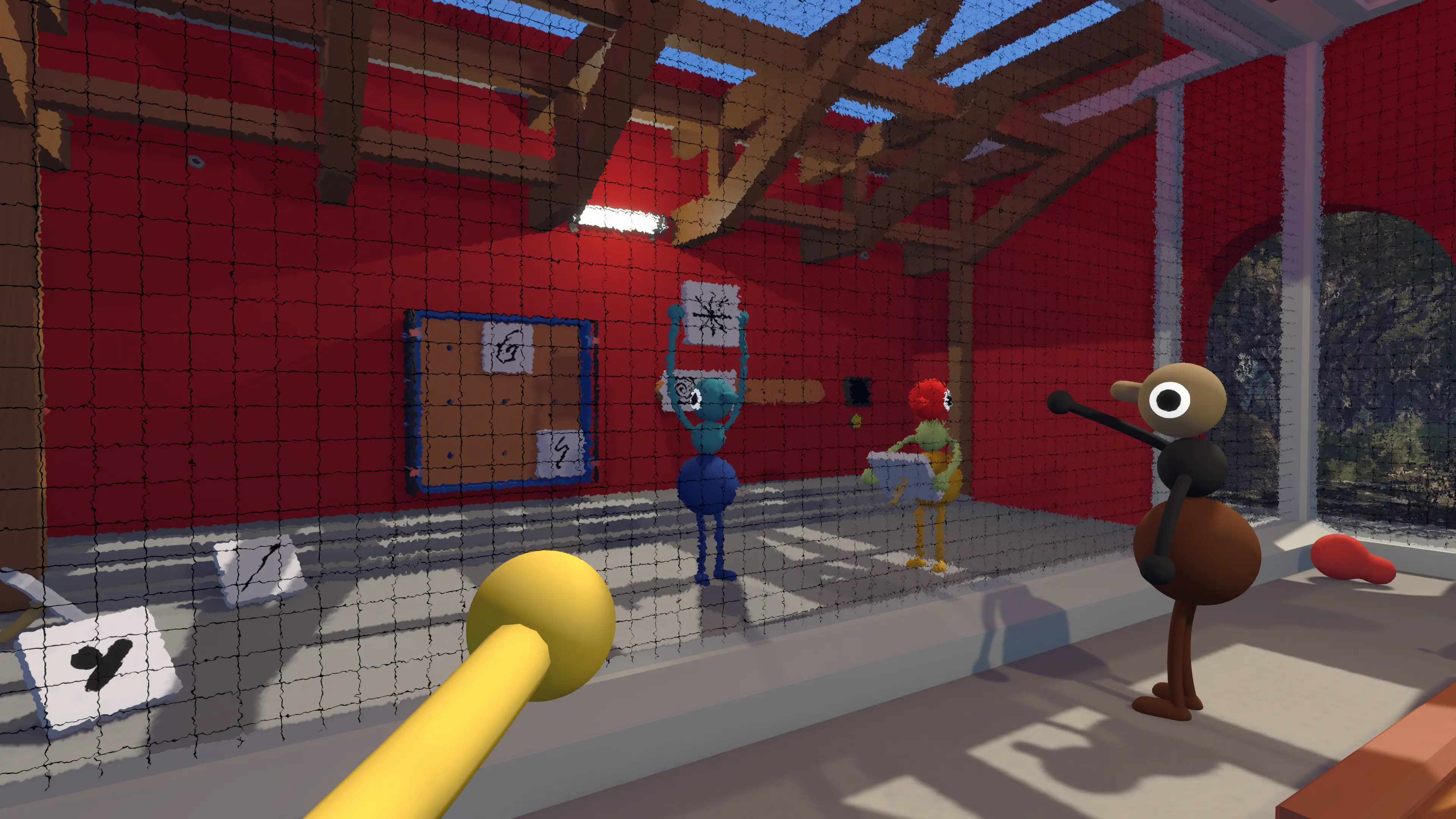
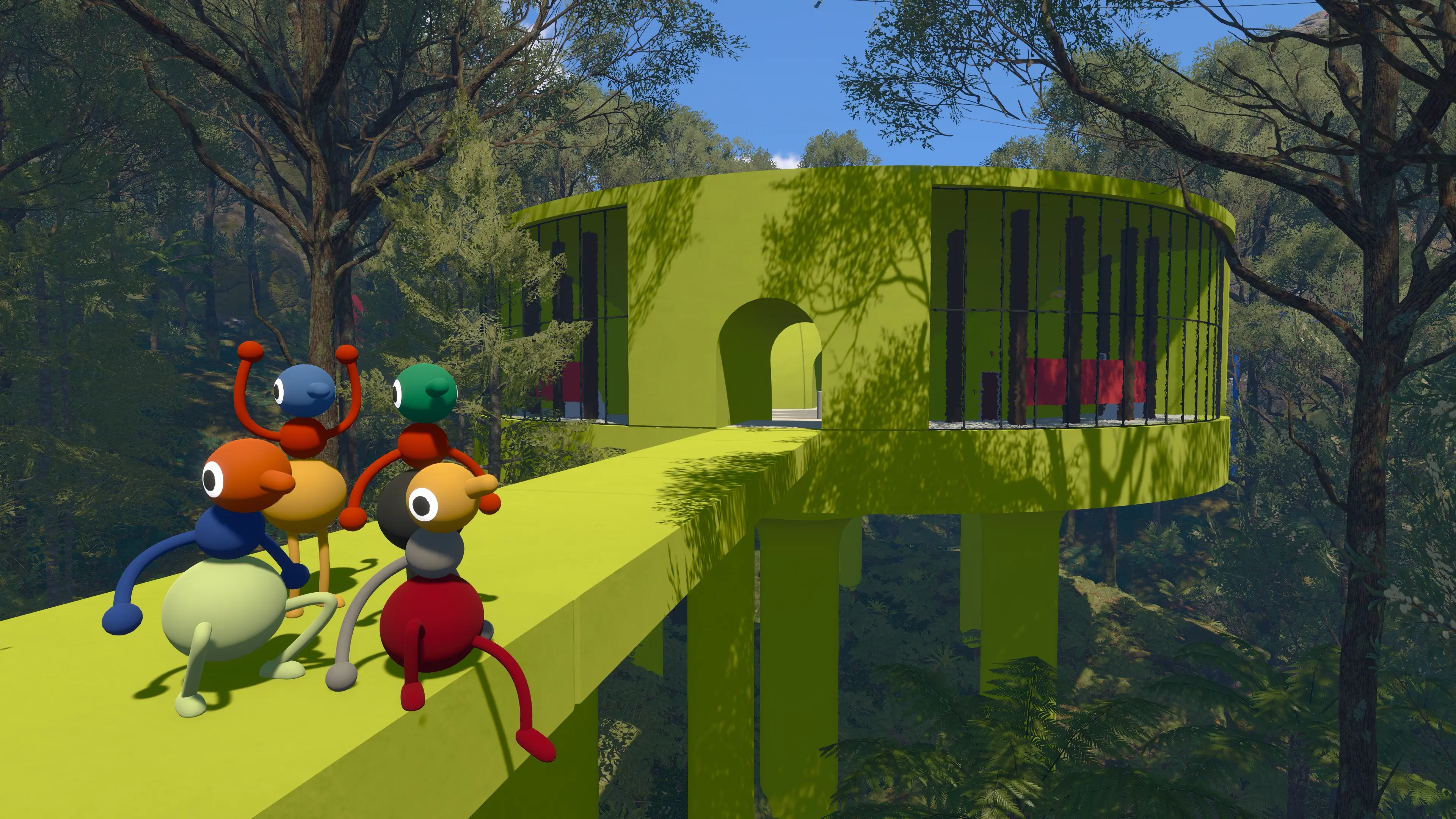
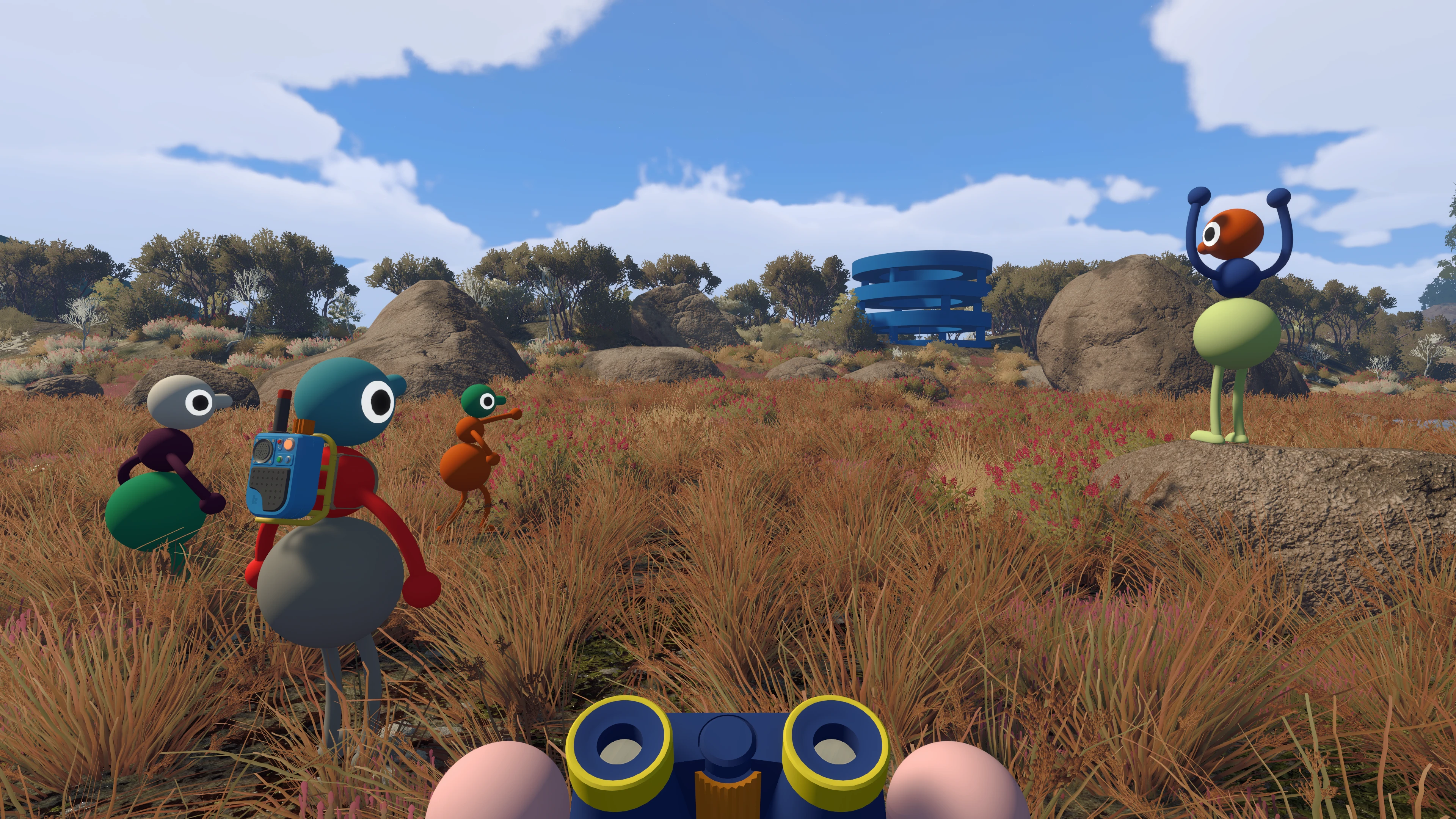
The Big Walk map and compass are physical tools inside the Map Room, not an always-on menu map. Unlock the room through Red Tower, shape its key with the marked cutters, then pick up the fold-out map or compass inside. The rest of this guide explains what the main navigation, communication, carrying, lighting, signaling, and progression items do.
- Map and compass location: inside the Map Room in the Red Tower area near the starter hub.
- How to unlock the room: finish the Red Tower progression, collect its golden key, pass the key through the marked cutters, and use it at the Map Room door.
- What the map does: the portable fold-out map uses a numbered grid to turn coordinate clues into a smaller area to search.
- What the compass does: it gives the group a stable direction for callouts when towers, roads, or coastlines are difficult to see.
- Best carrying upgrade: a backpack or hip bag adds one extra item slot.
Where to Find the Big Walk Map and Compass
Both items are inside the Map Room, a blue tunnel-like building reached by a red staircase in the Red Tower area near the starter hub. The map is a portable object with numbered lines around its grid; it is not a permanent HUD overlay. The compass is a separate carried item that keeps the group oriented to the same direction.
- Finish the Red Tower objective. Complete the nearby co-op progression until the tower releases its golden key.
- Shape the key. Carry it through each marked cutter in the indicated sequence.
- Return to the Map Room. Look for the blue tunnel-like building reached by a red staircase near the starter hub.
- Pick a navigation tool. The room contains the portable map and compass alongside other useful equipment.
For every Red Tower objective and the full cutter sequence, use the Big Walk Map Room guide. This page stays focused on what the items do after you collect them.
Use the map and compass together. One player can hold the map and read the numbered grid, another can call north or a shared direction from the compass, and a third can carry a coordinate tracker when a clue provides exact numbers. Start from a recognizable tower, rail line, road, or coastline before reading the grid.
Agree on landmark names before the group splits up. Use the same names for major towers, coastlines, roads, stations, and transport routes. A physical map helps only when everyone describes the same place in the same way.
Binoculars and Telescopes
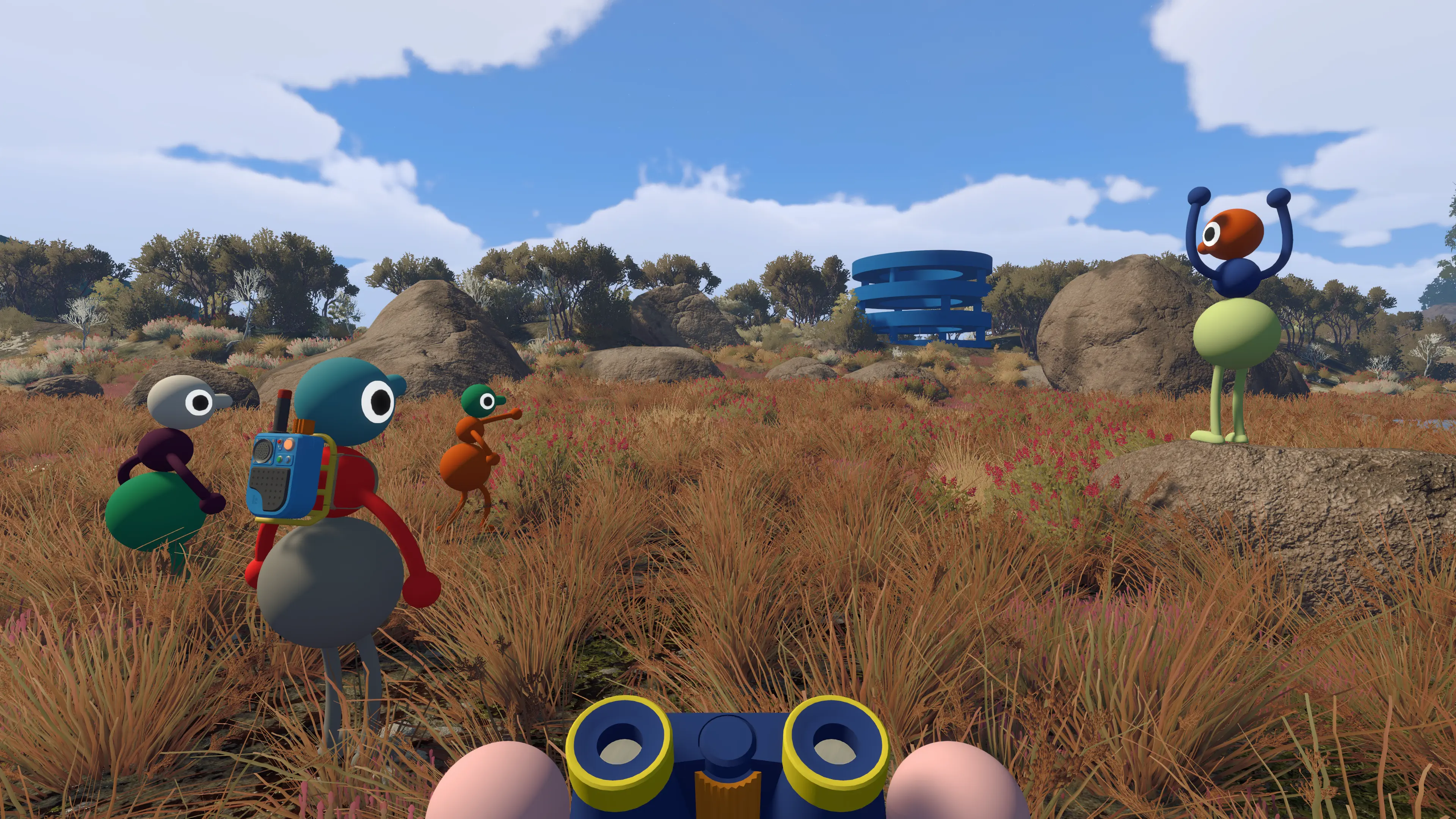
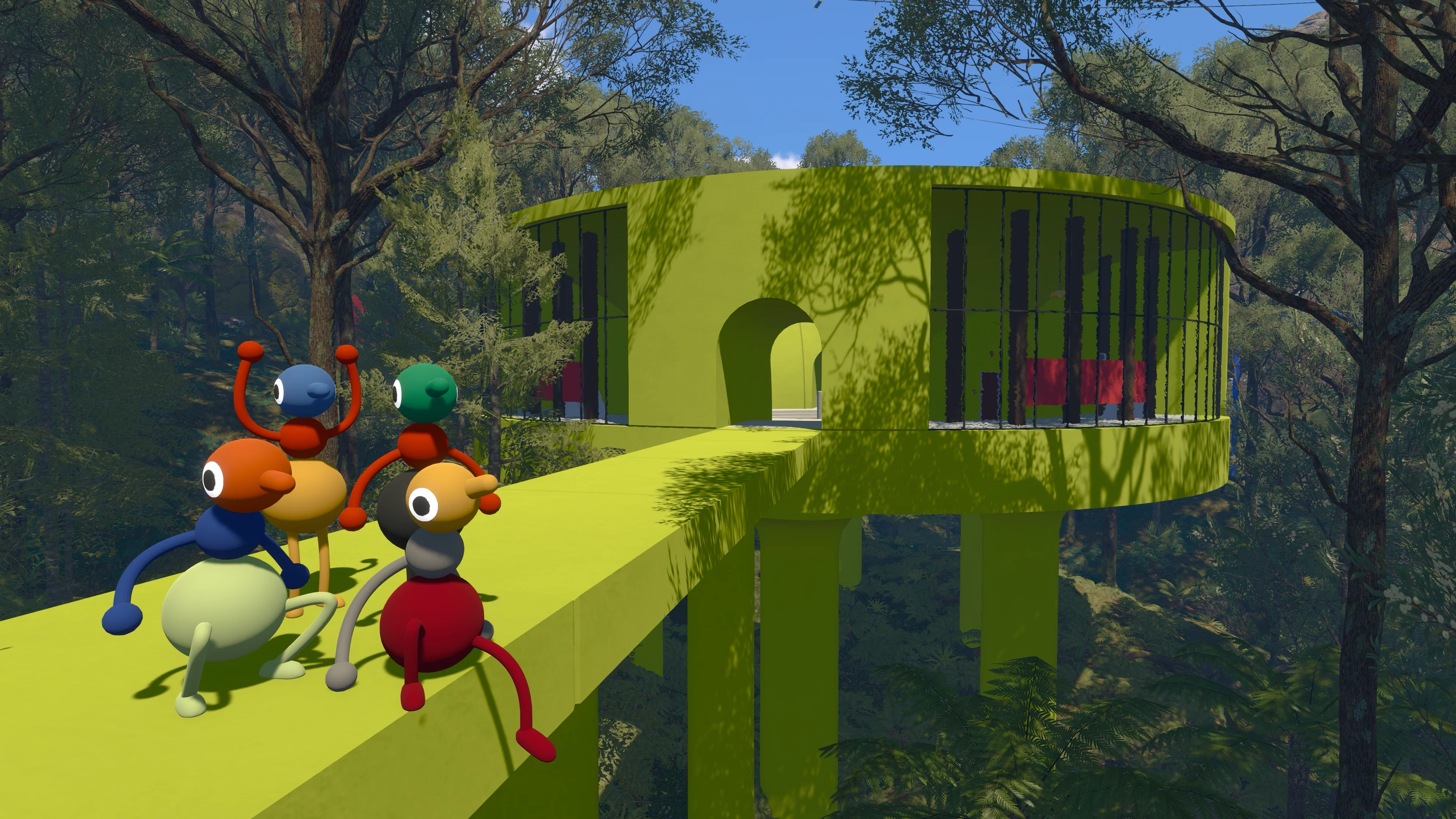
Binoculars are the best scouting tool. They help inspect distant structures, locate separated friends, and read visual clues without crossing the whole area. Telescopes provide a fixed view from certain locations. Use them before leaving a high point so the group can choose a destination together.
Walkie-Talkies, Transmitters, and Receivers
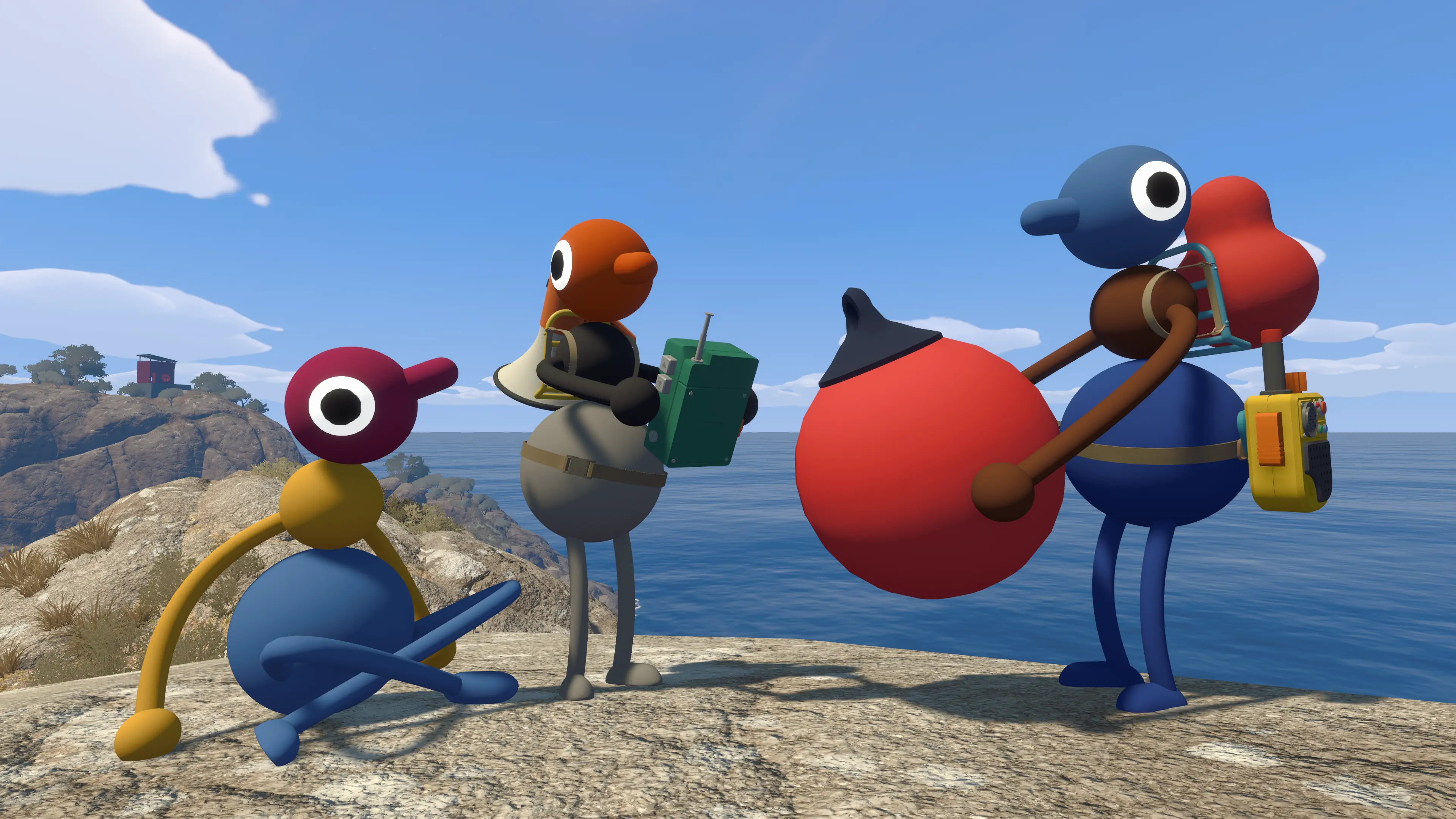
Walkie-talkies extend communication beyond normal proximity chat. They occupy a hand and can be dropped, so confirm both sides have what they need before the group separates. Do not assume they have unlimited range or that every radio device connects automatically.
Radio transmitters and receivers are used in communication setups around the island. Pay attention to which device sends information and which one receives it. If nothing happens, move the equipment, check the surrounding controls, and make sure another player is operating the other side.
Backpacks and Hip Bags
A backpack or hip bag adds one carried-item slot. With a bag equipped, a player can hold more equipment without giving up both hands. Another player may need to help attach the bag.
Bags can appear in blue basket-like structures around the island. Launch-day guides disagree about the exact total, so this page does not promise a final collectible count. Some large or unusually shaped items may not fit.
Lights, Flares, and Laser Pointers
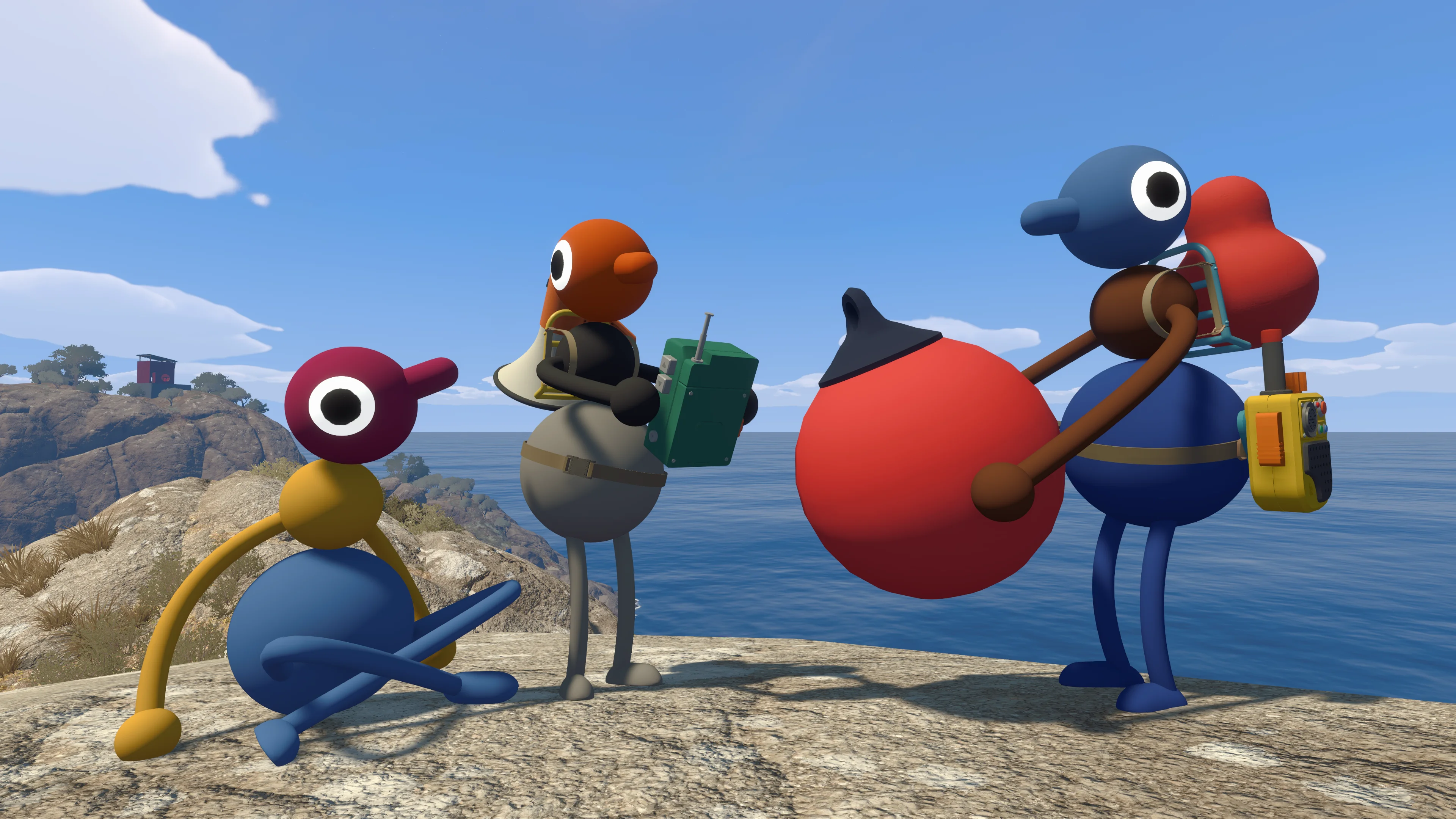
Lanterns and directional torches make night travel easier. Flares and flare guns mark a position for friends who are out of voice range, while laser pointers show exactly which distant object or symbol another player should examine.
Three laser pointers are reported inside the Map Room with the main navigation equipment. Tower tops and puzzle areas can also hold binoculars, flares, and communication tools. Return to a known equipment area when the group loses something important.
Megaphones, Whiteboards, Bells, and Music Radios
Megaphones help send a voice farther in the direction they are aimed. Whiteboards let players draw or leave visual information. Cowbells create a simple sound signal when speech is blocked. The handheld music radio is mainly for the group's journey, but sound can also help people locate one another.
Coordinate Trackers and Item Scanners
A coordinate tracker gives a more exact position than a landmark description. Share the numbers slowly and repeat them before anyone starts moving. An item scanner helps locate interactive equipment when an area is crowded or dark.
Control-Panel Pieces and Golden Keys
Red control-panel pieces are progression items earned from nearby challenges. A tower normally needs a set before the group can continue. Golden keys must be carried through cutter machines that shape them for the correct lock.
These items are not general tools. Keep the progression group together when moving them, and watch where an item lands if it is thrown. If a key or piece appears lost, search the immediate route and any nearby Lost and Found system before repeating the challenge.
Timers, Paintbrushes, and Puzzle Objects
Timers appear in several challenges and may need to be carried, returned, or activated within a sequence. Paintbrushes and other local objects are usually clues for the area where they appear. Test them nearby before taking them across the island.
What to Carry Most Often
- Exploring during the day: map or compass, binoculars, and one communication tool.
- Exploring at night: lantern or flare, plus a walkie-talkie.
- Solving a visual puzzle: laser pointer, whiteboard, or binoculars.
- Moving progression items: keep one hand free and use a bag for the normal tool.
For the control-panel pieces, shaped keys, and transport unlocks, continue to the Big Walk tower walkthrough.