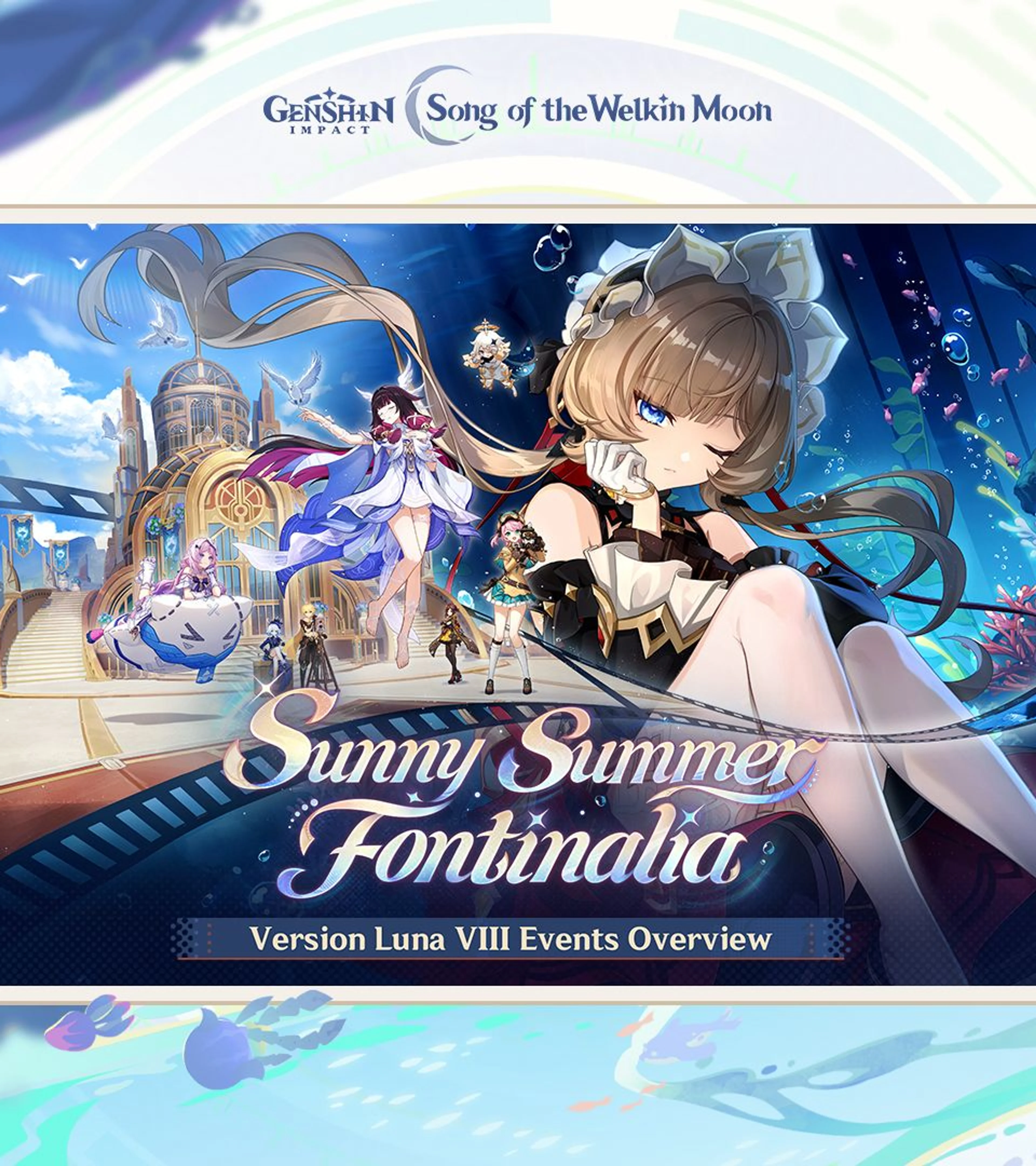
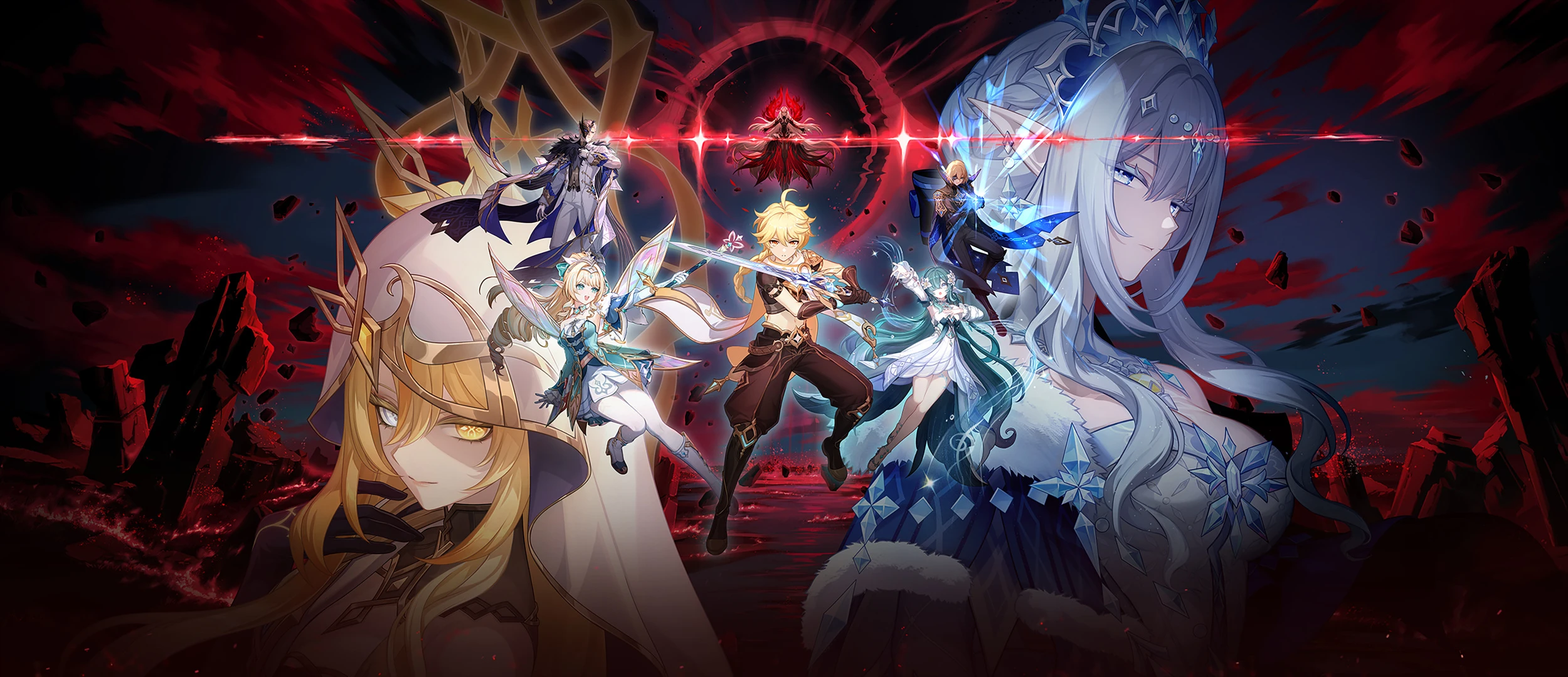
HoYoverse has won a Shanghai court case against a company that sold AI voice packs based on 63 Genshin Impact characters. The Pudong New Area People’s Court ordered the unnamed provider to stop the activity and pay 750,000 yuan, about $112,000, for economic losses and legal expenses.
The provider appealed the June 30 decision, then withdrew its appeal. The ruling is now in effect.
What did the AI voice service sell?
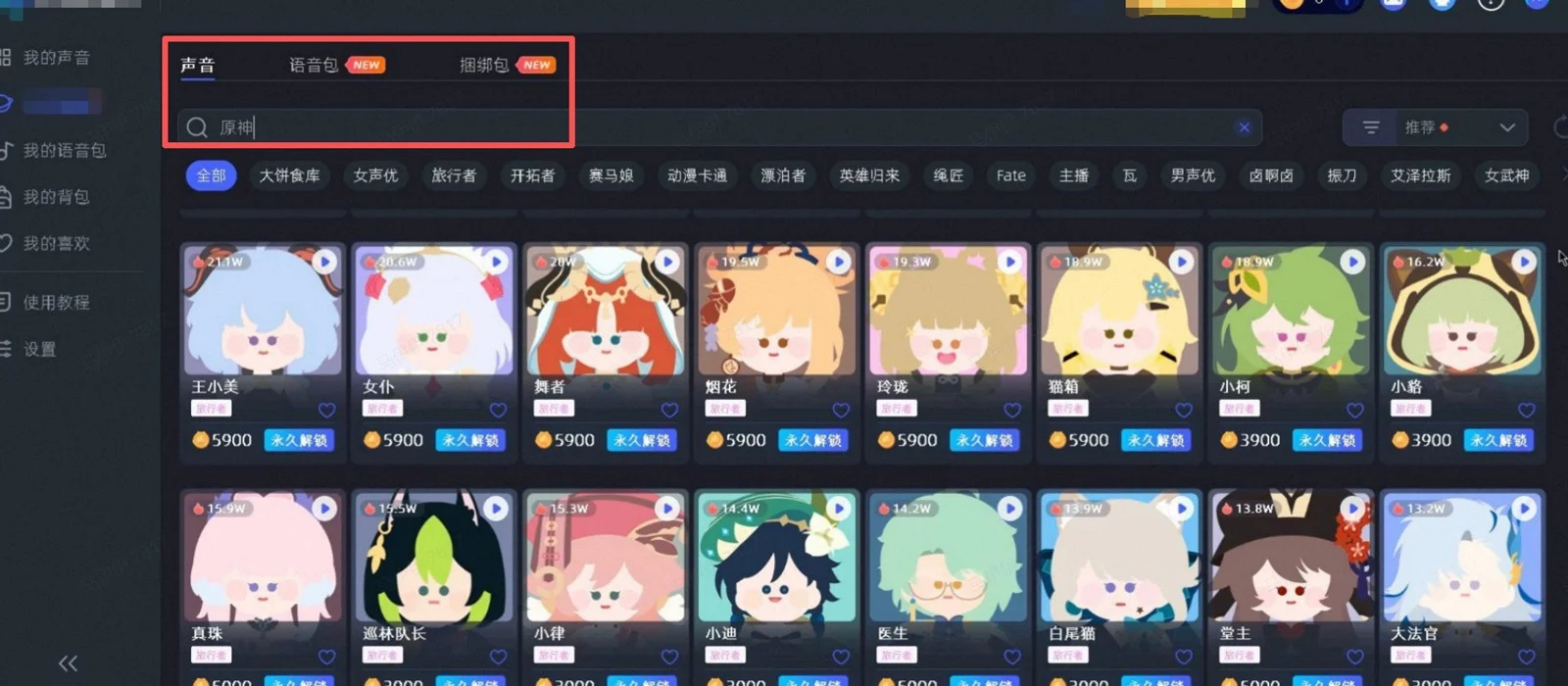
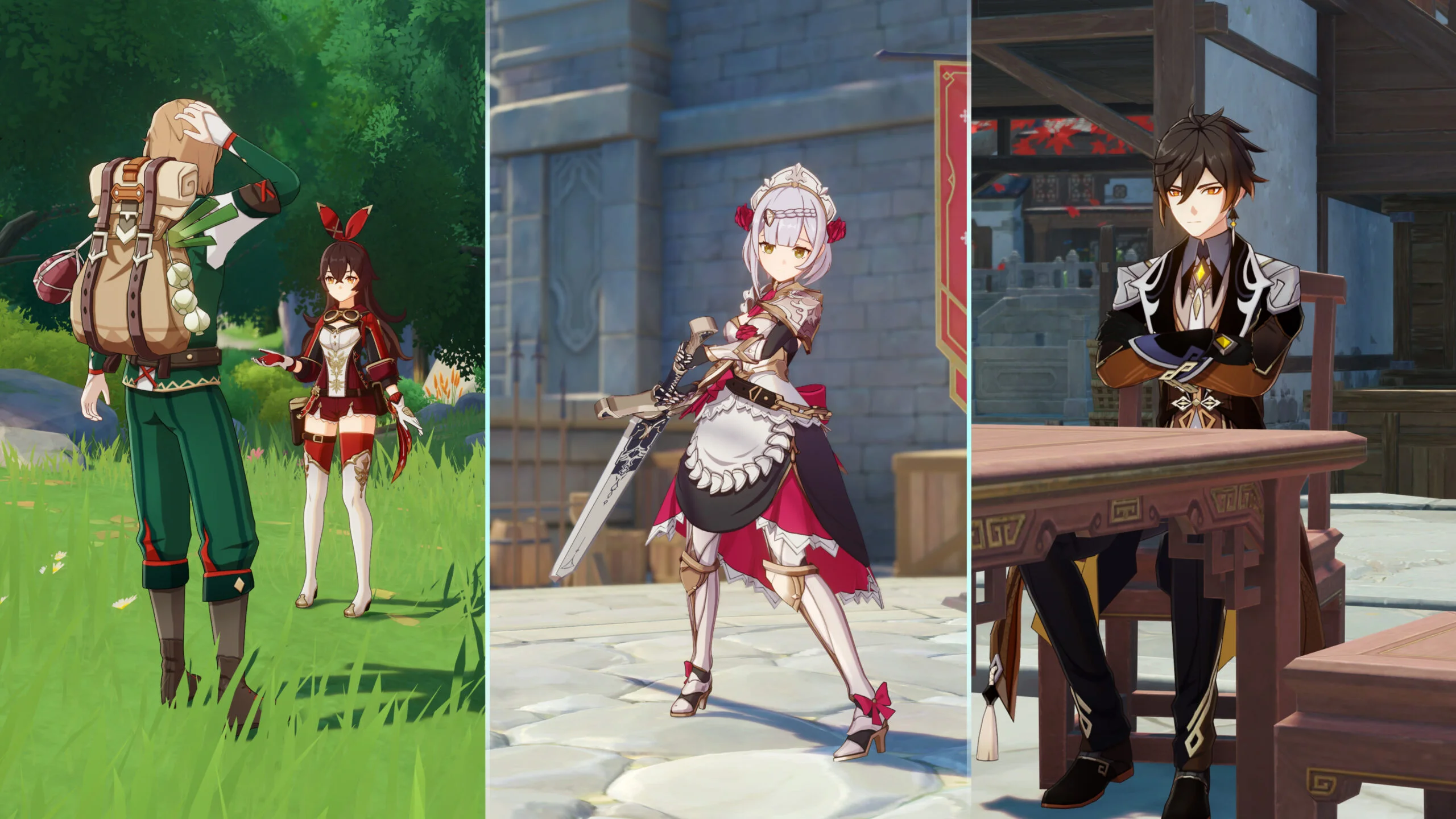
The service let users change their voices during live conversations. Its marketplace offered 63 paid packs designed to sound like specific Genshin Impact characters. It also used character art, edited portraits, animation footage, and samples of dialogue from the game to advertise the packs.
During the case, the company acknowledged that it had used about one minute of audio from a Genshin Impact character, mixed with other recordings, to train its model without permission. A forensic voice comparison found that the service’s preview and the original game voice were likely from the same source. This was not a generic fantasy voice that happened to sound familiar; the product was packaged and sold around named Genshin characters.
Why did the court rule for HoYoverse?
The court split the case into two parts. Using Genshin Impact artwork and animation without permission infringed copyright. Selling the recognizable character voices alongside those visuals amounted to unfair competition.
According to the ruling, the voices had become commercial identifiers: players could hear them and immediately connect them to Genshin Impact and its operator. Presenting the voices with official-looking art and dialogue could also make buyers think the service had been approved by HoYoverse.
The company argued that any rights in a voice belonged to the actors, not the game operator. The court found that voice actors can have their own personal rights while HoYoverse still has a commercial interest in how its characters are presented and sold. The court said both can exist at the same time.
Does the ruling ban every AI voice imitation?
No. The court did not say that every synthetic voice with a similar tone is automatically unlawful. It focused on a paid service that used original audio for training, copied recognizable voices, and marketed them with Genshin Impact names and visual material.
A voice filter offered without a character name, artwork, or copied dialogue would raise a different set of questions. Here, the full package pointed back to one game, and the company was charging users for access to it.
This is Shanghai’s first reported unfair-competition case involving AI imitation of game character voices. It does not automatically decide future cases, but it shows one route publishers can use when a service turns their characters into paid AI products.
What happens after the ruling?
The provider must stop the infringing activity and pay the 750,000-yuan award. HoYoverse had sought 5 million yuan, but the court set a lower total based on the evidence presented. With the appeal withdrawn, the first ruling now stands.
If you are returning to Teyvat, our Genshin Impact guide hub collects beginner help, character builds, team advice, and explanations of wishes and pity.
AI voice companies cannot assume that running audio through a model breaks its connection to the original character. In this case, the training material, sound, artwork, dialogue, and sales page all pointed to Genshin Impact—and the court treated the finished product as unauthorized commercial use.