
Valorant can punish small mistakes quickly. A player who moves while shooting may miss an easy target, and a team that buys at different times may enter an important round with mismatched equipment. The game becomes less confusing when you understand what the round needs before searching for kills.
Start in the tutorial and practice range, then play Unrated or another non-Competitive mode. Learn the controls, test a few guns, and read your Agent's abilities. Competitive adds rank pressure without teaching the basic actions for you.
Know the Objective and Your Role
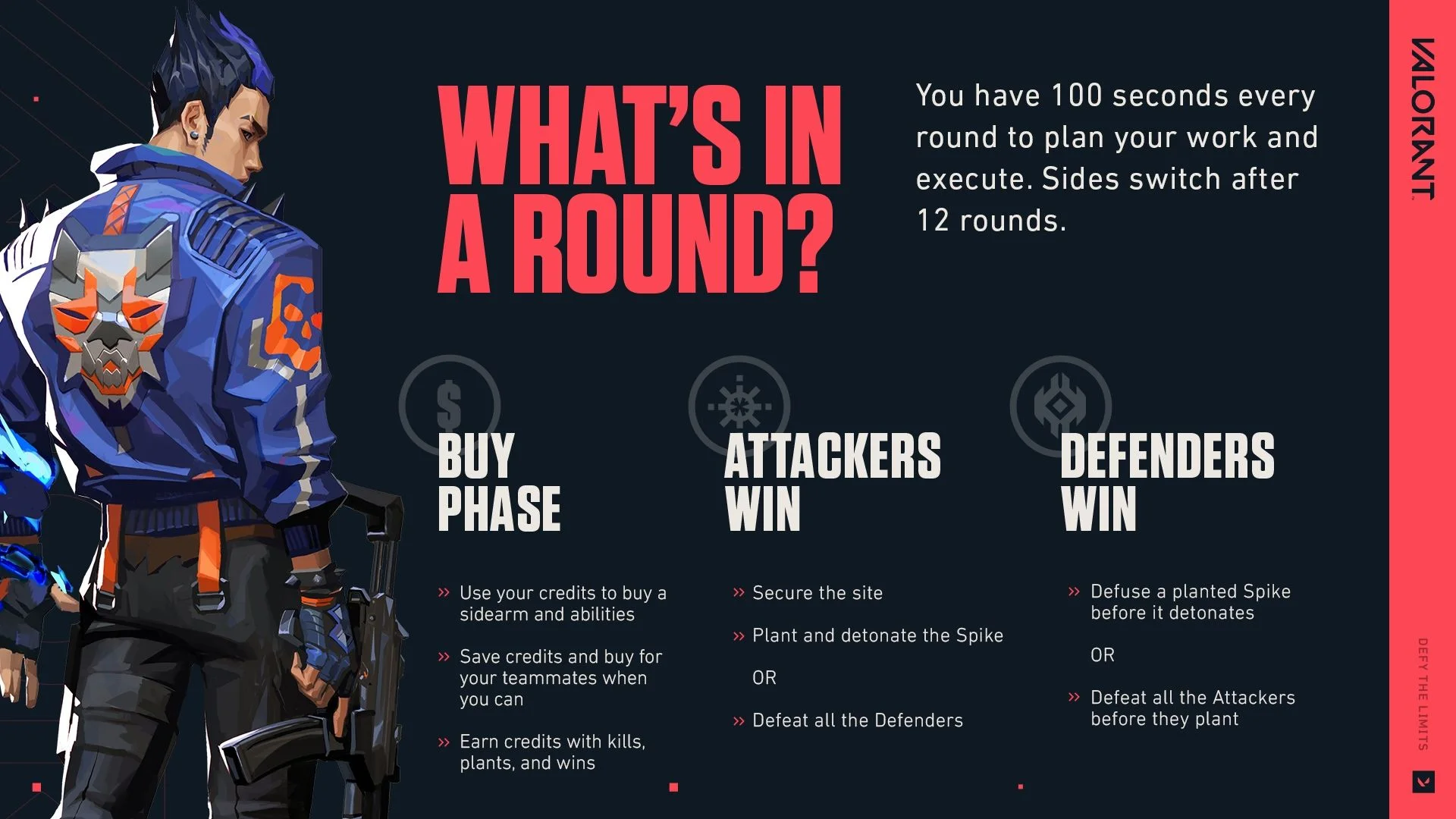
Attackers carry the Spike and try to plant it at a marked site. After the plant, they protect it until it explodes. Defenders stop the attack, eliminate the attackers, or defuse the planted Spike. If your team has the Spike, do not carry it alone into a dangerous area without telling anyone. If the Spike is dropped, the map shows its location.
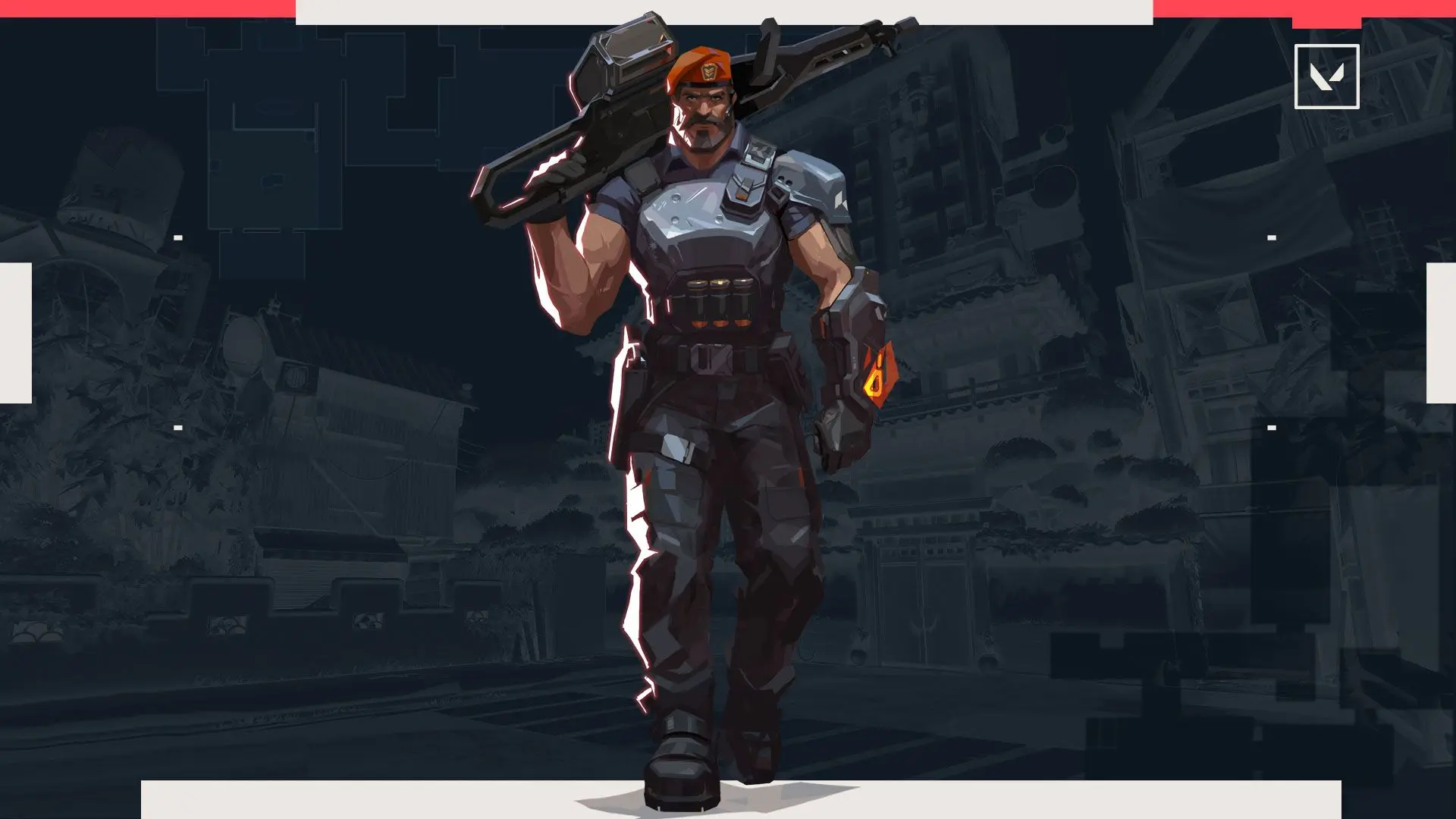
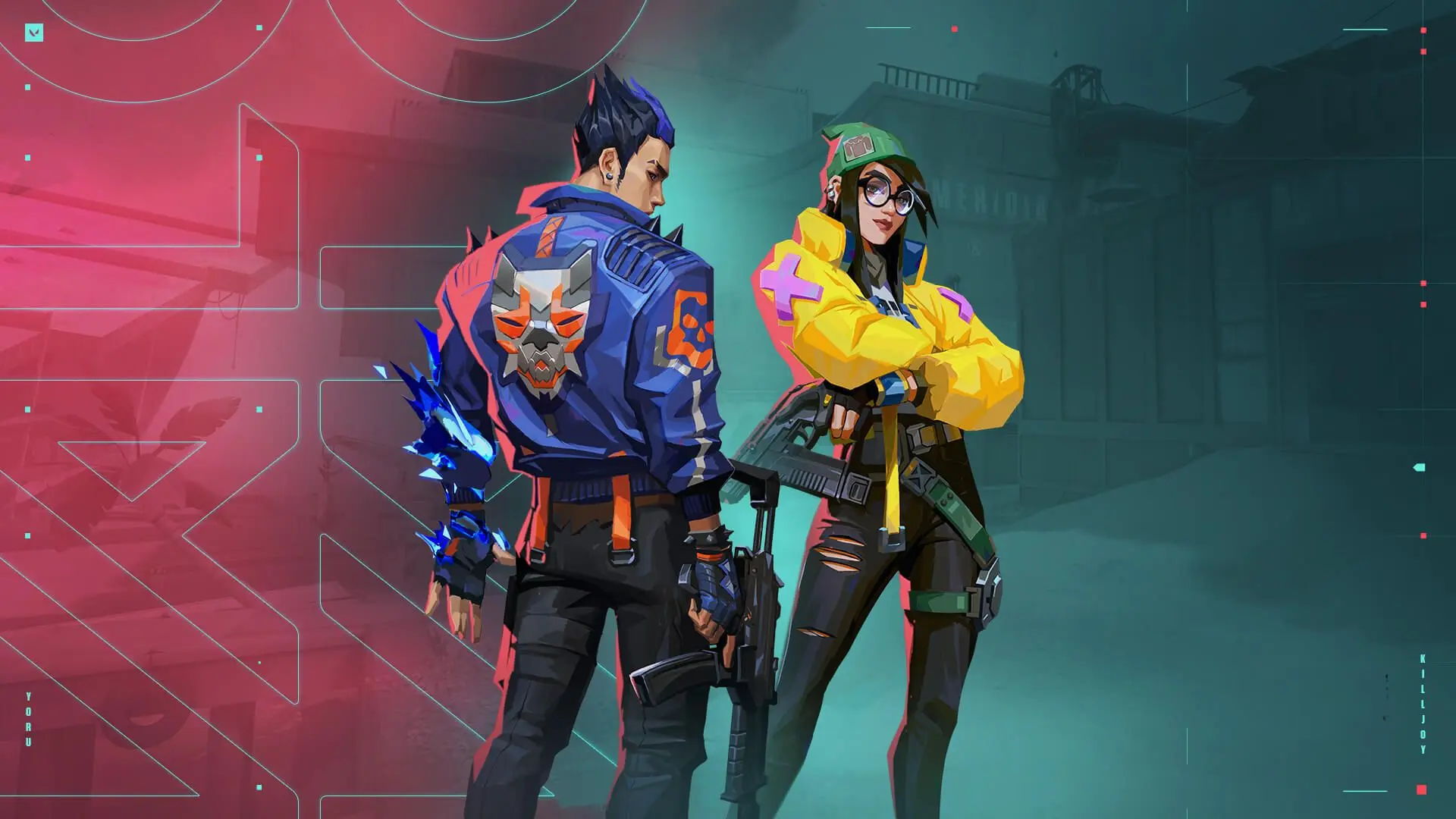
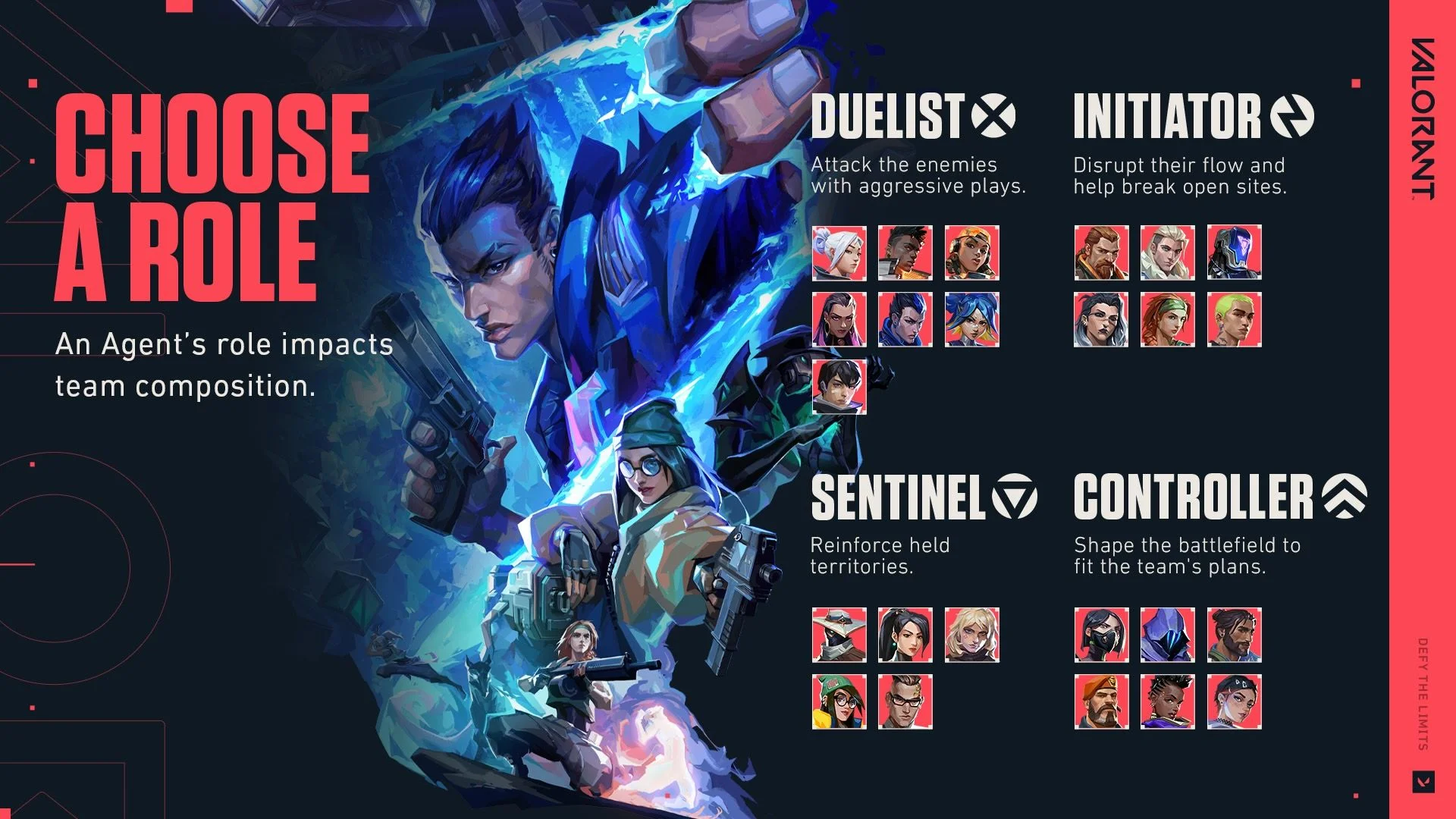
Agent roles describe the job an ability set is designed to support. Duelists can create space and take early fights. Initiators help locate or weaken defenders before the team enters. Controllers block vision with smoke and other effects. Sentinels hold areas, watch routes behind the team, and slow enemies.
Choose an Agent with abilities you can understand during a fight. Learn when each ability helps the team and avoid using every charge at the start of the round. Guns remain available after abilities are spent, so basic aim and positioning always matter.
Buy With the Team and Shoot With Control
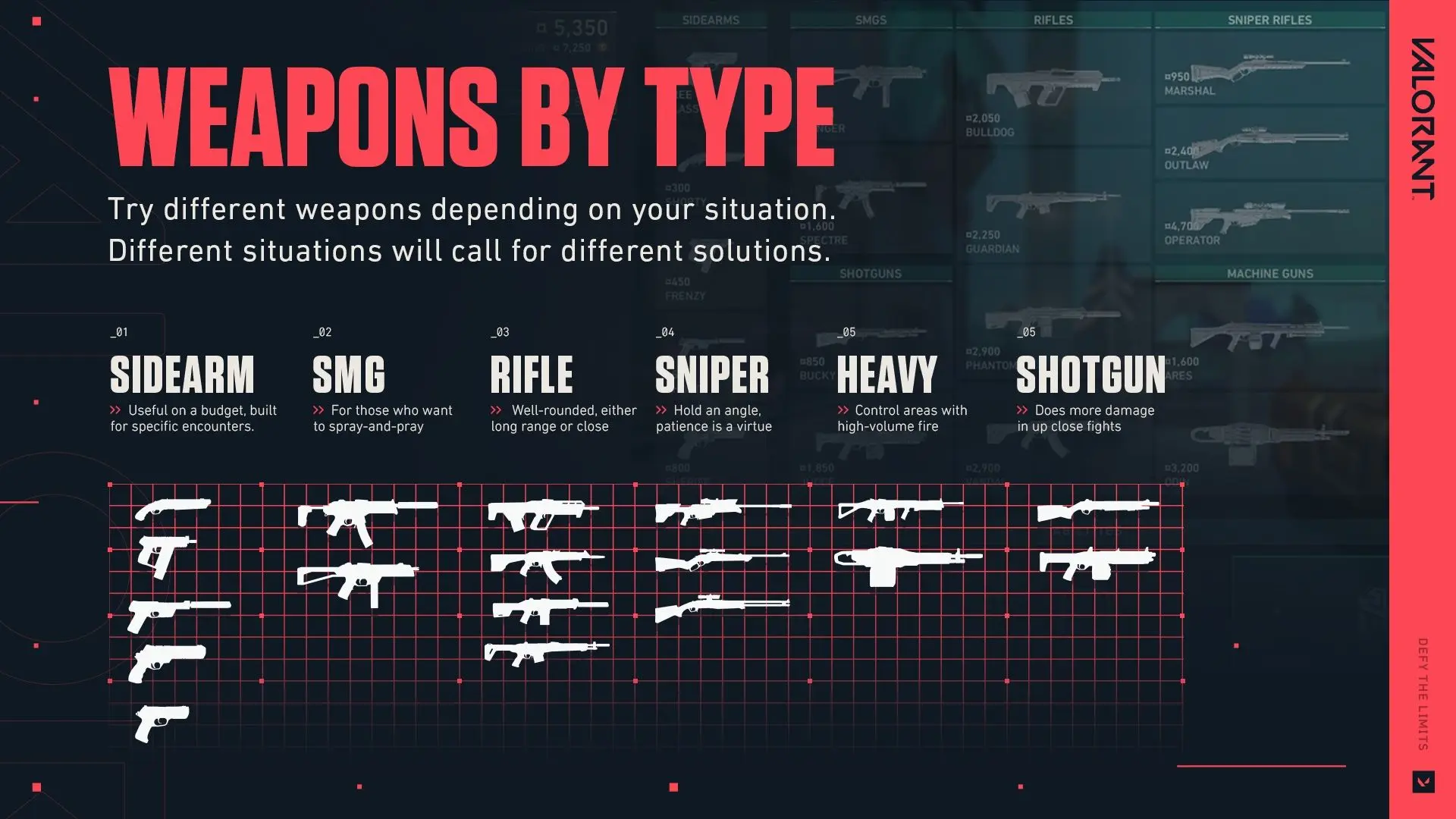
The buy menu opens before a round. Weapons, shields, and abilities cost credits. When most teammates can afford rifles and shields, the team has a full buy. When credits are low, the team may save or buy cheaper equipment. Check the credit numbers beside teammate names and use the request system if someone can buy a weapon for you.
Do not force an expensive purchase while four teammates are saving. One strong gun rarely fixes a round where the rest of the team has little equipment. Matching the team's economy gives everyone a better chance in the following round.
Most rifles become inaccurate if you run while firing. Stop moving before the first shot. Keep the crosshair near head height as you move around the map, then make a small adjustment when an enemy appears. Fire short bursts at medium or long range instead of holding the trigger until the magazine is empty.
Crouching can help control some sprays, but doing it automatically makes you an easier target. Use cover, expose as little of your character as possible, and move away after taking a predictable shot. Reload only when you have time and protection.
Listen, Communicate, and Practice
Running creates footsteps that nearby opponents can hear. Hold the walk control when you need to approach quietly, but do not walk across the whole map while teammates need help. Other sounds can reveal reloading, ability use, the Spike, jumps, and movement through certain map features.
Useful communication is short and specific. Say the location, number of enemies, and important action: 'two at B main,' 'Spike down mid,' or 'Jett used dash.' Avoid explaining a long mistake while teammates are still fighting. Pings can share locations when voice chat is unavailable.
Spend a few minutes in the range before playing. Practice stopping before each shot, place the crosshair at head height, and test the recoil of the guns you buy most often. Then play one match with a single goal, such as checking the minimap after every safe reload or buying with the team. Small routines are easier to keep than ten changes at once.
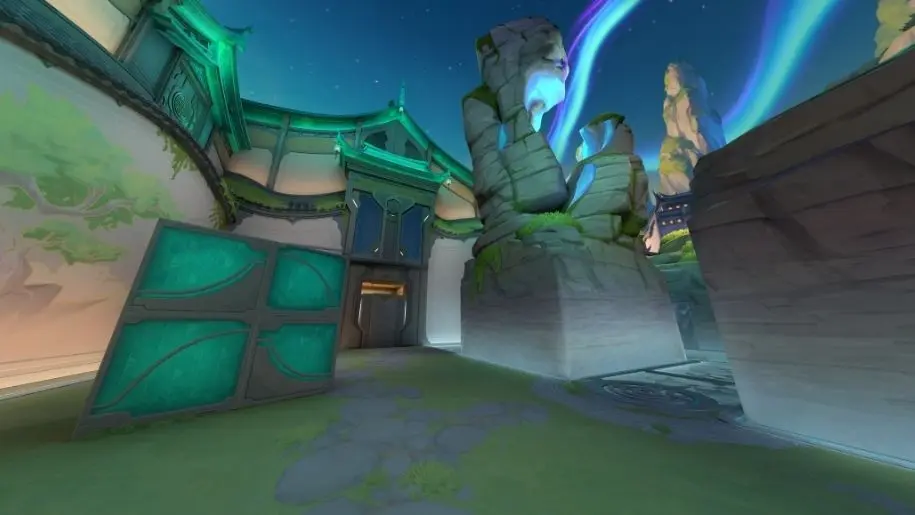
A good first week is not measured by rank. Learn one Agent, two reliable weapons, the main routes on a few maps, and the difference between a full buy and a save. Those skills continue to help after balance patches change individual abilities or weapon prices.