

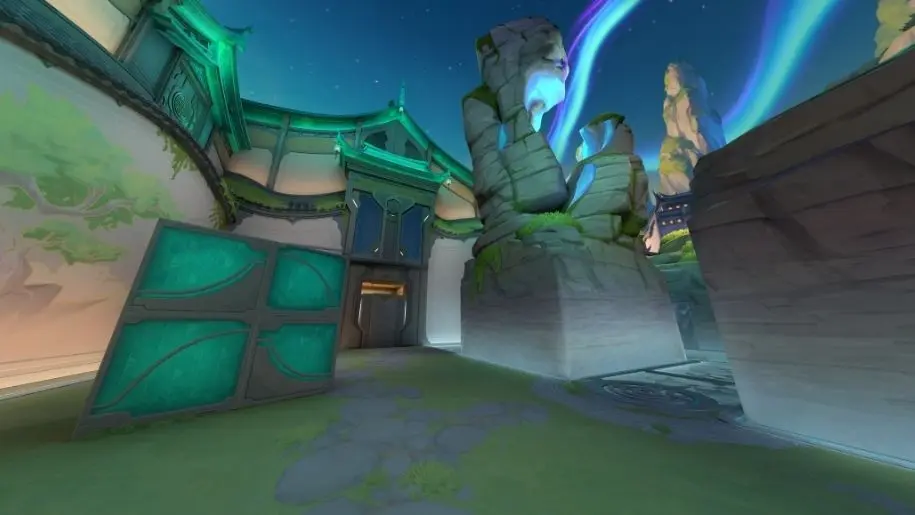

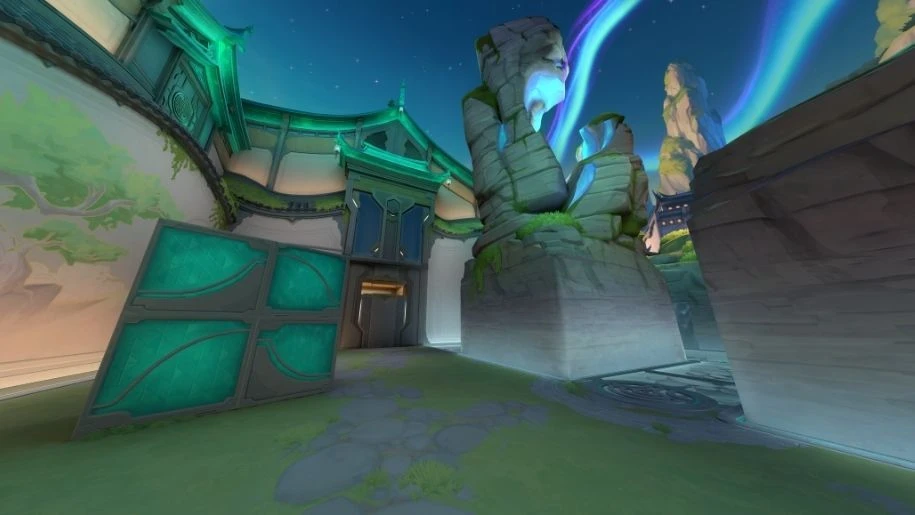
A callout is a short name for a location on a Valorant map. Teammates use it to report an enemy, a dropped Spike, a weapon, or a possible route. Good callouts save time. A player who says, 'Two A Main, one Operator,' gives the team more useful information than someone who only says, 'They are over there.'
Valorant has 13 maps on Riot's official map page, and the Competitive pool changes through updates. You do not need to memorize every corner before playing. Learn the locations that decide most rounds first, then add smaller names as you hear them in matches.
Learn the Map From Large Areas to Small Ones
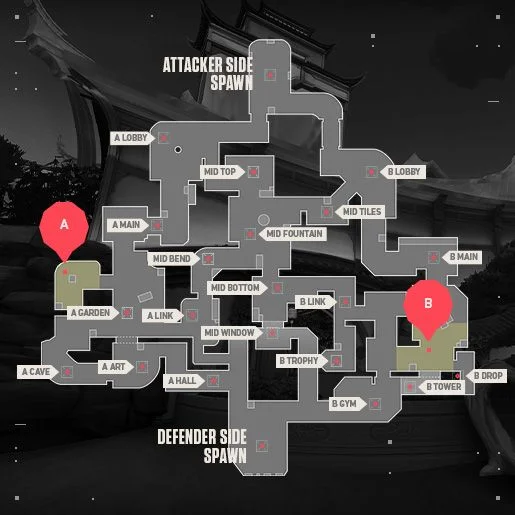
Start with the plant sites: A, B, and C on maps that have a third site. Then learn Attacker Spawn, Defender Spawn, each main entrance, and Mid. These names tell you which side of the map a fight is moving toward.
Next, learn the connectors between those large areas. Common names include Link, Connector, Market, Garage, Hall, and Tunnel. The exact labels change by map. Open the full map during a custom game and move the cursor across each area. The location name shown by the game should be your first choice when you do not know a community callout.
Some community names appear on several maps. Heaven usually means a raised position overlooking a site. Hell is often the space directly below it. Main is the primary route from the attacking side toward a site. Elbow describes a bent passage. These words are useful, but always include the site when two parts of a map could fit the same description.
Give Information Your Team Can Use
A useful callout normally includes the number of enemies, the location, and one important detail. Say, 'Three B Main, Spike seen,' or, 'One Mid, moving toward A.' If you know the Agent, you can replace a vague word with the name: 'Jett A Heaven.'
Report what you saw or heard without turning a guess into a fact. Footsteps near a site do not confirm that all five enemies are there. Say, 'Steps A Main,' then wait for more information. Defenders who leave the other site immediately can give attackers an open plant after a fake.
Keep speaking after you die only when the information is new and useful. Mention damage once, report the last known position, then let the surviving player hear footsteps and abilities. Repeating the same callout can cover game audio and make a difficult situation harder.
Players who do not want to use voice chat can ping the map and use Agent voice commands. Place the ping on the location, not directly over a teammate's view during a fight. A short text callout during a safe moment can also help.
Rotate After the Information Supports It
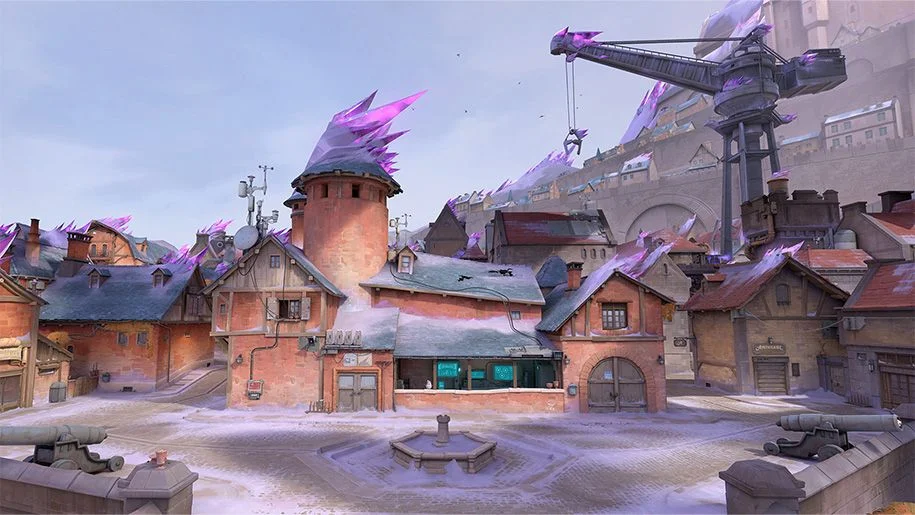
A rotation means moving from one part of the map to another because the round has changed. Defenders rotate when attackers commit, the Spike is seen, or a teammate needs help. Attackers rotate when a site is heavily defended, a pick opens another route, or the team wants to move the Spike away from danger.
Do not rotate only because one ability or one set of footsteps appeared. Leave at least one defender able to watch the quiet site until the team has stronger information. When you rotate, check the minimap for open routes and recent teammate contact. Run through safe ground, then walk before entering an area where the enemy may hear you.
Use a custom game to learn one map in about ten minutes. Walk from Attacker Spawn to every site, then repeat from Defender Spawn. Find Mid, the main entrances, and the shortest connector between sites. Open the map at each stop and say the location name out loud. Repeat the route on the other side.
- Learn sites, spawns, main entrances, and Mid first.
- Add connector and raised-position names after the large areas feel familiar.
- Call the number, location, and one useful detail.
- Rotate when the Spike, several enemies, or a clear team call supports the move.
For match rules and basic communication, read the Valorant Beginner Guide. The Valorant Complete Guide keeps the main guides in one place.