




Every normal Valorant round begins with a buy phase. Players use credits for weapons, shields, and abilities, then keep any surviving equipment for the next round. A team with five separate spending plans can enter a fight with one rifle, two weak pistols, missing shields, and no useful utility. That is usually worse than five players making the same basic decision.
Check the buy screen before purchasing anything. It shows your credits, your equipment, and what teammates can afford. Tell the team whether you want to buy, save, or force. The call does not need a long discussion. A clear plan gives everyone a better chance of fighting the round with similar equipment.
Know the Four Common Buy Calls
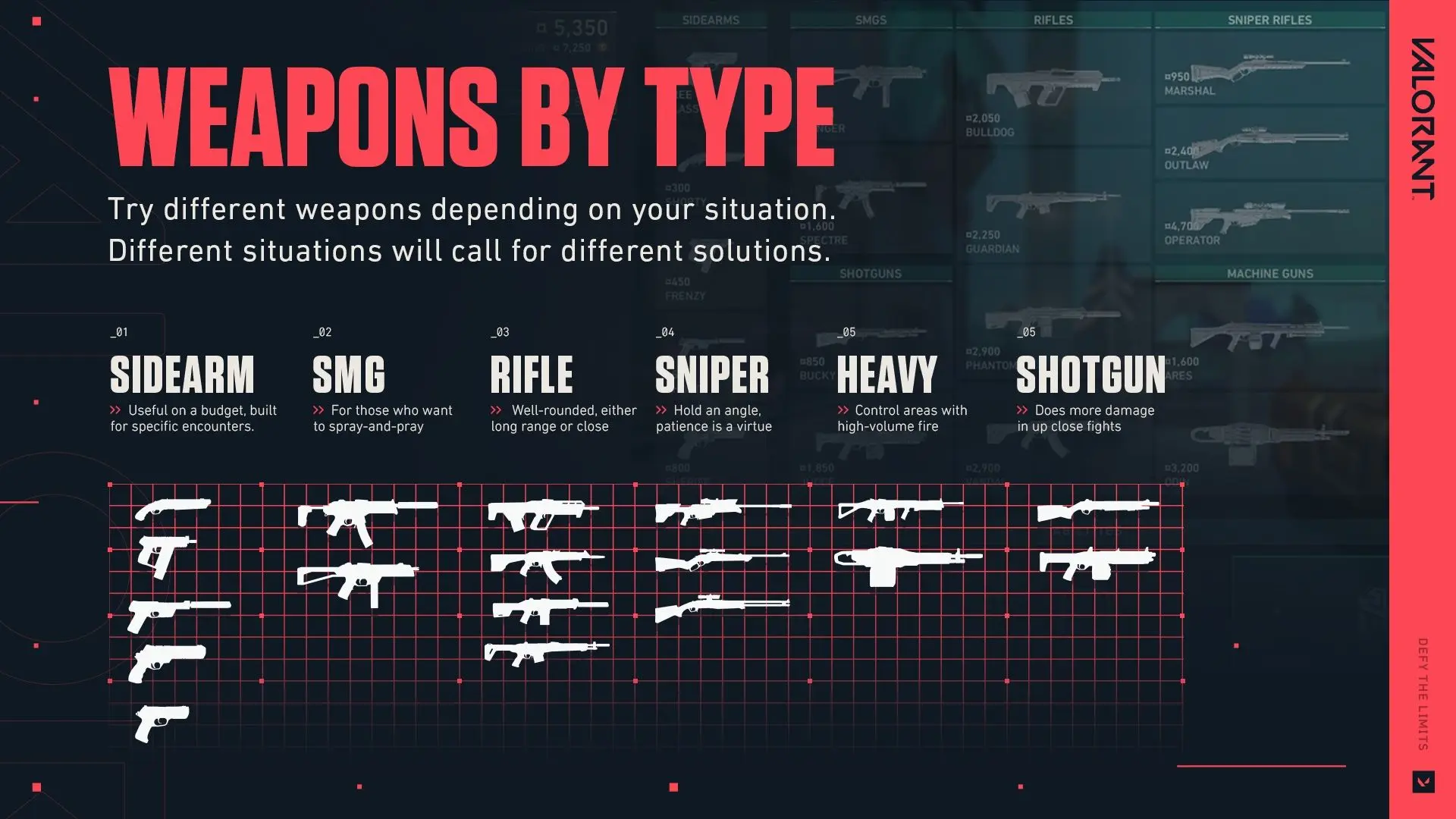
A full buy means the team can purchase dependable primary weapons, shields, and the abilities needed for its plan. The Vandal and Phantom each cost 2,900 credits. Heavy Shields cost another 1,000, so a rifle and full armor already require 3,900 before abilities. Some Agents need several hundred more credits for smokes, flashes, traps, or other utility.
A save, also called an eco round, means spending little or nothing so the next round can be stronger. Players may keep the free Classic, buy one cheap ability, or use a low-cost pistol if the team agrees. The goal is not to give up. Try to take a close fight, collect a dropped weapon, damage the enemy economy, or make the other team spend abilities.
A half buy uses cheaper equipment while leaving enough credits for the next planned full buy. The buy screen shows the minimum credits you will have next round. Check that number before spending. A Spectre, shotgun, light shield, or upgraded pistol can be useful when the map position and team plan support it.
A force buy means spending heavily even though the team cannot afford a normal full buy. Force when the round is urgent, when several players carried weapons forward, or when the team has a clear plan for close-range guns and strong abilities. Five random purchases with no plan are not a useful force buy.

Plan the First Three Rounds Together
Players start each half with 800 credits for the pistol round. That money can buy a stronger sidearm, light shields, abilities, or a combination that fits the Agent. A Controller may need a smoke. An Initiator may value information or a flash. A Duelist may spend more on equipment for the first fight. Do not copy one pistol purchase across every Agent without checking the job you need to do.
After winning the pistol round, buy enough equipment to use the advantage. Teammates who purchase SMGs, rifles, shields, and utility should not be joined by one player saving every credit with a Classic. Winning the second round can carry upgraded weapons into the third, often called a bonus round, while protecting money for the next full purchase.
After losing the pistol round, decide whether the team will save for round three or attempt a coordinated force. The safer choice in many matches is a light second round followed by rifles and shields in round three. A force can work, but only when all five players understand that losing it may leave the following round weak as well.

Spend for the Team, Not the Scoreboard
Use the request system when a teammate can buy your weapon without ruining their own purchase. Return the help later when your credits are higher. Dropping a rifle lets the team move money toward shields and abilities instead of leaving one player under-equipped.
Do not forget utility. A rifle without the smoke needed to cross an open angle can make the entire attack harder. Full shields are also not automatic in every situation. Check the enemy weapons, your role, and the round plan before removing a key ability just to reach 150 health.
- Buy with the team when everyone can afford rifles, shields, and useful abilities.
- Save when a weak purchase now would block the next full buy.
- Half buy only after checking the minimum credits shown for the next round.
- Force when the round is urgent and the whole team has one plan for the equipment it can afford.
The Valorant Beginner Guide explains the basic round objective and shooting rules. Players preparing for Competitive can also read Valorant Ranks Explained.