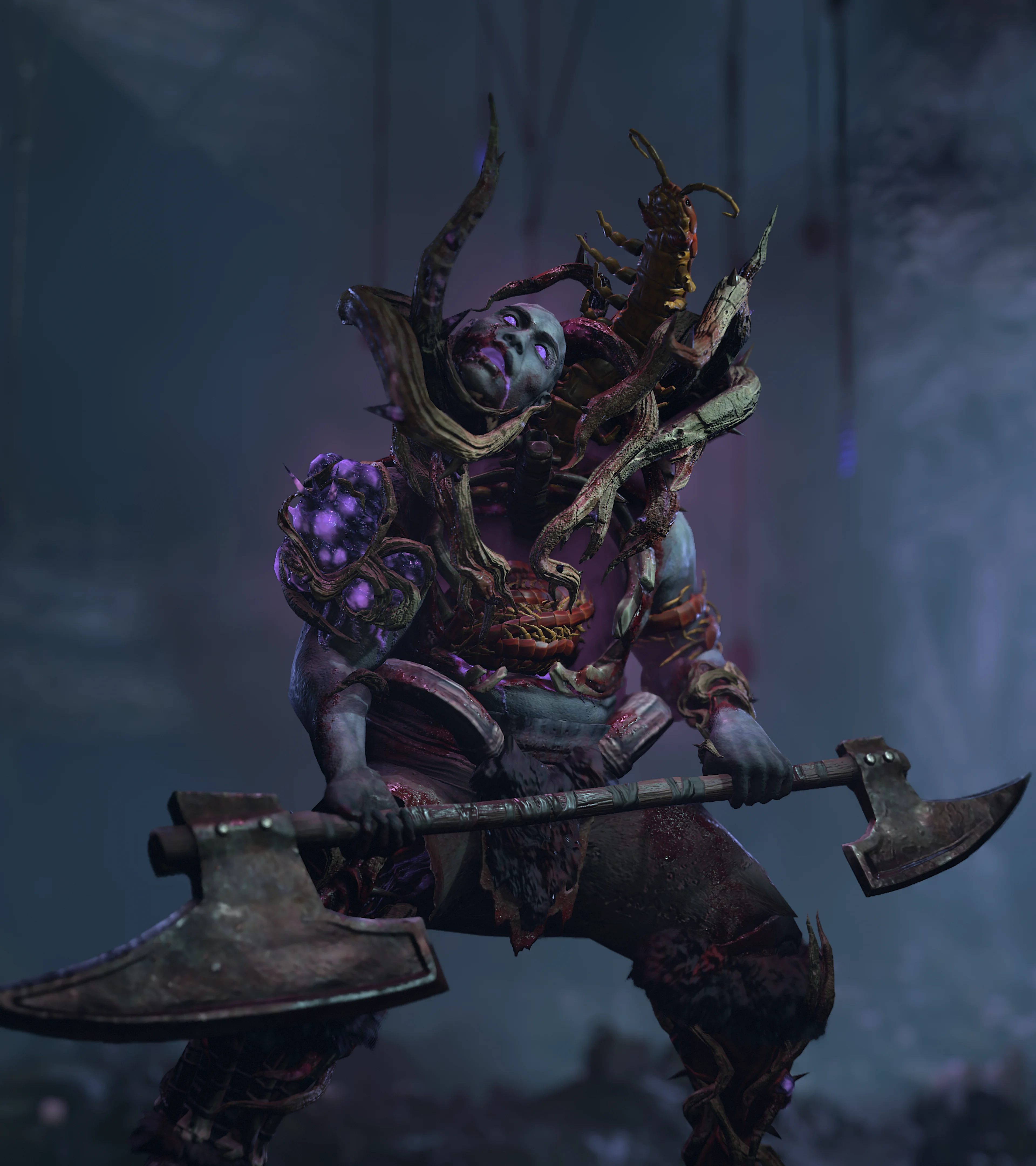

Blizzard has officially confirmed Diablo IV for Nintendo Switch 2. The game arrives on September 15, 2026, as Diablo IV: Age of Hatred Collection.
The collection includes the base game, Vessel of Hatred and Lord of Hatred. That resolves the biggest question surrounding months of reports about the port, although price, download size, performance and physical packaging details remain unannounced.
Diablo IV on Switch 2: quick facts
- Release date: September 15, 2026.
- Platform: Nintendo Switch 2.
- Edition: Diablo IV: Age of Hatred Collection.
- Included content: Diablo IV, Vessel of Hatred and Lord of Hatred.
- Status: Officially confirmed by Blizzard at BlizzCon 2026.
- Price: Not announced in Blizzard’s confirmation.
- Physical format: Not confirmed by Blizzard.
Diablo IV’s Switch 2 release date is September 15
September 15 is now official. Blizzard confirmed the date in its BlizzCon 2026 opening-ceremony recap, ending the uncertainty around whether the port was real and when it would launch.
The announcement came only three days before release. That unusually short runway means Switch 2 owners have little time between confirmation and availability, while some practical purchase details are still missing.
Blizzard’s confirmation is the source to trust for the date and bundle contents. You can read the official opening-ceremony recap for the publisher’s exact announcement.
What is included in Age of Hatred Collection?
Age of Hatred Collection bundles three releases: the Diablo IV base game, the Vessel of Hatred expansion and the Lord of Hatred expansion.
This is not a bare base-game port. A new Switch 2 player receives the main campaign and both named expansions in one package, according to Blizzard.
The announcement does not break down whether every cosmetic item, preorder bonus or edition-specific reward from other platforms carries over. It confirms the three major products, not a complete item-by-item entitlement list.
The existing Diablo IV game hub now lists Nintendo Switch 2 among the supported platforms.
What Blizzard confirmed — and what it did not
- Confirmed: Diablo IV is coming to Nintendo Switch 2.
- Confirmed: The release date is September 15, 2026.
- Confirmed: Age of Hatred Collection includes Diablo IV, Vessel of Hatred and Lord of Hatred.
- Not confirmed: Price or regional pricing.
- Not confirmed: Download size or storage requirements.
- Not confirmed: Resolution, frame-rate target or graphics modes.
- Not confirmed: Whether a retail box contains a cartridge, Game-Key Card or download code.
- Not confirmed: Switch-specific account and cross-progression setup.
Is the Switch 2 physical edition code-in-a-box?
Blizzard has not confirmed the physical packaging format. Earlier reporting said a retail box would contain a download code rather than a cartridge or Game-Key Card, but the official announcement does not address that claim.
The distinction matters for ownership. A single-use download code generally cannot be lent or resold after redemption, while a cartridge or Game-Key Card remains a transferable physical license.
Until Blizzard or Nintendo publishes a product page with packaging language, buyers should not treat the reported code-only format as confirmed. Check the exact listing before ordering a boxed copy, especially if physical resale or sharing matters to you.
What Switch 2 players still need to know
Performance is the largest unanswered technical question. Blizzard has not announced a resolution, frame-rate target or graphics-mode choice for Nintendo’s hardware.
Storage requirements are also unknown. The base game and two expansions represent a substantial package, so the final download size could affect whether players need additional storage.
The confirmation does not explain Switch-specific cross-progression. Existing Diablo IV players will want to know whether their characters, seasonal progress, purchases and Battle.net account carry over exactly as they do across current platforms.
Portable play is the clear attraction. The unresolved question is how Blizzard balances visual clarity, battery use, online requirements and large seasonal updates on the smaller screen.
What the official confirmation changes
The port and release date are no longer rumors. The central claim in the original August report has been validated by Blizzard, while the reported price and code-in-a-box format remain separate, unconfirmed details.
The bundle question is now clearer than before. Blizzard explicitly named both Vessel of Hatred and Lord of Hatred, so buyers do not have to guess whether the Switch 2 release is limited to the base game.
What remains uncertain is practical rather than existential: how the port performs, how much space it needs, what it costs and what is actually inside any retail box.
How the Switch 2 reveal fits Blizzard’s Diablo showcase
The Switch 2 confirmation was one part of a larger Diablo presentation. Blizzard also announced a new Netflix animated series, the Amazon class for Diablo IV, Season of Hell’s Legacy and a new numbered sequel.
Diablo V is targeting Spring 2029. Our Diablo V announcement guide separates the confirmed premise and release window from details Blizzard has not revealed.
For Switch 2 owners, however, Diablo IV is the immediate announcement. Its release is days away rather than years away, and the Age of Hatred Collection gives newcomers a single entry point to the current game and both expansions.
Diablo IV Switch 2 FAQ
When does Diablo IV release on Nintendo Switch 2?
Diablo IV releases for Nintendo Switch 2 on September 15, 2026.
What comes with Age of Hatred Collection?
The collection includes Diablo IV, Vessel of Hatred and Lord of Hatred.
Does the physical box include a game card?
Blizzard has not confirmed the physical format. Earlier reporting described a download-code box, but buyers should wait for an official store listing before treating that detail as final.
The bottom line
Diablo IV is officially coming to Nintendo Switch 2 on September 15. Age of Hatred Collection includes the base game and both expansions.
The announcement settles the release question but leaves price, performance, storage, cross-progression setup and physical packaging unanswered. Those details should be judged only from Blizzard or Nintendo’s final product information.