A fantasy adventure can give you a place to explore and a problem to solve without making repeated fights the main activity. These five games offer different ways to do that, from helping lost characters to working out what an unfamiliar word means.
Choose by the challenge you enjoy. Light platforming, object puzzles, open exploration and language puzzles call for different kinds of attention. These are also stories with sadness, danger or frightening creatures in places, so a puzzle focus does not mean every scene is carefree.
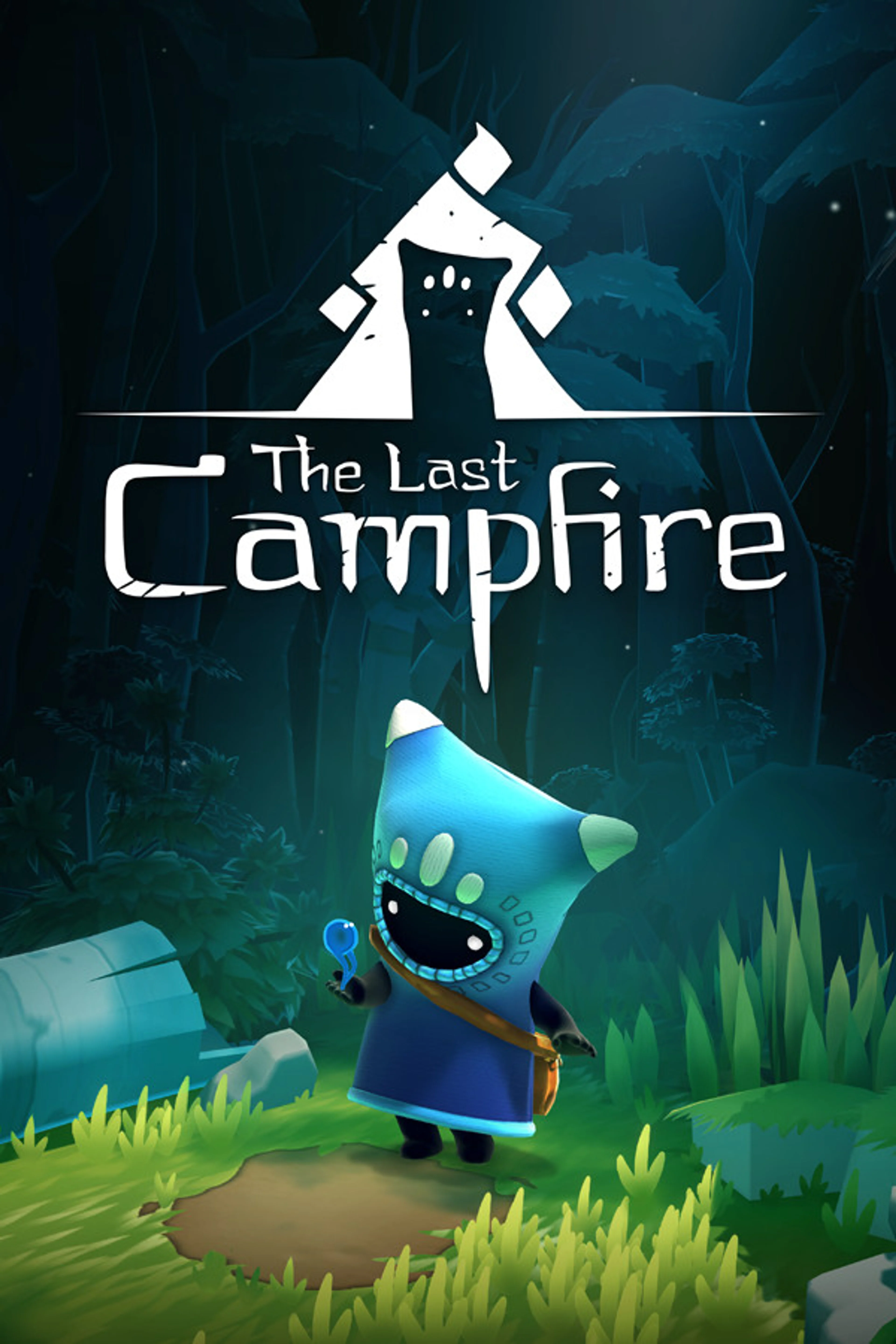
1. The Last Campfire — help characters who have lost their way
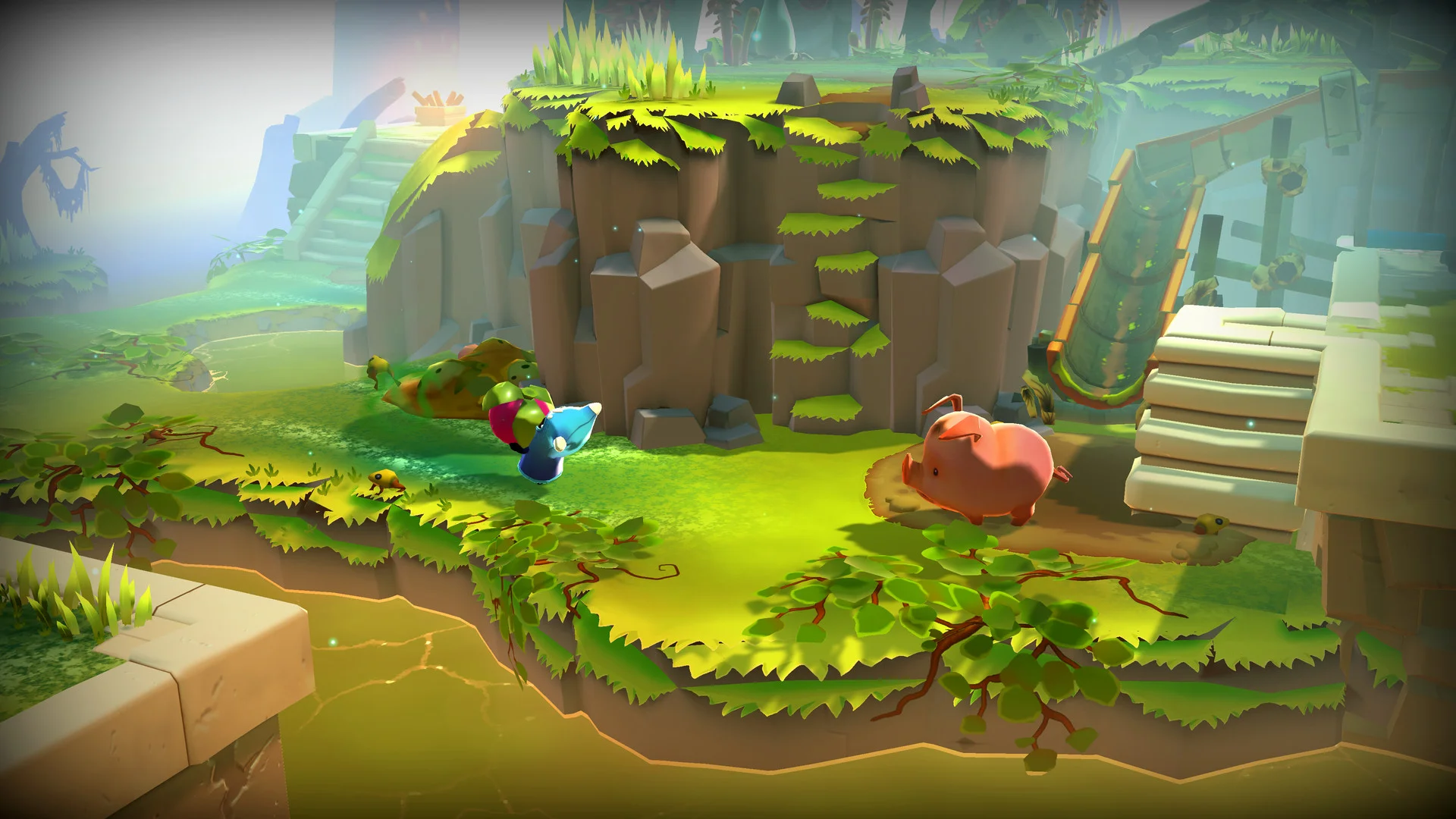
The Last Campfire follows Ember through a strange world, meeting others who have become stuck along the way. Helping those characters leads into puzzles, with new abilities giving you more ways to travel and affect the surroundings.
This is the clearest starting choice if you want a character story with an option to focus more on exploration. Normal play includes challenges that can take thought, while Explore Mode lets you concentrate more on the world and its inhabitants. The flute and boat also give you reasons to return to places with something new you can do.
Choose it for helping individuals and moving between forests, ruins and small campsites. Allow for sadness: loss is part of Ember’s story, even when a shelter or a friendly creature offers a warmer moment.
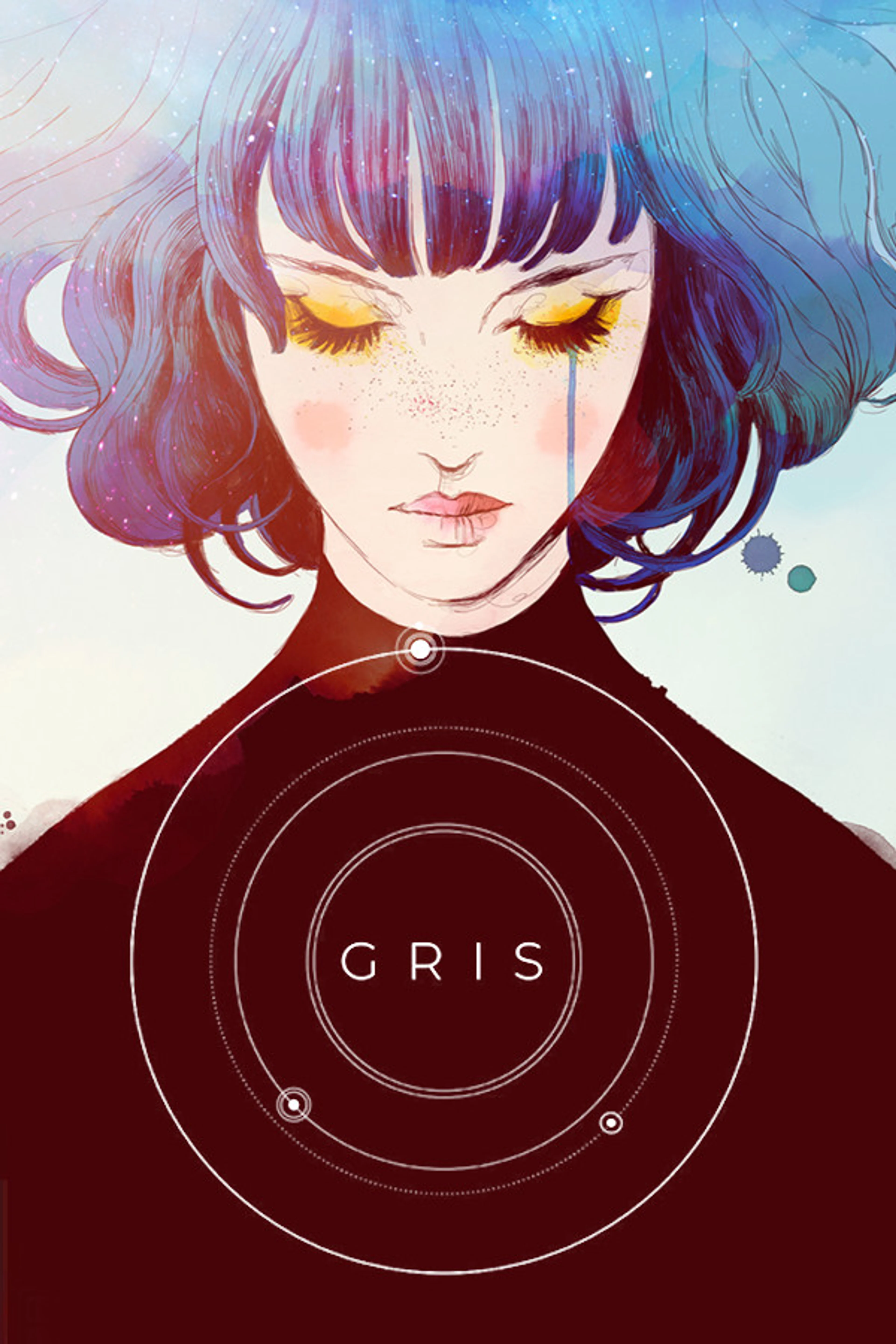
2. GRIS — follow a route through a changing world
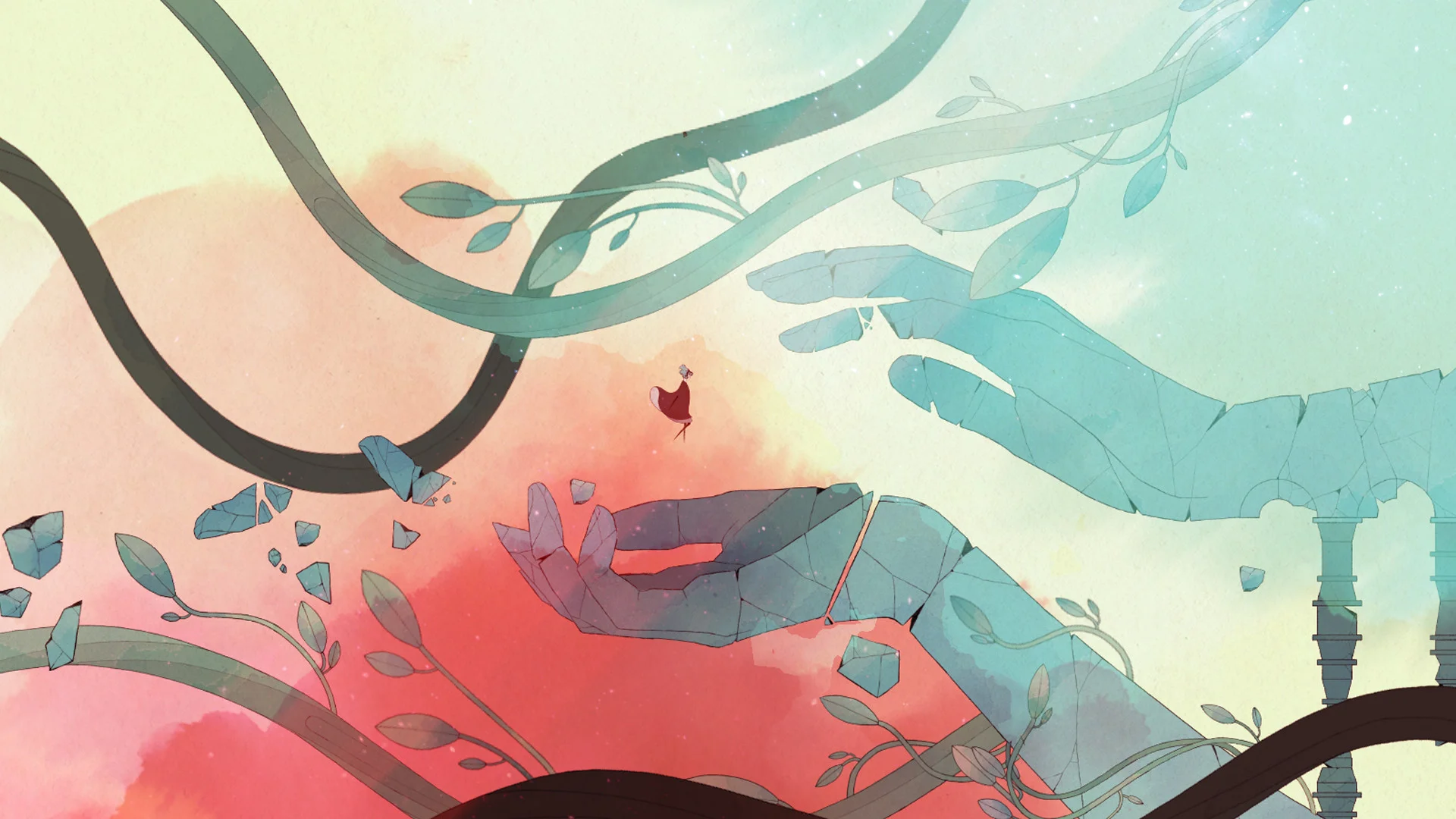
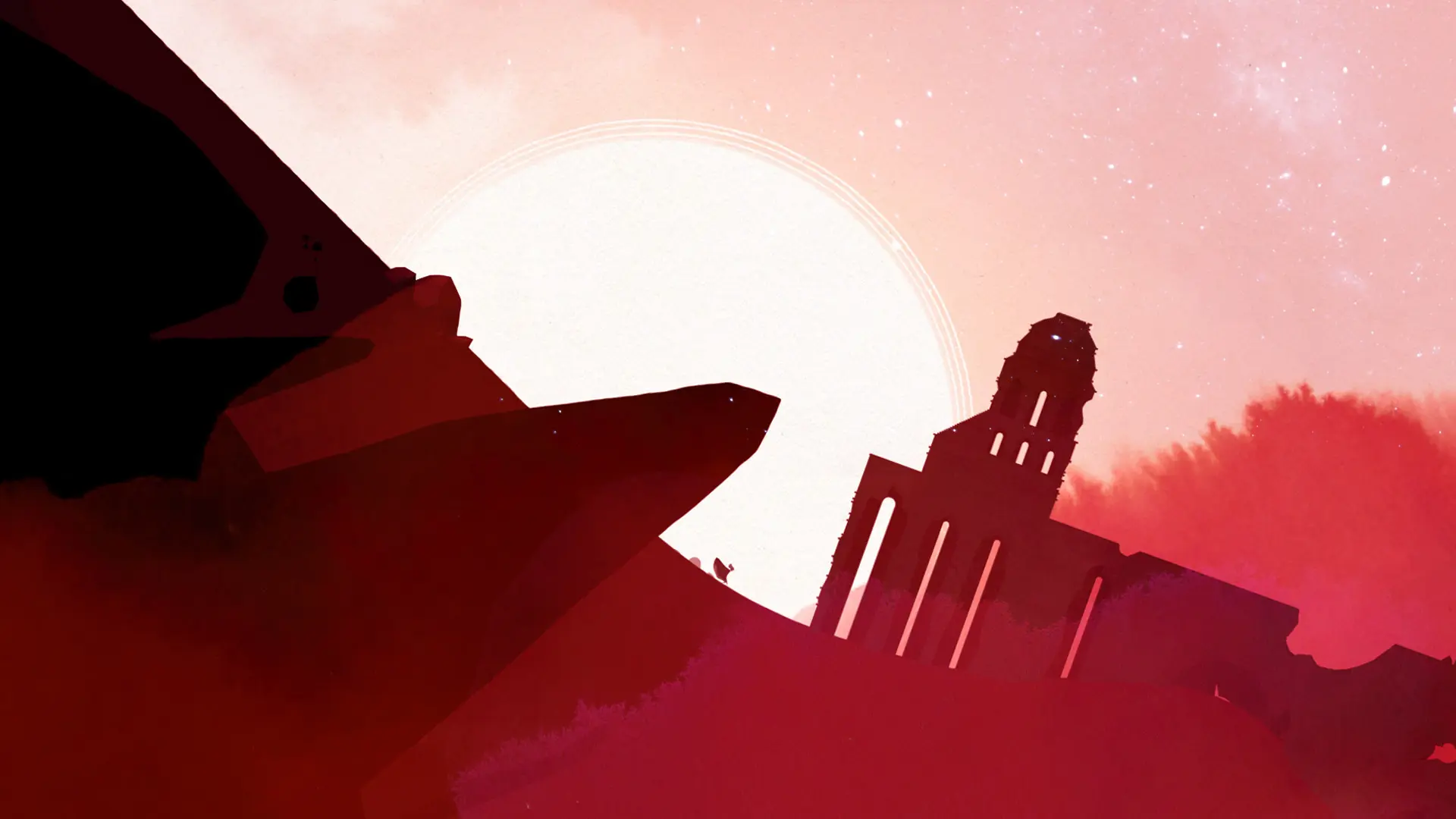
GRIS is a lighter choice for someone who would rather move through a landscape than read long conversations. Guide a young woman through light puzzles and platforming as her dress grants new abilities and more of the world becomes accessible.
There is no regular combat or death penalty, but there is still an active role for you. You need to look for a path, move between ledges and use the abilities you have learned. The story uses very little text, with color, animation and music showing changes around the character.
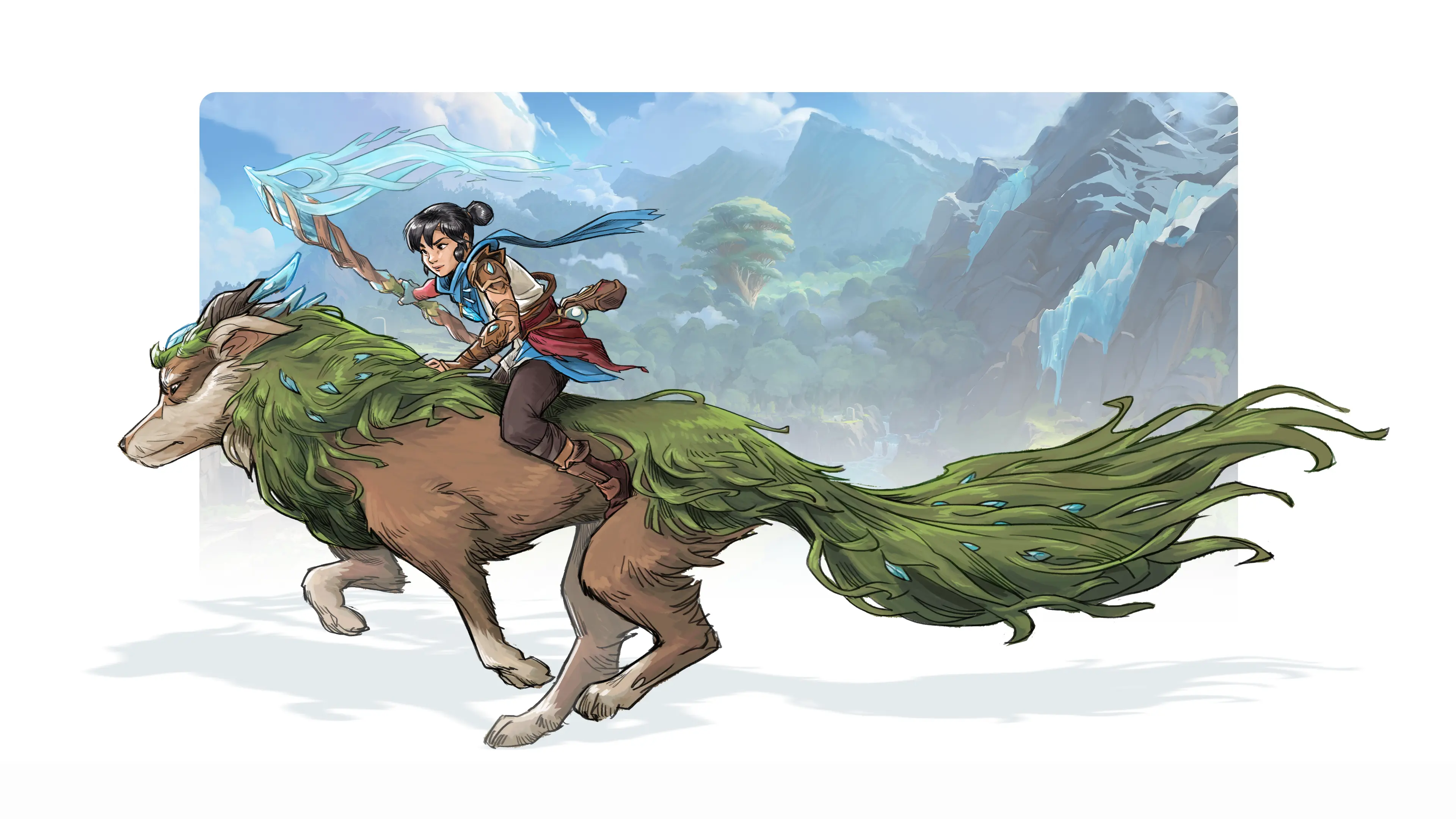
Choose it for gentle movement through a story about sadness. If the same studio’s animal adventure also interests you, our GRIS versus Neva comparison explains why Neva’s wolf companion comes with more fights and danger.
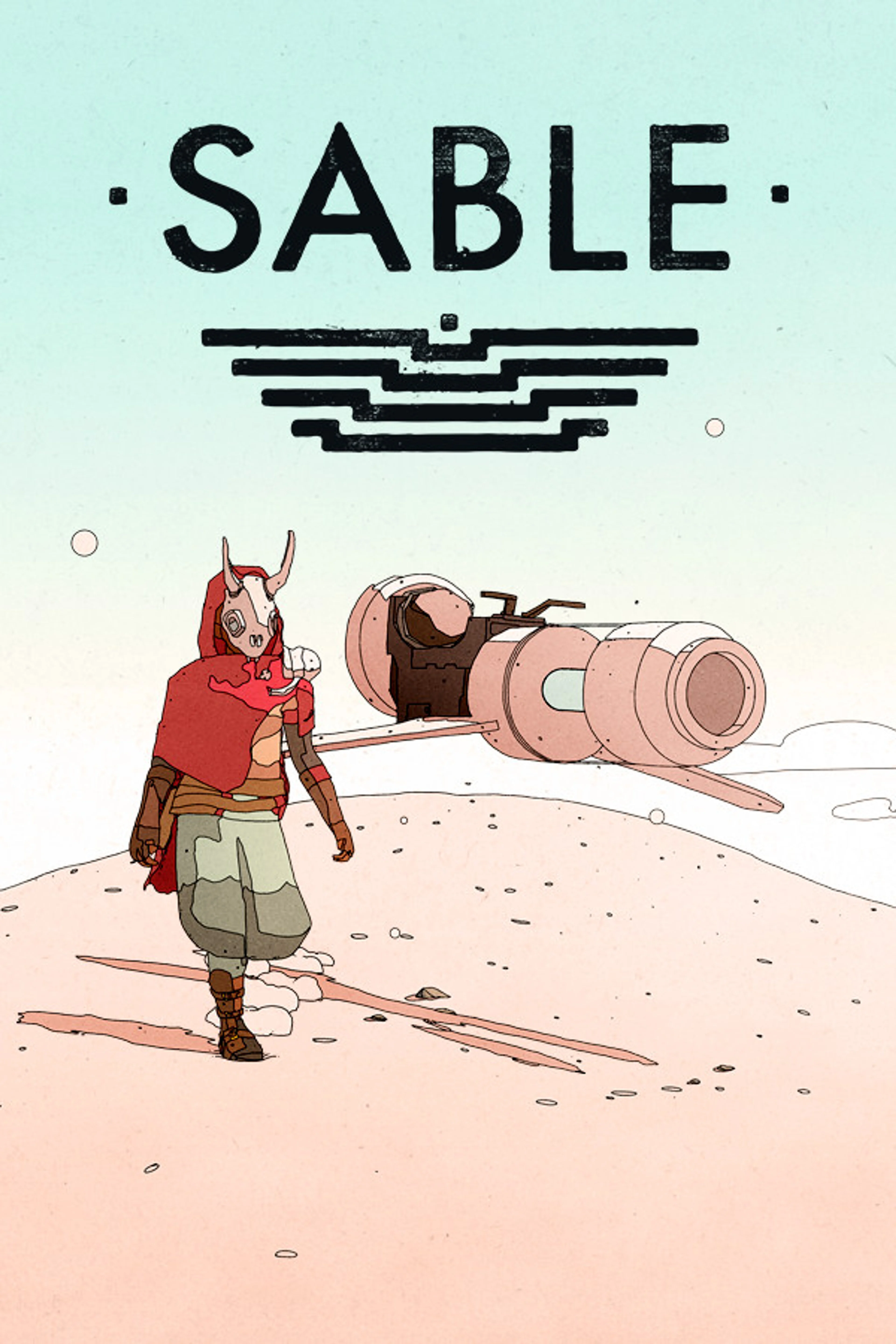
3. Sable — choose your route and try new looks
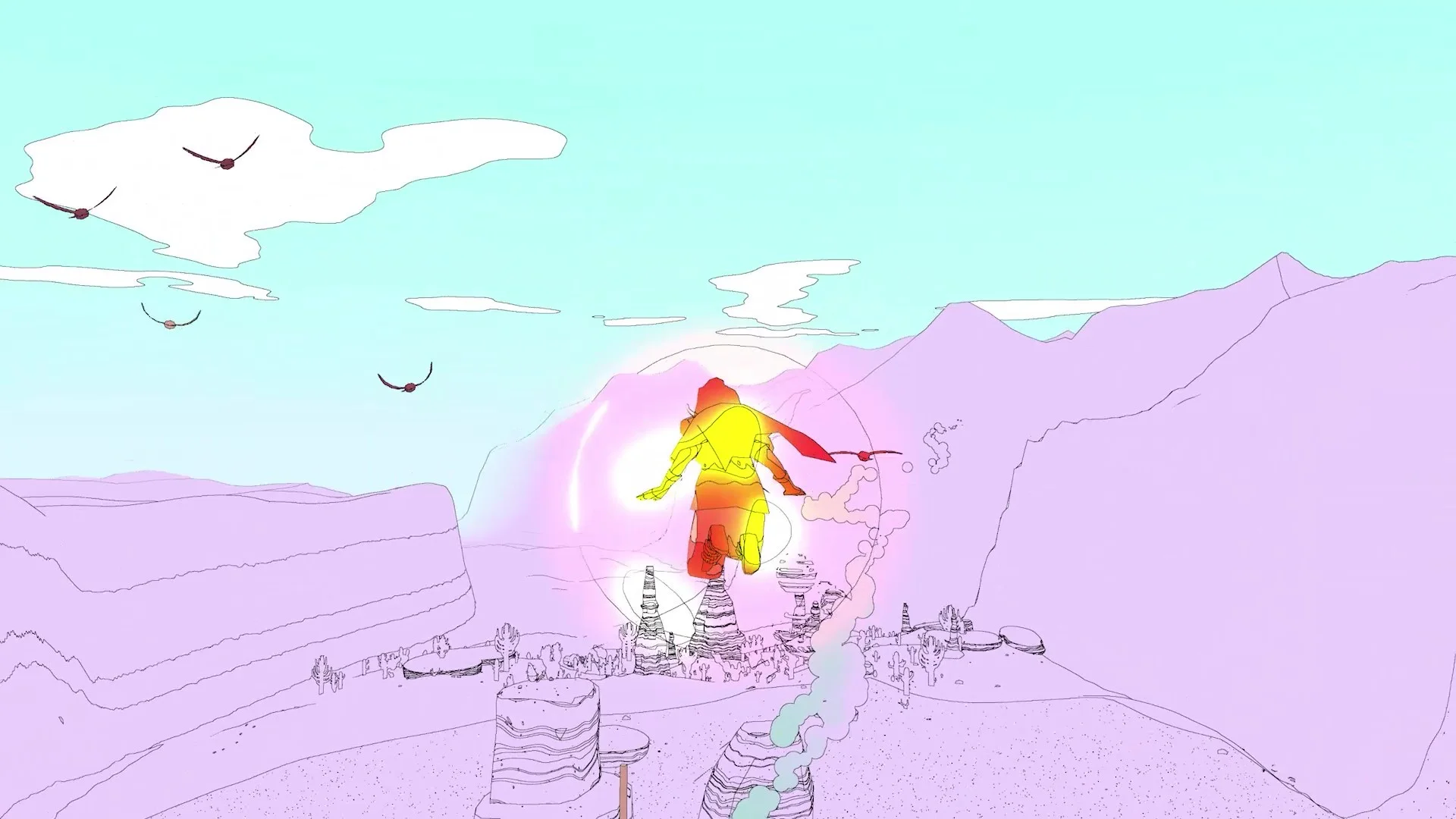
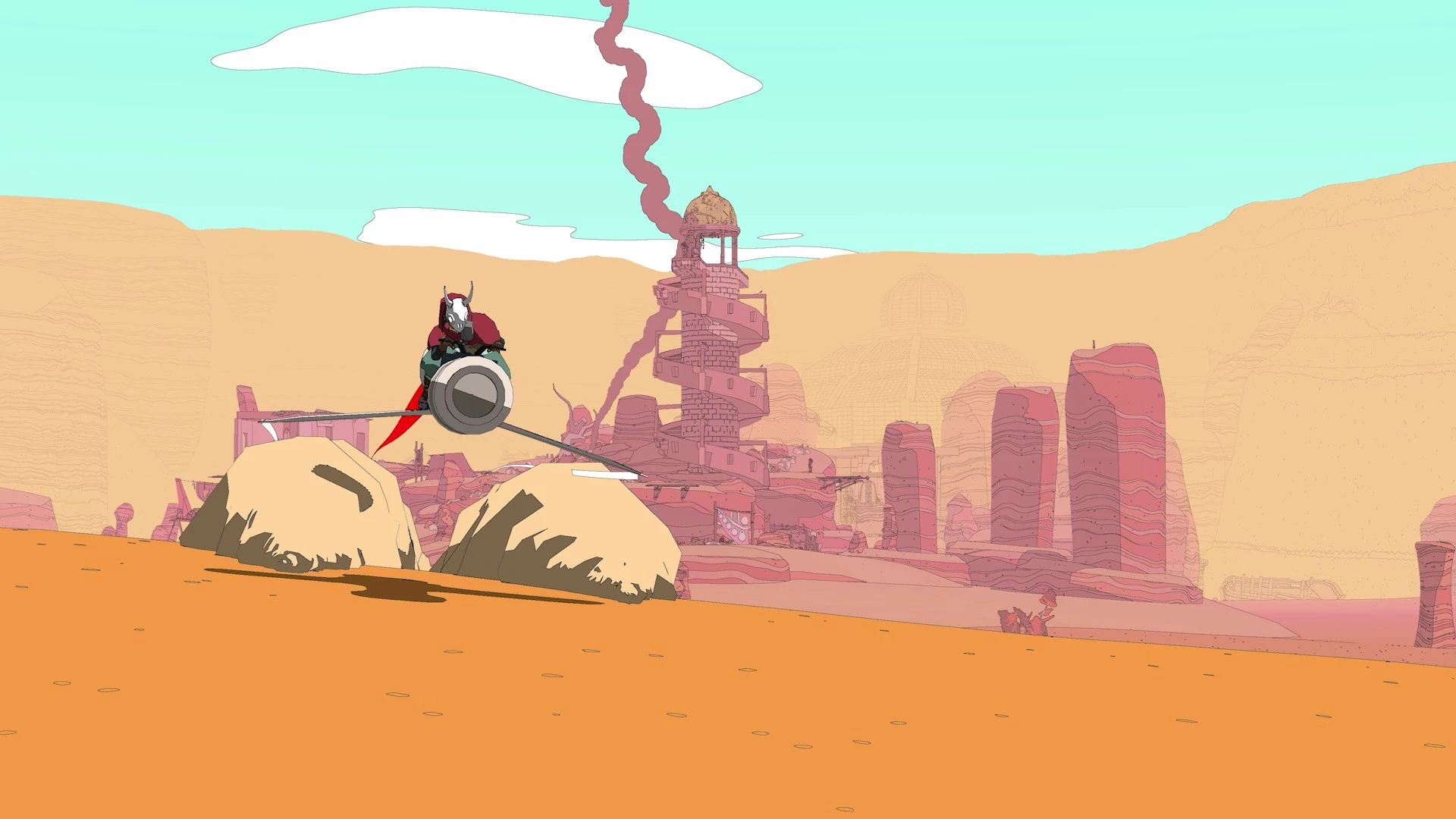
Sable gives you a desert to explore during the Gliding, a journey in which the young traveler leaves her clan and looks for a mask to wear as an adult. Ride a hoverbike, climb ruins, meet residents and decide which places you want to investigate.
There is no combat. After the opening, the world lets you choose locations and quests in the order that interests you. That freedom is useful if you like following a curious landmark, though it also means you are often choosing your own next task instead of waiting for a fixed level sequence.
Masks, clothes and bike parts make Sable the choice here for personal style as well as exploration. Fishing and collecting for the Vivarium give you other activities between trips. Choose it when deciding where to go and what to wear sounds as appealing as solving the next puzzle.
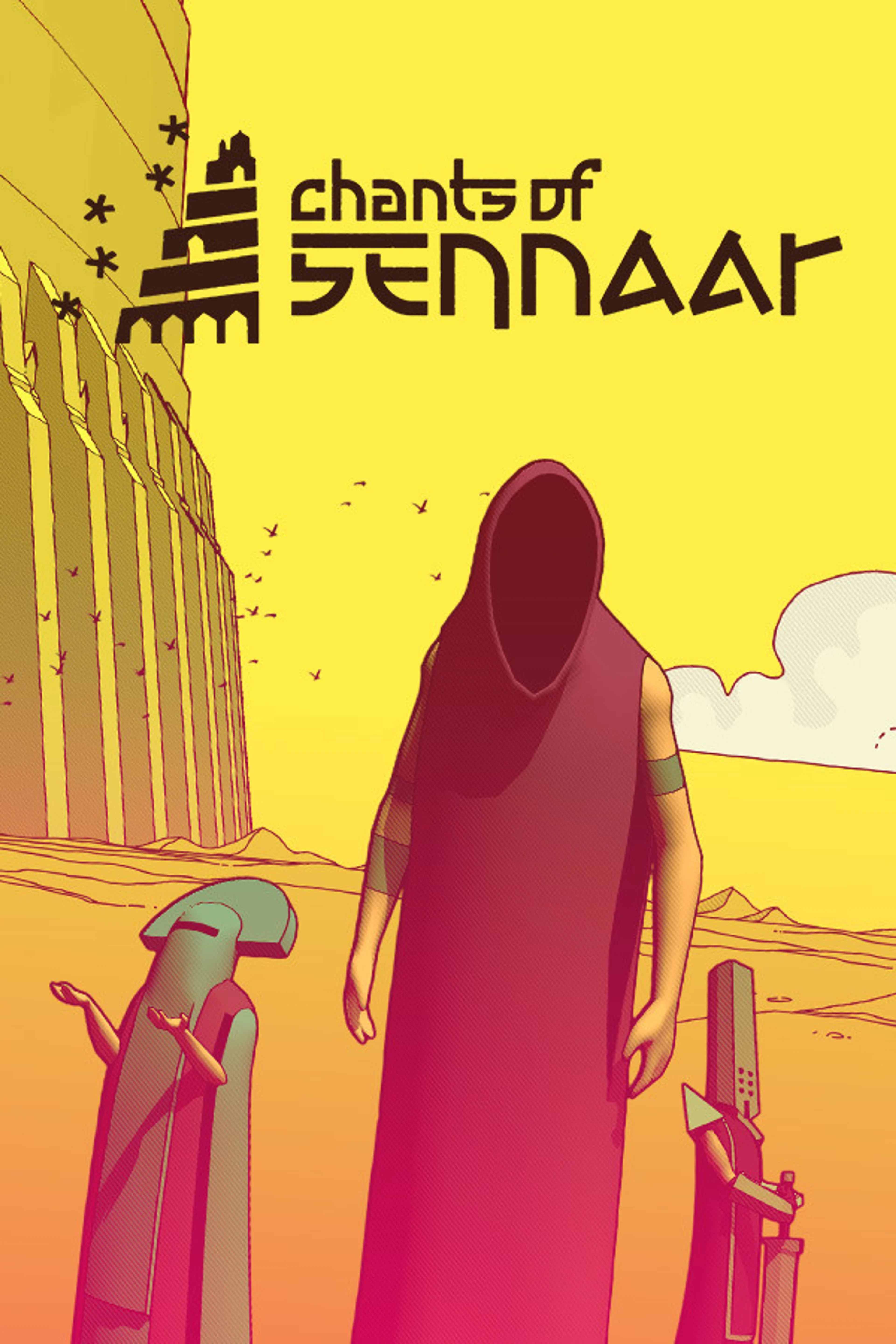
4. Chants of Sennaar — learn what unfamiliar symbols mean
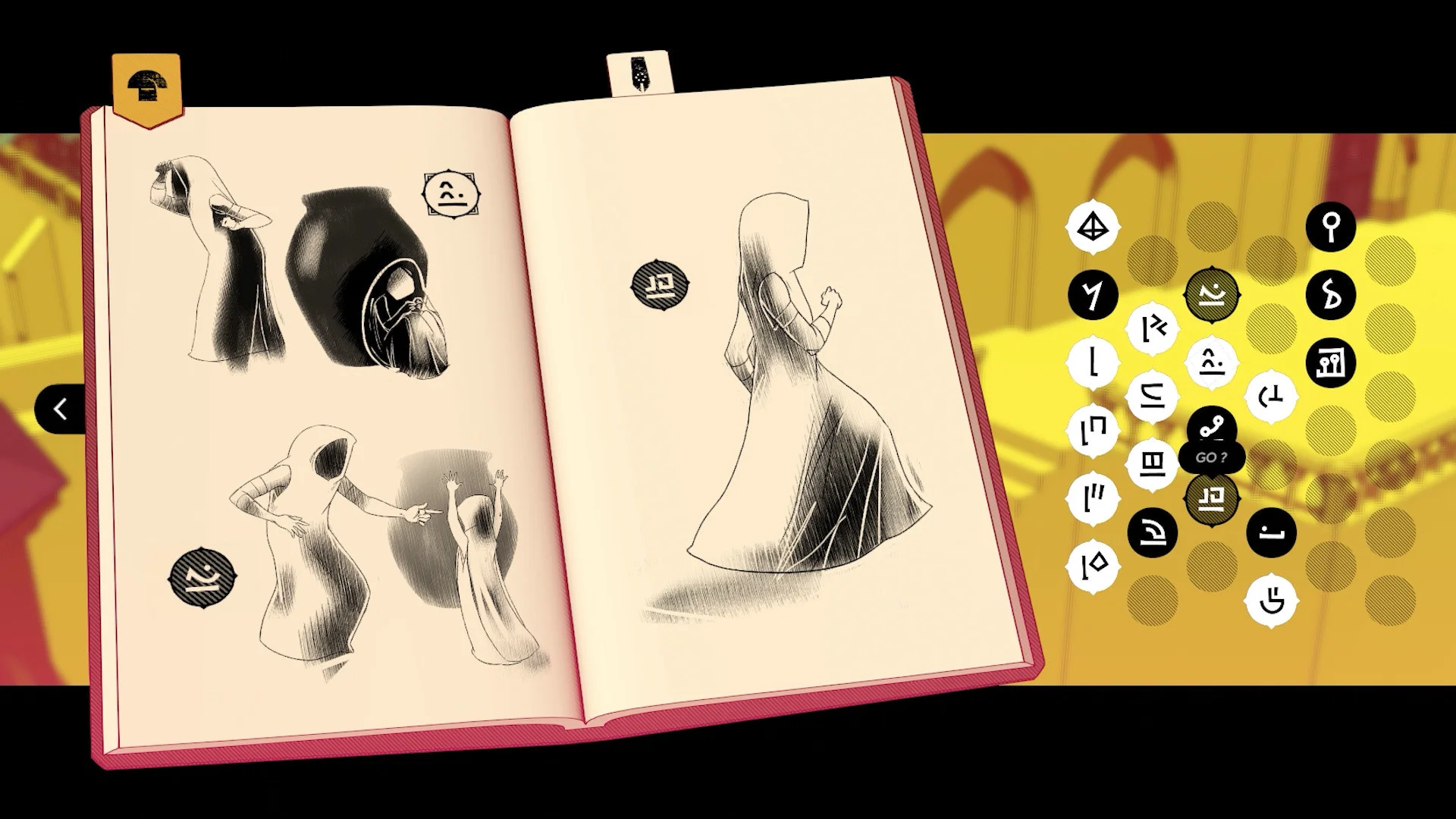
Chants of Sennaar is the choice for players who enjoy comparing clues. Five communities live in a tower but speak different languages. You observe signs, objects and conversations, then use a notebook to work out the meaning of their symbols.
Each new situation can help you understand something you saw earlier. The important activity is learning from context: what someone is doing, what is nearby and where a word appears. This asks for closer attention to language than the mostly wordless journey in GRIS.
Choose it for the pleasure of gradually understanding a place. Some areas involve avoiding guards and traps, so exploration can become tense even without regular battles. The tower’s bright colors are a reason to look closely, rather than a guarantee that every route is safe.
5. Röki — solve object puzzles in a northern fairy tale
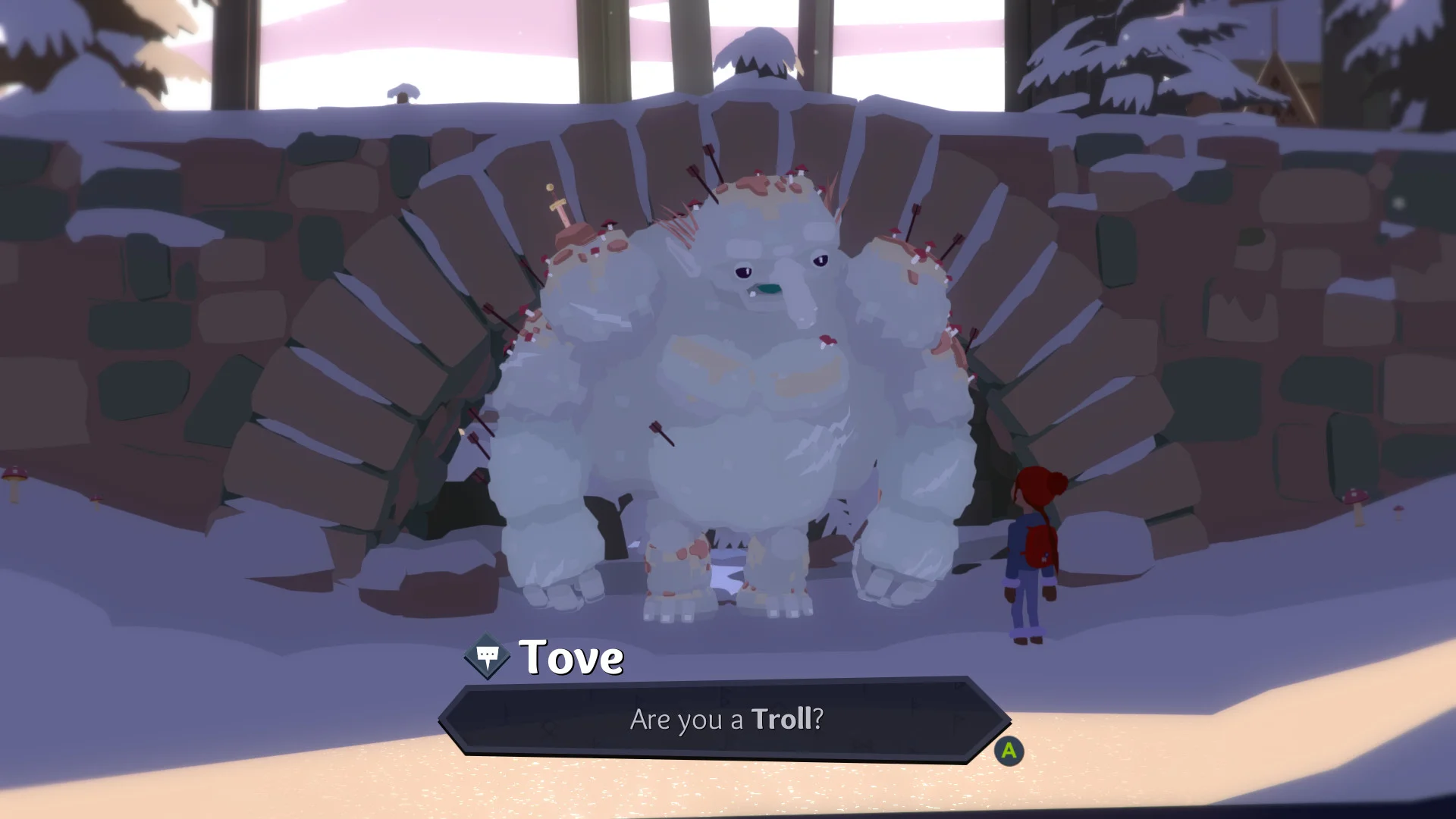
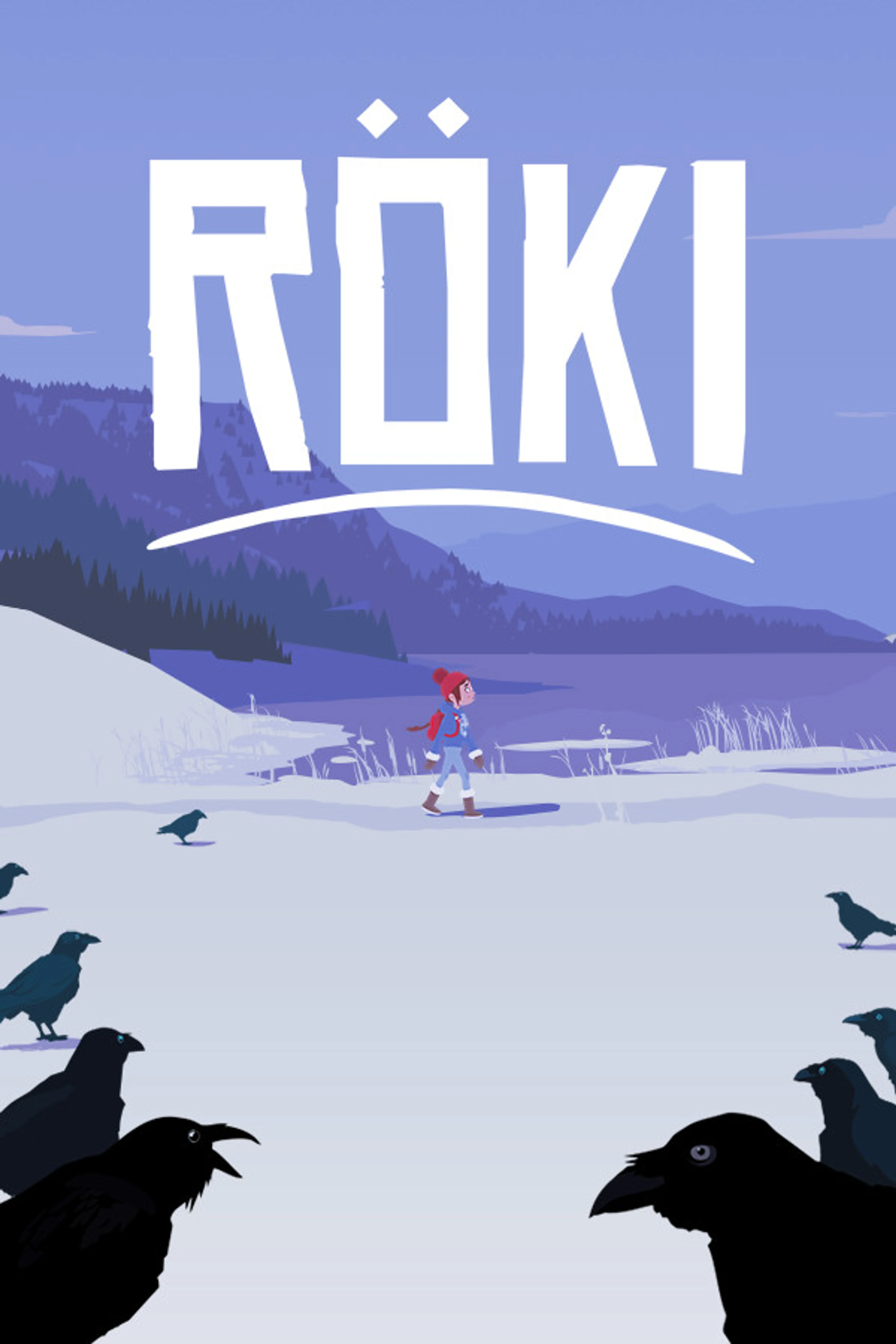
Röki follows Tove as she tries to save her family in a snowy world of Scandinavian folklore. Look for useful objects, explore hidden paths and talk to creatures whose needs can become part of the next puzzle. Her journal records places, folklore and things she collects.
Choose it if you enjoy reading conversations and wondering where an item might be useful. The main challenges are puzzles instead of a routine of weapon fights, but the story includes frightening creatures and brief violent events. A family rescue can feel more urgent than the quiet snow suggests.
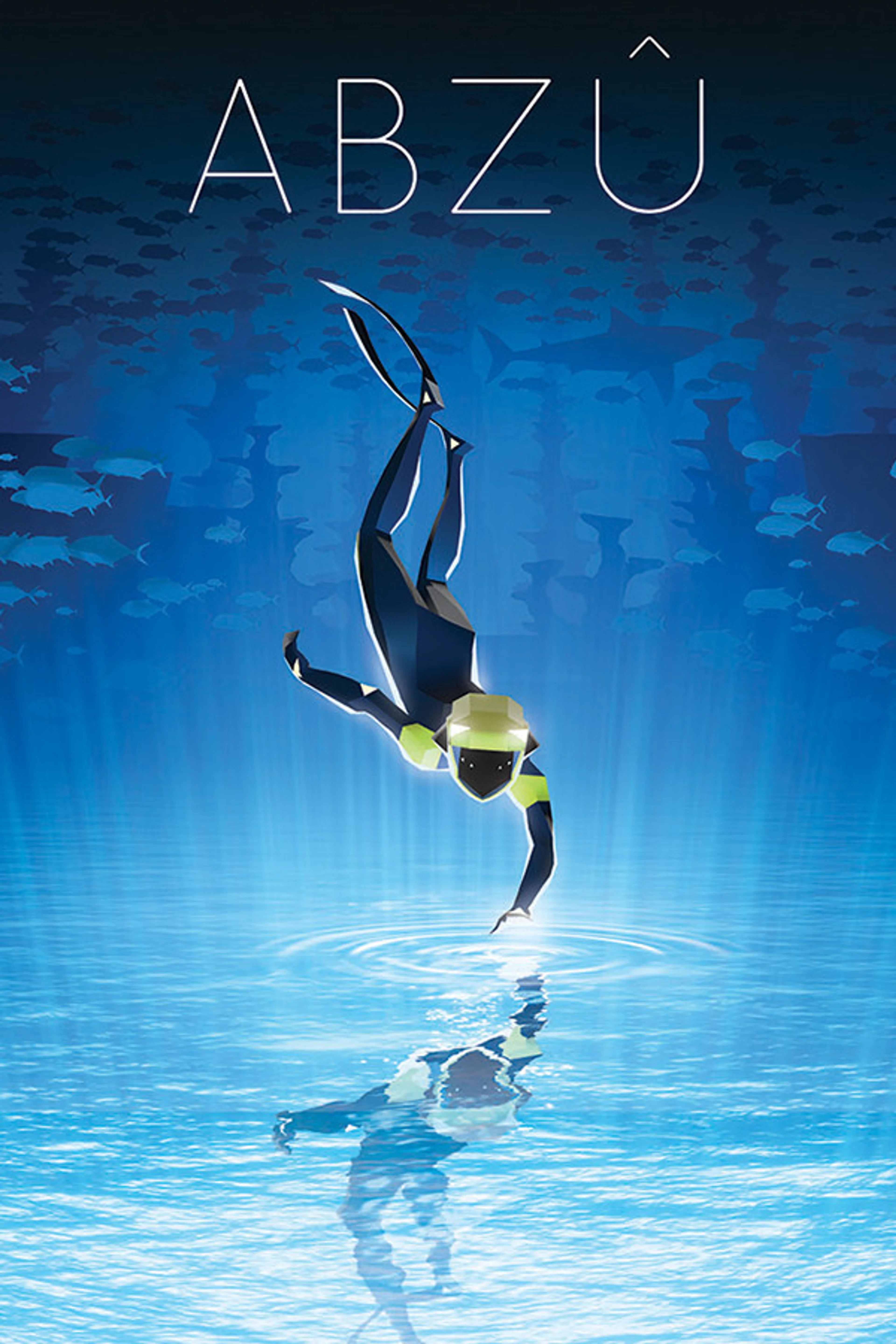
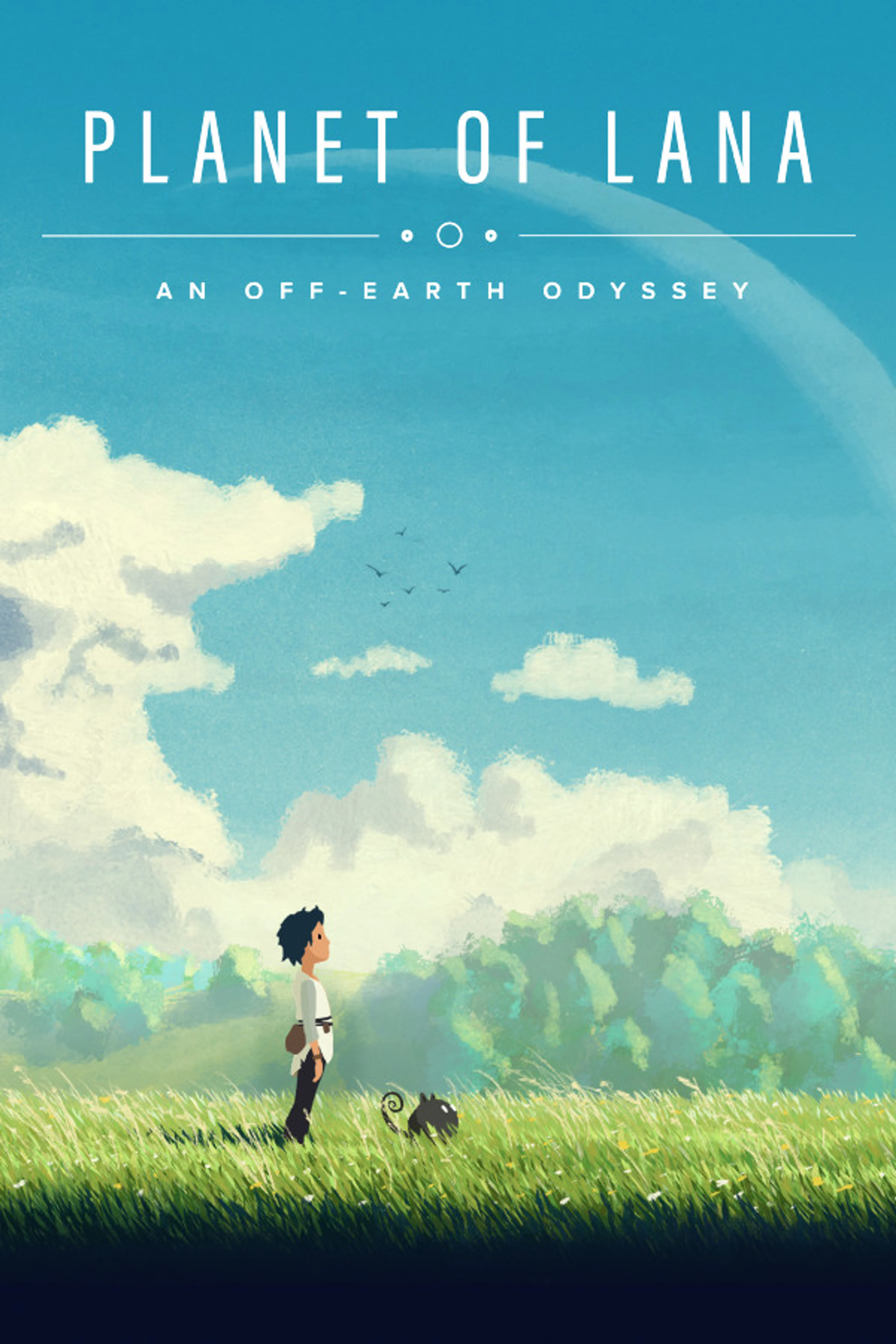
Röki is a good fit when you want a fairy-tale cast alongside the puzzles. If you mainly want to watch sea life and swim through a place, ABZÛ offers a different kind of exploration. For puzzles built around a small animal companion, Planet of Lana has Lana and Mui working together, with dangerous machines and moments that require quick reactions.
Where to start
Start with The Last Campfire if you want characters to help and an option for focusing more on exploration. Pick GRIS for lighter movement and little text, Sable for choosing your own route and looks, Chants of Sennaar for language clues, or Röki for a family story with creatures and object puzzles.