Netflix has spent years putting games inside a service that most people still open to watch something. Its latest results suggest that habit is beginning to move. Monthly active players for Netflix's cloud games have grown 11 times since the company expanded the program in October 2025, according to its second-quarter earnings interview.
The number does not mean Netflix is suddenly competing with PlayStation, Xbox, or Nintendo on audience size. Netflix did not reveal how many people are playing, so the starting point could have been small. It does show that more subscribers are finding the games, returning to them, and trying a setup that turns the television into the screen while a phone becomes the controller.
Netflix Is Measuring a Change in Habit
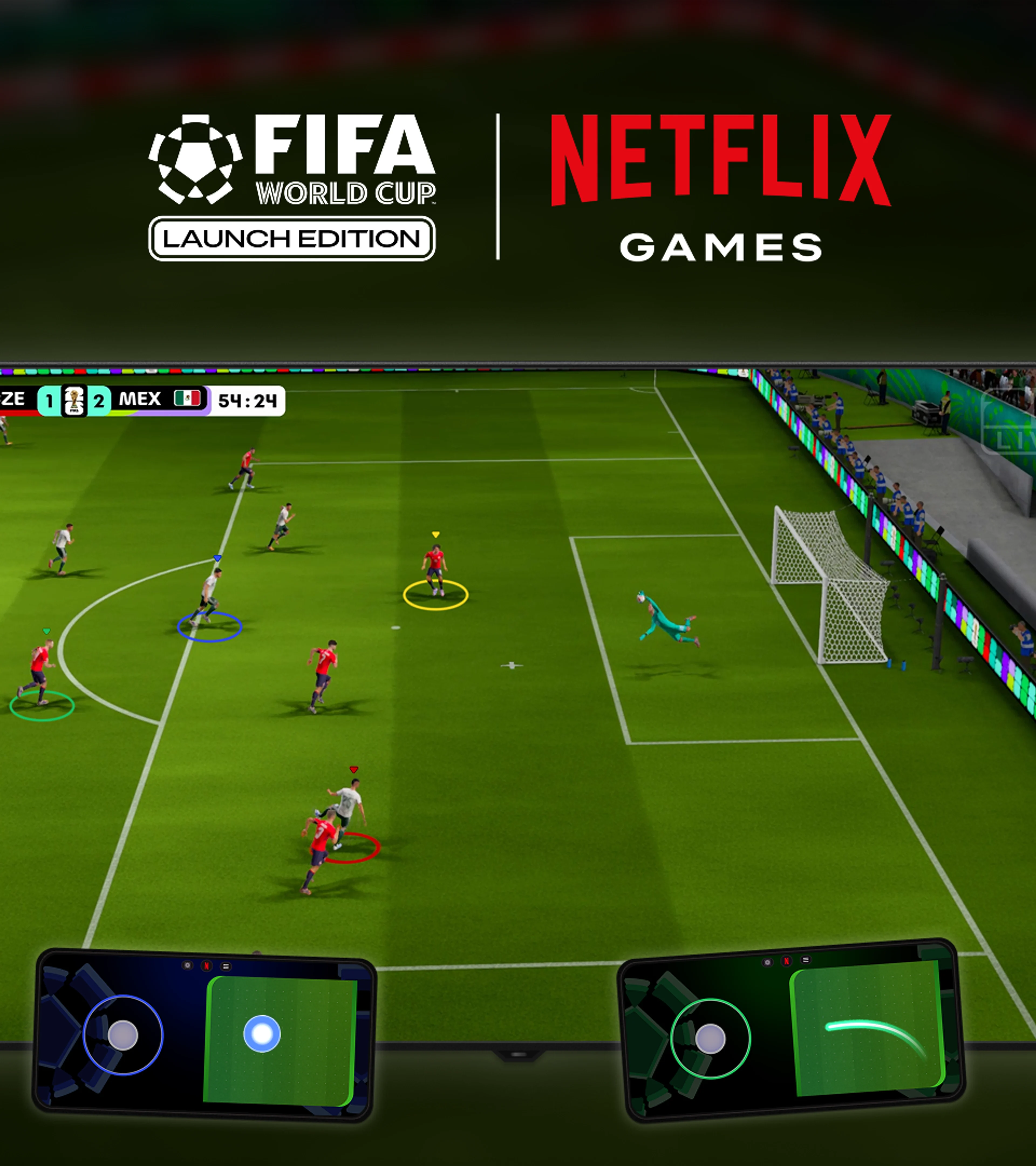
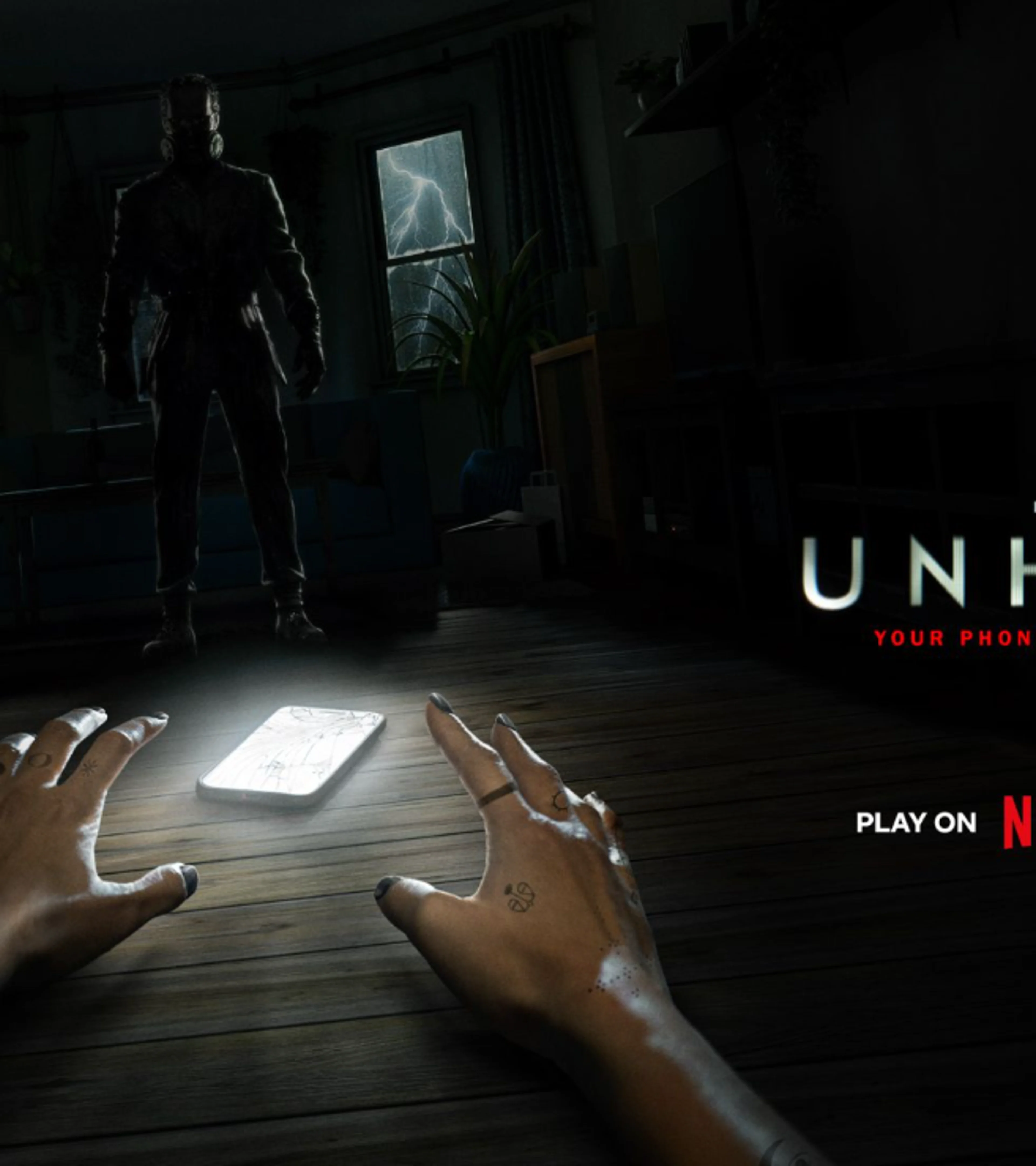
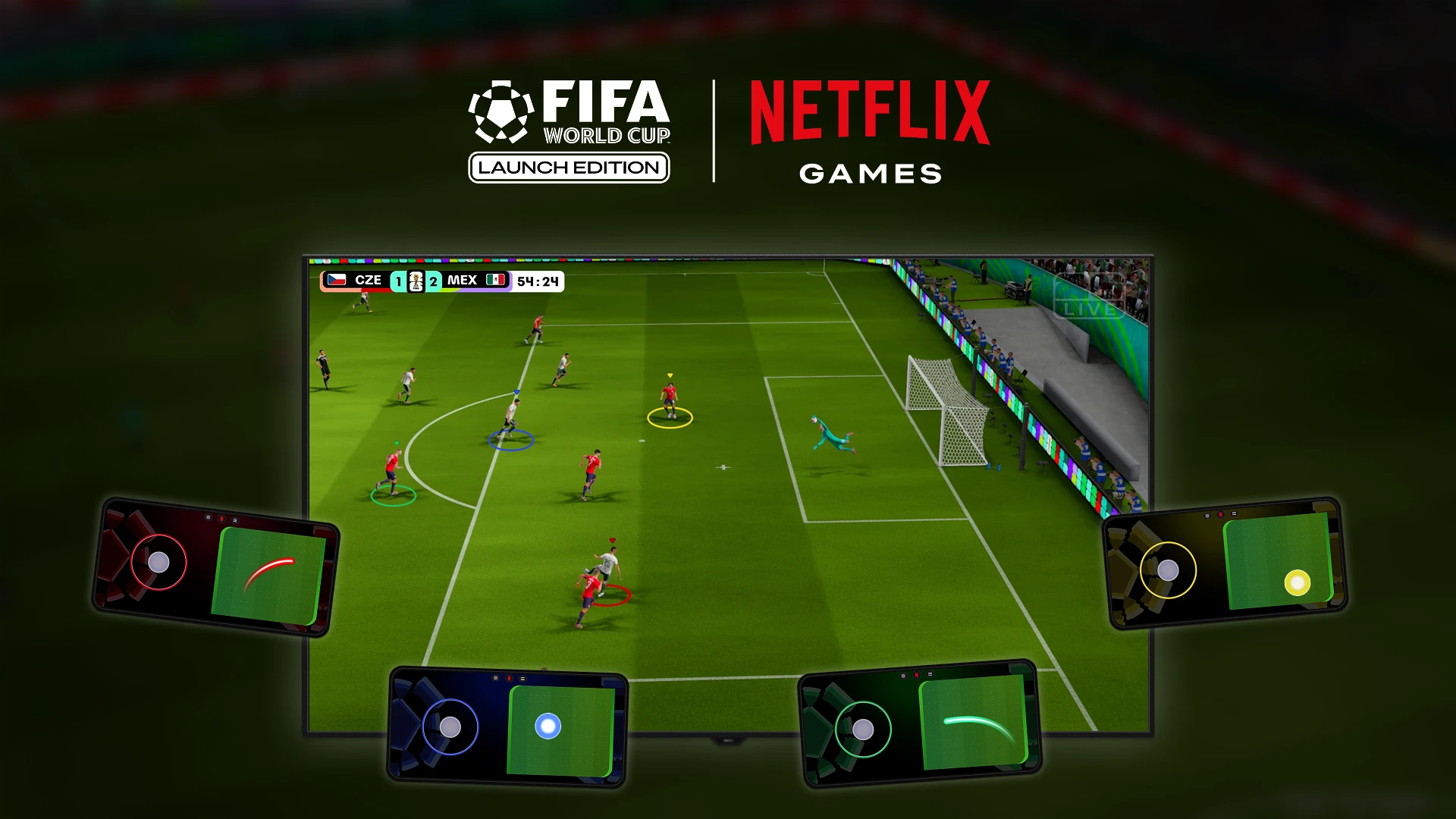
Monthly active players are people who used a cloud game during the month, not copies sold or permanent downloads. Netflix said the cloud rollout is being adopted faster than its earlier mobile-game effort and is showing stronger retention value. FIFA World Cup Launch Edition and the horror game Unhinged produced the company's two most successful cloud-game debuts so far.
FIFA gives the idea an easy living-room use. The game is included with a Netflix membership, supports as many as four local players, and lets everyone join with a phone instead of buying extra controllers. A family or group of friends can start a match on a supported TV with hardware they already own. Netflix says games on TV are currently available in 20 countries, so this experience has not reached every subscriber yet.
Cloud play also removes the download that often stops a casual player before the game begins. The game runs on Netflix's servers and sends the action to the television, much like a video stream. A stable internet connection is still essential, especially for a sports game where a delayed button press is obvious. Netflix is trading storage space and dedicated hardware for a stronger dependence on the connection already carrying its movies and shows.
Advertisement

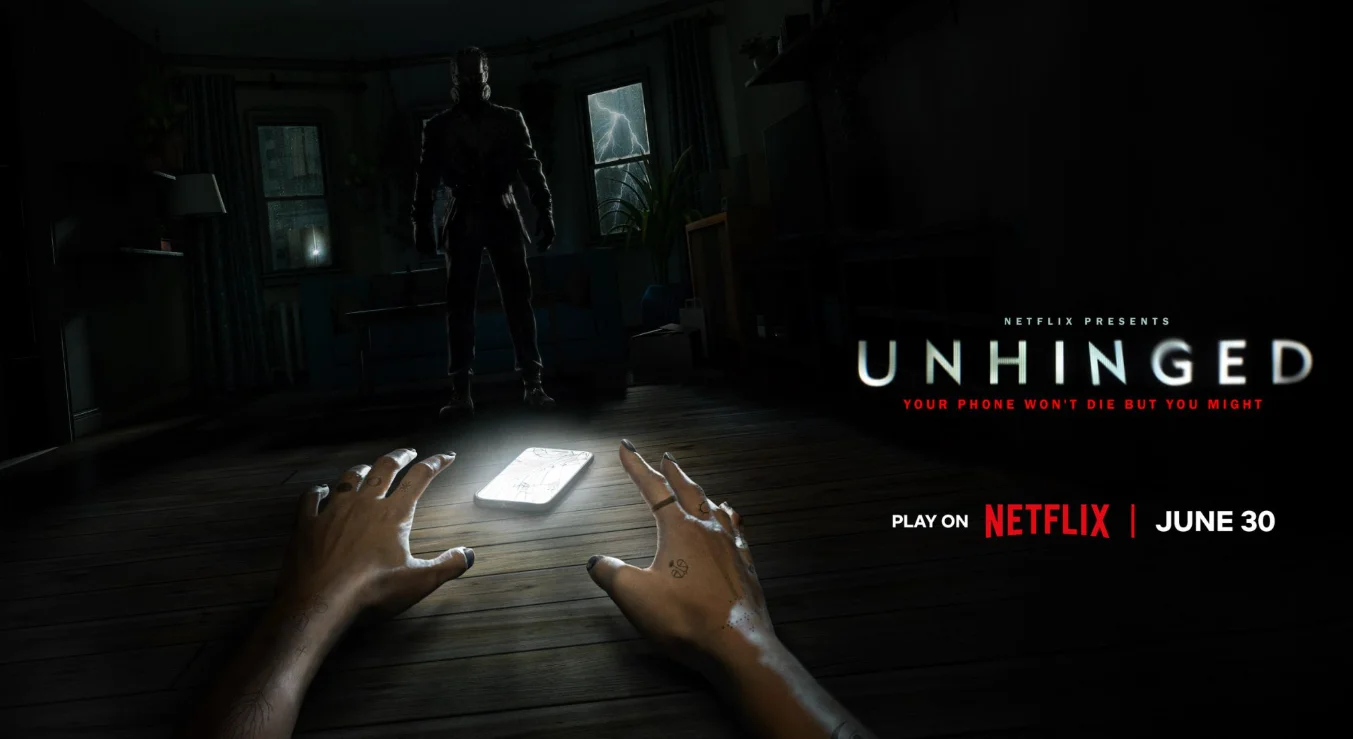
Unhinged goes in the opposite direction. Developed by Night School Studio, it uses the same phone-and-TV setup for a tense horror story. Putting FIFA and Unhinged next to each other gives Netflix two different reasons to test cloud gaming: a familiar sport that works with a group and a narrative game meant for someone who wants to play alone after finishing a show.
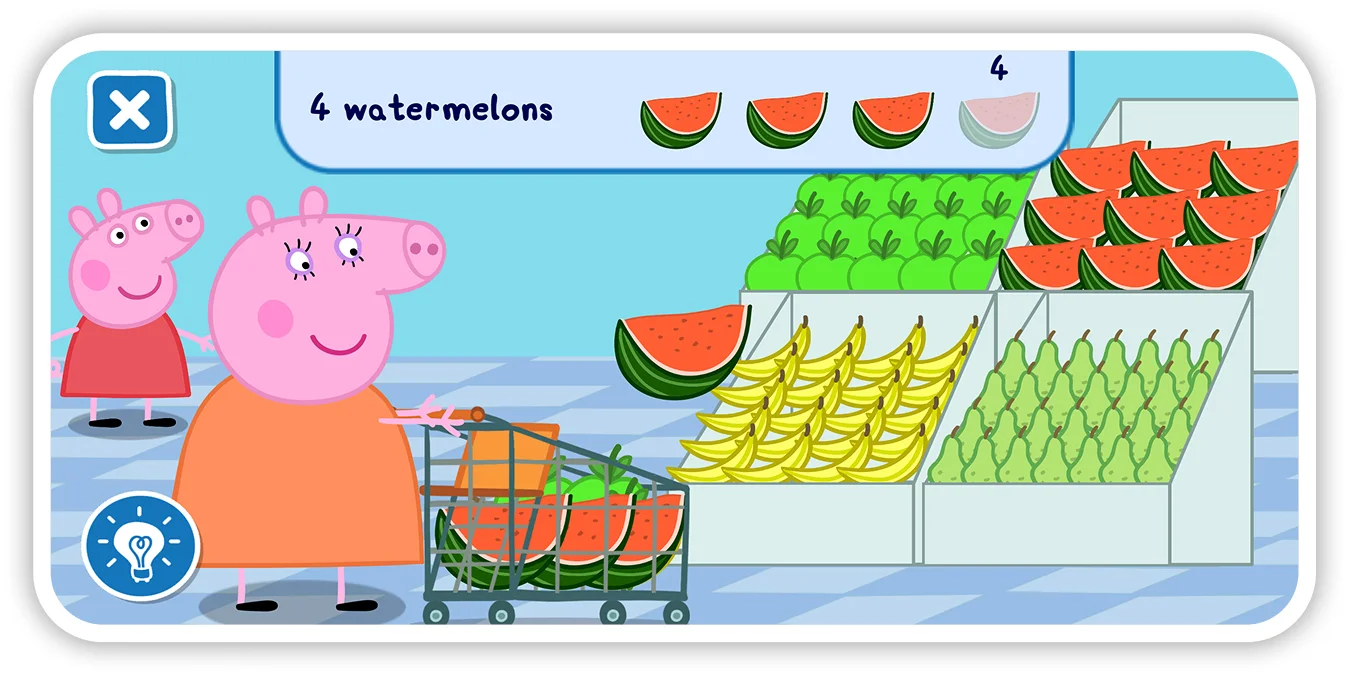
A separate figure has caused some confusing headlines. Netflix said engagement with its kids mobile games rose 600% year over year, helped by the Netflix Playground app for children age eight and under. Daily players in Playground have tripled since launch. The app has no ads or in-app purchases and includes familiar characters from Peppa Pig and Sesame Street. The 600% figure belongs to kids mobile engagement, not the entire Netflix games business and not the 11x cloud result.
Cloud Gaming Is Still a Small Bet
Netflix is being careful about how it describes the investment. Executives said spending on games remains very small compared with the company's film and television budget, and more money will follow only if the results justify it. That approach fits a service that has already changed its gaming strategy several times, closing studios and removing mobile titles while putting more attention on games that can be played through the TV.
Small does not mean invisible to subscribers. A quick football match can fill the gap when nobody wants to choose another episode, while a child can move from Peppa Pig on screen to a Peppa game without leaving the service. Those ordinary moments can build repeat use without asking people to identify as gamers.
The next challenge is visibility. A console player goes to a machine expecting to play. A Netflix subscriber may never scroll into the games row, even when the television supports it. The controller system also has to feel dependable enough that a quick party match does not turn into several minutes of pairing phones and explaining buttons. Convenience is the advantage, but only when starting a game feels as ordinary as pressing play on an episode.
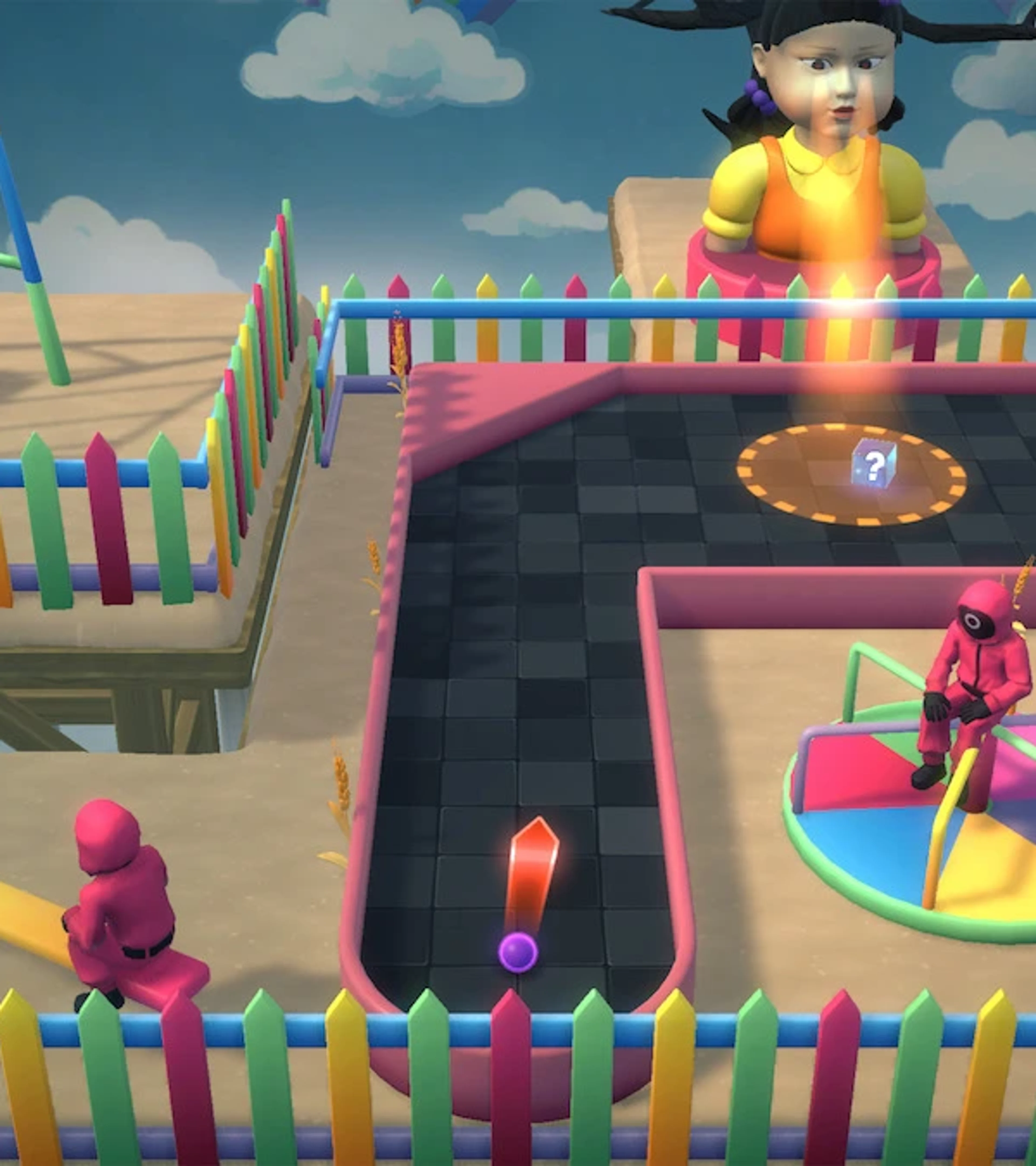
Netflix Minigolf, scheduled for July 28, will be another useful test. It brings Stranger Things, Squid Game, and Bridgerton into a four-player game built for the same shared-screen setup. Those names may persuade subscribers who would ignore an unfamiliar title to try one round. Whether they return after the novelty wears off will tell Netflix more than a large opening-night spike.
An 11x increase says that audience is no longer theoretical. Netflix still has to prove it can turn those first matches into a regular part of what subscribers do after they finish watching.