


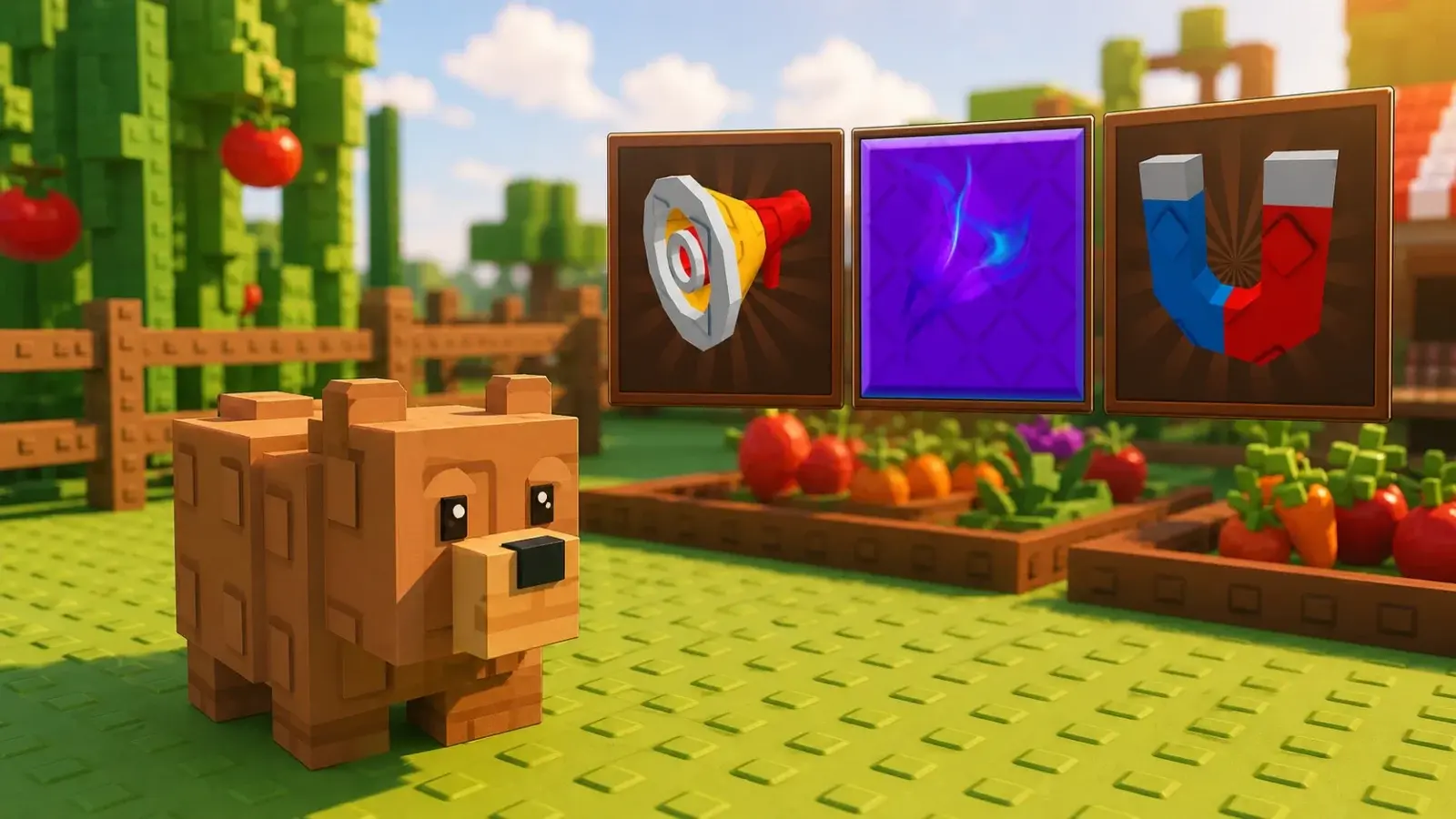

Pets in Grow a Garden 2 are helpers with abilities that work while they are active in your garden. The sequel does not use the original game's permanent Pet Egg Shop. Most ordinary pets appear at timed spots around the shared center area, while eggs are connected to guild rewards and limited reward systems.
A pet is only a good purchase when its ability solves a current problem. Read the live card before paying. Prices, names, effects, and reward pools can change after updates, so current in-game information takes priority over a fixed list.
How Pets and Eggs Work
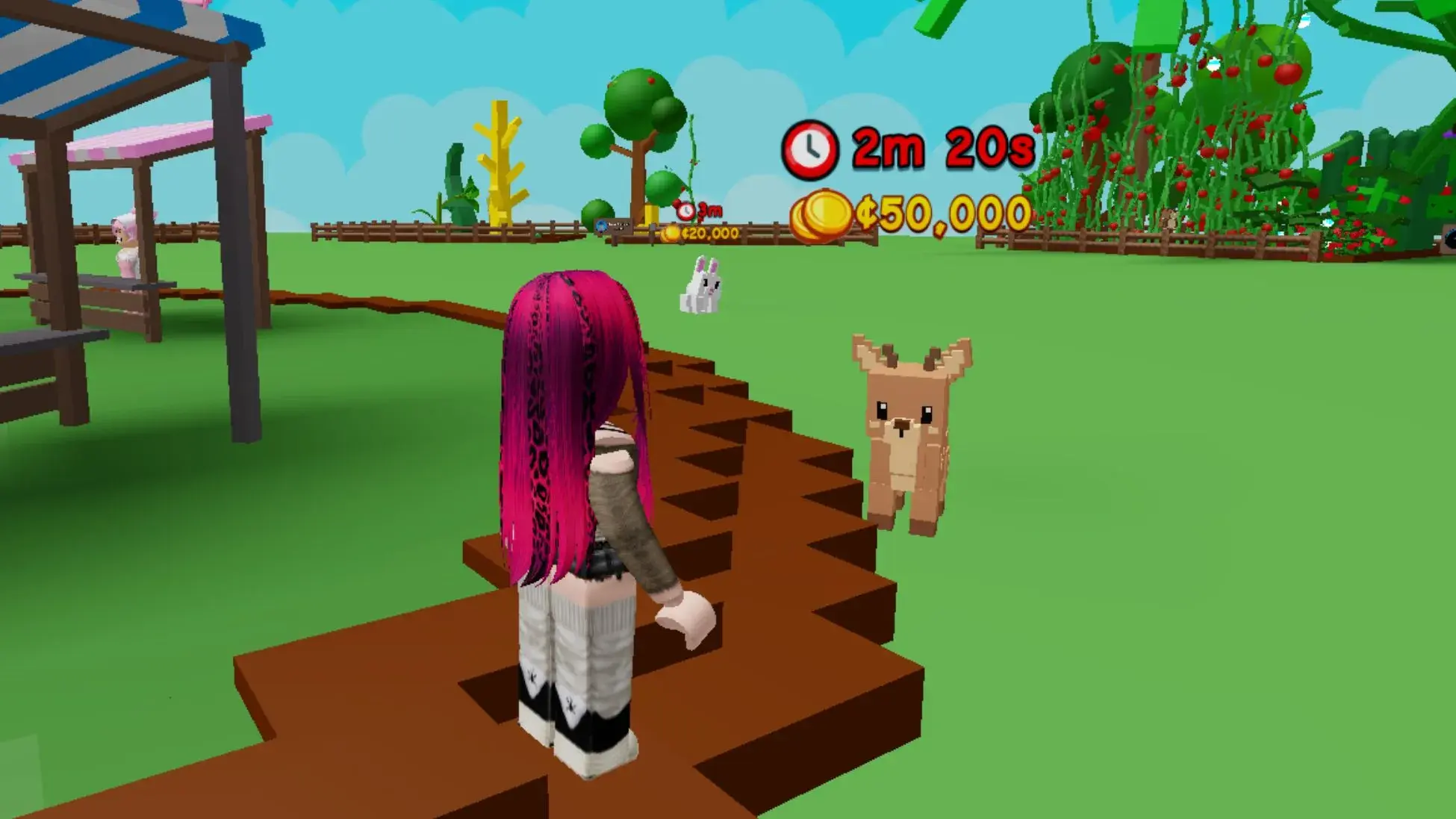
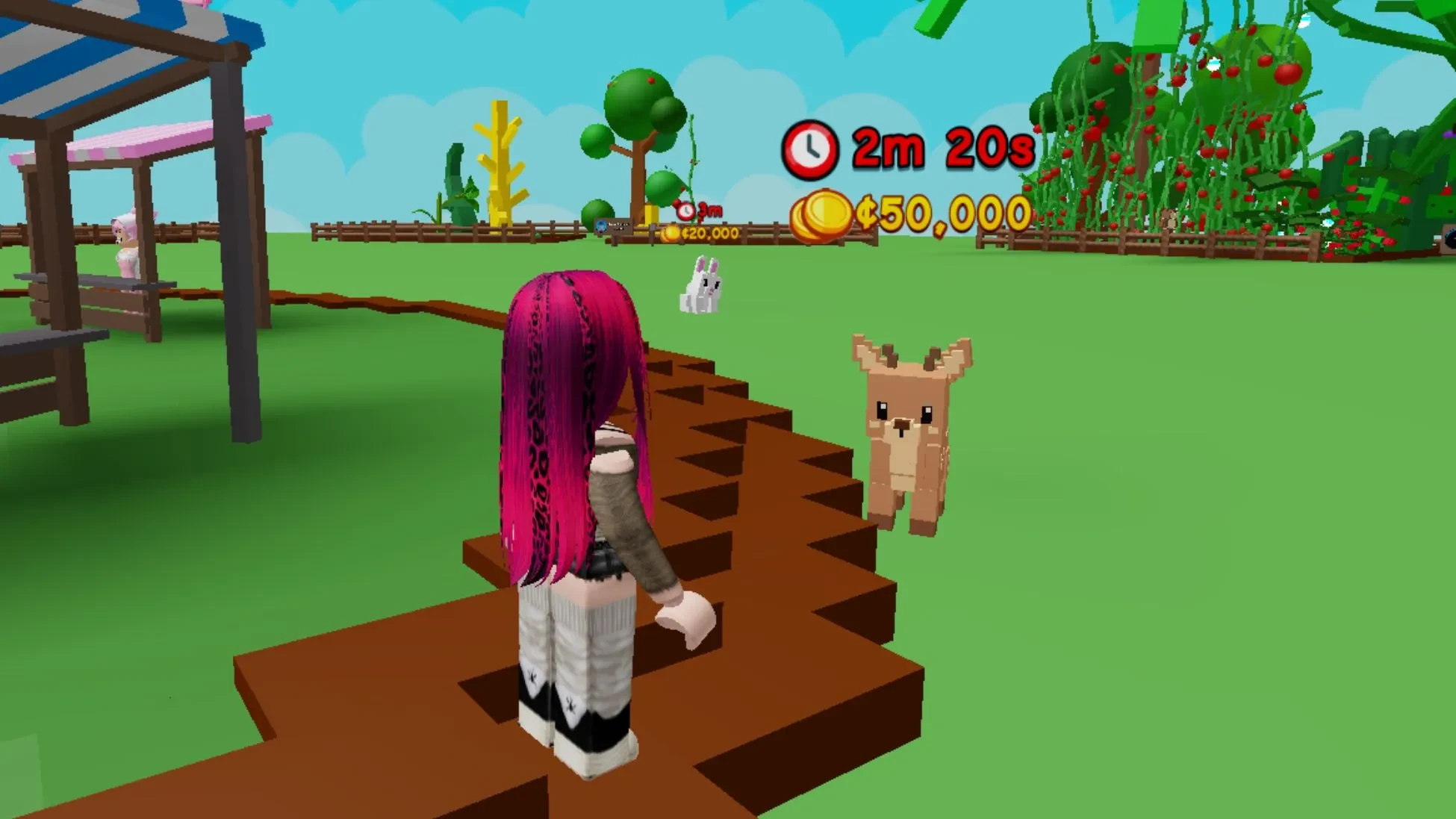
When a pet appears on the map, its display shows a price and a countdown. Interact with it to pay. The pet then travels from the spawn area toward your plot. Current player guides report that another player can pay more and redirect it before it arrives. Watch the pet until it reaches your garden instead of assuming the first payment secured it.
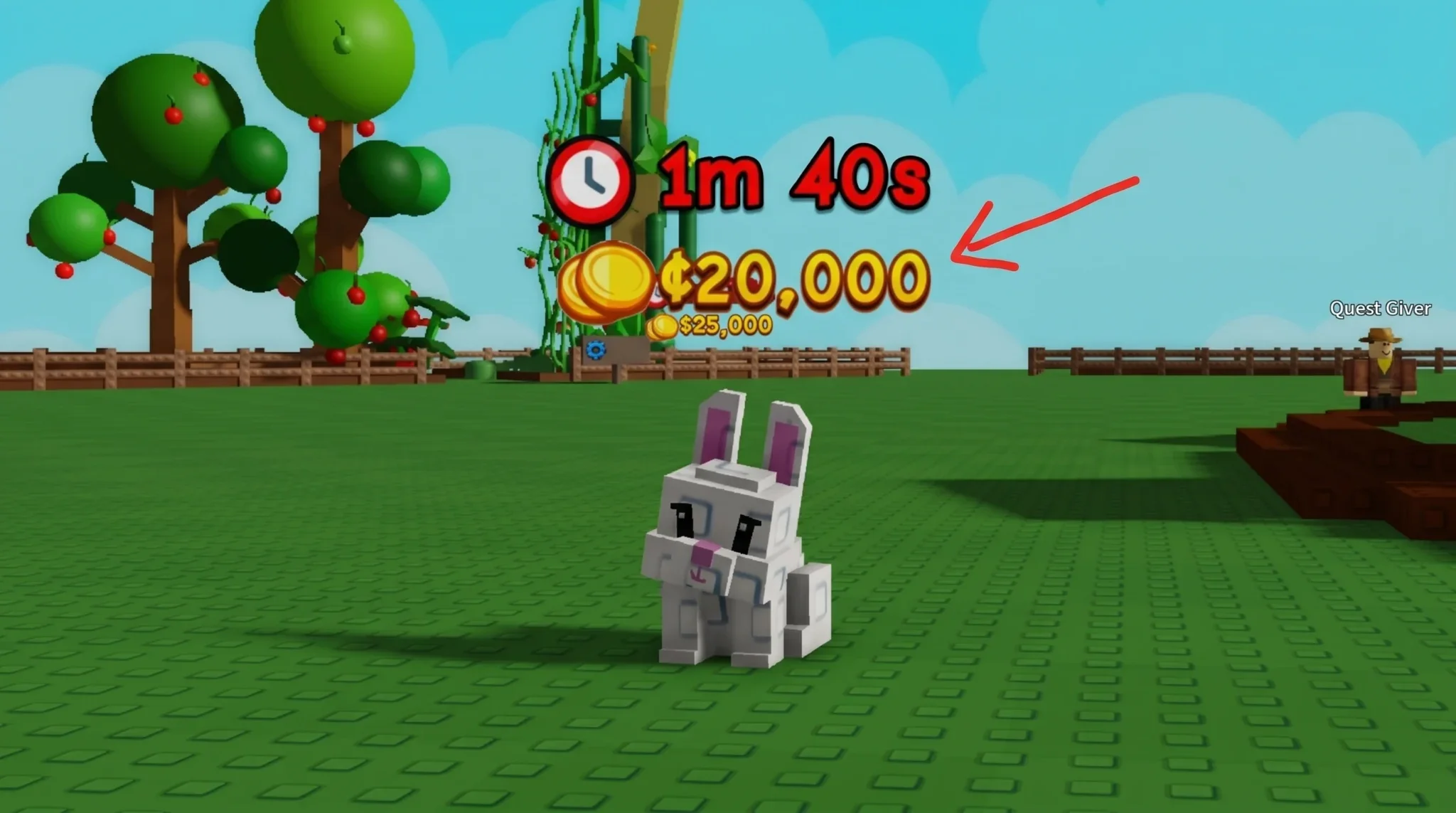
This purchase works differently from a normal shop. Do not spend your full balance on a popular pet unless you can still plant and run the garden afterward. A quiet server can reduce competition, but other players may still be present. Follow how to lock your garden before leaving valuable crops unattended at night.
Eggs are separate from ordinary map spawns. Guild rewards are an established source, and later updates or events may add limited ways to earn them. Place a usable egg in the garden and follow its timer. The possible pets depend on the exact egg, so read the current reward panel instead of using an old odds table.
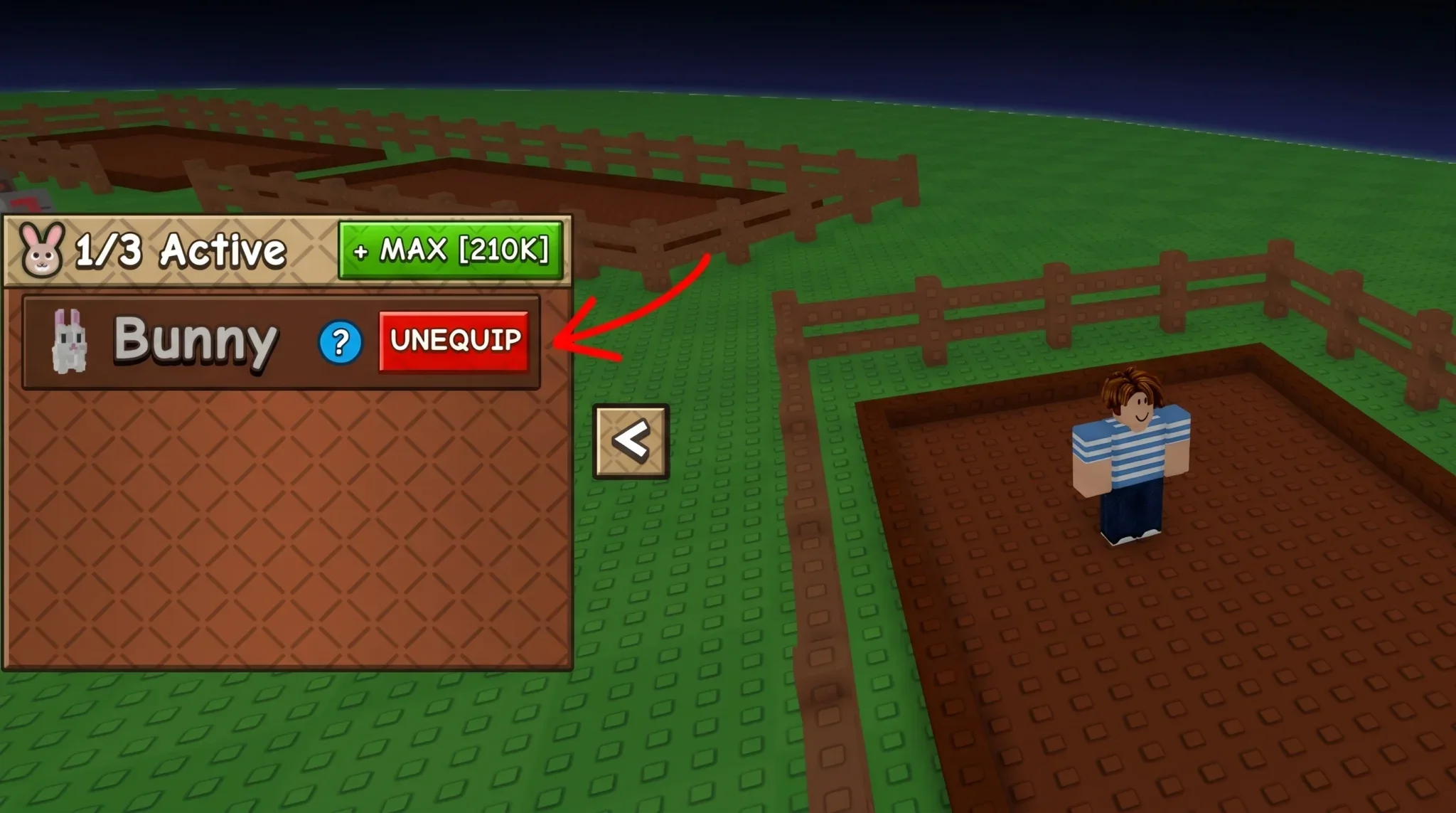
The active-pet panel currently starts with a small number of slots. Additional slots become expensive, and exact costs may change. Fill the slots you already have with pets that perform useful jobs before buying more capacity. An empty slot does not improve growth, storage, collection, or defense.
Compare every pet purchase with the next garden upgrade. If the same money could replant the full plot or buy useful space, decide which option fixes the current problem first. A growth bonus has limited value when several tiles are empty, and extra storage is unnecessary when the backpack rarely fills.
Which Pets Help Most Early
Current community guides describe Deer as a general growth pet. That makes it a practical early choice when the plot stays full, because the job supports the normal farming loop without requiring a special event. Confirm the current ability card before buying it, especially after a balance update.
Bunny is a movement choice, while Frog supports jumping. These pets help with travel and controls rather than directly increasing every crop sale. Buy one when moving between the Seed Shop, garden, and sell point feels slow. Do not choose it only because it is the first pet you see.
Owl is commonly described as a night-visibility pet, and current guides also connect its sound with rare pet activity. The second part of that ability has been summarized differently by different pages. Treat the text shown in your server as the final answer.
Turtle is described as a storage option with a movement tradeoff. It helps when the backpack regularly fills before you can sell. Robin is associated with collecting ripe fruit and sometimes providing seeds, but reports about its collection behavior are not fully consistent. Watch it work before trusting it with a valuable harvest.
Later pets support jobs such as garden defense, fruit collection, mutation chances, or stealing. Those jobs can be useful, but an expensive pet will not fix an empty plot. Build the income needed for later choices with the best crops and money-making guide.
Use different jobs across the active slots. A growth pet, a movement or storage pet, and a collection or defense pet give broader help than several copies of the same basic bonus. Active players may value speed and collection. Players who leave crops growing may prefer growth and defense.
After changing the lineup, watch one normal planting and selling cycle. Check whether each ability activates during the way you actually play. If a pet only helps in a situation you rarely reach, replace it with one that supports a regular task instead of judging the choice by price or rarity.
Do not spend Robux just to force an uncertain pet or egg result. Use free resources first, including seed or watering rewards from the current codes page. Let a guild egg hatch before paying heavily for another pet with the same job.
Mutation-focused pets become more useful after you own crops worth improving. Check the mutations guide before paying for a pet tied to Gold, Rainbow, or another special result. The complete guide hub covers guilds, auctions, stealing, and the other systems connected to later pet choices.