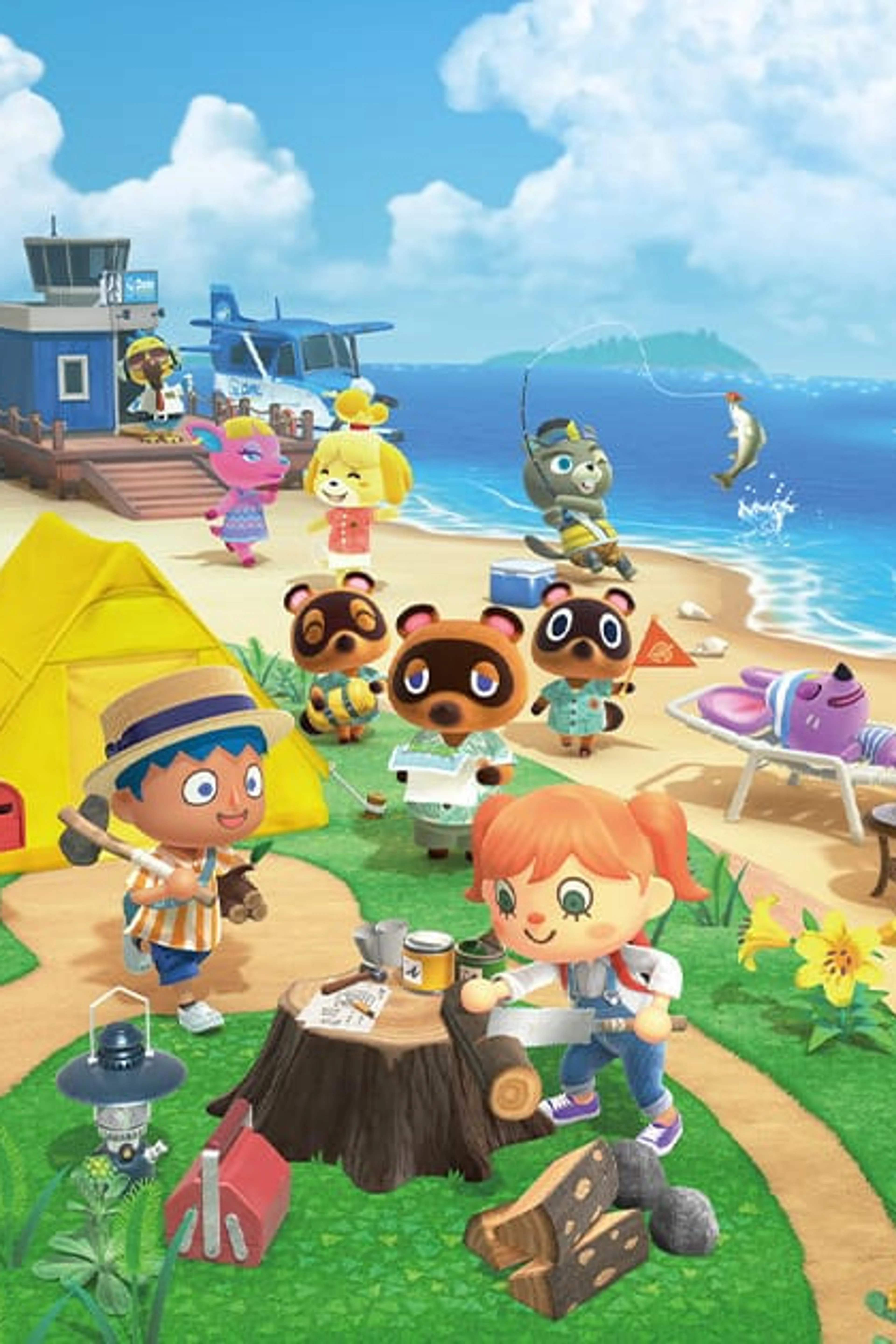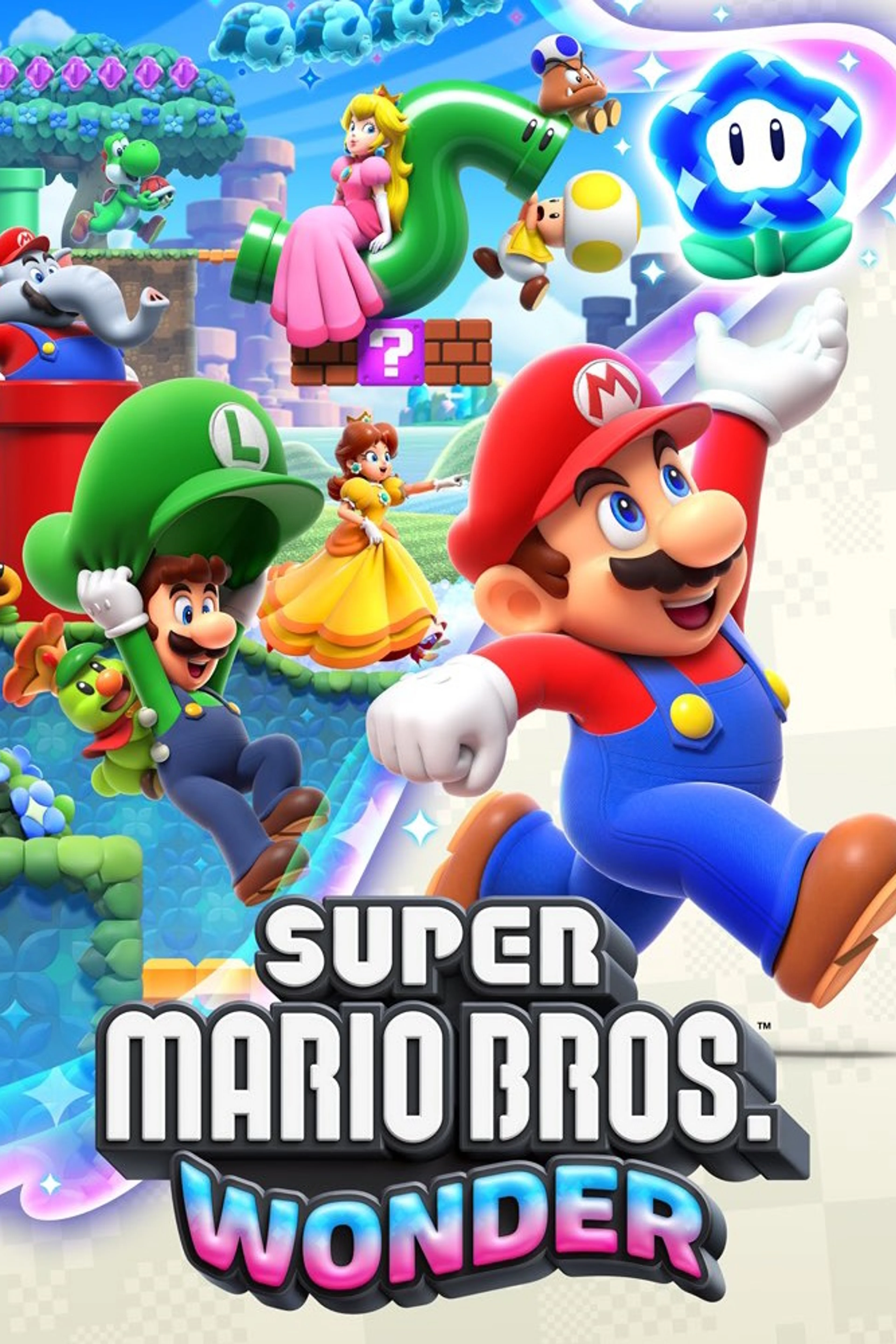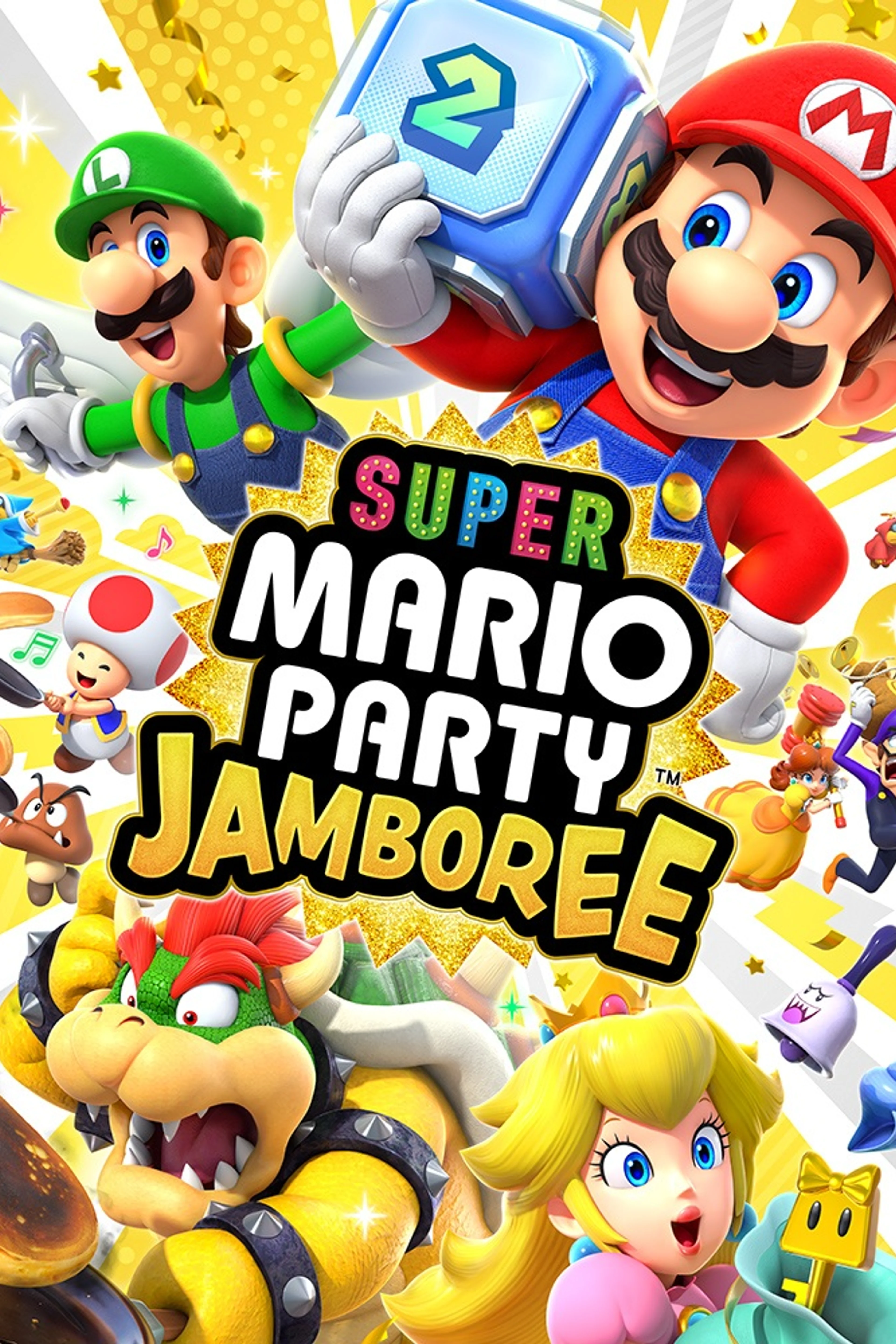
The easiest starting point is Animal Crossing if your child likes decorating and does not want a timer. Choose Super Mario Bros. Wonder for jumping together, or Super Mario Party Jamboree for short competitive games. Kirby and Pikmin 4 are in this list for 10-year-olds only: both have an ESRB E10+ rating. These are age suggestions for how the games play, not a replacement for a parent’s decision.
Quick picks by age and play style
- Age 7 and up: Animal Crossing: New Horizons — island life, reading help may be useful.
- Age 7 and up: Super Mario Bros. Wonder — jump through levels; Yoshi or Nabbit makes enemy hits easier.
- Age 8 and up: Super Mario Party Jamboree — local minigames, wins and losses.
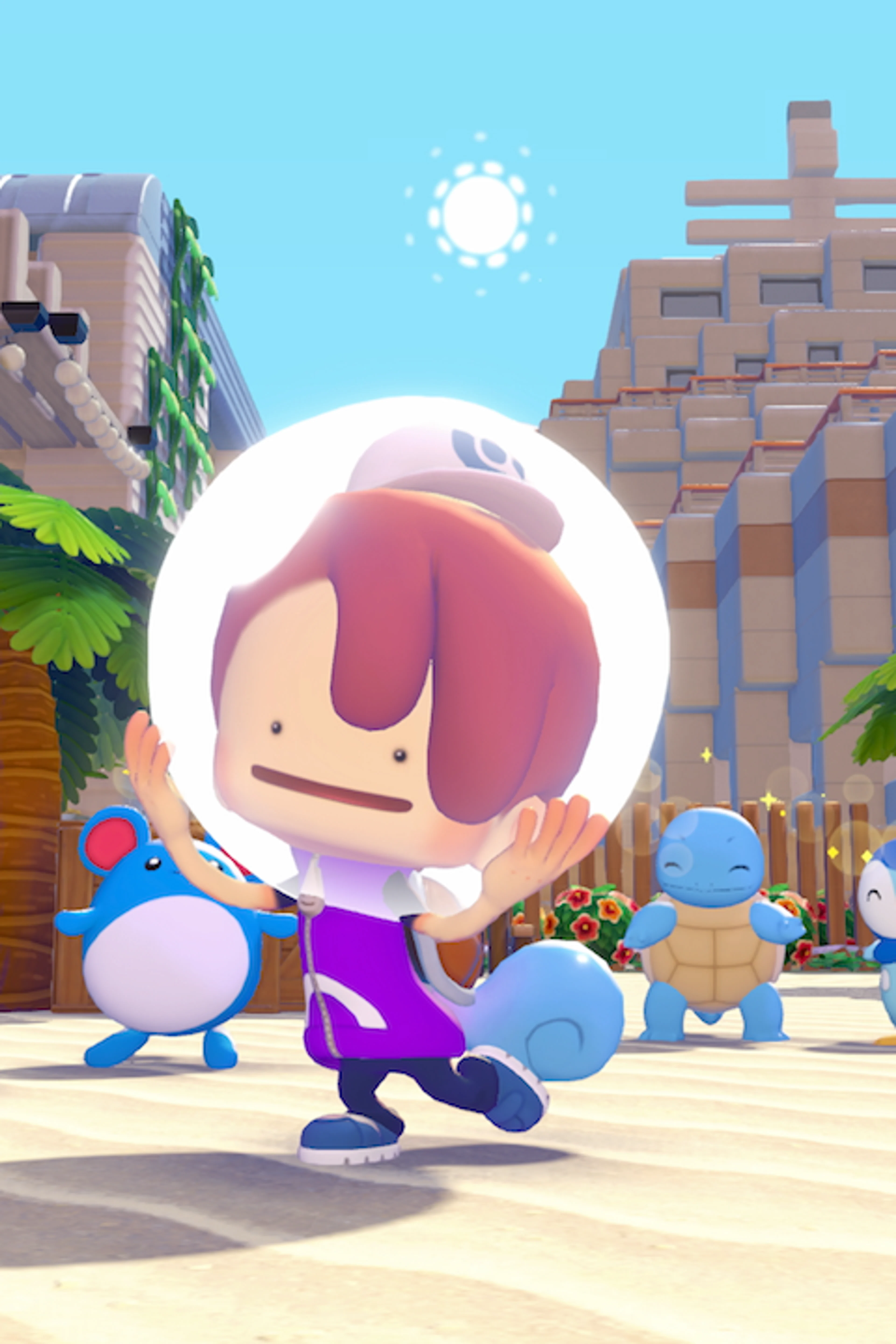
- Age 8 and up, Switch 2 only: Pokémon Pokopia — build habitats and help Pokémon.
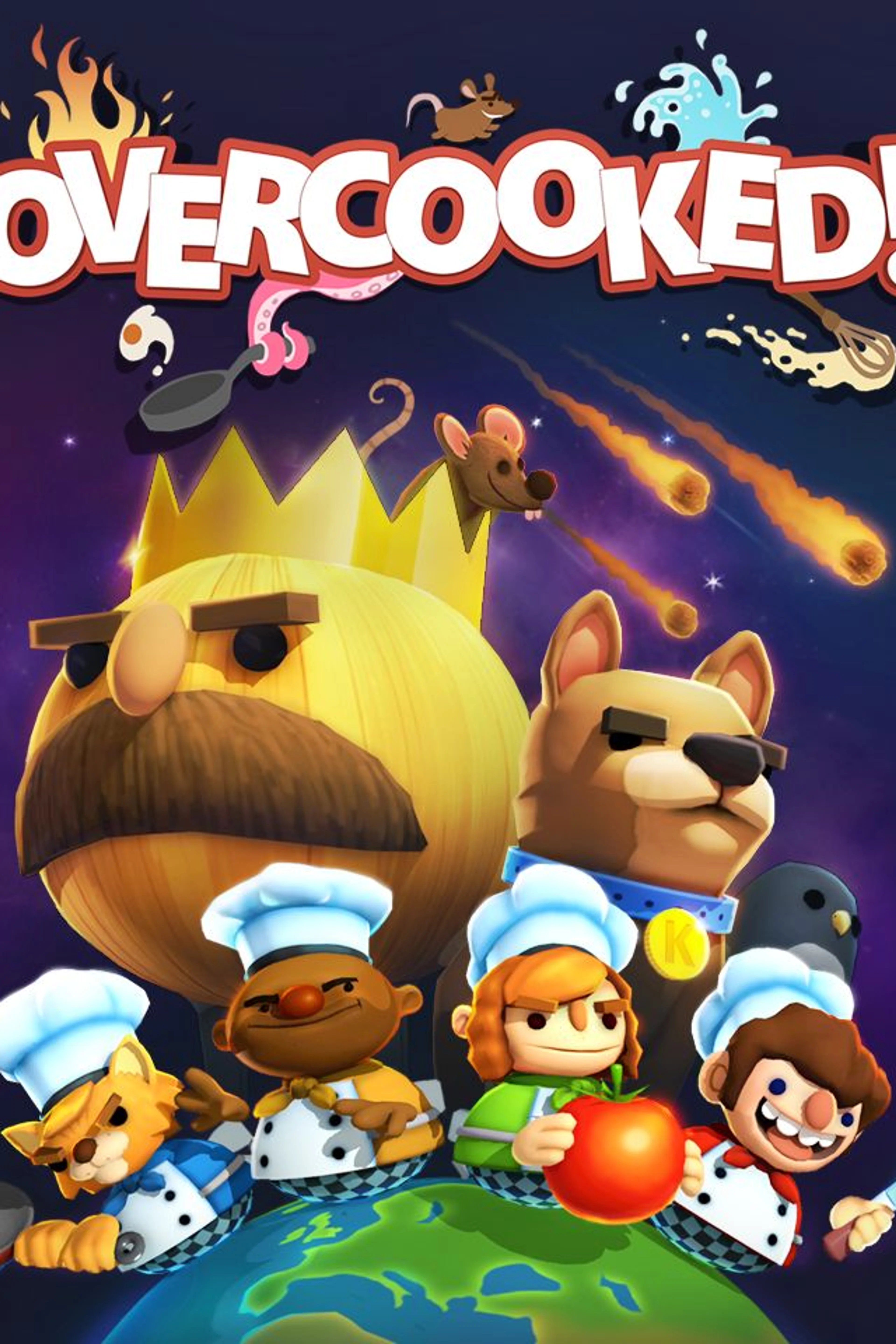
- Age 9 and up: Overcooked Special Edition — cook together against a timer.
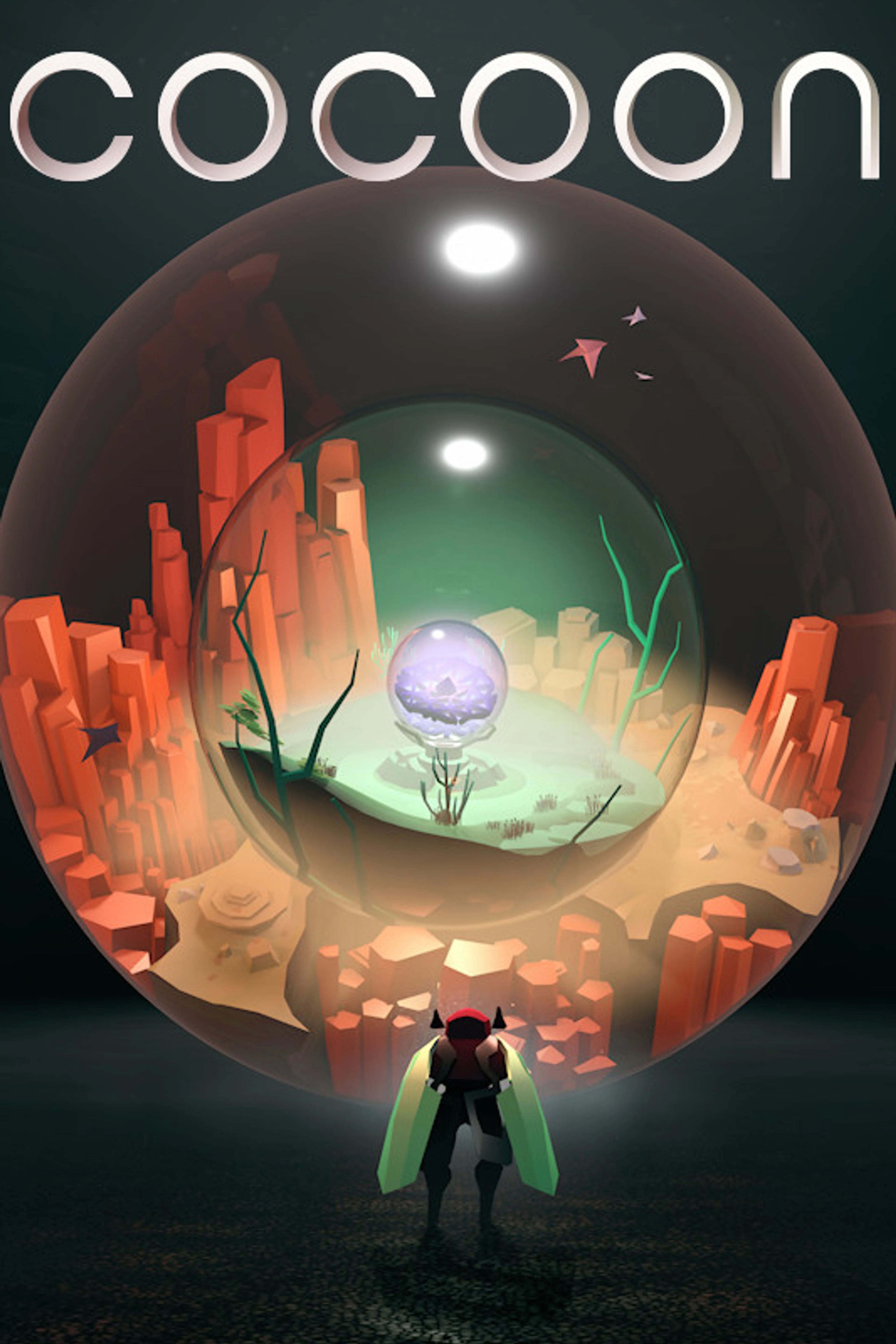
- Age 10 and up: Cocoon — quiet exploration with hard puzzles and some guardian battles.
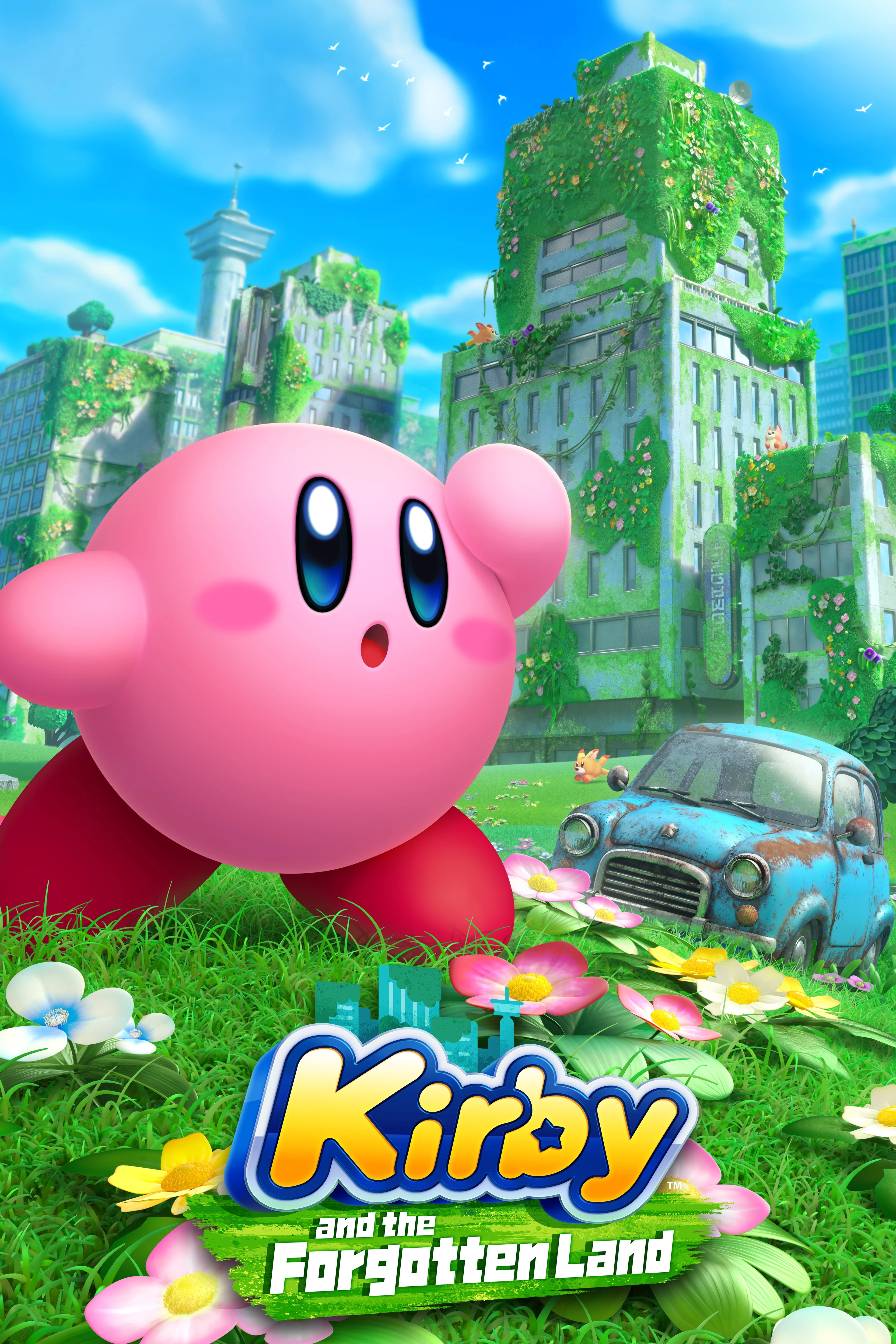
- Age 10 only in this range: Kirby and the Forgotten Land — 3D action and cartoon battles; ESRB E10+.
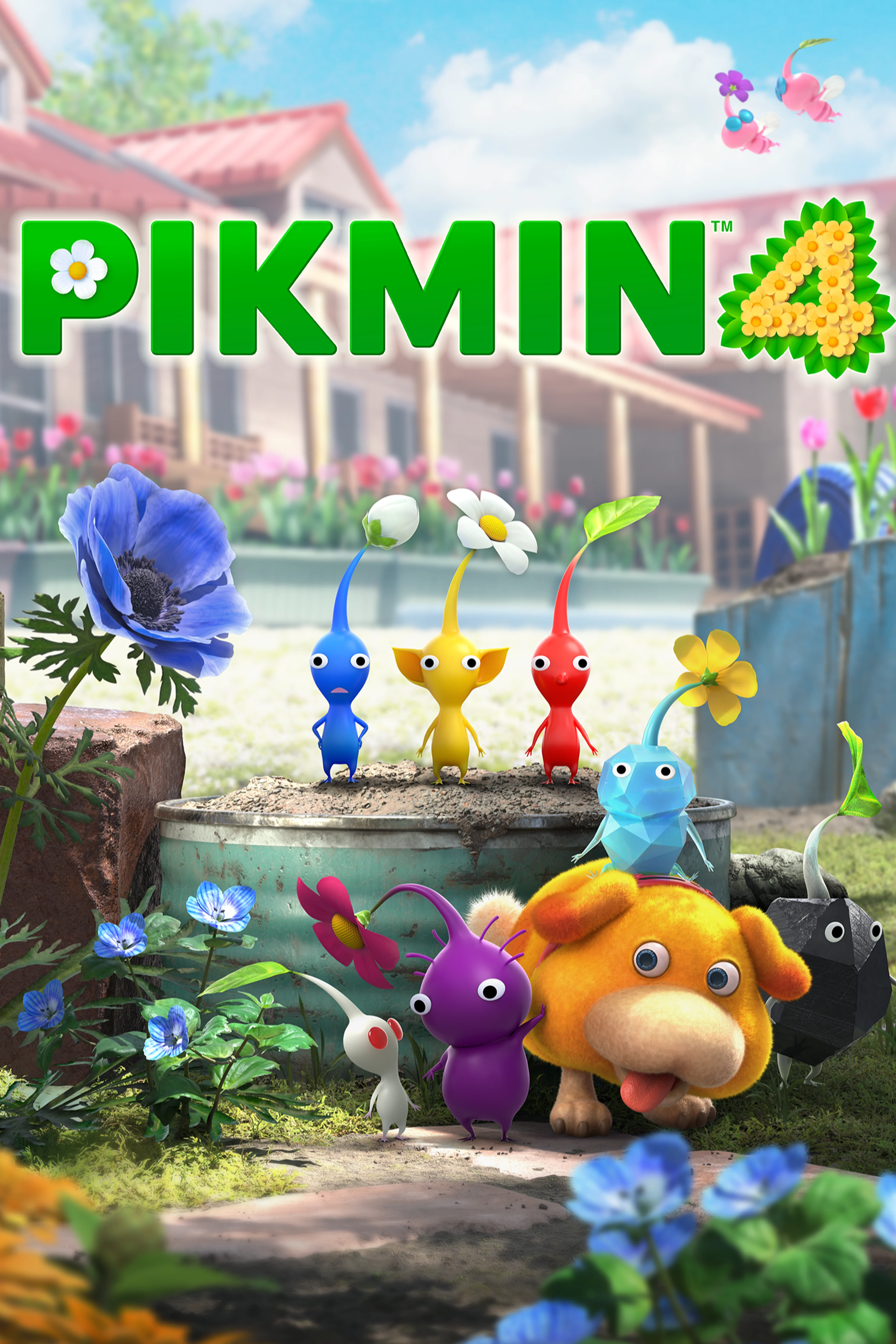
- Age 10 only in this range: Pikmin 4 — plan rescues and fight creatures; ESRB E10+.
What the ages mean
The age beside each game is our starting suggestion based on controls, reading, pressure, and puzzle difficulty. ESRB ratings describe content. An E rating does not mean every 7-year-old will find a game easy. E10+ means the content is rated for ages 10 and up, so Kirby and Pikmin 4 are not our picks for ages 7–9. Ask the child whether they want to play alone or with someone before choosing a game.
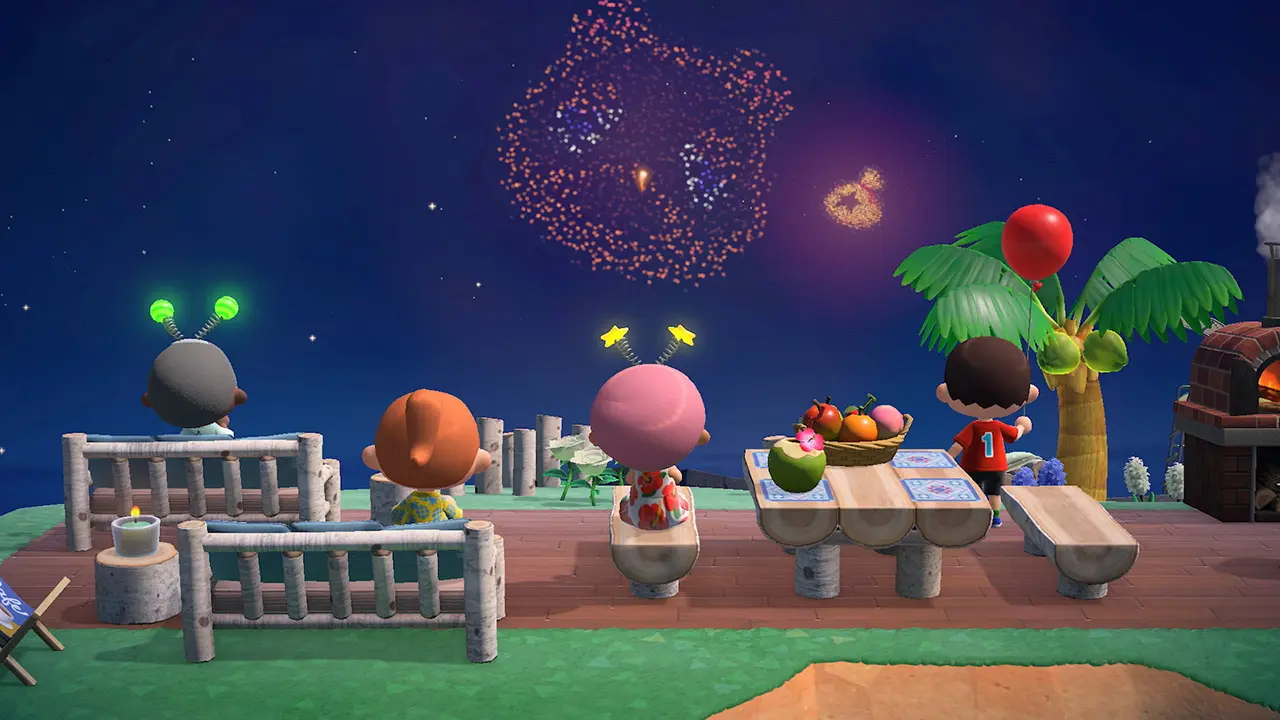
1. Animal Crossing: New Horizons — best for decorating at your own pace
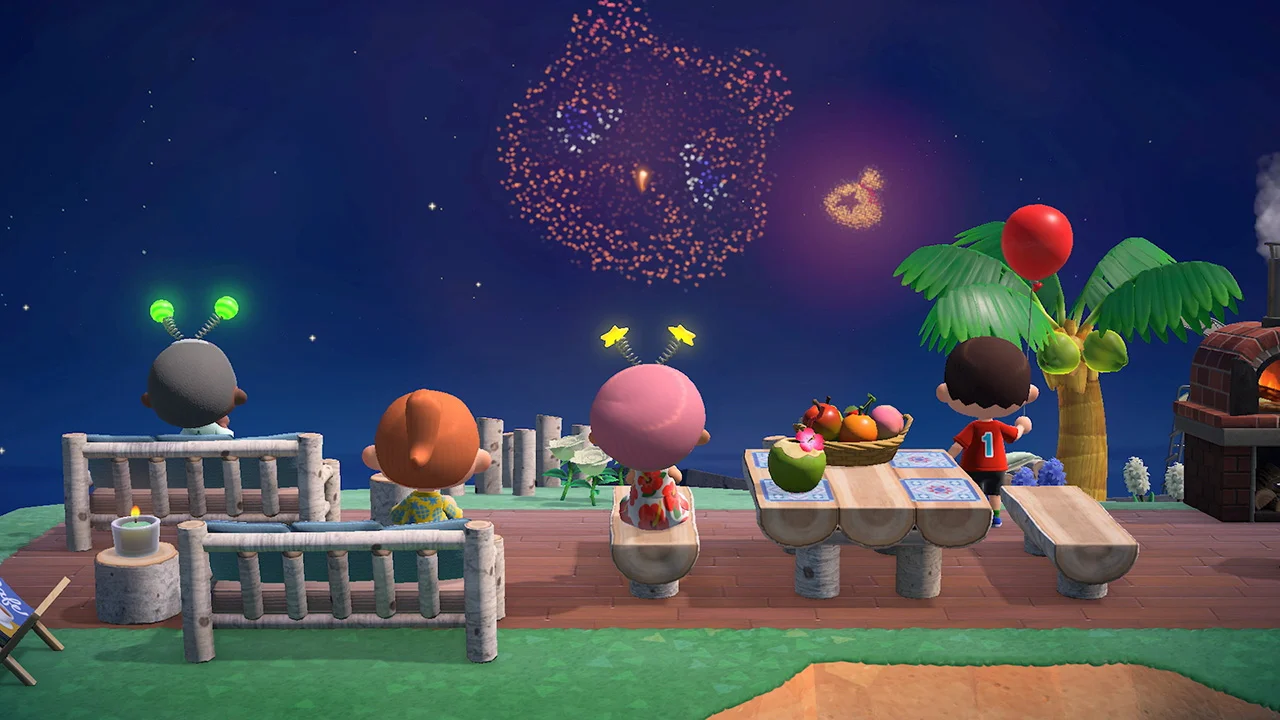
Best starting age: 7, with help reading instructions if needed. Why it works: the child can collect items, arrange a home, and change the island over many short sessions. What may frustrate them: the game follows the real-world clock, so some activities take another day. The same console has one shared island, and online features and purchases deserve a parent’s settings check. Read the Animal Crossing game page.
2. Super Mario Bros. Wonder — best for a first platform game
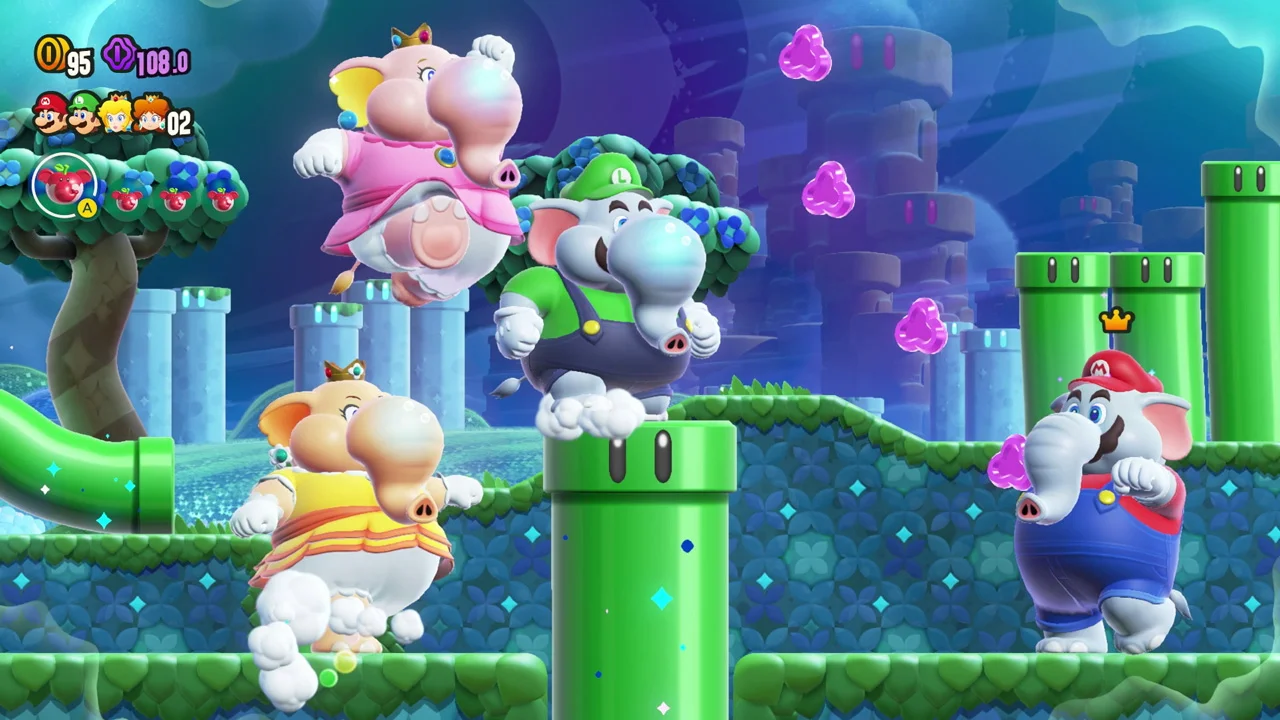
Best starting age: 7, especially with a second player. Why it works: the goal is easy to see: move across a level and reach the end. Nintendo says Yoshi and Nabbit do not take damage from enemies, which helps a new player. What may frustrate them: jumps still need timing, and some levels and bosses are harder. Read the Super Mario Bros. Wonder game page.
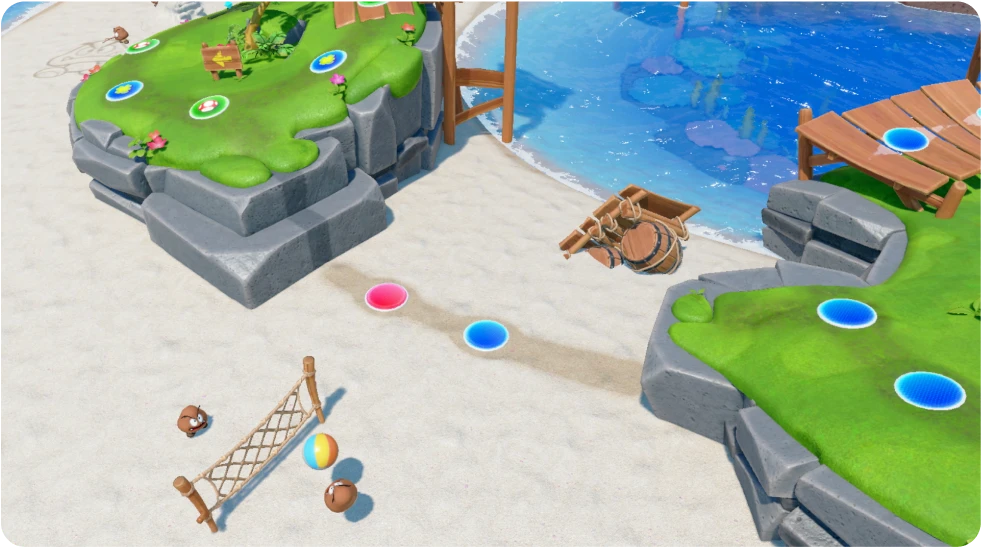
3. Super Mario Party Jamboree — best for a family game night
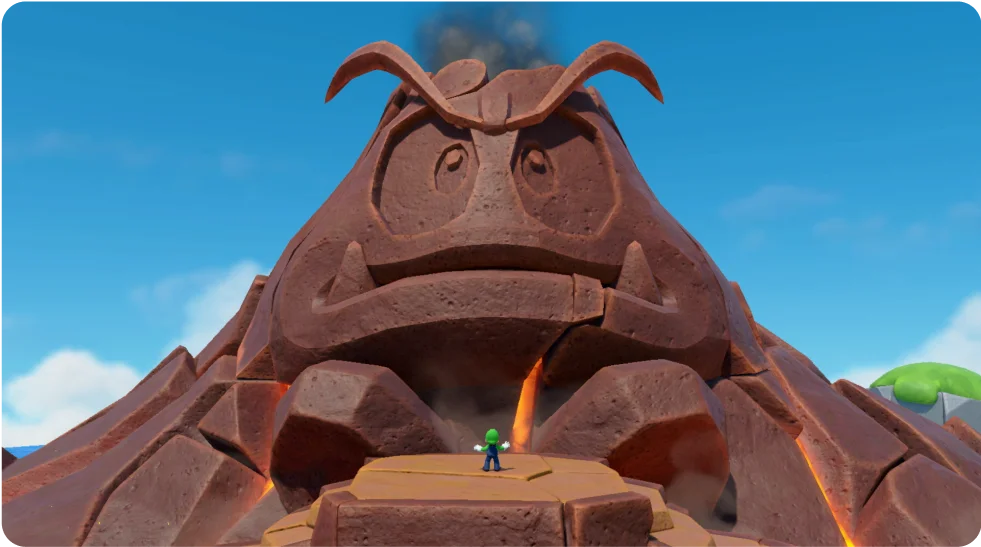
Best starting age: 8. Why it works: players take turns on a board and try many different minigames, so a child can discover what they enjoy. What may frustrate them: some minigames use quick reactions, board sessions take longer, and a player can lose a Star. The game has online interaction and in-game purchase labels, so check the family settings. Read the Jamboree game page.
4. Pokémon Pokopia — best for building with Pokémon
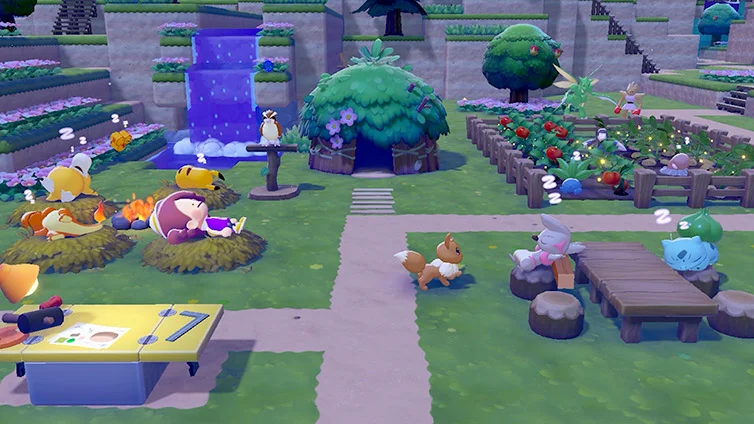
Best starting age: 8, with reading help for younger players. Console: Nintendo Switch 2 only; it will not run as a native game on an original Switch. Why it works: a child can build habitats, meet Pokémon, and keep improving the area. What may frustrate them: the linked building systems and requests can feel complicated, and the ESRB notes user interaction and in-game purchases. Read the Pokémon Pokopia game page.
5. Overcooked Special Edition — best for teamwork under pressure
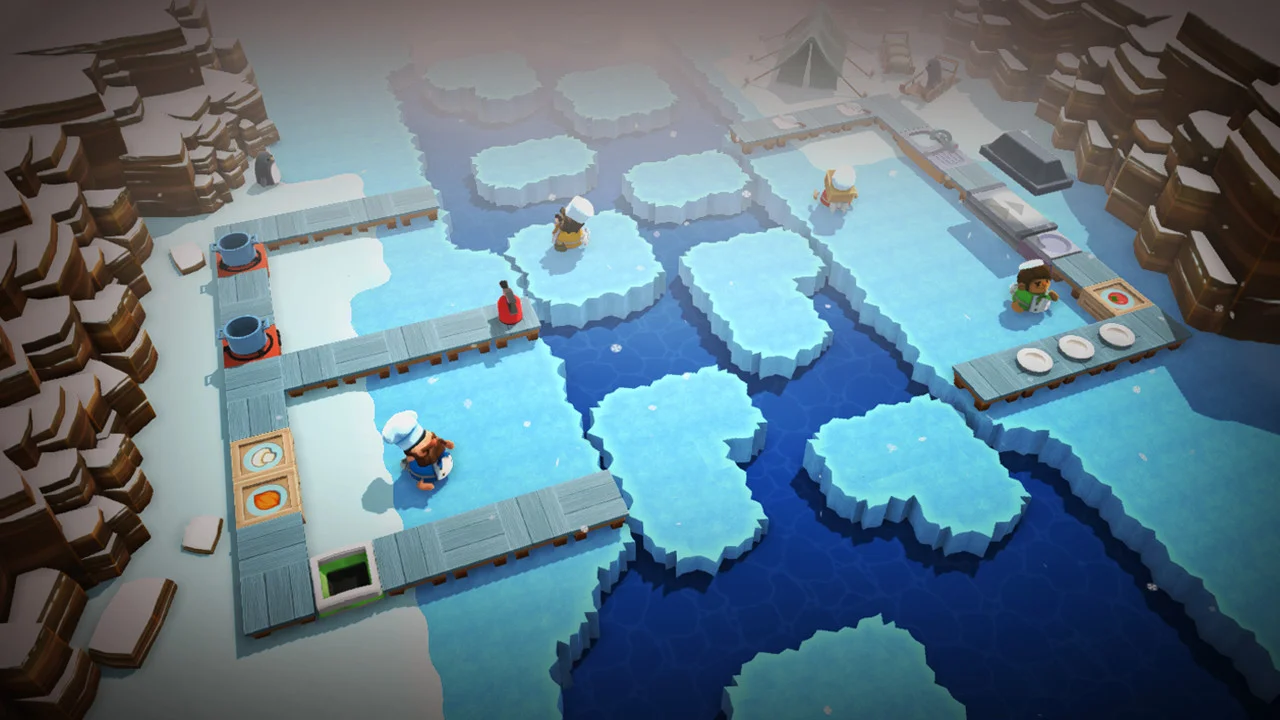
Best starting age: 9 when an adult or older child can help. Why it works: up to four local players can divide simple kitchen jobs and talk through each order. What may frustrate them: orders have a timer, and moving kitchens can get hectic. If your child dislikes rushing or arguments about mistakes, pick Animal Crossing instead. On Switch, search for Overcooked Special Edition, which includes the original game and its expansions. Read the Overcooked game page.
6. Cocoon — best for a child who loves difficult puzzles
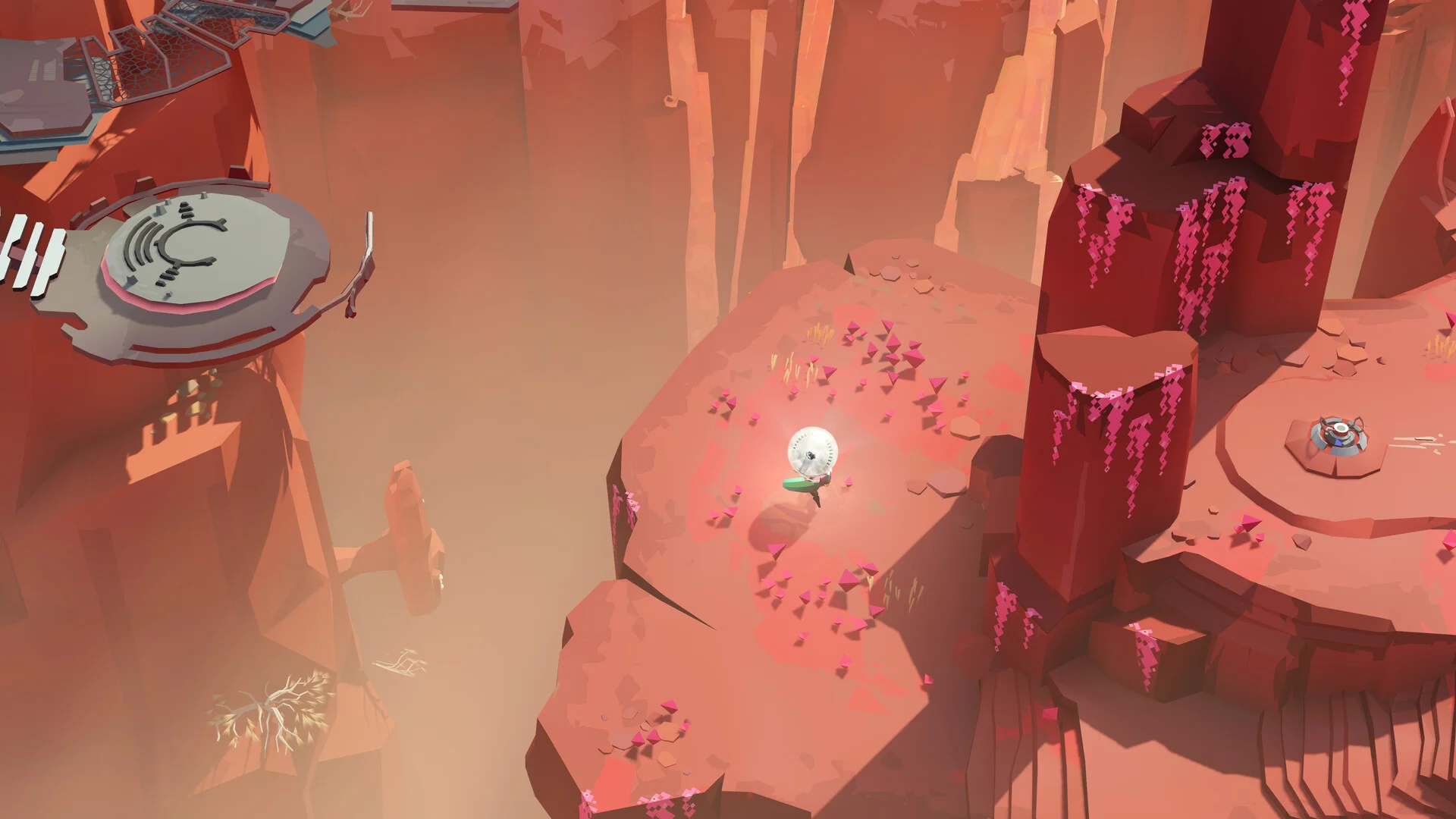
Best starting age: 10. Why it works: there is little text to read and each area lets the child examine the world and test an idea. What may frustrate them: the puzzles grow complex, and there are guardian encounters with mild fantasy violence. An E rating does not make its puzzles easy. Read the Cocoon game page.
7. Kirby and the Forgotten Land — age 10 for 3D action
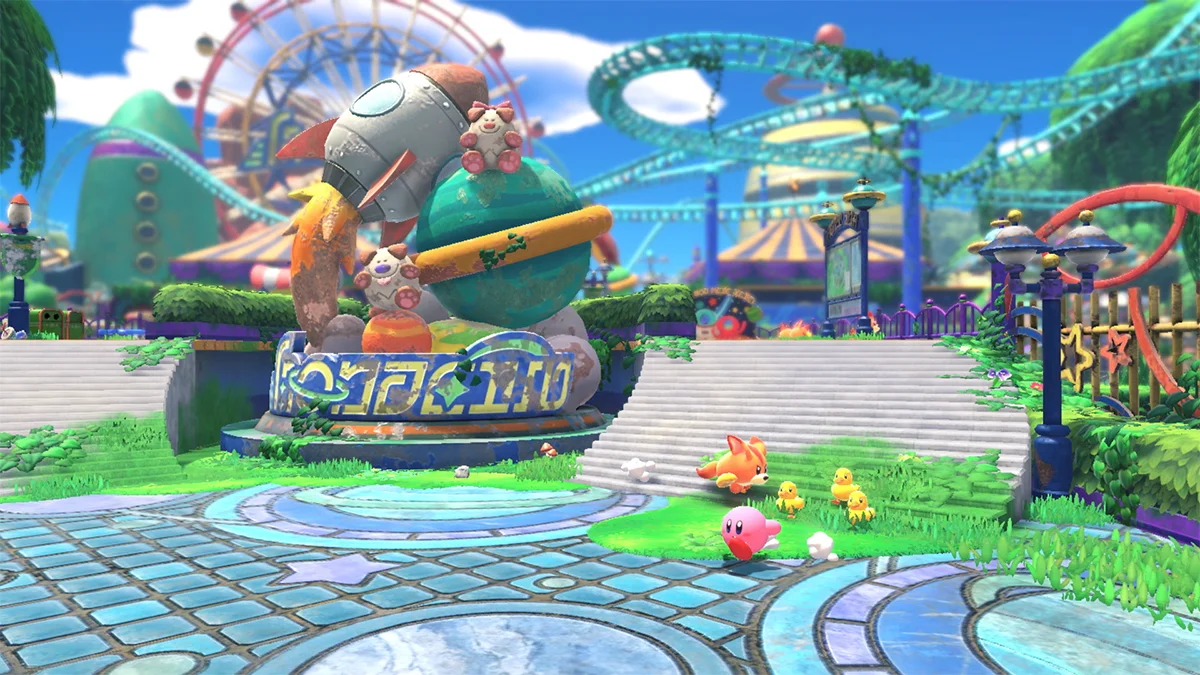
Best starting age: 10 in this guide because the ESRB rating is E10+. Why it works: colorful 3D stages, Copy Abilities, and local two-player play give a child clear goals. What may frustrate them: some bosses are fast and the camera and movement add another skill to learn. Read the Kirby game page.
8. Pikmin 4 — age 10 for planning and rescue missions
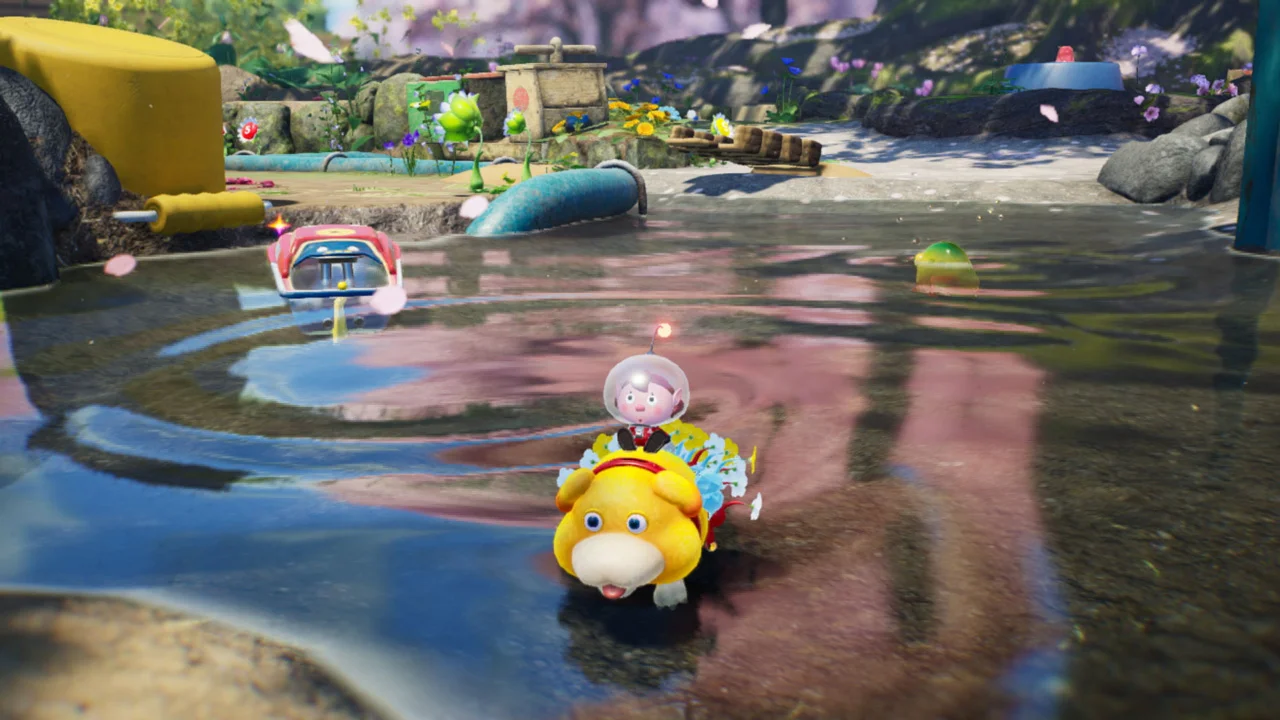
Best starting age: 10 in this guide because the ESRB rating is E10+. Why it works: the rescue missions turn exploration into small decisions about which Pikmin to use and where to go. What may frustrate them: creatures can attack, some battles are busy, and managing several Pikmin types takes practice. Nintendo offers a demo, so that is a useful way to check the controls before buying. Read the Pikmin 4 game page.
How to download the right version
On a Nintendo Switch or Switch 2, open Nintendo eShop from the HOME Menu, choose Search, type the exact game name, and open the game details before buying or downloading. Check the console label and edition: Pokémon Pokopia requires Switch 2; Overcooked Special Edition is the Switch version of the original Overcooked; Kirby and Jamboree also have separate Switch 2 editions. If you already own an edition, check its upgrade options before buying a second copy. The linked Pixel Twelve game pages above show each game without sending you to a retailer.
If your child plays on a computer instead, see our PC games for ages 7–10. For a closer look at building and decorating, read Animal Crossing vs Pokémon Pokopia.