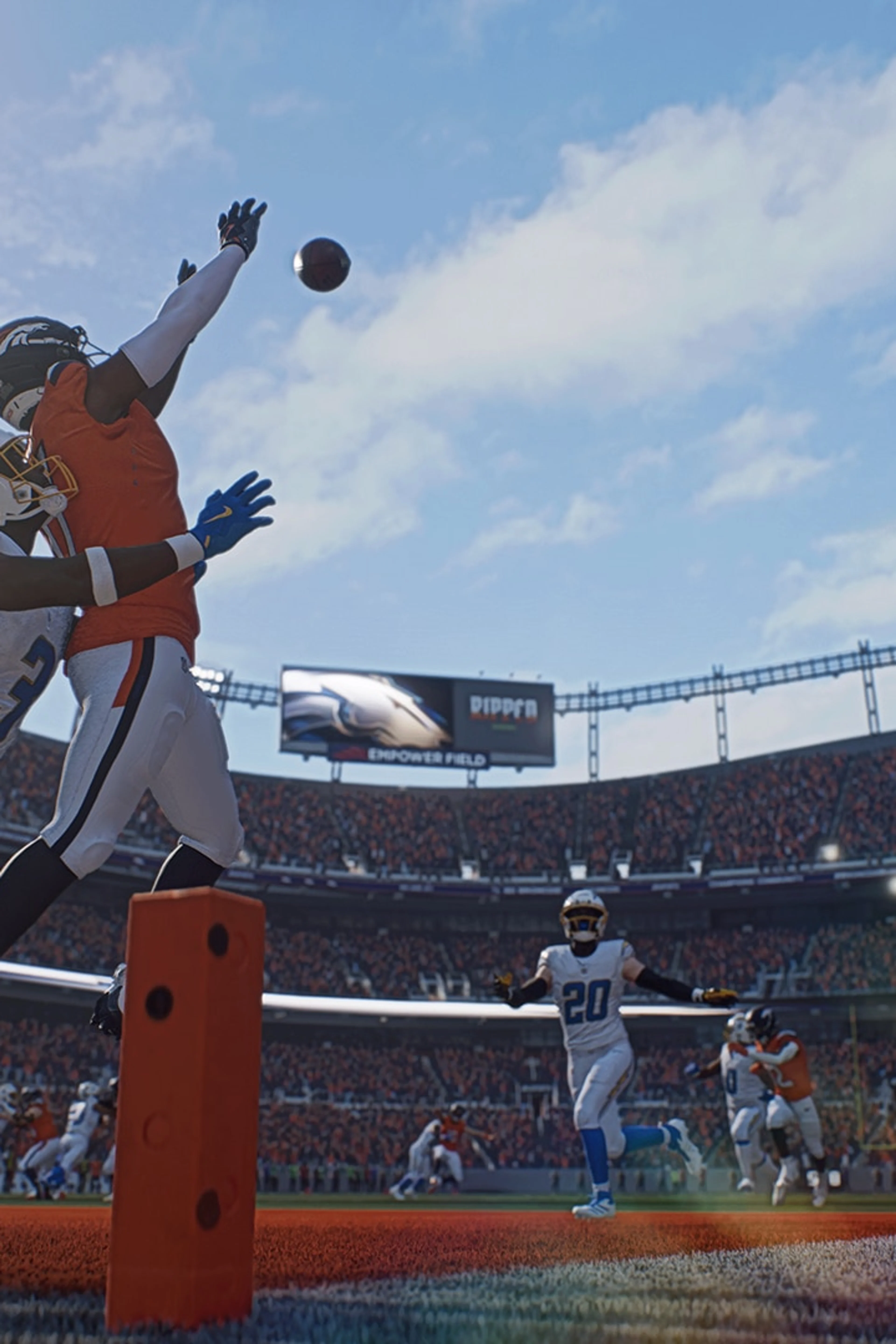
The best Madden NFL 27 rebuild depends on how much trouble you want. Choose the Tennessee Titans for the cleanest long-term project, the New York Jets for a quarterback decision, the Las Vegas Raiders for a star-heavy reset, the New Orleans Saints for a roster transition, or the New York Giants for the quickest route toward contention.
The team ratings below were checked on August 13, 2026, and can move after roster updates. This is not simply a list of the five lowest-rated teams. Each pick gives you a different problem to solve and at least one player worth building around.
The five best Madden NFL 27 rebuild teams
- Tennessee Titans — best full rebuild and toughest starting roster in this group.
- New York Jets — best save if you want to make an early quarterback call.
- Las Vegas Raiders — best low-rated team with several elite building blocks already in place.
- New Orleans Saints — best transition save with useful veterans and no obvious finished product at quarterback.
- New York Giants — best first rebuild if you want young talent and a shorter climb.
How these rebuild teams were chosen
A good Franchise rebuild needs more than a low OVR. A roster with no useful players becomes a draft-pick waiting room, while a loaded team barely feels like a rebuild. These five sit between those extremes: each has a clear weakness, a recognizable core, and room for the save to take a different direction after one offseason.
The ratings are a snapshot, not a promise. Madden updates can change a team or player by a point, so check the live roster before starting an online league or a long offline save.
1. Tennessee Titans: the cleanest long-term project
Team OVR at the time of writing: 76
Tennessee offers the closest thing here to a blank canvas. Jeffery Simmons is the obvious defensive anchor at 95 OVR, while Peter Skoronski gives the offensive line an 84-rated piece. Cameron Ward begins at 75 OVR, which creates the question that can shape the entire save: develop him patiently or keep looking for a true franchise quarterback.
The Titans are a strong choice for players who enjoy building through several drafts. The first season is less about forcing a playoff run and more about learning which young players deserve a second contract. Build the line around Skoronski, give Ward a fair evaluation, and avoid trading Simmons unless you genuinely want a total teardown.
2. New York Jets: solve the quarterback plan
Team OVR at the time of writing: 77
The Jets have more talent than their team rating suggests. Demario Davis and Minkah Fitzpatrick lead the defense, while Breece Hall and Garrett Wilson give the offense two proven threats. The uncertainty sits at quarterback, where Geno Smith can stabilize the first season while Cade Klubnik develops behind him.
This save works because there is no automatic answer. Starting the veteran can keep the team competitive, but it delays the evaluation of the younger option. Handing the job to Klubnik creates more growing pains and a clearer rebuild. Whichever route you take, set the plan before Week 1 instead of switching quarterbacks after every bad game.
3. Las Vegas Raiders: elite stars, unfinished roster
Team OVR at the time of writing: 77
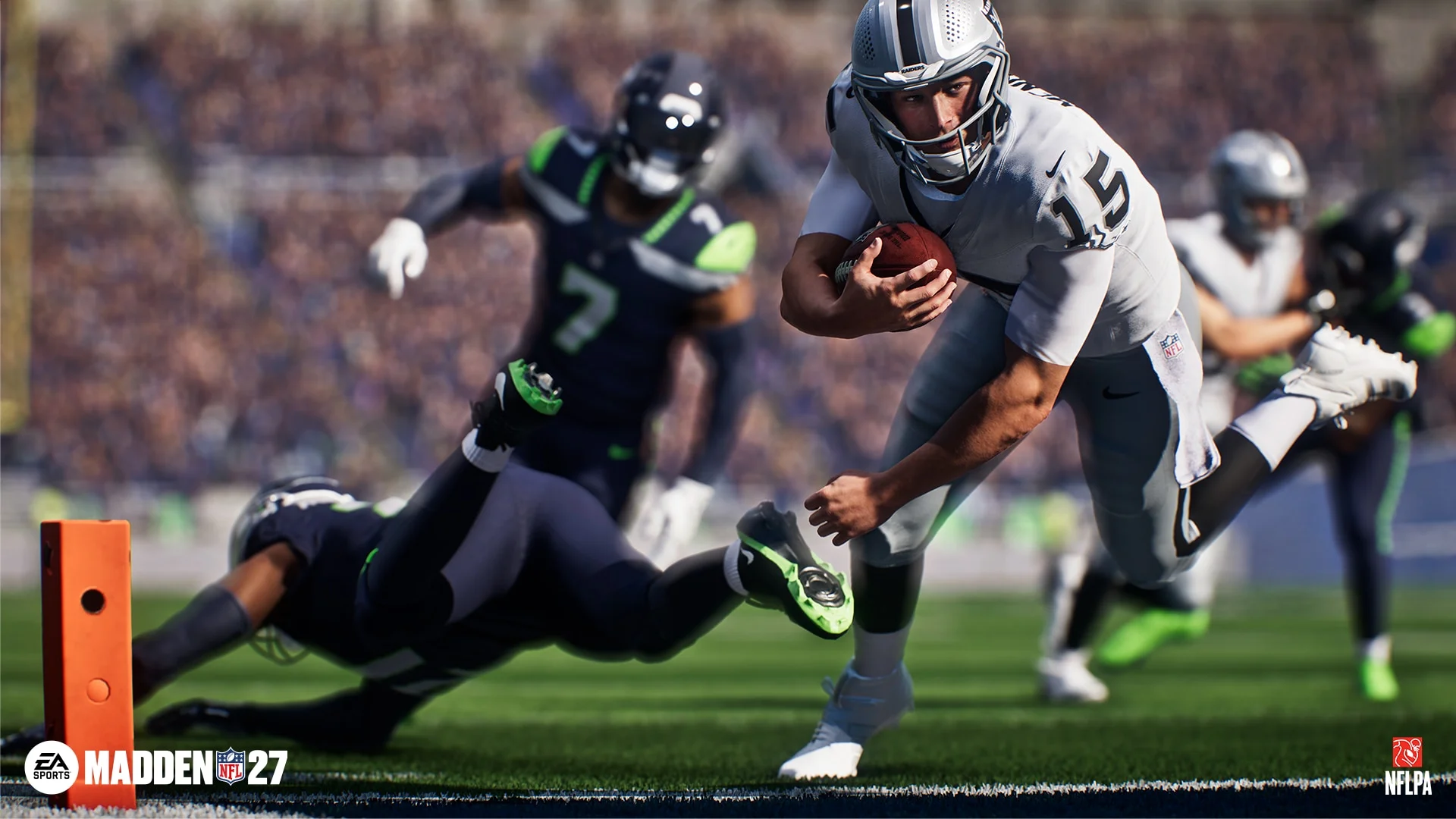
Las Vegas is the most unusual rebuild in the group. Maxx Crosby is 97 OVR, Brock Bowers is 93, Kolton Miller is 91, Tyler Linderbaum is 88, and Ashton Jeanty is 85. Those are championship-level pieces on a roster that still carries a 77 team rating.
The fun comes from deciding how aggressively to use that core. You can keep the stars, develop Fernando Mendoza at quarterback, and fill the weaker positions around them. You can also move one established star for draft capital, but turning every good player into picks usually makes a save less interesting. The Raiders already have an identity. They need connections between the stars, not a bonfire.
4. New Orleans Saints: manage the transition
Team OVR at the time of writing: 78
The Saints begin with a useful middle class of talent. Chris Olave, Erik McCoy, and Travis Etienne Jr. are all rated 87, giving the offense a receiver, center, and running back who can support almost any scheme. Tyler Shough starts at 77 OVR, good enough to test without making the long-term quarterback decision for you.
New Orleans suits players who prefer replacing a roster in stages. Keep the offense functional, decide whether Shough can grow with it, and use the first draft to address positions where the depth falls away quickly. This is less dramatic than the Titans rebuild, but the decisions arrive sooner because several pieces can help now.
5. New York Giants: the easiest rebuild to start
Team OVR at the time of writing: 79
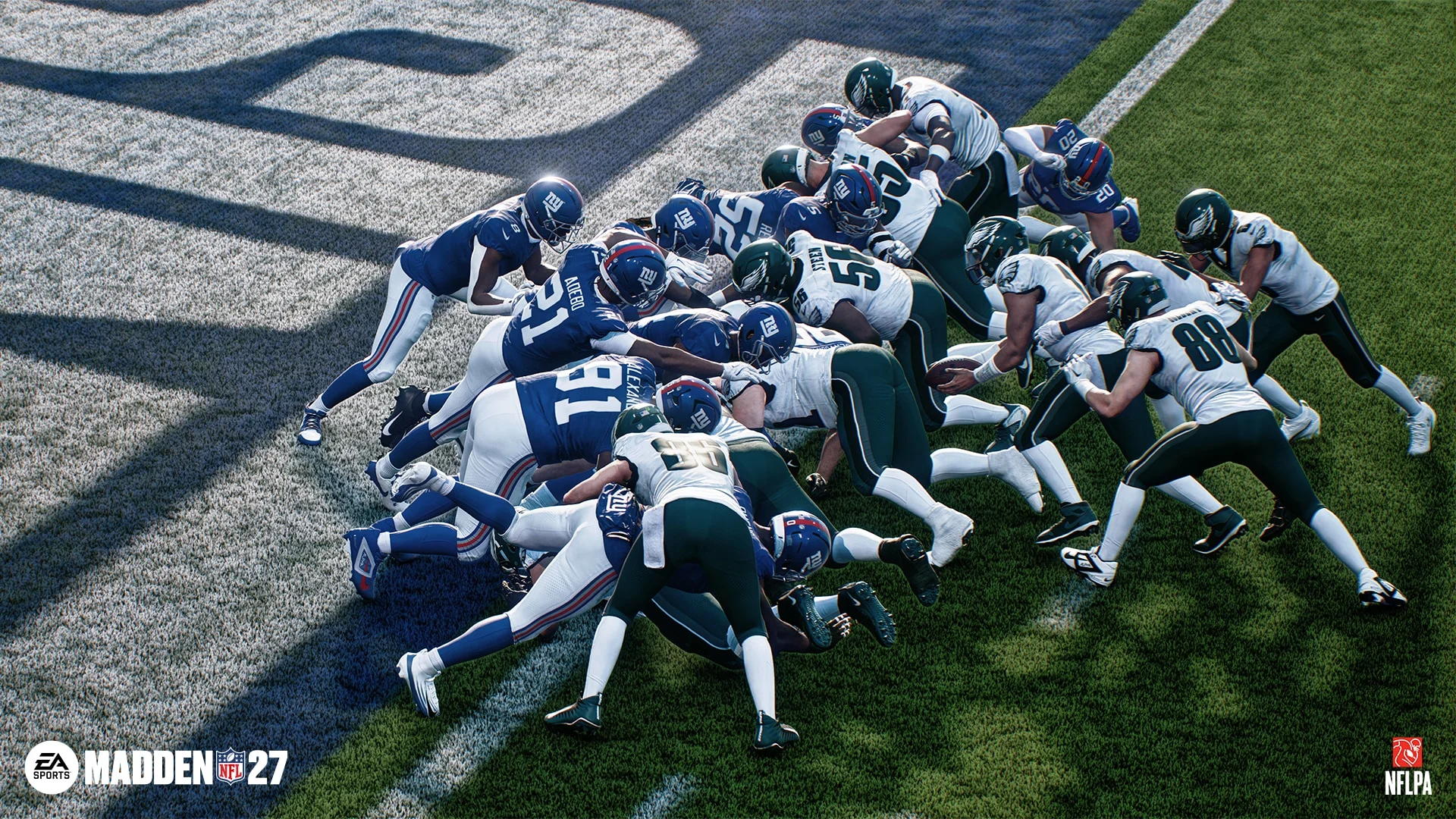
The Giants are the friendliest option for a first Franchise project. Andrew Thomas protects the line at 93 OVR, Brian Burns gives the defense an 89-rated pass rusher, and Malik Nabers remains the clear offensive centerpiece at 86. Abdul Carter, Cam Skattebo, and Jaxson Dart add a younger group that can grow with the save.
Your biggest decision is whether Dart becomes the long-term quarterback. The rest of the roster already offers enough talent to avoid a complete demolition. Develop the young core, add help around the offensive line and secondary, and this team can turn around faster than the other four.
What to do before playing Week 1
- Choose three untouchable players. This prevents one exciting trade offer from erasing the identity of the rebuild.
- Make the quarterback decision early. A veteran bridge and a young prospect need different timelines, so decide who should receive the meaningful snaps.
- Read every contract situation. Madden NFL 27 can generate holdouts, trade demands, and negotiations shaped by the Persona Engine.
- Match the scheme to the roster. The game can adapt playbooks as personnel changes, and SuperSim now places more weight on roster quality than an overpowered playbook.
- Protect the players you depend on. Wear and Tear can punish a season built around one exhausted running back or a thin position group.
How Madden NFL 27 changes the rebuild
Franchise is less forgiving of the old routine where you traded half the team, signed every free agent, and skipped directly to the draft. Players can now hold out or request trades, negotiations use patience and interest, and Free Agent Frenzy compresses the opening market into a 12-hour event. A rebuild can create new problems while you are still solving the old ones.
SuperSim also puts more weight on the quality of the roster, while teams can adjust their playbooks when the personnel changes. In other words, collecting famous names is not enough. The depth chart, contracts, and scheme need to make sense together.
Which Madden NFL 27 team should you rebuild?
Pick the Titans if you want several seasons of work. Choose the Jets if the quarterback decision is the story you want to control. The Raiders are best for keeping elite stars while repairing the rest of the roster, the Saints offer a measured transition, and the Giants give you the safest first rebuild.
If the on-field systems are still new, use our Madden NFL 27 beginner guide before committing to a long Franchise save. A rebuild is much easier to judge when catching, defense, and Coach Mode already feel familiar.