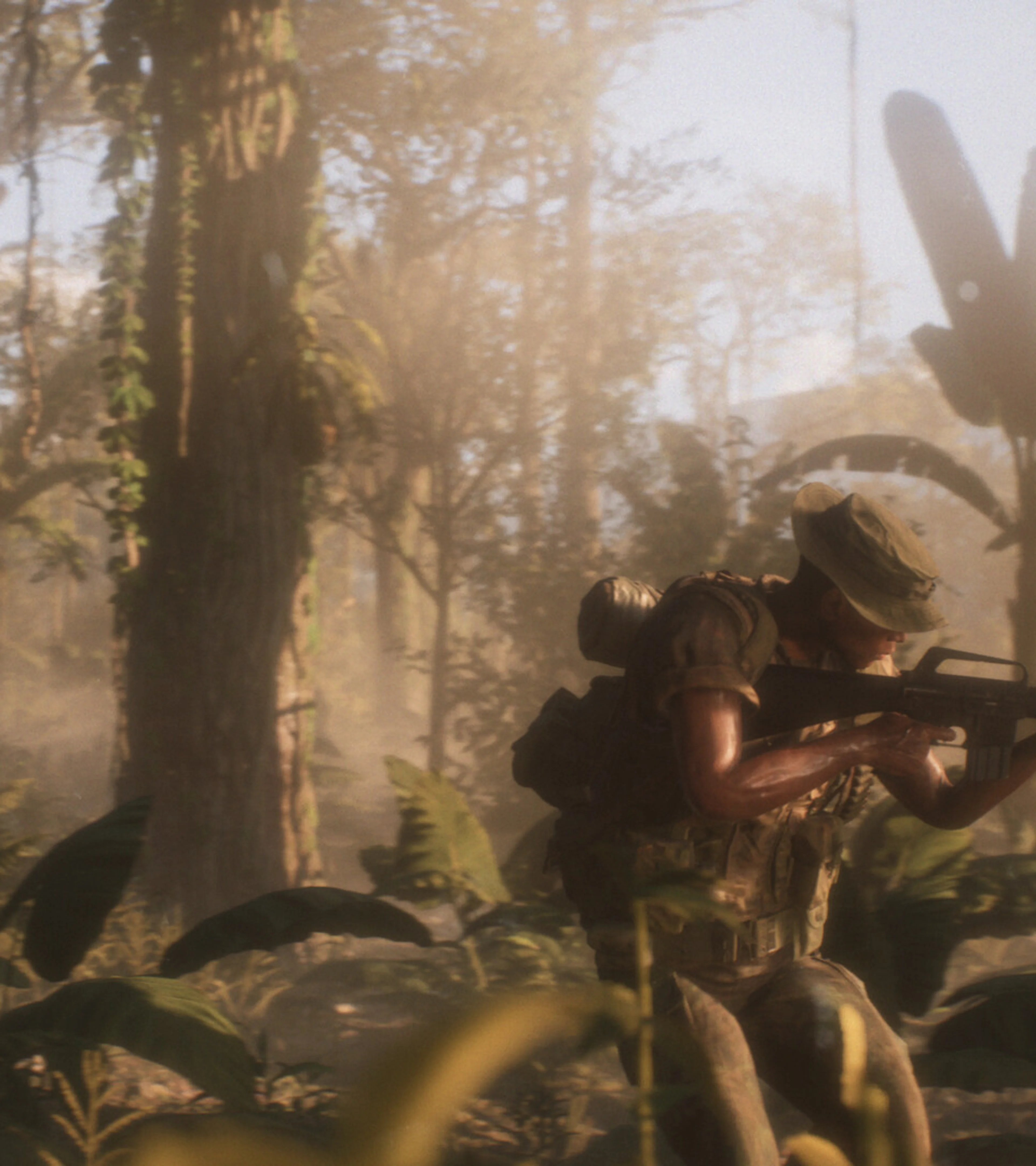
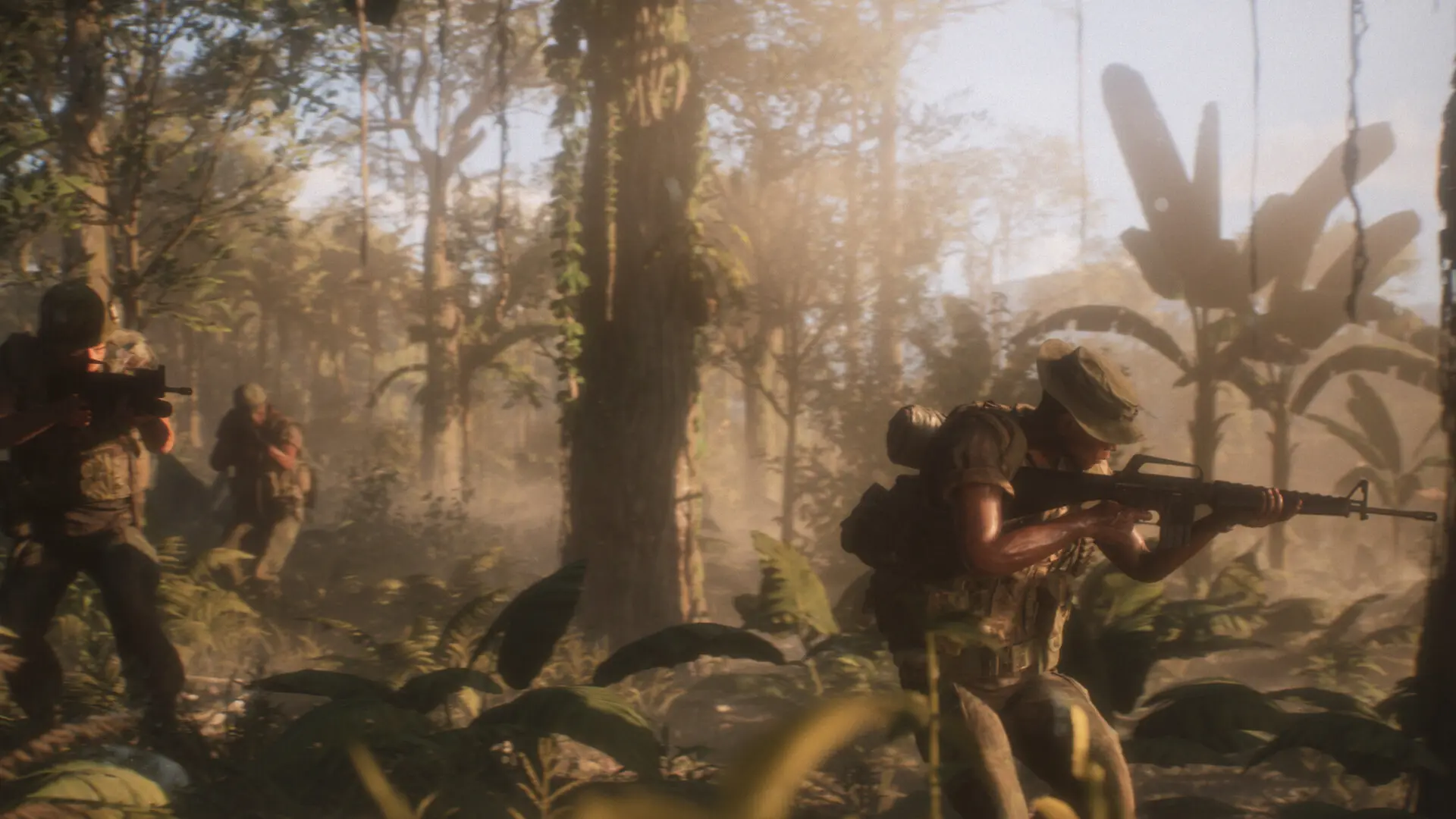
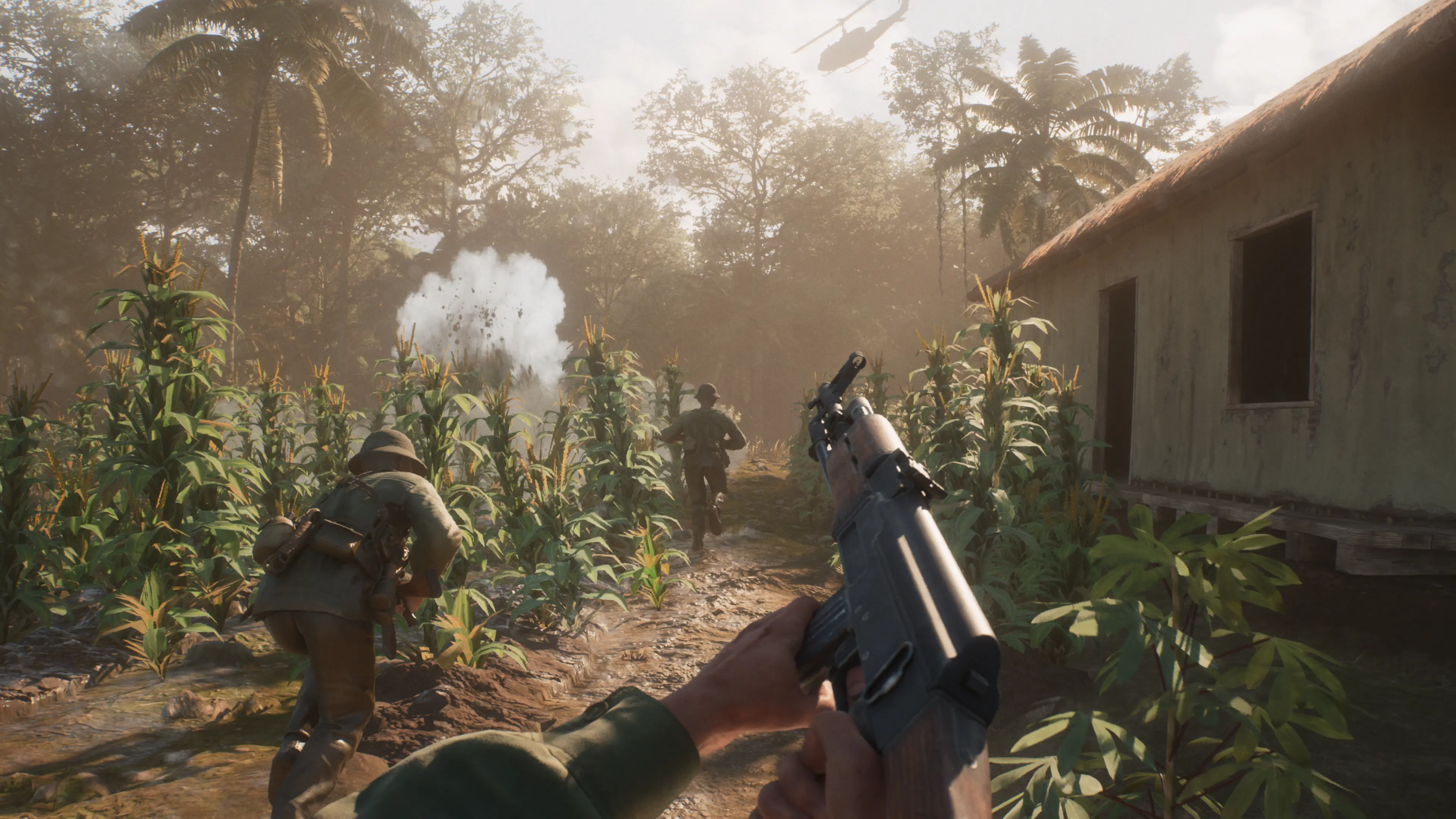
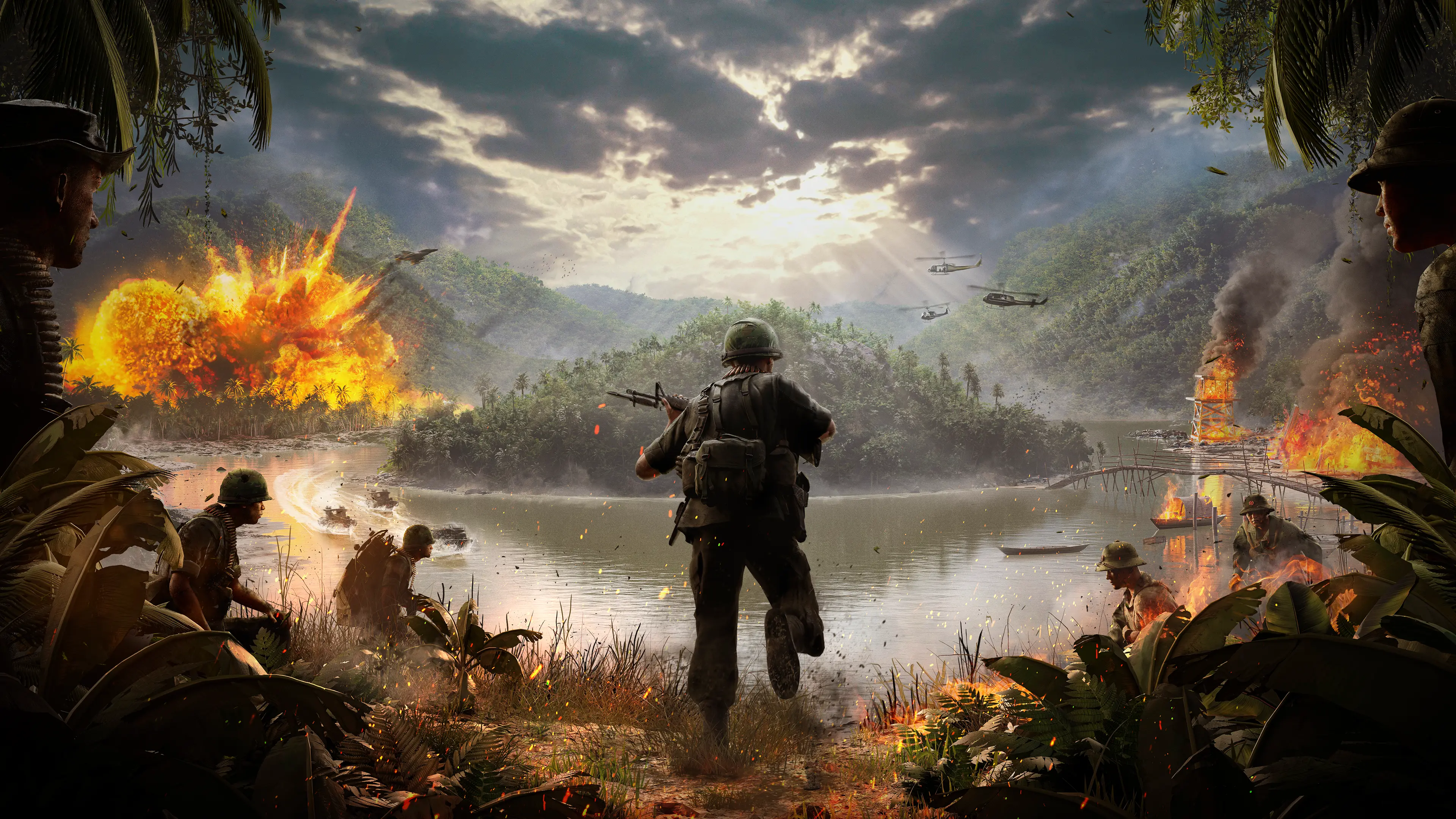
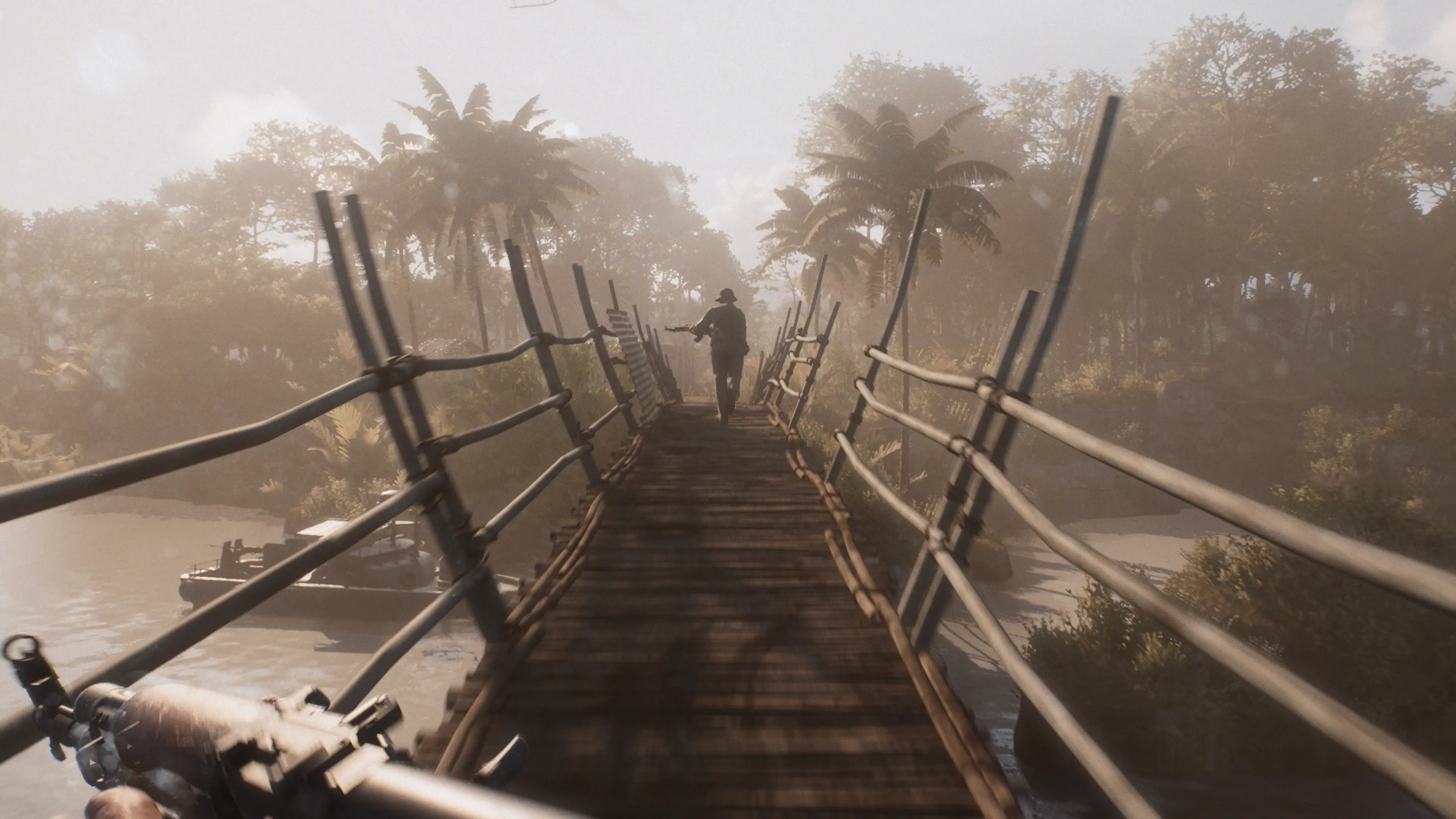
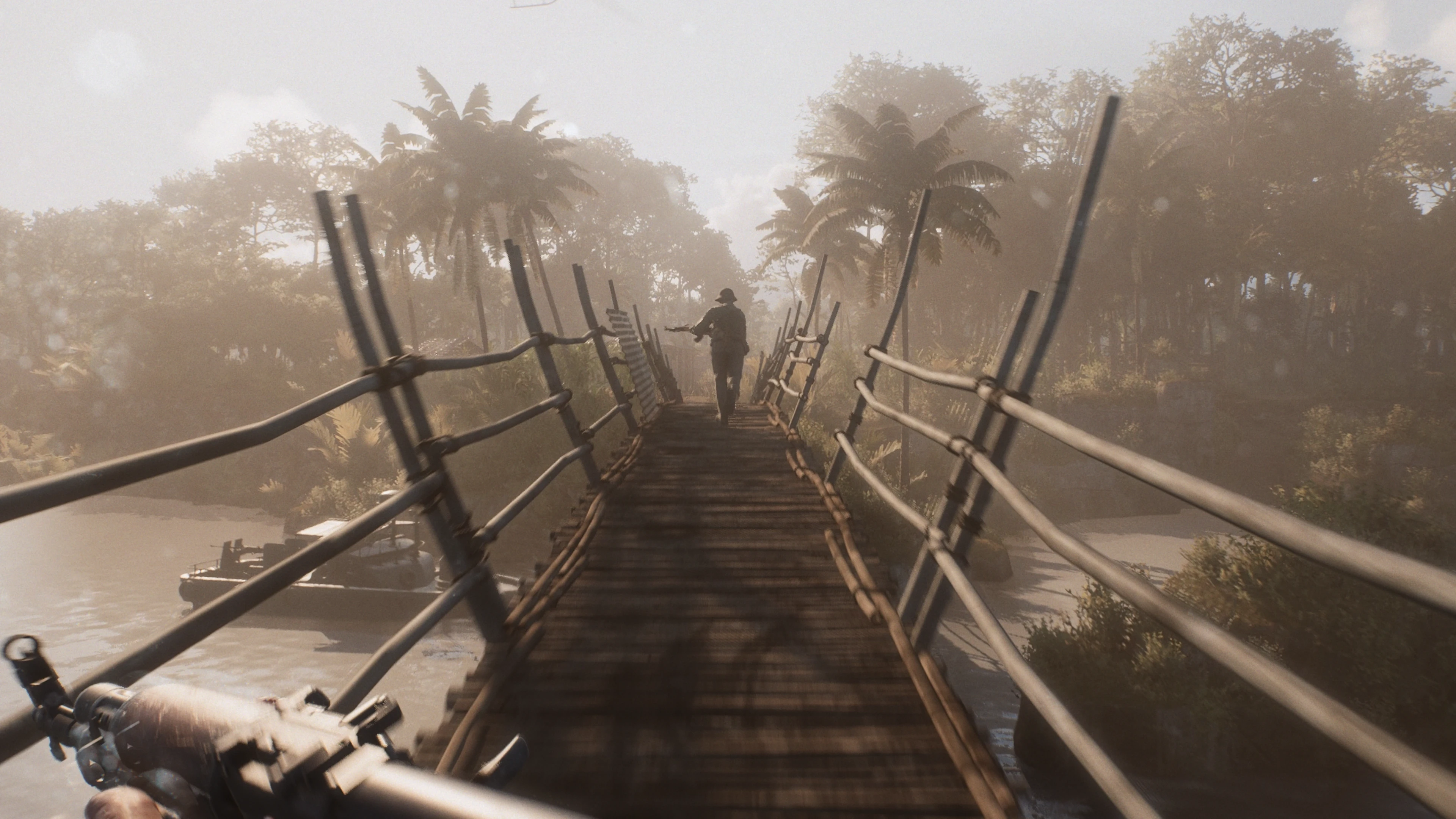
Hell Let Loose: Vietnam is a standalone game, not an expansion pack for the original Hell Let Loose. It keeps the recognizable 50v50 structure, squad hierarchy, commander layer, and objective-driven matches, then rebuilds the battlefield around two armies that move, deploy, and support one another in different ways.
The largest changes are not cosmetic. US helicopters and NVA tunnel networks create asymmetrical movement, patrol boats turn rivers into combat routes, infantry can swim and climb, and the tactical map now renders the terrain in three dimensions. Vietnam also runs on Unreal Engine 5 with a reworked codebase built for those systems.
Hell Let Loose: Vietnam launched on August 13, 2026, for PC, PlayStation 5, and Xbox Series X|S. The release guide covers its price, editions, maps, online requirements, PC specifications, and cross-play setup.
The Core Still Feels Like Hell Let Loose
Both games organize 100 players into squads that answer through a chain of command. Warfare remains a tug-of-war over five sectors, while Offensive separates the teams into attackers and defenders. Position, communication, useful spawn points, and objective control matter more than treating the match like a collection of individual gunfights.
Neither game is built around a single-player campaign. The appeal is the tension of having incomplete information while several units try to solve the same problem. A veteran of the original will understand that rhythm immediately even when the weapons, terrain, and faction tools are unfamiliar.
Players entering the series through Vietnam can use the first-match beginner guide for tutorials, spawn choices, map habits, voice calls, and a safer first role.
US Helicopters and NVA Tunnels Create Asymmetry
US forces use helicopters for transport, supplies, fire support, and forward deployment. The aircraft are fast and visible, so a landing can move a squad quickly while also advertising where the team is trying to build pressure.
NVA forces use tunnel networks for concealed movement and surprise attacks. A tunnel does not announce itself like a helicopter crossing the sky, which changes how the opposing team watches the flanks and protects territory. The two systems answer the same strategic need without behaving like mirrored equipment.
Those jobs sit inside a 17-role launch roster. The roles and classes guide explains the current command, infantry, recon, armor, helicopter, and mortar units.
Patrol Boats Turn Rivers Into Routes
Both factions can use patrol boats. Rivers are no longer just obstacles between two pieces of land; they become routes for armed movement, supplies, and attacks that bypass a road or bridge. That forces squads to watch shorelines and crossings instead of reading every push as a straight line across the map.
Movement Covers More of the Terrain
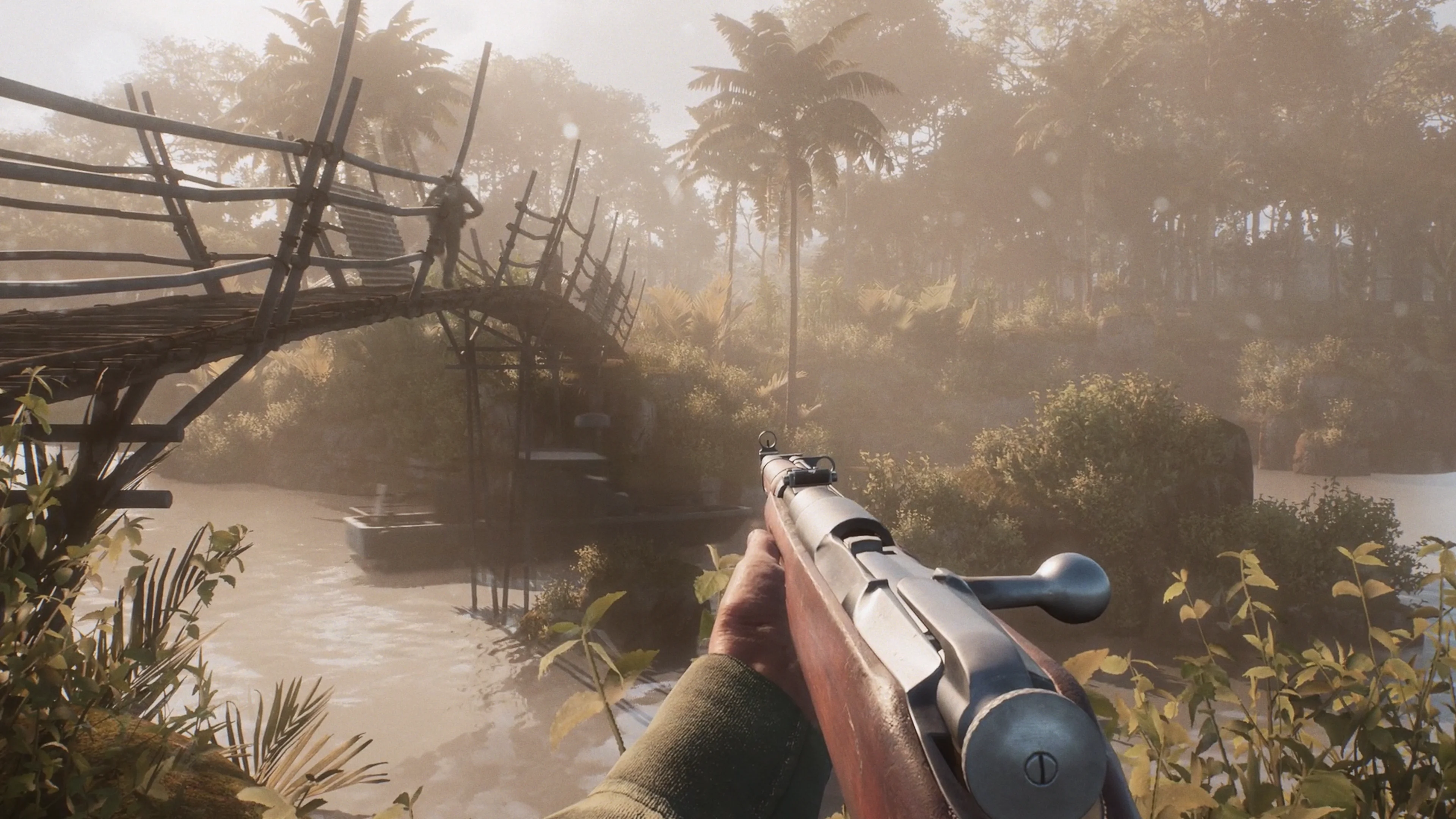
Vietnam adds swimming, climbing, fast crawling, and the ability to drag wounded teammates away from active fire. Those actions fit battlefields built around rivers, steep ground, villages, vegetation, and broken sightlines. They also give infantry more ways to recover when the obvious road or bridge is exposed.
Dragging a wounded player does not replace the Medic. It changes where the treatment can happen. Swimming does not make an open crossing safe. It gives the squad another option when the terrain closes the usual path. The extra movement works best as a tactical tool, not as a reason to abandon cover.
The Tactical Map Uses the 3D Battlefield
Hell Let Loose: Vietnam uses a fully 3D tactical map generated from the game world. Elevation, roads, rivers, vegetation, and major terrain features are easier to read than on a flat diagram, which helps infantry plan a route and vehicle crews understand where the ground may work against them.
Expression Games has described the map as directly linked to the battlefield data. Development changes to terrain can therefore appear in the tactical view without rebuilding a separate map from scratch. It still depends on friendly markers and voice reports; it organizes known information rather than revealing enemies for free.
Vietnam Uses Unreal Engine 5
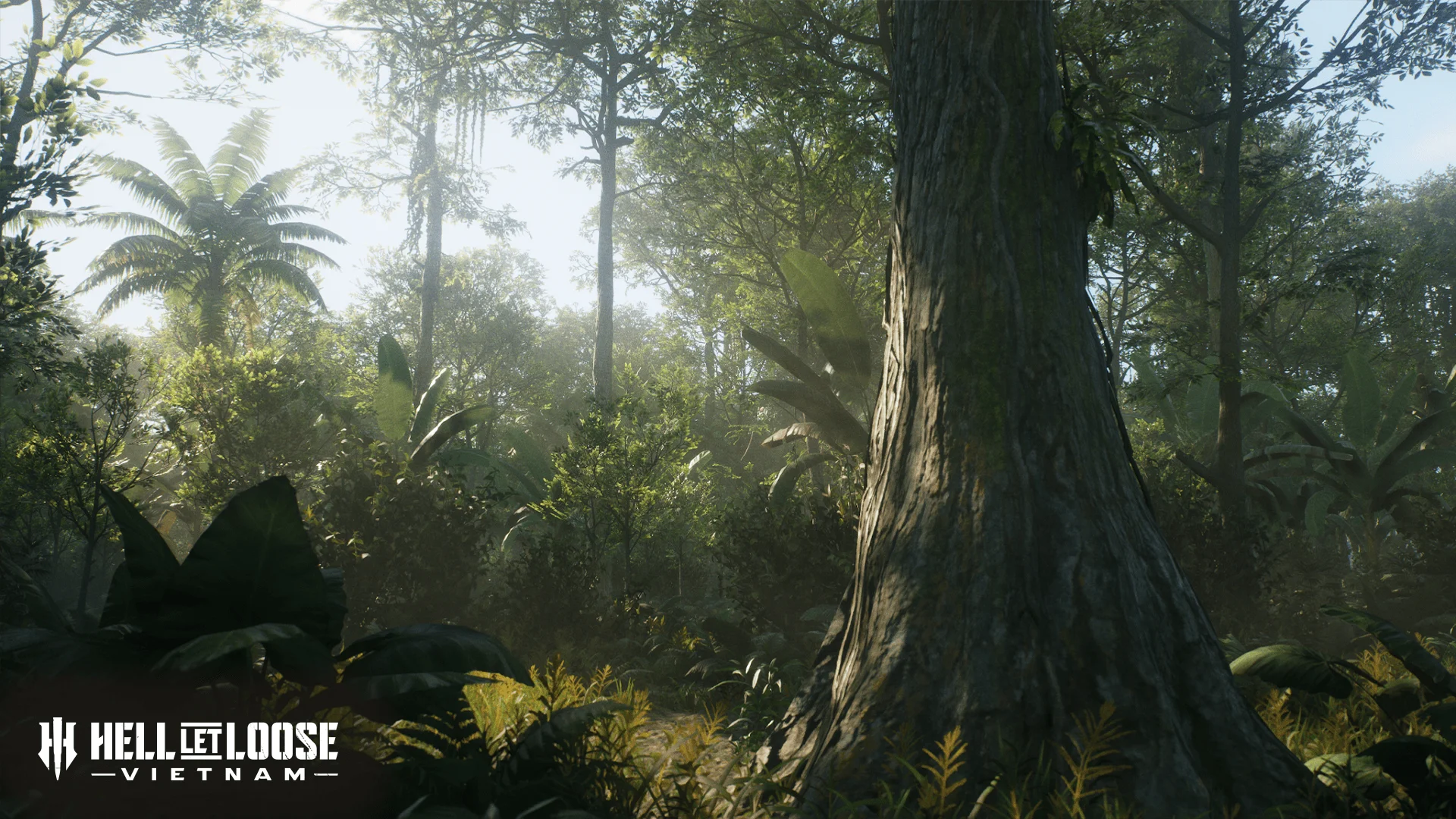
The Vietnam game was built around Unreal Engine 5, with much of the codebase reworked for its mechanics, visuals, audio, interface, and performance systems. The engine change supports features that would be difficult to add to the original while it continues operating as a live game.
A newer engine is a technical foundation, not a promise that every platform or battle will behave identically. Settings, hardware, patches, and map conditions still matter. The useful comparison is structural: Vietnam has room for helicopters, tunnels, a world-generated tactical map, and its expanded movement because it is a separate build rather than a content pack placed on top of the World War II game.
Six Maps, Familiar Modes, and Faster Logistics
Vietnam launched with six large-scale maps inspired by real locations, using more than one version of jungle terrain. Rivers, bridges, farmland, airfields, settlements, docks, coastal areas, and steep ground give vehicles and infantry different route problems across the set.
Warfare and Offensive return alongside rotating alternative modes. Logistics also begins differently: pre-placed supplies at headquarters let engineers establish resource nodes earlier, while teams can still move supplies and build elsewhere. Helicopters and boats create additional delivery routes once the opening settles into a wider fight.
Which Game Fits You Better?
- Choose the original Hell Let Loose if the World War II setting is the main reason you want to play.
- Choose Vietnam if helicopters, NVA tunnels, patrol boats, expanded movement, and denser terrain are the stronger draw.
- Expect squad communication, command structure, fast deaths, objective pressure, and multiplayer-only play in either game.
- Do not buy one expecting it to unlock the other; Vietnam is sold as a standalone game.
Vietnam is the larger mechanical departure, but it is still recognizably Hell Let Loose. The Hell Let Loose: Vietnam game page connects the current guide cluster. Pick the setting and faction systems that make coordinated 50v50 matches sound worth learning, because the team structure is the commitment both games share.