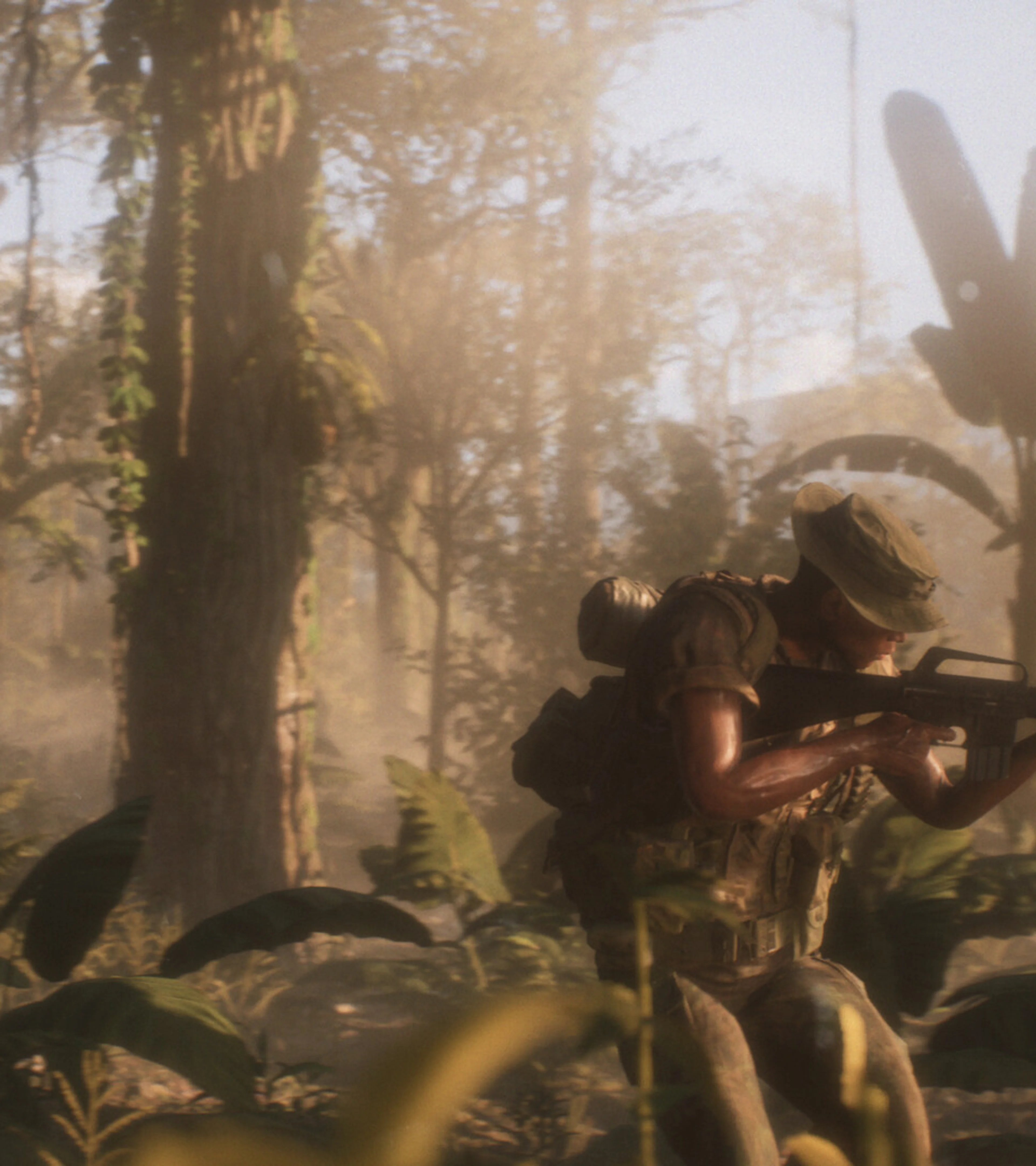
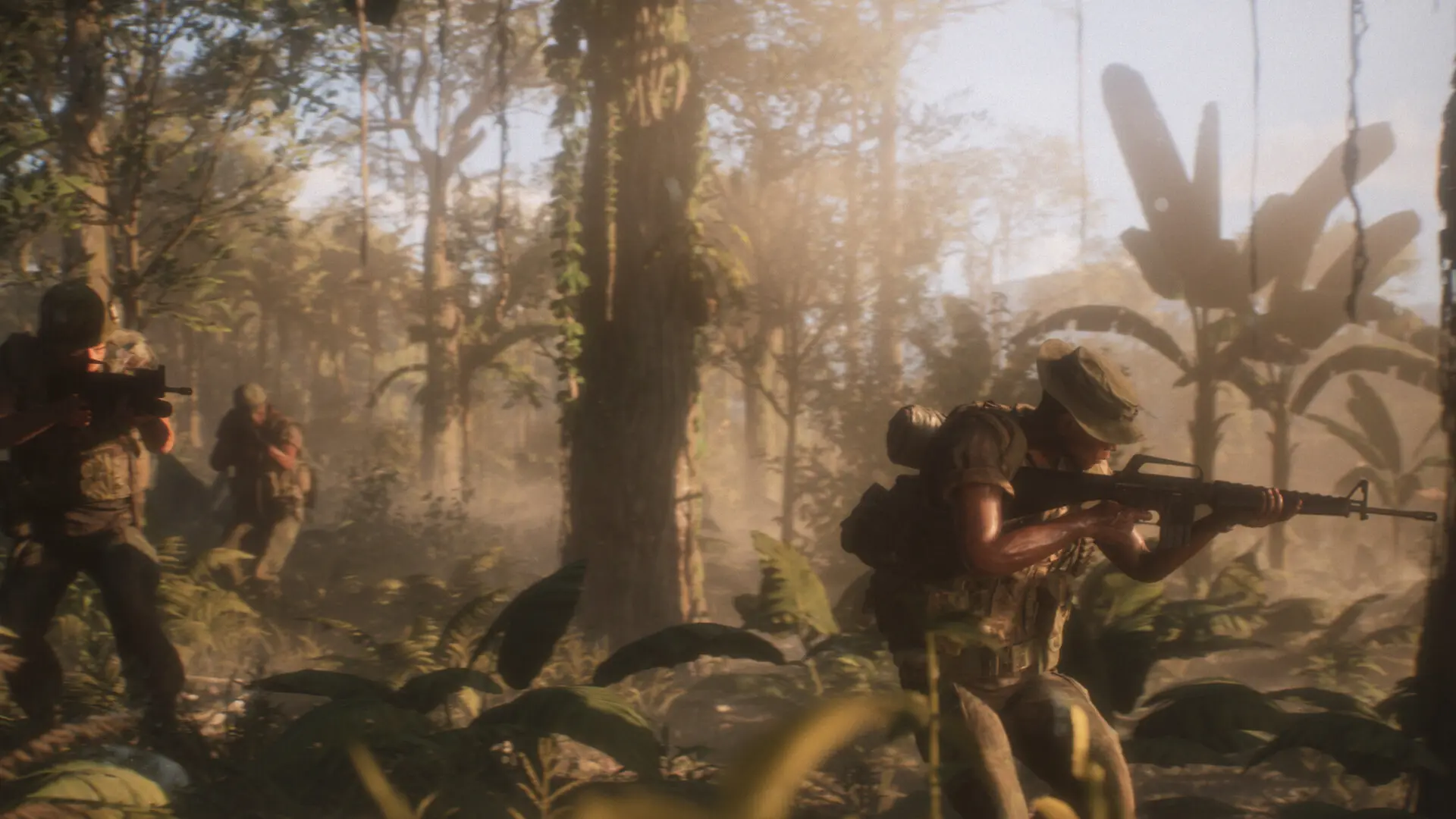
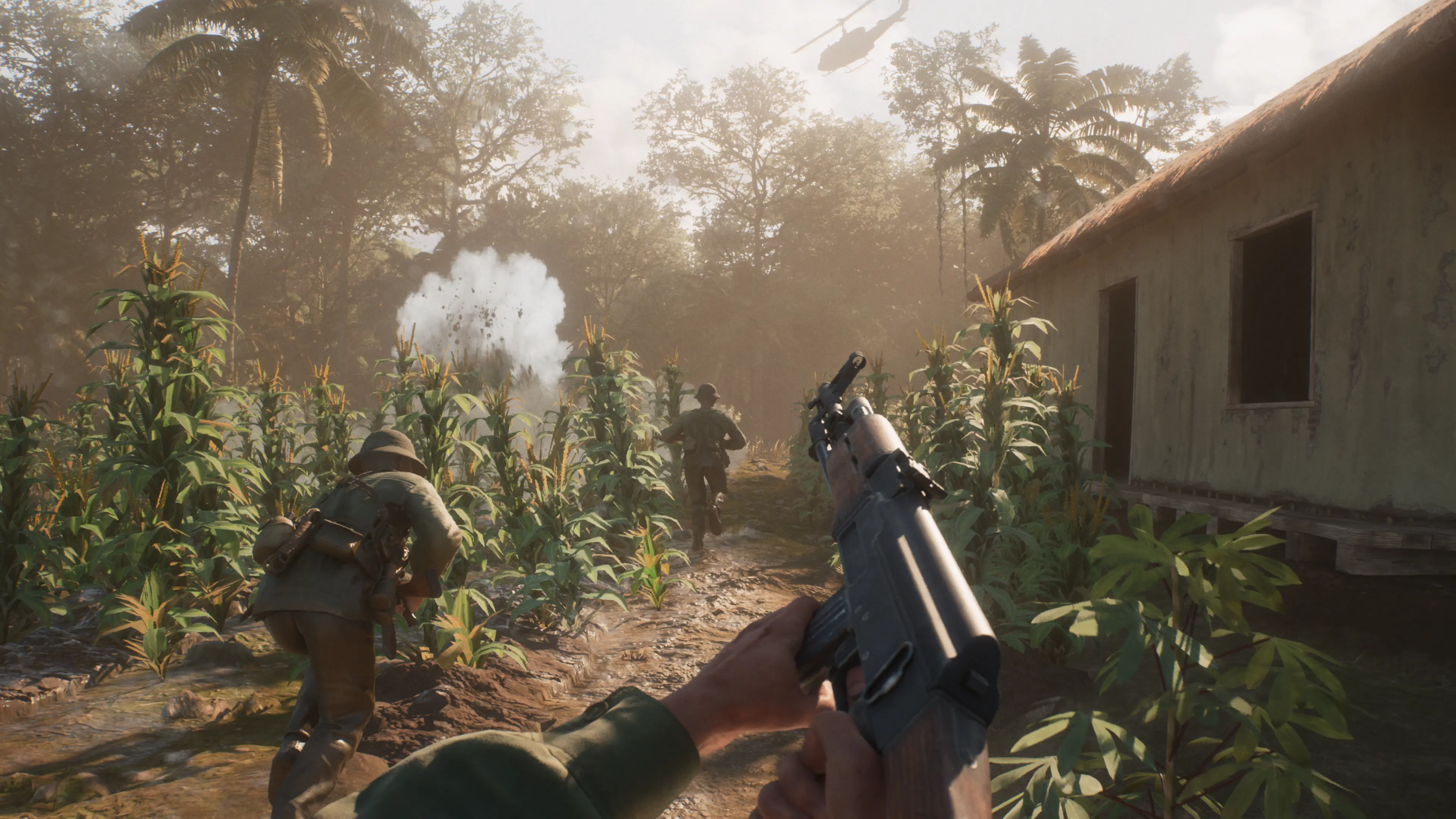


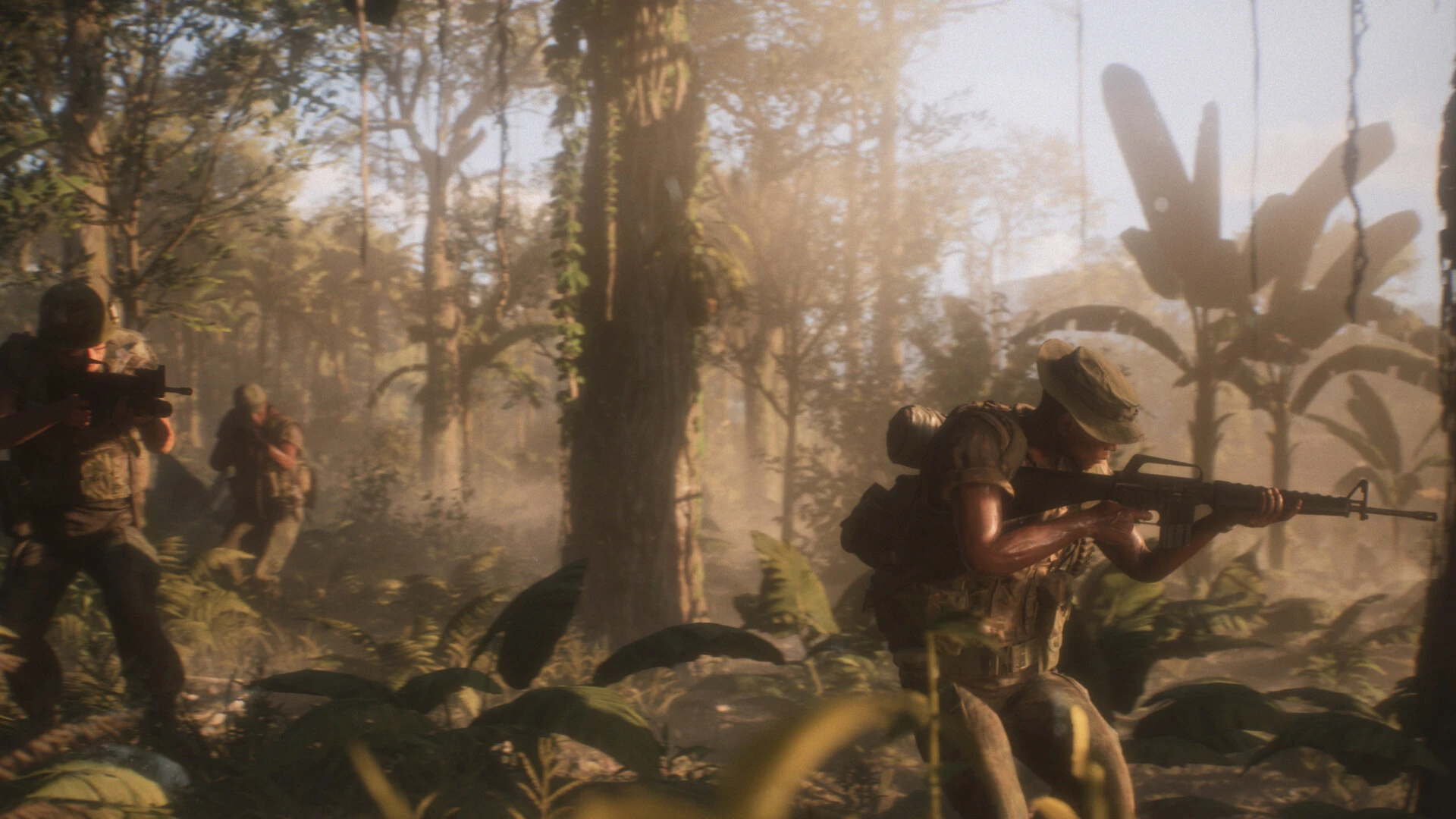
Hell Let Loose: Vietnam is out now, and the first match is still a shock if you approach it like a solo shooter. Its 50v50 battles reward squads that share information, protect useful spawn points, and move toward the same objective. Good aim helps, but a lone player sprinting toward gunfire usually spends more time redeploying than learning.
The official Steam listing now names 17 roles across six unit types and confirms revamped tutorials and player onboarding. That makes the safest opening plan straightforward: finish the tutorials, choose Rifleman, join a squad with an active leader, and treat the map as part of the fight instead of a screen you open only after getting lost.
Hell Let Loose: Vietnam launched on August 13, 2026. The release guide covers platforms, prices, editions, maps, online requirements, and cross-play.
Start With the Tutorials and Rifleman
How Many Tutorials Are in Hell Let Loose: Vietnam?
Team17's launch guidance names three tutorials: Getting Started, Squad Leader, and Commander. It does not publish one fixed total for every role lesson, and it also recommends role-specific tutorials such as Helicopter Pilot. The safest answer is at least three named onboarding tutorials, plus any extra role tutorials shown in the current build.
The Getting Started tutorial is optional and can be skipped. The Squad Leader and Commander tutorials must be completed before those roles can be selected. New players should still finish Getting Started before choosing Rifleman, then take command or vehicle tutorials before using those limited roles in a public match.
Rifleman is the best first role because it leaves the rare leadership, vehicle, recon, and support seats available for players who understand their responsibilities. Stay near the squad, watch where the Squad Leader marks, and ask what the group needs. You can learn Specialist, Engineer, Mortar, armor, or helicopter work after the basic infantry rhythm stops feeling chaotic.
Spawn Where Your Squad Can Use You
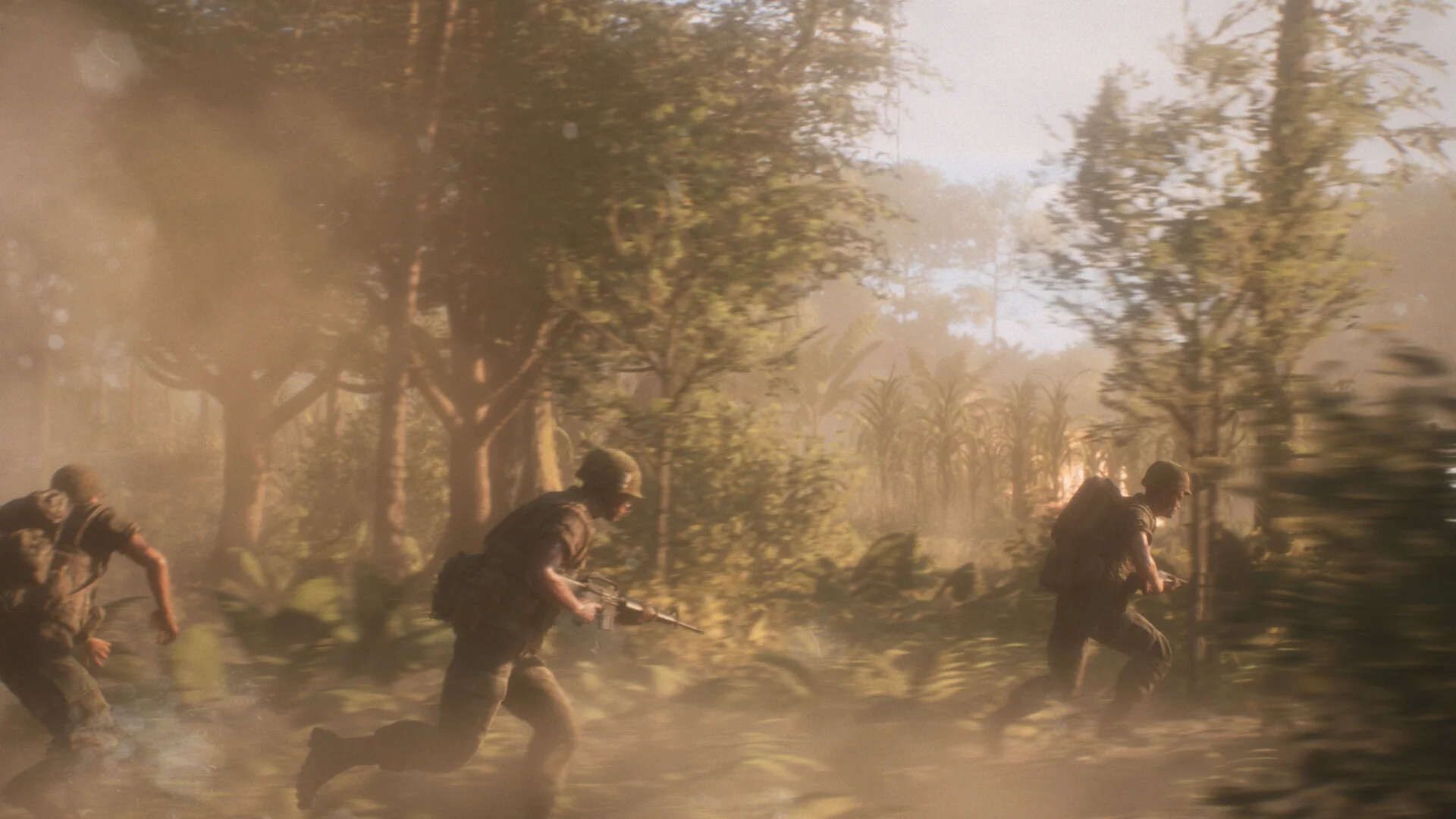
Do not choose a deployment point only because it looks closest to the center of the map. A nearby spawn may be exposed, surrounded, or tied to another unit's plan. Use the point your Squad Leader recommends, then check where the rest of the squad is moving before you leave it.
Forward spawns are part of the team's momentum. When enemies threaten one, warn the squad and help clear the area instead of running past it. A protected spawn can keep several players in the fight; losing it can turn a short walk into a long one and leave an objective without defenders.
Read the Map Before You Run
Open the tactical map when you spawn, when a sector changes, and whenever the squad begins moving in a new direction. Look for the active objective, friendly markers, your squad's position, and the route that offers cover. If every squadmate is behind you or on another side of the sector, stop and work out whether you are scouting or simply alone.
Dense vegetation and shorter sightlines make small pieces of information valuable. A marker on a road, tree line, tunnel approach, helicopter route, or river crossing can prepare the squad before the enemy becomes visible. The map is not a pause from the action. It is how the team turns scattered reports into a plan.
Make Short Voice Calls
A useful call gives direction, rough distance, target, and movement: enemy infantry east, about 100 meters, moving left. Report vehicles, helicopters, boats, and groups quickly, then leave room for the Squad Leader and other players to answer. Long stories hide the detail the squad needs.
Use the squad channel for information the whole unit needs and proximity chat for the players immediately around you. If voice is unavailable, use markers and text tools where the match supports them. Silence is not a reason to abandon the squad; it just makes clear positioning and map awareness more important.

Learn Warfare and Offensive First
Warfare is a tug-of-war over five sectors. Both teams attack and defend as control shifts. Offensive gives each side a fixed job, with one force attacking and the other defending. In either mode, follow the objective markers before following the loudest gunfight. A large battle can happen in the wrong place.
New players are most useful when they learn when a sector needs bodies, when a defense is collapsing, and when the squad is preparing to move. Chasing an isolated enemy may feel productive, but leaving the objective or exposing a spawn can cost far more than one elimination earns.
US and NVA Teams Solve Movement Differently
US forces use helicopters for transport, supplies, and fire support. NVA forces can build tunnel networks for concealed movement and surprise attacks. Both sides can use patrol boats, while swimming, climbing, fast crawling, and dragging wounded teammates give infantry more options across difficult terrain.
Those systems change how each faction reaches and protects an objective. The comparison with the original Hell Let Loose explains helicopters, tunnels, boats, movement, maps, logistics, and the tactical layer in more detail.
Choose Roles as Jobs, Not Weapons
The current Steam and PlayStation listings enumerate 17 launch roles. Every one belongs to command, infantry, recon, armor, helicopter, or mortar units, and most have a responsibility beyond shooting. Commander and Squad Leader coordinate other players. Pilots move people and supplies. Mortar crews need observation and ammunition. Armor crews share one vehicle and depend on information from outside it.
Start with Rifleman, then choose the next job based on what you understand rather than which weapon looks interesting. The roles and classes guide lists the verified roster, explains the six unit types, and identifies the seats that are better saved for later.
First-Match Checklist
- Finish the onboarding tutorials before joining a public match.
- Choose Rifleman and join a squad with an active Squad Leader.
- Spawn where the squad can regroup instead of choosing the closest icon blindly.
- Check the map before moving and whenever the active sector changes.
- Give short enemy reports with direction, distance, target, and movement.
- Stay on the objective and protect useful forward spawns.
- Measure a good match by useful decisions, not only by kills.
The wider Hell Let Loose: Vietnam game page connects the current guide set. For a first match, one rule carries most of the weight: stay close enough to the squad that your information, weapon, and spawn choice help someone besides you.