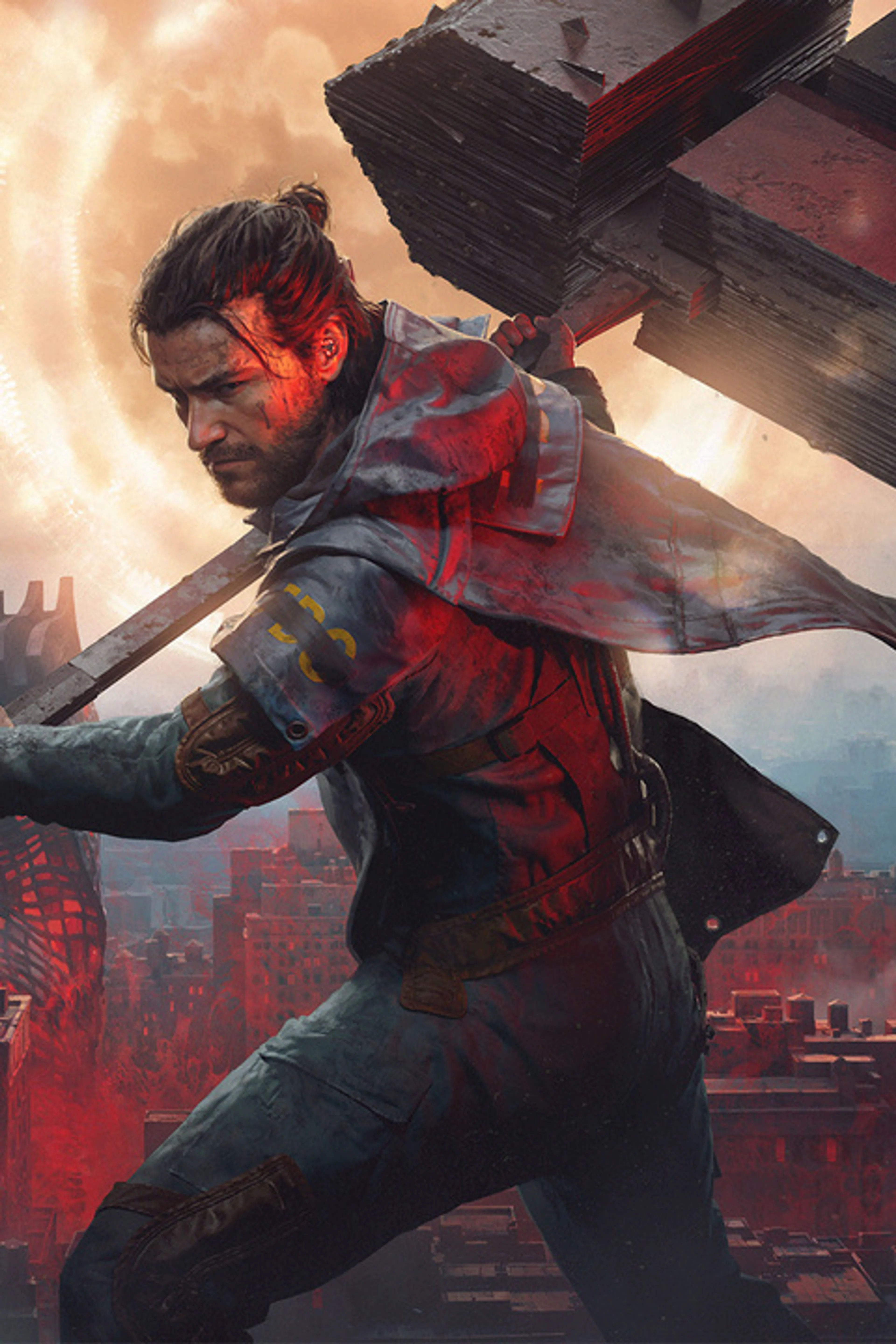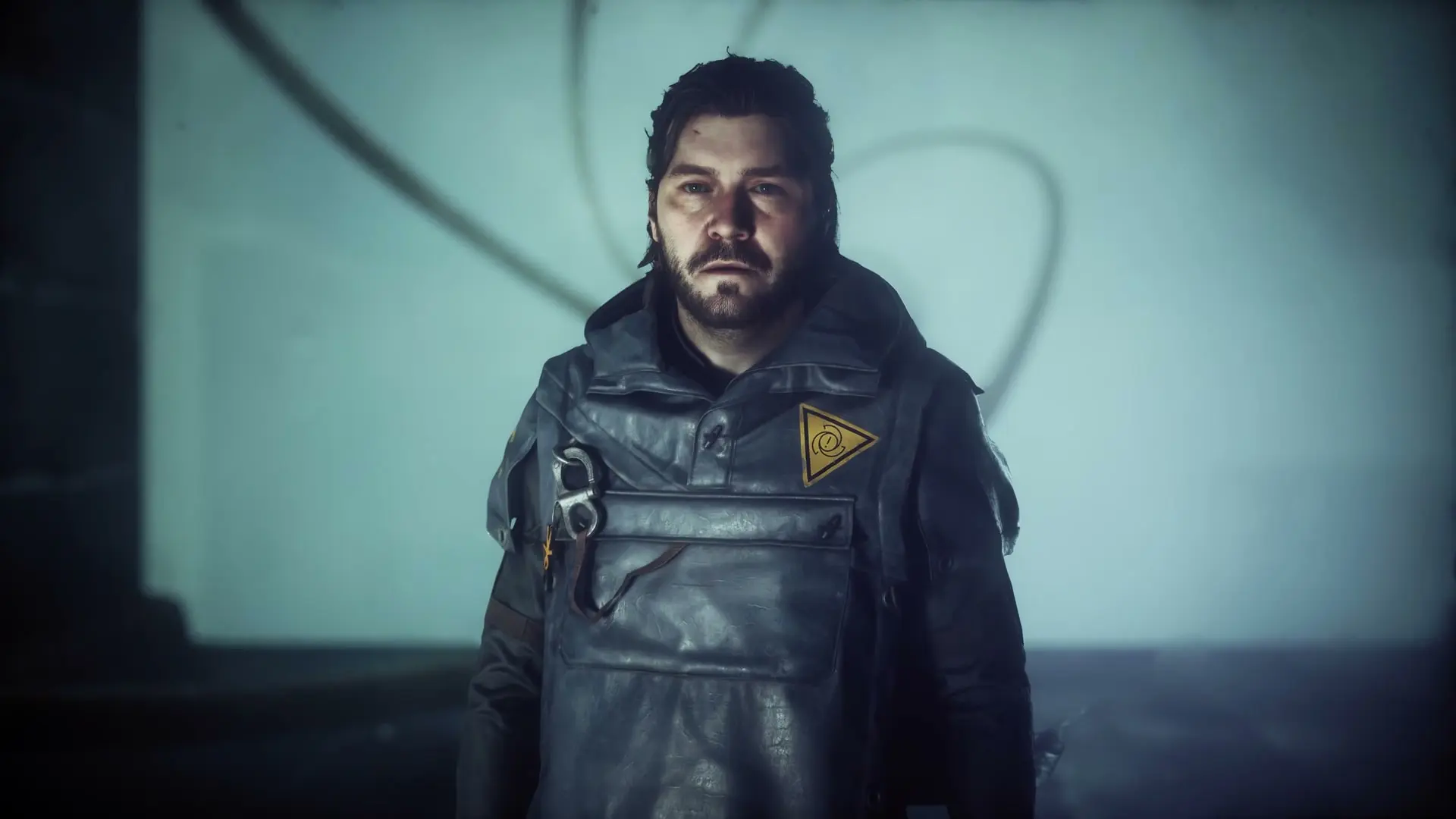
In CONTROL Resonant, you play as Dylan Faden, a man with supernatural abilities searching for his missing sister in Manhattan. You explore the city on foot, fight creatures with a weapon that changes shape, and gain powers that let you reach places you could not enter before. The streets are familiar enough to recognize. Then you look up and see another road running vertically beside a building.
That change is more than an impressive view. Finding your way through the city becomes part of the adventure, with new movement abilities changing which surfaces you can use. Exploring this version of Manhattan is the strongest reason to play. Fighting through it is less consistent. Dylan eventually gets plenty of entertaining attacks, but ordinary encounters repeat too often and some enemies take too long to defeat.
This is a single-player action game, not a cooperative trip through New York. It is also a sequel that changes the basic fighting style of the first Control. Returning players should expect close-range weapons rather than another gun-led campaign. New players can start here: a recap introduces the earlier events, and finding Dylan’s sister gives the story an immediate goal without requiring you to remember the first game.
A city worth exploring, with a map that struggles to explain it
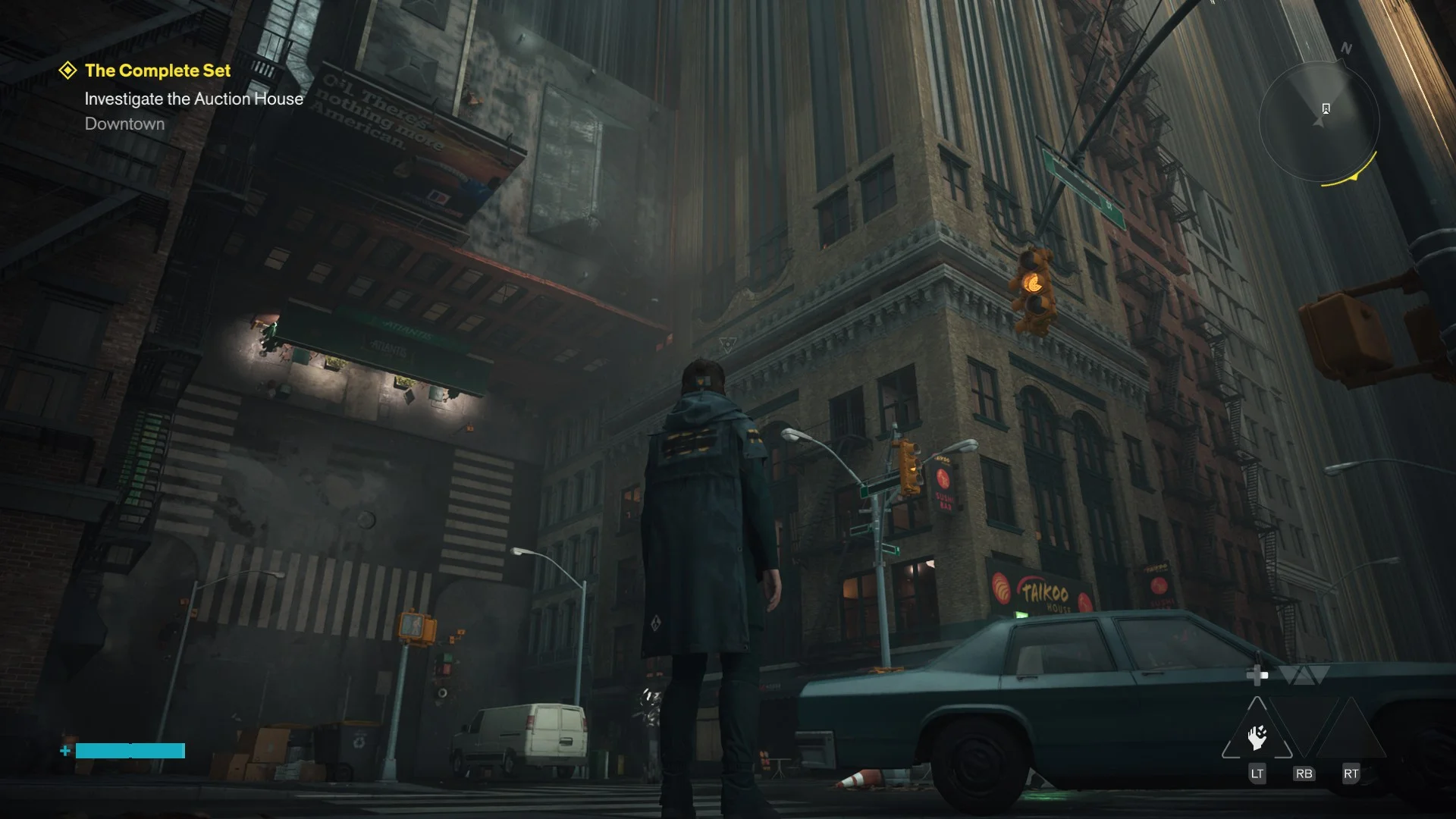
You choose objectives across several large areas rather than follow one continuous corridor. Some tasks advance the story; others lead to smaller mysteries or supplies. At first, getting around means running and jumping. Later abilities let Dylan cross wider gaps and travel through places where gravity points in another direction. A wall can become the surface beneath your feet. That makes a return visit more interesting than walking through the same street again.
The scale is effective because ordinary details remain visible. Cars and shop signs sit beside architecture that no longer obeys normal directions. In the street shown above, the crossings continue up the side of the scene while Dylan stands beside a parked car. You can recognize what the place used to be without a character explaining the damage. It is a striking use of an everyday setting, and the normal objects make the distortion easier to understand.
The trouble comes when you need to reach a specific destination. The map shows the area from above, but the city has routes at different heights and surfaces turned sideways. Knowing where an objective is does not always show you how to reach it. Looking around for an entrance can be enjoyable when there is something to discover. Rechecking the same map because the route remains unclear is simply frustrating.
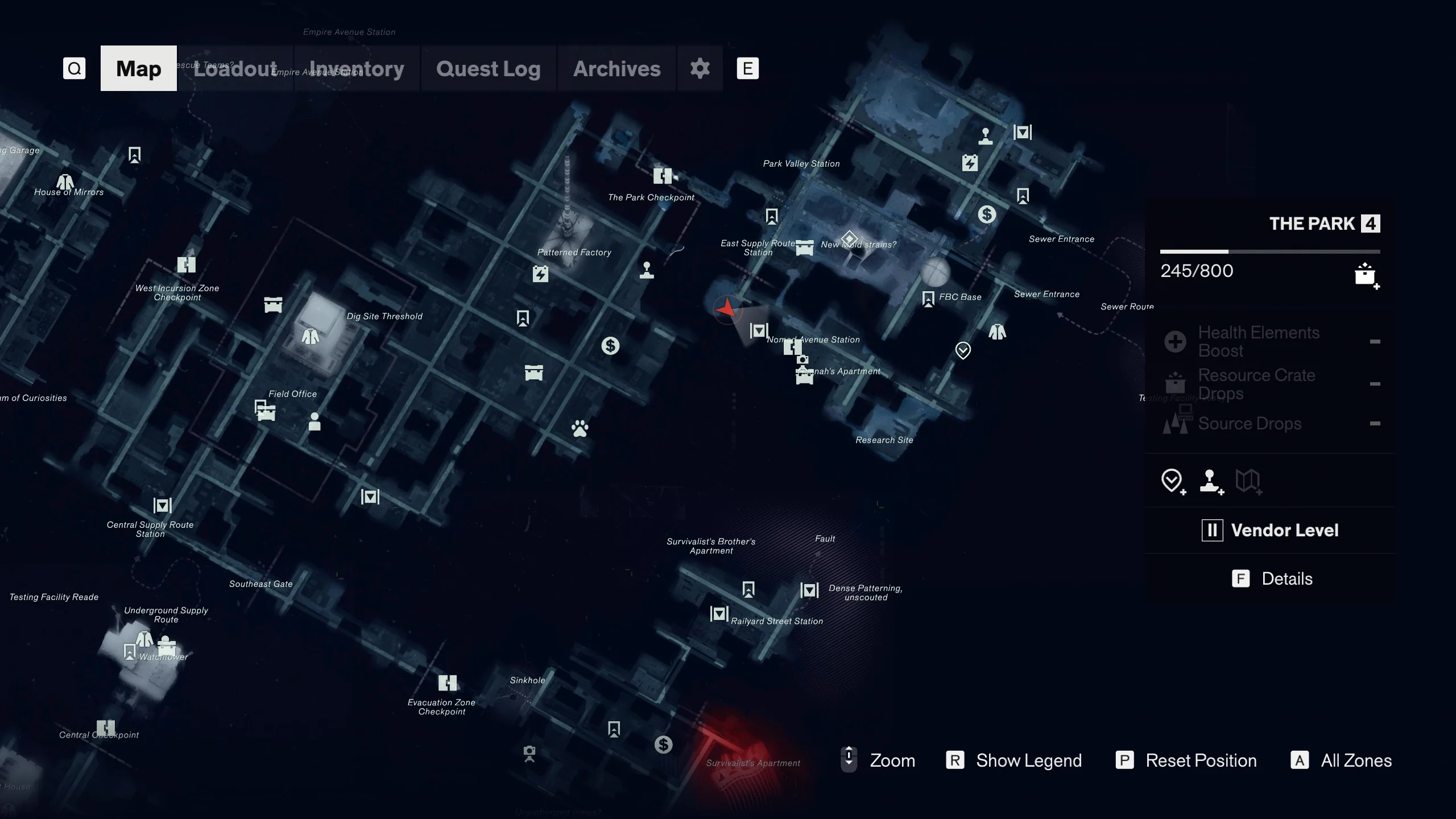
Optional stories provide better reasons to leave the main route than another supply container. They give the supernatural disaster smaller situations to investigate, with changes in tone that the main emergency cannot provide on its own. Some are funny, while others are disturbing. The worthwhile detours tell a story, not just award materials. Searching for their entrances and reading the documents nearby is often more appealing than clearing another group of enemies.
There is a practical reason to explore as well. Completing additional objectives helps Dylan develop his abilities, which can make a difficult main mission more manageable. You can leave a demanding fight and work on something else rather than keep repeating the same failure. We like having that option. We are less enthusiastic when a main objective feels drawn out because the enemies require more damage than Dylan can comfortably deliver at that stage.
Fighting improves when Dylan has more than one useful attack
When a fight starts, you move Dylan close enough to strike and watch for attacks coming from the surrounding enemies. His weapon can take several forms, including blades and a large hammer. Quick attacks and heavier blows serve different purposes, and you choose the forms assigned to them. This changing weapon is called the Aberrant. Choosing a weapon you enjoy using matters more than choosing the one that looks most dramatic.
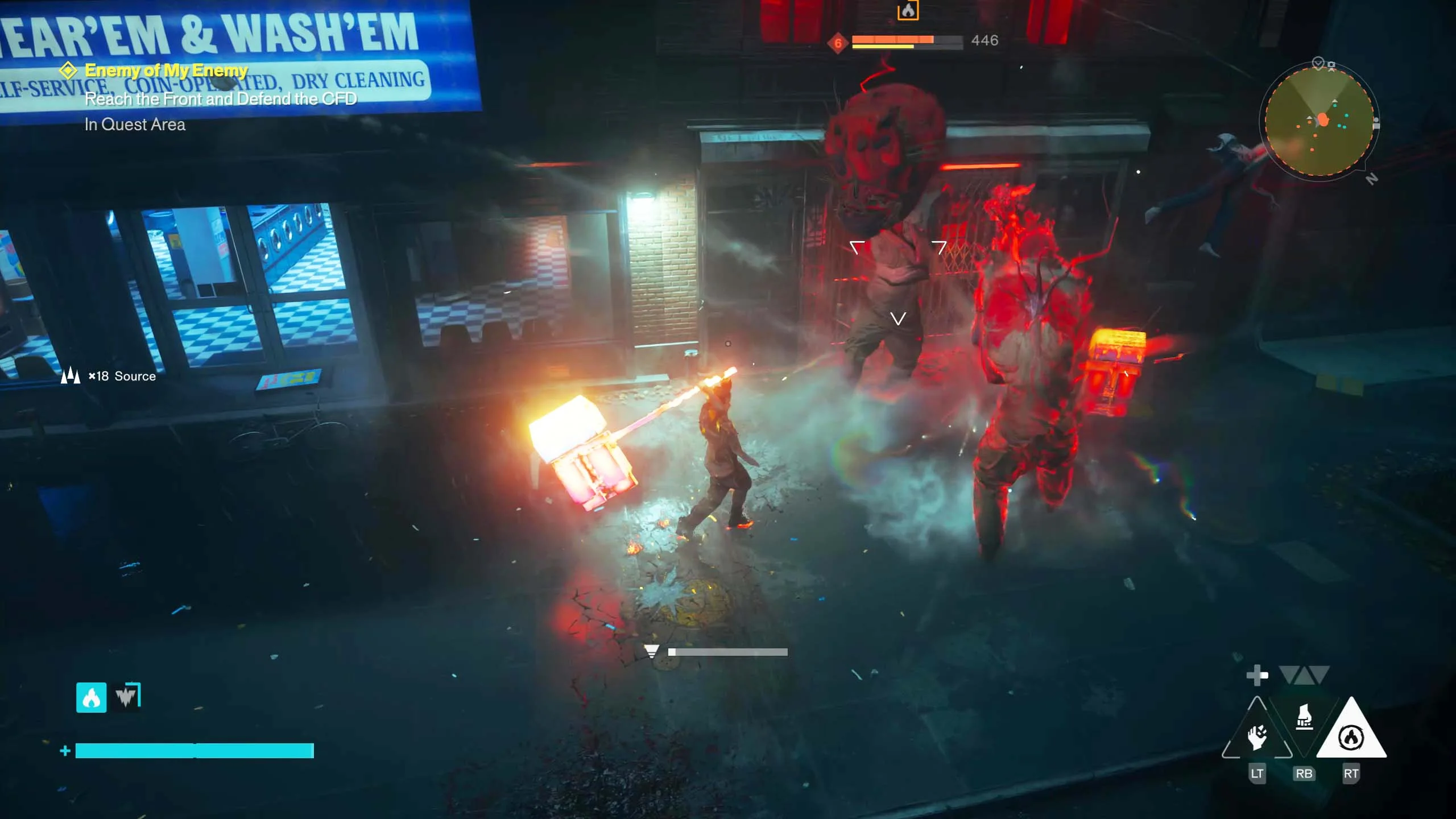
You cannot safely stand in front of a group and keep swinging. Dylan avoids incoming attacks by moving out of the way, and a narrowly timed dodge can improve his next strike. There is no weapon-blocking system to rely on instead. That keeps movement important even when your attention is on one opponent. A powerful blow is useful only if you have enough time to complete it before someone else hits you.
Repeated attacks can also leave an enemy temporarily unable to defend itself. That gives Dylan an opening for a finishing attack, followed by a short increase in his damage. Weakening one enemy can help you defeat the next ones faster. The game calls the weakened state “falter” and the damage boost “Dominance.” Understanding that sequence makes a bigger difference than treating every attack as another small reduction in an enemy’s health.
Landing hits also builds the energy used for supernatural powers. You spend that energy on abilities such as launching projectiles or creating an ally that attacks enemies. You therefore need to fight at close range to keep those options available. It is an enjoyable combination once several abilities are unlocked: physical attacks supply the energy, and powers help you deal with threats that are awkward to reach with a weapon.
The early hours give a less convincing introduction. With fewer forms and powers available, there is more time spent repeating basic attacks against enemies that can withstand a lot of them. Combat takes too long to offer its better combinations. A first weapon choice that does not suit you makes that stretch worse. The later flexibility is welcome, but it does not erase the slow process of reaching it.
Even after that improvement, more abilities do not always produce more varied encounters. Groups often arrive in successive waves, and distant enemies keep throwing attacks while you are occupied with someone nearby. Moving between targets can be exciting. Repeating that pattern against familiar groups becomes tiring, especially when the last few enemies need many more hits without demanding a different approach. The problem is repetition, not simply that the game is difficult.
The larger fights have more striking introductions and animation, but the campaign would benefit from ordinary battles ending sooner. The city already has enough visual interest to make travel worthwhile. It does not need every journey interrupted by another extended encounter. We prefer the freedom to experiment with Dylan’s powers to the amount of fighting required between discoveries. That distinction is the main limit on our enthusiasm for the combat.
You can adjust the challenge rather than accept every default setting. Assist options let you change damage and how quickly ability energy returns; invincibility and one-hit kills are also available. These settings do not disable achievements. They are useful if you want the story without repeated combat failures. Reducing the difficulty can shorten a frustrating fight, though it cannot make repeated enemy groups more varied.
Dylan’s search gives the supernatural story a personal focus
Dylan’s sister is Jesse Faden, the protagonist of the first game. She leads the Federal Bureau of Control, a government agency that investigates supernatural events. The agency previously held Dylan captive and experimented on him. Now it needs his abilities against the danger spreading through Manhattan. Dylan is helping people who have also harmed him. That history makes his role more uncomfortable than a straightforward assignment to save the city.
The most approachable parts of the story concern how he deals with other people. Zoe, the agent assigned to supervise him, becomes an especially important companion. Conversations about ordinary interests, including music, give Dylan something to discuss beyond the current threat. Sean Durrie’s performance makes his uncertainty engaging without requiring constant explanations of his past. The search for Jesse remains easy to follow even when the stranger details of the setting become complicated.
Emily Pope, a researcher who knows Jesse, provides another connection to the missing sister. These conversations matter because Dylan is not merely collecting instructions from anonymous mission-givers. Different people have different reasons to trust him, fear him, or help him. The relationships are more engaging than the agency’s terminology. Returning fans can enjoy the connections, while newcomers still have understandable reasons to care about the people speaking.
The people and strange sights of CONTROL Resonant
3 screenshotsThere are also practical differences to consider before choosing a version. On a standard PS5, Remedy lists a smoother Performance option targeting 60 frames per second and a sharper Quality option targeting 30. More frames make movement appear smoother, which is especially relevant when dodging. PS5 Pro adds a 40-frame Balanced option for compatible 120Hz displays. These are the developer’s targets, not a guarantee that every scene maintains them.
This review is published before the September 24 launch. As of September 20, Steam has no user reviews, and we have no established post-release player consensus for PC, PS5, or Xbox Series X|S. We are not treating preorder discussion as evidence of stability. Our verdict concerns the campaign and its design; it should not be read as a promise of identical technical performance across all three platforms or of fixes in an unverified launch patch.
Pixel Twelve score: 8.2/10 — Great. CONTROL Resonant is worth playing for its extraordinary city, enjoyable movement, and Dylan’s relationships with the people around him. The combat becomes much more entertaining as his options expand, but slow early fights and repeated enemy waves prevent an unqualified recommendation. Choose it if you enjoy exploring unusual places and following a character-driven mystery between action sequences. If you want consistently varied combat above everything else, those repeated encounters will be harder to overlook.
Loading results