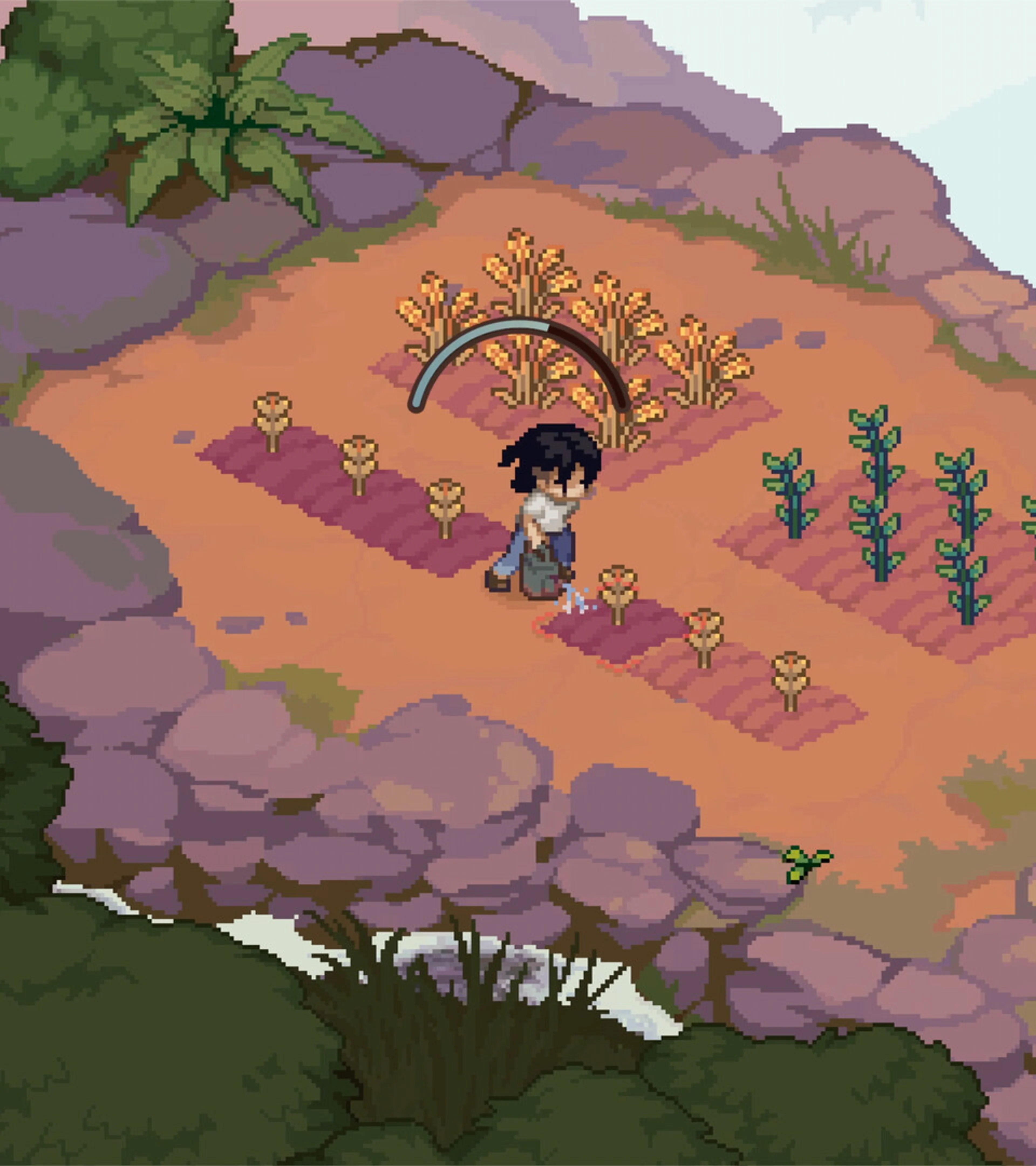
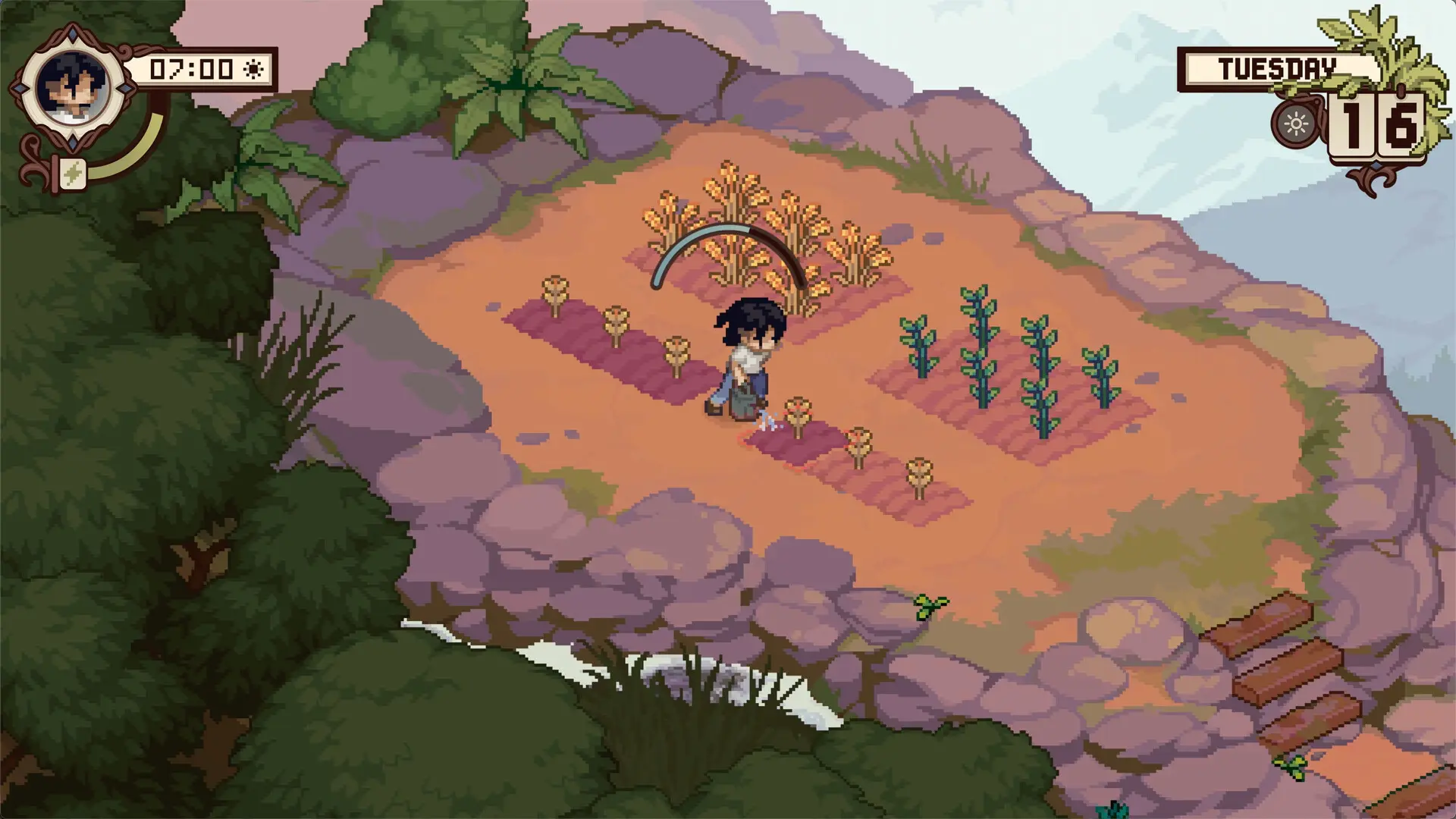

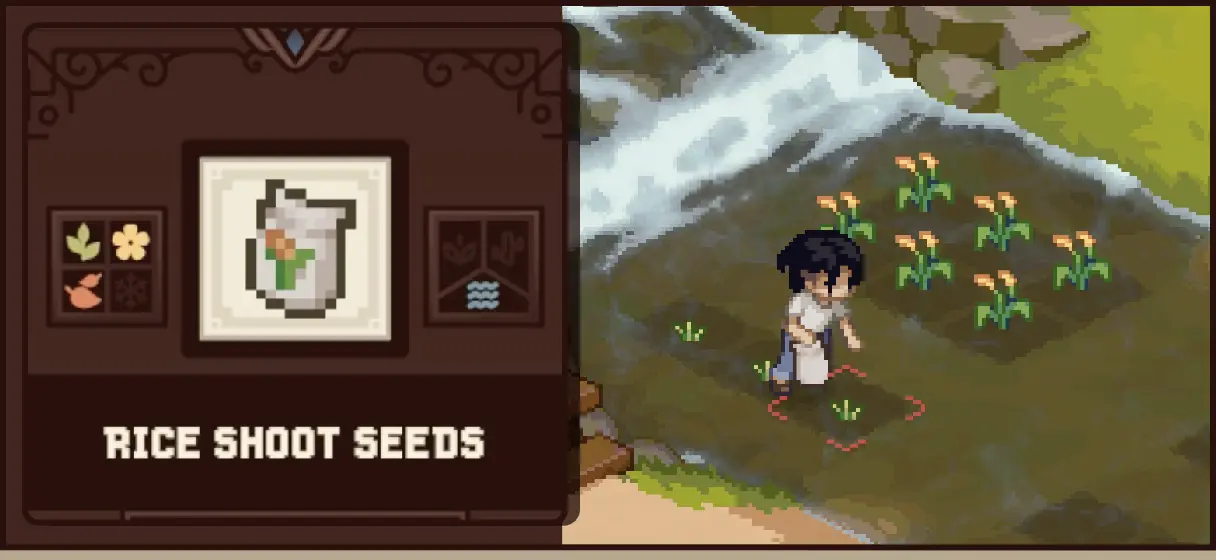
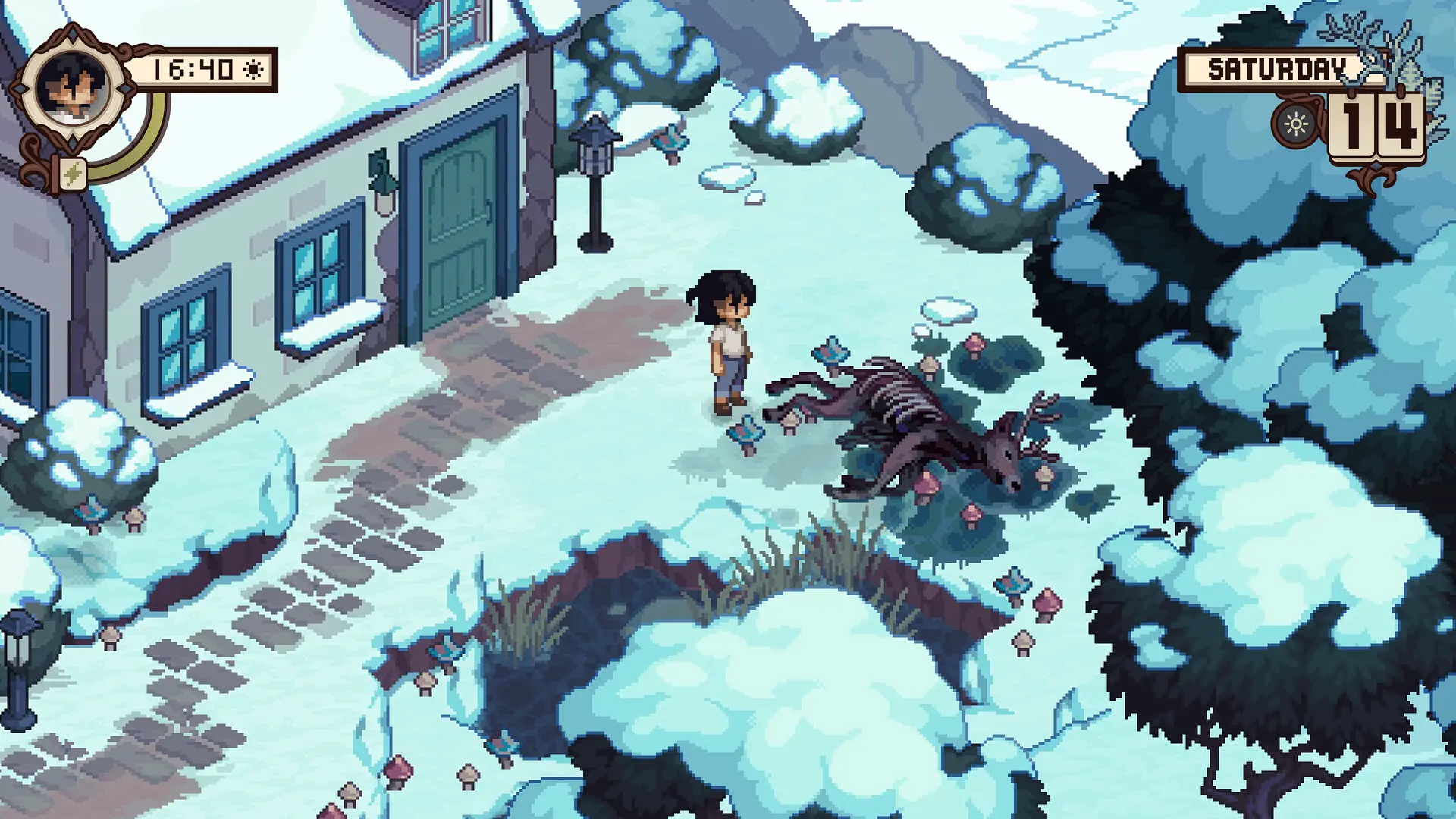
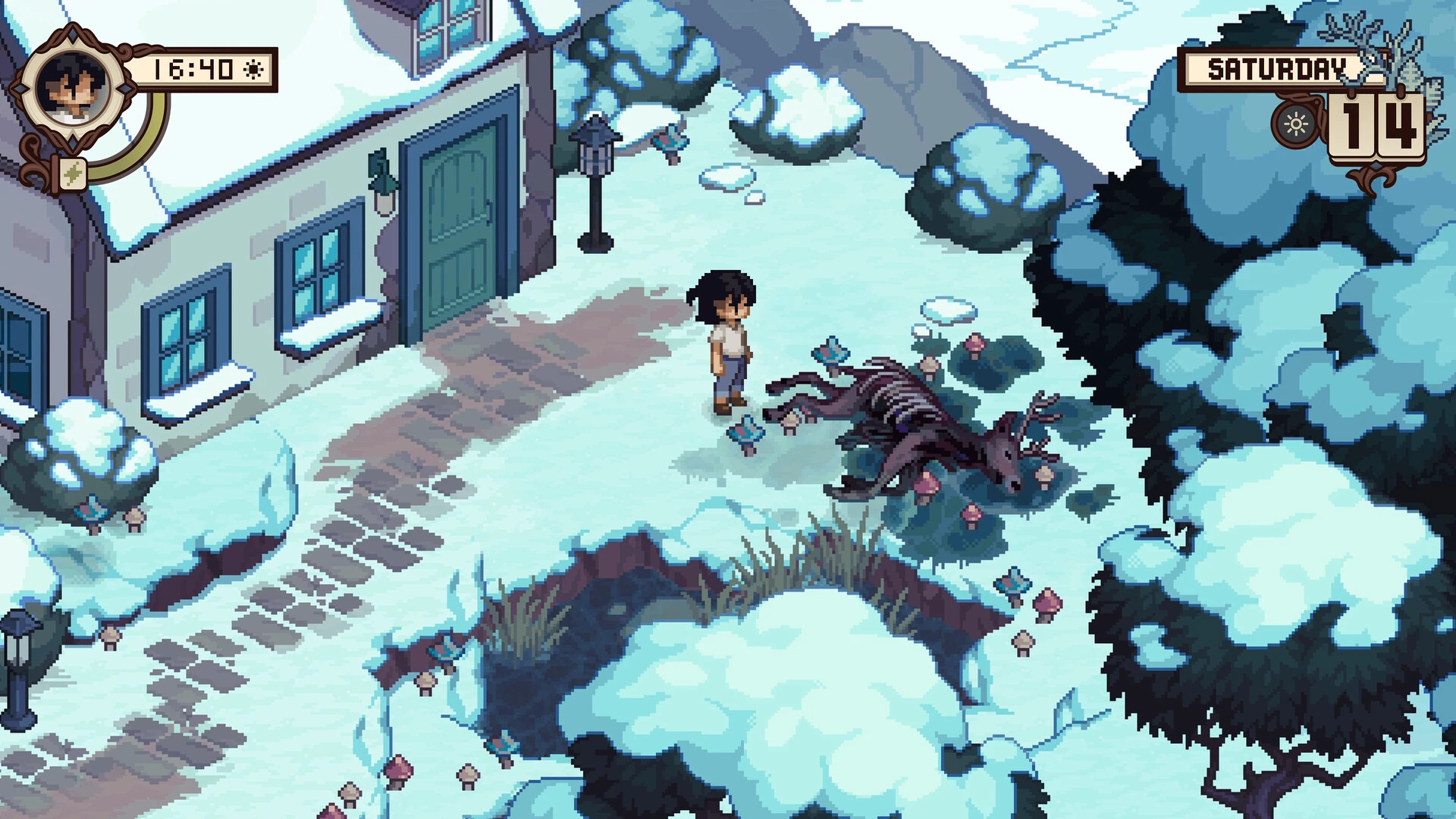
Grave Seasons gives you farm work, relationships, and a murder investigation in the same one-year campaign. The investigation is not handled through one detective menu. You search crime scenes, speak with residents, record clues, and sometimes enter places where you are not welcome.
This is a spoiler-free guide based on official information and hands-on preview builds. It explains the tools players have seen without naming suspects or pretending that every playthrough follows the same killer campaign.
Search the Crime Scene Carefully
Crime scenes can contain objects that add useful information to the case. In a PC preview build, pressing Tab highlighted nearby objects that could be examined. The final controls may change, and console buttons have not been confirmed, but the feature gives players a way to check an area before leaving.
Walk around the full scene instead of stopping at the first clue. Look beside furniture, around the victim, and near entrances. If the game highlights several objects, inspect each one before deciding what happened. A small detail may only make sense after another conversation.
Check the Journal After Finding Clues
Collected clues are added to the journal. Preview coverage showed the journal tracking discoveries and early links to people in town. Open it after a crime scene or an important conversation so you can see whether a new name, location, or object has been connected to the case.
The journal is a record, not an automatic answer. A connection can tell you where to investigate next without proving that someone is the killer. Grave Seasons uses several authored killer campaigns, so a character who looks suspicious in one run may have a different role in another.
Talk to People After a Murder
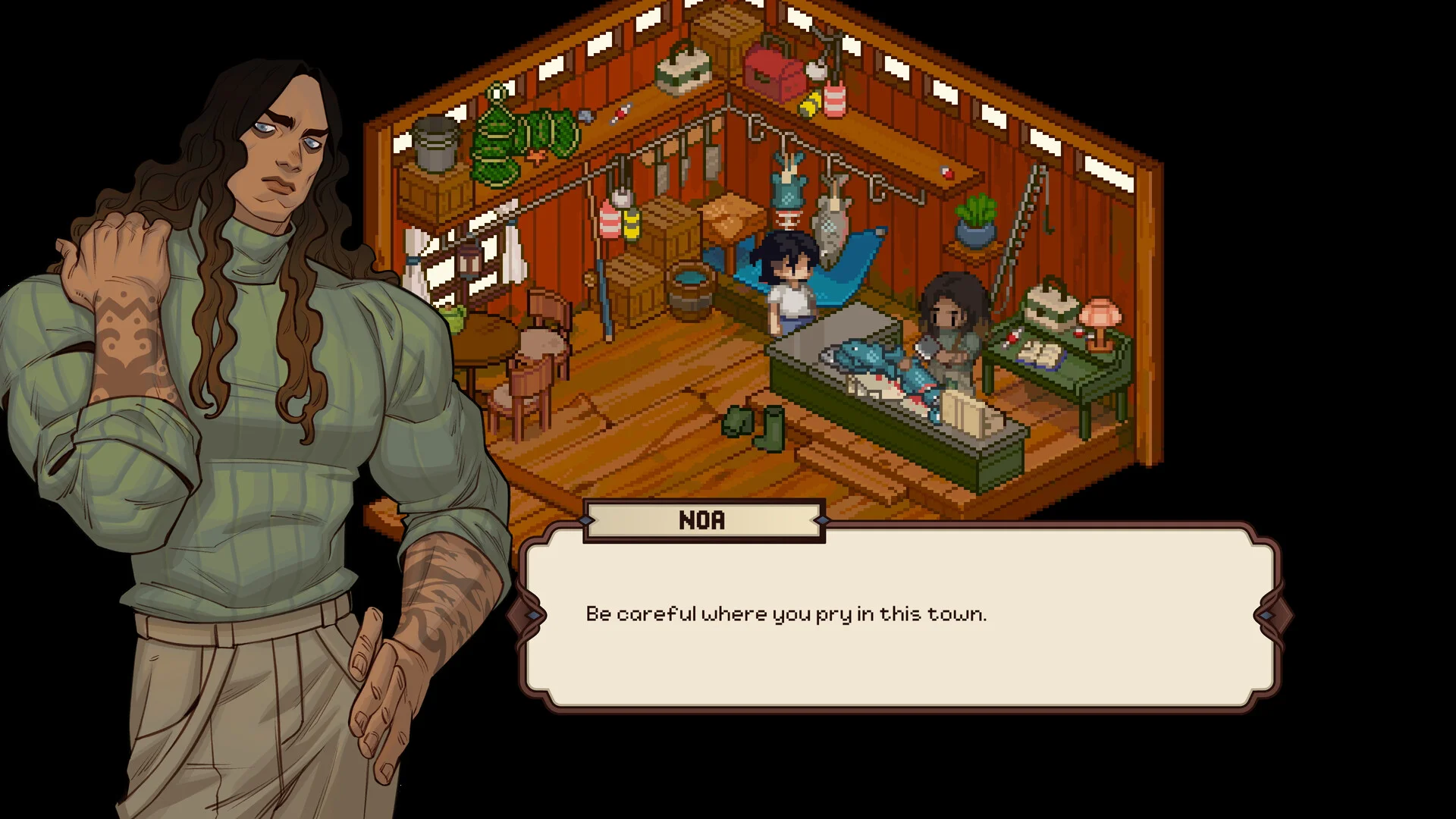
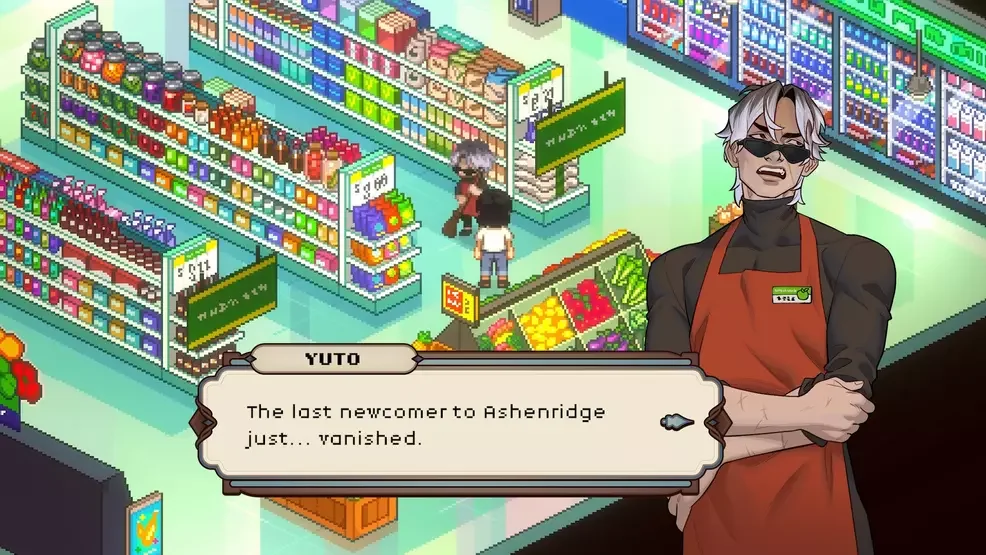
Residents respond differently when someone dies. One hands-on preview noted that a character even warned that people can fake remorse. Speak to the victim's friends, neighbors, and anyone connected to a clue, but read their answers as information rather than instant proof.
Relationships can affect what people share with you. Helping a resident or building trust may open a conversation that was not available earlier. If someone refuses to help, another quest or a stronger relationship may be more useful than asking the same question repeatedly.
Use the Crowbar on Compatible Entrances
The crowbar can be crafted and used on certain doors and hatches. A preview build marked compatible entrances with a lock icon. It does not turn every building into an open target, so look for the game's prompt before trying to force an entrance.
Shacknews saw a timing-based break-in action similar to the preview's fishing minigame. Treat that as preview information until the final game confirms the mechanic. Entering a home can reveal evidence, but it also creates a risk if the resident is nearby.
Getting Caught Can Delay the Case
Breaking into a home during the day is easier for residents to notice. In a hands-on demonstration, getting caught could make the resident ban the player from the house for several days. Losing access can delay a clue, a relationship, or another activity tied to that location.
Night gives you more opportunities to investigate, but it is not an empty or automatically safe version of town. NPCs keep their own schedules and can move around after dark. Watch where people go before using the crowbar, and leave if someone returns.
Later Victims May Be Saved
The first murder shown in previews appeared to work as a tutorial event that players could not prevent. Later deaths can change according to how quickly the case moves and whether the killer is stopped. The developers have also discussed multiple endings and storylines that continue or end when residents live or die.
Do not wait forever after the journal points toward a useful lead. Time continues while you farm, date, explore, and investigate. Missing a deadline may remove a resident and change the rest of the year.
Spoiler-Free Investigation Checklist
- Highlight and inspect every useful object before leaving a crime scene.
- Read the journal after new clues and important conversations.
- Treat suspicion as a lead, not proof.
- Check for a lock prompt before using the crowbar.
- Watch resident movement before entering a home.
- Follow strong leads before too many in-game days pass.
For farming, relationships, and the wider one-year structure, read our Grave Seasons beginner guide.