
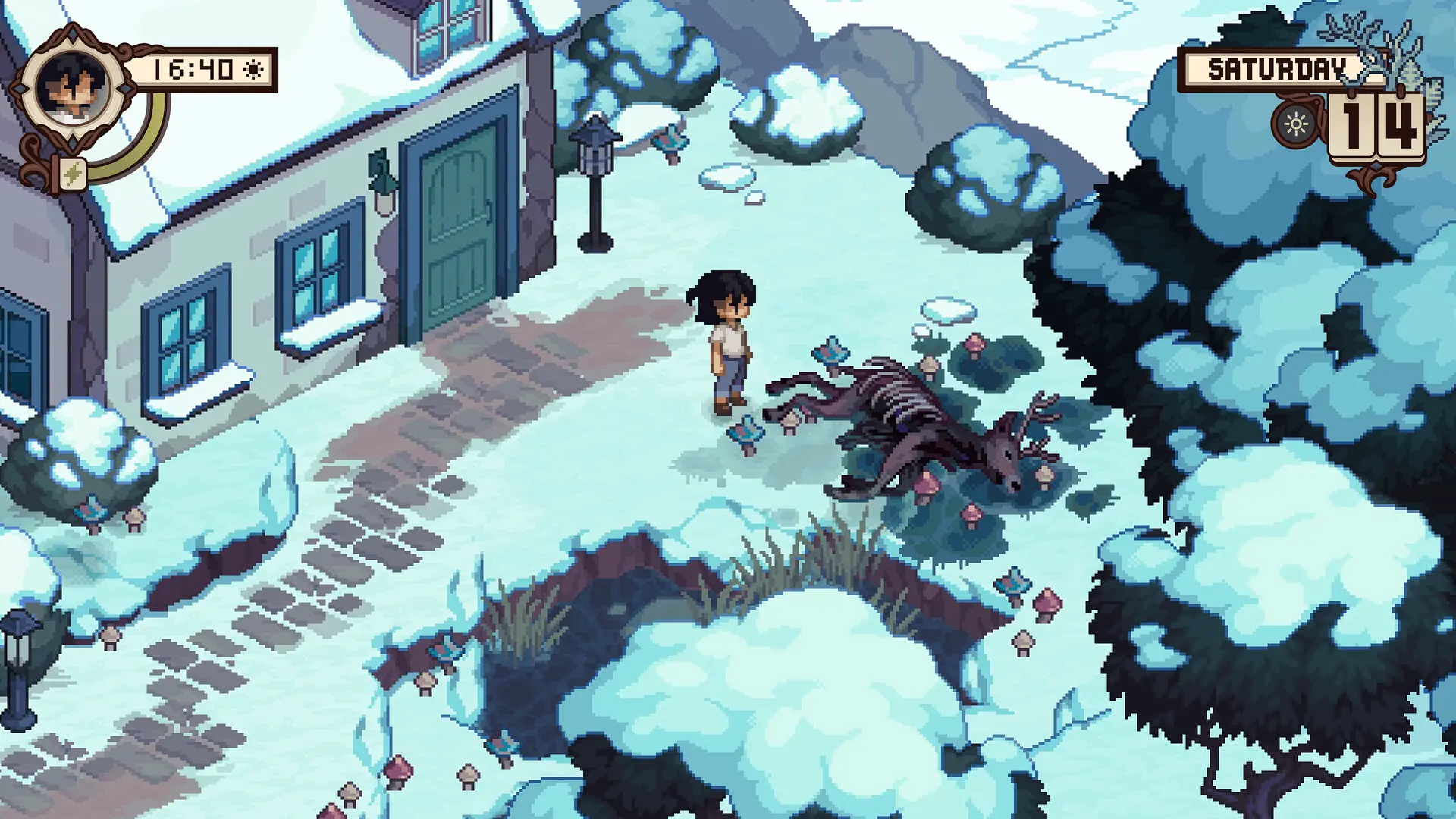
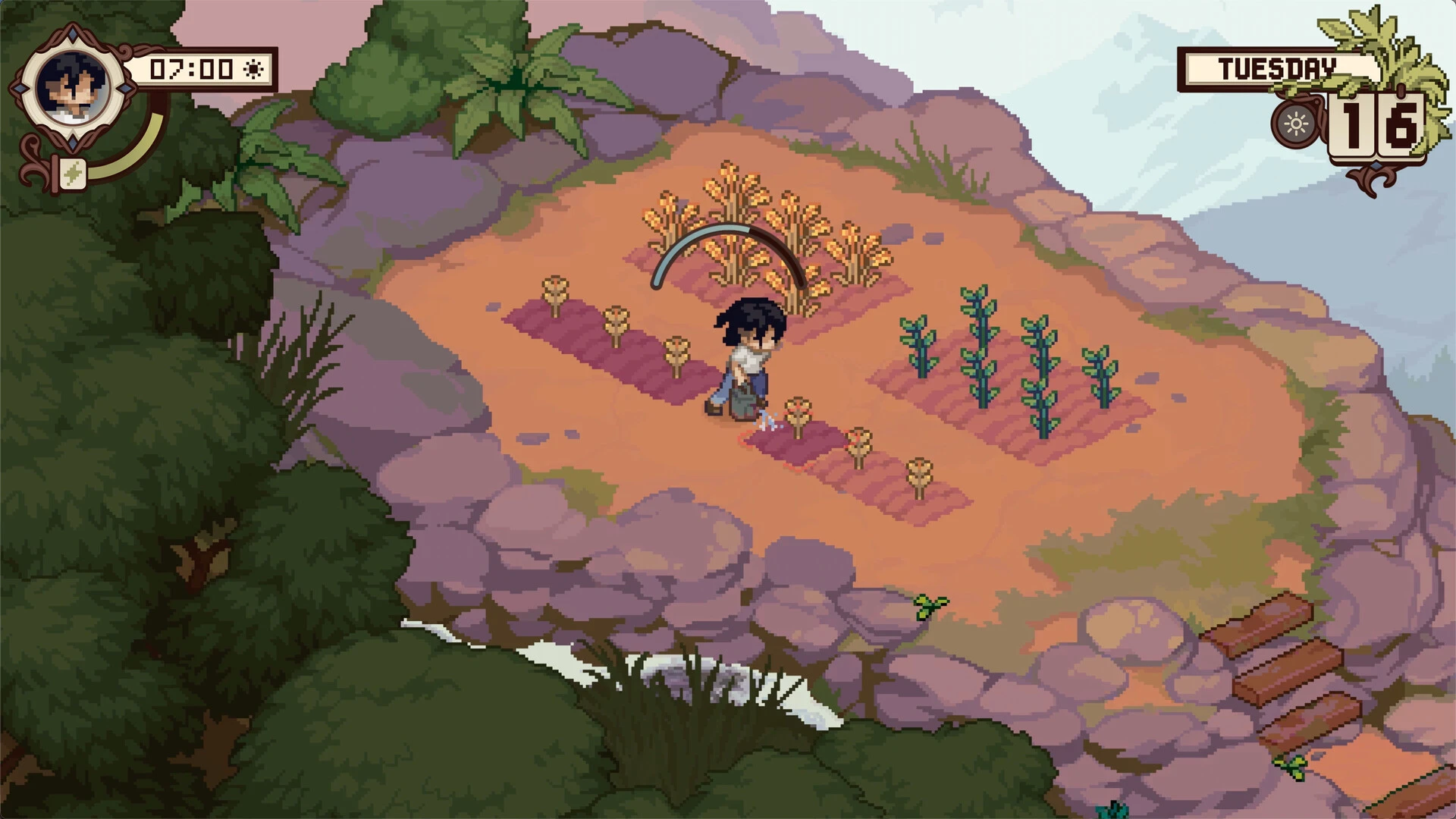
Grave Seasons mixes farming, relationships, and a murder investigation in the town of Ashenridge. The game has been delayed to Fall 2026, and the developer has not announced a new exact date. This beginner guide uses confirmed developer information and hands-on previews, so it can help you understand the game without inventing crop profits, gift lists, or character schedules that are not public yet.
Your First Year Is Also the Investigation
A run lasts one in-game year, moving through spring, summer, autumn, and winter. You can farm, fish, forage, mine, craft, meet residents, and follow quests, but the murder case keeps moving while you do those things. Decisions are saved, and people can live or die based on what happens during the year.
Do not expect one random killer with clues placed by a computer. Grave Seasons selects from several written murder campaigns. Each campaign has its own killer and story path. A new run can give you a different case, but the mystery is still authored.
Start With a Small Farm
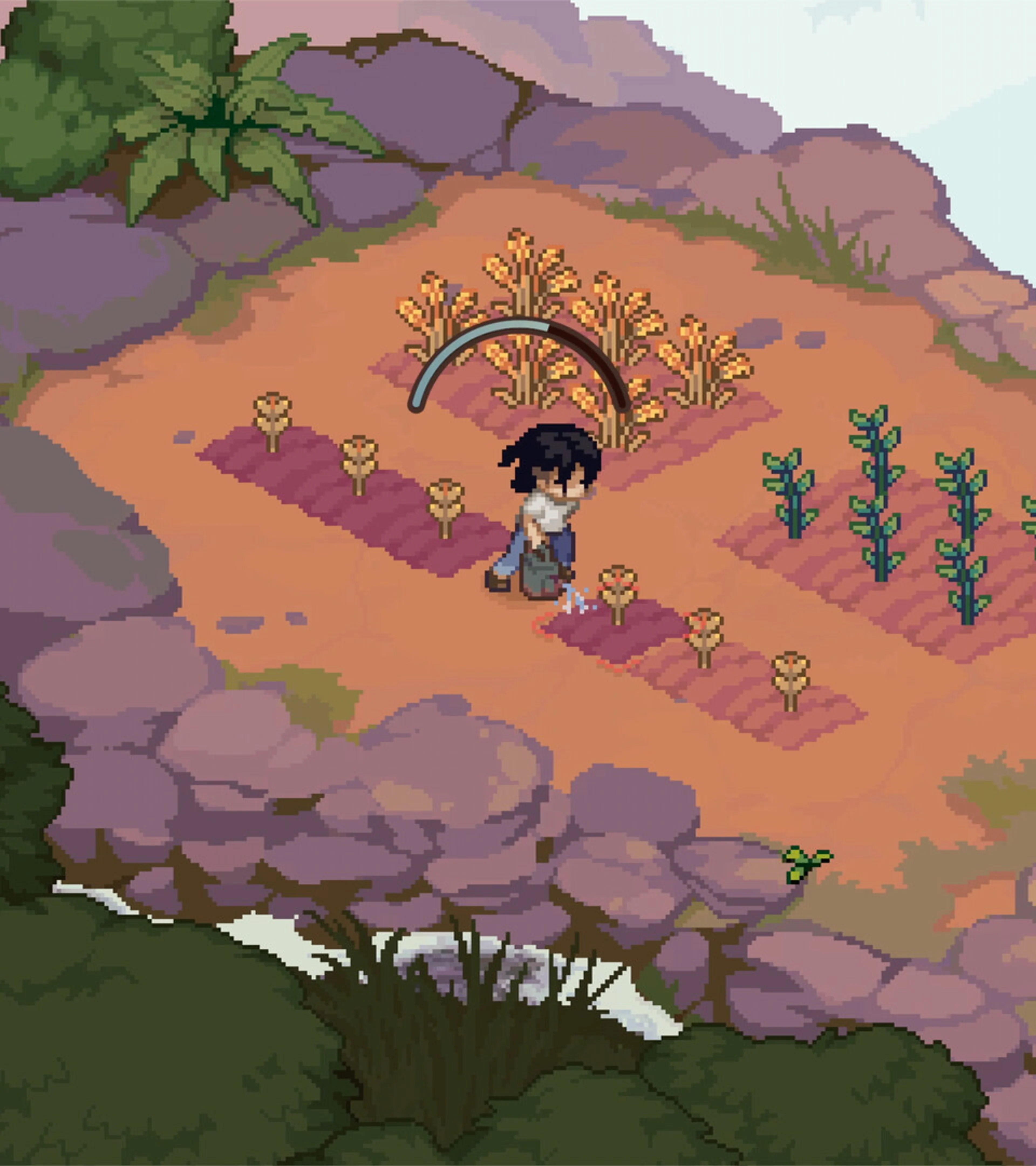
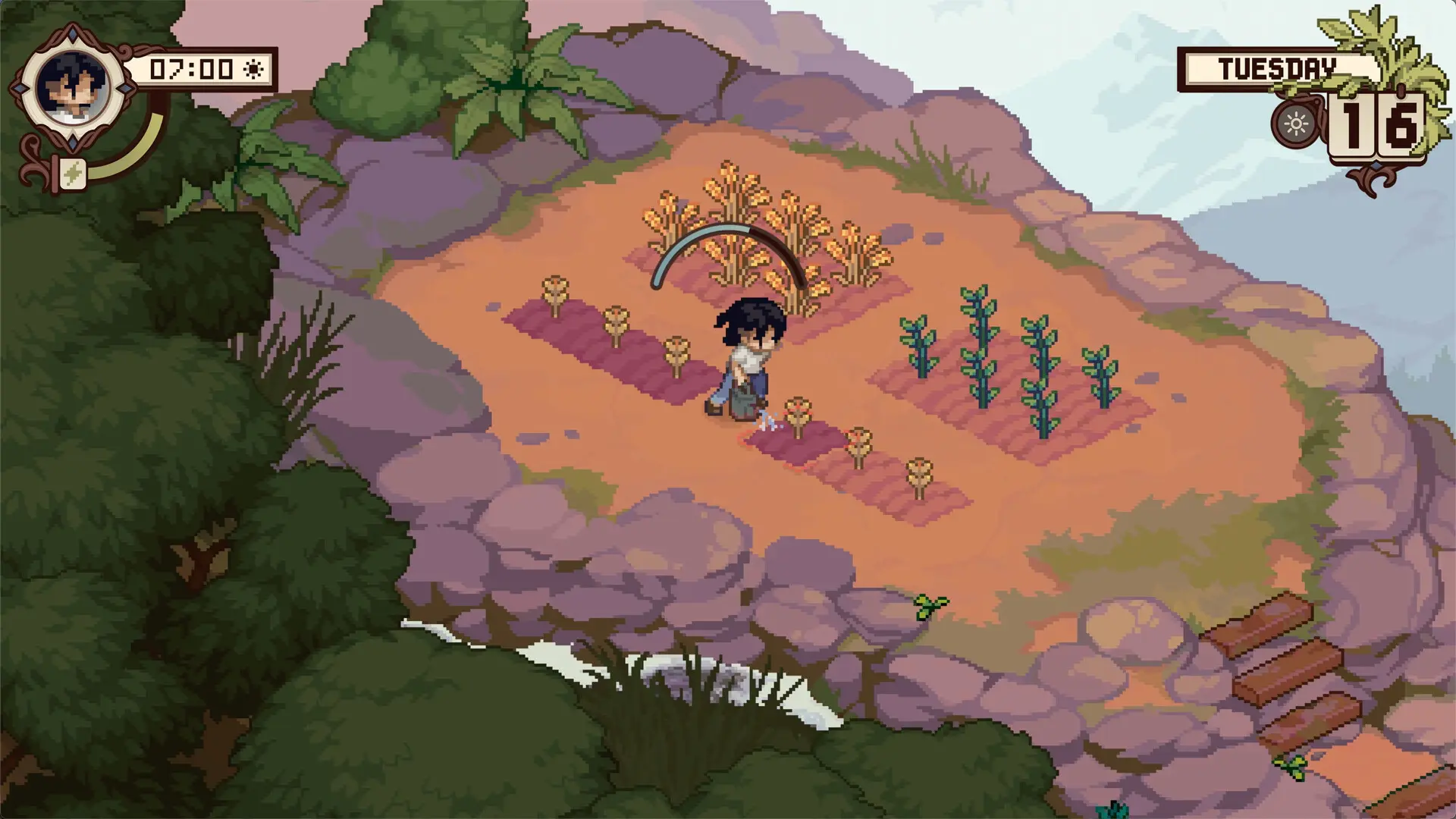
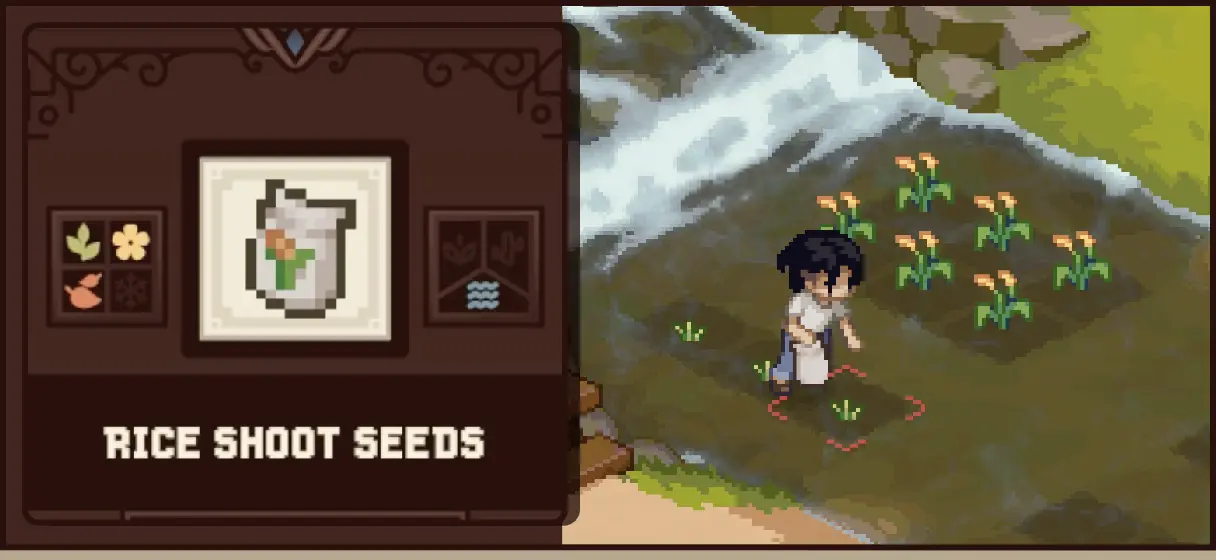
The farm uses regular, arid, and wet plots. Wet plots do not need normal watering, while crops can have different season and soil requirements. The developer plans more than 45 seed types, which means planting everything at once is likely to create more work than a new player needs.
Begin with a small group of crops that match the current season and the plots you already understand. Keep room in the day for the town. Farming supports your money and supplies, but spending every hour on the farm can leave less time for quests and investigation.
Know What Your Starting Tools Are For
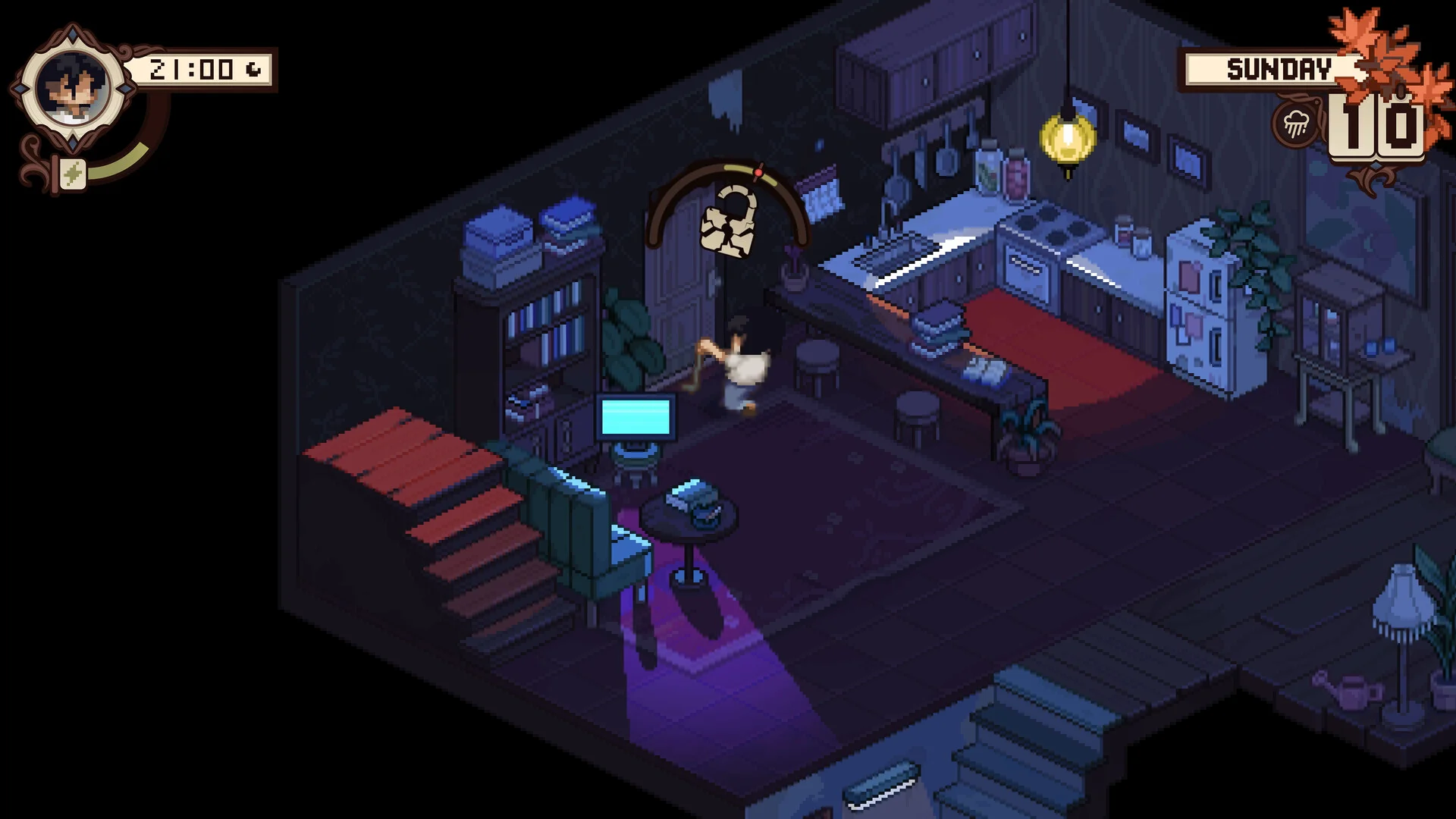
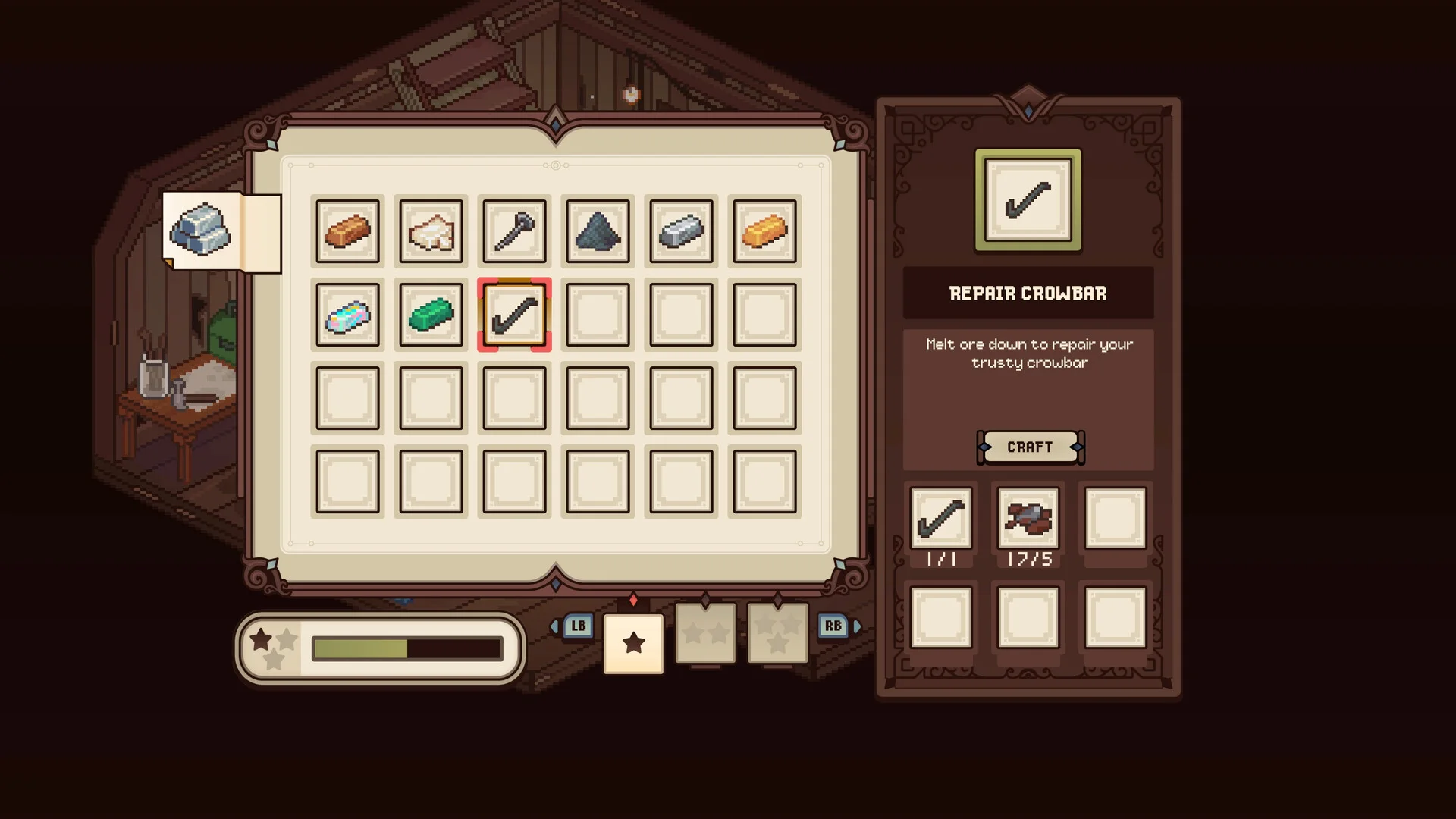
Confirmed starting tools include a shovel, watering can, axe, pickaxe, and crowbar. The shovel and watering can handle basic farm work. The axe and pickaxe help collect resources. The crowbar has a more dangerous use: it can help you enter places where you may not be welcome.
Tools can be upgraded, but exact costs and upgrade paths are not public. Before spending resources, check what is stopping your current progress. A better farm tool may save time every day, while an exploration tool may open a route connected to the case.
Use the Whole Day, but Remember to Rest
Grave Seasons has a full 24-hour cycle. The game does not simply send you home when night begins, so evening can be useful for meeting people, watching locations, or following a lead. Your character still needs rest. Staying out late should be a choice, not the default plan for every day.
It helps to give each day one main purpose. You might handle farm work in the morning, complete a town quest in the afternoon, and check one clue at night. A simple plan makes it easier to notice when an unexpected event changes what you should do next.
Relationships Can Give You Information
Ashenridge has more than 30 residents and 12 romance options. Relationships are not separate from the mystery. Trust, personal quests, and access to homes can change what people tell you and where you are allowed to go.
Breaking into a house with the crowbar may reveal something useful, but getting caught can damage a relationship and delay easier access to that person or place. Talk to residents and complete their requests before deciding that forced entry is the only option.
Check the Journal Before You Guess
The journal tracks clues and helps organize the case. Preview builds also included a way to highlight objects you can interact with. Use both tools when a room feels empty or when several names and events start to overlap.
A suspicious person is not automatically the killer. Compare what people say with the clues you have collected, where they were, and what changed after an event. The game is designed to continue after mistakes, so a bad choice does not always mean the run is over. It can create a different story.
What We Still Cannot Confirm
- The best crops, exact sell prices, and most profitable farm layout.
- Complete gift lists, romance schedules, and character preferences.
- Tool upgrade prices, crafting recipes, and exact stamina costs.
- Killer identities, case solutions, and the best ending route.
Those details need the final game. Until then, the useful preparation is simple: keep your farm manageable, leave time for people and clues, use the journal, and accept that one year will not show every version of Ashenridge.