
A gunman can seem safely out of reach until Logan jumps across the fight and drives his claws into him. Marvel’s Wolverine understands why that should be fun. You spend less time waiting for enemies to approach and more time deciding who to attack next. The violence is graphic, but the speed is just as important. Logan is frightening because he can reach someone so quickly.
That is the strongest reason to play Insomniac’s PS5 adventure. It is not an open-world game about roaming wherever you want. Missions take you through a mostly fixed route, with fights and story scenes along the way. The trouble comes when those fights start repeating familiar moves, or when the game asks you to follow directions without making many decisions yourself.
There is still plenty here for Wolverine fans. Liam McIntyre gives Logan a rough voice without making him sound angry in every conversation. The claws look and sound vicious. But a convincing lead cannot fix every hurried relationship or make another tightly guided passage exciting.
The fights improve when you have more ways to attack
Logan can heal, but that does not mean you should stand still and absorb everything. Crowds are more dangerous than a single opponent. Concentrate on one person for too long and someone else can interrupt you. Jumping to a distant gunman is useful because it changes your position as well as damaging an enemy. You are choosing where the next few seconds of the fight will happen.
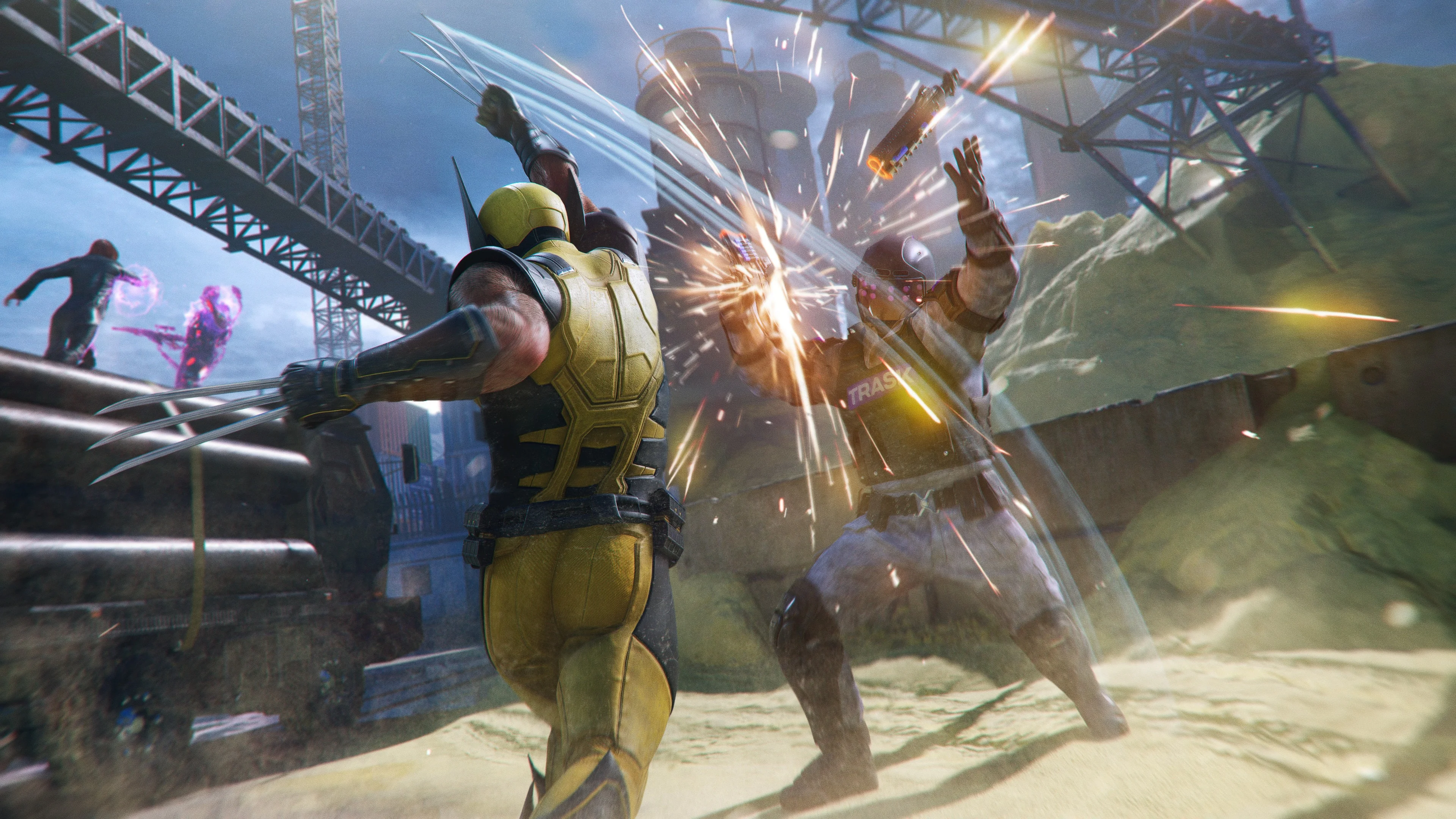
Attacking and defending build Rage, which gives Logan stronger opportunities to hurt enemies and survive. Special moves add more choices. You can equip four at once, so there is a practical reason to think about which ones suit you. A spinning attack is useful when enemies surround you. A move aimed at one opponent serves a different purpose.
The upgrades matter more than the early fights suggest. Adaptations let you adjust things such as your parry window or how quickly you build Rage. Later abilities make it easier to respond to pressure instead of repeating basic attacks. That creates an awkward first impression: the game takes time to offer the options that make its combat more interesting.
Enemy abilities can force you to change priorities. Mines can interfere with healing, while support enemies help other opponents. Those threats give you a reason to stop attacking whoever happens to be closest. Environmental opportunities help too. Setting the claws alight is more entertaining than simply watching another health bar shrink.
Unfortunately, the game does not keep finding equally interesting situations for these abilities. Familiar enemy groups return, and finishing moves lose some of their impact when the same animation appears again. Some bosses also take longer to defeat than their attack patterns justify. A bigger health bar is not the same thing as a better fight.
This is why our enthusiasm varies across the campaign. A busy encounter with several threats can make the movement and healing feel essential. An easier group can be dispatched with far less thought. If you mainly want to watch Wolverine tear through armed enemies, that may be enough. If you want every encounter to test a different skill, the repetition is harder to ignore.
Tokyo offers more freedom than the story usually allows
The Tokyo district is a welcome change from the narrow routes elsewhere. Shops, pedestrians and side alleys give Logan somewhere to investigate rather than simply another destination to reach. This is a small area within a linear adventure, not a city you can freely explore throughout the whole game. Knowing that before buying helps set the right expectation.
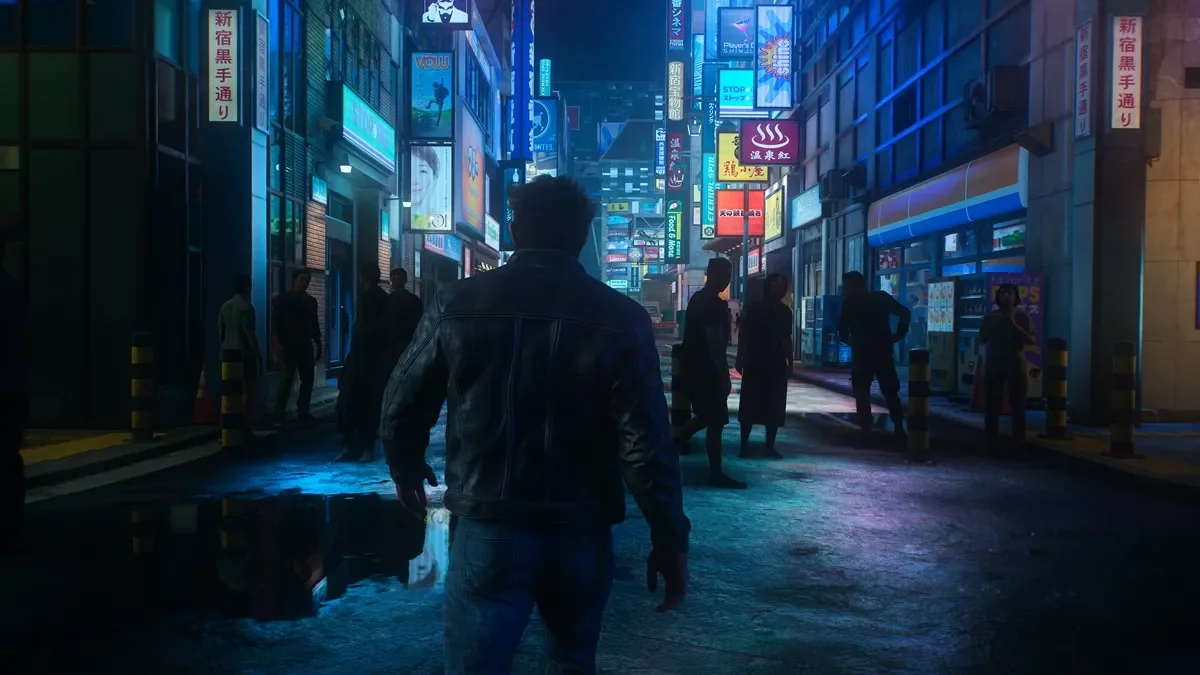
His heightened senses fit the character. Following a smell or listening for a clue makes more sense for Wolverine than giving him a detective gadget. The problem is how much the visual guidance does for you. When a route is already marked, finding the answer can become a matter of following it. You understand that Logan is skilled, but the player has less to work out.
Stealth has a similar limit. You can plan around designated positions and take enemies down quietly, but there is less freedom than the premise suggests. Getting spotted does not automatically end the mission, which is a sensible choice for this character. Still, a slow takedown can leave you exposed, and these sections rarely feel as flexible as the direct fights.
The story follows its own version of Marvel’s characters. Logan belongs to Team X alongside figures such as Sabretooth and Mystique, with Essex connected to the group. A mission involving Trask brings Jean Grey into the story. You do not need to have read years of X-Men comics, and recognizing a familiar name does not mean this person has exactly the history you remember.
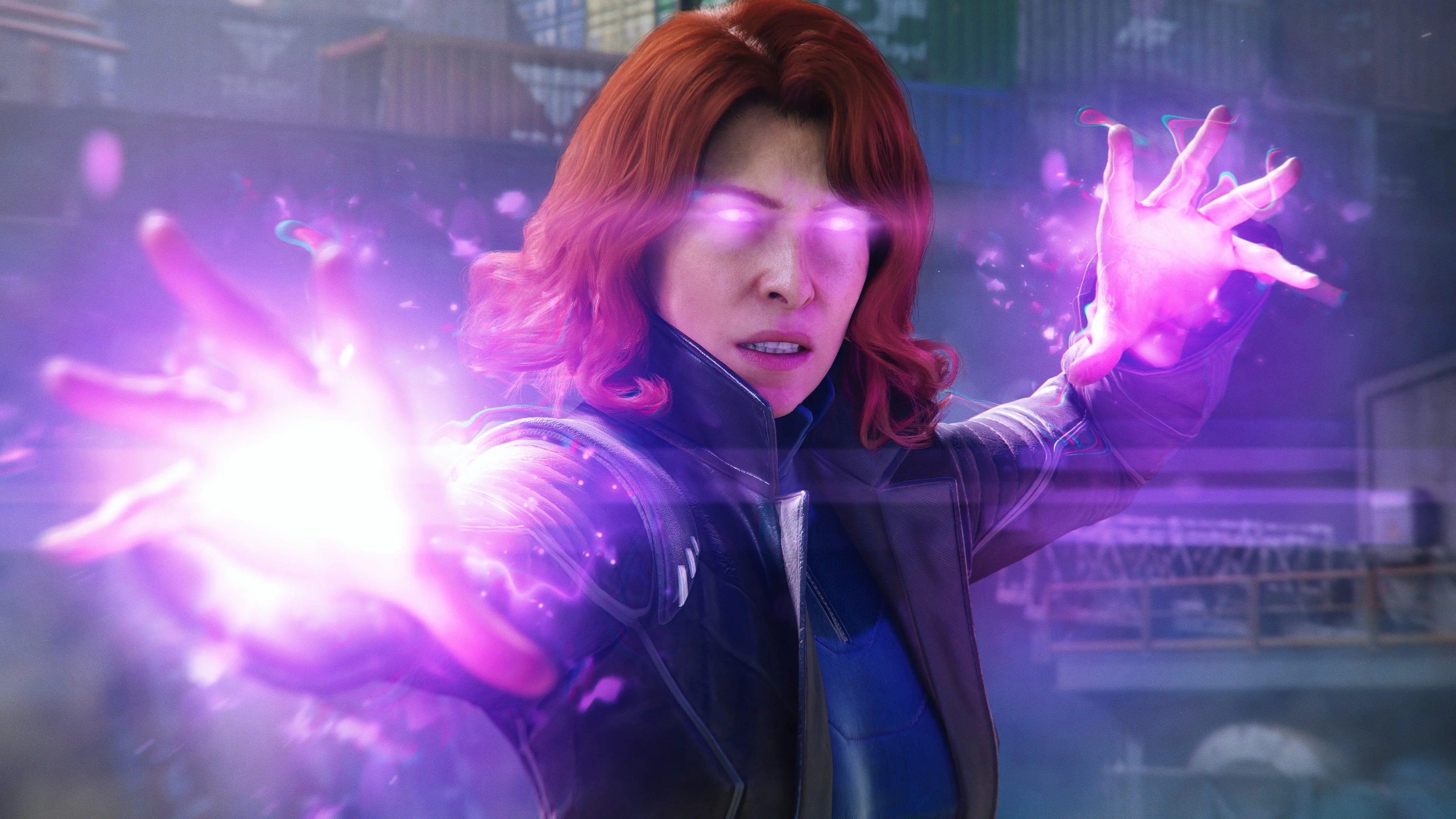
McIntyre makes the quieter exchanges worth listening to. Logan can sound tired or uncertain without losing his temper entirely. That gives him more personality than a collection of threats and one-liners would. The detailed facial animation helps conversations hold attention even when nobody is fighting.
The writing is less consistent. Logan and Jean grow close faster than the story earns, and supporting characters can disappear for long stretches. Later revelations add complications without making every relationship more convincing. Too much is left feeling unfinished, as though the possibility of another game matters more than giving this one a satisfying conclusion.
There are optional things to find, including whiskey tied to memories and caches connected to rewards. Extra outfits are a nice reason to look around for fans who enjoy different Wolverine designs. But the campaign is still built around moving forward. Mission Replay helps you return for things you missed; it does not turn the locations into a freely connected world.
More of Wolverine’s enemies and action
3 screenshotsWhat PS5 players should know before buying
The Nightmare Challenges offer extra tests, but they are not all equally rewarding. Combat challenges have an obvious use: they ask you to get better with the abilities you have unlocked. Guided movement challenges are less appealing when success mostly depends on following a prescribed route. New Game Plus is a better fit if you want another campaign run with more of Logan’s abilities available.
The accessibility settings deserve attention. You can change enemy health separately from the damage enemies deal. That is useful if you want dangerous fights without making each opponent take longer to defeat. You can also give yourself more time to dodge or parry. These are practical adjustments, not just a choice between one easy preset and one hard preset.
Other settings let you reduce game speed, remap controls and adjust camera effects. Blood and dismemberment can be reduced through separate options. Those choices can make the presentation easier to handle, but they do not make this violent, adult story a children’s superhero game.
The patch information below was checked on September 19. Update v01.001.004 addressed an English-voice problem and two mission blockers, including Logan being unable to slide under a prison door in Telambang. Those specific bugs should not be described as unresolved launch problems after the fixes.
The newer v01.001.005 addresses common crashes reported by some players and reduces the opacity of scent trails and sound indicators. Insomniac says it is evaluating further options for those indicators. A complete toggle is not something buyers should assume is already available. These notes describe the developer’s fixes; they are not an independent guarantee that every crash has disappeared.
Neither patch changes the larger reasons for our reservations. Fainter tracking markers do not add new investigative choices. Crash fixes do not rewrite the rushed relationship scenes. It is important to separate technical repairs from the design and story, because waiting for an update will not necessarily address the part that bothers you.
The response from owners is much warmer than our qualified recommendation might suggest. At the time of checking, the PlayStation Store showed 4.77/5 from 35,738 ratings. Visible comments repeatedly praised the combat and performances. Even some positive reviews wanted more exploration, a longer adventure or greater variety. That store rating is a player-rating snapshot, not a technical test or a score for every part of the game.
Our lower score reflects how much repetition and the unfinished-feeling story affect the full campaign. Players who care most about controlling Logan in violent fights may reasonably enjoy it much more. We liked those fights too, but they are not the only thing the game asks you to spend time doing.
- Play it if you want fast, graphic Wolverine combat and a mostly linear adventure.
- Be cautious if free exploration, flexible stealth or a fully satisfying story are your priorities.
- Install the current update, and check the difficulty and accessibility options before settling for a preset that does not suit you.
Pixel Twelve’s score is 7.2/10. The movement, claws and lead performance make Wolverine worth considering, especially for fans who have wanted an adult action game about Logan. Repeated encounters and uneven storytelling keep it below an easy recommendation. It is good at making individual fights exciting, but less reliable at making everything between them equally enjoyable.
Loading results