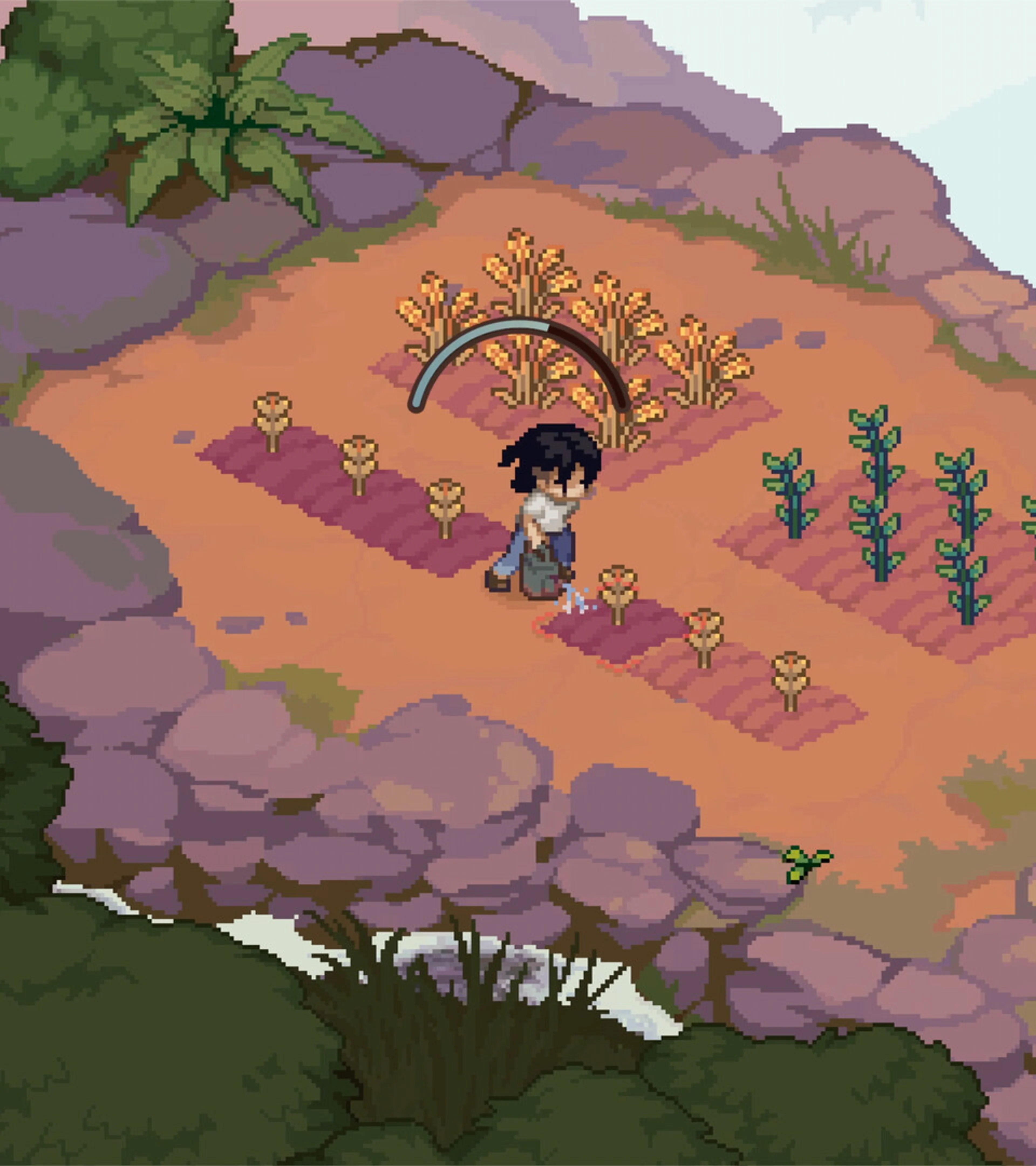
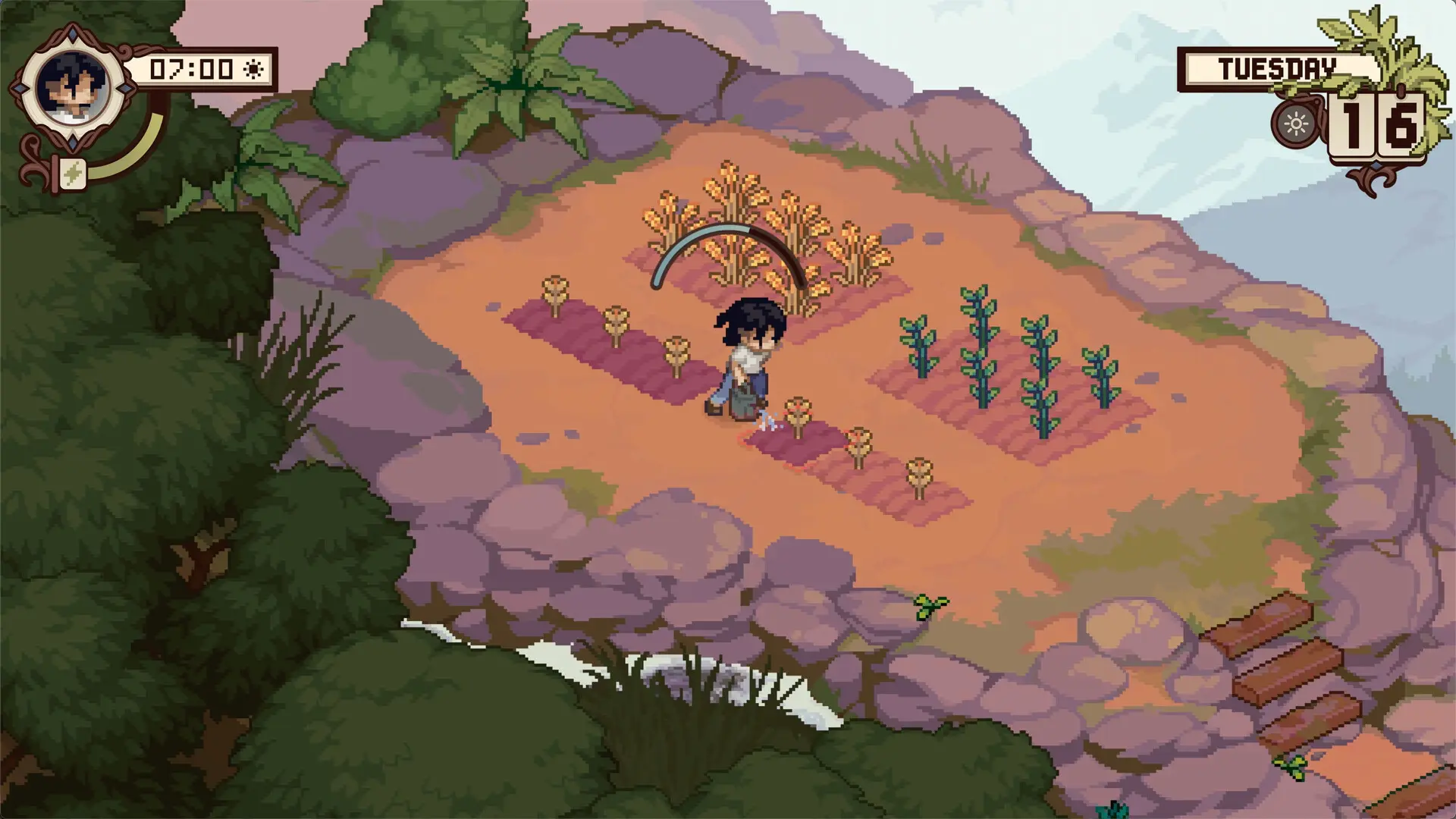

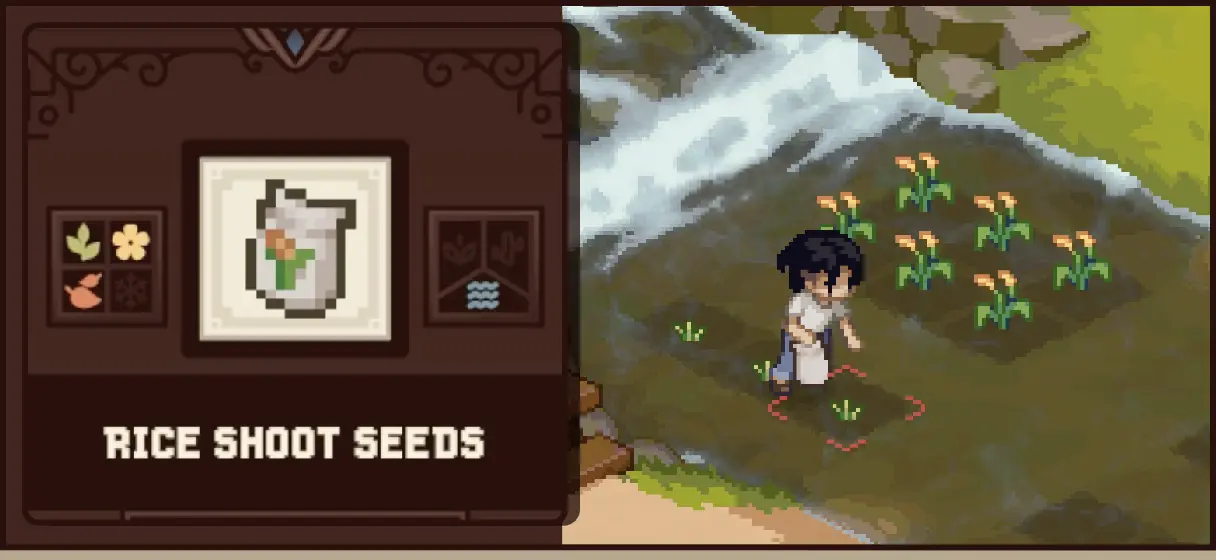
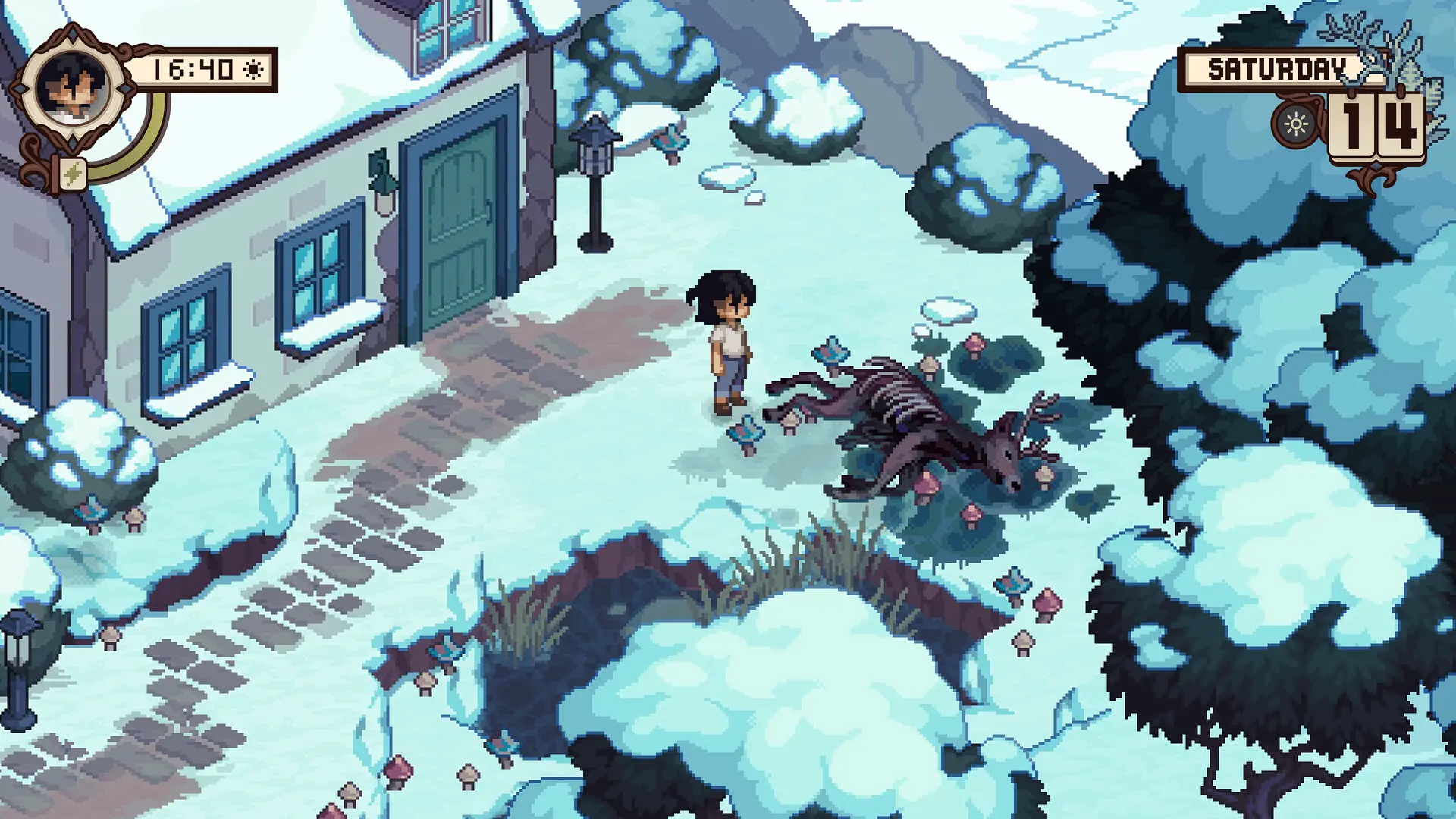

Grave Seasons runs through a full 24-hour day. There is no hard stop that immediately sends the player home at night, so farm work, conversations, exploration, and investigation can continue after dark. Time stays active, and rest is still part of managing the next day.
Perfect Garbage has explained the day and night system, but it has not published exact shop hours, resident schedules, sleep penalties, or a complete timetable. This guide focuses on what is confirmed and how to plan without relying on a schedule that may be wrong at launch.
The Day Has Four Clear Parts
The world moves through early morning, midday, early evening, and late night. Lighting, weather, and activity around Ashenridge help show the change. The game also has almost 70 interiors with their own day and night lighting, so a building can feel different when you return later.
You do not need to memorize an exact clock for every task before the game is released. Pay attention to the visual change, check the current time, and decide whether the next destination is close enough to reach before you need to rest.
Time Does Not Pause
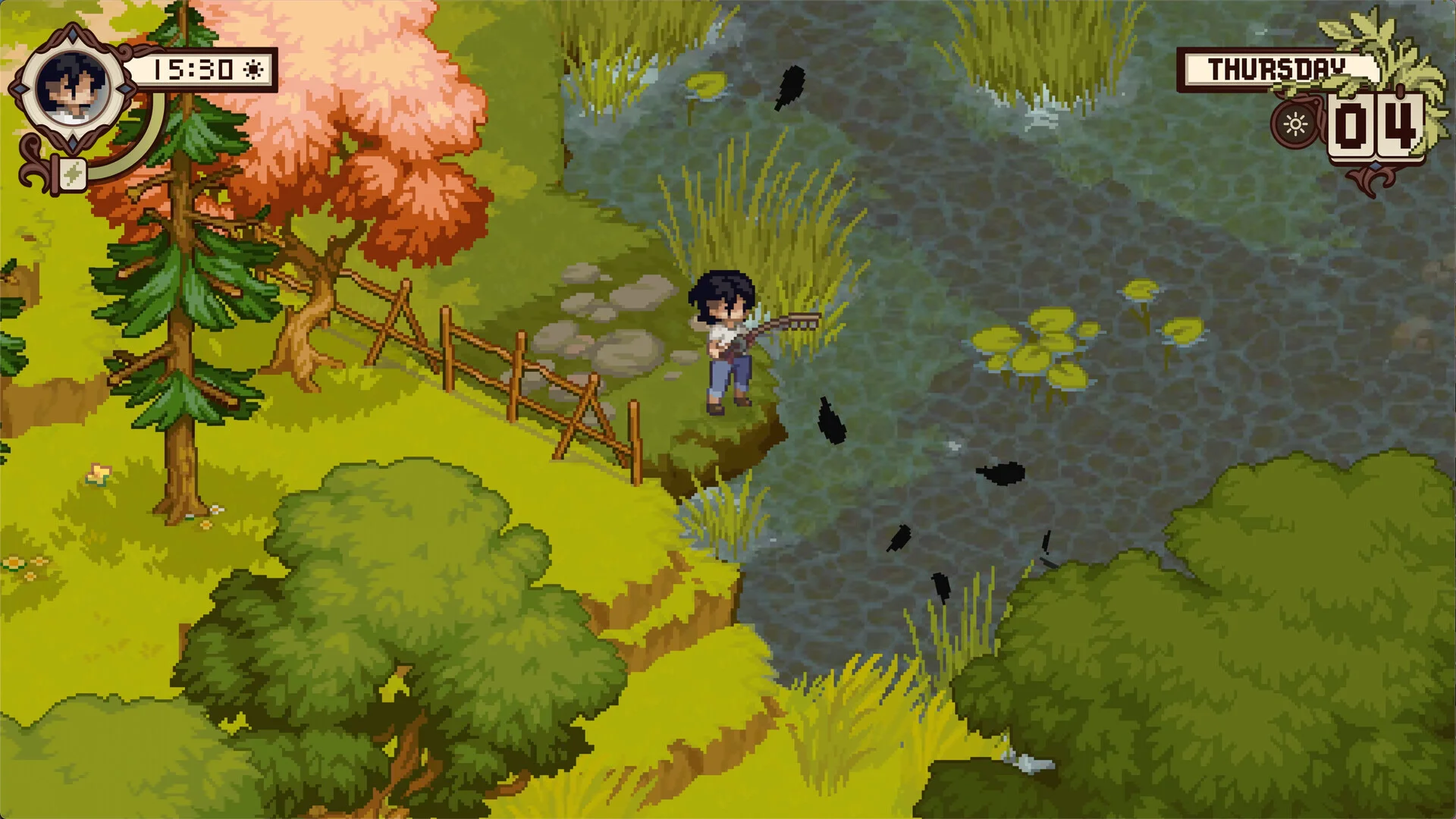
The in-game clock keeps moving while you play. A long trip, a conversation, or an investigation can use part of the day. Open menus may not protect your schedule, so check the clock before organizing items or choosing a distant activity.
A practical plan is to choose one main goal for the day and place smaller jobs around it. If the goal is farming, handle the crops first and use the remaining time for nearby errands. If the goal is a clue across town, leave early instead of filling the morning with tasks that can wait.
Use Daylight for Visible Work
Morning and afternoon are sensible times for watering, planting, shopping, fishing, and speaking with residents who are already outside. This is planning advice, not a confirmed timetable. Some characters may work late, sleep during the day, or follow a schedule that changes with their story.
Check on important residents when you naturally pass their home or workplace. Learning a person's normal route can help later, especially when a quest or investigation asks you to find them again.
Night Opens Different Opportunities
Ashenridge remains active at night. Residents can visit places such as the bar or docks, and some NPCs have more detailed schedules than a simple walk home at sunset. Conversations and events may appear after dark, so ending every day early could hide part of the town.
Night is also useful for investigation. Fewer people may be watching a house, and a locked entrance may be easier to approach. The developers designed the 24-hour schedule so players can use late hours instead of being forced into bed when the sun goes down.
Night Is Not Automatically Safe
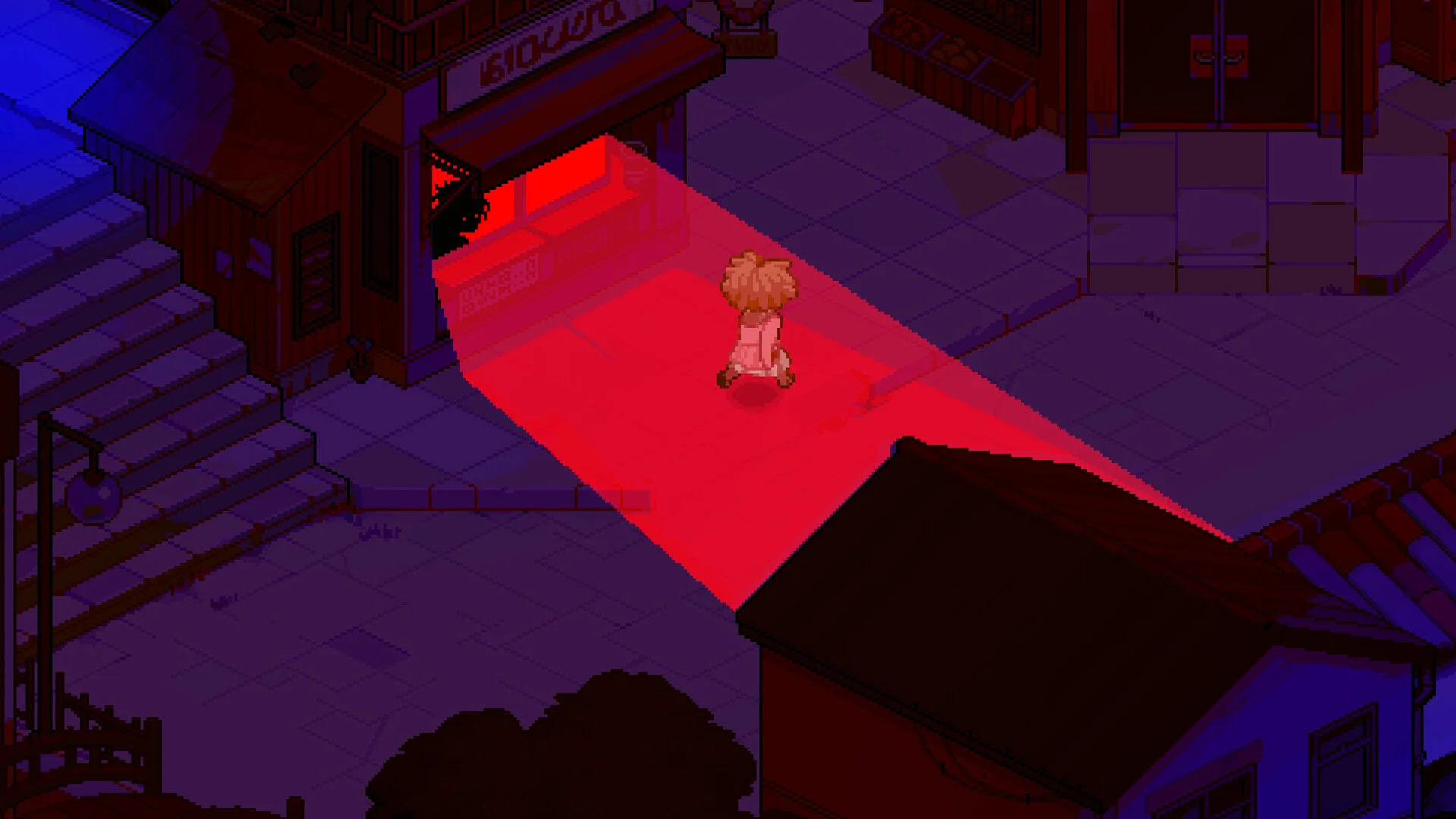
Residents do not disappear at night. Someone can return home, walk through the same street, or notice the player where they should not be. A dark street may create a good opening for a break-in, but it does not guarantee an empty building.
Watch a location before using the crowbar. If a resident leaves, note the direction and how long they stay away. The complete schedules are not public yet, so do not assume the same window will work every night or in every killer campaign.
Rest Still Has a Purpose
There is no mandatory bedtime, but the developers say rest is required to take part in the full farming loop. They have not explained the exact energy loss, passing-out rule, or penalty for staying awake too long. Continuing until morning may be possible, but it may leave less energy for farm work.
Return home when the next day's crops or tools matter more than one extra late-night activity. If you are following an urgent clue, staying out may be worth the trade. Grave Seasons is designed to make those choices compete for the same limited time.
A Simple Daily Plan
- Choose one main goal before leaving the farm.
- Handle seasonal crops early when they need attention.
- Combine errands that take place in the same part of town.
- Use evening to check residents and locations that change after dark.
- Save break-ins for a time when the area has been watched first.
- Rest before the next farming day if your energy is running low.
Exact schedules will be added after the final game can be tested. Until then, plan around a live clock, use both day and night, and leave enough time to reach the activity that matters most.
For a wider explanation of Ashenridge, relationships, farming, and the murder system, read our Grave Seasons beginner guide.