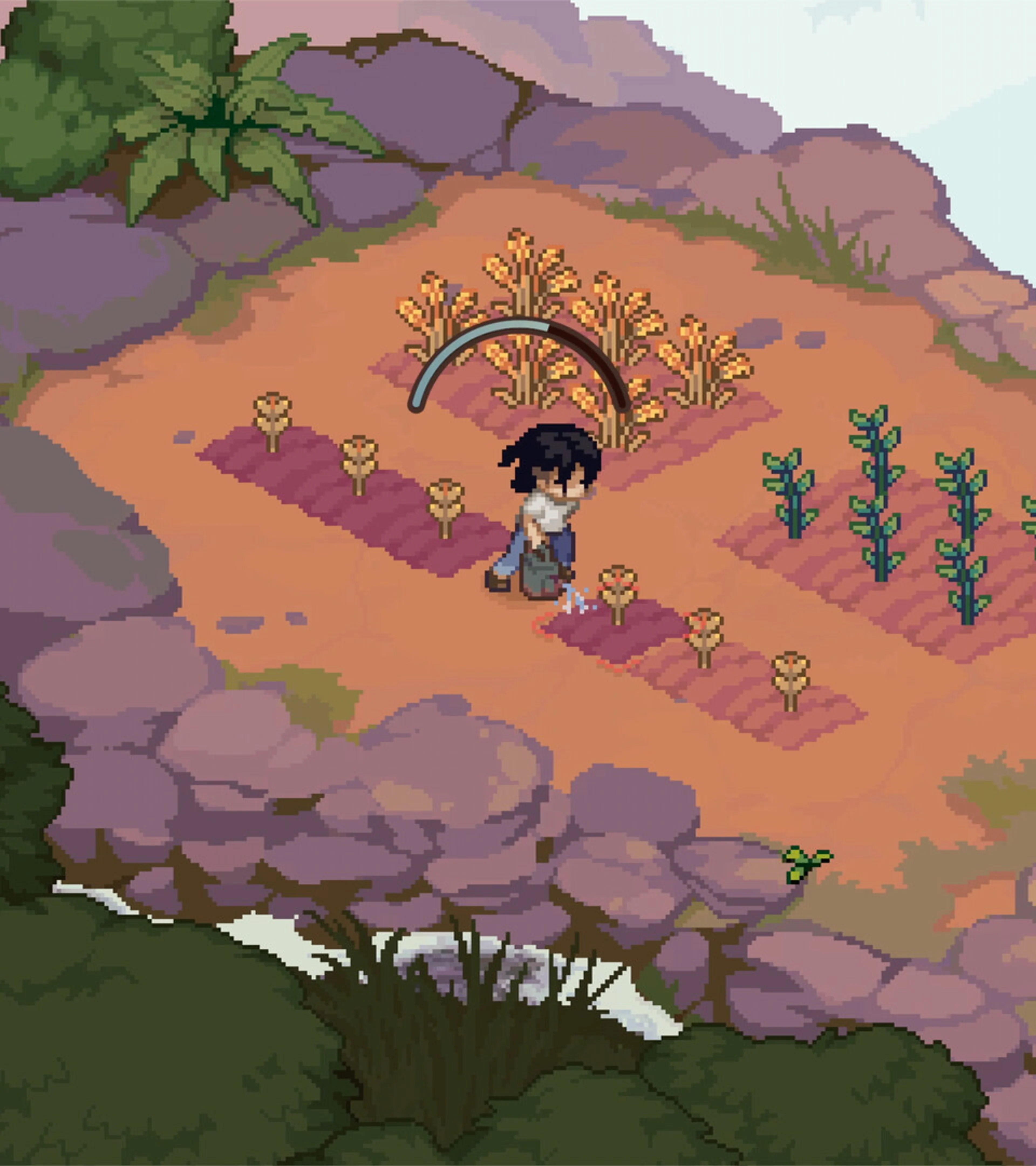
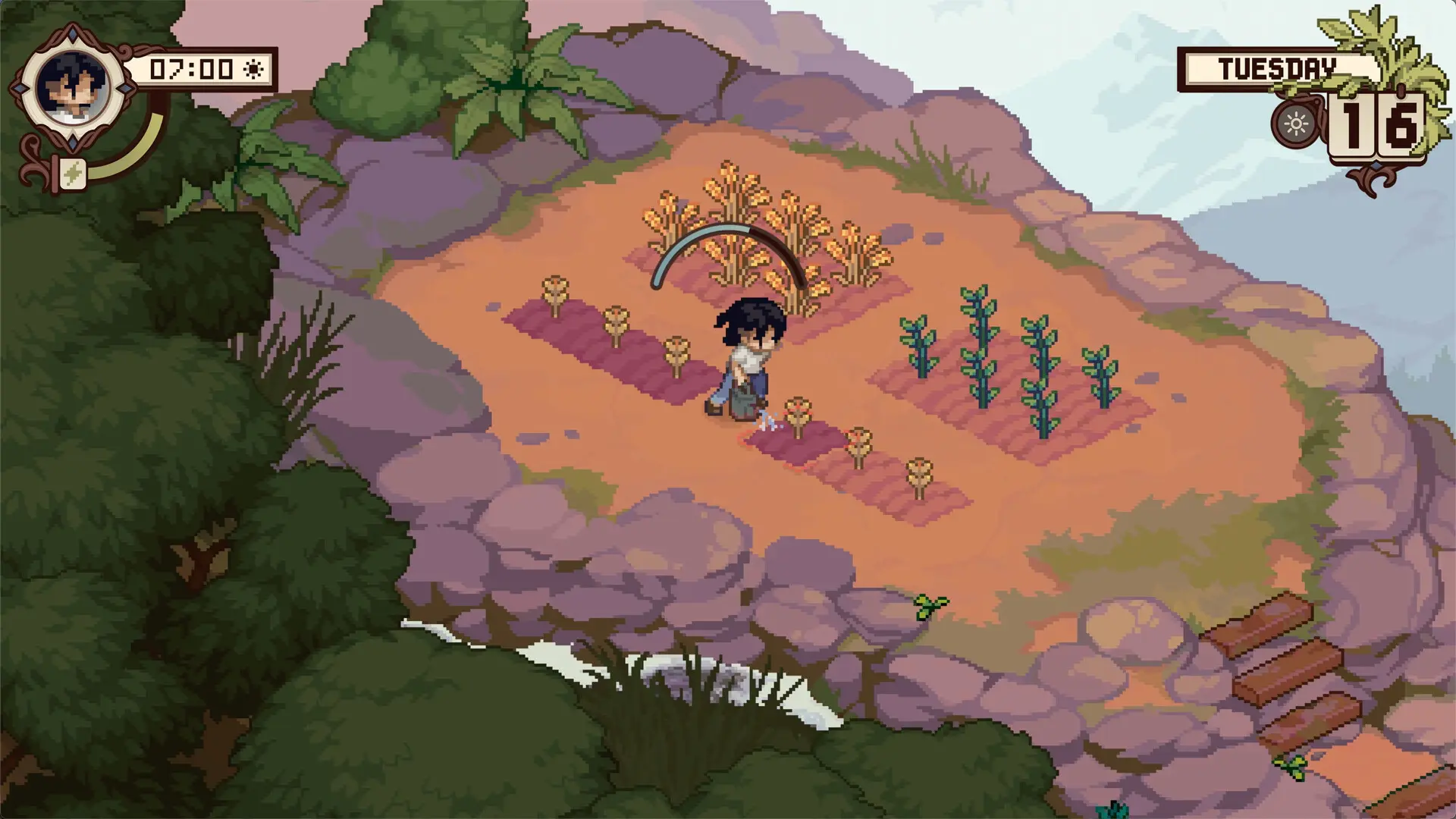

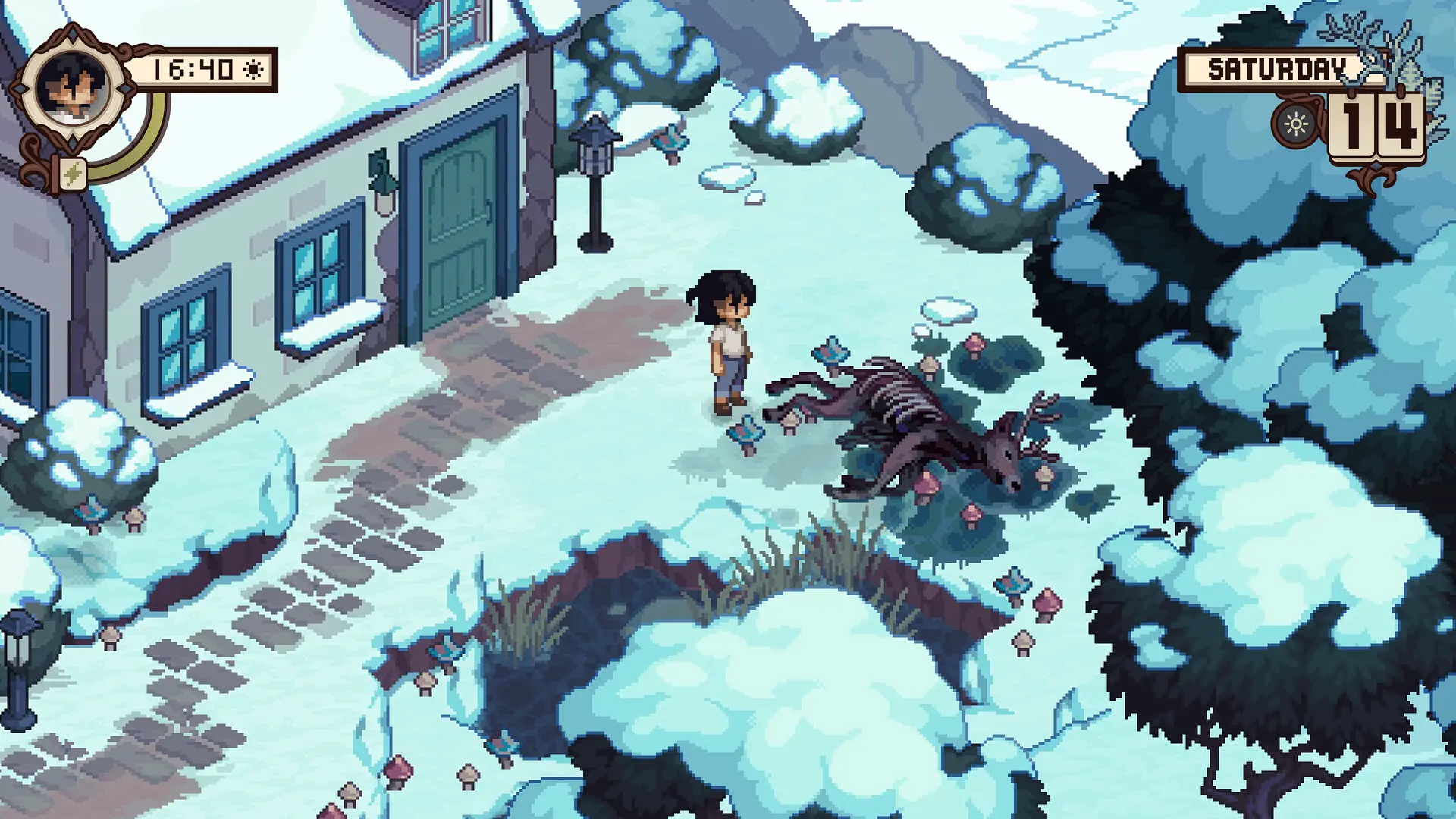
Farming in Grave Seasons uses familiar tools, but the farm is split into different kinds of soil. A seed that works in one plot may not grow in another, and the available space is fixed. Planning where each crop goes will be more useful than planting every seed as soon as you find it.
This guide covers the systems that Perfect Garbage has confirmed in its developer posts. Grave Seasons is now planned for fall 2026 without an exact release date, so crop prices, growth times, profits, and full upgrade costs are not available yet.
Know the Five Starting Tools
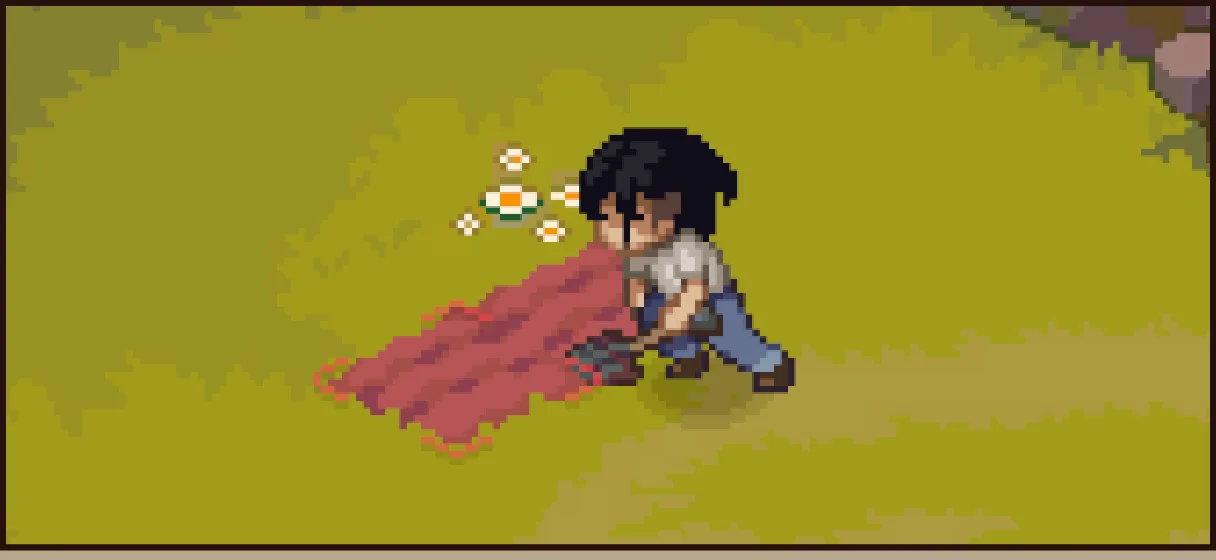
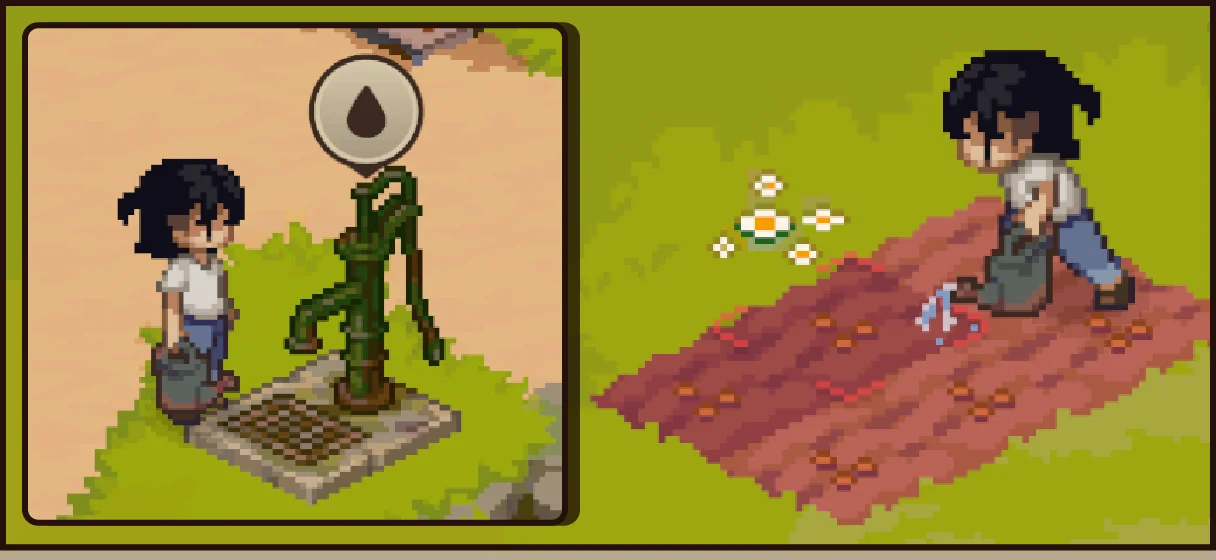
The starting tool set includes a shovel, pickaxe, axe, watering can, and crowbar. Use the shovel to prepare farm tiles, select seeds from the quick inventory, and plant them in the open ground. The watering can handles normal crops, while the pickaxe and axe are used for mining and cutting trees.
The crowbar belongs more to the investigation side of the game. It can open certain locked doors and hatches, so carrying it may help when farm work leads into a trip through town. The developers have also confirmed that tools can be improved, but they have not shown the complete upgrade route or its costs.
Read the Seed Information Before Planting
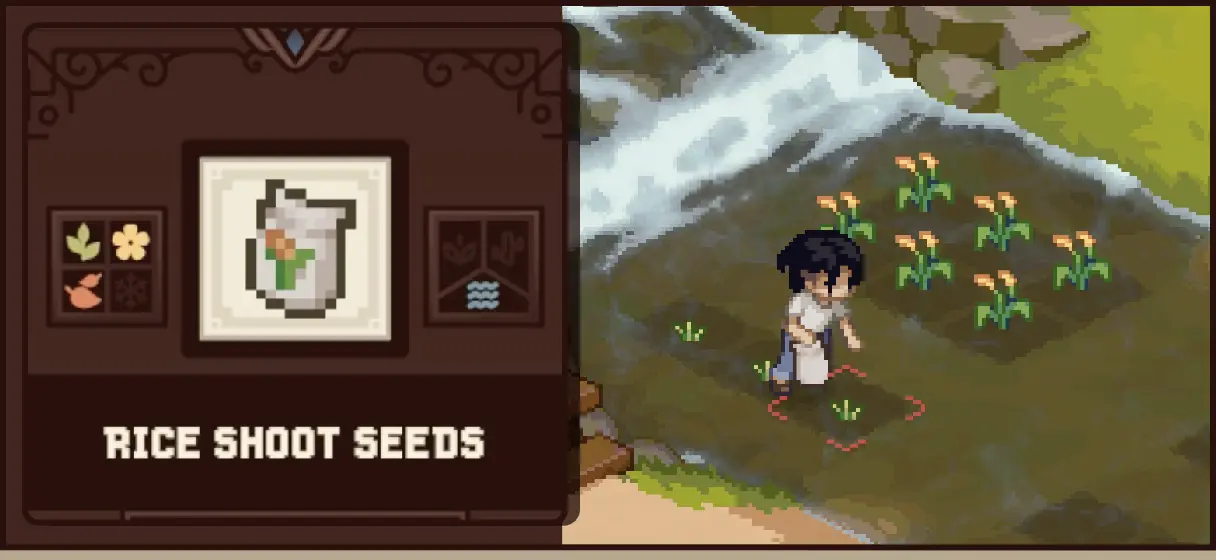
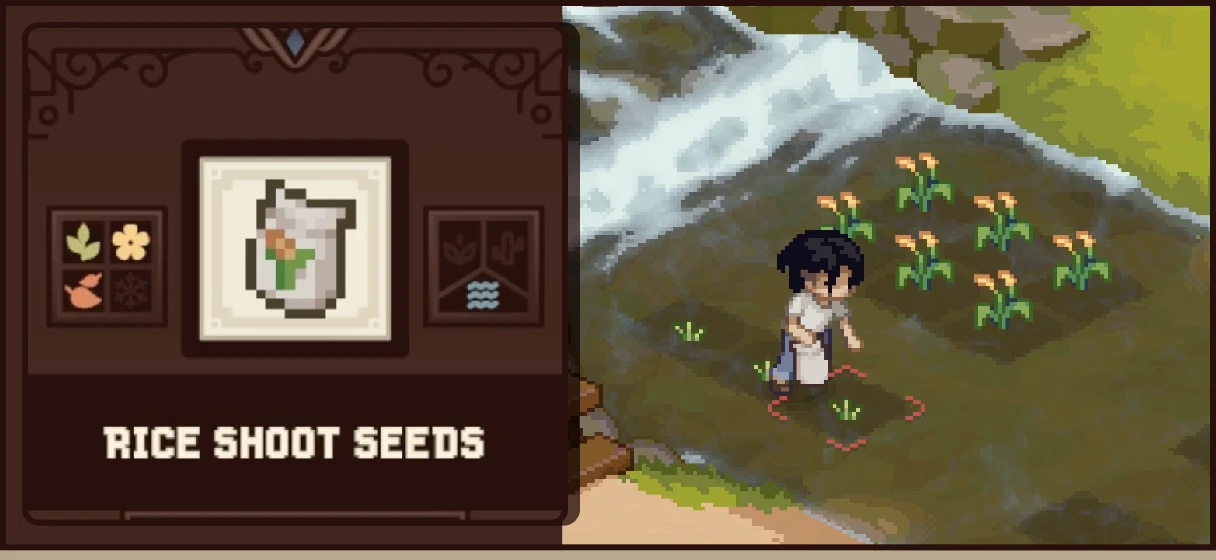
Grave Seasons has more than 45 seeds. Some are sold in shops, while others can be found while foraging. A seed's information shows which season it grows in and which plot type it needs. Check both details before using a farm tile.
The game lasts one in-game year across spring, summer, autumn, and winter. A seed planted in the wrong season can waste limited space or time. The developer has not confirmed whether crops die immediately when a season changes, so leave room in your plan until the final rules are clear.
The Three Farm Plot Types
Regular plots make up the largest and most common part of the farm. These are the main planting area, but every seed still has its own requirements. Do not assume a seed belongs there only because it looks like a normal vegetable or flower.
Arid plots are dry and sit on higher ground. Only crops marked for arid soil can grow there. Wet plots sit near the river and support crops that need wet ground. Wet plots do not need watering, which can remove one daily job when you use them for the correct seeds.
Farm Space Does Not Expand
Each plot has a fixed size, and the developers say those areas will not become larger. The regular plot gives you the most room, while the arid and wet sections are smaller. Keep a few tiles open when you enter a new season so a useful seed does not sit in storage because every compatible space is occupied.
Limited space also makes seed variety important. Finding more than 45 seeds does not mean every crop should be active at once. Choose what fits the current season and soil, then save the rest for later unless the game tells you the seed will expire.
Use the Grid Before Spending Energy
The visible grid only appears on farm plots. It checks the equipped tool, the player's available energy, and whether the selected seed matches the plot. The visual response can tell you that an action is allowed before you commit to it.
Farming and foraging interactions check the three tiles directly in front of the player. If the wrong tile is selected, take a small step or turn before pressing the button again. Moveable objects take priority over digging, so picking up an item can happen even when the shovel is equipped.
A Simple Daily Farming Order
- Check the season and plot icon on every new seed.
- Water regular and arid crops that require it.
- Leave wet crops alone unless their information says another action is needed.
- Keep some compatible space open for seeds found while foraging.
- Use the grid to confirm the tile before spending energy.
What We Still Need to Test
There is no reliable best-crop list yet. Prices, growth length, repeat harvests, exact energy costs, watering penalties, and tool-upgrade materials have not been fully published. Those details should come from the retail game, not guesses based on other farming games.
For now, the useful rule is straightforward: match the seed to its season and plot, use wet soil to reduce watering, and protect some open space. We will update this guide when the final crop data can be tested.
For the rest of your first year in Ashenridge, start with our Grave Seasons beginner guide.