Duskfade gives Zirian a lot of tools before you have fully settled into its rhythm. Jumping, dashing, grappling, gliding, rail grinding, and sword combat all arrive quickly. The opening can feel busy, but the game becomes much easier once you stop treating those moves as separate buttons.
The goal is flow. Duskfade feels best when Zirian is already moving before you decide where to land or which enemy to hit next. This beginner guide covers the habits that make the first hours smoother without turning every room into a checklist.
Duskfade beginner tips at a glance
- Chain your jump, dash, grapple, and glide instead of using each move alone.
- Use short sword combos until you learn how long an enemy stays open.
- Check side routes for Upgrade Gears and Clock Heart Pieces.
- Save Chronoblast for grouped enemies or a clean opening.
- Look around before repeating a difficult jump; the intended route may use a rail or grapple point.
Where you can play Duskfade
Duskfade launched on August 13, 2026, for PC, PlayStation 5, Xbox Series X|S, and Nintendo Switch 2. It is a single-player 3D action platformer developed by Weird Beluga and published by Fireshine Games.
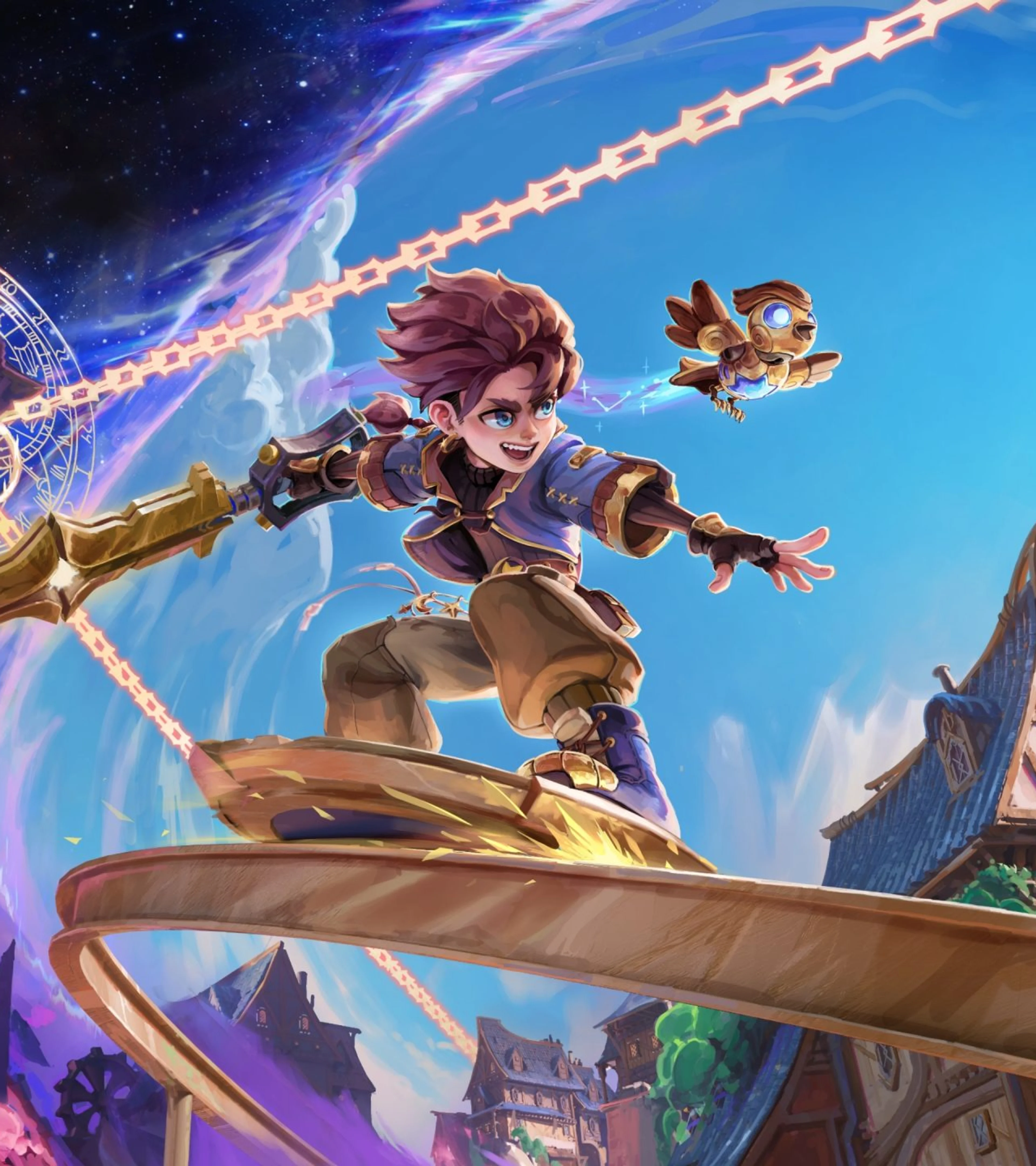
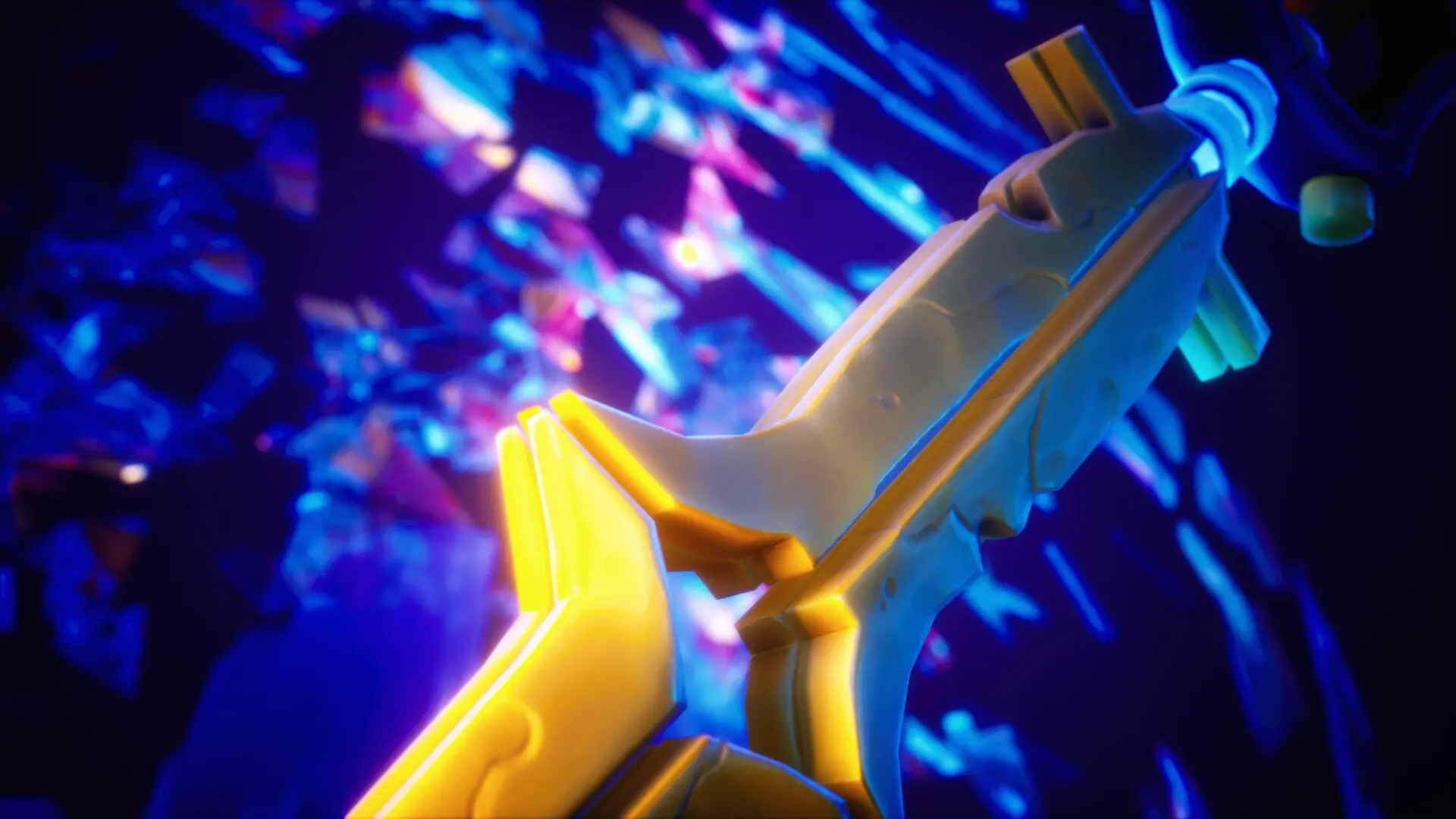
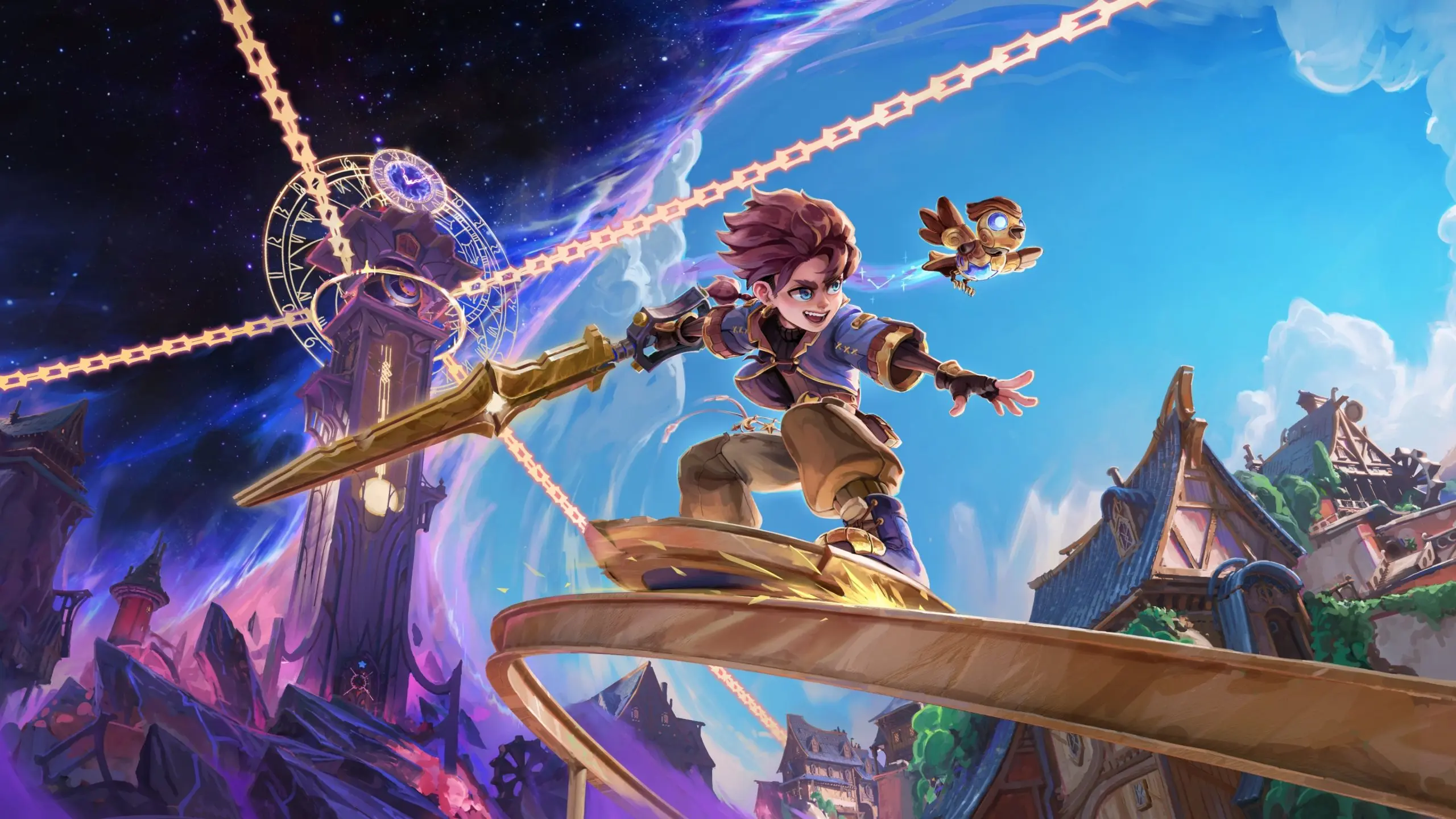
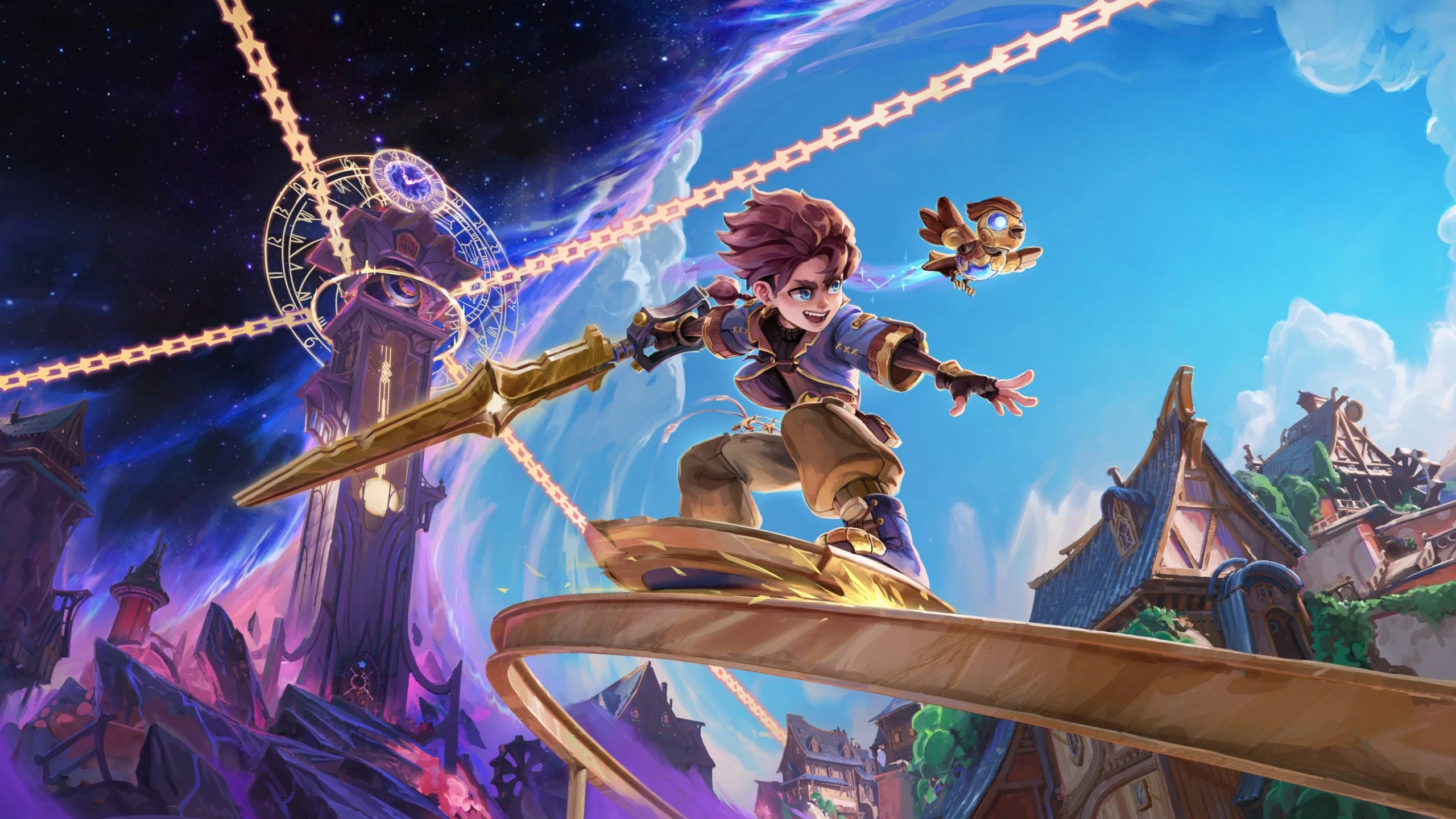
You play as Zirian, a workshop apprentice who carries a transforming sword named Minutero. A mysterious Clock Tower has trapped the land in eternal night, and Zirian sets out with a mechanical cuckoo to save his sister. The story gives the adventure its direction, but movement is what shapes almost every minute of play.
Build movement chains, not isolated jumps
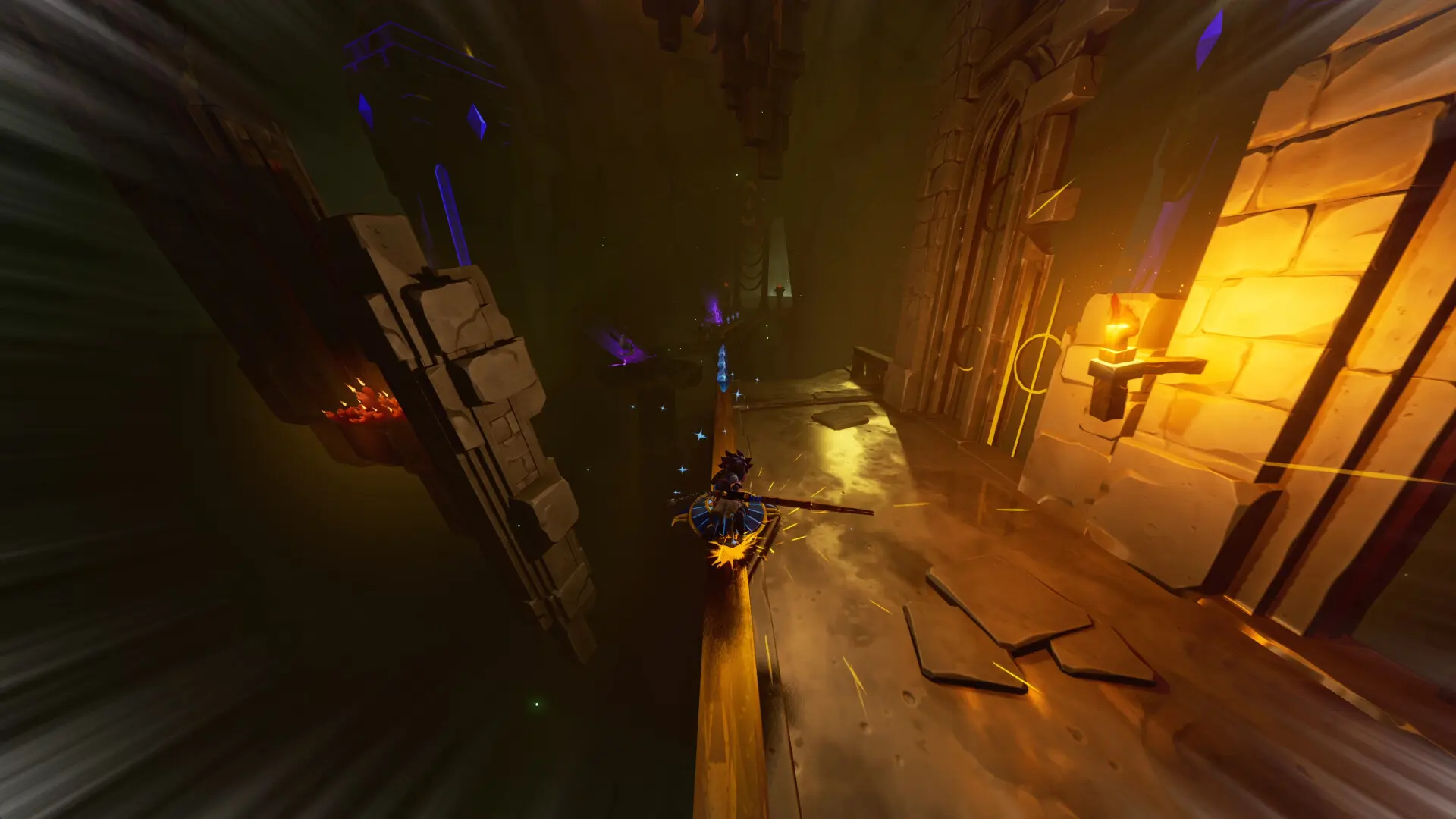
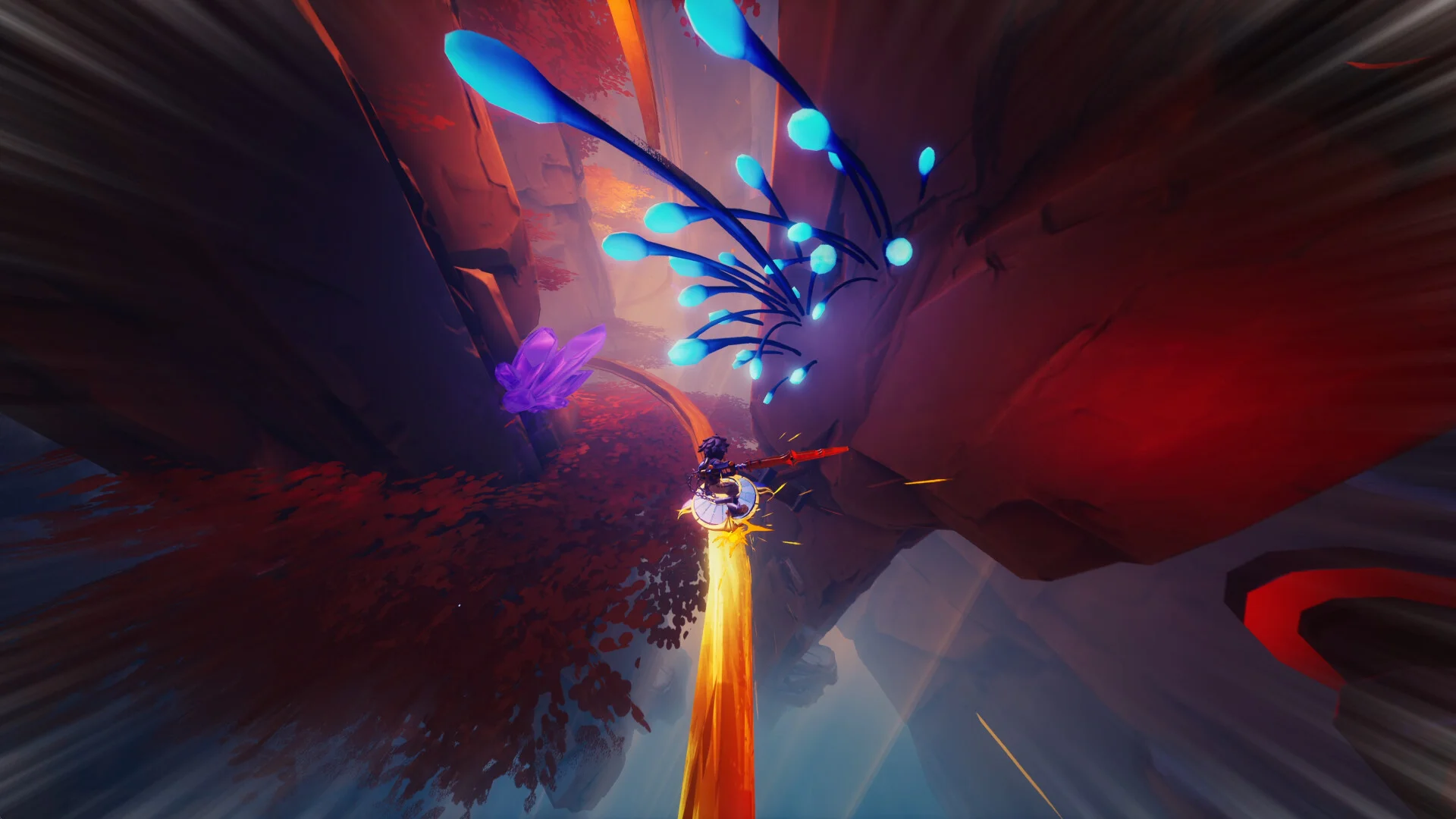
A double jump may lead into a dash, the dash may put a grapple point within reach, and the grapple may carry you toward a rail. If you pause after every action, some gaps look longer and more awkward than they really are.
When you miss a platform, do not immediately repeat the same jump. Move the camera and look above, beside, or behind the obvious route. Duskfade often places a rail, grapple point, or higher ledge where it can extend your path.
If you want to practice each move separately before combining them, our Duskfade movement guide breaks down jumping, grinding, grappling, and gliding in more detail.
Keep early combat simple
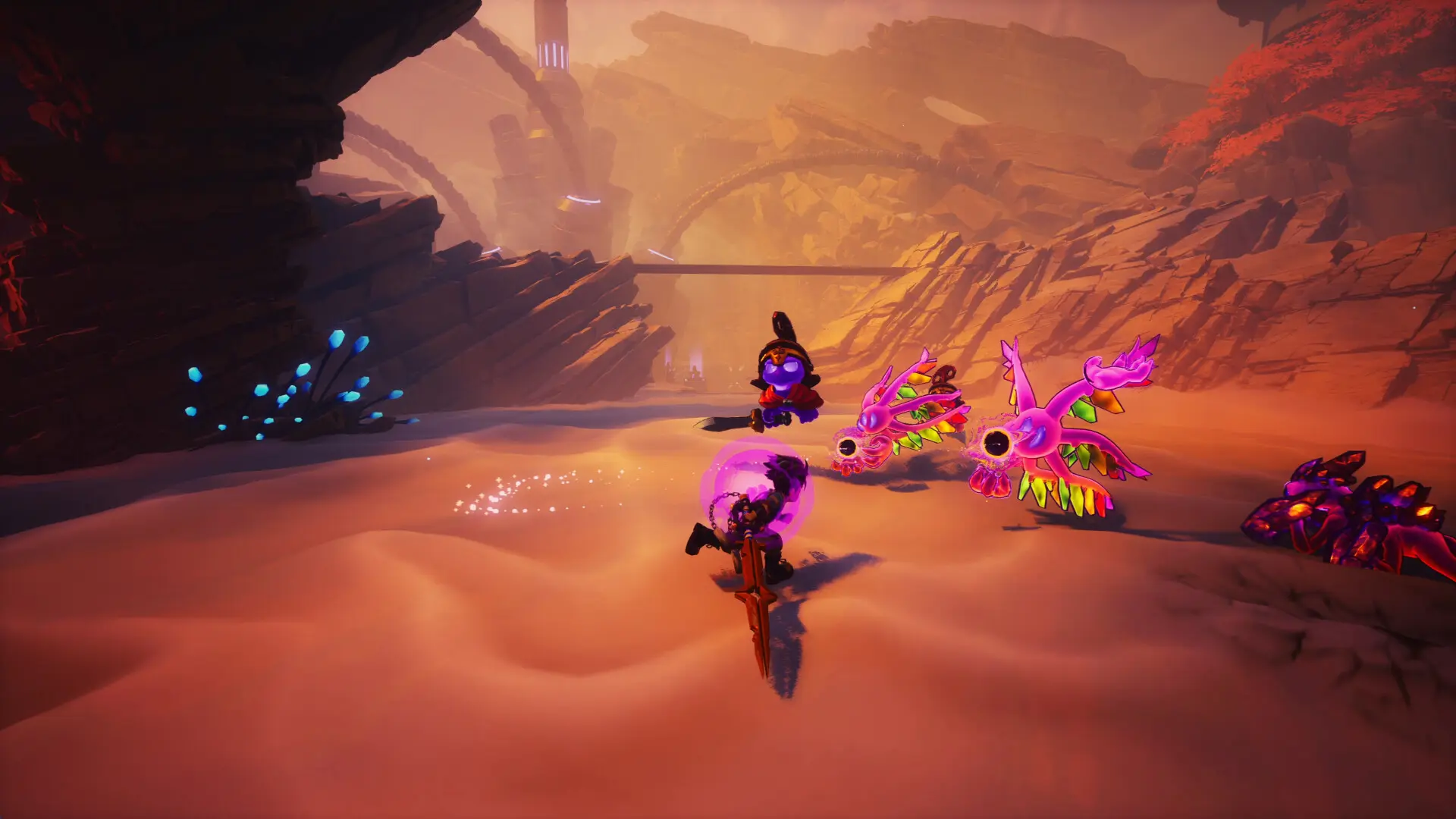
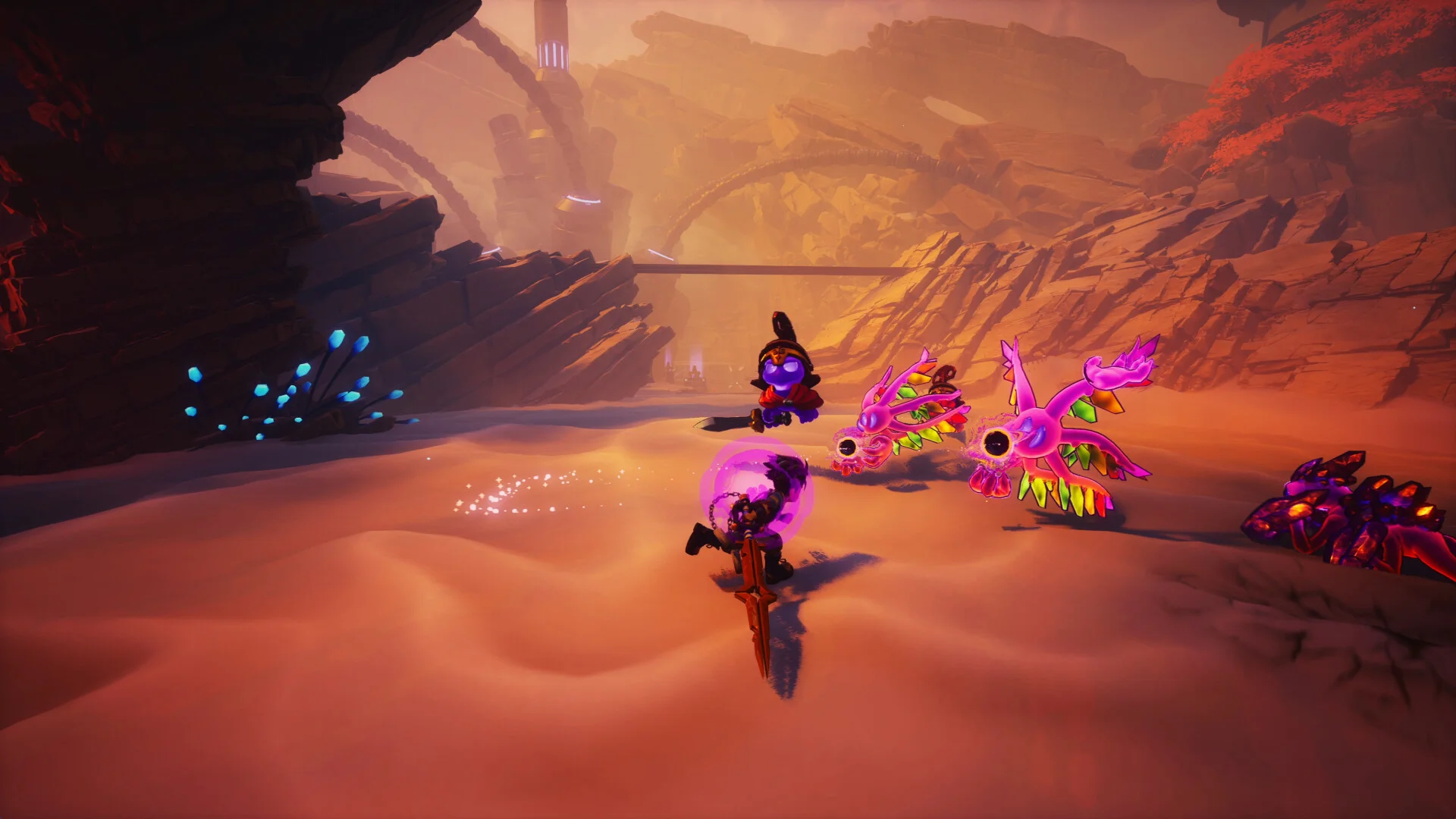
Minutero is mainly a close-range weapon, and the basic three-hit chain is enough while you learn an enemy's timing. Landing two safe hits and moving away is better than forcing the final swing while an attack is already coming.
Chronoblast gives you a stronger burst when enemies crowd together or you need breathing room. It is most useful when you already know the attack will connect. Firing it at the first target you see can leave you without the better answer a few seconds later.
Some projectiles can be knocked back with a well-timed sword strike. Treat that as a useful option, not a rule. Dodging is still the safer response when you are reading a new enemy for the first time.
Explore before following the obvious route
The main path keeps the story moving, but side routes are where Duskfade often hides useful progression items. Upgrade Gears unlock or improve parts of Minutero, while Clock Heart Pieces increase Zirian’s health once you collect enough of them.
You do not need to clear every corner before moving on. A quick scan is usually enough: look for a rail leading away from the main route, a grapple point above eye level, or a platform that seems deliberately placed off to one side.
For a closer look at what the collectibles do, use our Upgrade Gears and Clock Hearts guide. It explains which pickups improve Minutero and which ones make Zirian harder to defeat.
Duskfade does not use a normal XP grind
Early progress is built around exploration and upgrades instead of repeatedly fighting the same enemies for character levels. That makes detours more valuable than grinding. If an encounter feels harder than expected, the missing answer may be an upgrade on a path you skipped rather than another ten minutes of combat.
This also means movement practice is real progress. Learning how to keep momentum, recover after a bad jump, and reach optional platforms will help more than rushing through every enemy room.
What to do if Wrath stops your run
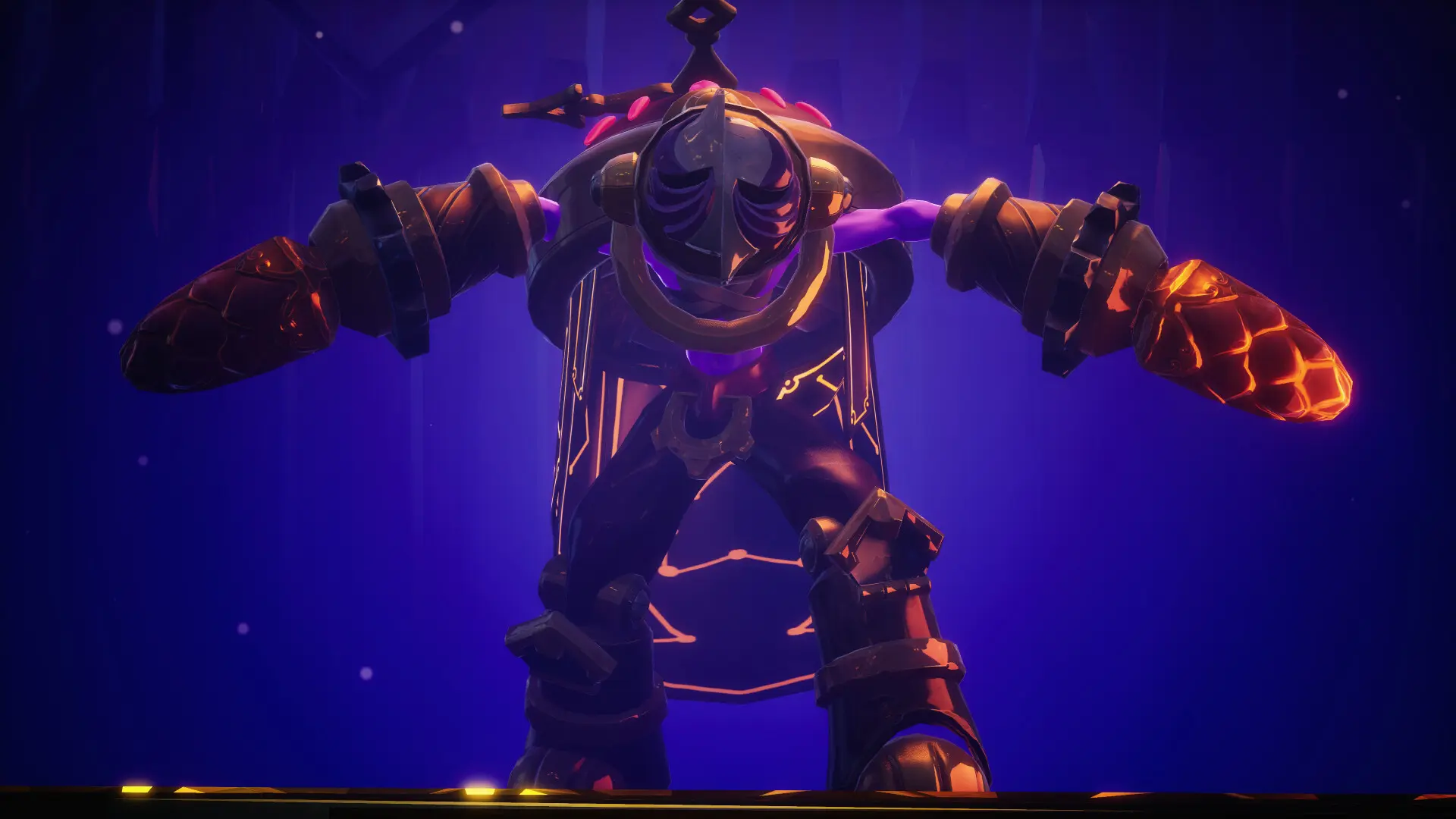
Wrath was the final test in the public demo and remains a useful check of the basics: dodge the lunge or slam, return for a short combo, then leave before the next attack begins. During the center phase, look for grapple points instead of waiting on the floor.
If that fight is the part holding you back, the Duskfade Wrath boss guide covers its attacks and the center sequence without repeating the whole beginner guide.
A strong first-hour routine
- Practice double jump into dash until the timing feels automatic.
- Use the camera to search for the next movement tool before committing to a jump.
- Stop long attack chains when an enemy begins its counterattack.
- Take short side paths when you see an upgrade or health-piece route.
- Lower the difficulty if the speed gets in the way of learning the movement system.
Duskfade's opening hours are less about memorizing every collectible and more about becoming comfortable with momentum. Once the movement chain feels natural, combat is easier to read, optional routes are easier to reach, and the world stops feeling like a series of disconnected jumps.