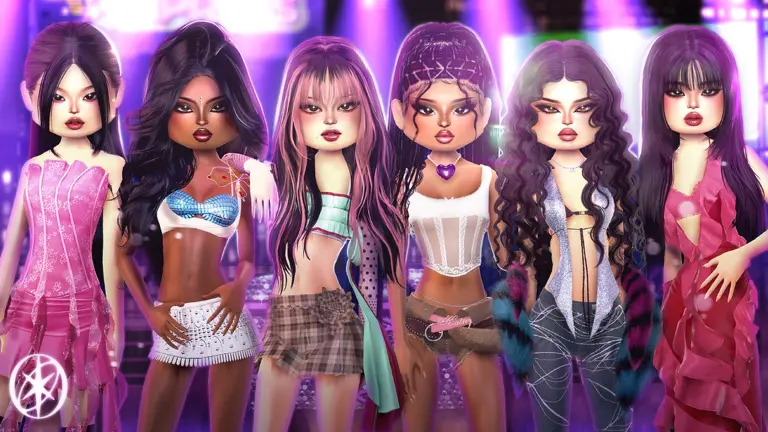





A strong Dress To Impress outfit does not start at the VIP door. It starts with a clear read on the theme, an outfit shape that is clear from the runway camera, and a few details that make the idea feel intentional. Free items, code rewards, Cash purchases, patterns, toggles, and smart layering give you plenty to work with in every round.
This is a no-VIP-first guide. If you own VIP, treat it as an extra wardrobe, not the thing carrying the look. Every method below works with the standard dressing room.
The No-VIP Outfit Formula
- Translate the theme into one sentence. “A glamorous old-Hollywood singer” is easier to style than a vague idea of “pretty.”
- Choose one main piece. Start with the dress, jacket, skirt, trousers, wings, or prop that makes the theme readable.
- Check the outfit shape. Keep the main piece visible. Add a layer only if it improves the shape.
- Lock a small color palette. Two main colors and one accent are enough for most themes.
- Finish the character. Hair, face, shoes, and accessories should repeat the same idea.
- Check every angle. Remove clipping and pick poses that show the outfit clearly.
That order keeps you from spending half the timer collecting random accessories. It also makes a simple outfit look planned rather than unfinished.
Use the Free Section as a Wardrobe, Not a Limitation
The free dressing-room selection covers the basics that decide most looks: tops, bottoms, dresses, outer layers, shoes, jewelry, bags, props, hair, and preset makeup. Major updates can move or rework individual pieces, so learn categories and shapes instead of memorizing one exact rack.
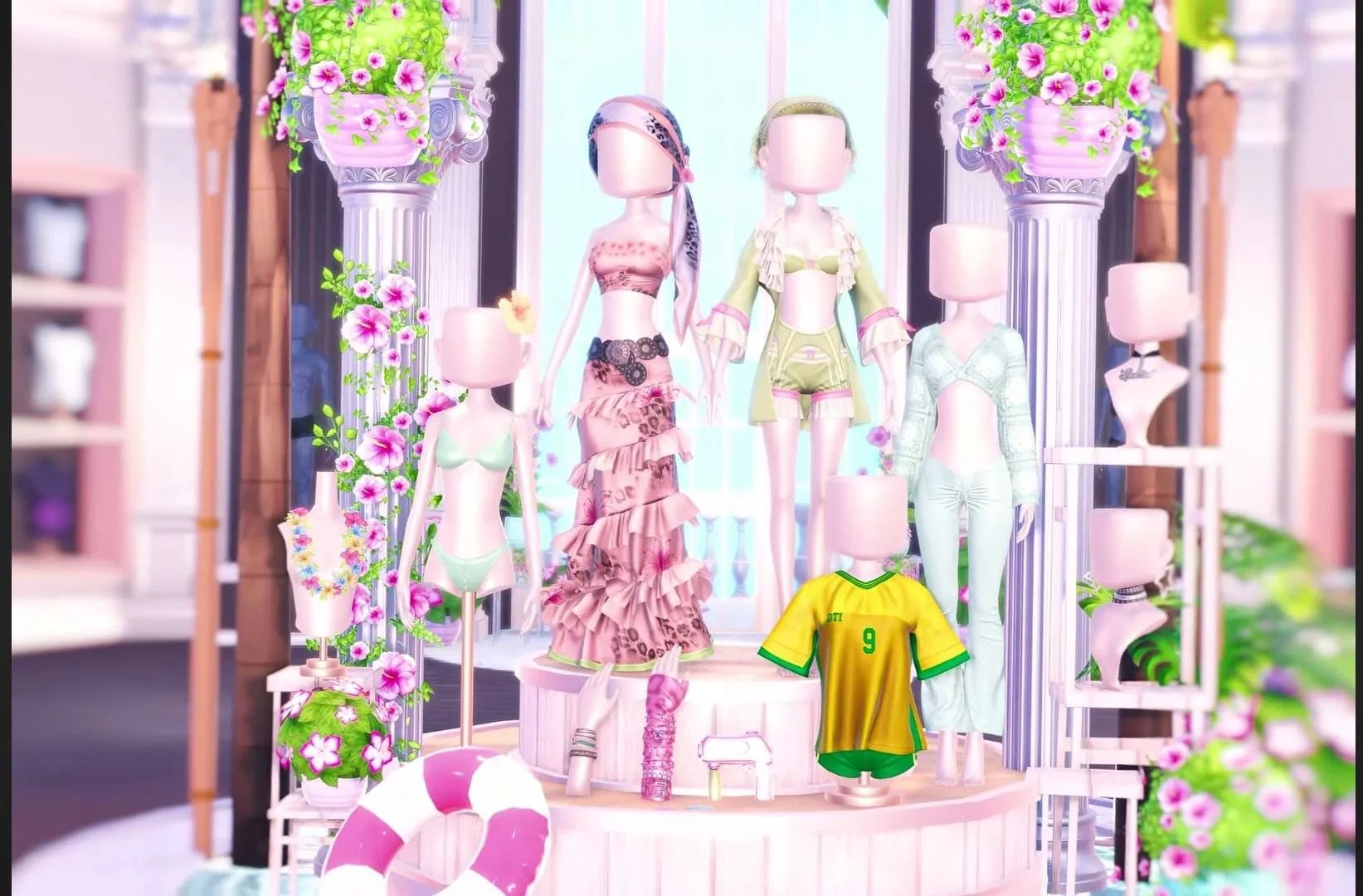
- Fitted bases work under jackets, corsets, overskirts, and bulky sleeves.
- Simple dresses can become formal, fantasy, historical, or casual looks through color, hair, and one strong outer layer.
- Small accessories create repetition. Match a bag, shoe detail, hair piece, or jewelry color to the main outfit.
- Props can explain a theme instantly, but only when the prop belongs to the character you built.
Can You Make a No-VIP Outfit Without Layering?
Yes. No-VIP means using items outside the VIP wardrobe; no layering means avoiding stacked clothing pieces. You can do both. Try one dress, or one top with one skirt or pair of trousers, instead of combining several tops or skirts.
For a simple shopping look, try a top and trousers with matching shoes and one bag. For a formal look, try one dress with coordinated shoes and jewelry. These are starting ideas, not fixed item recipes or guarantees of votes.
Use the selected item’s supported colors and patterns to add detail without another clothing layer. Pick hair that leaves the neckline visible. If you join a player-run no-layering challenge, check its rules for accessories and hair before dressing.
Layer for Shape, Not for Item Count
Layering is one option for changing a no-VIP outfit. Combine a fitted base with one piece that changes the neckline, waist, sleeve, or hem. Then stop and look at the full avatar before adding another layer.
Open the Wearing menu and test an item’s toggles before searching for a replacement. A sleeve-off, shorter, bowless, or separated version may solve the outfit without adding anything. The full layering guide covers clipping fixes and accessory adjustments in more detail.
- Clean formula: fitted base + structured outer piece + one accessory group.
- Fantasy formula: strong full-body shape + one magical or creature detail + repeated metallic color.
- Casual formula: top and bottom with a clear fit + jacket or belt + bag, glasses, or headphones.
- Historical formula: longer outfit shape + controlled sleeves or neckline + hair that matches the period direction.
Make Patterns Do More Work
Patterns are one of the strongest free styling tools because they can turn the same item into denim, lace, knitwear, animal print, formal fabric, or a themed texture. Use one bold pattern as the focal point, then pull two colors from it for the rest of the look.
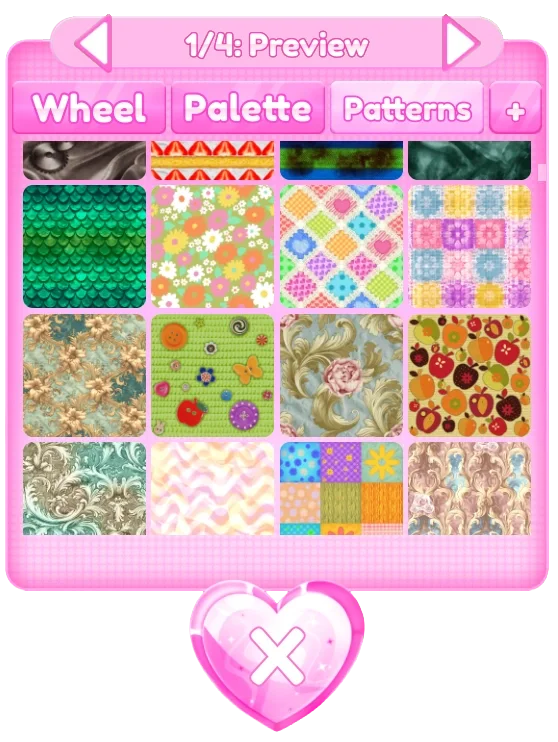
If the outfit already has a detailed print, keep most accessories solid. If the clothing is simple, use a pattern on the main piece and repeat one small part of it elsewhere. Several unrelated prints can fit a maximalist theme, but they still need a shared color or style.
Claim Free Code Items and Keep Them Organized
DTI codes can add dresses, bags, hairstyles, shoes, props, and other pieces without VIP. Codes are case-sensitive and can expire, so use the current DTI codes list instead of copying an old social post. Redeemed items remain in your code inventory even after the code stops accepting new claims.
Do not force a code item into every round because it was free or rare. Treat it like any other piece: use it when its shape, detail, or prop helps the theme.
Spend Cash Where It Expands Your Options
Cash is more useful when a purchase fills a gap in your wardrobe. Before buying, ask whether the item works across several themes, has helpful toggles, or gives you a shape you cannot already make. One flexible set can be worth more than several pieces you only use once.
Stars measure rank progress and Cash pays for eligible shop content; they are not the same currency. The Stars and Cash guide explains the difference, while the Cash guide focuses on earning it efficiently.
Theme-Specific No-VIP Shortcuts
Celebrity, red carpet, and awards themes
Start with a long or sharply shaped outfit, then use a limited palette, polished hair, and jewelry that reads under bright runway lighting. A clean shape usually looks more expensive than five competing accessories.
School, casual, and everyday themes
Use clear separates and one character detail: a bag, tie, headphones, glasses, sports layer, or matching colors. Choose details that make the activity or character easy to recognize.
Fantasy, mythology, and creature themes
Choose the creature or role first. Build the outfit around wings, horns, a tail, a crown, armor, or a magical prop, then repeat its color or material in the outfit.
Aesthetics you do not recognize
Use the DTI themes guide for a quick definition. When time is short, focus on the theme’s most recognizable colors, shapes, and styling references instead of attempting every detail.
Hair and Makeup Still Carry the Character
Free hair and preset makeup can establish age, mood, era, and attitude before voters notice the clothing. Pick hair after the main outfit so it does not hide a neckline, hat, earrings, or shoulder detail. Check the back as well as the front.
Custom Makeup can add control, but it is optional. A preset face that fits the character is better than a complicated face with no connection to the theme. If you are deciding whether the pass would genuinely help, use the Custom Makeup guide for the current feature breakdown.
Practice the Route Before You Need It
Use Freeplay Mode to find the free categories, test toggles, and save a few base outfits. Rebuild them against a timer so you know which two or three pieces matter most. A fast route gives you more value than access to a room you cannot navigate under pressure.
Final No-VIP Runway Check
- The theme is understandable without an explanation in chat.
- The outfit has one clear main feature.
- The colors repeat in a controlled way.
- Patterns support the outfit instead of covering every item.
- Hair, sleeves, props, and accessories do not visibly clip.
- The pose shows the best part of the look.
VIP can widen the selection, and the VIP guide explains exactly what it adds. Choose pieces that fit the theme, coordinate their colors, and check the outfit from every angle. Layering is optional, not a requirement for a no-VIP look.