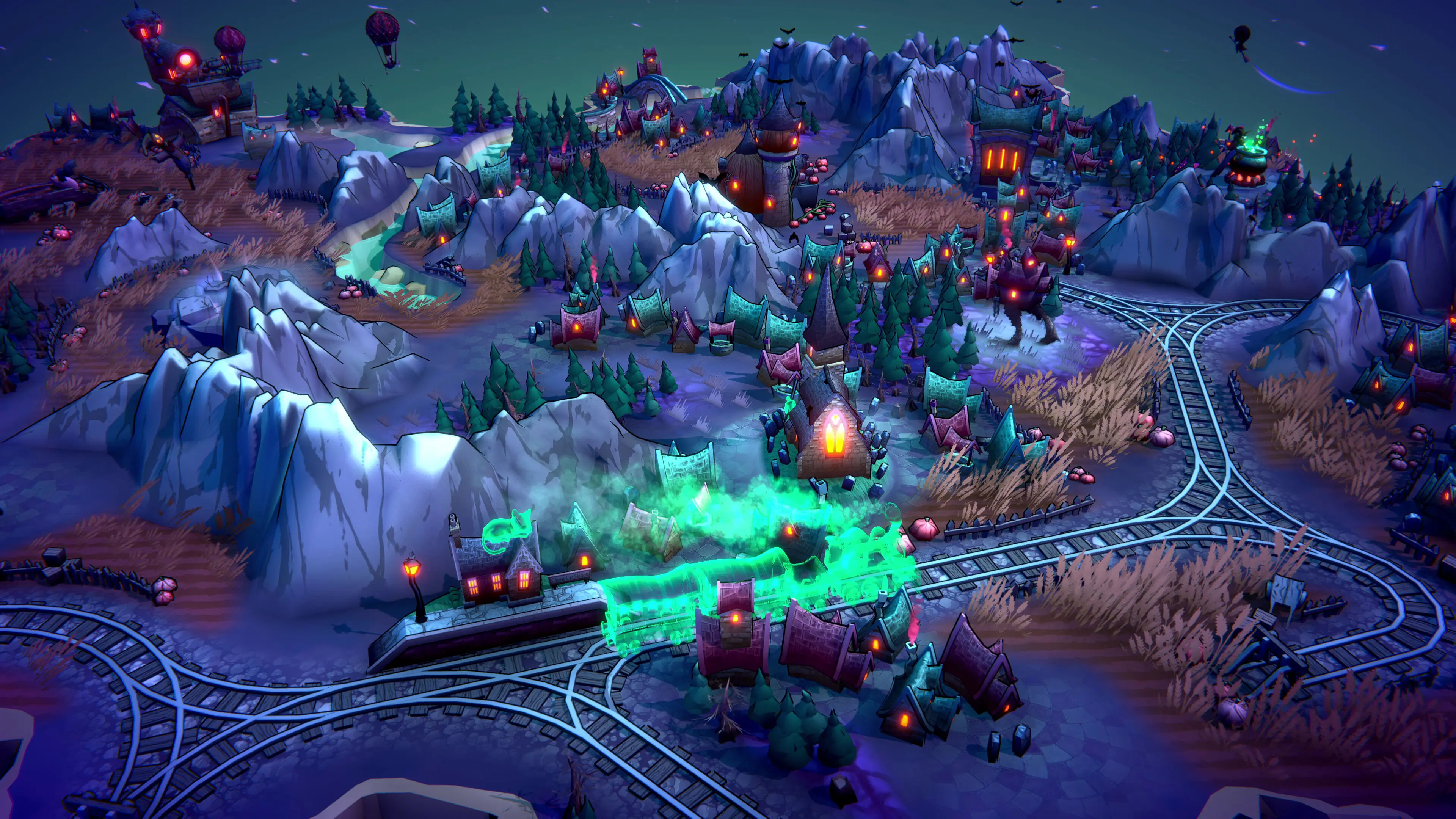
Fangtopia Release Date, Platforms, Modes, and Demo Status
Fangtopia releases October 26, 2026 for PS5, Nintendo Switch 2, and PC. Here is how its modes, tile stack, landmarks, monsters, and demo status work.



Genre
Simulation games model recognizable activities, systems, or jobs and let players change the outcome through repeated decisions. The genre includes life, farming, business, vehicle, city-building, and sports simulations, with each game deciding how closely its rules follow the real activity.
Explore




 Xbox Series X|S






Read next
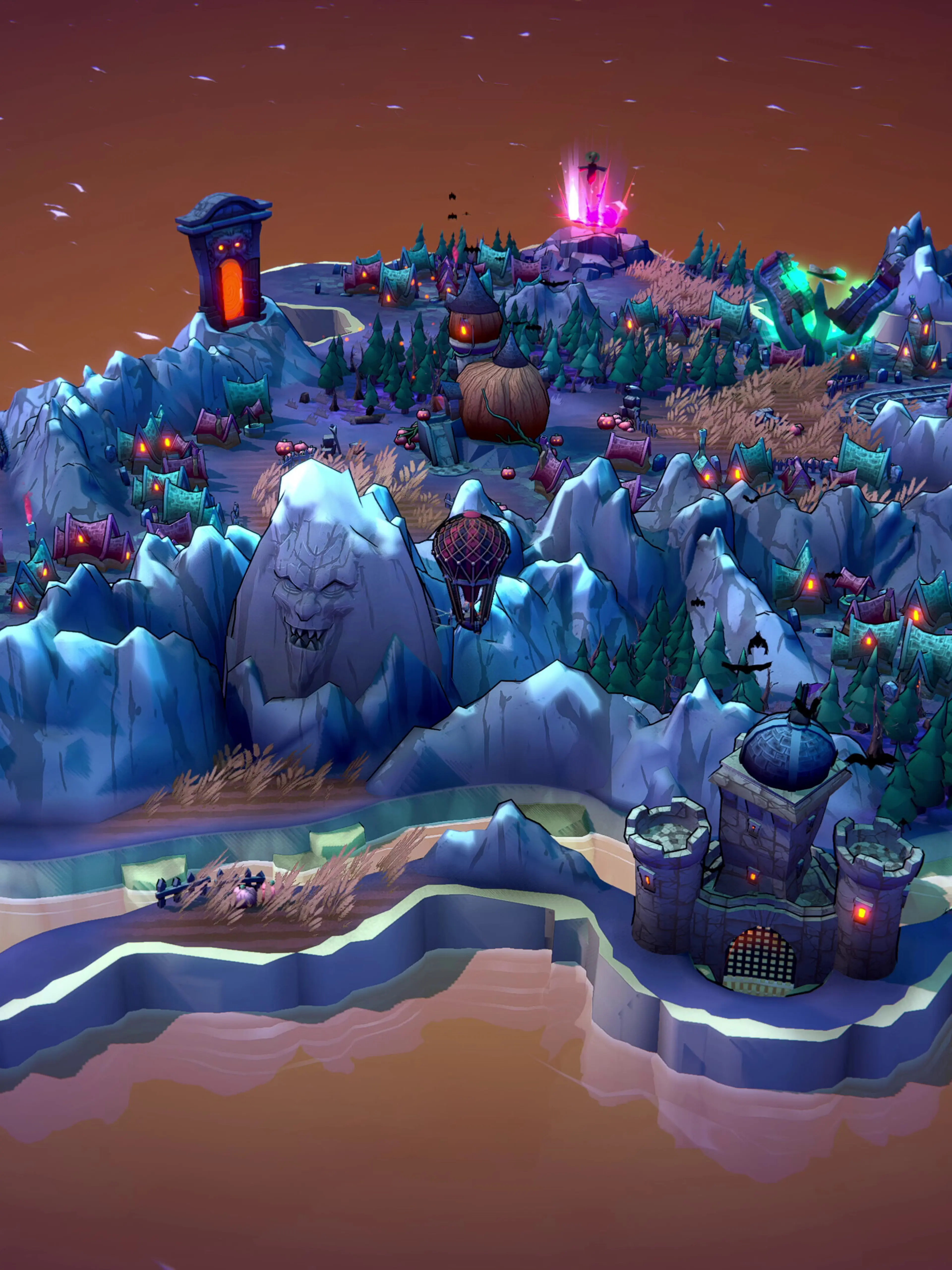
Fangtopia releases October 26, 2026 for PS5, Nintendo Switch 2, and PC. Here is how its modes, tile stack, landmarks, monsters, and demo status work.
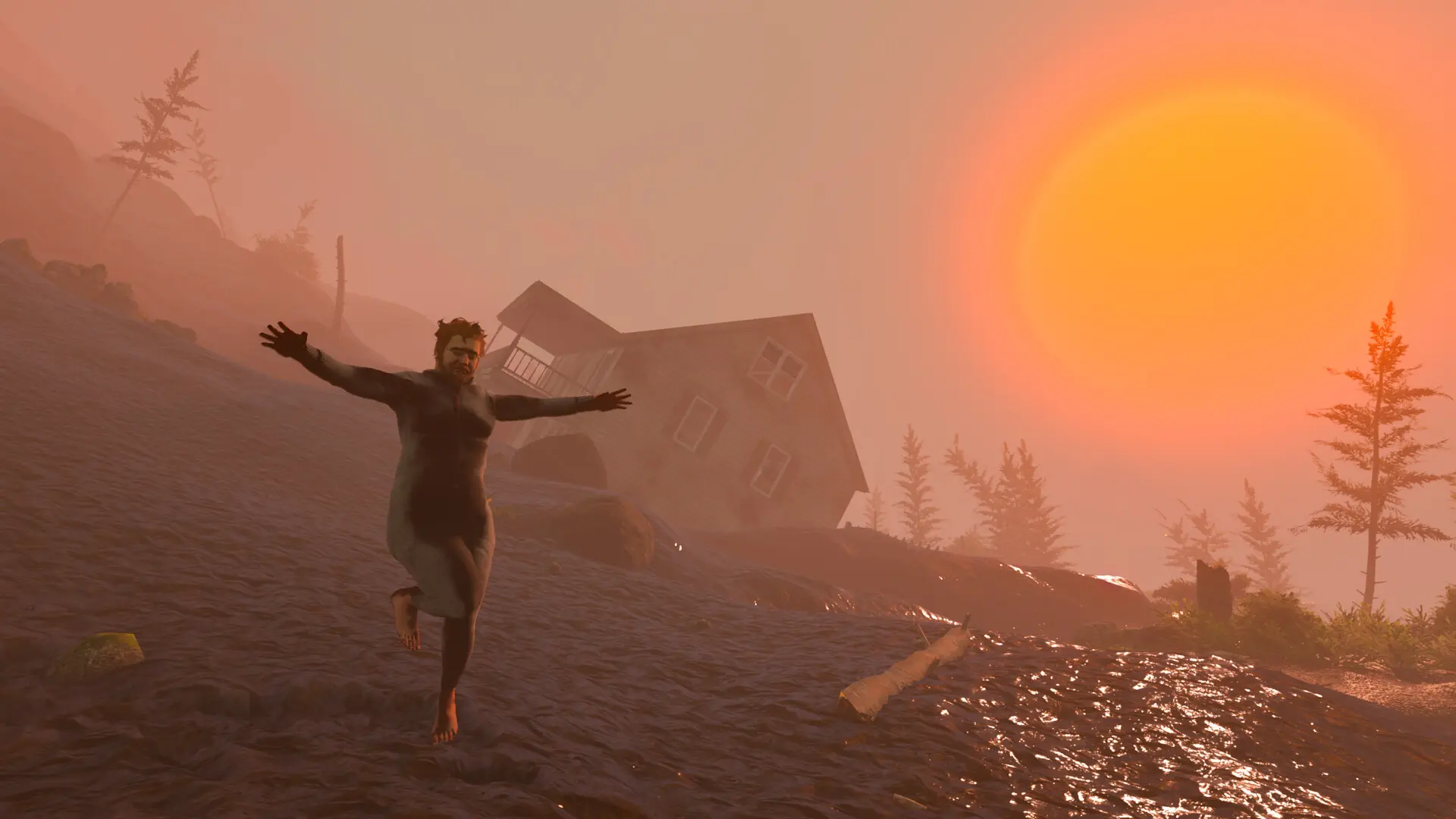
Discover 20 weird PC games worth playing, led by Baby Steps and featuring physics fishing, face control, egg cooking, surreal horror, and alien markets.

Nexon has named Project RX FAREIDOLIA. Here is what the Blue Archive team's new 3D anime game is about, who the first Mates are, and when the Tokyo Game Show demo arrives.

American Truck Simulator's upcoming Road Trip module will let players buy, customize, and drive cars such as the Ford Mustang and Dodge Challenger, but the first brands are tied to Car Pack DLC.

A permanent Freddy Fazbear's Pizza will open at American Dream in New Jersey in 2027 with food, arcades, animatronic shows, and a survival-horror experience.
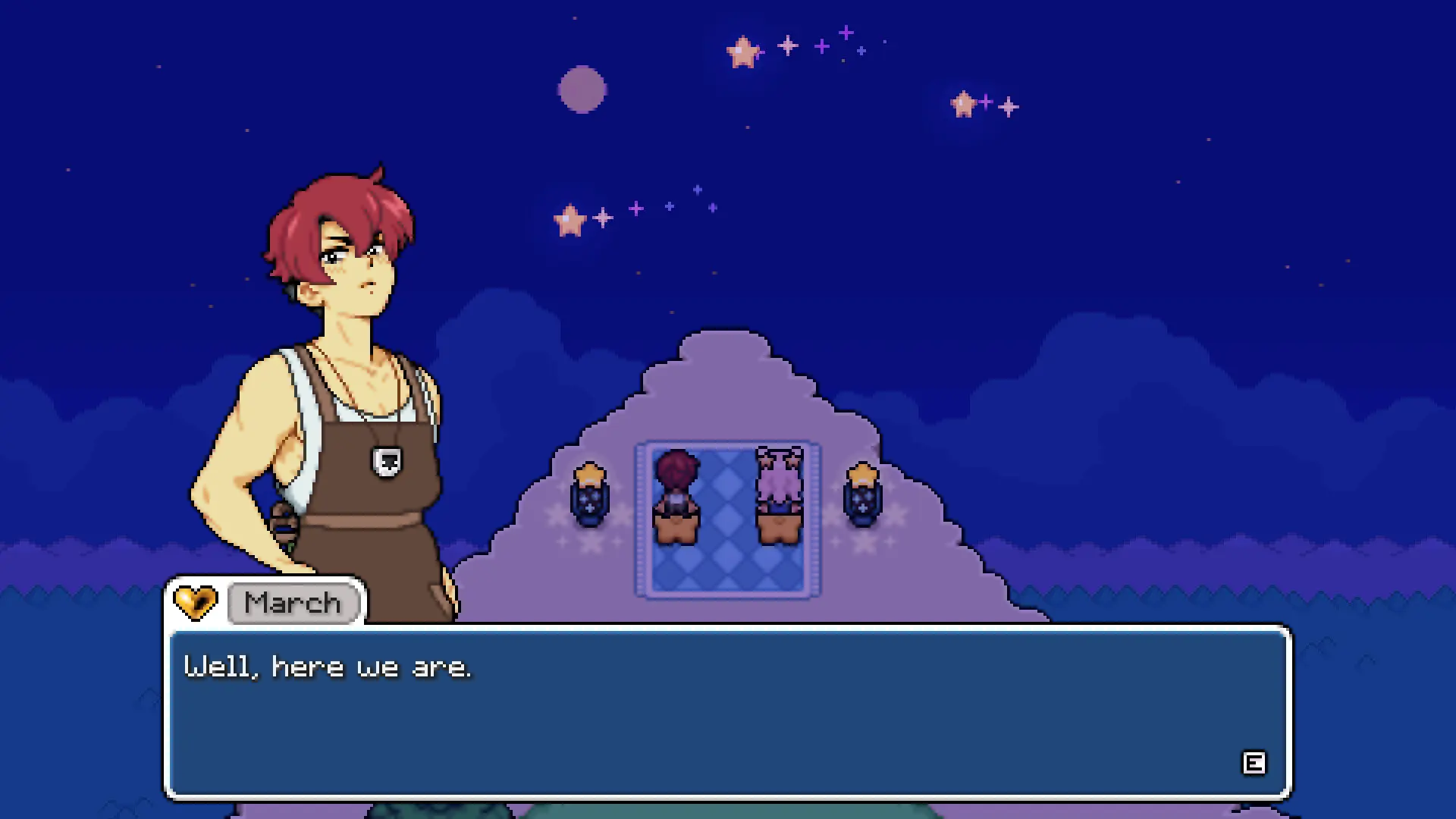
Everything changing in Fields of Mistria 1.0, including old save support, marriage and children, achievements, Renown, dungeons, perks, and console plans.