The best weird games do more than look unusual. They turn the strange idea into the thing you actually do: control individual feet, keep eggs inside a moving pan, manipulate a suspect’s face, trade alien organs, or negotiate with stock-photo dogs at an airport.
This ranking collects 20 PC games with a clear original hook and enough substance to recommend beyond the joke. Baby Steps takes the top spot because its awkward manual walking, open mountain and physical comedy all serve the same idea. How to Fish follows as the strongest multiplayer pick, while Arctic Eggs, Who’s Lila? and Hylics 2 lead the shorter, darker and more visually surreal side of the list.
Quick picks: which weird game should you play first?
- Best overall: Baby Steps, a mountain journey where every footstep is controlled by the player.
- Best with friends: How to Fish, which turns fishing into a physics-heavy co-op expedition with weapons and bosses.
- Best weird horror: Who’s Lila?, a reverse-detective game built around manually changing a character’s face.
- Best short game: Perfect Vermin, a compact office-smashing game that rapidly changes what the task means.
- Best visual trip: Hylics 2, a surreal RPG whose clay-like world looks handmade from frame to frame.
- Best comedy: The Procession to Calvary, a point-and-click adventure assembled from animated Renaissance paintings.
How we chose and ranked these games
Every game below was available on Steam when this list was checked on September 2, 2026, and each held a Very Positive or Overwhelmingly Positive all-language user-review label at that time. Those labels can change as new reviews arrive. We did not rank by review count, price, marketing reach or how obscure a game could be made to sound.
The order rewards three things: an unusual idea that can be explained clearly, mechanics that make the idea playable, and evidence that the result works for more than a screenshot or punchline. This is an editorial discovery ranking, not a hands-on review. The descriptions and availability facts come from the games’ official store pages.
20. Hand of Doom
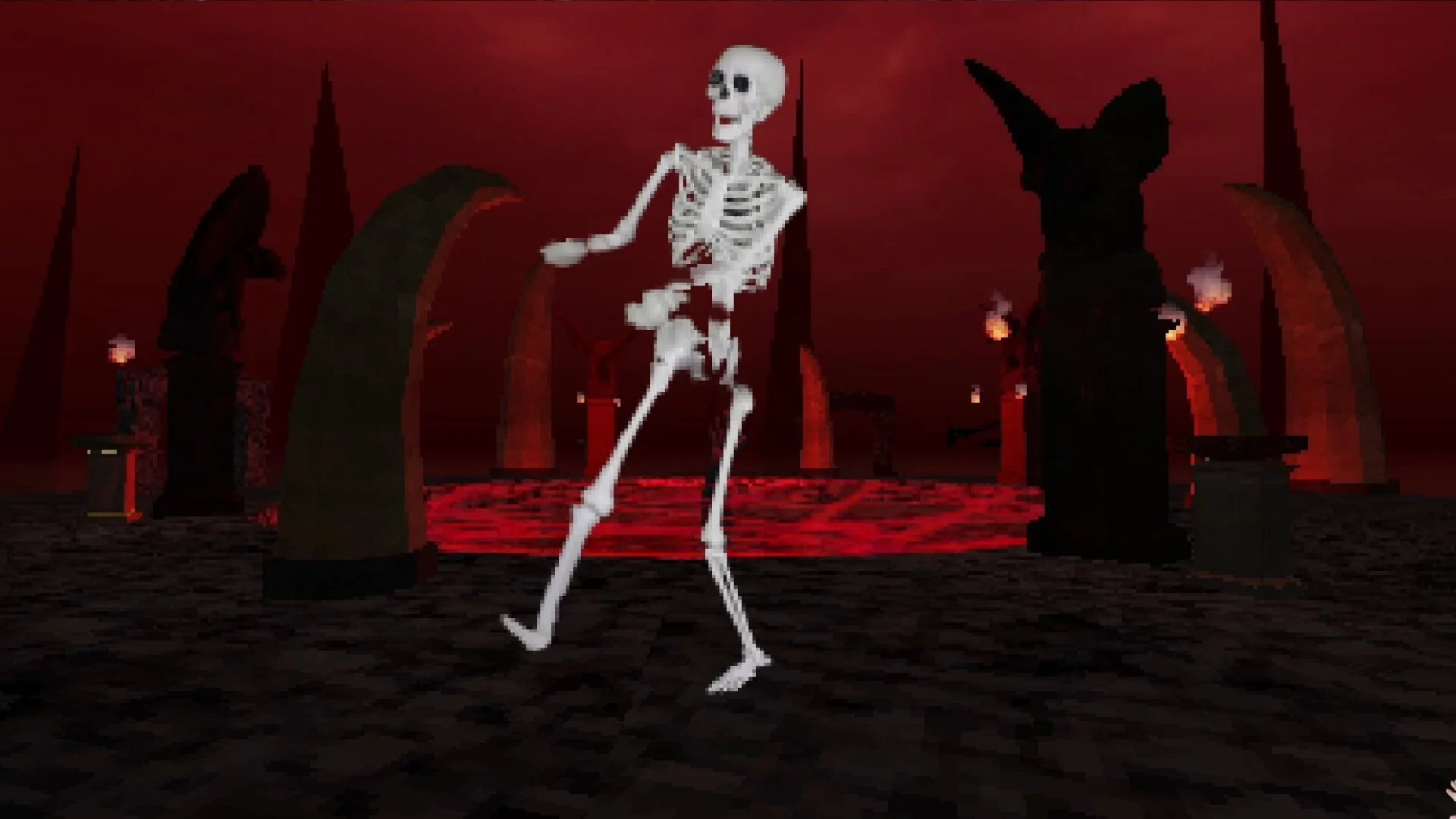
Hand of Doom is a wizard simulator filtered through early-1990s FMV games and dungeon crawlers. You sign a contract in blood, travel between planes, learn spells, solve puzzles and decide whether powerful doomlords should be fought or befriended. The chunky interface and deliberately theatrical presentation make the whole adventure feel like software recovered from a forbidden CD-ROM.
Why it stands out: the spellcasting fantasy is presented as a tactile ritual rather than a conventional action-game power set. It is the most traditional adventure near the bottom of this ranking, but its blood-contract framing and period-specific style give it an identity that is hard to confuse with anything else.
19. Tux and Fanny
Tux and Fanny begins with a simple problem—two friends want to play soccer, but their ball is flat—and expands into a retro puzzle adventure with multiple playable characters and interwoven stories. The official description promises both the natural and the unnatural world, and the game treats tiny observations, odd objects and unexpected points of view as part of the same gentle quest.
Why it stands out: it uses the structure of an old computer adventure without chasing nostalgia alone. The strangeness comes from how freely the perspective shifts and how seriously the game treats small, seemingly irrelevant discoveries.
18. The Norwood Suite
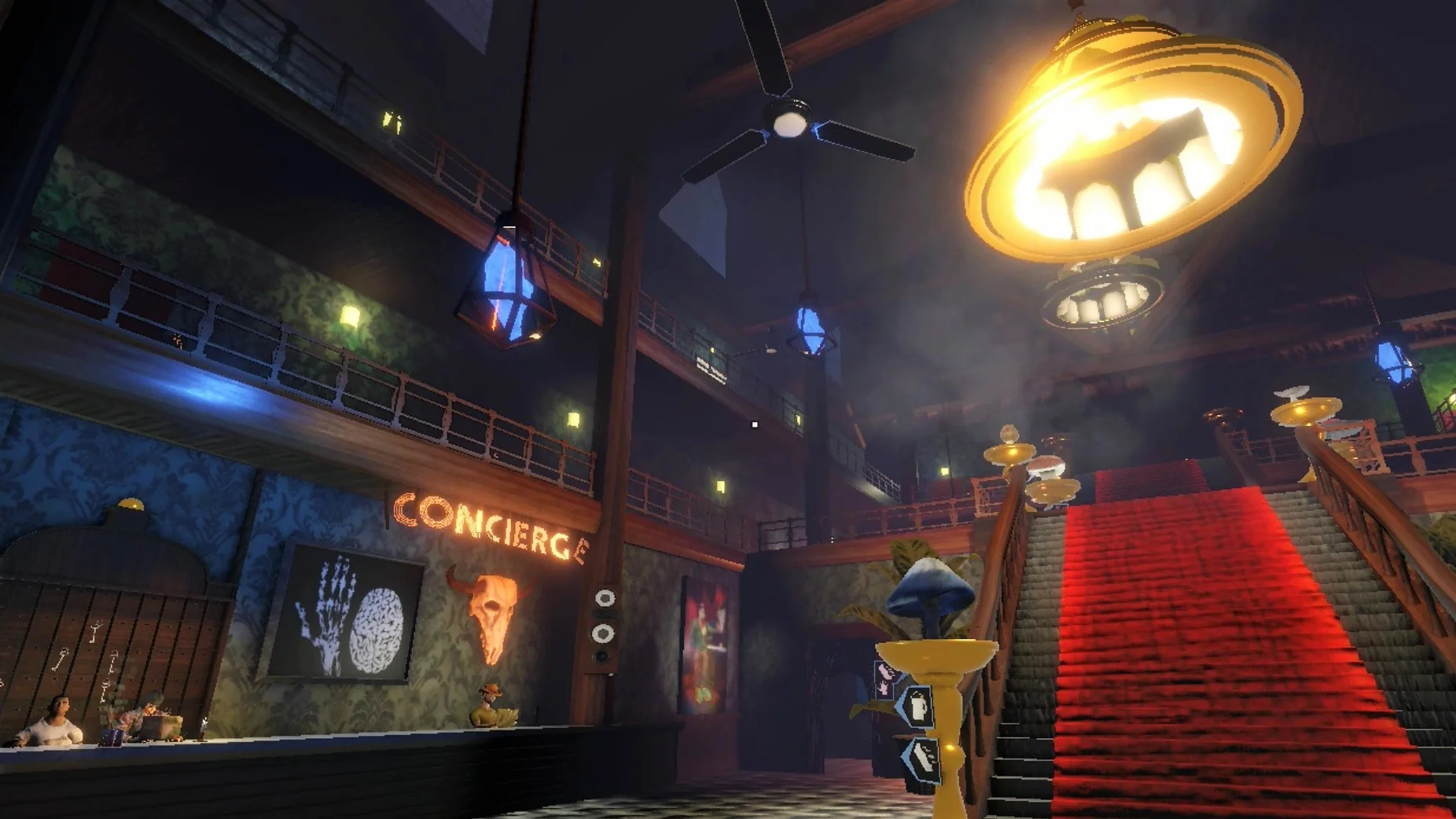
The Norwood Suite sends you into the Hotel Norwood, a surreal first-person space filled with curious guests, forgotten secrets and its own musical pulse. Rather than building the hotel as a neutral level, developer Cosmo D makes it feel like an eccentric institution with a history that exists whether or not the player understands it.
Why it stands out: the mystery is architectural as much as narrative. Corridors, rooms, conversations and music work together, so exploration feels less like checking doors and more like learning the logic of a strange place.
17. Northern Journey
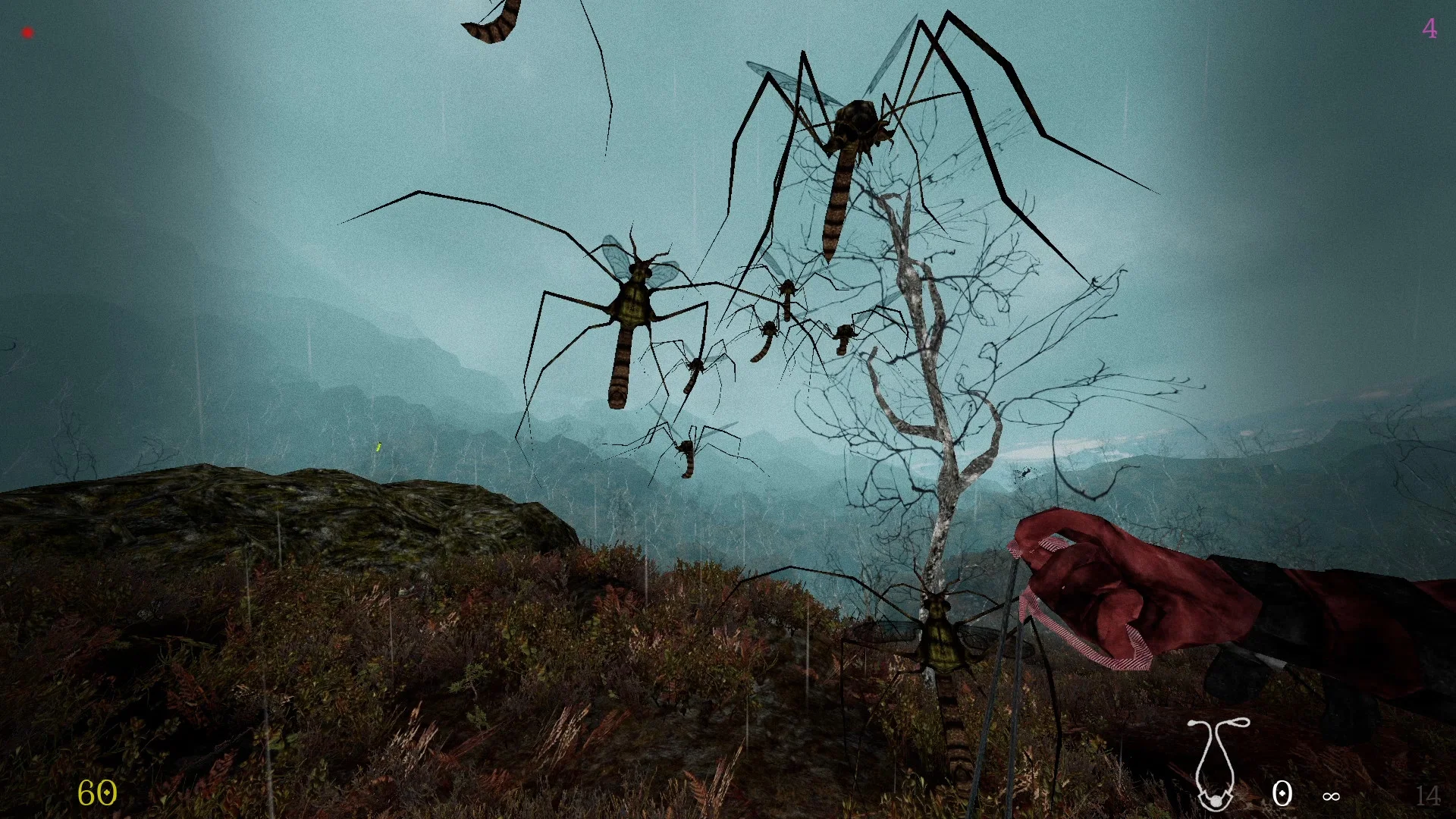
Northern Journey calls itself a Norwegian “happysad” game, which is a useful warning that ordinary genre labels will not cover it. The route crosses a highly varied wilderness with diving, flight, ziplines and different weapons, while more than 50 enemy and boss types keep interrupting the scenery.
Why it stands out: it combines postcard-like northern landscapes with handmade creatures and abrupt tonal shifts. The travel is not background between fights; the unusual movement and changing terrain are central to the journey.
16. The Procession to Calvary
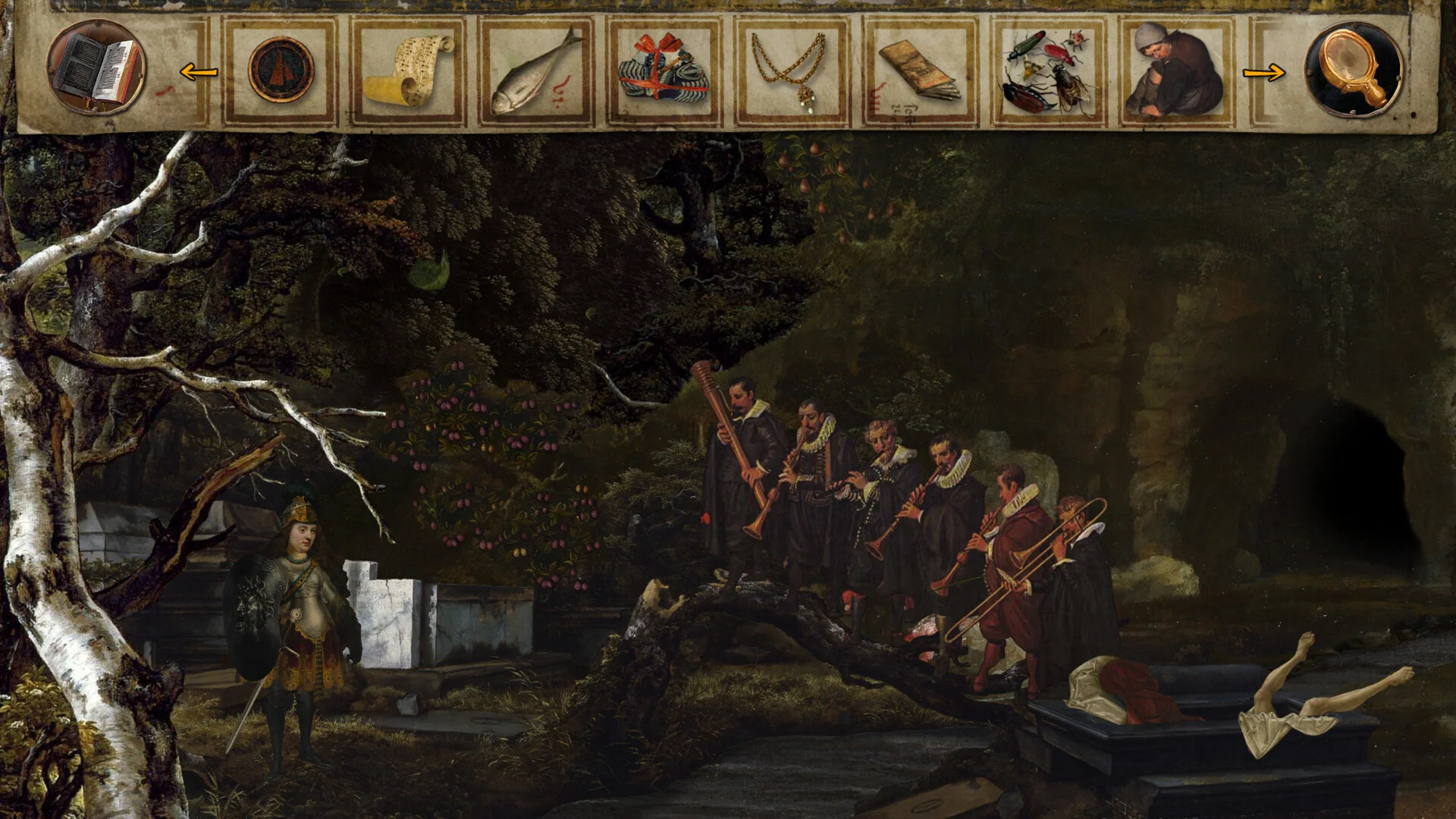
The Procession to Calvary is a point-and-click comedy made from Renaissance paintings. Its heroine moves through famous painted scenes while stealing from pirates, conspiring with cardinals and dealing with an incompetent magician. The official pitch calls it Pythonesque, and that description fits the collision between formal old art and gleefully modern absurdity.
Why it stands out: the paintings are not a decorative filter placed over a standard adventure. Characters, props and backgrounds are cut from the art and animated into the jokes, making the visual source inseparable from the puzzles.
15. Grunn
Grunn gives a gardener a weekend maintenance job and immediately starts removing the certainty from it. Tools are missing, the owner is absent, the house is off-limits and the nearby town may or may not help. The basic chores create a believable routine, which gives every detail that does not fit that routine more weight.
Why it stands out: it understands that a mystery becomes stranger when the player has a normal job to finish. Trimming, cleaning and searching for tools provide structure while the garden and town quietly suggest that the assignment is not simple at all.
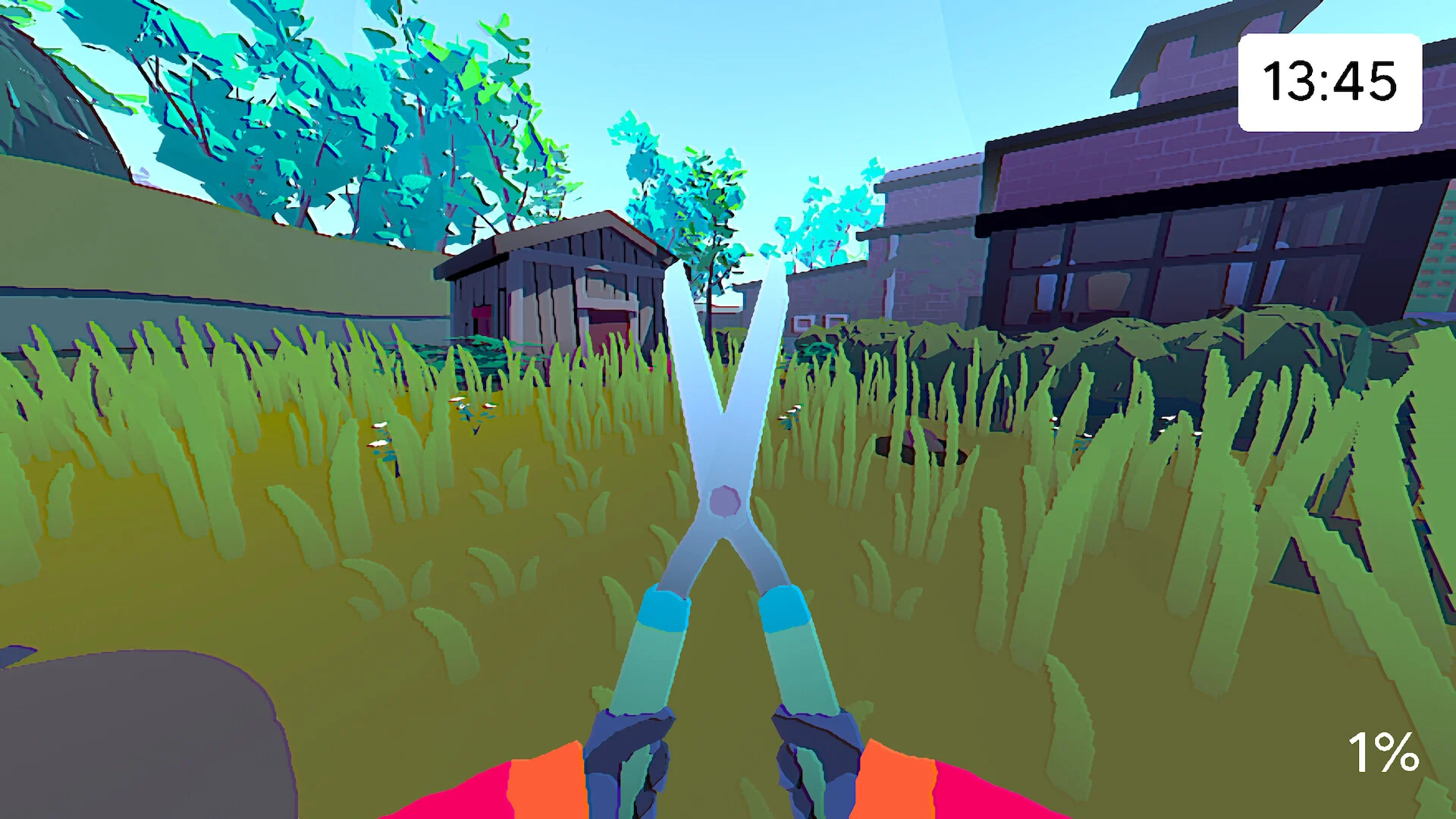
14. Fatum Betula
Fatum Betula places you in a world without change and gives you one consequential job: water an ancient plant and determine the future. That compact premise supports exploration, experimentation and multiple outcomes without pretending the surrounding world is stable or comfortable.
Why it stands out: its low-poly spaces feel familiar at first and increasingly wrong as the player meets their inhabitants. The plant provides a clear cause-and-effect center for a world that otherwise communicates through atmosphere and fragments.
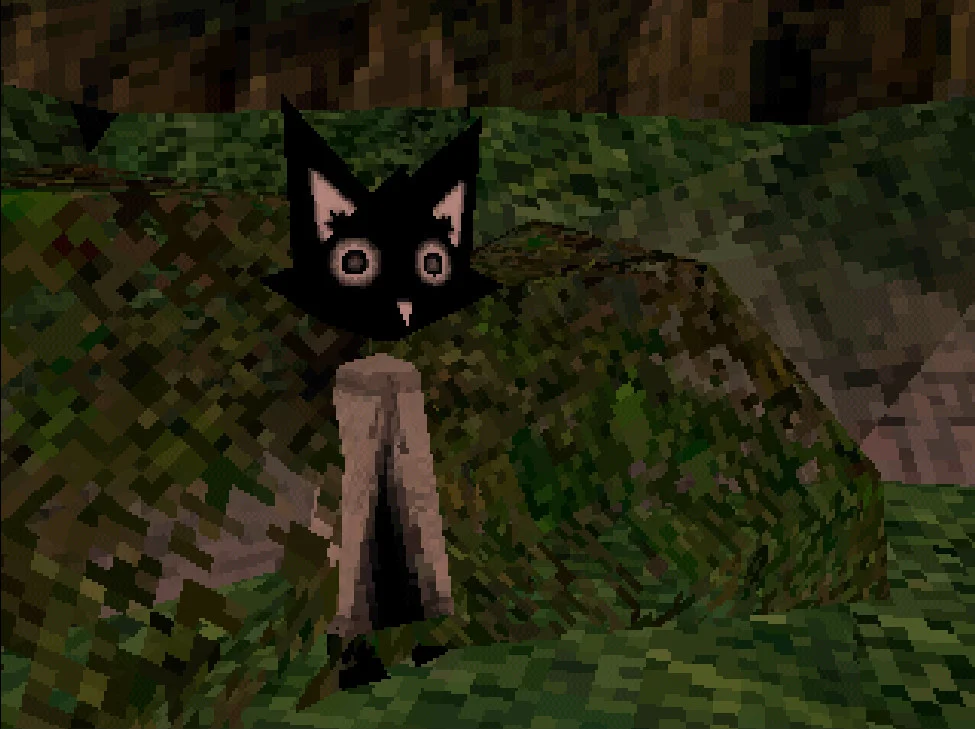
13. SLUDGE LIFE 2
SLUDGE LIFE 2 is a first-person vandalism game set in a dense open world full of tag spots, secrets, jokes and deeply odd residents. The objective is easy to grasp—explore and leave graffiti behind—but the pleasure comes from finding how much grime, vertical movement and incidental comedy the environment can hold.
Why it stands out: it turns a hub packed with visual noise into a readable playground. Graffiti is both progression and permission to keep looking for routes that a more orderly game would hide.
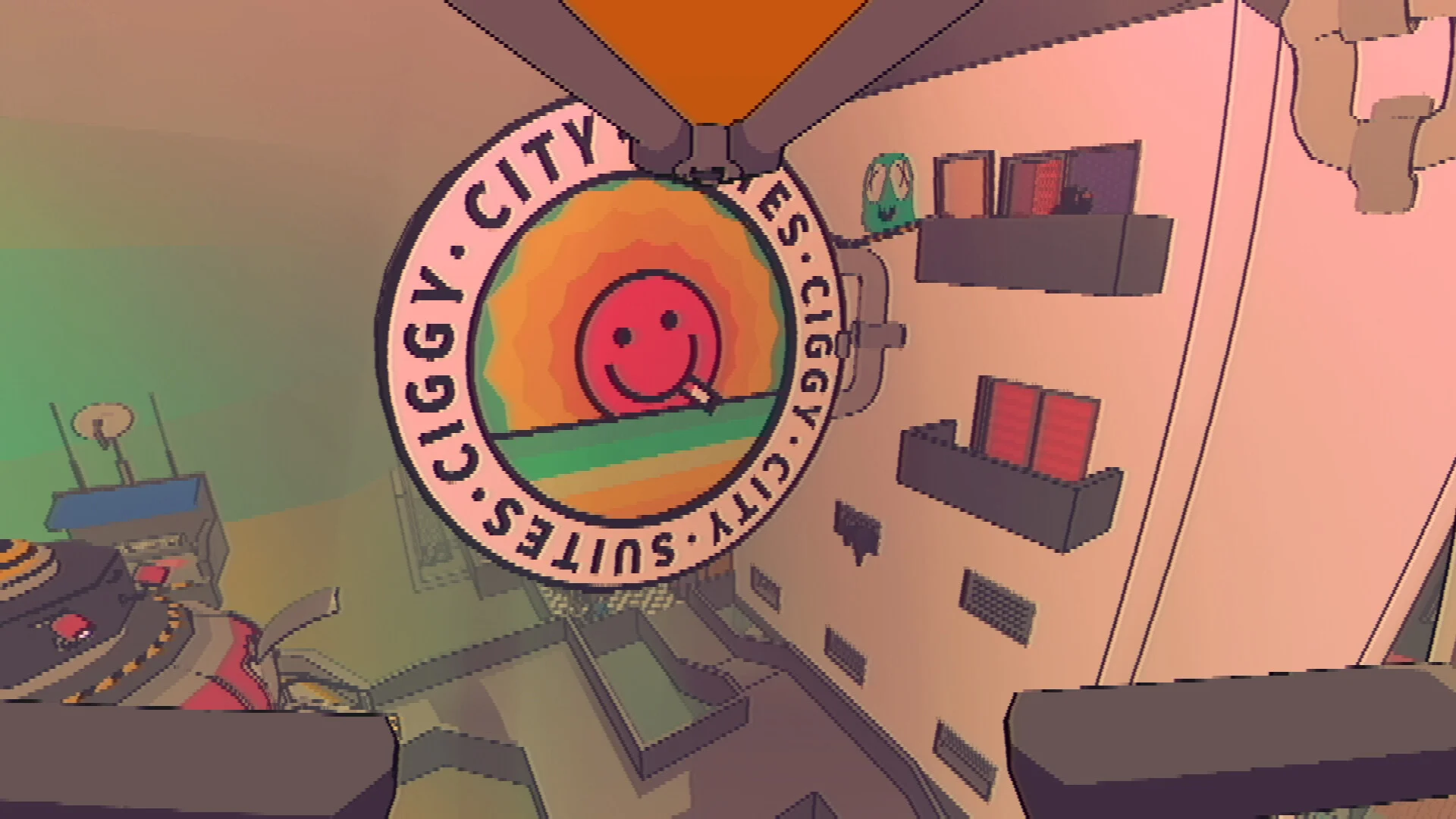
12. An Airport for Aliens Currently Run by Dogs
The complete title explains the setup: this is an open-world comedy adventure about navigating airports operated by stock-photo dogs. You talk to the dogs, solve their problems and try to catch a flight. The flat photographs are deliberately placed inside a 3D world, so the central joke remains visible in every conversation.
Advertisement

Why it stands out: the stock images are not a temporary meme pasted over the design. They become airport staff, passengers and quest-givers, while the travel structure gives the comedy somewhere to go.
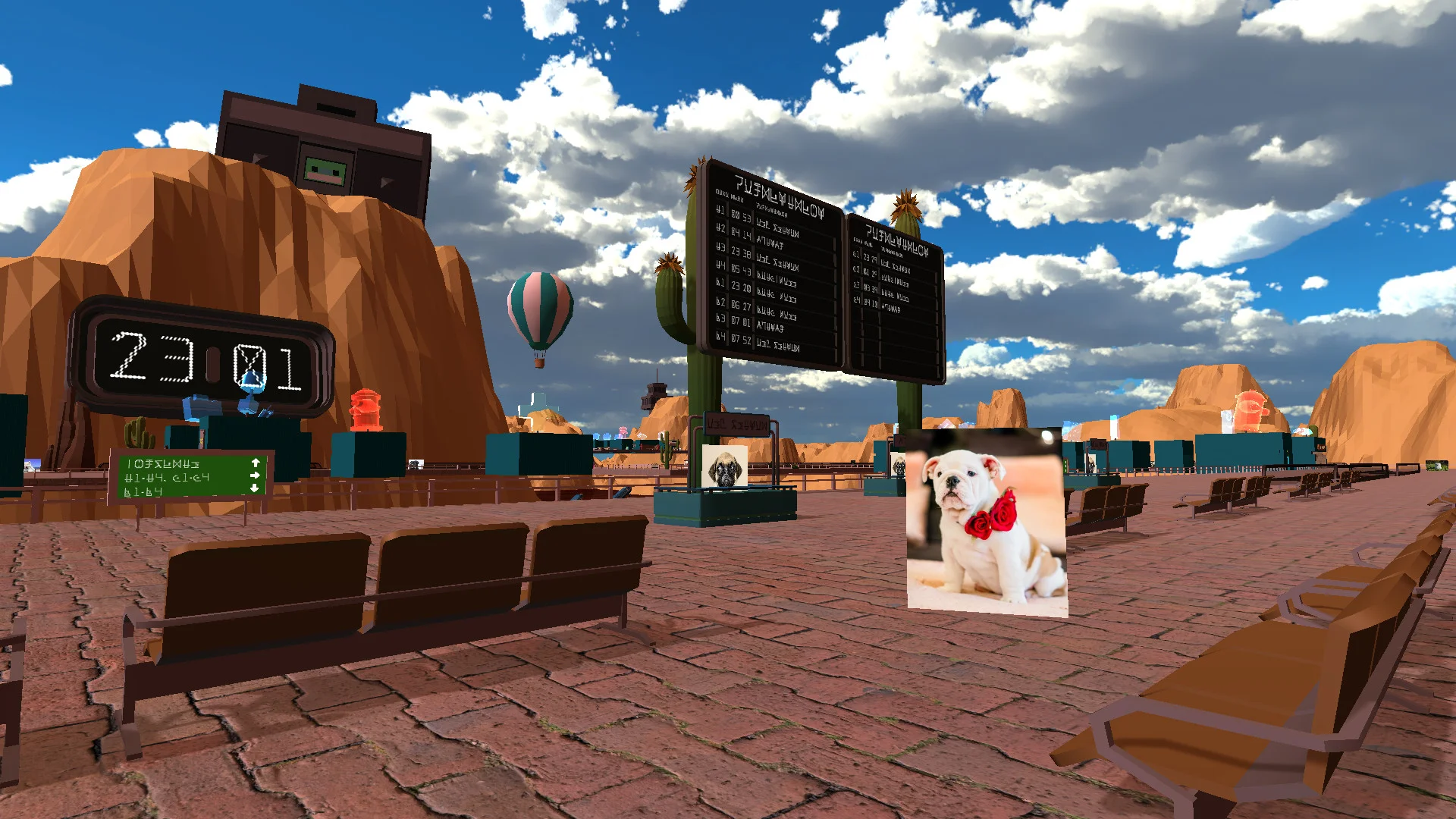
11. Perfect Vermin
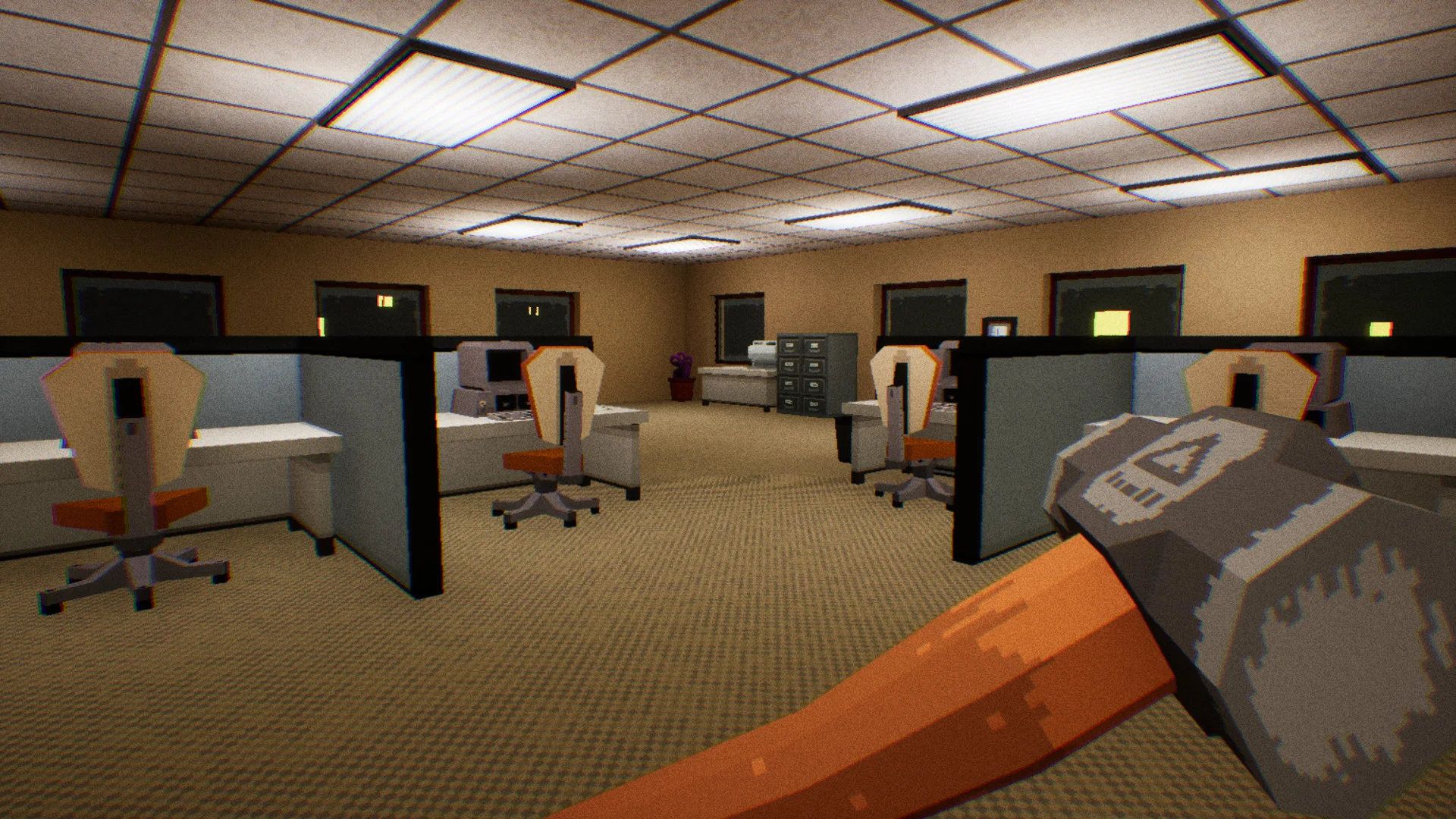
Perfect Vermin hands you a sledgehammer and tells you to exterminate vermin hidden among office furniture and appliances. Almost everything can be smashed, time is running out, and the definition of the task changes as the short game continues. It is free, compact and best approached without searching for its later turns.
Why it stands out: the act of destroying an office is immediately readable, but the game uses repetition and instruction to make that simple action increasingly uncomfortable. Its brevity is part of the design rather than a lack of ideas.
10. CLICKOLDING
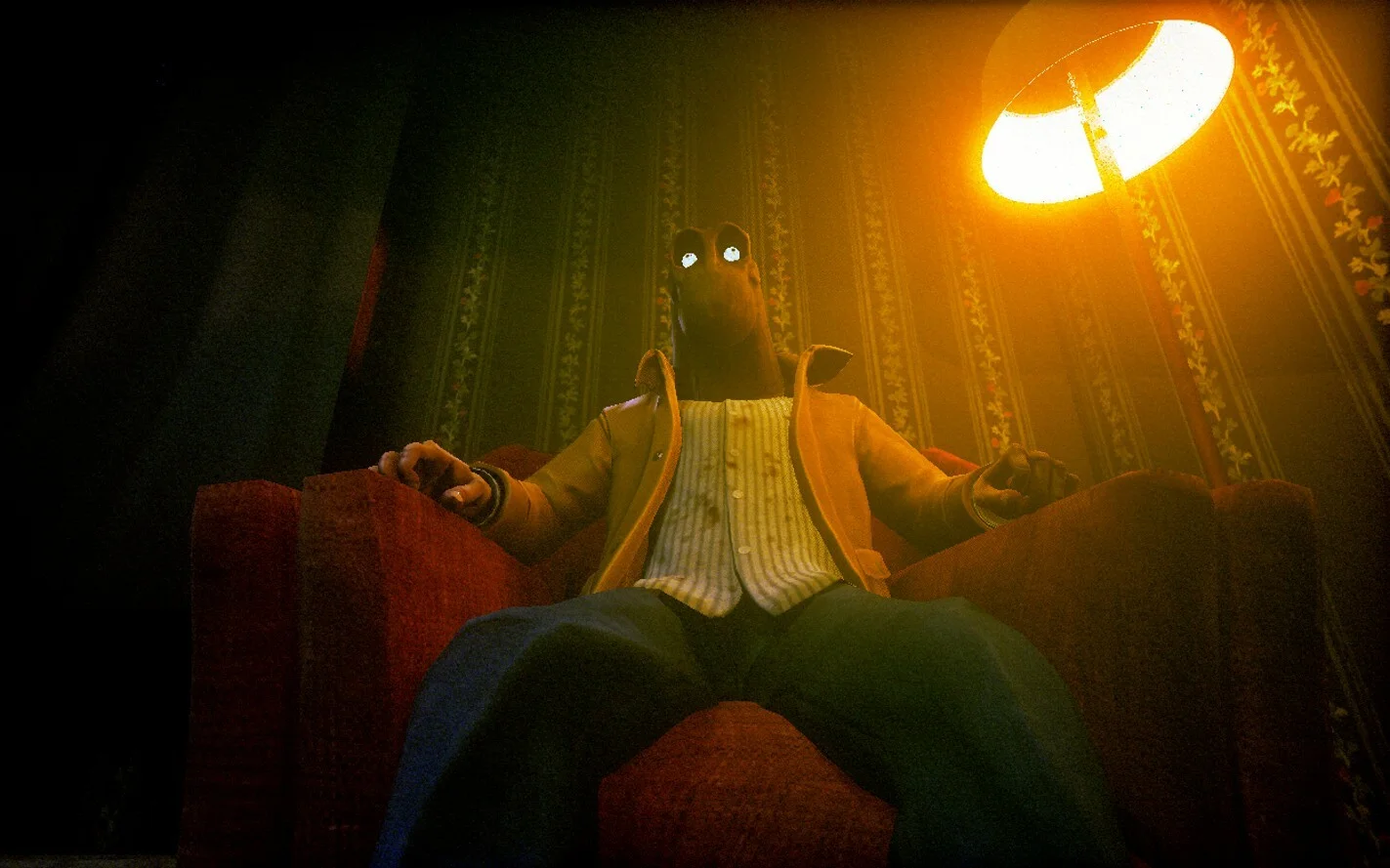
CLICKOLDING traps a small mechanical action inside an uncomfortable hotel-room encounter. A masked man sits in the corner, asks you to click a counter and wants to watch. That is the official premise, and giving away much more would remove the tension produced by having to decide whether to continue.
Why it stands out: clicking is normally the invisible language of a computer game. Here it becomes the visible subject, complete with a witness, a request and a growing sense that the number means less than the situation.
9. Cryptmaster
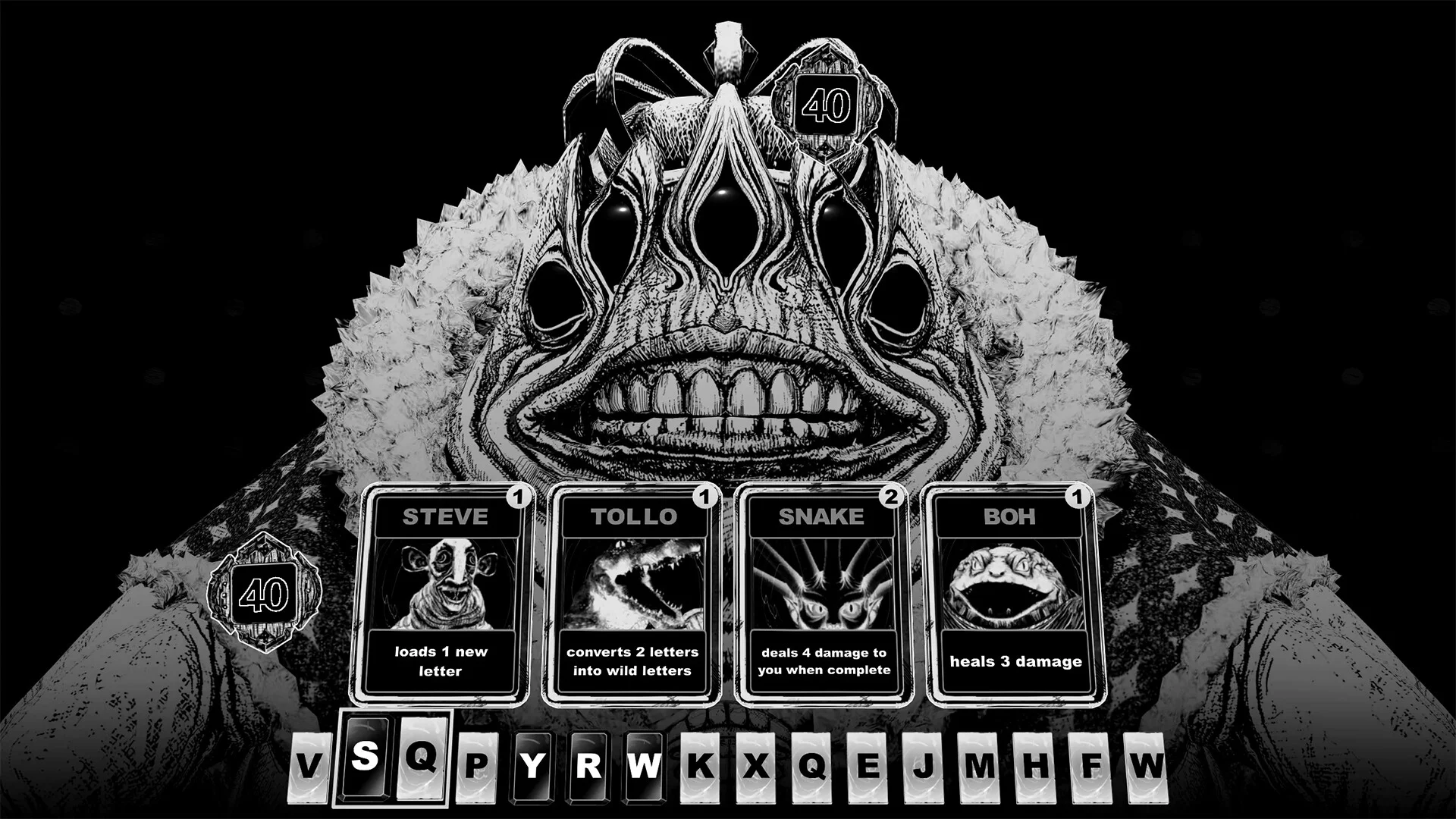
Cryptmaster is a black-and-white dungeon adventure where words control the action. Players type or speak answers to recover lost abilities, solve riddles, handle unusual quests and fight through the crypt. Language is not limited to selecting a dialogue response; it is the game’s interface, puzzle system and route back to power.
Why it stands out: the central command—say anything—creates room for surprise without abandoning structure. Vocabulary becomes equipment, and learning what a character can do is literally tied to recovering the words for it.
8. How Fish Is Made
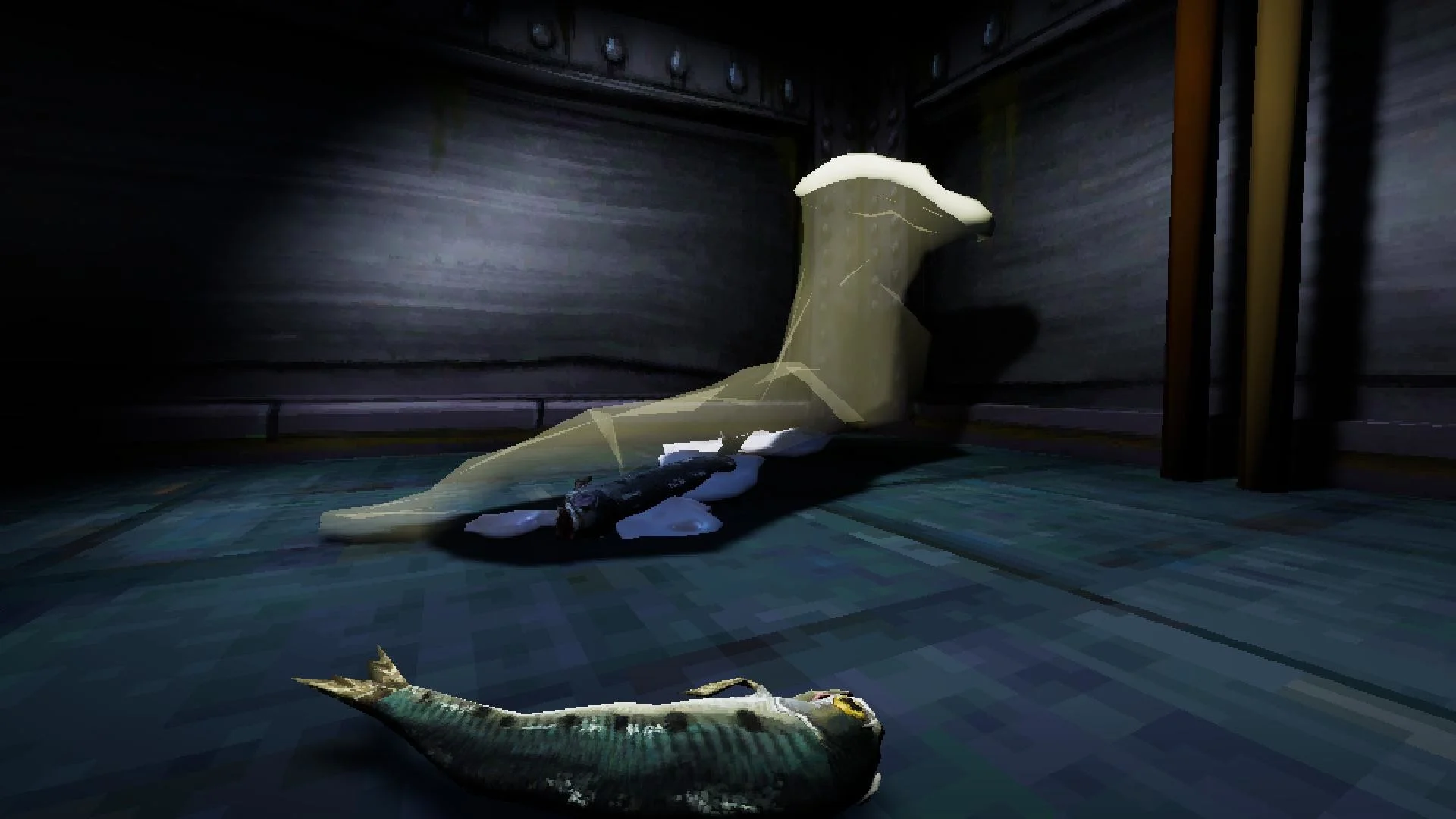
How Fish Is Made is a free, short surreal story about sardines, trust and the pressure to choose a direction. Its rough industrial spaces and talking fish are unsettling before anything explicitly threatens the player. The current Steam release also includes a separate downloadable segment described by the developers as Katamari-like.
Why it stands out: it takes a procession of fish and turns it into a pointed social decision without overexplaining the world. The deliberately janky presentation makes the bodies and machinery feel more immediate, not less.
7. Space Warlord Organ Trading Simulator
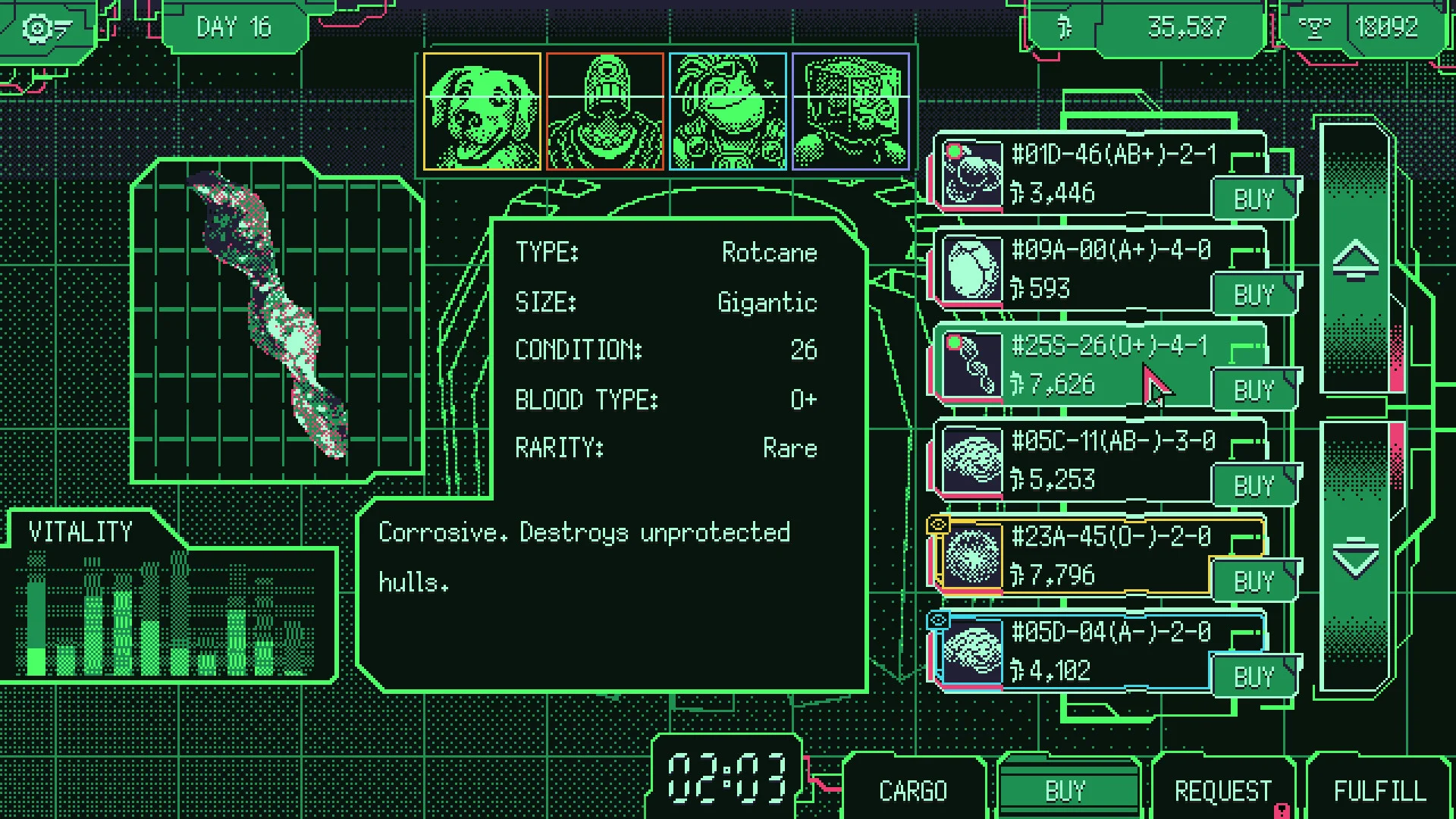
Space Warlord Organ Trading Simulator is a market game about buying, selling and trading organs across an alien economy. Prices move, clients want particular biological goods and the interface treats body parts like volatile stock. The official description calls it a body-horror market tycoon, which is exactly the collision at work.
Why it stands out: the joke survives because the trading system is real enough to create pressure. The grotesque commodity changes how familiar market screens feel, while the market gives the grotesque premise rules the player can learn.
6. Golden Light
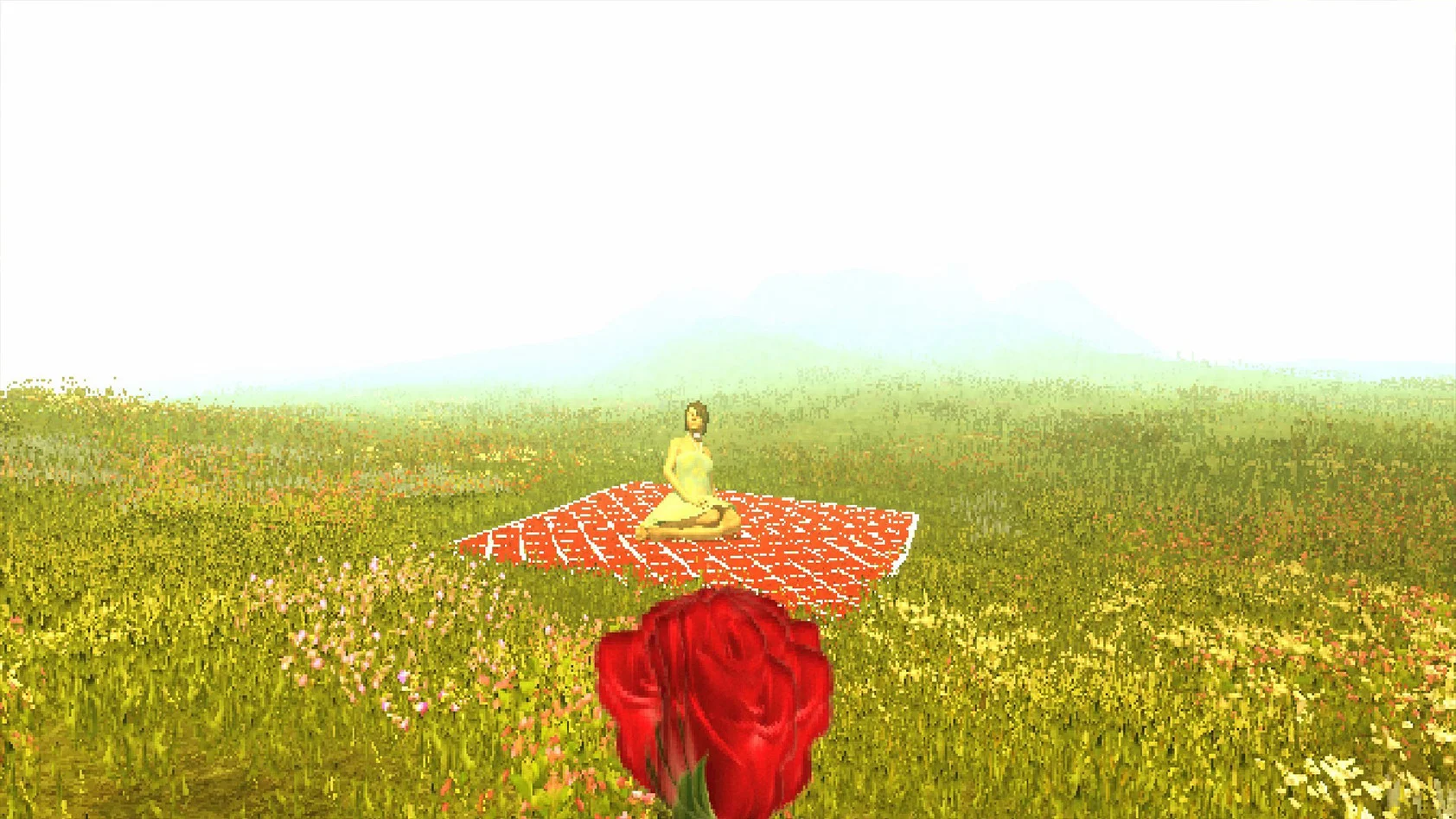
Golden Light is a survival-horror first-person shooter, prop hunt and roguelike “about meat.” Weapons can be eaten, objects may be hostile and the official description warns that the walls are watching. Its bright outdoor images and wet organic interiors belong to the same unstable world, so appearance is never a guarantee of safety.
Why it stands out: it makes suspicion mechanical. A prop-hunt structure asks the player to inspect ordinary objects, then the body-horror rules make every inspection feel wrong.
5. Hylics 2
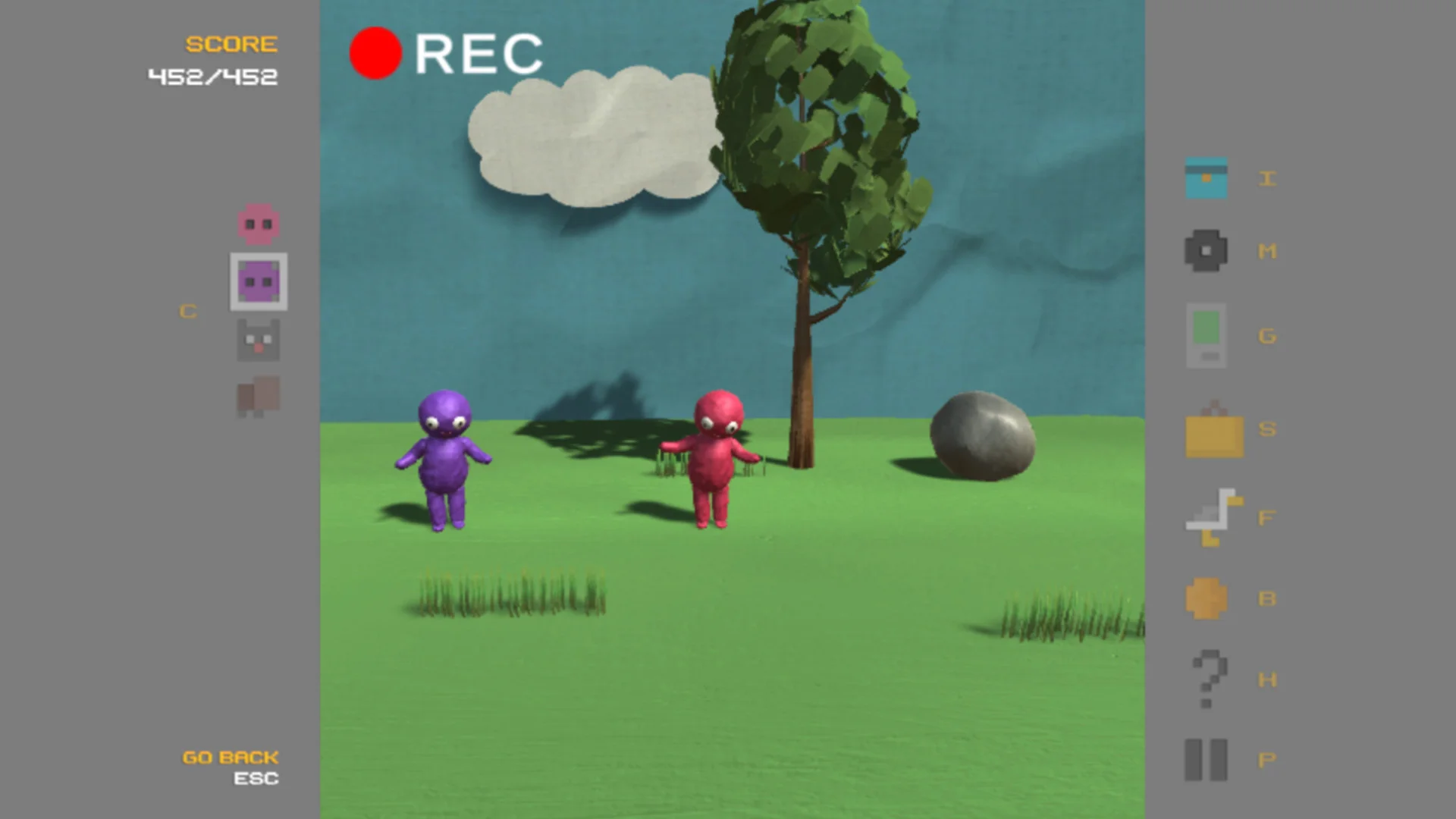
Hylics 2 is a surreal role-playing game with clay-like characters, collage environments and animation that looks physically handled. It still has recognizable RPG systems—exploration, combat, party growth and a quest—but the art and dry scenario prevent those systems from settling into familiar fantasy language.
Why it stands out: many games promise a unique visual style; Hylics 2 makes that style part of how its world is understood. Every creature, menu and movement carries the same handmade logic.

4. Who’s Lila?
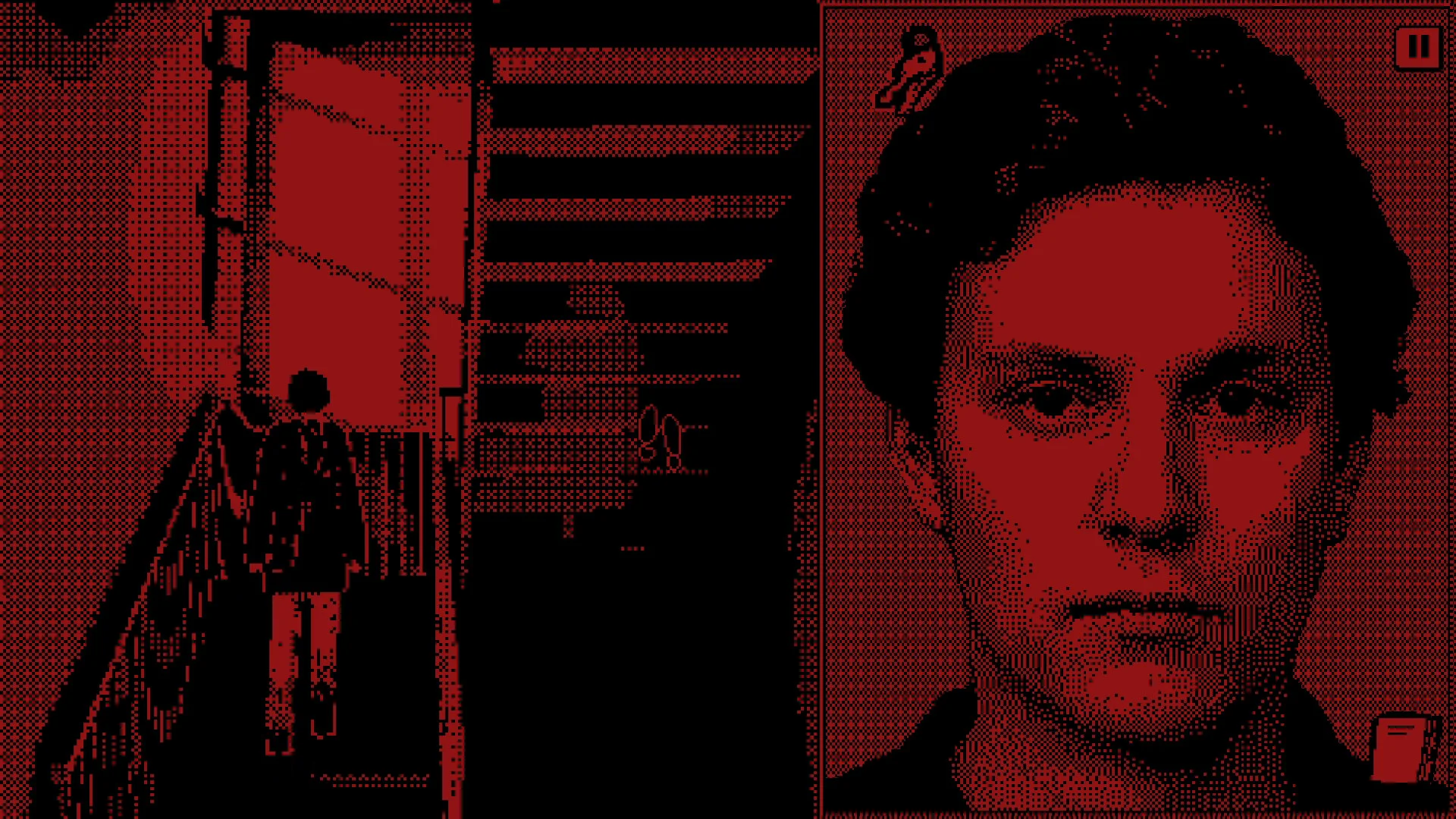
Who’s Lila? is a reverse-detective adventure where the player controls the protagonist’s face. William struggles to form the correct expression on his own, so conversations require physically arranging his features while other characters watch and interpret the result. The disappearance at the center of the story turns that social mechanic into an investigation.
Why it stands out: most narrative games ask what you want to say. Who’s Lila? asks what your face is doing while you say it, then makes the imperfect performance part of the mystery.
3. Arctic Eggs
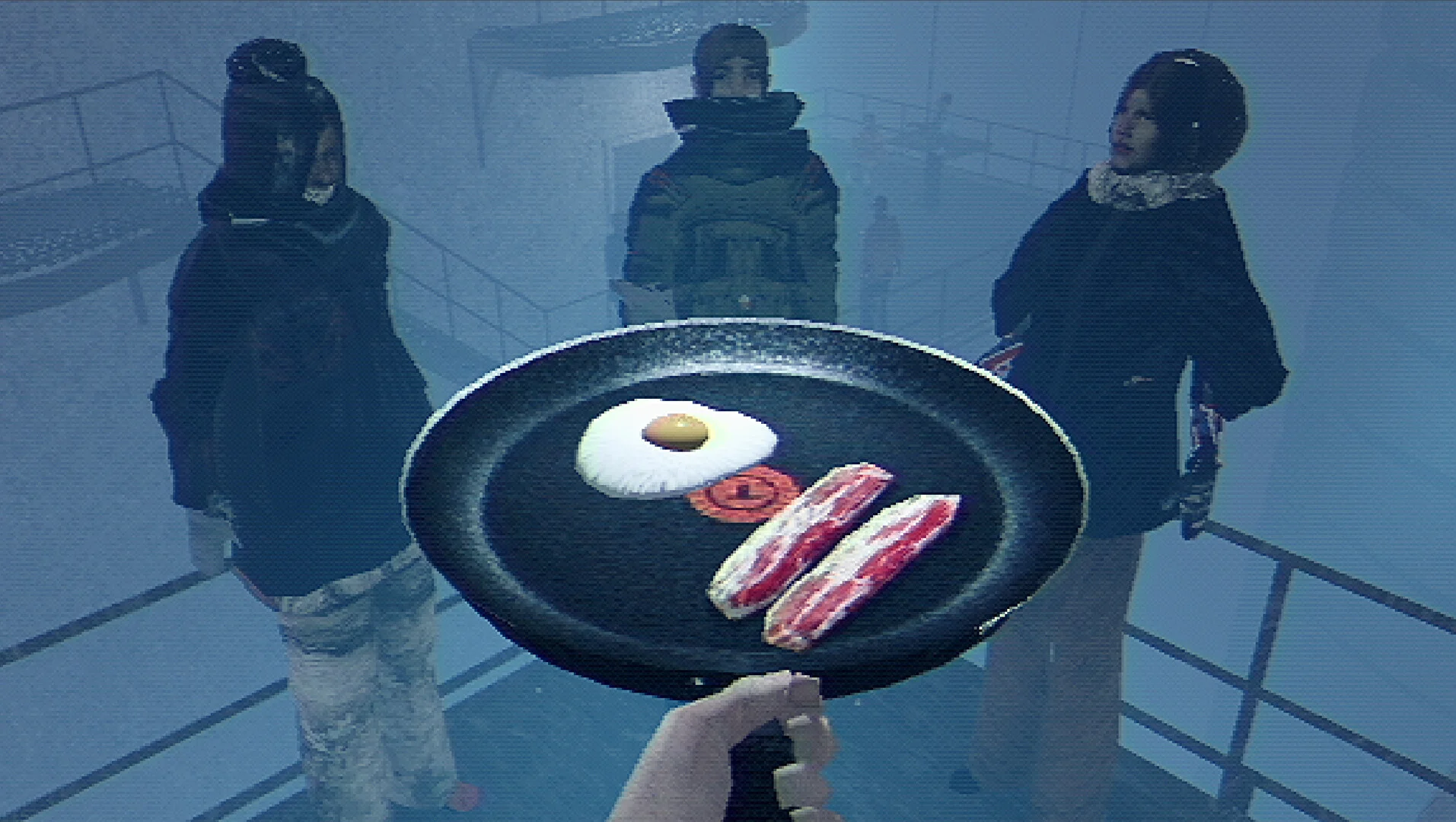
Arctic Eggs turns frying food into a dexterity game. The pan moves with the player’s hand, ingredients keep their momentum and breakfast has to be flipped and caught rather than activated with a cooking prompt. Customers in the strange Antarctic city request increasingly difficult combinations, making each meal a small physical puzzle.
Why it stands out: its control scheme makes an ordinary object feel newly difficult. The austere city and unusual conversations matter, but the pan is the star: every egg visibly responds to the same motion the player is trying to master.
2. How to Fish
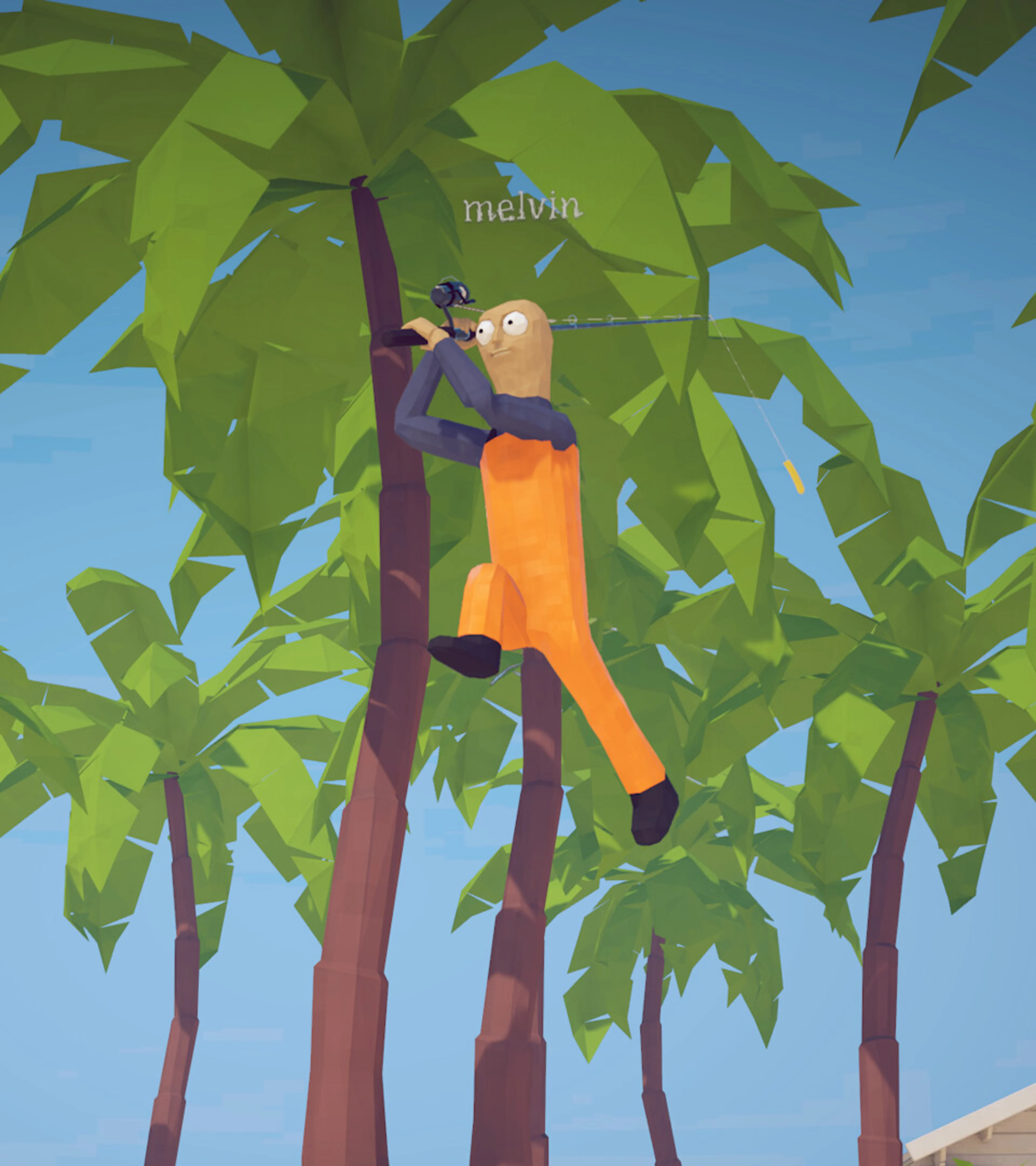
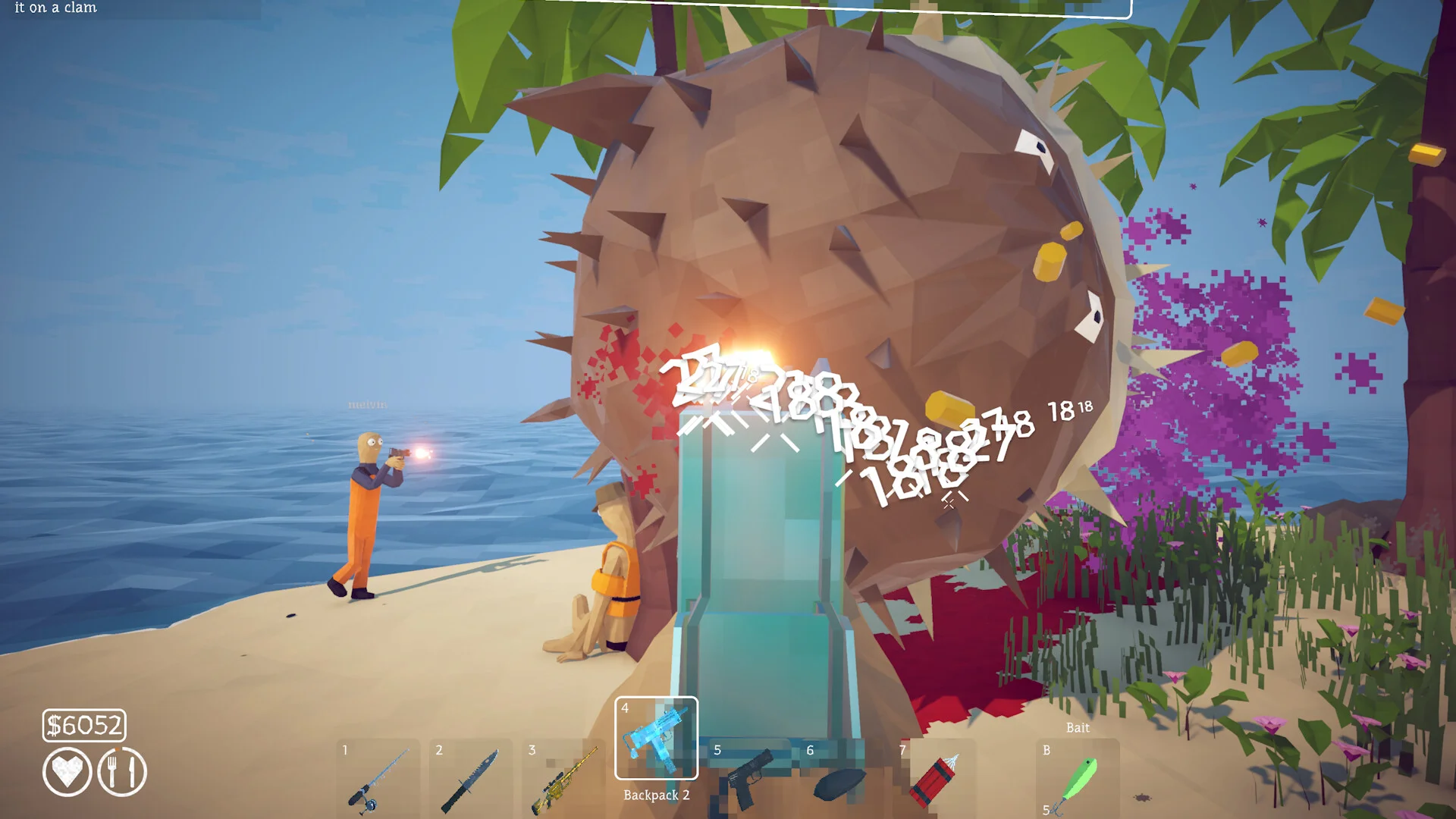
How to Fish starts with a boating accident and turns the trip home into a physics-driven mix of fishing, combat and island progression. Fish can become money, food, quest items or boss bait; rods share the world with guns and melee weapons; and story creatures turn an apparently peaceful hobby into moving battles.
The game launched with a smaller co-op description, then Dazed Games expanded lobbies to support up to eight players. That growth makes it the best group pick here: the oddness is not only visual, and extra players can divide fishing, shopping, cooking and fighting rather than merely standing beside one another.
Why it stands out: it follows its ridiculous premise far enough to build a full progression loop. Start with the How to Fish guides hub, then see how the eight-player update followed one million players.
1. Baby Steps
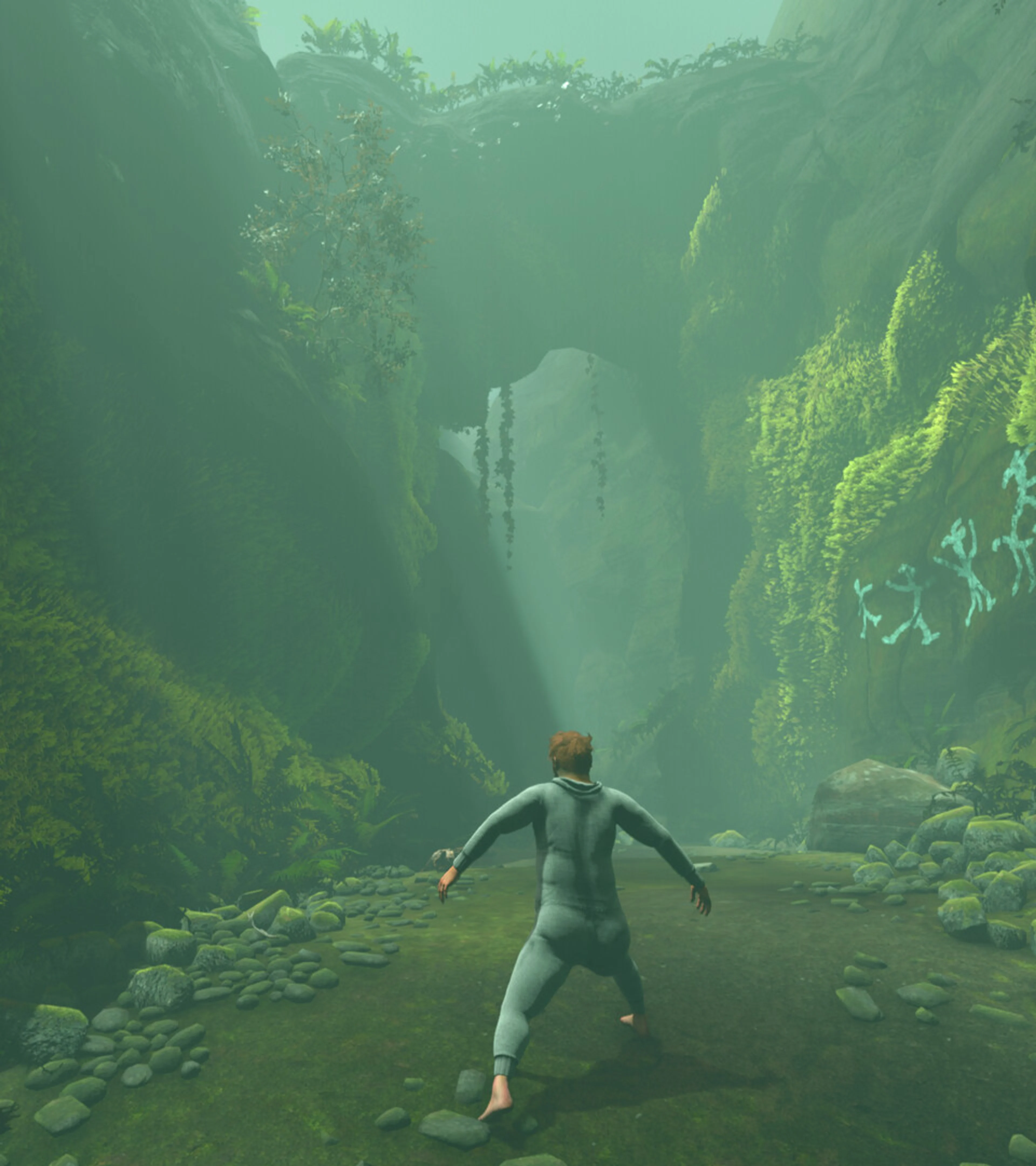
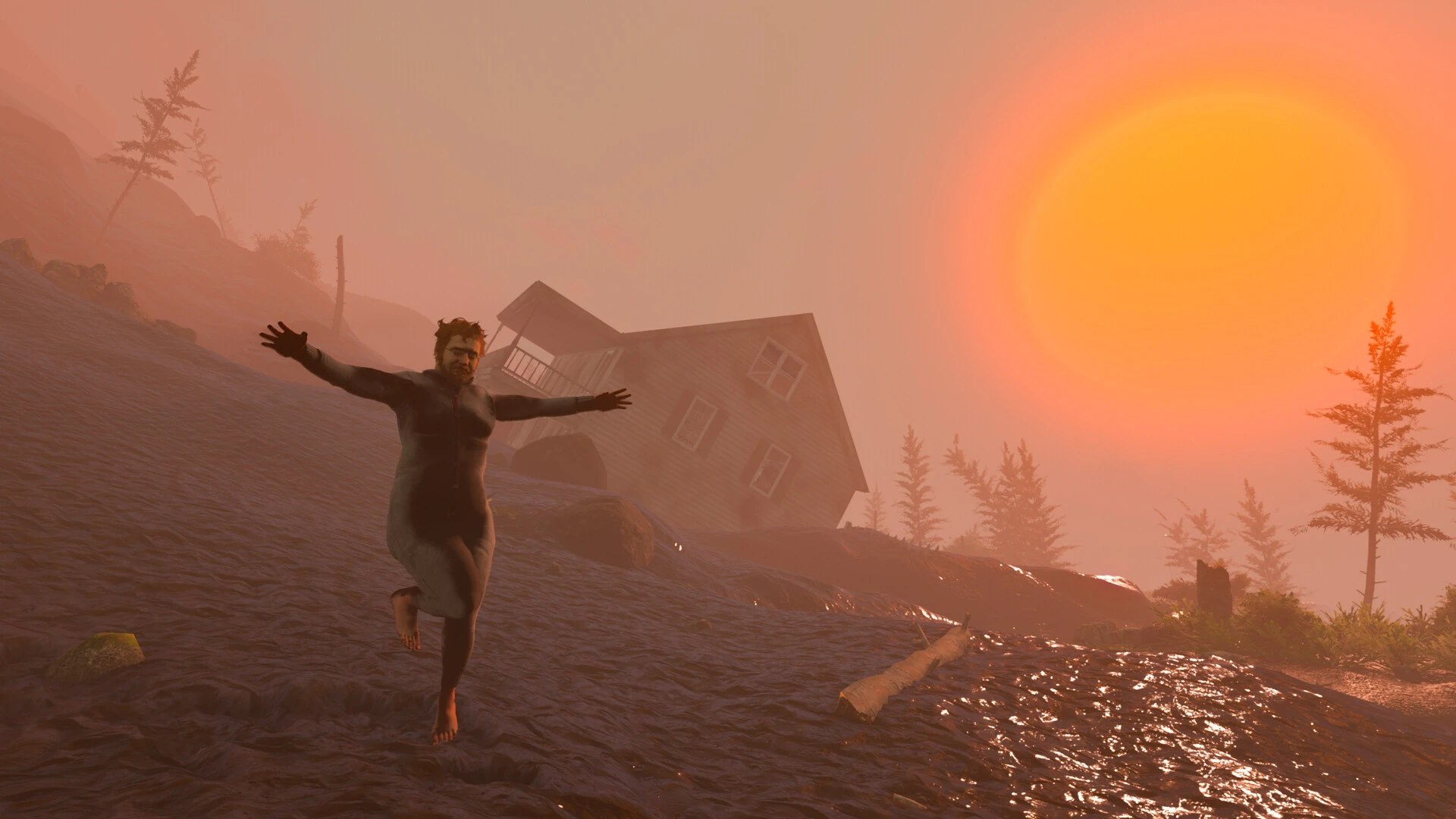
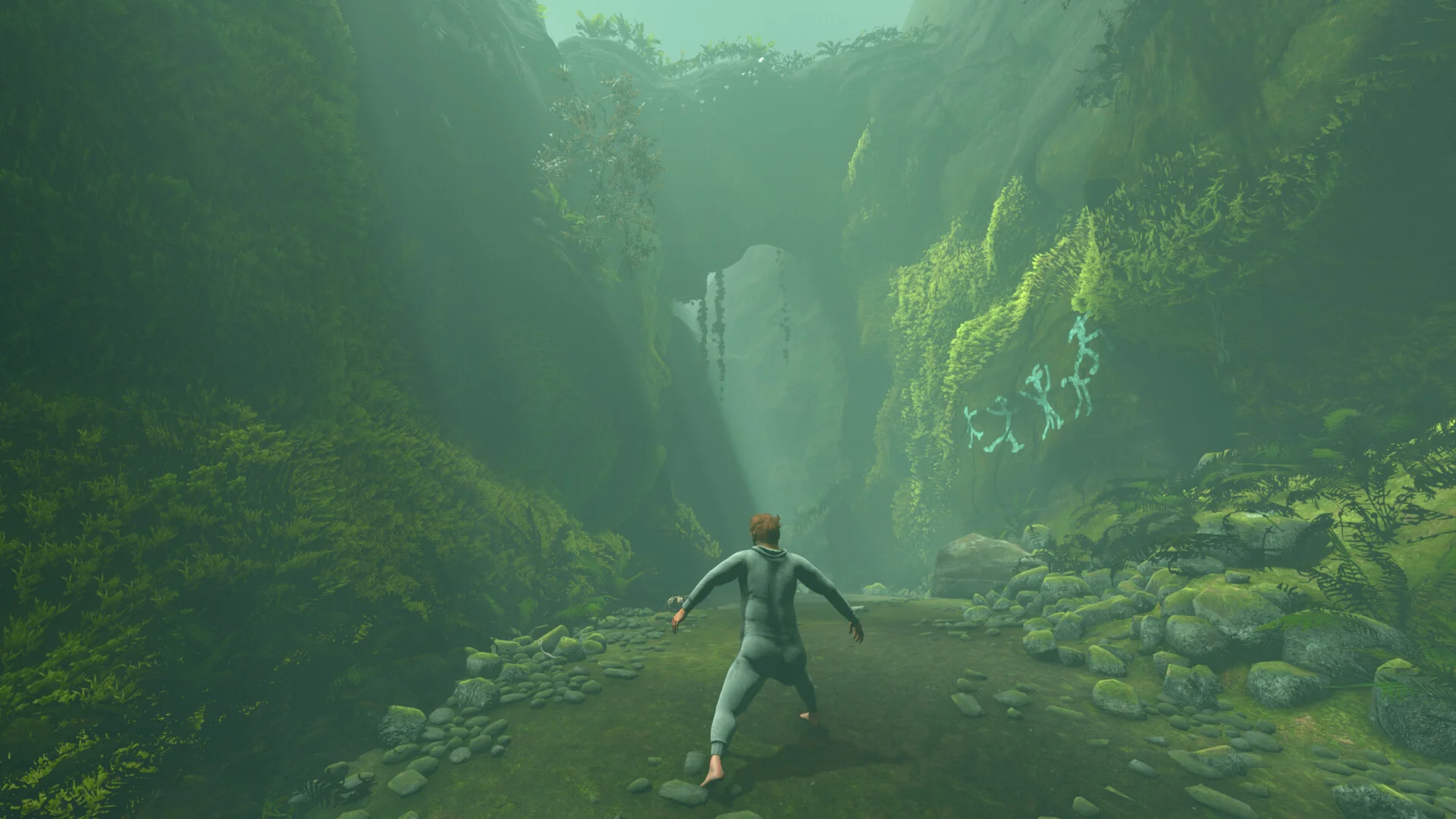
Baby Steps gives Nate a power he never knew he had: putting one foot in front of the other. Each leg is controlled individually as he climbs a foggy mountain, falls into mud, meets unusual people and tries again. The game’s physics, dynamic dirt, changing soundtrack and collectible hats all support the same journey rather than distracting from it.
It earns first place because the strange mechanic is instantly understandable and remains central across a large landscape. Walking is normally automated; Baby Steps breaks it into balance, foot placement and momentum, then lets the terrain create the comedy. The result can look absurd while still giving every successful step a clear cause.
Why it stands out: the joke and the challenge are identical, and the mountain gives that joke room to become a real adventure. Visit the Baby Steps game hub for platforms, release information, official images and the core controls.
Weird games FAQ
What makes a game “weird” here?
A game qualifies when its unusual idea shapes the mechanics, structure or interaction—not only the art. That is why manual walking, face control and physical pan movement rank above games that simply use an eccentric visual filter.
Are all 20 games available on PC?
Yes. Every entry was available through Steam when checked on September 2, 2026. Some also appear on other platforms; the ranking uses the PC listings as one consistent availability check.
Is Baby Steps really the weirdest game on the list?
It is our best overall pick, not a mathematical measurement of weirdness. Baby Steps ranks first because its unusual control idea is clear, mechanically important and sustained across the entire mountain journey.