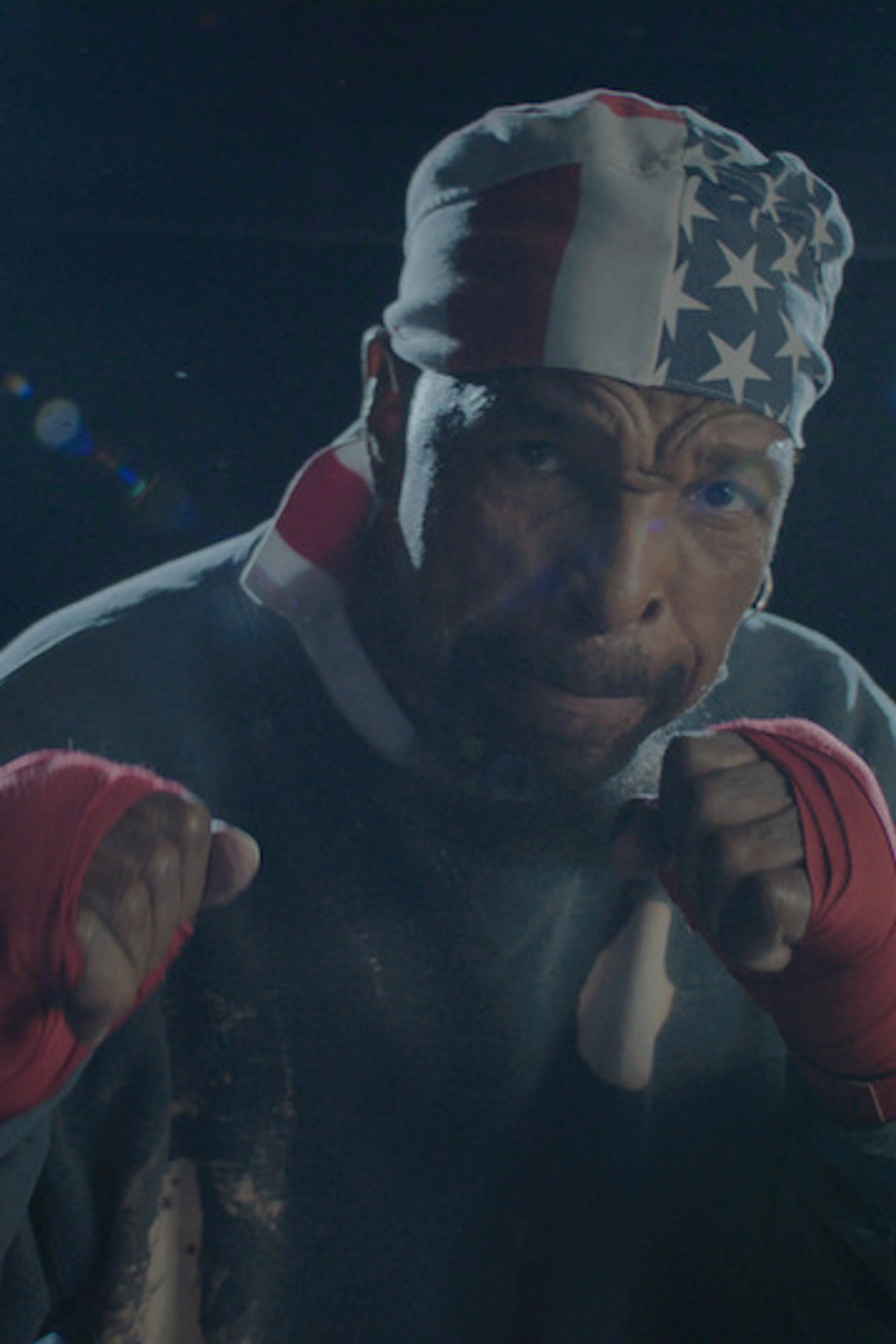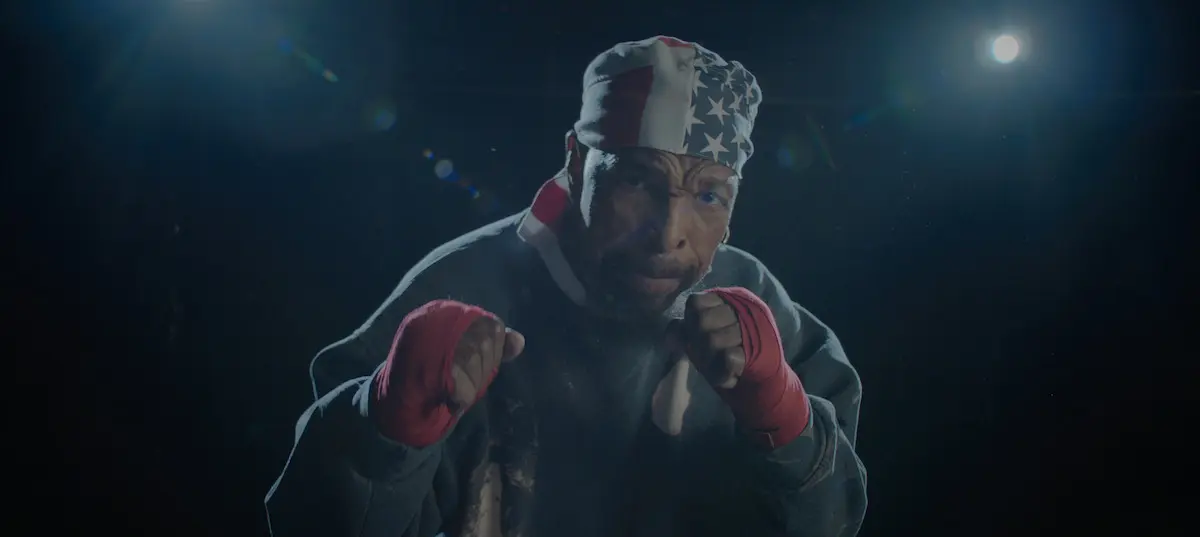
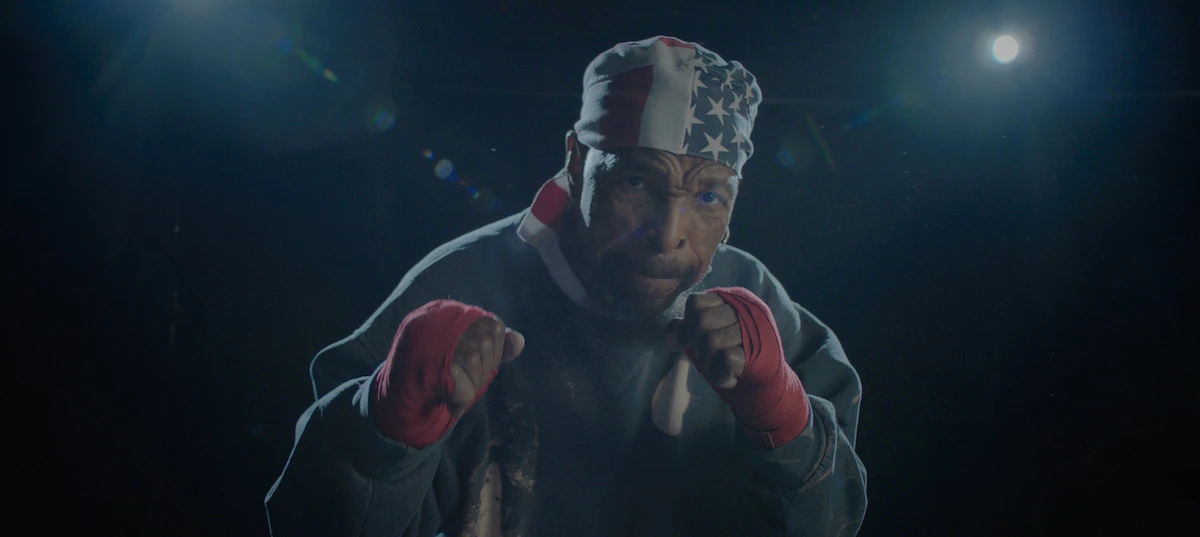
Untold Mr. T: I Pity The Fool has a subject who does not need help holding attention. Mr. T sits in a dark room wearing a stars-and-stripes outfit and tells stories with the same direct stare that made him famous. Archive clips move from Chicago and bodyguard work to Rocky III, The A-Team, professional wrestling, merchandise, cancer, and faith. The film has plenty to cover and less than an hour to do it.
Scott Weintrob’s Netflix documentary runs about 45 minutes before credits, or close to 50 minutes depending on how the runtime is counted. That length makes the program easy to start. It also creates its biggest problem. A life this unusual needs time for context, competing memories, and follow-up questions. The documentary often introduces a major change, shows a few clips, and moves to the next famous moment before the first one has been fully explained.
Mr. T is much more interesting than the documentary built around him. He is funny, serious, proud, religious, careful about race, and fully aware that his public image was both protection and performance. The film captures parts of that person, especially when he speaks without interruption. It then reduces other parts of his life to a fast rise-and-fall outline that he publicly disputes. A 5.7 score reflects a lively introduction that never becomes the complete account it promises.
Mr. T explains the person behind the name
Mr. T gives the film its best material whenever he speaks for himself. His voice has slowed with age, but the humor, timing, and certainty remain. He can move from a joke to a painful memory without sounding rehearsed. Even when the documentary places him alone against a dark background, he never feels small. The simple interview setup works because his face and hands make every story active.
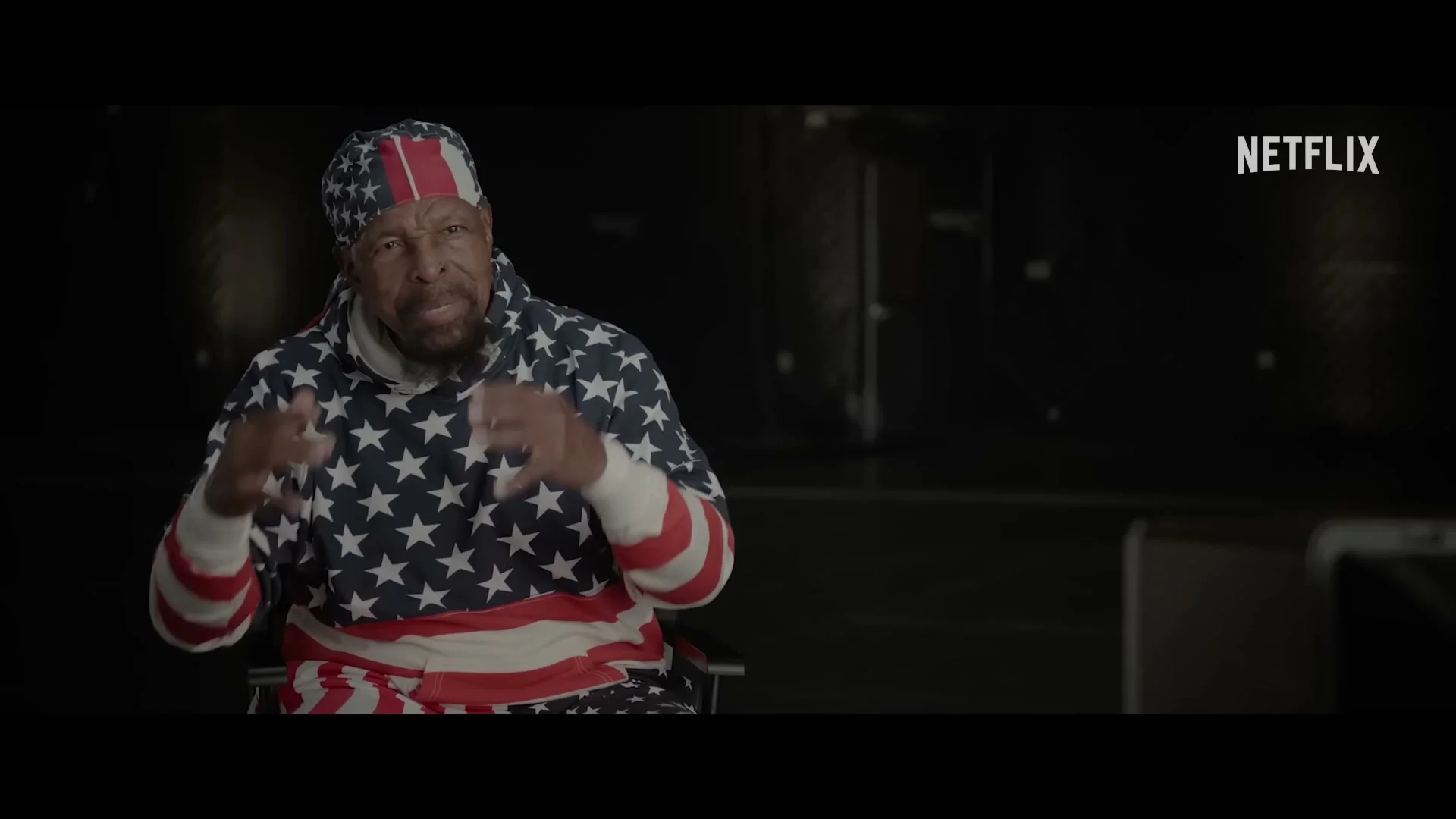
The explanation of his name is the documentary’s strongest section. Born Laurence Tureaud, he watched white adults call his father and a brother “boy,” even after that brother returned from military service. He chose Mr. T so that respect would be the first word anyone used when addressing him. The story turns a name that could look like marketing into a response to racism that began inside his own family.
The film also explains the haircut, feathers, and gold chains. Mr. T based the look partly on African Mandinka warriors and described the gold as a reversal of the steel chains forced on his ancestors. He understood that television audiences might first see a strange costume. He used that attention to speak about dignity, self-control, and the limits he placed on the roles he would accept. That history makes the image more thoughtful than the many toys and jokes built from it.
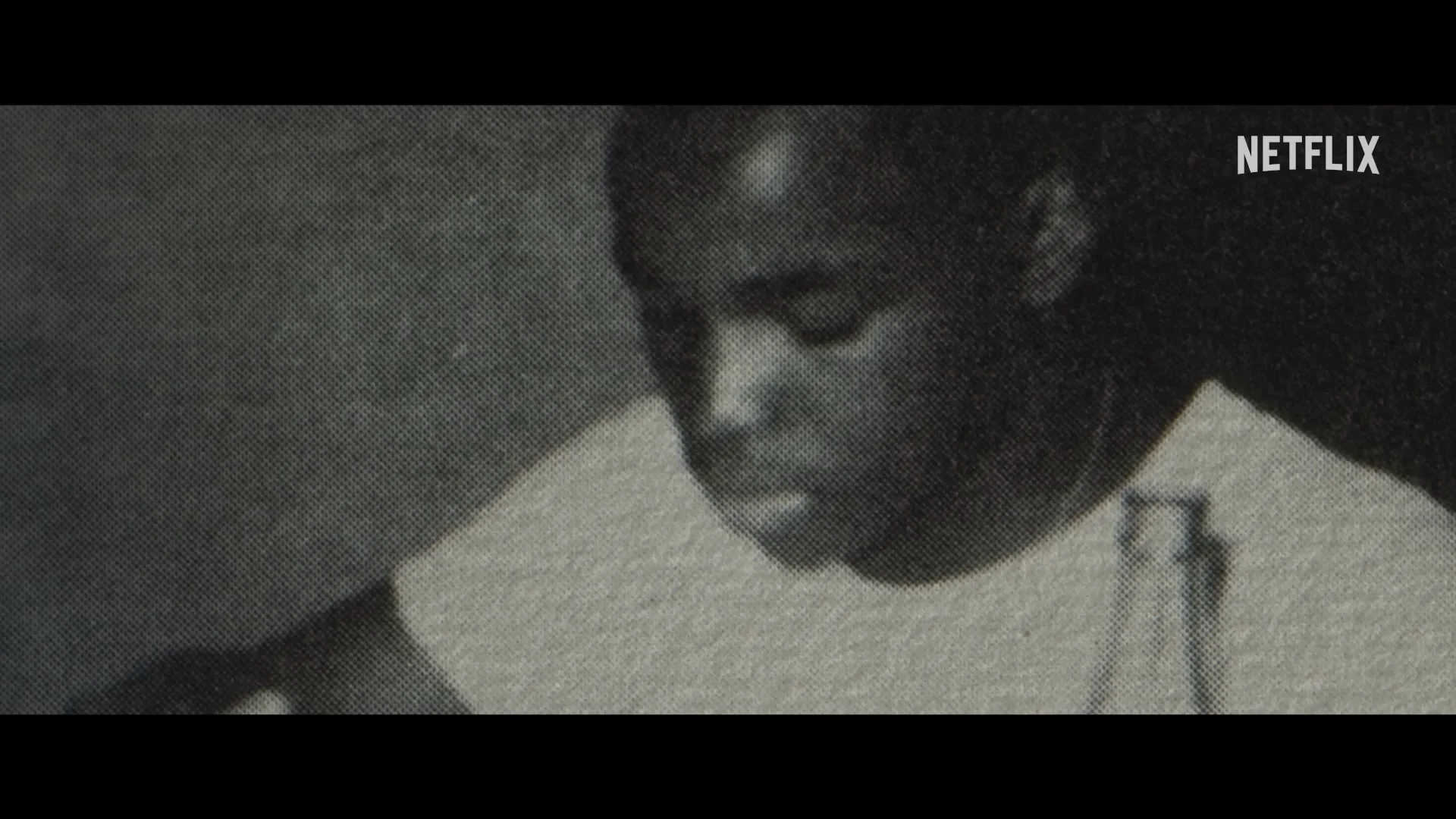
His Chicago childhood receives a clear outline. He grew up in a large family on the South Side, watched his mother work and protect twelve children, and promised that success would give her a house and good clothes. The documentary connects that promise to his discipline, physical training, and early jobs. It also gives heavy attention to a violent response after men robbed his mother. That incident explains his protective anger, but the film returns to it more strongly than several longer parts of his life.
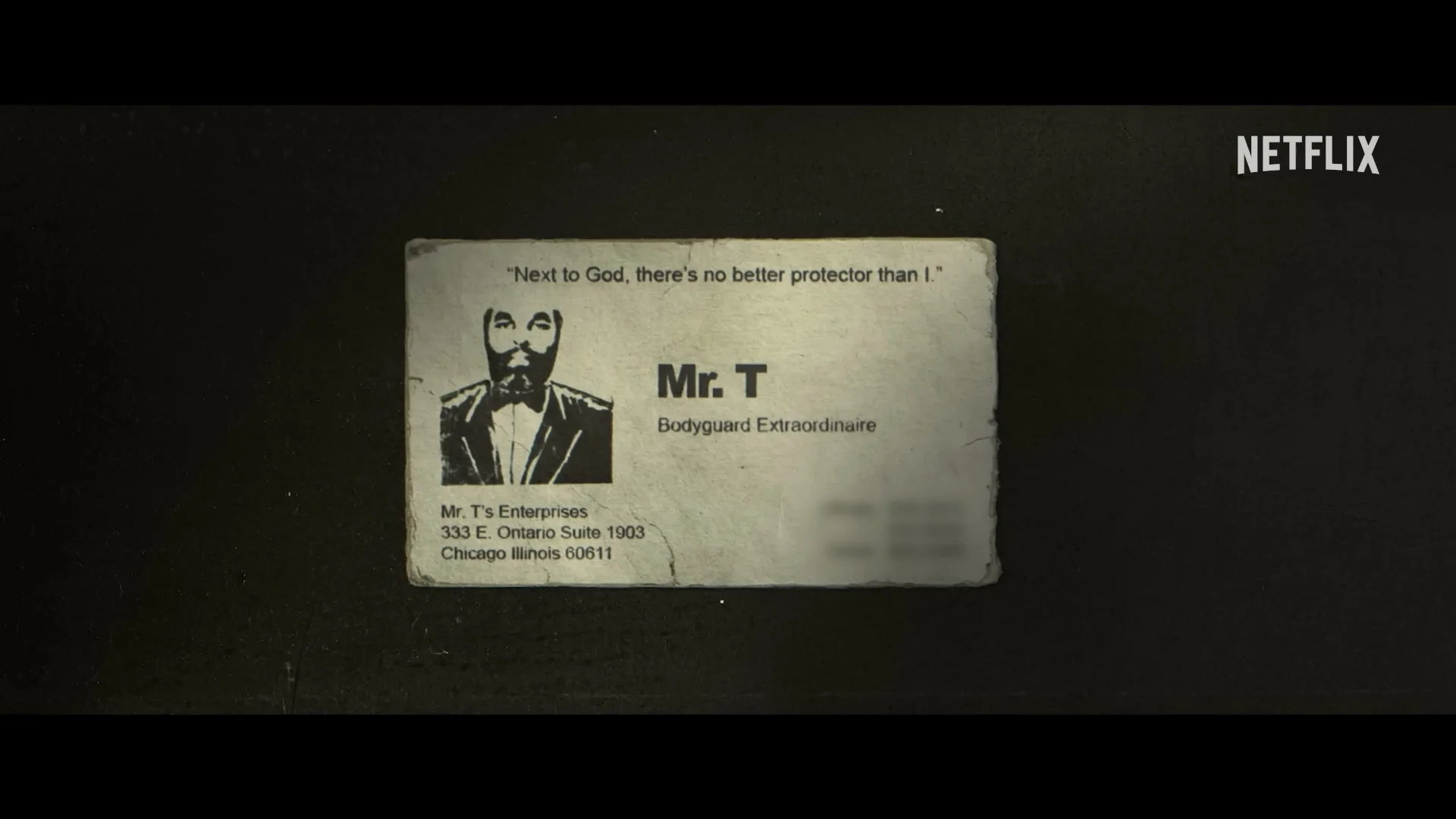
Bodyguard work provides the cleanest link between the private man and the public figure. Mr. T learned how to watch a room, judge danger, and make strangers notice him before they tested him. His business card presents him as a protector with total confidence. The documentary understands that this was not simply a job before fame. It was the point where Laurence Tureaud’s discipline and the Mr. T character became useful to the same person.
The archive footage shows how quickly he became impossible to ignore. A television competition led to attention from casting people and Sylvester Stallone. Clubber Lang in Rocky III turned the stare, voice, and strength into a movie villain without hiding Mr. T’s intelligence. B.A. Baracus in The A-Team then made him funny, loyal, stubborn, and safe enough for children to imitate. The clips still explain his appeal better than any narrator can.
The short runtime skips too much of his life
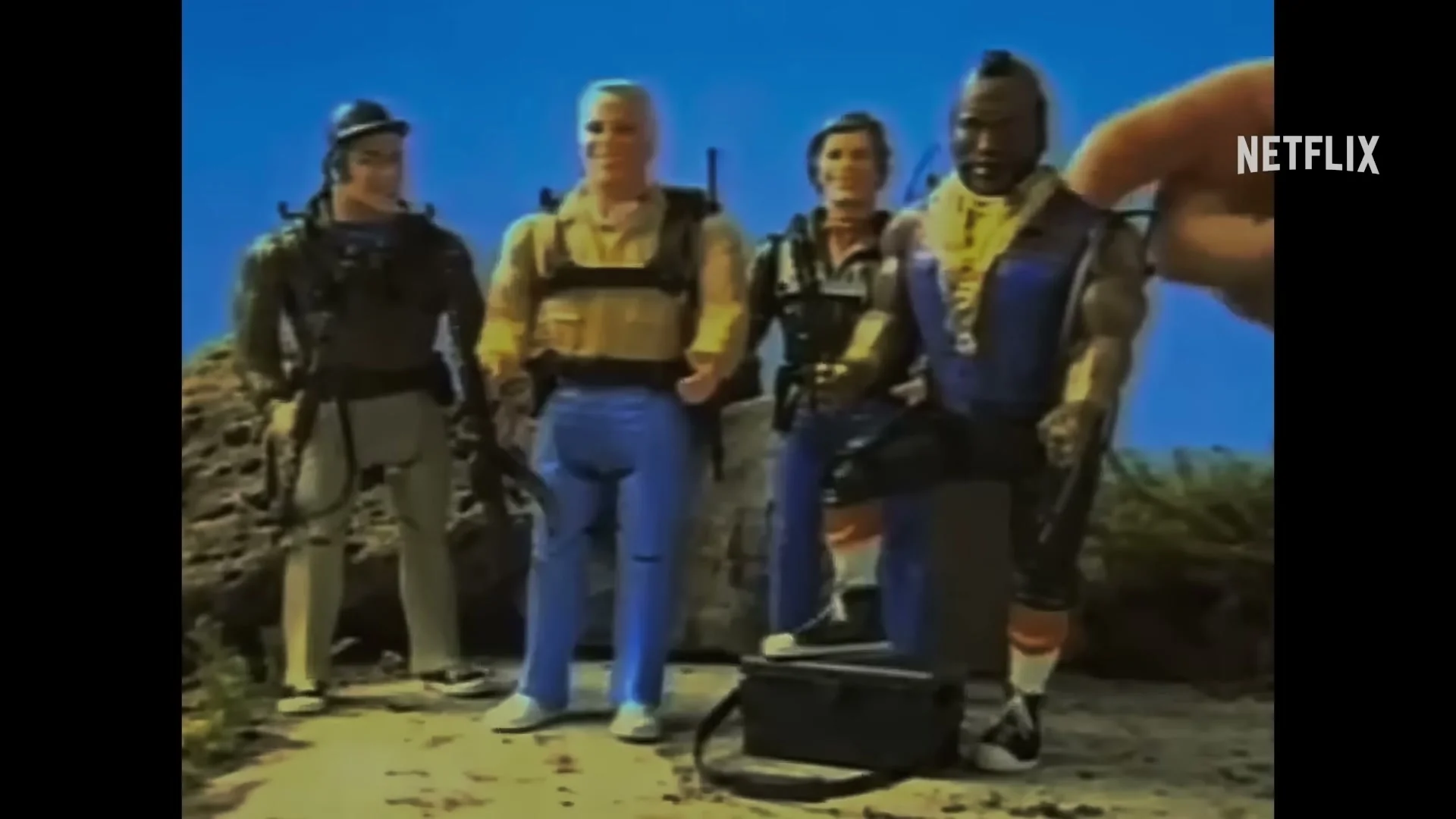
The film moves through his career faster than it explains it. Rocky III, The A-Team, WrestleMania, cartoons, cereal, lunchboxes, talk shows, and public appearances arrive in a bright rush. The speed is entertaining because the archive material is so good. It also makes the scale hard to measure. Mr. T did not just have two famous roles. For several years, his face, voice, clothing, and catchphrase appeared across film, television, sports, advertising, and products at the same time.
The editing uses comic panels, bold colors, quick headlines, and short clips to present his rise like a superhero origin. That choice fits a man who built a larger public character. It becomes less useful when the film reaches conflict. Serious questions about money, contracts, ego, typecasting, illness, and why he stepped back need slower evidence. The same fast style that makes the early career exciting can make disagreement look settled before every side has been heard.
A documentary about a living person needs to get his name right. The film repeatedly presents his birth surname as Tero even though it was Tureaud. This is not a tiny mistake in an unrelated date. His chosen name is one of the documentary’s main subjects, and the correct family name is central to that explanation. The error weakens confidence in a program that already has little time to show how its facts were checked.
The film is also thin on his military service. Mr. T served in the U.S. Army’s military police and received an honorable discharge before he became a bouncer and bodyguard. That experience belongs between the childhood lessons and the professional protector. Leaving it almost entirely outside the story makes his development look simpler than it was. It also removes a chapter he has specifically said should have been included.
The missing military, faith, and community work matters because Mr. T says it matters. His Christian faith is not a late detail added after fame. He has described preaching and helping shelters during the period when Rocky III was being made. His work with children and disaster relief also complicates the hard-man image. The documentary mentions faith and illness, but it does not give those commitments the same attention it gives conflict over career decisions.
His battle with T-cell lymphoma receives emotional weight but little room. Illness changed his body, public work, and relationship with fame. A longer film could connect that period to faith, family, and his later decision to stop wearing most of the gold after helping people affected by Hurricane Katrina. Instead, the documentary reaches these changes near the end, when there is not enough time to let one choice explain the next.
The program is TV-MA, but its difficult material is mostly discussion rather than graphic footage. It describes violence connected to his mother’s robbery, racism, career disputes, serious illness, and adult behavior around fame. Families expecting only a warm trip through The A-Team may want to know that the documentary spends real time on anger and decline. The tone remains more celebratory than harsh, yet the disputed negative section is central to the final act.
His objections expose the documentary’s biggest problem
Peter Young receives more room to define the decline than other voices receive to explain the rest of the man. The former agent describes ego, demands, and poor decisions after fame. Those claims belong in a documentary that is willing to test them. The problem is balance. Mr. T says the two men had a legal dispute and that he asked Weintrob not to include Young. The film still uses Young as the main voice for its most negative account.
The documentary does not need to obey its subject or remove every person he dislikes. An independent film should challenge the person at its center. It also has to show enough evidence for viewers to judge the disagreement. Here, the short runtime gives Young’s claims a clear place in the story but gives limited time to Mr. T’s response, his pastor, his family, or people who saw his community work. The result looks less like an investigation than an outline with one strong opposing voice.
Mr. T’s public criticism changes the final third from a simple fall to a disputed account. He says he chose to leave the main spotlight after meeting his goal of caring for his mother. The film presents success followed by ego, difficult demands, weaker projects, illness, and retreat. Both versions can contain truth, but the documentary does not spend enough time separating choice, consequence, health, and changing public taste. His objection exposes exactly what the rushed structure cannot answer.
His strongest complaint is not that the film mentions mistakes. It is that the selected mistakes crowd out the service, faith, and family work he believes explain him better. That distinction matters. A flattering film could still be shallow, and an honest film can include uncomfortable events. The problem comes when the documentary promises the person behind the chains but devotes only seconds to parts of that person that do not fit the rise-and-fall shape.
There is a good longer documentary hidden inside this one. The current interview could remain the center. The archive clips already cover childhood, security work, acting, wrestling, marketing, and illness. What is missing is time: more voices from family and community, a direct account of the dispute with Young, a clear military chapter, and a careful explanation of why Mr. T stepped back. None of that requires a series. Another thirty or forty minutes could have changed the result.
The film still succeeds as an introduction for viewers who mainly know the catchphrase. It explains why “Mister” matters, why the look was intentional, how bodyguard work led toward television, and why Clubber Lang and B.A. Baracus fit the man who created them. Mr. T’s humor keeps the program warm, and the archive material moves quickly. Anyone already familiar with his career will learn less, and anyone seeking a full biography will see the missing pieces.
Untold Mr. T official footage
5 screenshotsA 5.7/10 score fits a lively introduction that is too short and careless to be the full story. Mr. T deserves credit for every scene that works. His name, humor, discipline, and archive footage make the documentary easy to watch. The surname error, rushed career chapters, missing service and community work, and disputed account of his decline keep it from earning the title Untold. Mr. T deserves a deeper documentary.
Untold Mr. T: I Pity The Fool is now streaming on Netflix. For his detailed response to the finished film, read Mr. T’s objections to the Netflix documentary.