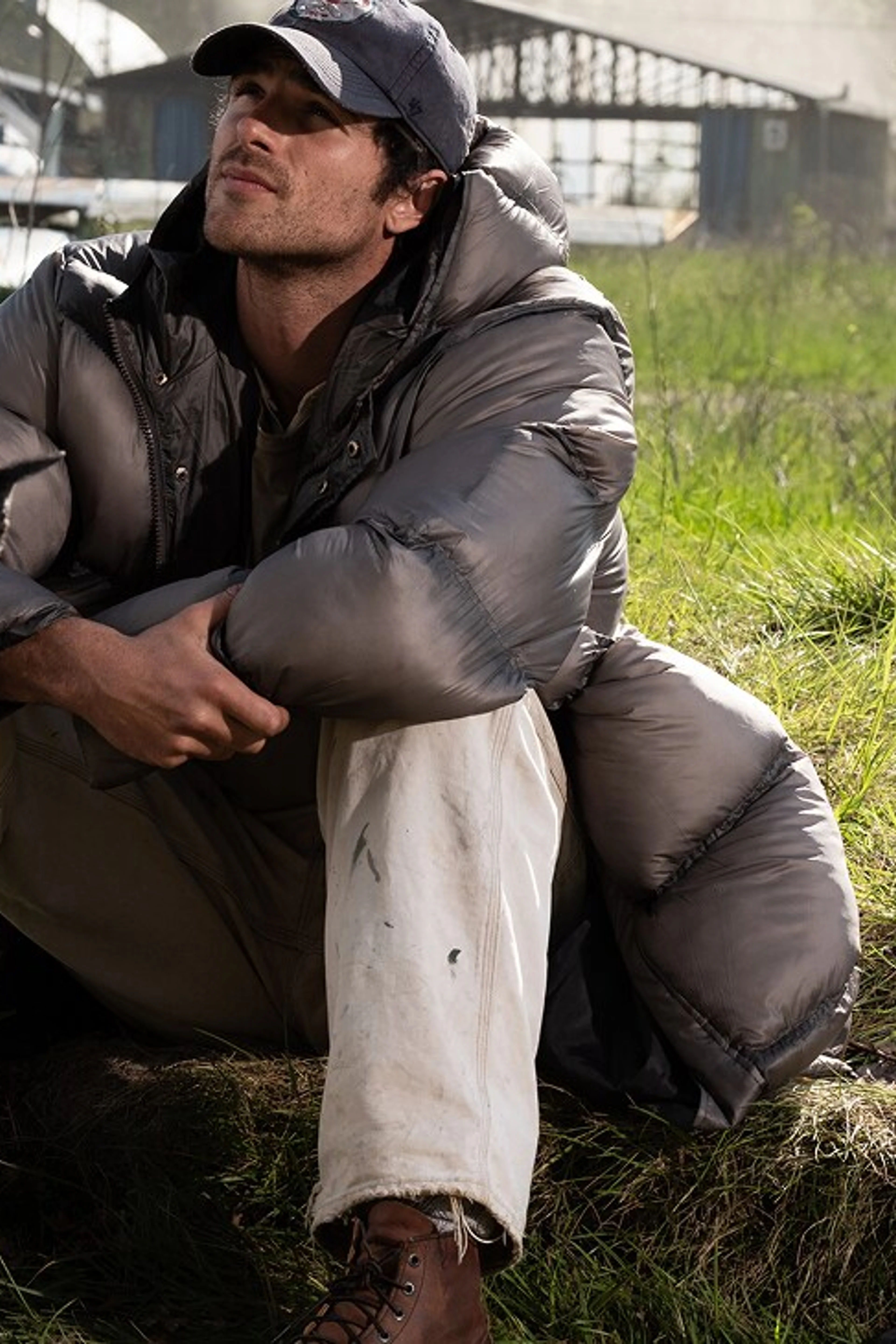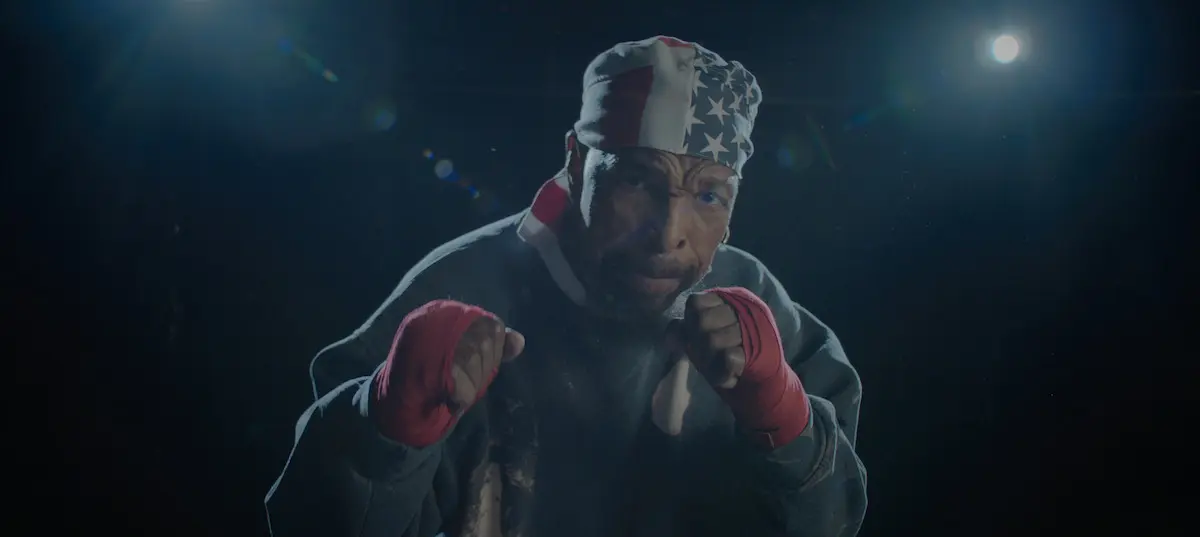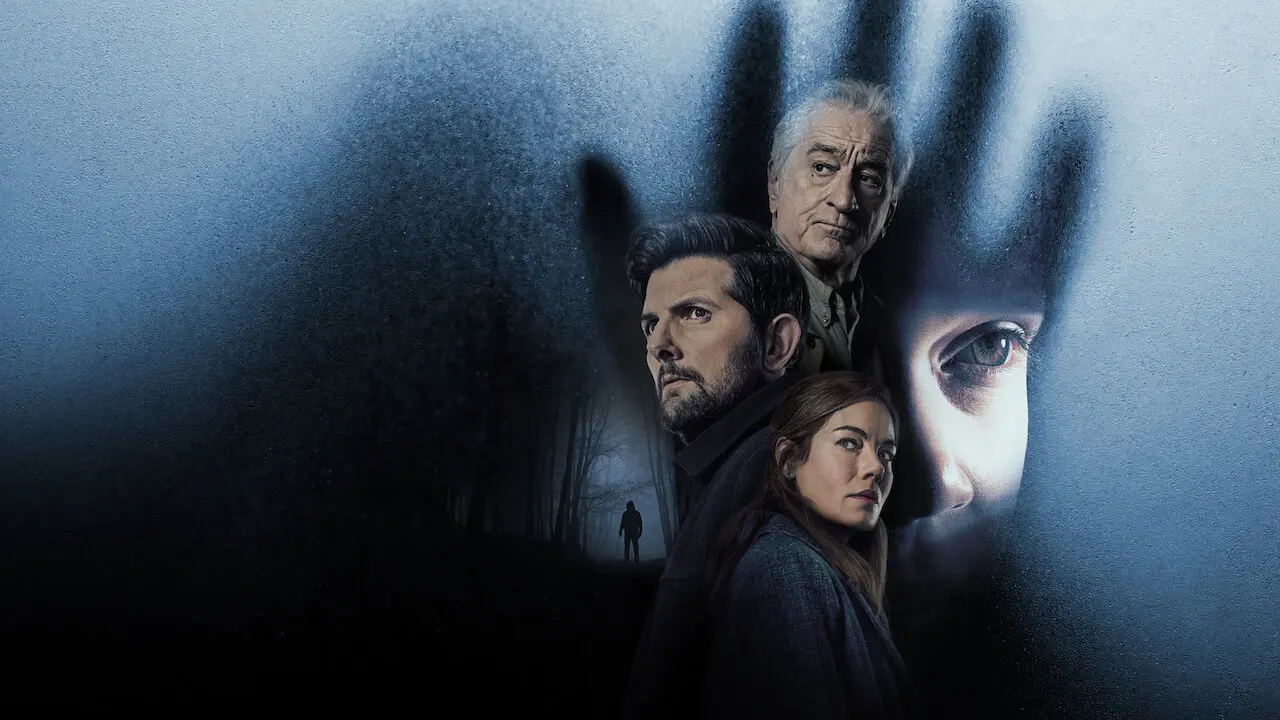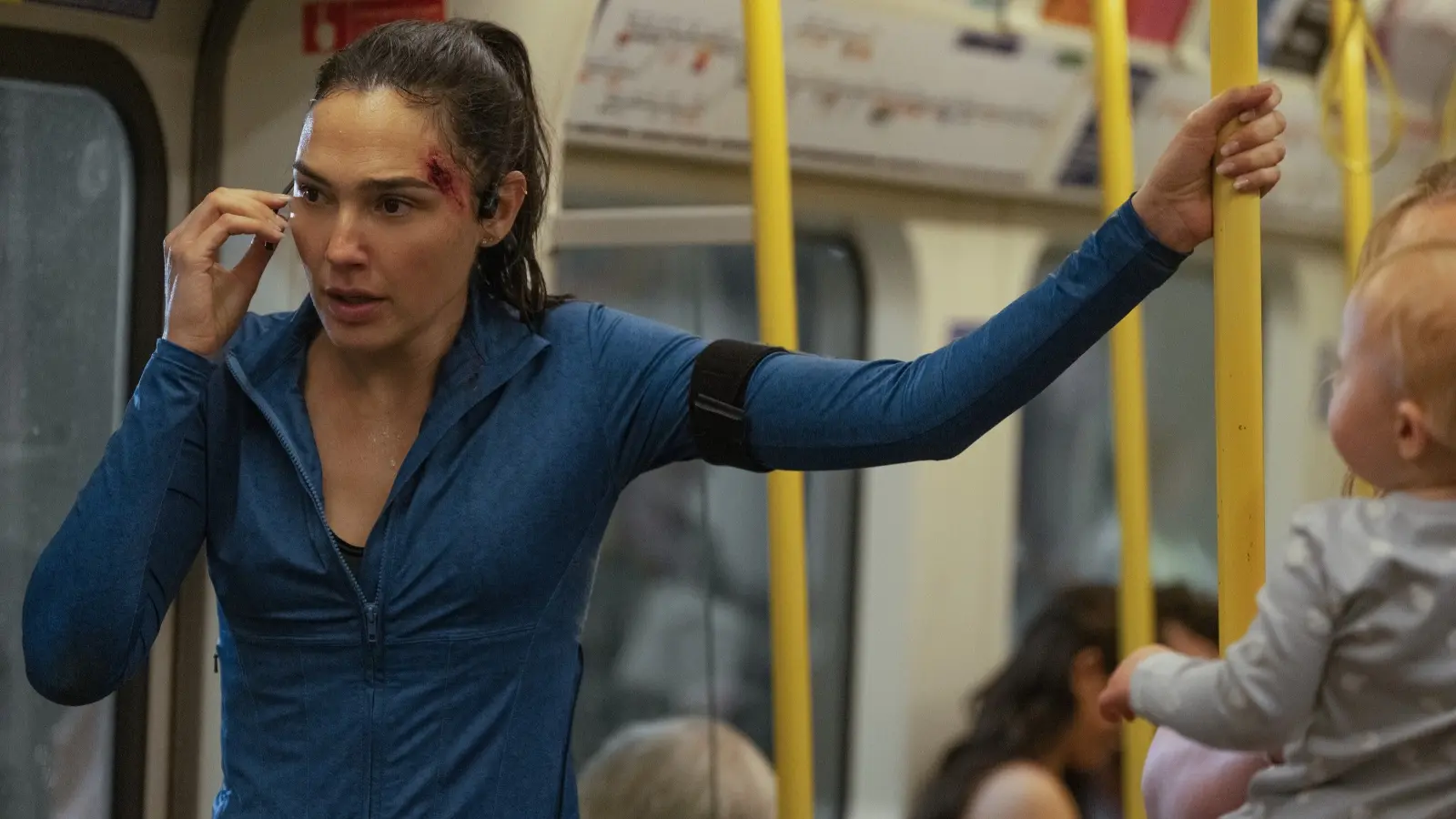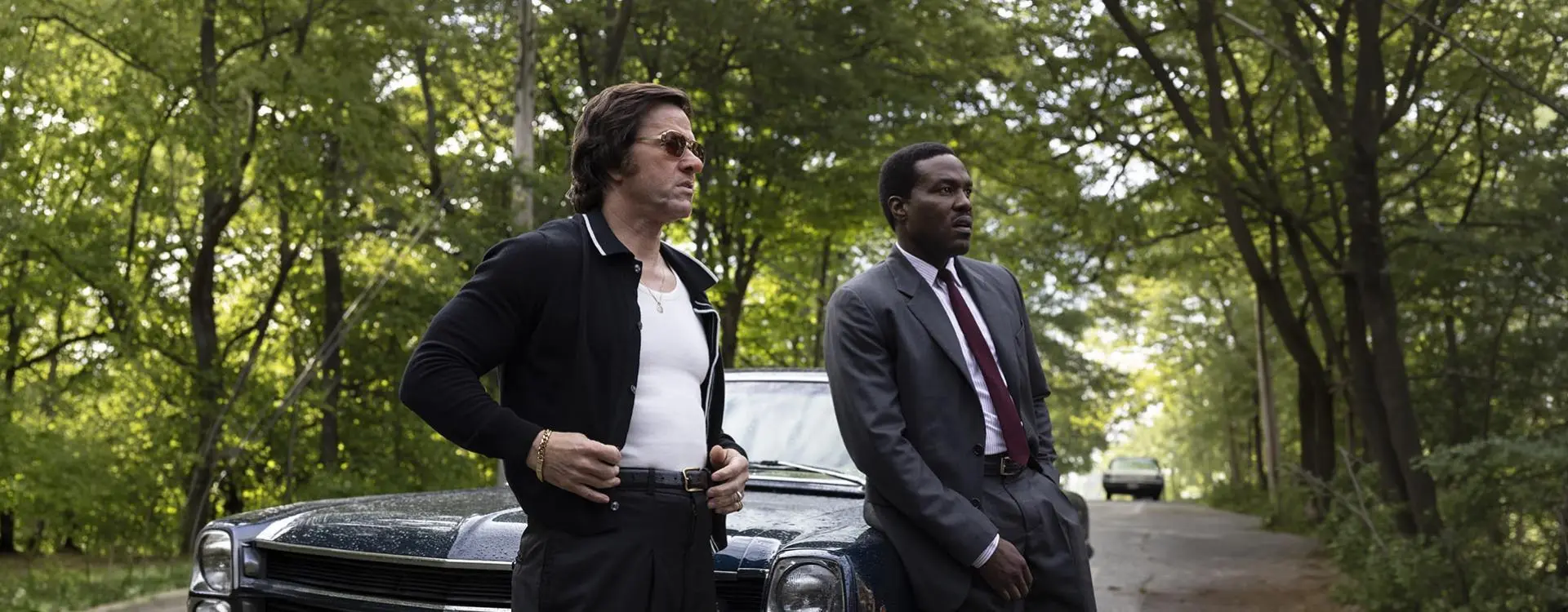
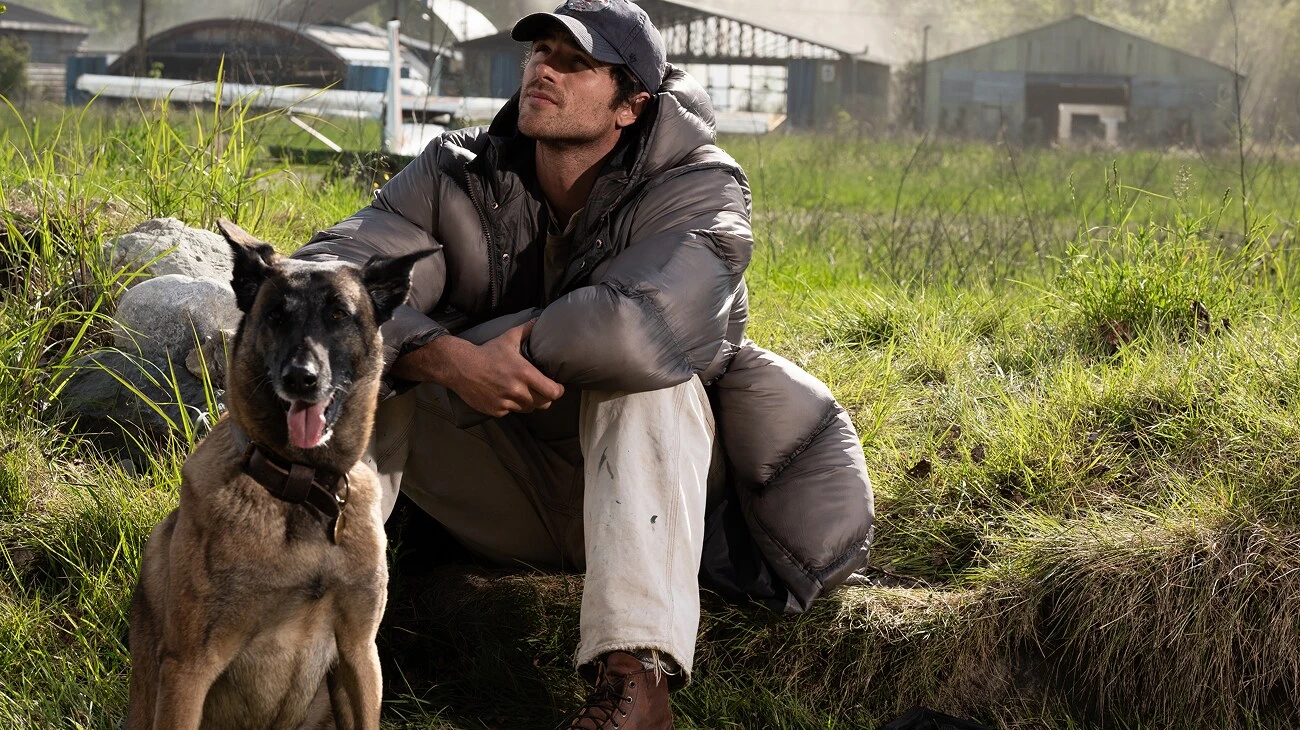
The Dog Stars opens in 2035, after a flu has killed most of the world’s population. Hig lives at an abandoned Colorado airfield with Jasper, his Belgian Malinois, and Bangley, a former soldier who treats the perimeter like a permanent combat zone. Hig flies a yellow Cessna on supply runs. Bangley watches the ground through a rifle scope. Jasper moves between them and makes their guarded home feel less empty.
Ridley Scott’s 118-minute film is based on Peter Heller’s novel. It has infected communities, armed strangers, abandoned cities, and a weak radio signal that suggests other survivors are alive. Those are familiar parts of post-apocalyptic stories. The film becomes more specific when it stays with the daily decisions at the airfield: how far Hig can fly, how much fuel remains, when Bangley should shoot, and whether another person deserves help.
The best part of The Dog Stars is the life Hig shares with Jasper and Bangley. Jacob Elordi and Josh Brolin make that arrangement tense and believable, while Jasper gives both men something they cannot solve with a plane or a gun. A 6.4 score reflects a thoughtful survival drama with strong performances and excellent aerial images, but also a journey that becomes less interesting when it moves away from its best three characters.
Hig, Jasper, and Bangley make the airfield work
Jacob Elordi plays Hig as tired, gentle, and alert. Hig has survived long enough to understand Bangley’s caution, but he does not want caution to become his whole life. Elordi shows that difference in small choices. Hig speaks to Jasper with warmth, checks on nearby survivors, and keeps listening for signs that the world contains more than armed groups. He can use a rifle, yet he never looks comfortable deciding that another person should die.
The screenplay loses some of the close first-person voice that gives Hig more detail in the novel. Elordi has to provide that missing information through expression and movement. He often succeeds. Hig looks most relaxed when he is beside Jasper or working on the plane. Around Bangley, his shoulders stay tighter, as if every conversation could become another argument about trust. The performance explains a man who needs company but has learned to expect danger.
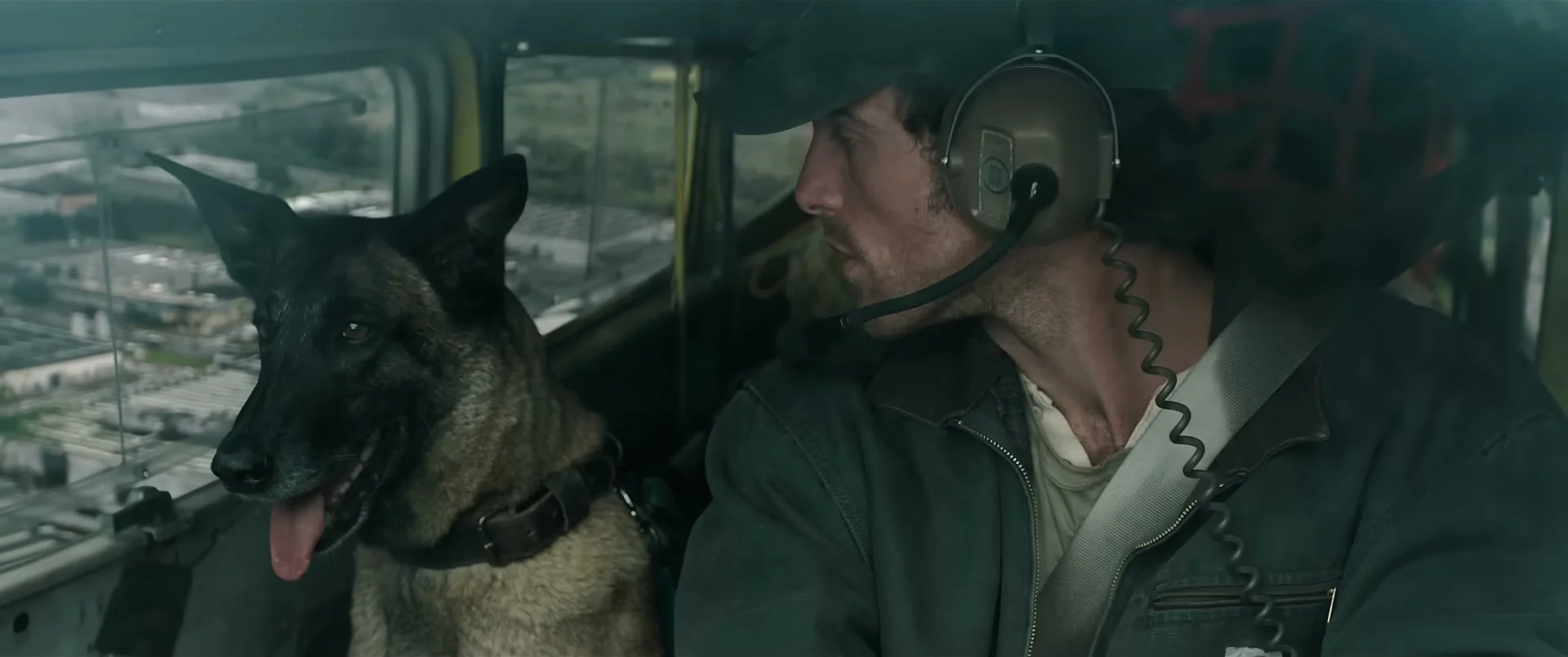
Jasper gives Hig a reason to keep moving. The dog is not used as a joke or a magical guide. He watches the runway, joins Hig in the Cessna, rests beside him, and reacts to danger before a human speech can explain it. Hig’s attention to Jasper shows how much patience and care he still has. Their scenes are simple, but they give the movie a clear emotional center without forcing Elordi to describe every part of Hig’s grief.
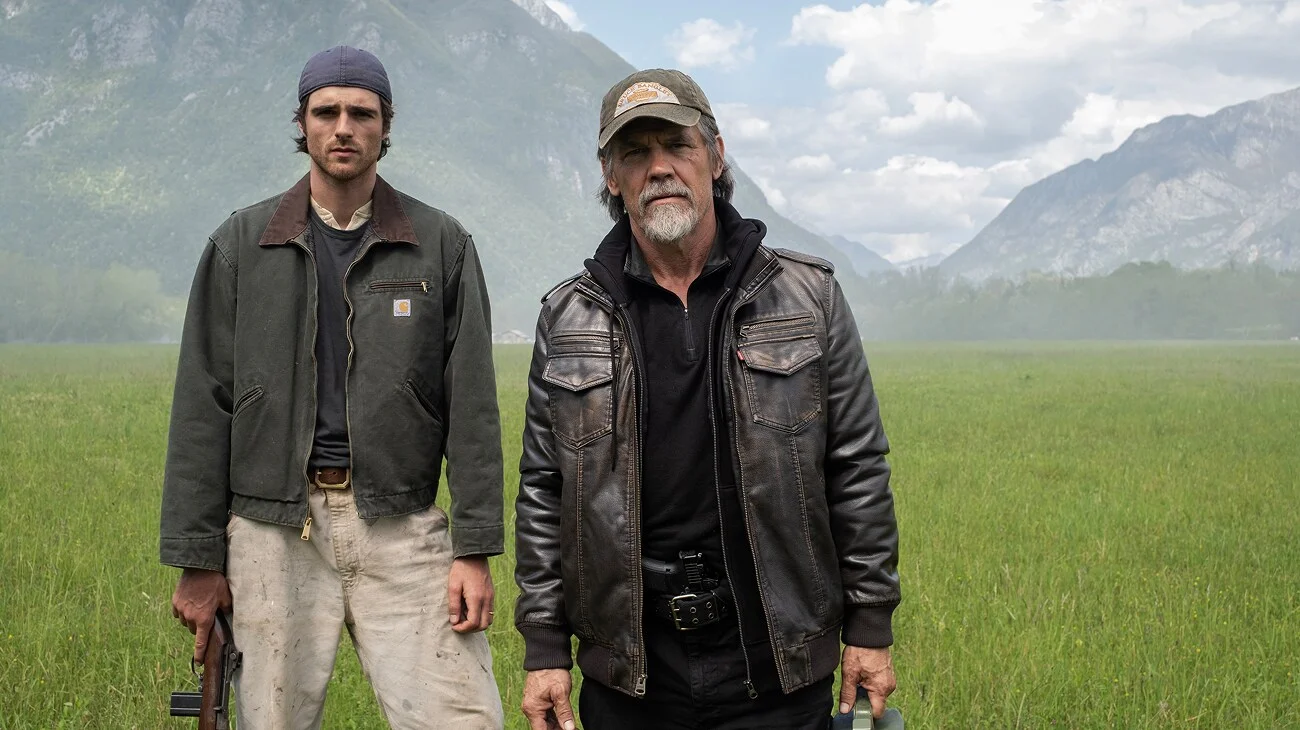
Josh Brolin makes Bangley practical without making him simple. Bangley has built defenses, sight lines, and rules that keep the three alive. His warnings are often correct. Brolin also shows the cost of living that way. Bangley can discuss killing with the same flat tone he uses for fuel or weather, and his jokes usually arrive as pressure rather than relief. He is harsh, but the performance makes it clear that Hig and Jasper matter to him.
The tension between the two men is more useful than a simple argument between hope and fear. Hig needs Bangley’s planning, and Bangley needs Hig to keep their life from becoming a bunker with no future. Neither man can fully prove his approach is right. Their airfield works because each one covers what the other lacks. The movie understands that partnership even when the dialogue becomes brief or blunt.
The quiet routine also makes danger easy to measure. A strange aircraft, a person near the fence, or a change in radio traffic can threaten food, fuel, and shelter at once. Scott does not need a huge battle to explain the stakes. A runway is valuable because it lets Hig travel. The Cessna is valuable because it transports supplies. Jasper is valuable because he can notice movement and because Hig loves him. Every part of the home has a clear purpose.
The movie loses focus after Hig follows the radio signal
The movie becomes less specific when Hig follows the radio signal. A broken message suggests that other people may be living near Grand Junction, beyond the range Hig and Bangley usually patrol. Hig decides that finding the source is worth the fuel and risk. That choice fits his need for contact, but the journey replaces the detailed airfield routine with encounters that look much more familiar.
The people Hig meets often arrive as a type before they become a person. Some are cautious survivors. Others are violent groups defined by weapons, shouting, and rough clothing. The most aggressive attackers are dangerous, but the film gives them little motive beyond being a threat on Hig’s route. Their scenes can be loud and fast without revealing much about how anyone outside the airfield has survived.
This is where the adaptation most clearly misses Hig’s inner voice. A long trip through an empty country should change how he understands distance, loneliness, and risk. The movie shows mountains, roads, fields, and ruined places, but it gives Hig few chances to connect those sights to his decision. Elordi remains expressive, yet the script often moves him to the next danger before the last one changes him.
Margaret Qualley gives Cima a calm presence. Cima does not treat Hig as a hero who has arrived to save her. She studies him, shares practical work, and decides how much she wants to say. Qualley and Elordi are best in quiet scenes involving a meal, music, or the plane. Their connection develops through attention rather than a long speech, which suits two people who have spent years protecting themselves.
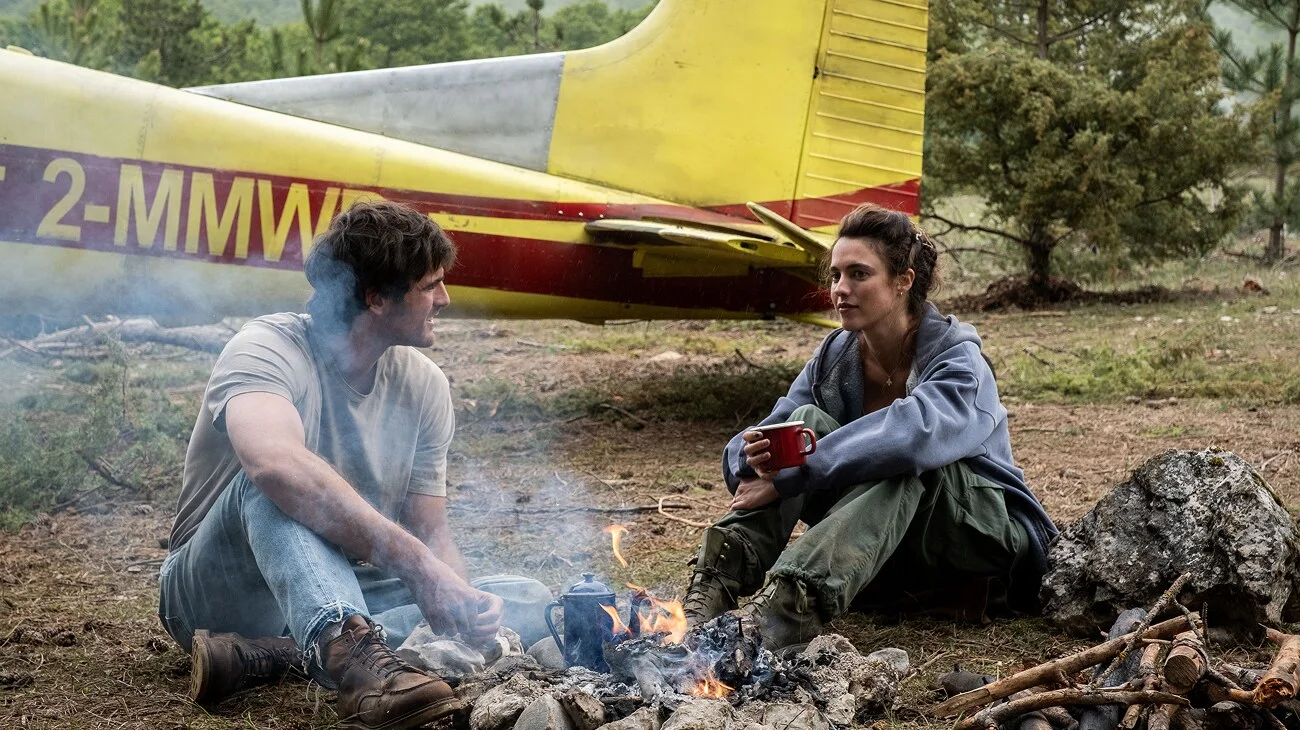
Cima also gives Hig a possible future that does not depend only on returning to the airfield. That idea is important, but the film reaches it quickly. Jasper and Bangley have already shown years of history with Hig through routine and conflict. Cima has less time to build the same weight. Qualley makes the limited material believable, though several transitions ask the audience to accept closeness before the screenplay has shown enough ordinary time between them.
Bangley becomes less important during this part of the film. His absence should test whether Hig can survive without the man who planned every defense. Instead, the story often treats him as a voice or memory waiting for Hig’s return. Brolin created one of the film’s strongest relationships, so reducing Bangley also removes the person most able to challenge Hig’s choices in a direct and personal way.
The Cessna scenes look better than the action
The Cessna scenes are the movie’s strongest visual idea. The yellow plane is small against mountains, clouds, and abandoned ground. Its size immediately explains Hig’s situation. He can cross distances that would be impossible on foot, but weather, fuel, and one mechanical failure could leave him far from help. Wide aerial shots make the world look beautiful without pretending that beauty makes it safe.
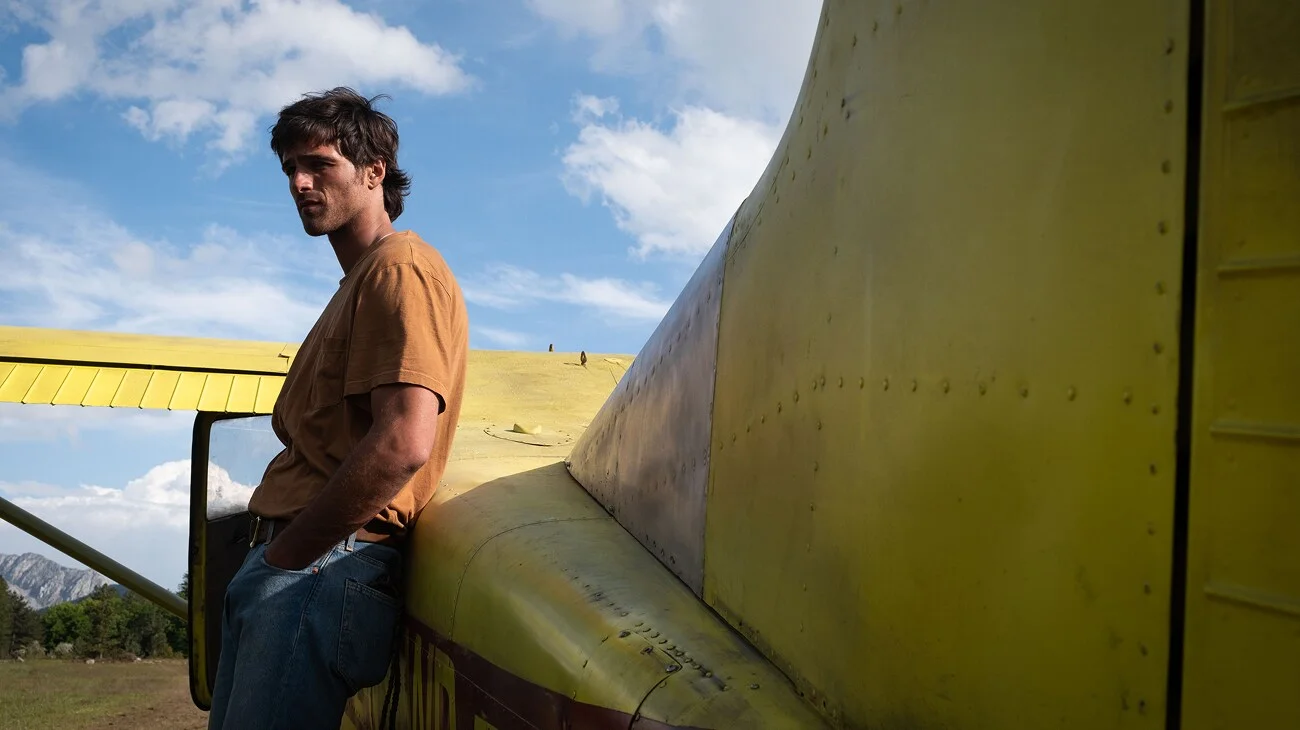
The plane also separates Hig from Bangley. Bangley understands walls, fields of fire, and what can approach on the ground. Hig sees empty roads and distant communities from above. Their different views explain why Hig believes someone else may be worth finding. Scott makes the aircraft part of the story instead of using it only to move Hig between action scenes.
The mountain and valley locations give the film scale. Although the story is set in Colorado, much of the production was filmed in Italy, including areas around the Dolomites. The sharp peaks, open grass, and bright sky make the Cessna easy to track. They also provide a useful contrast with dark interiors and night attacks. The film often looks expensive and carefully composed even when the plot is moving slowly.
The action is harder to follow than the quiet scenes. Scott can stage a clear shot of a plane, a runway, or two people talking across a fire. Several fights use darkness, smoke, rapid movement, and attackers with little visual difference between them. The danger is present, but the exact position of Hig, Bangley, and the people firing at them can become unclear. The noise increases while the decisions become harder to read.
The attackers called the Reapers are the weakest example. Their makeup, movement, and large numbers separate them from the quieter survivors, but the film does not explain enough about their community or goals. They function as a sudden wave of violence. That gives the characters a reason to run or shoot, yet it does not add a new idea about how people might organize after the flu.
A late airfield sequence changes the tone too sharply. The scene uses exaggerated behavior and dark comedy after most of the film has treated grief and danger seriously. A sudden change can wake up a slow final act, but this one feels connected to a different movie. The new characters receive too little time to become more than the violent situation they create, and the story moves on before the change has a lasting effect.
The slower pace is not automatically a problem. The Dog Stars is better when Hig fixes the plane, talks to Jasper, watches Bangley, or listens to Cima than when it tries to become a large action movie. Those moments let the actors show how survival has changed ordinary behavior. The problem is that the film does not always use its 118 minutes to deepen those relationships. Some quiet stretches repeat sadness without adding a decision, conflict, or new detail.
The film will make the most sense for viewers who want a patient survival drama with a dog, aircraft, mountain scenery, and only short bursts of action. The R rating covers gun violence, bloody injuries, threatening groups, and material involving death after a pandemic. Anyone expecting constant combat or a detailed explanation of the new society may find the middle slow and the later threats too familiar.
The Dog Stars official stills
5 screenshotsA 6.4/10 score fits a thoughtful survival drama that loses focus away from its best trio. Elordi gives Hig warmth, Brolin gives Bangley hard limits, and Jasper gives their life a reason beyond staying alive for one more day. The Cessna and mountain images support them. The journey, thin enemies, uneven action, and abrupt late shift do not. Jasper deserves a movie as focused as the airfield scenes around him.
The Dog Stars opened in U.S. theaters on August 28, 2026. It runs 118 minutes and is rated R. For the confirmed cast, story, release details, and current home-viewing status, read The Dog Stars release guide.