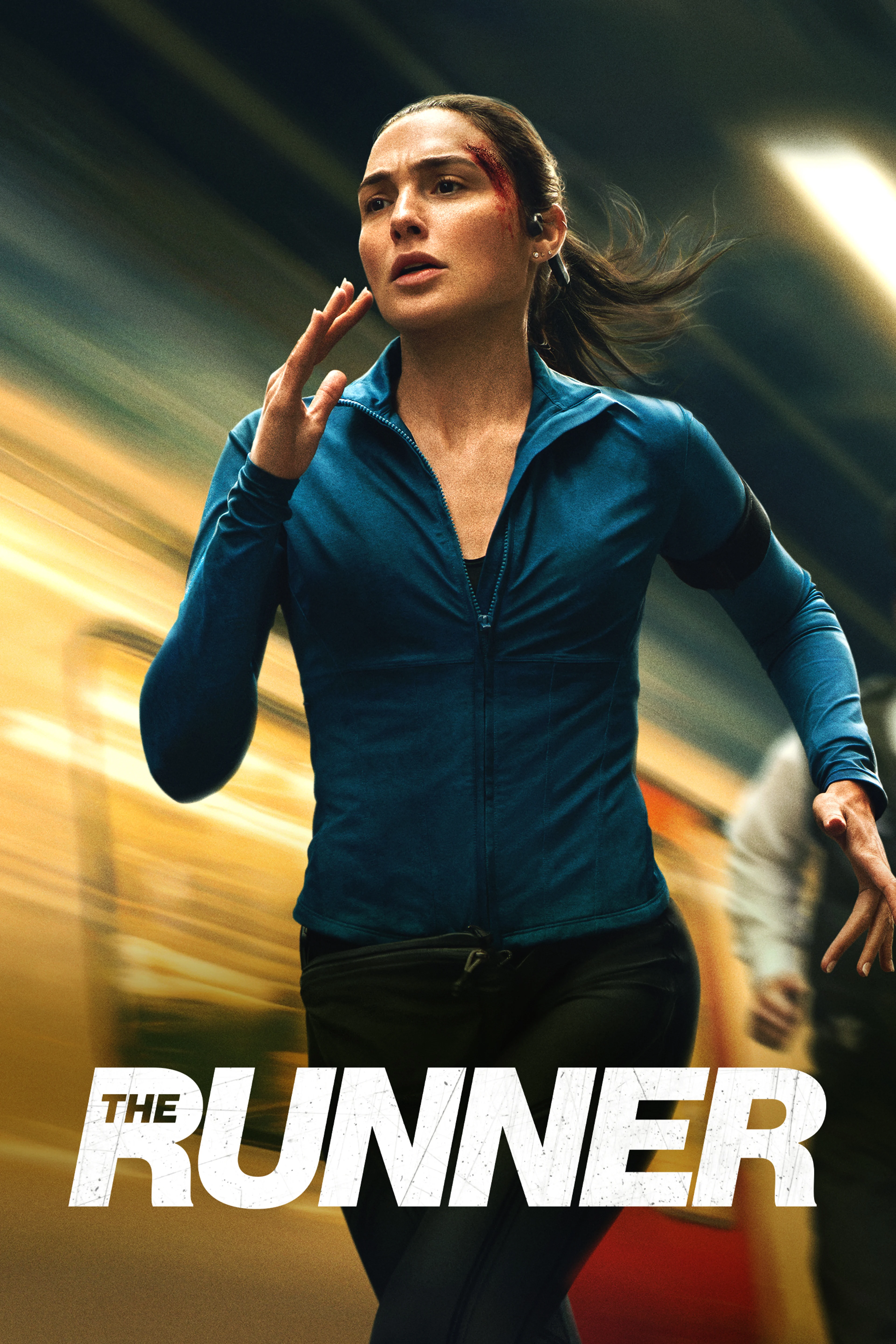
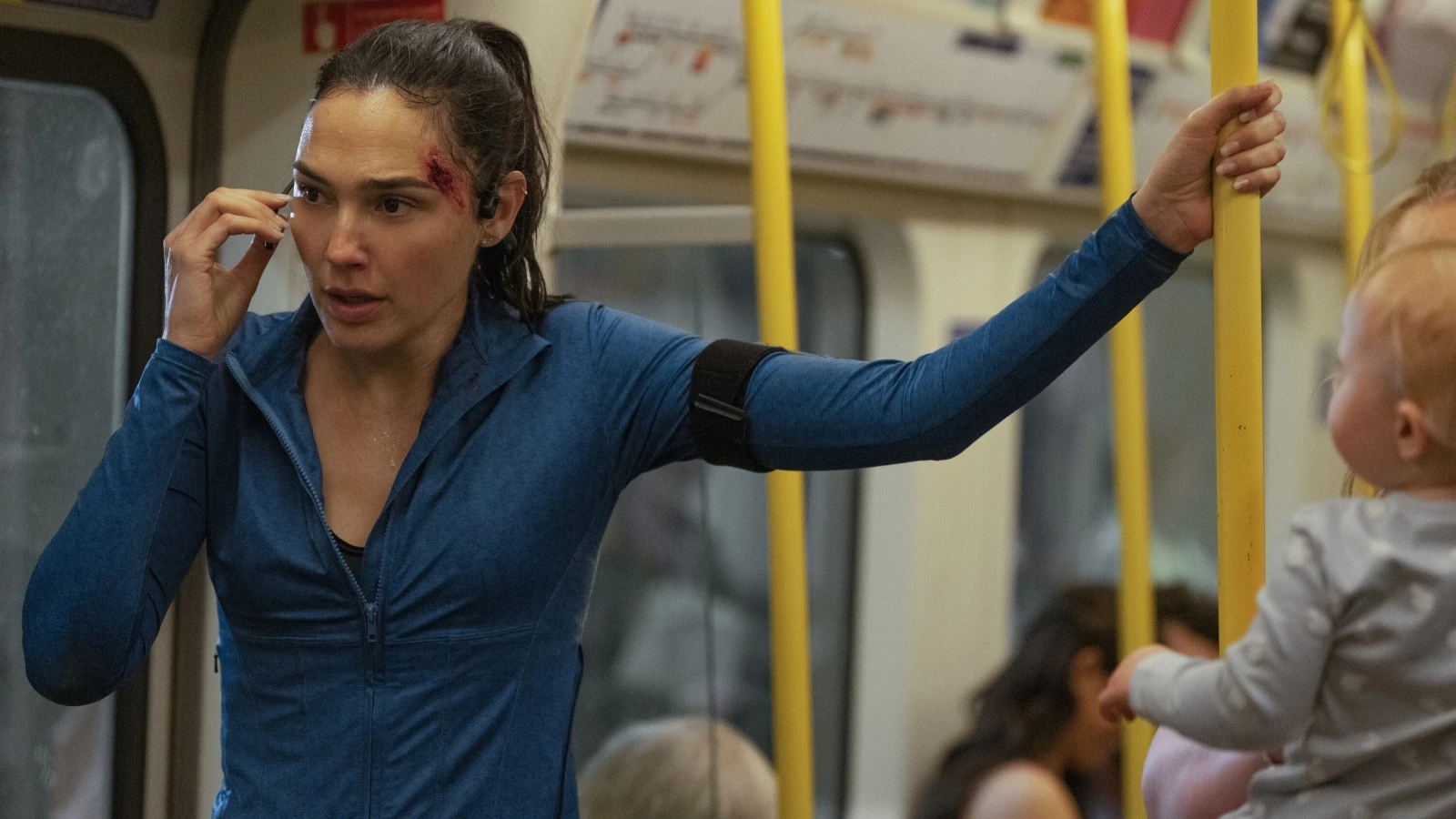
The Runner starts with a simple threat. Maia Marten, a successful London lawyer, is on her morning run when an unknown caller says her son Noah has been kidnapped. Maia must keep moving, follow each instruction, and avoid the police if she wants him back. The caller can see her route, reach her phone, and punish any attempt to stop. That is enough information for a tight chase movie.
The 85-minute Prime Video thriller moves Maia through parks, streets, offices, and the Underground. Director Kevin Macdonald uses real London locations, while Gal Gadot spends most of the film running, climbing, fighting, or trying to speak through heavy breathing. The constant movement should create pressure. Too often, quick cuts, smeared motion, and unclear orders make the chase harder to understand instead.
The subway race is the one sequence that fully works. Maia must leave a train, run above ground, and reach the next station before that same train arrives. The objective is easy to understand, the distance is visible, and every lost second matters. The rest of the movie rarely matches it. A 4.8 score reflects a thriller with a committed lead and one excellent challenge, but a villain plan that becomes less convincing every time it adds a new rule.
The subway race shows what the movie should have done
The scene succeeds because every rule is visible. Maia knows where she has to go. The audience can see the train she is trying to beat. London traffic, stairs, crowds, and station entrances become real obstacles instead of random background movement. Gadot’s speed matters because the scene lets each part of the route connect to the next. There is no need for the Caller to explain why the challenge is dangerous.
Gal Gadot makes Maia’s physical effort believable. She looks fast at the start, then becomes slower and less controlled as the instructions continue. Her breathing, posture, and changing stride show exhaustion without requiring dialogue. When Maia reaches a barrier or has to change direction, Gadot makes the delay feel costly. The performance is strongest when the film stays wide enough to show her body moving through a real place.
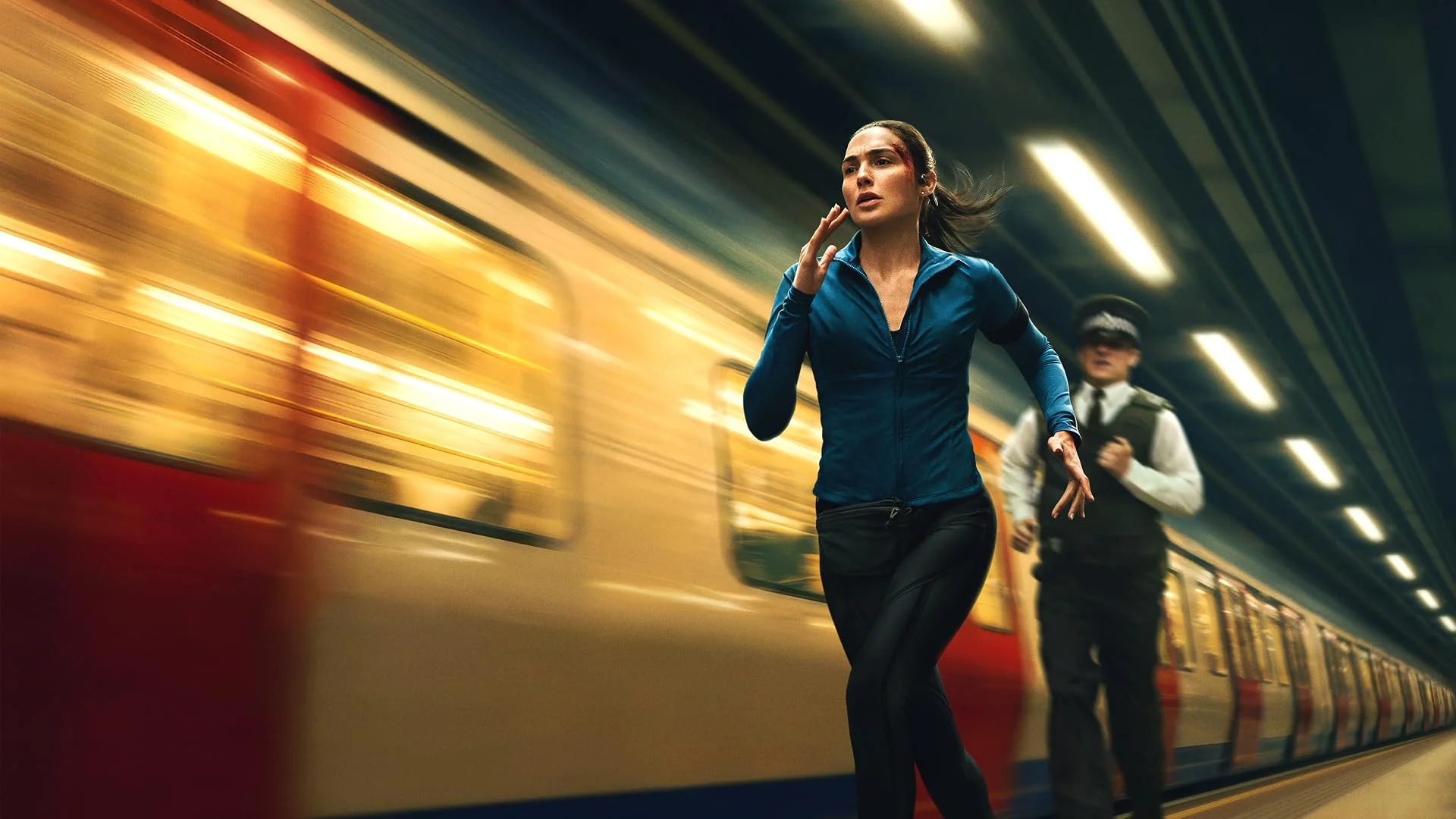
The sequence also gives Maia a problem she can solve. She cannot negotiate with a train schedule or make the distance shorter. She has to judge the route, choose where to cross, and keep enough energy for the final stairs. The task turns her professional confidence into quick physical decisions. Maia feels capable because the film shows what she understands and how she reacts when the route changes.
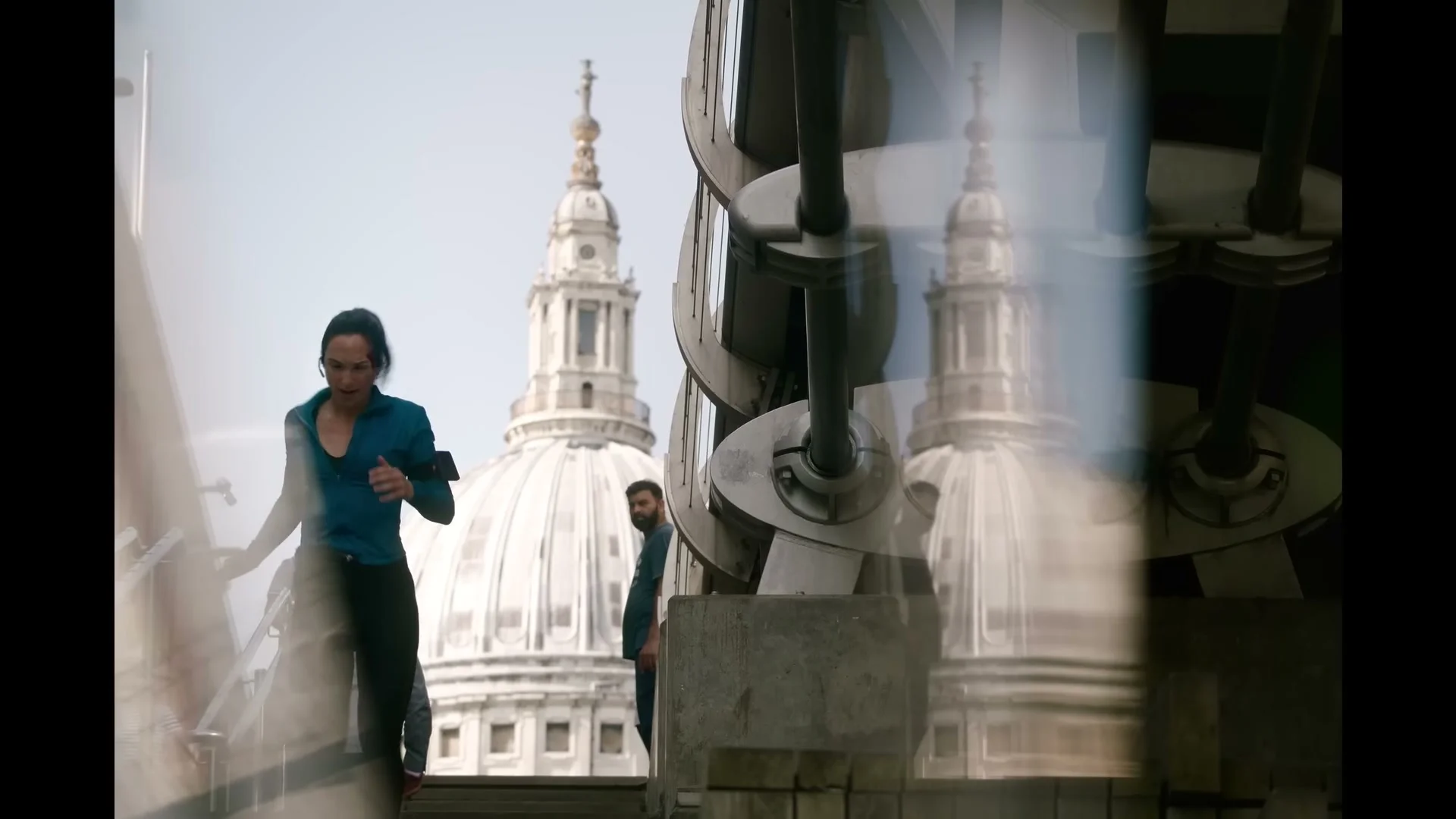
London gives the chase useful scale. St Paul’s Cathedral, the Underground, busy roads, glass offices, and public parks make Maia’s route feel larger than a closed set. A runner can disappear inside that city, but she can also be trapped by crowds, cameras, and transit gates. The locations provide clear differences between open areas and narrow interiors. When Macdonald lets a shot continue, the city does much of the work.
Most later tasks are less effective because their boundaries are not clear. The Caller gives Maia another place or person to reach, then adds information that changes what the audience thought the task meant. A new camera, message, or threat can appear whenever the chase needs to turn. Maia is still moving quickly, but speed means less when the destination and penalty can be changed after she starts.
The short runtime helps the movie avoid long pauses, yet it also exposes the repetition. The Caller speaks. Maia argues. He shows that Noah is still in danger. She runs toward a new point. Police or a stranger interrupts the route. The pattern repeats before the previous order has produced a satisfying result. The subway challenge stands out because it has a beginning, a measurable middle, and a finish. Several other tasks feel like directions between plot points.
People Maia meets on the route sometimes make the city feel alive. A passenger helps when she is injured. Police notice that something is wrong. Pedestrians block or redirect her movement. These moments could test the command to involve no one. Instead, many supporting characters enter for a single obstacle or clue and then disappear. The movie keeps Maia isolated, but it loses chances to show how difficult secrecy would be in a crowded city.
Gal Gadot runs hard while the camera gets in the way
The editing often hides the action instead of sharpening it. Close shots cut between Maia’s face, feet, phone, and nearby traffic before the viewer has learned where she is going. A slow-shutter effect leaves movement blurred. Fast camera shakes make a collision or turn feel busy without making it more dangerous. The subway race proves the movie can build urgency with wider views and connected positions, which makes the other action choices more frustrating.
Macdonald has a lead who is willing to perform the run and a city that provides hills, stairs, tunnels, and crowds. The film does not need to make every step smooth. Fatigue can be rough and frightening. The problem is that visual confusion often replaces physical difficulty. If Maia falls or changes direction, the audience should know what forced that choice. Too many cuts turn the event into a collection of reactions.
Gadot is better served by the quieter shots that stay on Maia after an instruction. She can show fear without dropping the character’s professional control. Maia listens for details, tests whether the Caller is bluffing, and looks for ways to resist without placing Noah in greater danger. Those small decisions give the performance more value than another close shot of her running. The role asks for sustained panic, and Gadot keeps enough restraint to avoid playing every moment at the same level.
Maia’s fear for Noah rarely gets enough quiet time. The movie establishes that they are close and shows him in danger, but it quickly turns their relationship into a repeated image on a phone. Maia has little opportunity to remember a specific promise, mistake, or ordinary moment with him. That missing detail makes the threat understandable without making it as painful as it should be. The plot says Noah matters most; the script gives movement most of the screen time.
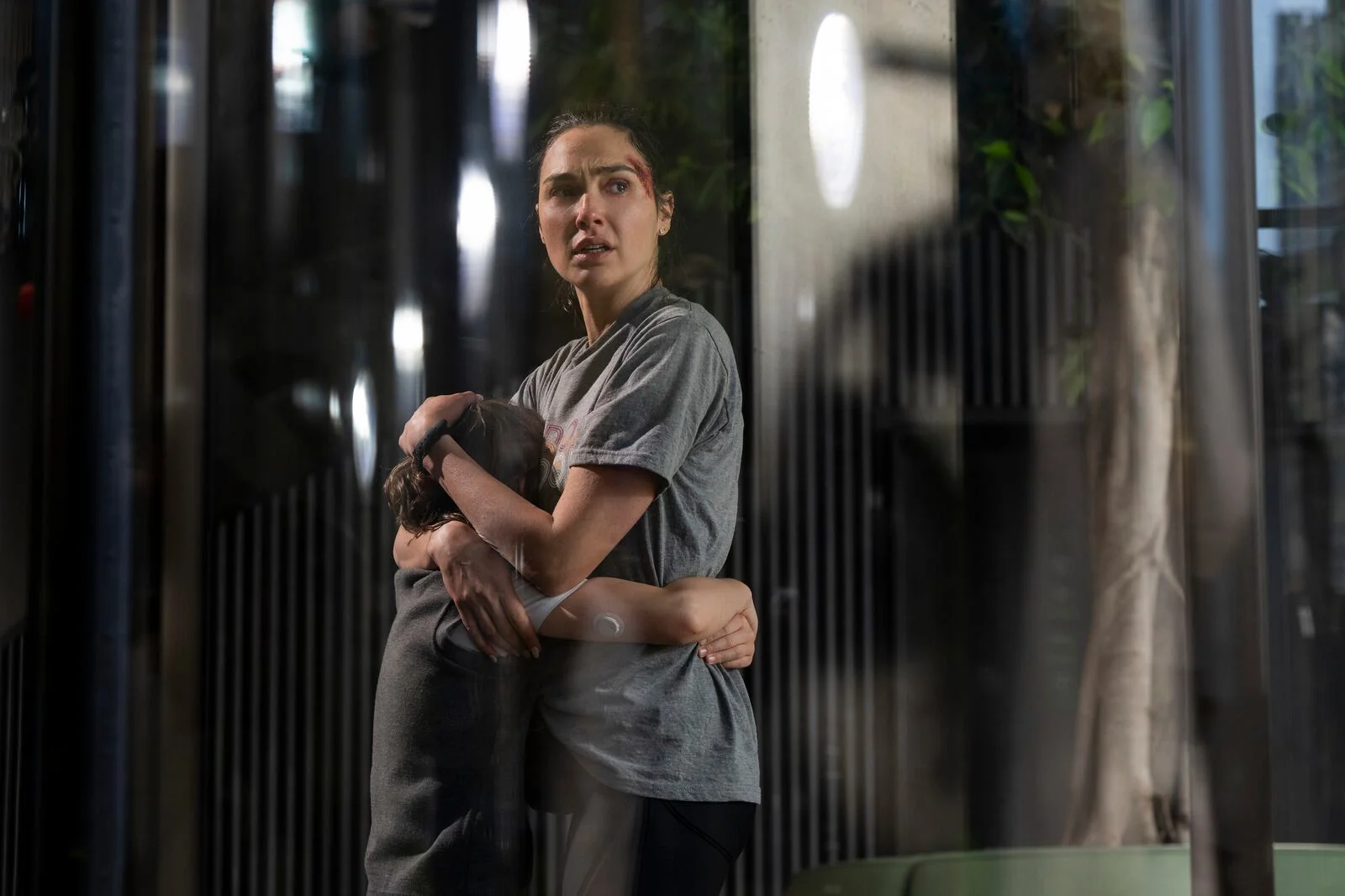
The choice also limits Maia as a character. Her work as a lawyer suggests she can question claims, notice contradictions, and manage people under pressure. The chase sometimes uses those skills, but it often reduces her choices to obey or refuse. More scenes where Maia finds a legal, technical, or social weakness in the Caller’s instructions would connect her career to the action. Running is what Gadot performs most clearly, but Maia should be more than the distance she covers.
Damian Lewis gives the Caller a controlled voice. He can make a simple order sound patient and threatening at the same time. The calm delivery is effective early because Maia and the audience do not know how much he can actually see. Lewis becomes less frightening when the script makes him explain his history, goals, or intelligence. Each explanation replaces some of the uncertainty that his voice created.
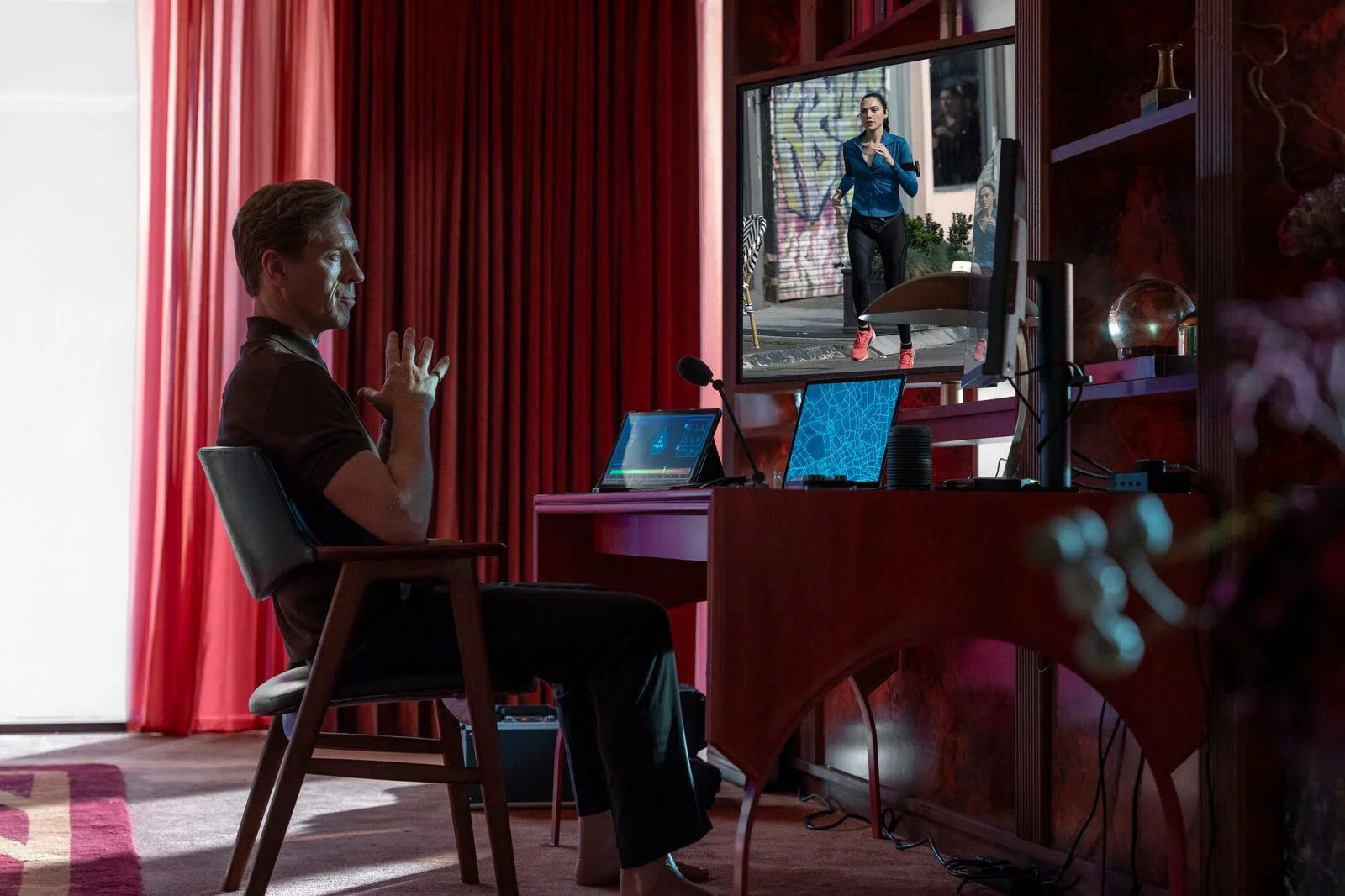
The conversations also repeat their basic conflict. Maia demands proof or tries to slow the exchange. The Caller demonstrates control and tells her to continue. Gadot and Lewis can make those voices clash, but they need new information or a changed balance of power. Instead, the Caller often stays ahead because the next scene gives him another tool. His calm manner remains consistent while his actual abilities do not.
The Caller’s rules stop making sense
The Caller can do whatever the next scene requires. He tracks Maia, reaches phones and screens, watches public spaces, anticipates police, and presents new images of Noah. A thriller can give its villain extensive surveillance. It still has to establish limits. The movie rarely explains what the Caller cannot see, how quickly he can react, or why Maia is required to take a long and unpredictable route through London.
That problem weakens every attempt Maia makes to resist. If she finds a blind spot, the next scene can reveal another camera. If she reaches help, the Caller can threaten Noah again. If she follows an order, the meaning of the order can change. The audience cannot measure whether Maia is getting closer to success because the conditions are controlled by information that has not been shared. Surprise is useful in a kidnapping thriller, but surprise cannot replace consistent rules.
The plan becomes especially difficult to believe when it depends on Maia making exact choices in a city full of delays and strangers. Traffic changes. Trains stop. Police intervene. People answer or ignore a request. A careful plan would need a clear reason for using this route and a backup for each failure. The film treats the complexity as proof that the Caller is brilliant. It more often shows that the story will protect his plan until the final act needs it to fail.
The technology looks powerful without feeling current or precise. Screens, cameras, phone access, and software are presented as a complete answer to every practical problem. There is little attention to permissions, gaps, wrong matches, or ordinary network failure. The result is not a detailed warning about surveillance. It is a shortcut that allows the Caller to know almost anything while Maia receives only the information needed for her next run.
The late reversal does not repair the earlier problems. It changes how some events should be understood, but it cannot explain every shifting command or unlikely piece of control. A good reversal makes earlier scenes clearer on a second look. This one asks the audience to accept new information after spending most of the movie without stable rules. The ending also moves quickly from the phone challenge toward a more ordinary confrontation.
The final action gives Maia a direct target, but it arrives after the most original part of the movie has ended. Guns, physical struggle, and a face-to-face threat are easier to stage than an invisible caller controlling a runner across a city. They are also more familiar. The film could have made the phone challenge itself produce the ending by forcing Maia to understand and break one final rule. Instead, it leaves its best idea behind.
The Runner is easiest to recommend to viewers who want a short Prime Video thriller and do not mind loose logic. Gadot commits to the physical work, Lewis has an effective voice, and London looks convincing because the production uses recognizable places. The PG-13 action includes kidnapping threats, injuries, guns, and sustained danger to a child. Anyone looking for a carefully planned mystery or clear action geography will probably find the subway scene more satisfying than the movie around it.
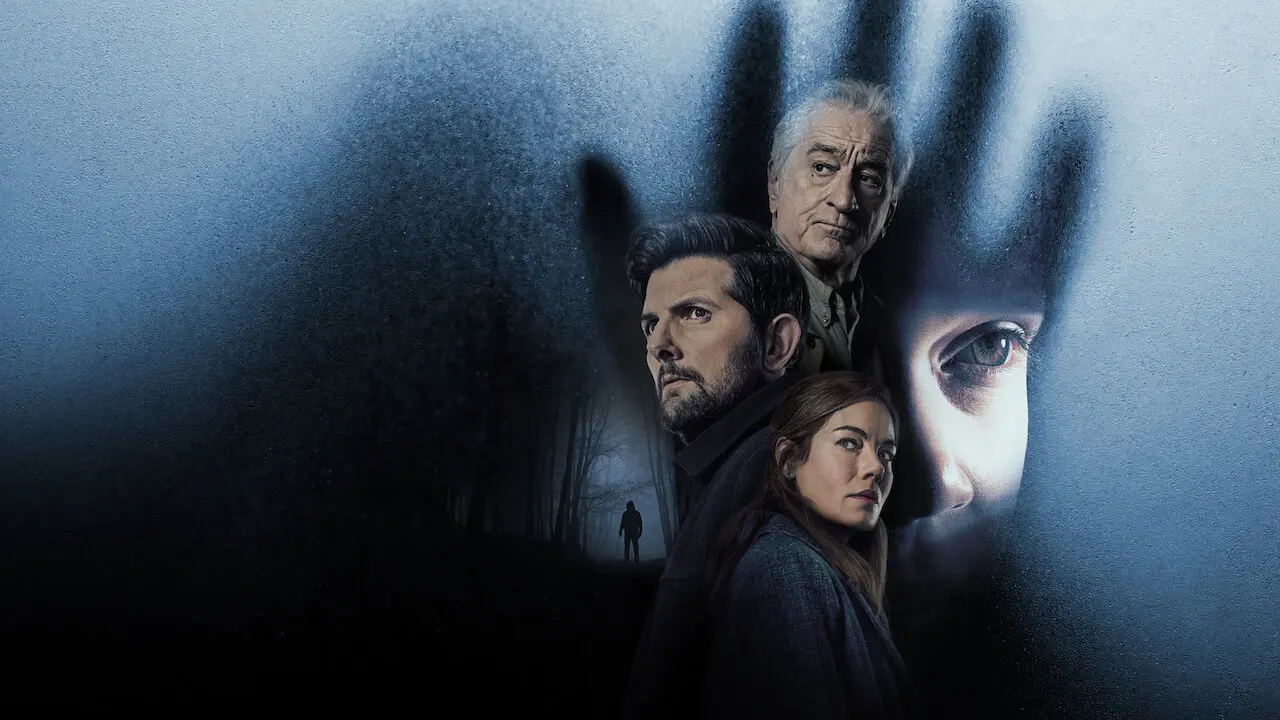
The Runner official stills
5 screenshotsA 4.8/10 score fits a thriller with one good chase and too many broken rules. The subway race shows exactly how clear goals, visible distance, and physical effort can create tension. Gadot and London supply those strengths. The changing surveillance powers, frantic editing, thin relationship between Maia and Noah, and weak reversal remove the same clarity from the rest. The movie keeps running, but most of its movement does not bring the plot closer to a convincing answer.
The Runner began streaming on Prime Video on September 2, 2026. It runs 85 minutes and is separate from the theatrical action comedy Runner. For the confirmed cast, rating, story, and viewing details, read The Runner Prime Video guide.