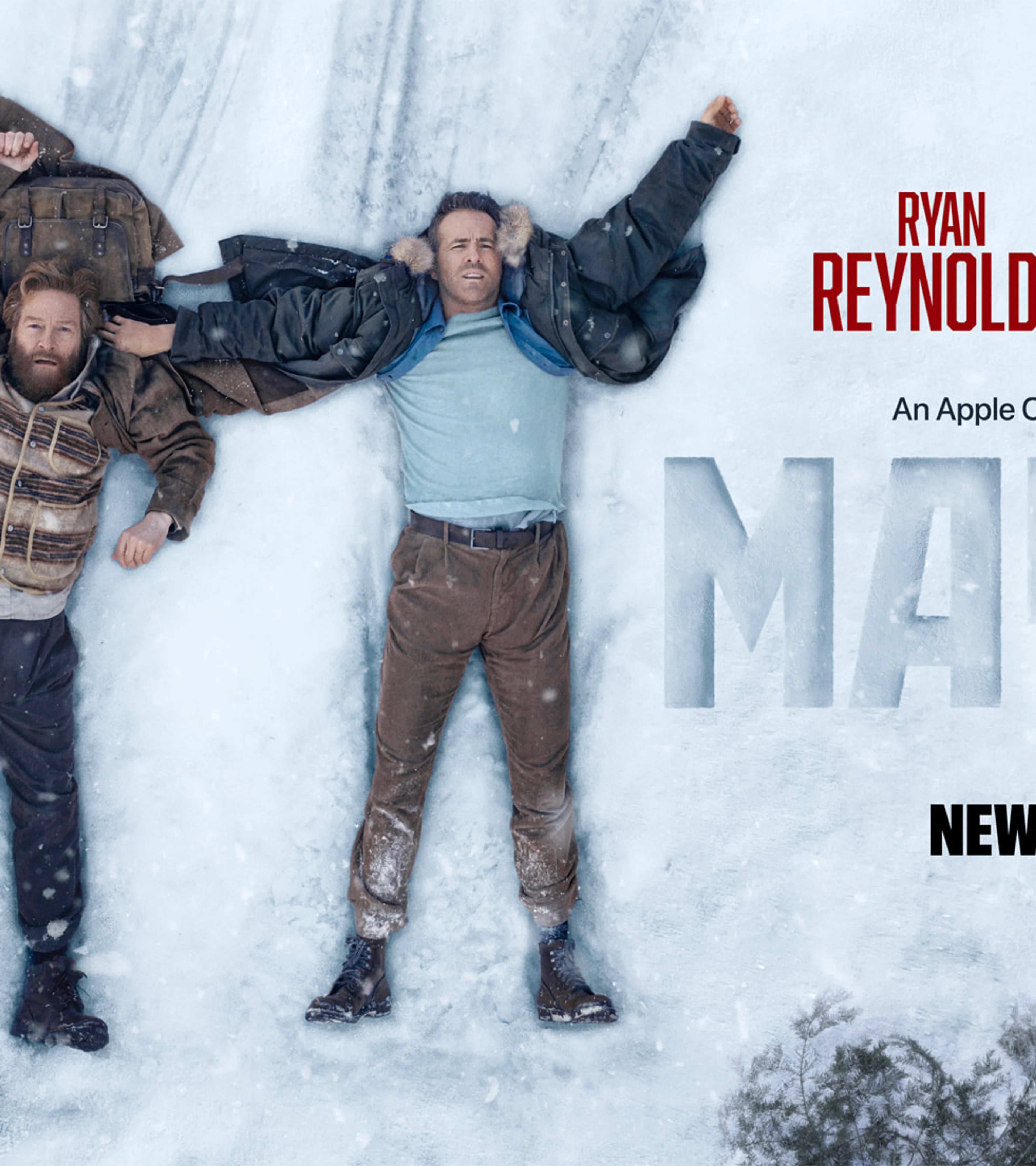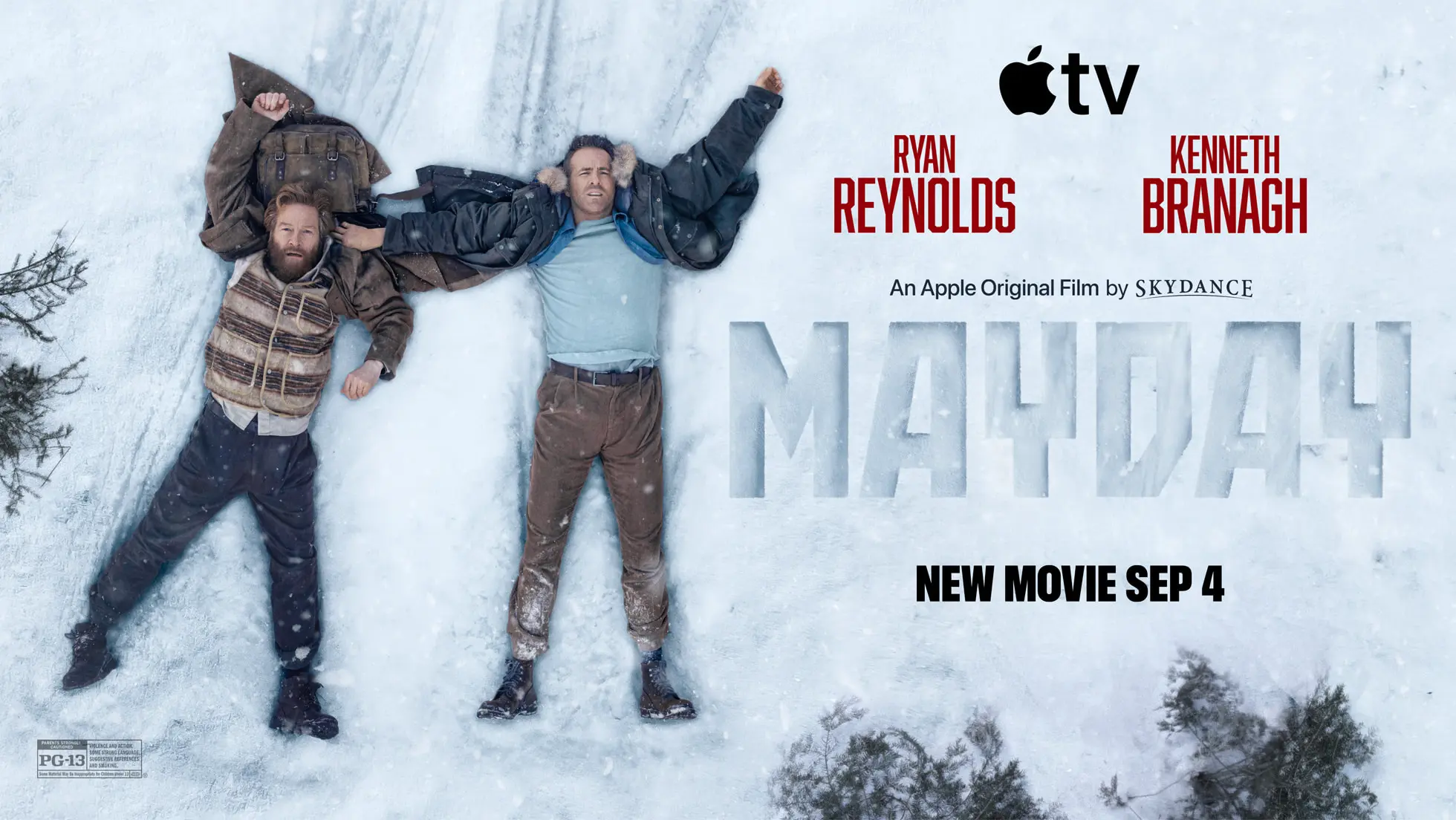
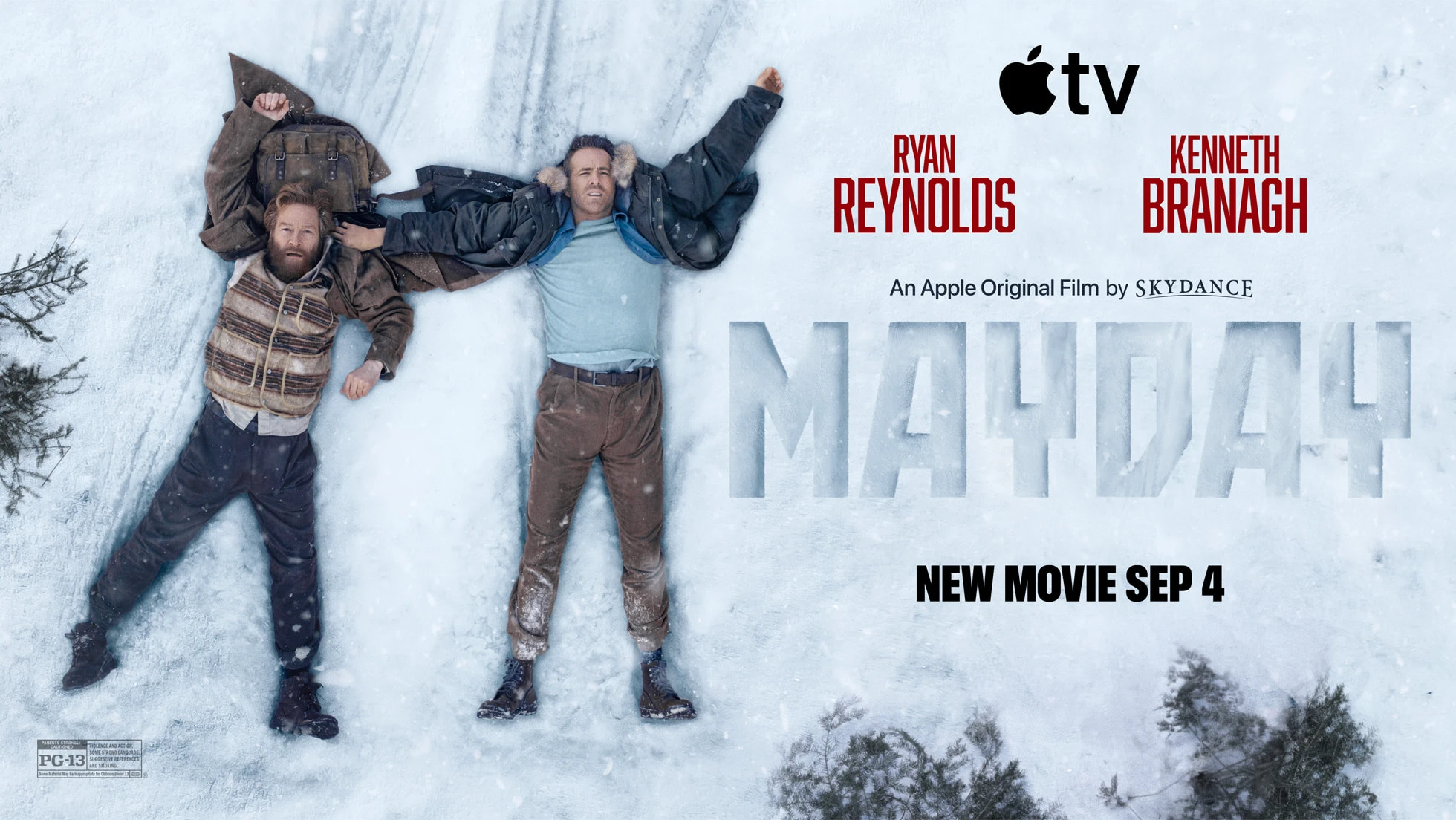
Mayday gives its American pilot a call sign, a secret mission, and the confidence to treat both as proof of character. Troy Kelly is good at flying, quick with an answer, and certain that the Soviet Union contains only enemies. When his aircraft goes down over Russian territory in 1987, that certainty becomes one more piece of equipment he cannot use.
The person who finds him is Nikolai Ustinov, a retired KGB agent living alone in the snow. Nikolai loves American movies, music, and consumer culture with an enthusiasm that Troy does not know how to process. Their first conversations establish the whole design: a suspicious professional wisecracker placed beside a physically capable, emotionally open man who refuses to behave like the expected threat.
That pairing carries a 7.6/10 action comedy. Kenneth Branagh brings warmth, odd timing, and real physical commitment to Nikolai, while Ryan Reynolds keeps the escape moving with a familiar version of his fast-talking persona. The direction is lively, the action is easy to follow, and the two leads enjoy one another. The screenplay's jokes and politics are much less adventurous than the filmmaking.
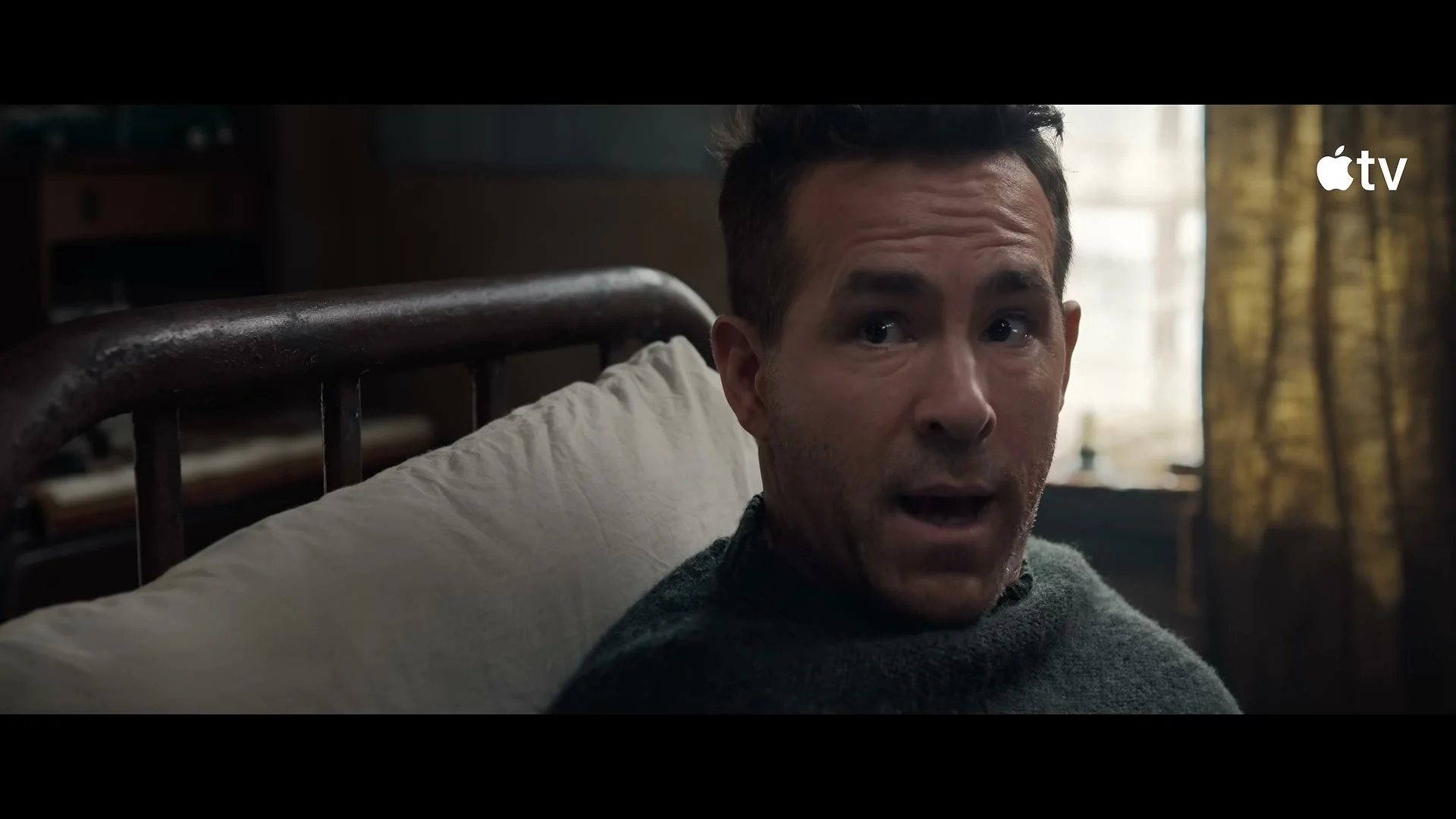
Branagh gives the formula its best surprise
Nikolai could have been a single joke about a Soviet man who adores Top Gun and dreams about the United States. Branagh instead treats that obsession as part of a full personality. The character is observant, lonely, proud of skills he no longer has a public use for, and delighted whenever American culture becomes something he can share rather than collect in private.
The performance is funniest when it stays calm. Nikolai can state an absurd preference without asking the scene to underline it, then move into sudden violence with the same practical focus. Branagh's size, beard, accent, and heavy clothing suggest a broad comic figure, but his pauses keep revealing someone who has spent years thinking before speaking. The contrast makes both the jokes and the action land.
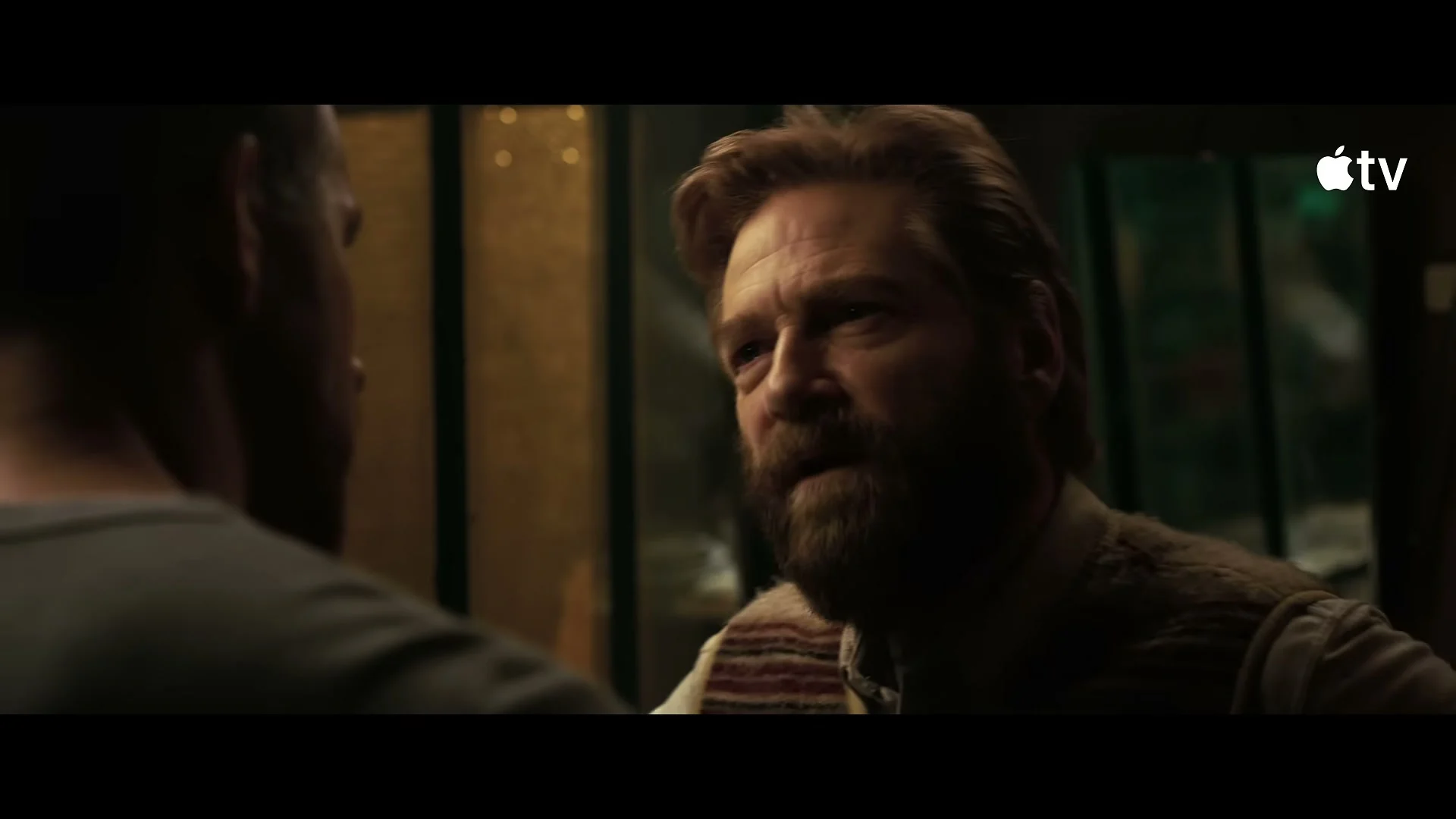
Reynolds has the harder assignment because Troy arrives with a voice the actor has used many times: defensive sarcasm, professional confidence, and a joke ready before the danger has ended. He delivers that material efficiently, and the rhythm works against Nikolai's directness. It also makes Troy feel less specific than the man beside him. Several lines could move into another Reynolds action comedy without changing shape.
The movie understands that imbalance and gradually lets Nikolai set the emotional temperature. Troy learns to listen, accept help, and see a person where his training supplied a category. Reynolds is more effective when a joke covers embarrassment or fear than when it simply announces that he recognizes the absurdity of the plot. Those quieter reactions give the friendship enough weight to survive the louder set pieces.
Their chemistry is easy rather than combative. Mayday does not spend much time forcing artificial hostility between its leads after the initial suspicion. They argue about assumptions, plans, and American culture, but the pleasure comes from watching competence become trust. That makes the movie warmer than its spy framework suggests, even if it also removes some of the friction that could have sharpened the comedy.
Supporting characters get fewer chances. Maria Bakalova brings tension to Nikolai's family history, David Morse gives Troy's father a clear influence on the pilot's self-image, and Marcin Dorociński provides a focused pursuer. Each role points toward a more complicated life outside the central escape. The screenplay usually returns to the two leads before those relationships can develop beyond their immediate function.
A streaming comedy that actually uses the frame
The strongest argument for Mayday is visual. Directors Jonathan Goldstein and John Francis Daley, working with cinematographer Barry Peterson, build jokes and action around movement through real space. The camera follows a body, vehicle, or object long enough for the viewer to understand the setup before the frame changes. A punch has direction. A fall has distance. A reaction arrives from a visible part of the room.
That control distinguishes the film from streaming comedies assembled from medium shots and coverage. Snowy wilderness, Nikolai's crowded cabin, public squares, narrow interiors, and moving vehicles each impose different rules. The locations are not interchangeable backgrounds. They determine where the characters can hide, what can interrupt a conversation, and how a chase changes when private trouble spills into a crowd.
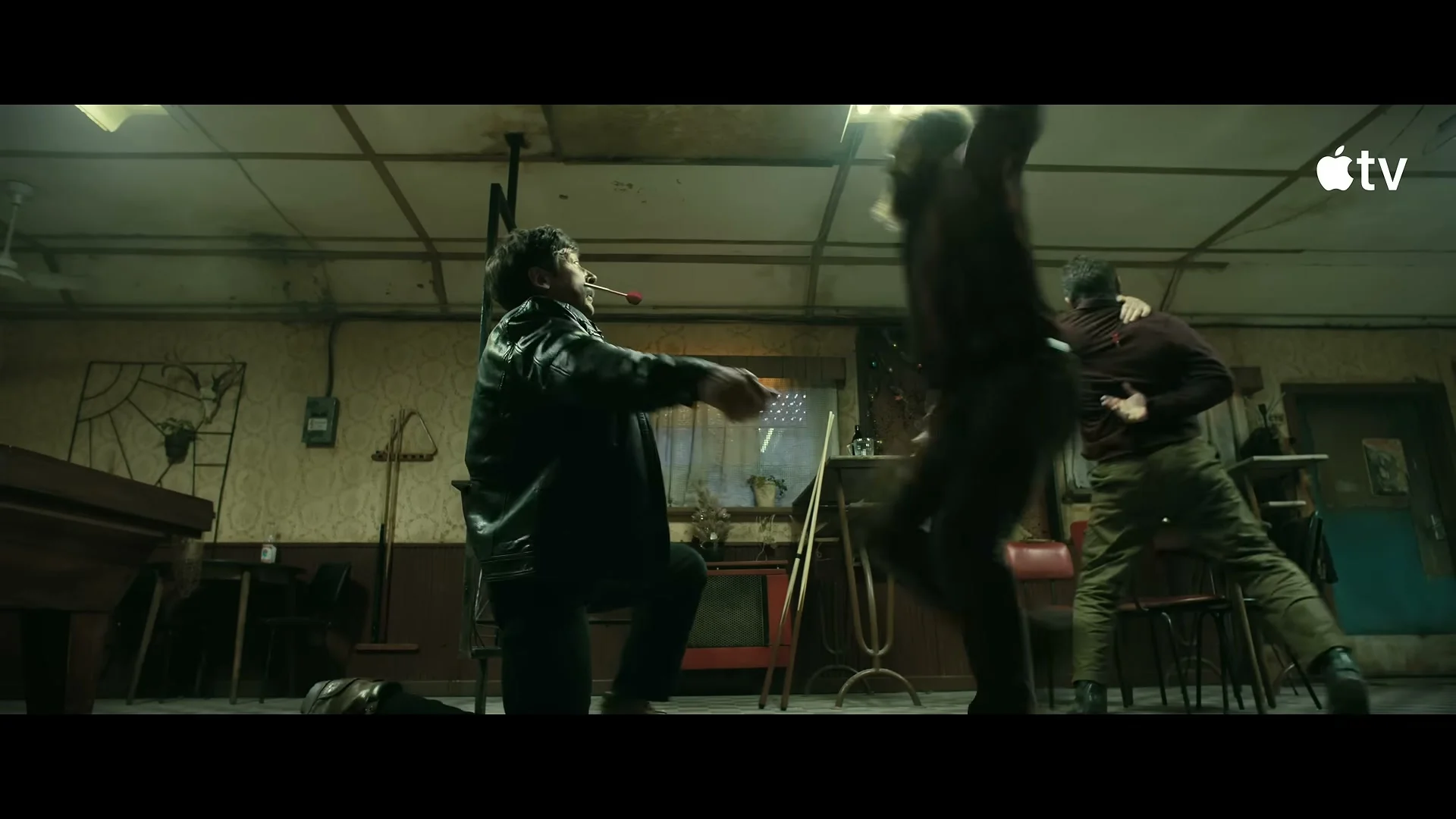
Close-quarters combat is especially effective. Branagh moves with surprising speed, but the scenes do not hide that surprise behind frantic cutting. The choreography lets Nikolai use walls, furniture, doorways, and the position of several opponents. Troy's contribution remains different enough to preserve the buddy dynamic. One character does not simply become a second copy of the other when the talking stops.
Advertisement

Larger sequences keep the same readable foundations. Aircraft, armored vehicles, city streets, and public gatherings expand the scale without turning every shot into anonymous digital debris. Effects are visible, but the sequence usually retains a clear path from danger to decision to consequence. The movie feels expensive because its resources are organized, not because every scene tries to display the maximum possible destruction.
Mayday official trailer stills
5 screenshotsColor contributes as much as motion. Cold exterior whites and military grays give way to warm cabin light, green interiors, bright public decorations, and red state imagery. The contrast keeps a long escape from looking visually flat. It also gives quieter conversations a distinct place in the movie rather than treating them as pauses in a single extended chase.
The score and period songs push the 1980s identity directly, sometimes too directly, but the sound mix respects physical comedy. Impacts, engines, movement, and dialogue remain separated enough for a gag to register. The production never mistakes noise for momentum. Its best action scenes are enjoyable because the viewer can follow what the characters are attempting before the plan begins to fail.
The jokes are safer than the action
Mayday borrows the structure of an older buddy movie: two men divided by nationality and temperament cross dangerous territory, trade assumptions, and discover that the partnership matters more than the mission that created it. The form remains durable. It gives the plot forward motion and creates regular opportunities for private conversation between public disasters. The problem is how rarely the writing complicates that form.
The Top Gun material is the clearest example. Nikolai's fascination is funny because it reverses Troy's expectation and lets Branagh play sincere delight. Once established, however, the reference often functions as recognition rather than discovery. Other period objects, brands, songs, and attitudes receive the same treatment. They locate the movie in 1987 but do not always produce a sharper joke about that year.
Troy's wisecracks face a similar limit. Reynolds can turn a plain line into a quick laugh through timing, especially when Branagh answers without matching the performance. Repetition makes the strategy predictable. Danger arrives, Troy comments on its ridiculousness, and the scene briefly pauses to acknowledge the comment. The routine is pleasant in small amounts and less useful when a moment needs genuine alarm or regret.
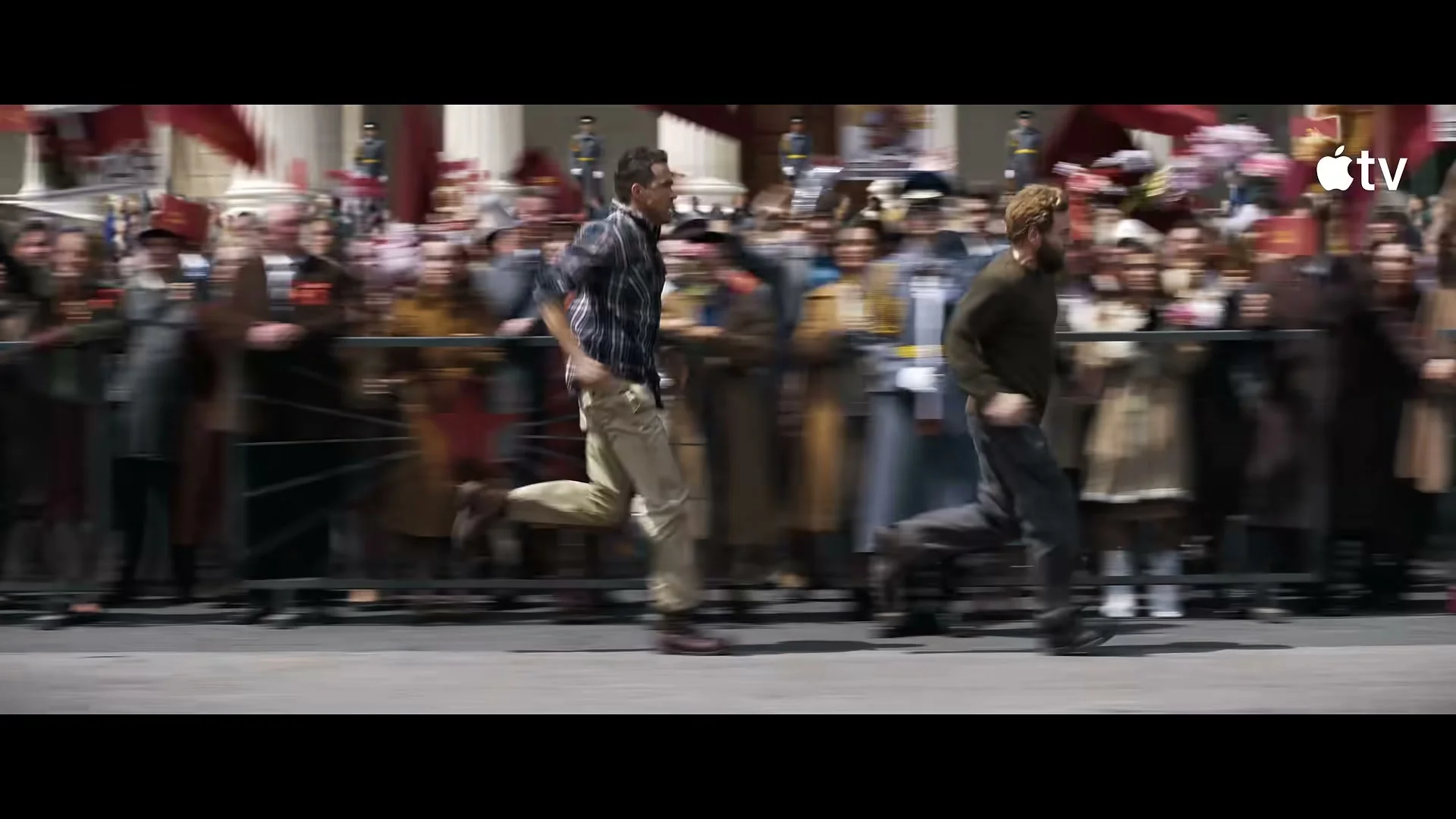
The Cold War politics are broader still. Troy begins with a simple American certainty; Nikolai demonstrates that ordinary people cannot be reduced to governments and propaganda. That is a humane starting point, but the movie often replaces one slogan with another. American movies, music, and restaurants become evidence of freedom without much attention to why Nikolai's life, family, and loyalties are more complicated than his collection of imported culture.
A more demanding comedy could have made those contradictions part of the friendship. Nikolai's affection for an imagined America and Troy's confidence in an imagined Soviet enemy mirror each other in useful ways. Mayday notices the parallel, then keeps it gentle. The choice protects the light tone, but it also means the emotional lesson arrives earlier than the action plot and has little room to evolve.
Critical responses split sharply over this balance. Positive readings emphasize the lead chemistry, clean pacing, handsome images, and uncomplicated fun. Negative readings find the jokes tired, the politics clumsy, and the character work too thin to support the warmth. Both reactions describe real parts of the same movie. The difference is how much value a viewer places on execution when the underlying material remains familiar.
The generous reading is more persuasive because the execution is consistently good. Familiarity does not erase timing, composition, movement, or a performance as committed as Branagh's. It does establish a ceiling. Mayday can deliver a lively evening and a memorable central character without becoming the smarter political comedy or stranger action film suggested by its most promising details.
Who should watch Mayday
Mayday is an easy recommendation for viewers who want a polished action comedy built around two recognizable stars. Fans of Goldstein and Daley's ability to combine genre mechanics with warmth will find the same practical strengths here: legible set pieces, affectionate character dynamics, and a pace that keeps the plot moving without making every exchange feel rushed.
Branagh is the clearest reason to press play. Anyone curious to see him approach broad comedy and physical action with the same seriousness he brings to drama will get a performance that is neither a cameo nor a stunt. Nikolai controls the movie's tone, and his delight in American culture gives the familiar escape route a personality it would otherwise lack.
Viewers tired of Reynolds playing a self-aware, sarcastic professional should be more cautious. Troy develops, and the partnership softens his routine, but the film does not ask the actor to abandon the persona that defines much of his recent work. The same warning applies to anyone seeking a complex Cold War satire. The setting produces jokes and obstacles more often than political insight.
The movie is also a better choice for action-comedy audiences than for viewers expecting a dense spy thriller. Plans exist to create movement, betrayal is less important than companionship, and the pursuit remains easy to understand. Suspense rarely comes from uncertainty about motives. It comes from whether two increasingly capable friends can cross the next visible problem together.
A 7.6/10 reflects that clear appeal and clear limit. Mayday looks better, moves better, and plays more warmly than its generic premise suggests. Branagh supplies the surprise, Reynolds supplies reliable momentum, and the directors give both men action worth watching. Safer jokes, shallow politics, and thin supporting roles prevent the film from becoming as distinctive as its craft.
The result is good streaming entertainment with enough visual personality to deserve attention beyond its cast. It does not reinvent the buddy movie or discover a new Ryan Reynolds. It does show how much a familiar formula improves when a director respects geography, a performer finds an unexpected comic register, and the central friendship is allowed to be kind.