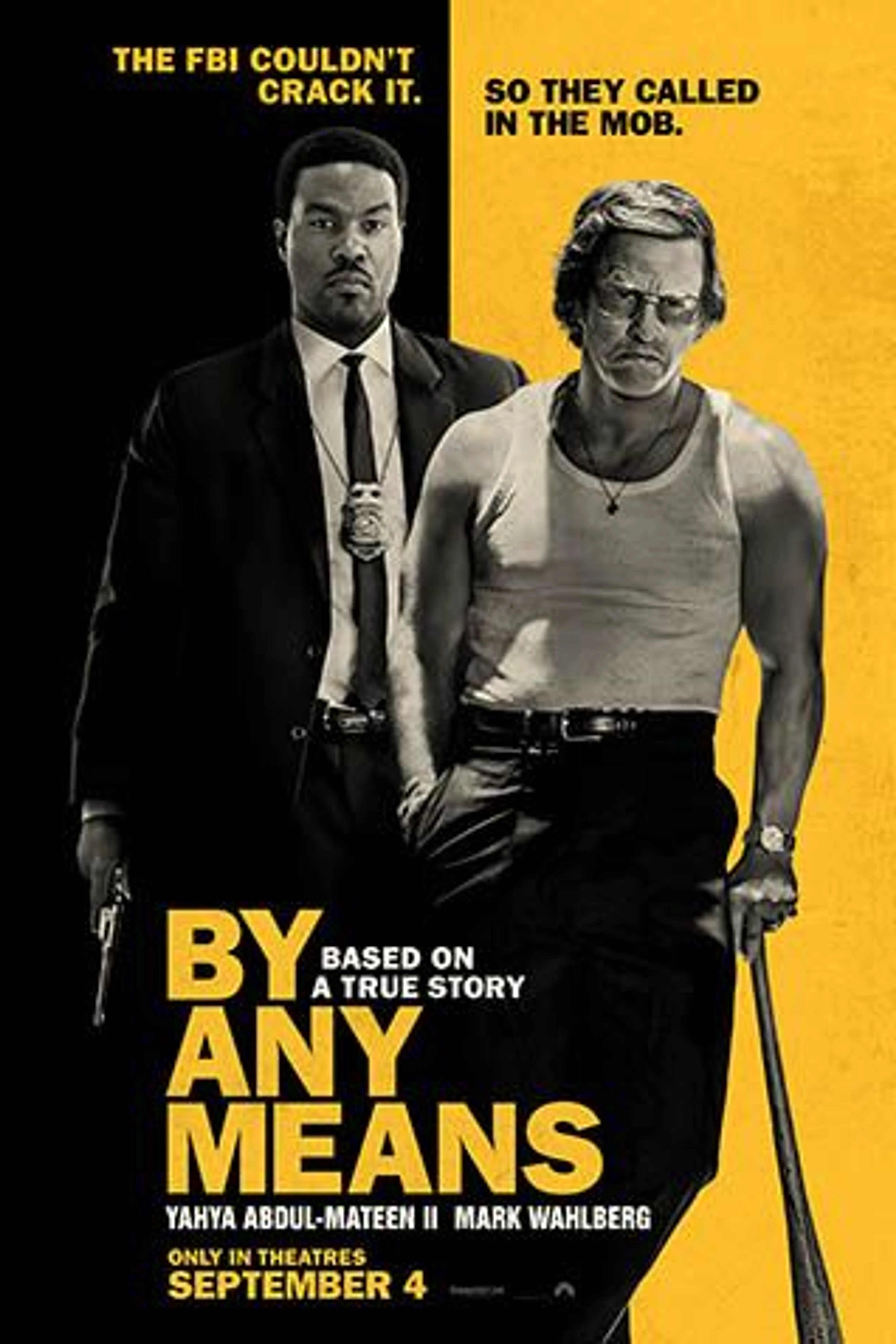
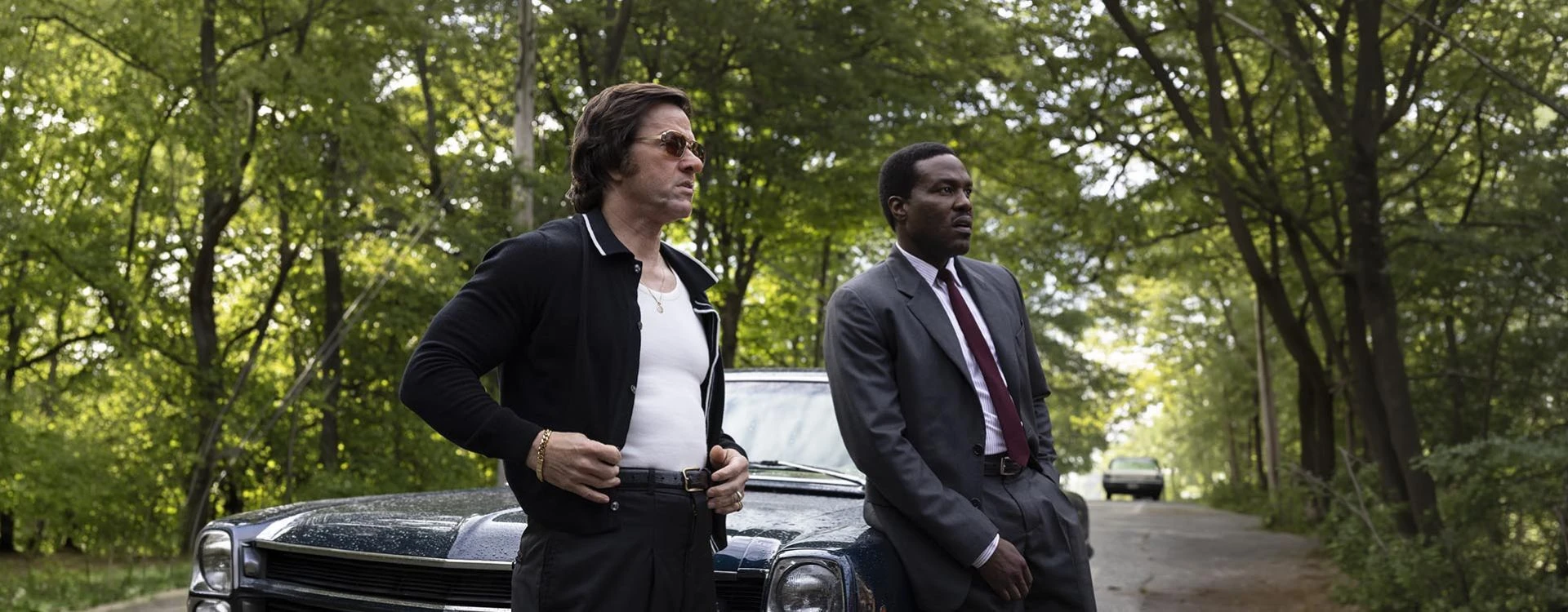
By Any Means starts with a case that should make every choice difficult. In 1966 Mississippi, civil-rights leader Vernon Dahmer is murdered after helping Black residents register to vote. Local law enforcement has no interest in helping. The FBI wants results but is willing to hide how it gets them. Young agent Wayne Strider is told to work with Greg Scarpa, a Mafia hitman and informant who treats a baseball bat, a gun, and a threat as ordinary investigative tools.
That setup gives director Elegance Bratton a sharp conflict between legal justice and violent revenge. Wayne believes procedure matters, even while he sees how procedure protects white supremacists. Scarpa believes fear produces answers faster than paperwork. The movie moves quickly when it puts them in a car or a room together. It becomes much less convincing when it starts treating Scarpa’s brutality as the only honest response to a system designed to fail.
Yahya Abdul-Mateen II gives the film a serious center. Nicole Beharie, Giancarlo Esposito, LisaGay Hamilton, and LaChanze add weight in smaller roles. The period cars, clothes, warm colors, and music make the setting easy to recognize. Those strengths produce an effective crime thriller for long stretches. The score drops to 6.6 because the script raises a difficult question about state-approved violence, chooses the most exciting answer, and gives Wayne too little time to face what that answer means.
Yahya Abdul-Mateen II keeps Wayne at the center
Wayne enters the case as a capable agent who still believes his badge can be used correctly. He has returned from Chicago with his wife Allison and knows Mississippi well enough to understand the danger around them. He is not surprised that white officers protect white suspects. What shocks him is how openly the FBI accepts that ordinary methods will fail, then places the illegal work in someone else’s hands. Abdul-Mateen plays that reaction as controlled anger instead of innocence.
Yahya Abdul-Mateen II gives the movie its steady point of view. Wayne watches rooms before he speaks, notices who has power, and measures what each order asks him to surrender. Even when the plot pushes him toward Scarpa’s methods, Abdul-Mateen keeps the change connected to specific losses and humiliations. Wayne does not become convincing because he suddenly enjoys violence. He becomes convincing because restraint keeps producing no protection for the people around him.
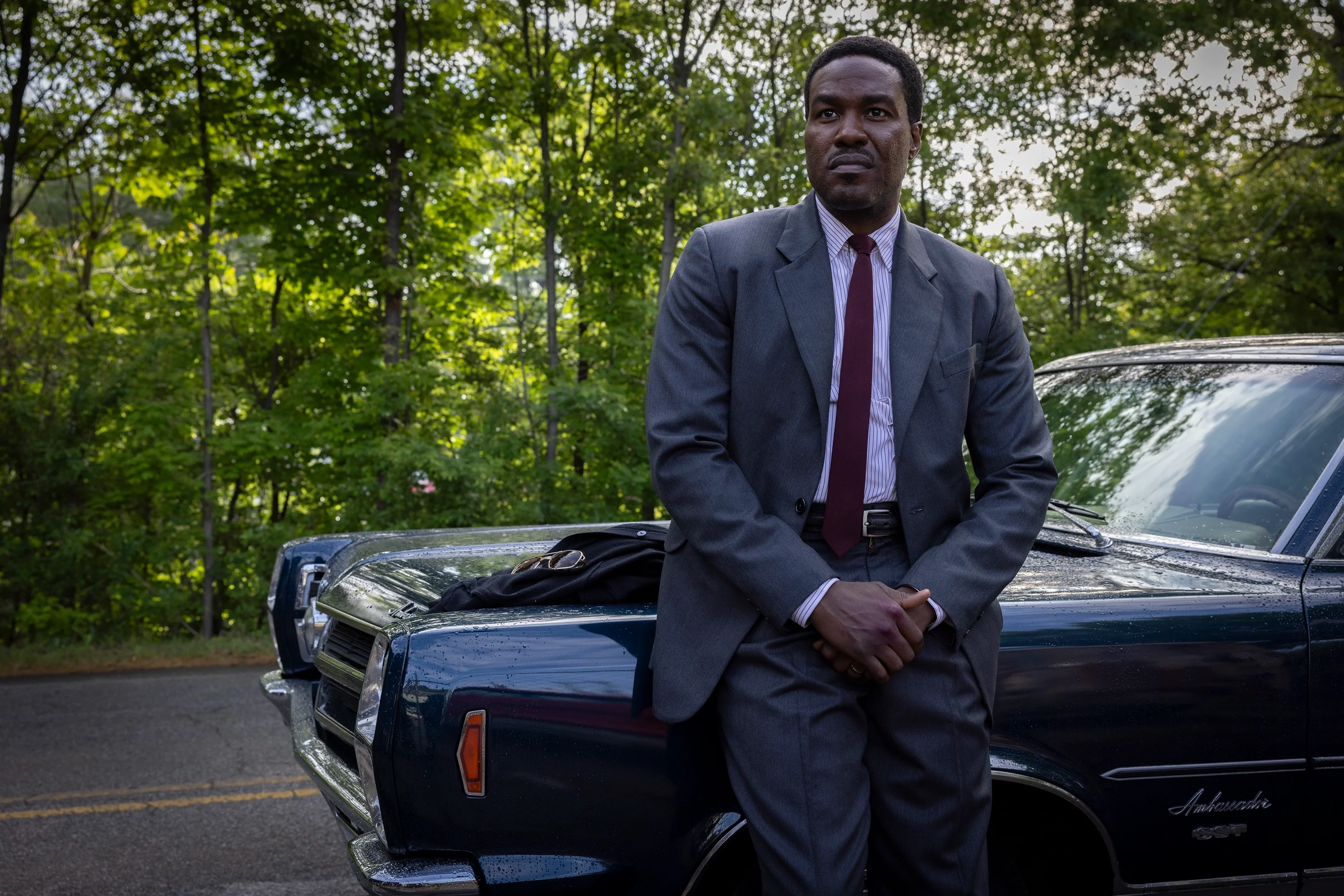
Wayne’s restraint is more interesting than Scarpa’s noise. The best scenes let the two men disagree without turning either one into a lecture. Scarpa reads Wayne’s rules as weakness. Wayne sees Scarpa as a criminal who has never had to live under the same danger. Their arguments also reveal the limits of the partnership. Scarpa can leave Mississippi when the job is done. Wayne and Allison have to remain in a community where every threat can reach their home.
Nicole Beharie makes Allison feel essential even when the script leaves her outside the investigation. She gives Wayne a private space where his public control can fall away. Allison also understands the local stakes and the danger of treating Mississippi as a temporary assignment. Her scenes show what Wayne’s choices can cost at home. The role deserves more time, especially once Scarpa’s methods begin affecting people who never agreed to the operation.
Beharie and Abdul-Mateen have a quiet connection that the louder scenes cannot replace. A look across a room or a short argument can show how much Wayne is withholding. The film repeatedly returns to gunfire, chases, and Scarpa’s jokes when these domestic scenes are doing more useful work. Allison is not simply a worried spouse. She is the person most able to see when Wayne is changing and least able to stop the institution that is changing him.
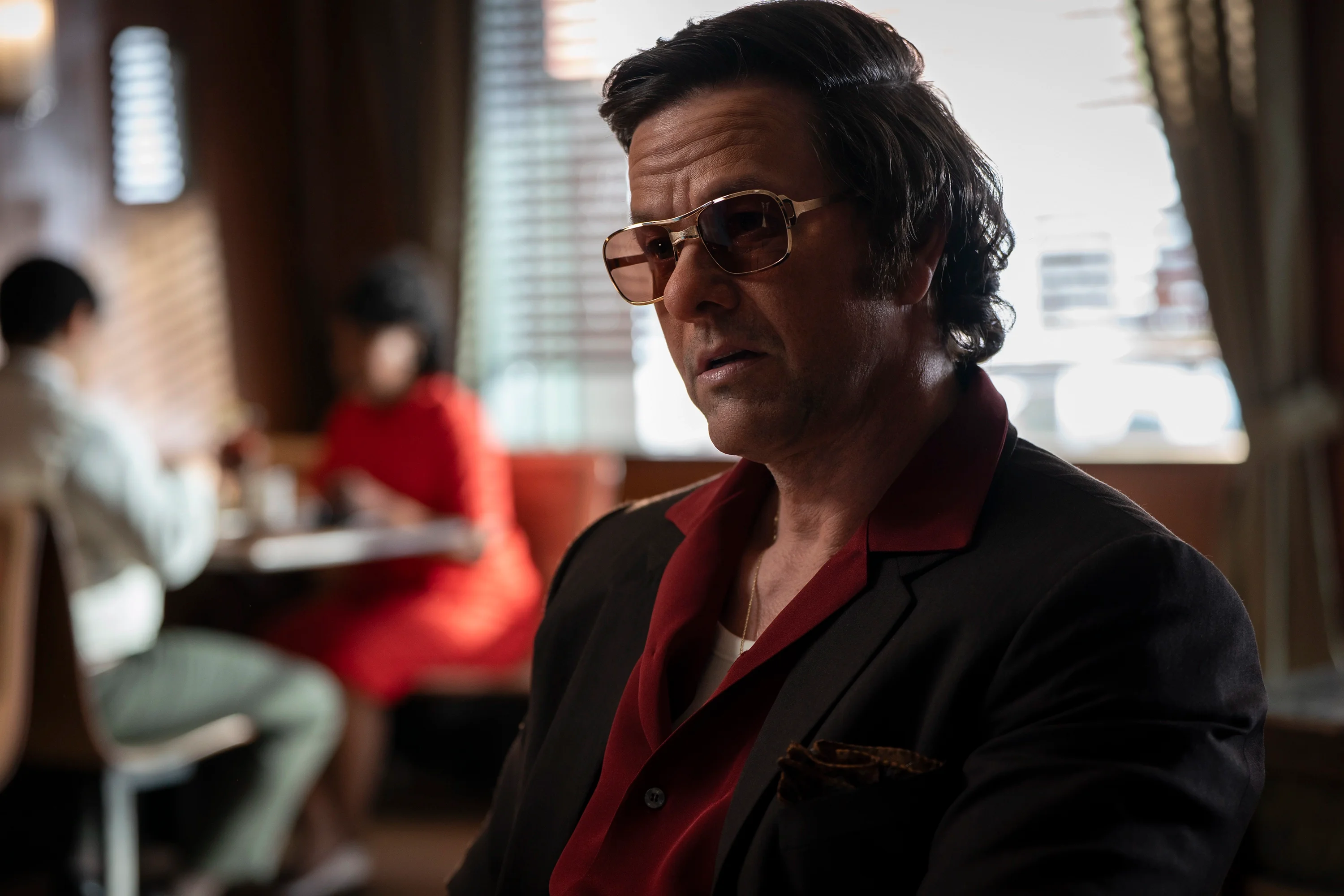
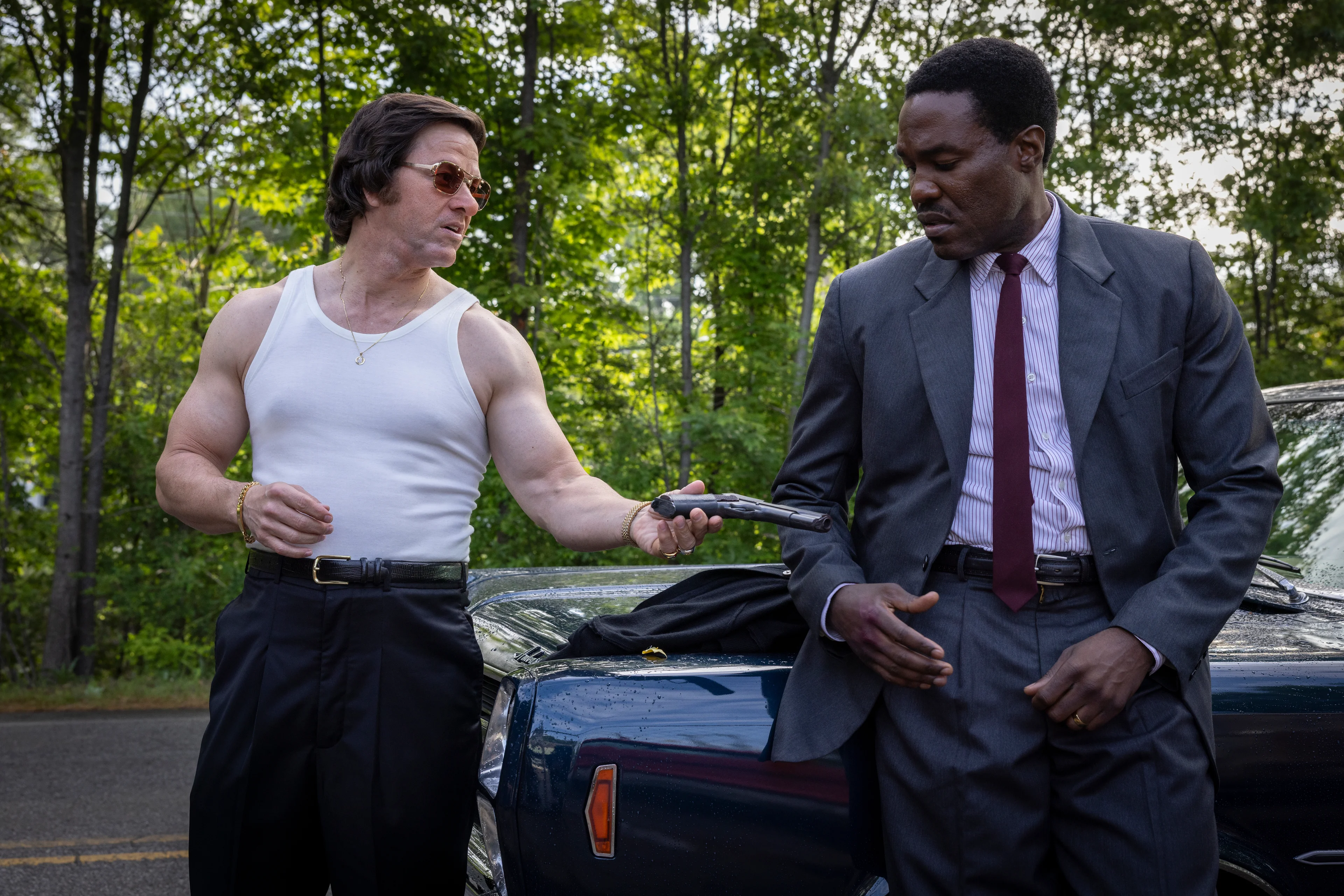
Mark Wahlberg plays Scarpa so broadly that the performance often becomes the scene. The tinted glasses, toothpick, hair, undershirt, accent, and prosthetic nose all announce him before he acts. Wahlberg can be funny when Scarpa treats Mississippi manners as pointless. He can also be threatening because Scarpa never pretends his violence is noble. The problem is amount. So many visible choices compete for attention that Scarpa sometimes looks like an impression standing beside Abdul-Mateen’s more careful performance.
The pairing still works often enough to keep the movie moving. Scarpa pushes every conversation toward immediate action, while Wayne asks what that action will damage later. Their physical difference, clothes, speech, and behavior make the contrast clear before either man explains it. A mid-film fight turns their anger into direct physical conflict. That moment is effective because the disagreement has already been visible in smaller exchanges. The movie needs more of that pressure and fewer reminders that the men are opposites.
The period detail is stronger than the moral argument
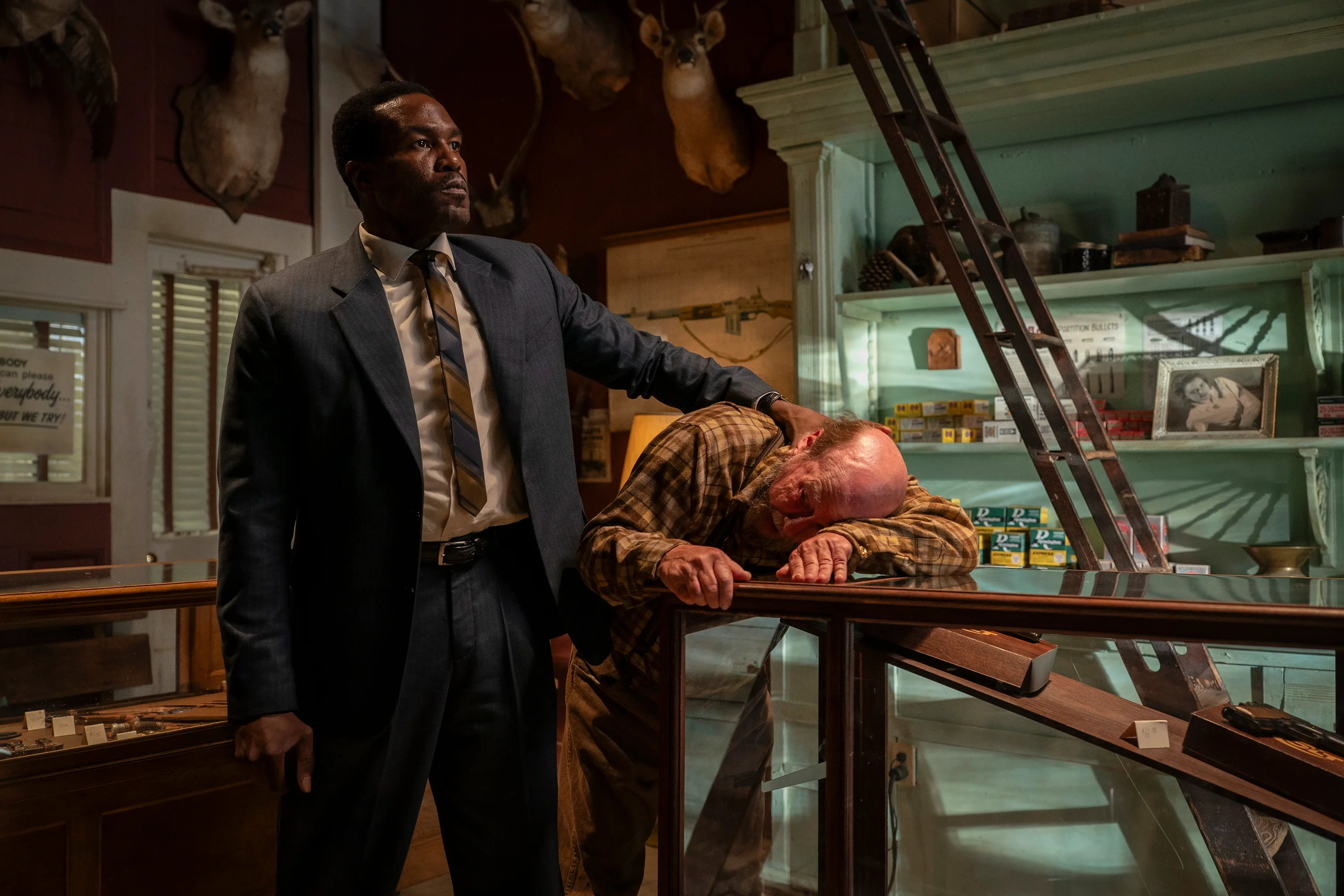
The cars, costumes, and warm color give 1966 a clear physical presence. Large chrome vehicles fill roads and parking areas. Wayne’s suits remain controlled while Scarpa’s open shirts and sunglasses make him look imported from another world. Homes, diners, offices, and gun shops have different colors and levels of light. Bratton and cinematographer Topher Osborn use those places to keep conversations visually active even when the script repeats information.
Music helps connect the crime story to the period without reducing every scene to a history lesson. Songs by Nina Simone, Ray Charles, Dinah Washington, and Curtis Mayfield sit beside a more emotional score. The familiar music gives the movie movement and scale. The score is less disciplined. It sometimes tells the audience exactly when to feel grief or anger after the actors and images have already made the point. The same urge to underline meaning appears in dialogue and repeated visual signs.
Bratton directs violence with blunt force. Scarpa’s baseball bat is introduced before the central case, so the audience knows what kind of help the FBI is buying. Later attacks use broken bones, guns, and bloody faces to make intimidation impossible to ignore. The action is easy to follow, and the 107-minute running time keeps most scenes from staying too long. The directness works as thriller construction. It is harder to accept when the film presents each beating as both proof of corruption and a satisfying solution.
The movie understands the appeal of violent payback better than its consequences. Watching Klansmen lose control can be cathartic, especially after the film has shown police, employers, and officials protecting them. But the FBI is not an innocent observer. It authorizes Scarpa, keeps Wayne close enough to make the operation useful, and can separate itself from the damage. The story identifies that arrangement, then spends more energy on the release of each attack than on the power that arranged it.
Wayne is a fictional composite, while Greg Scarpa and Vernon Dahmer were real people. That difference should guide how the movie handles every major choice. Dahmer was a Mississippi businessman and civil-rights leader targeted for helping Black citizens vote. Scarpa was a Mafia killer used as an FBI informant. Wayne combines experiences of Black agents rather than representing one documented person. The film states its connection to true events, but the thriller structure can make invented choices look like settled history.
Giancarlo Esposito gives Dahmer authority quickly, and LaChanze gives Hattie Dahmer grief and determination after the attack. LisaGay Hamilton brings equal force to a key witness. These performances keep the case connected to people instead of clues. They also expose the movie’s imbalance. The women and community members carry the immediate risk, yet the script keeps returning to what Wayne and Scarpa learn from hurting suspects. A better version would give more space to the people whose testimony and survival make the investigation necessary.
The script often explains a point after the scene has already shown it. Racist signs receive extra emphasis. Characters repeat the difference between lawful action and necessary action. Wayne’s changing position is described when Abdul-Mateen has already made it visible in his posture and decisions. These reminders make the film feel less confident than its images. They also reduce room for disagreement. Instead of letting the audience remain uncomfortable about Scarpa, the story keeps arranging moments that make his methods seem practical.
That simplification weakens the central question. Nonviolent resistance is not presented with the same detail as violent interrogation. Legal procedure is shown mainly through obstruction. Scarpa’s beatings produce movement, information, or fear. The imbalance makes the answer predictable before Wayne accepts it. The film could still argue that force became necessary, but it would need to show who controls that force, who pays for it, and what happens when the government uses a criminal to do what its own agents cannot admit.
The final act is violent but stops too quickly
The action grows larger as Wayne moves closer to Scarpa’s methods. Car chases, armed confrontations, and physical attacks replace the early arguments. Bratton generally keeps positions clear and lets the period vehicles add weight to movement. The violence is rated R and can be bloody, but it is not confusing. The weakest action choice is a sudden first-person gun shot that briefly makes the movie look like a video game. Nothing around it uses the same point of view, so the change feels added for impact rather than required by Wayne’s experience.
The first-person gun shot is a bad fit for the rest of the film. By Any Means has built its strongest scenes around faces, distance, and the difference between watching violence and committing it. Moving the camera into a shooter’s eyes removes that distance at the exact moment the film should make Wayne’s choice harder to read. The image is energetic, but it is less revealing than Abdul-Mateen’s reaction would have been.
Scarpa offering Wayne a gun is a stronger image because it preserves the decision between them. Scarpa presents force as a tool. Wayne understands that taking it changes more than the next confrontation. Abdul-Mateen can show fear, anger, and calculation without a speech. Wahlberg becomes more effective when he stops adding comic behavior and simply waits. The movie briefly allows both men to be quiet, and the moral problem becomes clearer than it is during the larger action.
The ending closes the case faster than it closes Wayne’s moral conflict. The last stretch delivers blood and movement, then moves toward official resolution before the consequences can spread through Wayne’s career, marriage, or community. The investigation may reach an answer, but the film’s larger questions remain open. That can be deliberate in a historical drama. Here it feels incomplete because the script has repeatedly promised that Wayne’s choice between law and violence is the story’s main test.
Supporting characters are affected by the final decisions without receiving equal time afterward. Allison has seen the pressure on Wayne but gets limited space to respond. The Dahmer family and the witnesses remain connected to a loss that cannot be repaired by an arrest. The FBI can present a result while hiding the illegal work behind it. These are not side issues. They are the reason the Scarpa arrangement is troubling. The movie reaches them and then leaves before they become a full ending.
The quick conclusion also reduces Scarpa. He begins as a criminal whose usefulness does not erase the danger he brings. By the end, the movie has spent so much time making his violence productive that his role becomes easier to celebrate. Wahlberg’s broad performance helps create that effect because Scarpa is often the funniest and most active person in the room. The film needed one more direct confrontation with what the FBI enabled, not another reminder that Scarpa gets results.
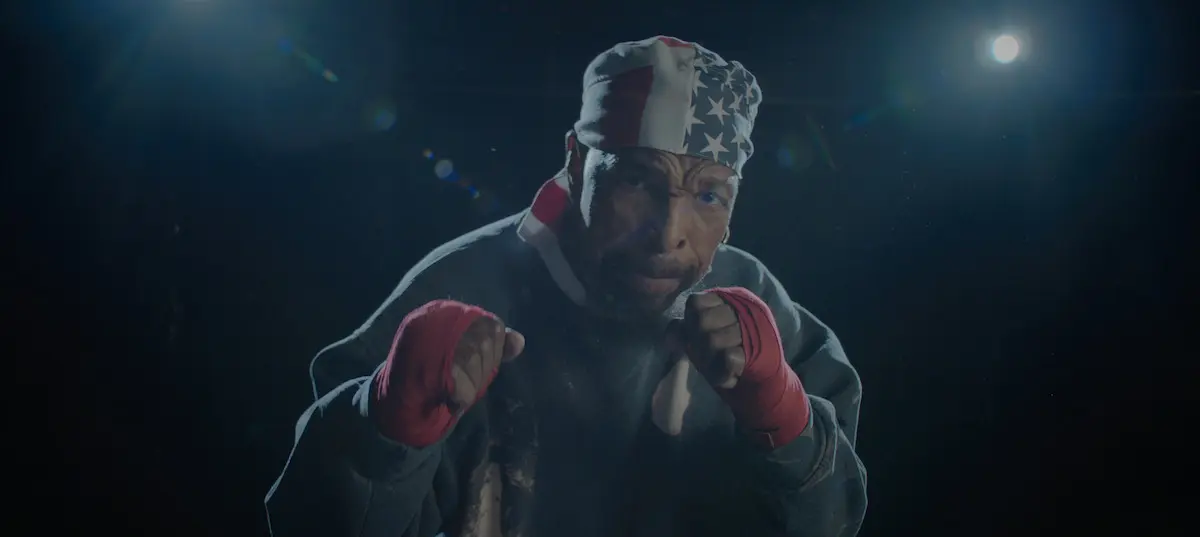
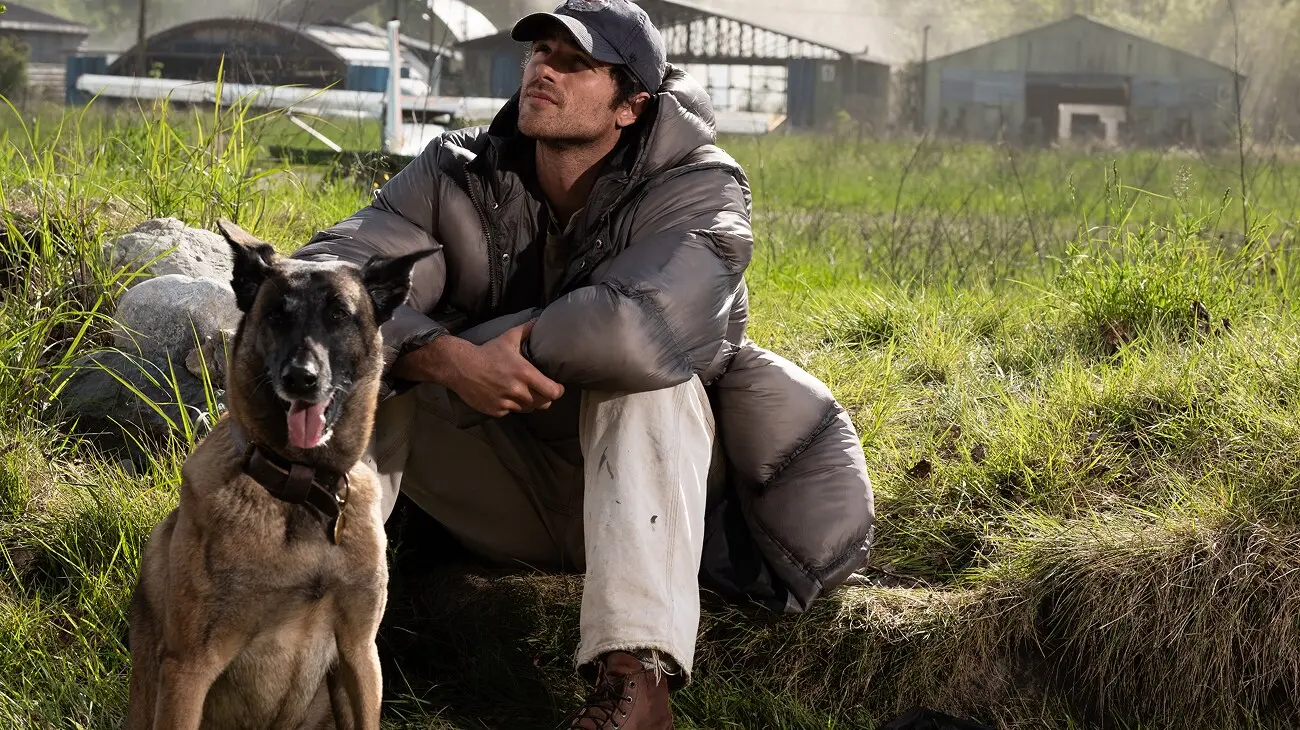
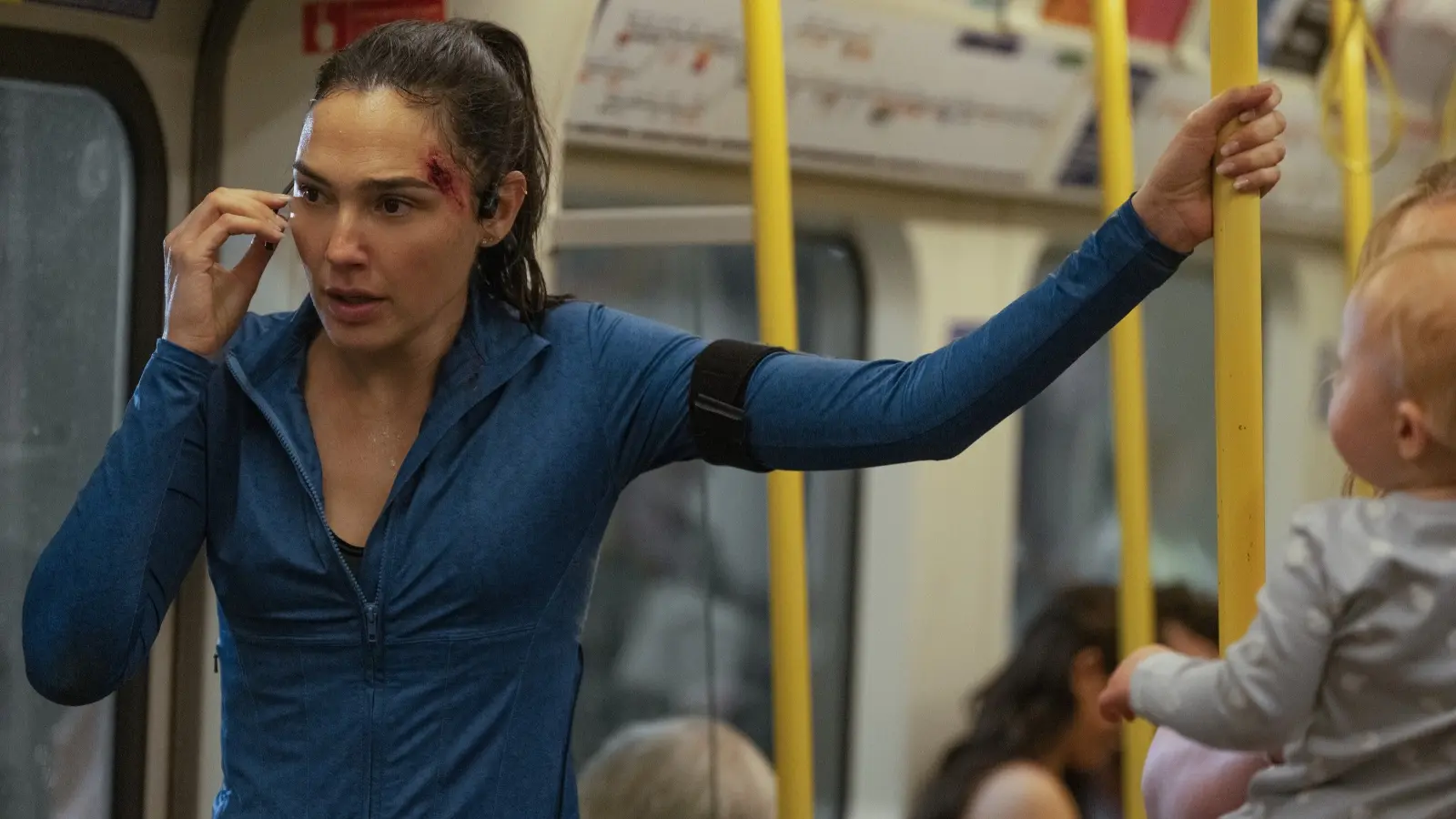
By Any Means official stills and trailer frames
5 screenshotsViewers who want a violent historical buddy thriller will find a fast pace, strong lead work, good period detail, and several forceful confrontations. Anyone expecting a careful account of the Vernon Dahmer investigation should treat the true-story framing cautiously. Wayne is not a single documented agent, and the film rearranges history into a two-man crime story. The movie is most useful when it encourages interest in Dahmer and the real case, not when its dramatic choices are taken as a complete record.
A 6.6/10 score fits a strong lead inside an uneven historical thriller. Abdul-Mateen gives Wayne enough thought and restraint to support a better movie. Beharie makes the family scenes matter, and the period images remain attractive. Wahlberg can be entertaining, but his Scarpa is often too loud for the material. The largest problem is the script: it turns government failure into violent catharsis, then ends before that choice creates the difficult consequences it promised.
By Any Means opened in U.S. theaters on September 4, 2026. The studio has not announced a subscription streaming date. For the confirmed release, cast, story, and official trailer, read the By Any Means release guide.