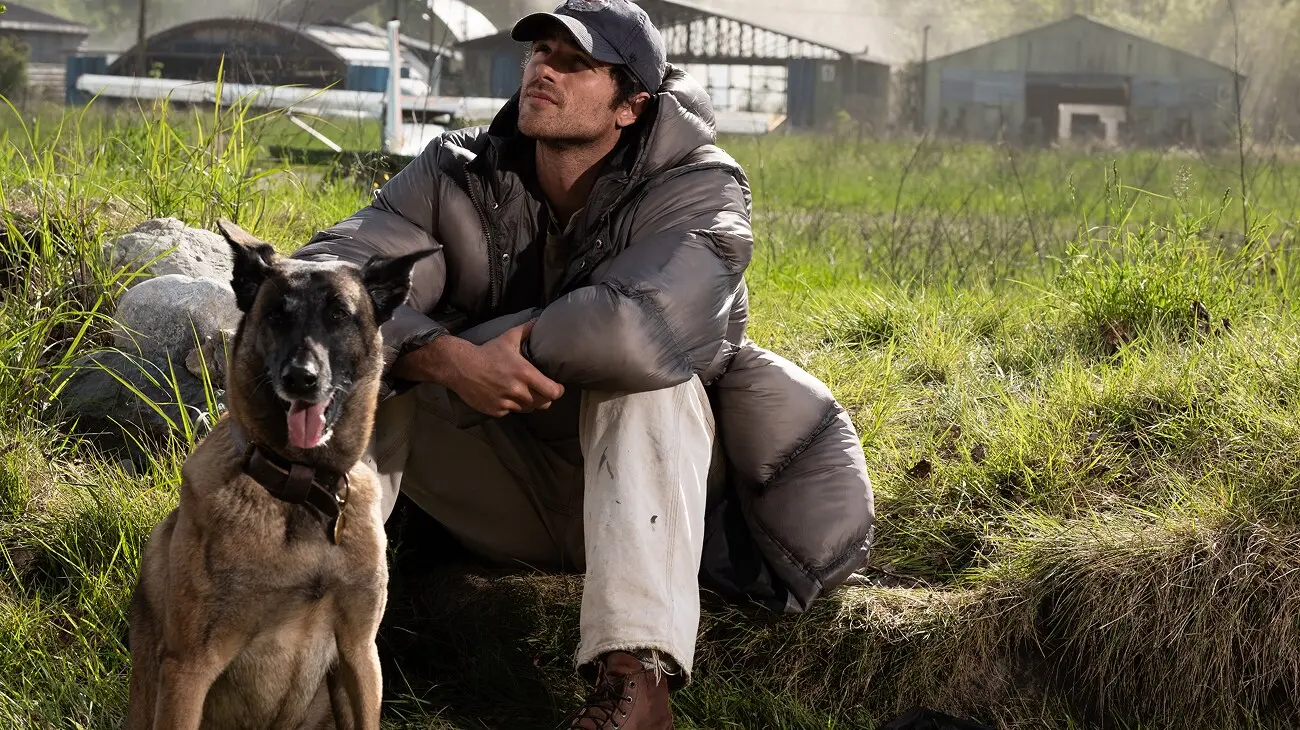

Onslaught has a simple promise. Three genetically engineered soldiers escape from a desert facility and move toward a trailer park. Celeste, a former Army sniper, must protect her young daughter and the people who live around her. The movie has rifles, masks, a chainsaw, a secret military program, and a lead character who knows how to fight. Those parts should produce a fast siege. Instead, director Adam Wingard spends much of the movie preparing the attack and gives the attack itself less time than it needs.
Adria Arjona is the clear reason Onslaught works. She plays Celeste as someone whose training never left her, even though ordinary life has become difficult. Celeste can judge distance, handle a weapon, and react quickly under pressure. She is much less comfortable when her ex-husband unexpectedly leaves their daughter Daisy with her for the weekend. Arjona makes those two sides of the character fit together without a long speech explaining either one.
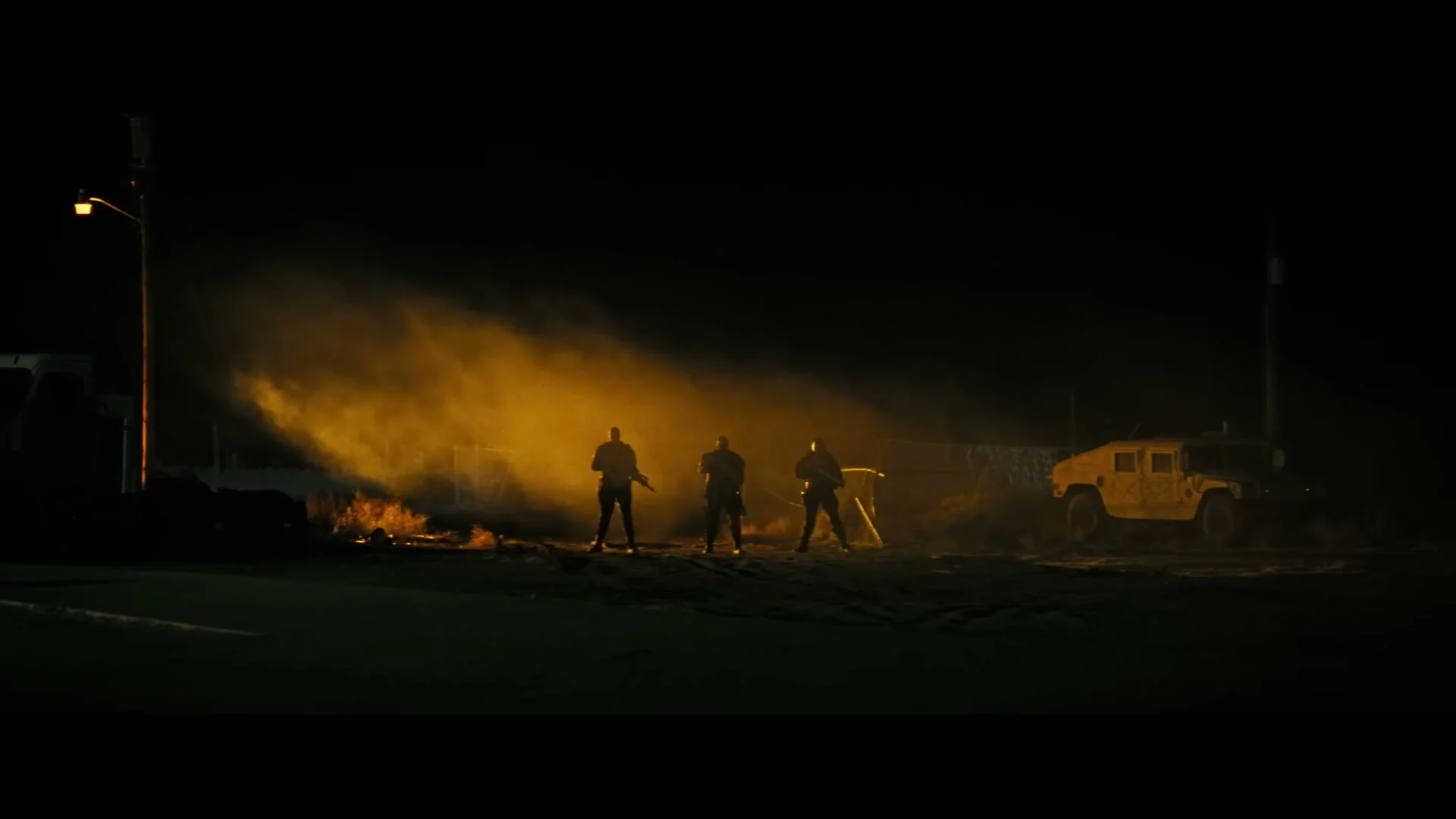
The result is a good but uneven action-horror movie. Onslaught looks expensive for a smaller A24 production, and its best night scenes make three large men walking through smoke feel more dangerous than a larger digital army. It also has a direct lead performance and several nasty ideas. The problem is timing. Too many characters and government details enter before the trailer park becomes the center of the movie, while the last confrontation ends before the threat can fully develop.
Adria Arjona makes Celeste believable before the shooting starts
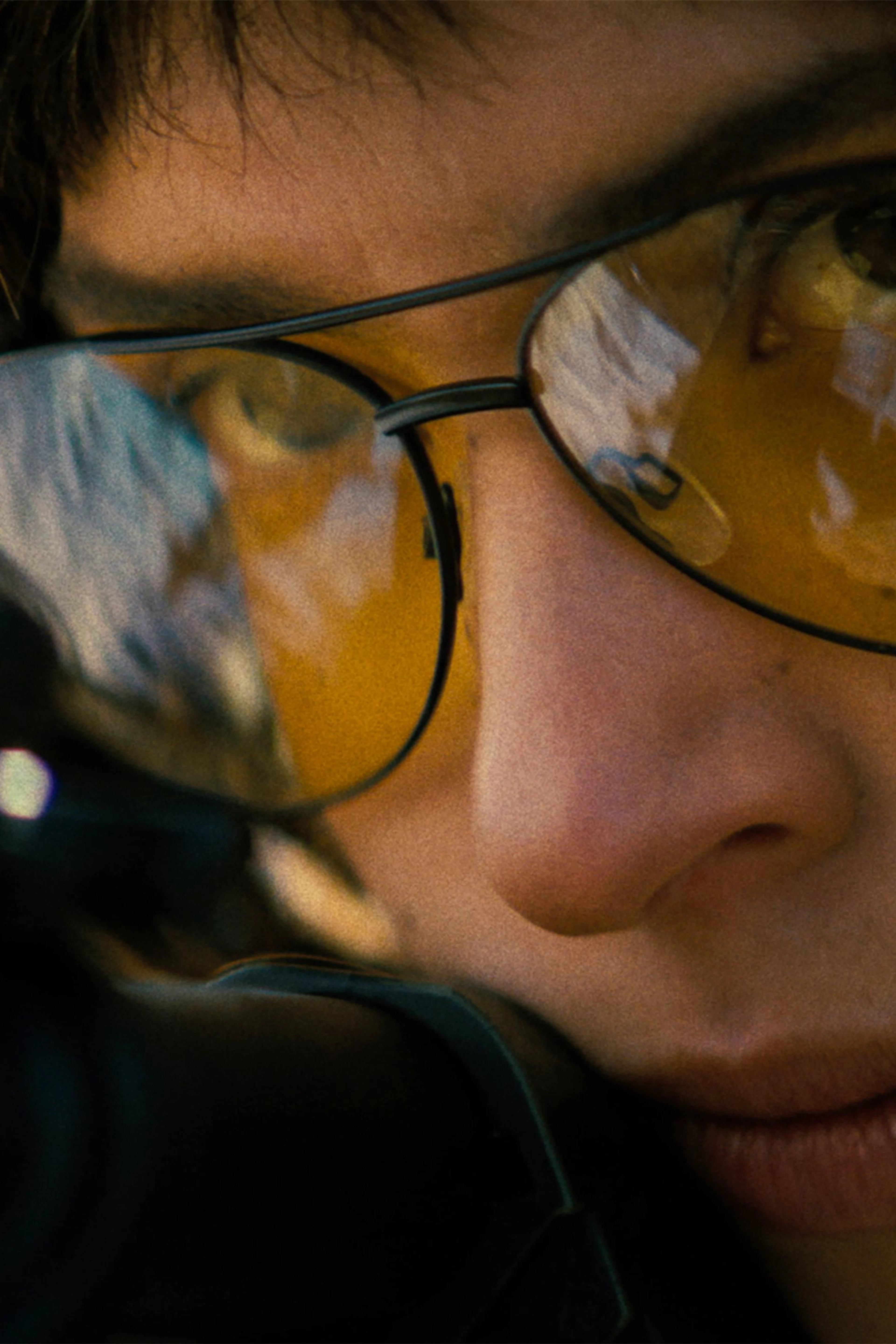
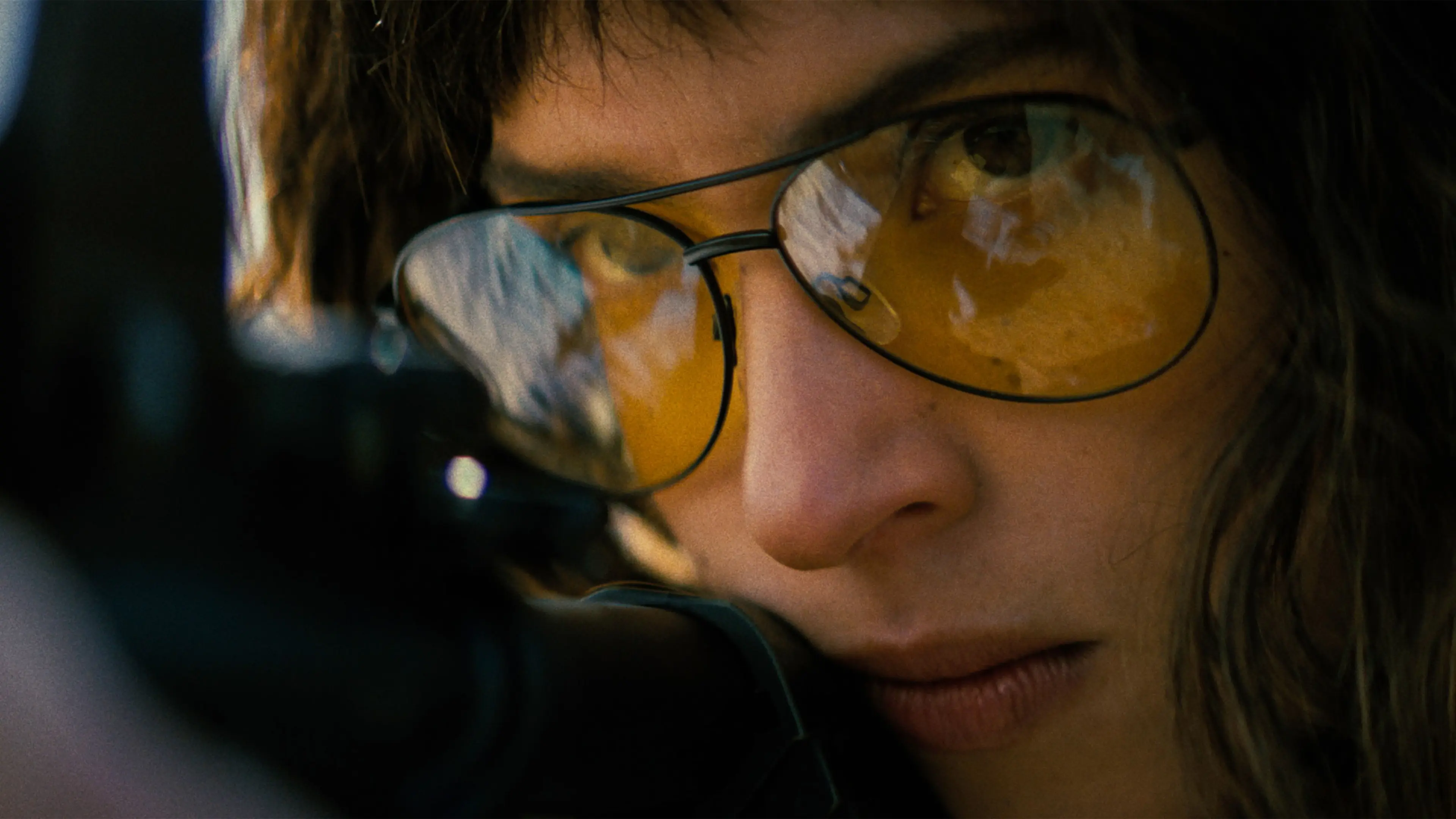
Celeste first appears practicing with a powerful rifle and destroying pumpkins in the desert. The scene tells the audience that she is prepared without pretending she is stable. Black-and-white combat memories interrupt the present, and her home life shows a veteran who has separated herself from most people. She manages the Windy Oasis trailer park, keeps weapons close, and has built a routine that does not require much emotional openness.
Celeste's awkward time with Daisy gives the violence a clear personal cost. Daisy arrives without warning, and Celeste has to switch from isolated veteran to active parent. She does not suddenly become warm or skilled at the job. Their conversation in the vehicle, the small argument over food, and Celeste teaching Daisy how to eat a burrito all show a mother trying to reconnect through practical actions. The scenes are short, but they give Celeste something specific to lose before the soldiers reach her home.
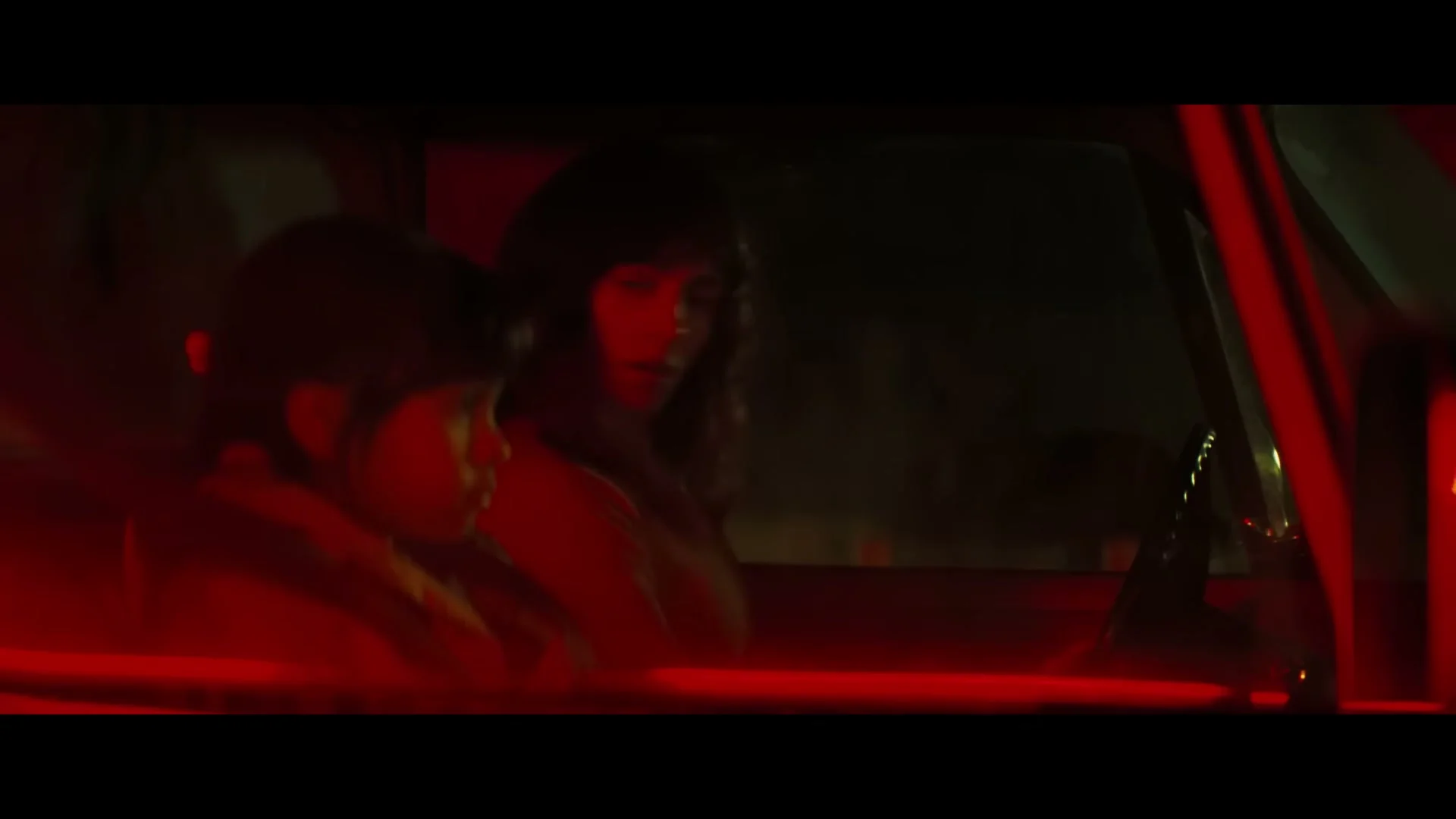
Arjona is especially good when Celeste has to make decisions faster than she can discuss them. Her body becomes more controlled as danger gets closer. She checks exits, keeps Daisy behind her, and handles weapons as tools instead of action-star decorations. The movie does not need to stop and announce that Celeste is capable. Arjona shows it through where she looks, how she stands, and how quickly fear turns into a plan.
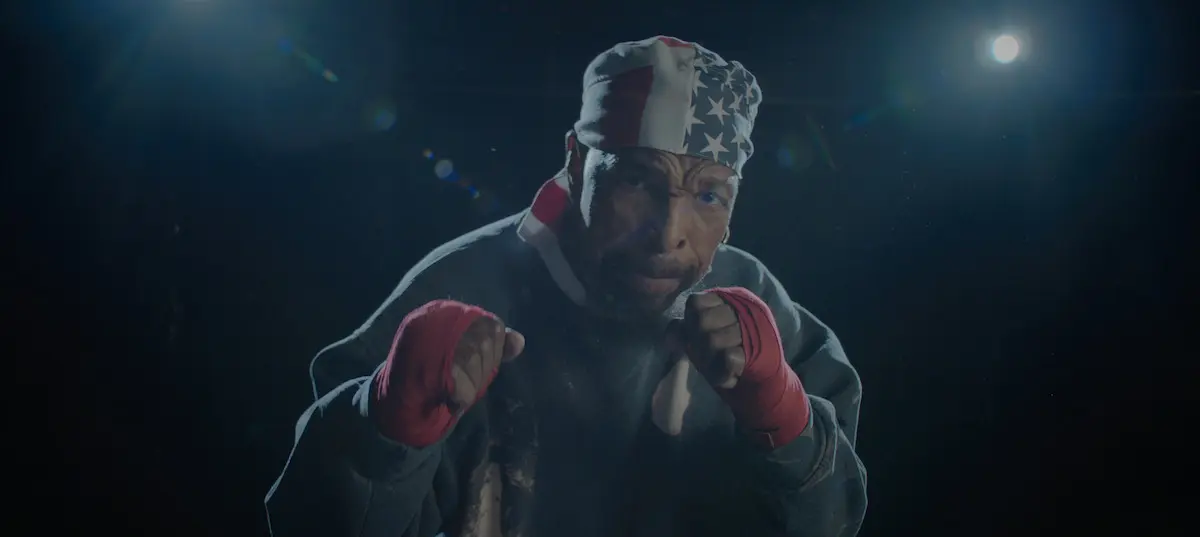
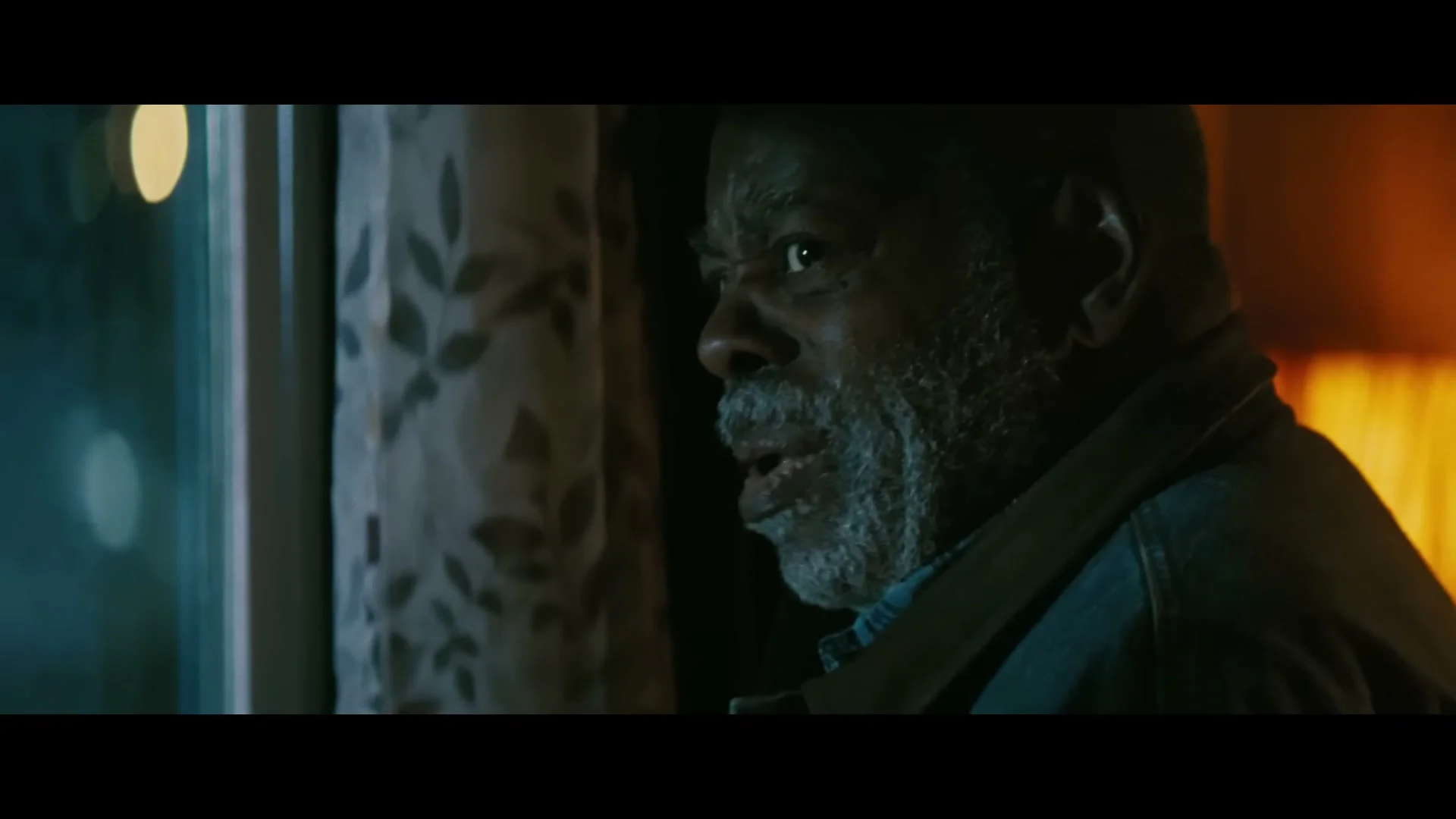
The trailer-park neighbors make the setting feel like a small community. Josiah, played by Reginald VelJohnson, understands Celeste as another veteran and brings calm to the group. Kovacks, played by Eric Wareheim, is a loud local police officer whose complaints make the park feel less orderly. These people are not a trained team. They are residents with old weapons, personal problems, and only a short warning before something much stronger arrives.
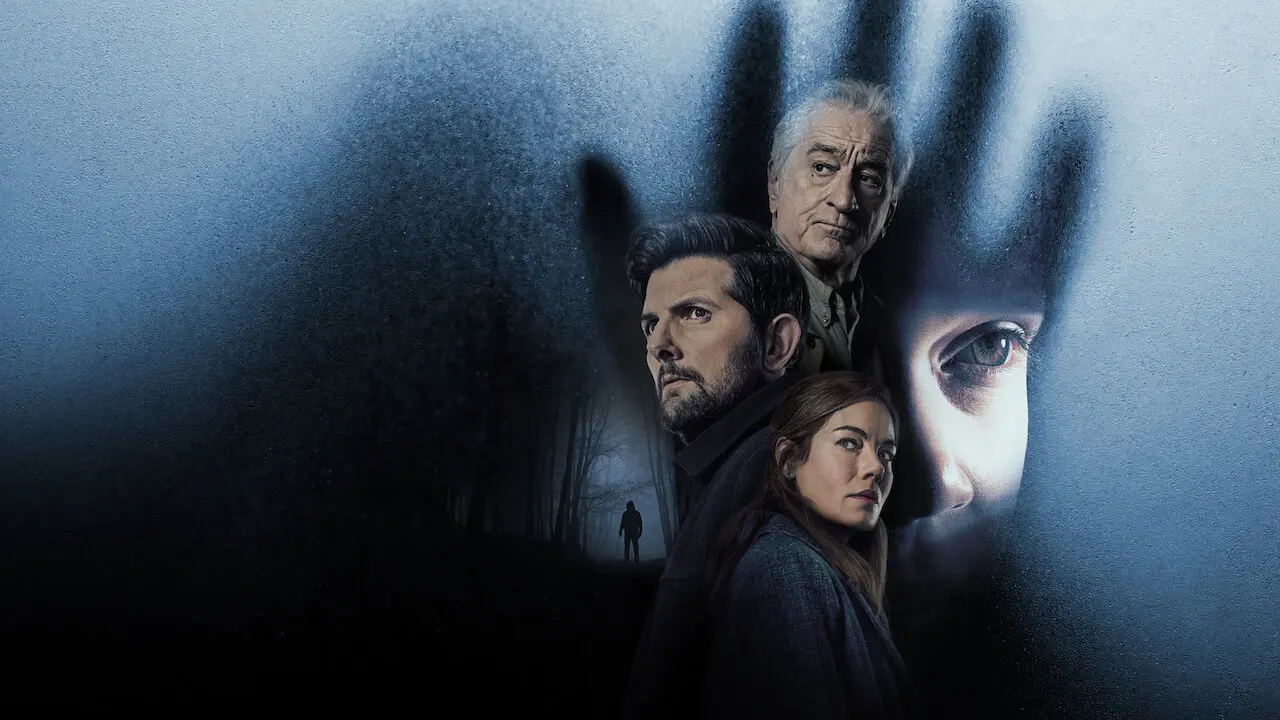
The cast around Celeste is lively, but the script does not give everyone enough useful time. Dan Stevens plays scientist Hans Kammler with exaggerated confidence and cruelty. Rebecca Hall appears as his equally cold partner, while Drew Starkey plays Cyrus, a relaxed cleanup agent sent after the escaped soldiers. Their strange behavior fits a movie that wants military horror to become dark comedy. Each introduction is entertaining on its own. Together, they pull attention away from Celeste and Daisy before the main attack.
That imbalance matters because Arjona and Daisy actress Blake Kennedy already supply a clear relationship. A few more quiet minutes with them, Josiah, and the other residents would make every later danger more painful. The movie instead spends long stretches explaining how the soldiers were made and introducing people who may disappear quickly. Celeste remains convincing, but the people around her often feel like setups for violence rather than people the audience has learned to know.
The desert at night looks better than the story
The nighttime desert photography is the movie's strongest technical achievement. Cinematographer Oren Soffer uses darkness without turning every frame into a black screen. The fuel stop is bright white, vehicle interiors glow red, and the trailer park sits in cold blue light. These colors separate locations and help the audience understand where danger is moving. Wide shots keep the desert open around the characters, while fog and dust give the soldiers something visible to step through.
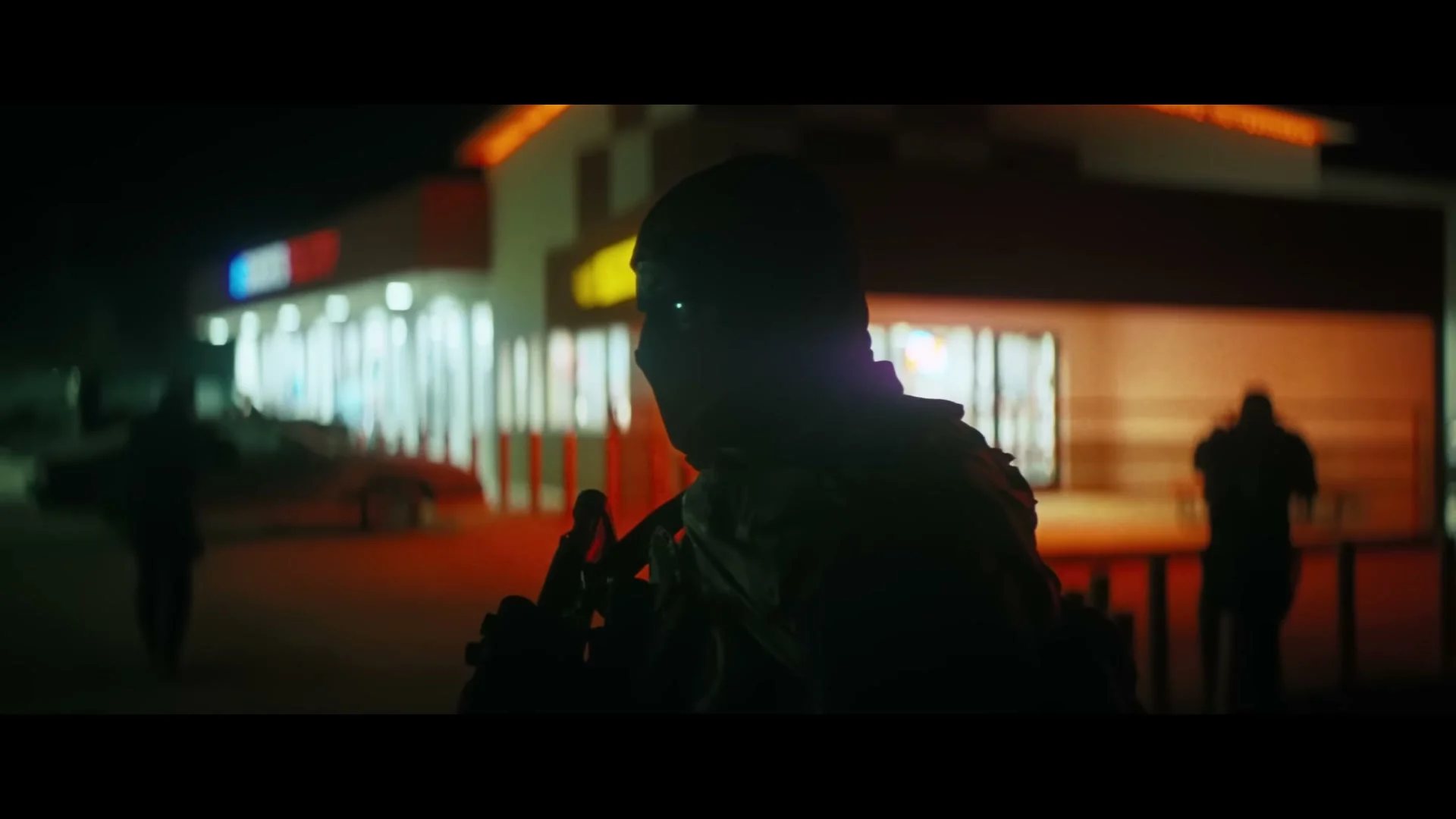
Wingard filmed in New Mexico, where the flat land and distant lights make the attack easy to follow. The movie does not need a large city or a crowded military base to create scale. Three figures crossing an empty road can take up the whole image because nothing else blocks them. A low building, a line of parked vehicles, or a single trailer becomes a clear target. The locations keep the production focused even when the script adds more people than it can support.
The super soldiers are most frightening when they move slowly and let their size fill the frame. Kammler calls them the Butcher, the Cockroach, and the Crybaby, but their nicknames matter less than their physical presence. They wear masks, rarely speak, and continue moving after attacks that would stop an ordinary person. At the same time, they use rifles and work with military coordination. That combination lets them look like slasher killers without forgetting that people designed and trained them.
Viewers who know Halloween, Assault on Precinct 13, or The Terminator will recognize the basic pieces. Onslaught does not hide those influences. The opening target practice uses pumpkins, the masked soldiers approach like killers who cannot be stopped, and Celeste becomes a parent protecting a child from a weapon made by other people. The movie is strongest when it turns those familiar pieces into a clean image or a direct chase. It is weaker when it pauses to remind the audience where those ideas came from.
The fuel-stop attack is the best example of the movie mixing action and horror. The store is overlit and exposed, so the violence cannot hide in a dark corner. The soldiers bring military weapons into an ordinary place and make every person inside look unprepared. The scene also shows why their silence works. They do not argue, threaten, or explain. They enter, choose targets, and continue. That direct movement is more disturbing than the long laboratory explanation that introduces them.
The action is usually easy to read. Wingard lets the audience see where Celeste, Daisy, the residents, and the soldiers stand before bullets start moving. The chainsaw adds a louder slasher image, while rifles and barricades keep the fight connected to the siege premise. Onslaught is violent and rated R, but it does not turn every death into a long display. Some attacks are blunt and ugly. Others happen quickly or outside the center of the frame. That uneven amount of detail can reduce the impact of scenes that are meant to be the movie’s biggest shocks.
Sound helps the soldiers feel heavy. Gunfire is sharp, engines and footsteps announce movement, and quieter moments allow a distant threat to become noticeable. The music supports the 1980s action-horror influence without making the movie feel like a comedy. The visual and audio work are controlled enough that the final battle should be the easiest part to deliver. The disappointment comes from how little time remains once all these tools finally meet at the trailer park.
Onslaught official trailer frames
5 screenshotsThe trailer-park siege starts too late
The main problem is simple: the siege begins too late. An onscreen countdown creates the expectation that pressure will increase as the soldiers get closer. The movie keeps cutting between Celeste, Kammler, Cyrus, the soldiers, and people who cross their path. Some of those scenes are funny or disturbing. They do not build the same urgent line. By the time Celeste understands the full threat and prepares to fight, the story has already spent much of its running time away from the confrontation promised by the title.
Kammler and his partner explain the military experiment with enough detail to identify the threat. The script continues after that point, adding behavior and jokes that do not change what the soldiers can do. Cyrus receives a full entrance and a strong comic attitude, but his job in the story is smaller than the time used to introduce him. The same problem reaches the trailer-park residents. The movie gives them recognizable faces and habits, then moves too quickly when they need plans, disagreements, and chances to help Celeste.
Several supporting characters receive long introductions and short payoffs. That choice hurts both sides of the movie. The opening feels slower because the audience waits for the soldiers to reach Celeste. The ending feels smaller because people who could create different problems are removed or pushed aside before the siege becomes complex. A stronger version would either shorten the government material or keep more residents active during the attack. Onslaught tries to do both groups and leaves each one incomplete.
Onslaught promises a large attack but delivers a short final stretch. Celeste gets the weapons and physical action the setup promised, and Arjona handles those moments with force. The soldiers remain imposing when they break through doors or continue after being hit. The battle does not keep adding new choices, locations, or reversals. It reaches a strong level of danger and then moves toward its ending before the trailer park can become a full battlefield.
The military criticism is easier to understand through the characters than through speeches. The government and its contractors turn soldiers into weapons. Veterans such as Celeste and Josiah live with what service did to them, while the officials responsible for the experiment focus on cleanup. The movie shows wounded people being used, discarded, and placed near civilians who receive no warning. That is a direct and useful conflict. It becomes less clear when the story also treats the soldiers mainly as exciting targets for gunfire.
Wingard described Onslaught as a return to smaller filmmaking after years of large studio projects. The finished movie does look personal. New Mexico, the practical locations, the ugly weapons, and the mix of humor and violence are more specific than a generic streaming action movie. The smaller size is not the problem. Assault on Precinct 13 proved that a few defenders in one location can create sustained pressure. Onslaught simply spends too little of its time using the location and group it prepared.
Viewers who want a grimy action-horror throwback will get more from Onslaught than viewers expecting nonstop combat. The movie has an effective lead, clean nighttime images, disturbing soldiers, and several violent bursts. It also asks the audience to enjoy long introductions, strange side characters, and deliberate references before the central fight begins. Anyone watching mainly for Arjona will find enough to recommend. Anyone watching for a relentless siege should lower that expectation.
A 7.2/10 score fits a movie with a strong lead, memorable images, and an underpowered payoff. Arjona proves she can control an action movie without losing Celeste’s uncertainty as a mother. Soffer gives the desert, fuel stop, and trailer park a clear nighttime look. The soldiers are easy to recognize and frightening when the camera lets them approach. The long setup and short final battle prevent those strengths from becoming a better complete movie.
Onslaught opened in U.S. theaters on September 4, 2026. Digital stores currently offer preorders, but the official page does not list a playback date or subscription streaming service. See the current guide to how to watch Onslaught for the latest confirmed theater and home-release status.