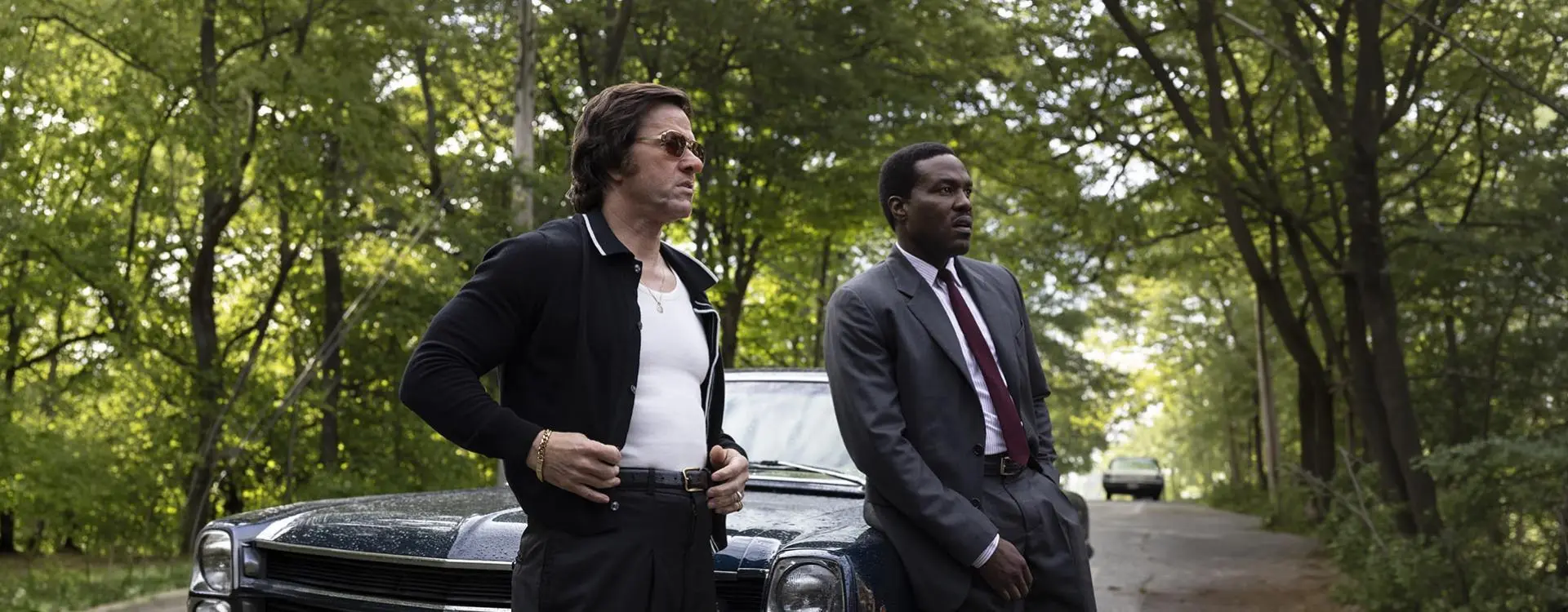
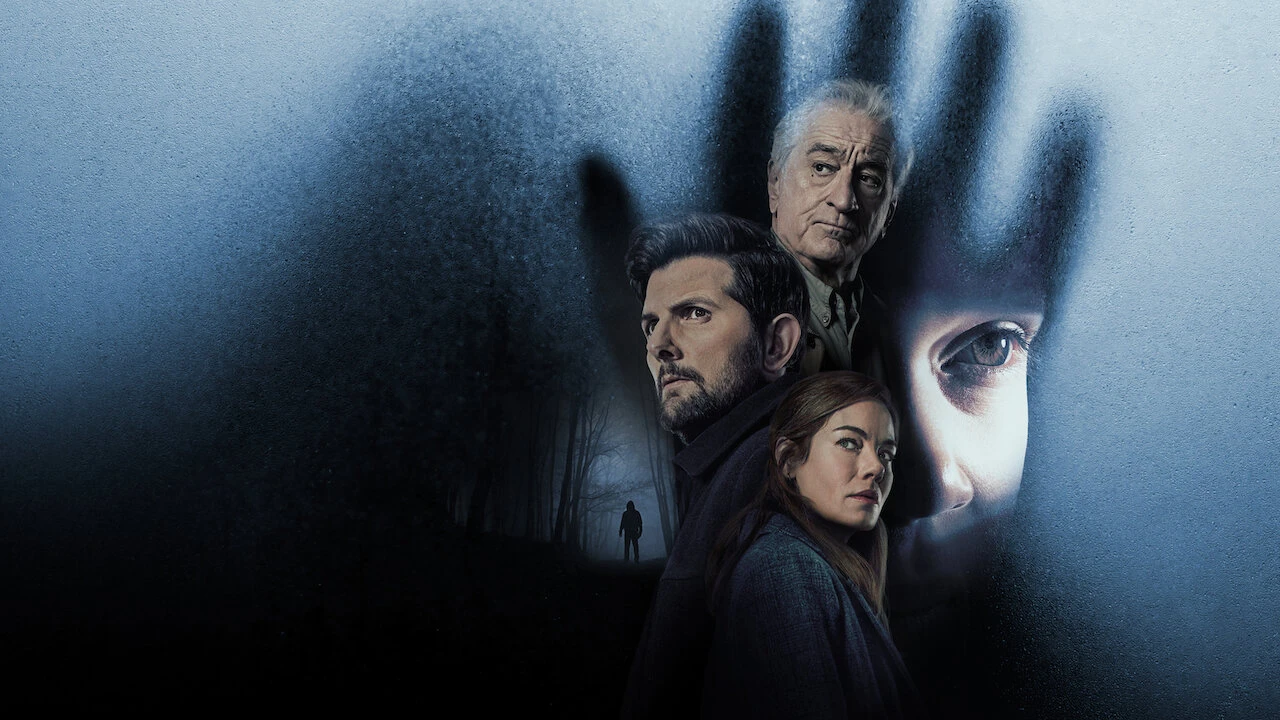
The Whisper Man begins with a missing child and an old case that should already be closed. Tom Kennedy is a widowed writer raising his eight-year-old son, Jake. When Jake is abducted, Tom asks his estranged father, Pete Willis, for help. Pete is a retired detective who caught the child killer called the Whisper Man more than a decade earlier. The problem is obvious: that man is still in prison, but the new crime follows his pattern.
James Ashcroft directs the 114-minute Netflix thriller from a screenplay by Ben Jacoby and Chase Palmer, based on Alex North’s novel. The story has two connected questions. Who took Jake, and can Tom trust the father he has spent years avoiding? The second question is stronger. The investigation repeats information and points at several clues too clearly, while the family scenes let Robert De Niro and Adam Scott show years of anger without explaining every detail in one speech.
The film has a gloomy house, a cold police station, cassette tapes, an old prisoner, and a child who hears a frightening rhyme. Those pieces create the right setting for a dark mystery. They do not hide the answer well enough. The movie is better at showing damaged fathers than hiding its killer. A 6.3 score fits a capable thriller whose cast keeps it watchable after the puzzle becomes easy to read.
The fathers and sons make the story matter
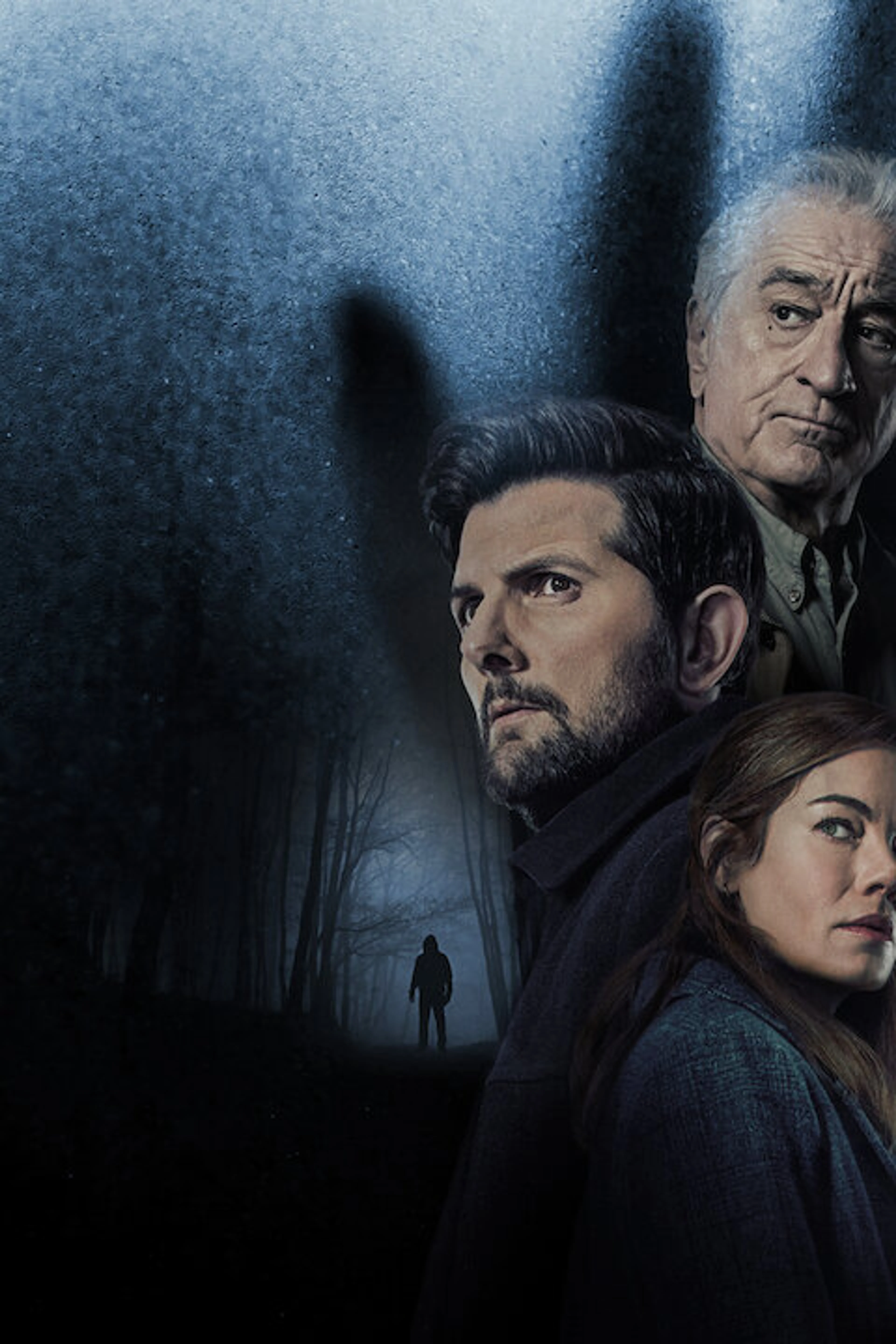
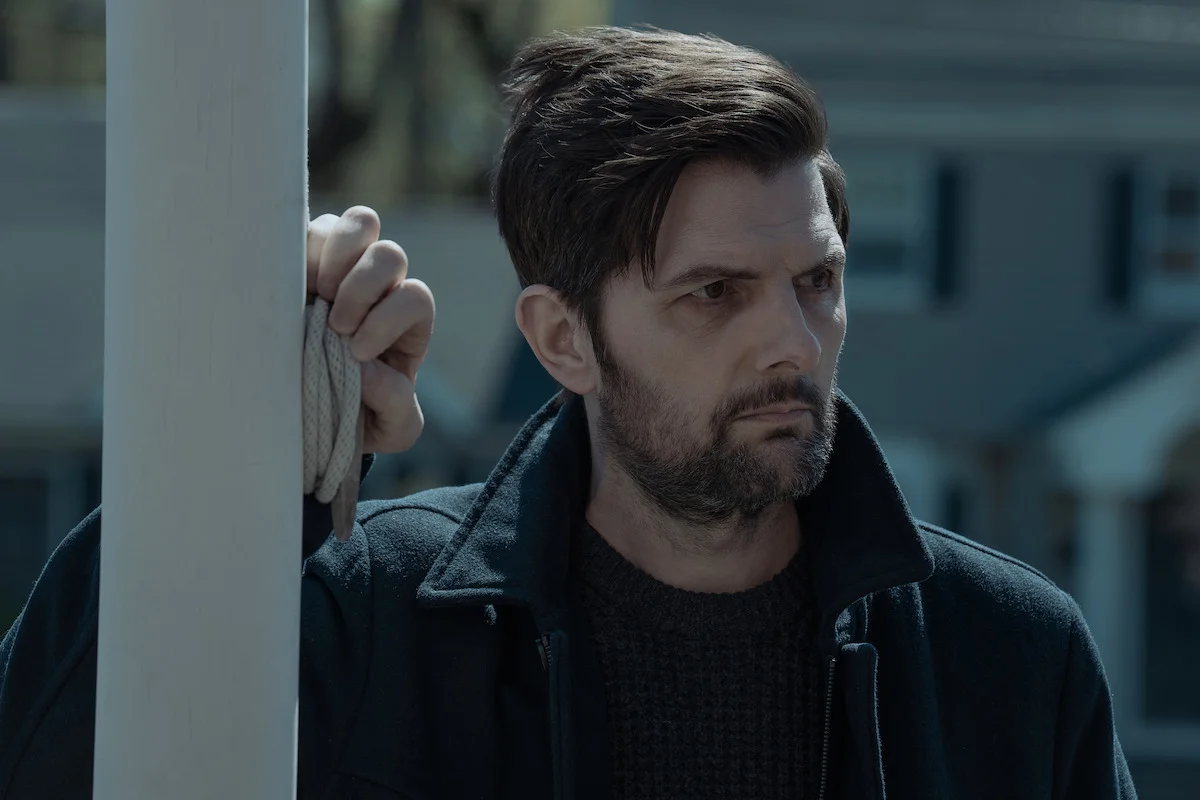
Adam Scott gives the film its clearest fear. Tom is not a detective, and he does not know how to control an investigation. He is a father who cannot protect his son and hates that Pete may be the one person who can help. Scott lets panic appear in his voice, posture, and quick decisions. Tom can be unfair, but the performance makes his anger easy to understand. Every hour without Jake also brings back the reasons he stopped speaking to Pete.
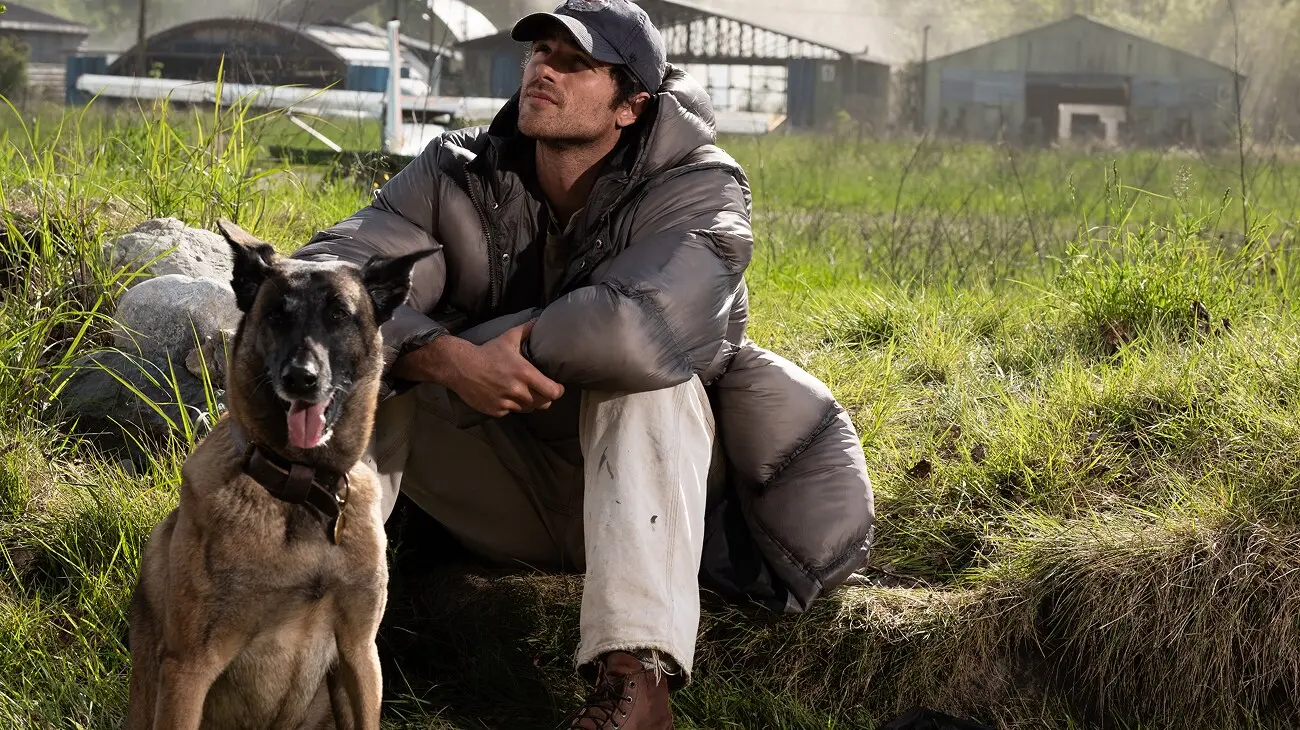
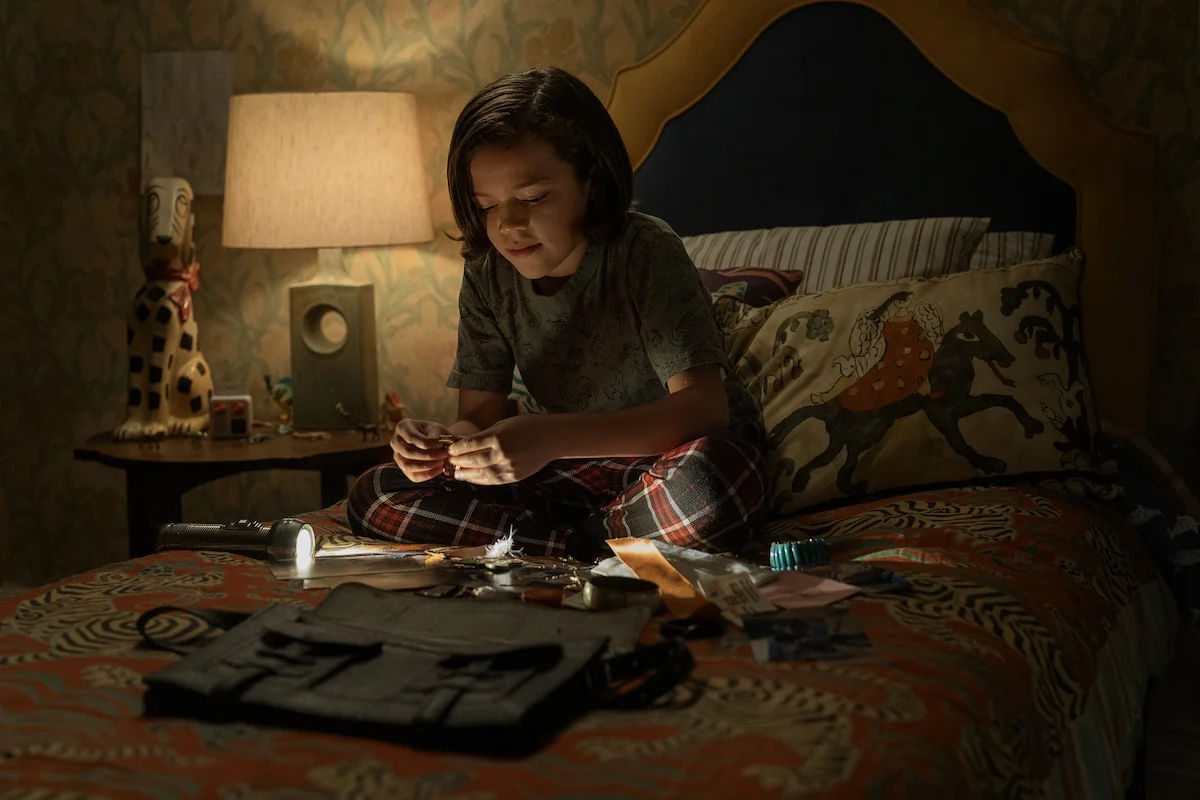
Tom and Jake have already struggled since the death of Jake’s mother. Jake is quiet, lonely, and interested in small objects and stories that Tom does not always understand. Acston Luca Porto gives the child enough personality before the kidnapping to keep him from becoming only a reason for the adults to move. Jake’s absence then changes the house. His room, drawings, and unfinished projects feel like parts of a real child’s life instead of decorations placed for a clue.
Robert De Niro keeps Pete quiet without making him blank. Pete watches longer than he speaks, and he often answers Tom with the careful tone of a detective questioning a witness. That distance explains why Tom resents him. Pete may know how a killer thinks, but he has never learned how to talk to his own son without turning the conversation into an interview. De Niro shows regret through pauses and small looks rather than asking for sympathy.
The best scenes between Tom and Pete do not solve the case. They show two men deciding whether an emergency is enough to repair a relationship. Tom needs information but does not want advice. Pete wants to help but still expects his experience to settle every argument. Their conflict is specific because both have a reasonable complaint. Tom remembers a father who was absent. Pete sees a son who refuses help even when a child’s life depends on it.
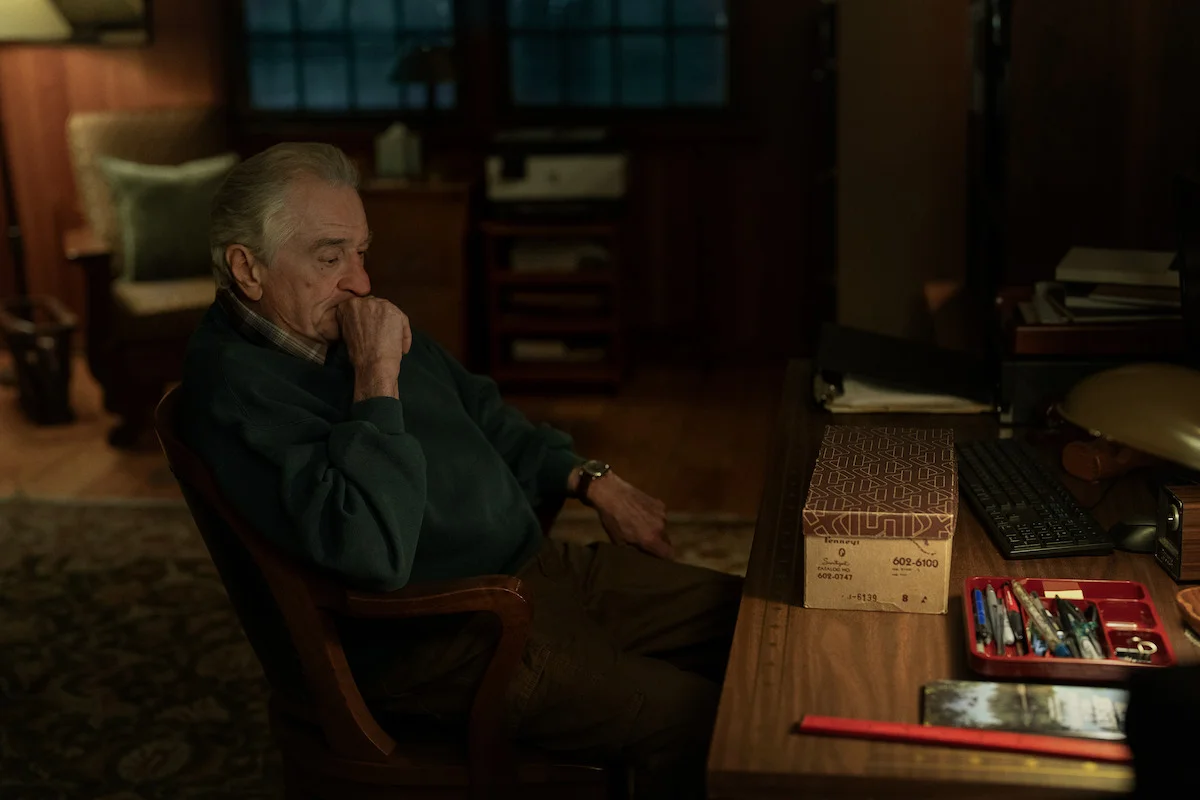
The story also links Pete’s failure as a father to Tom’s fear that he may fail Jake. That connection gives the title threat more meaning. The danger is not only that a killer takes children. It is that parents leave emotional openings they do not understand until someone else uses them. The screenplay sometimes states this idea too directly, but Scott and De Niro make it convincing when they avoid eye contact, interrupt each other, or reach for the same clue in different ways.
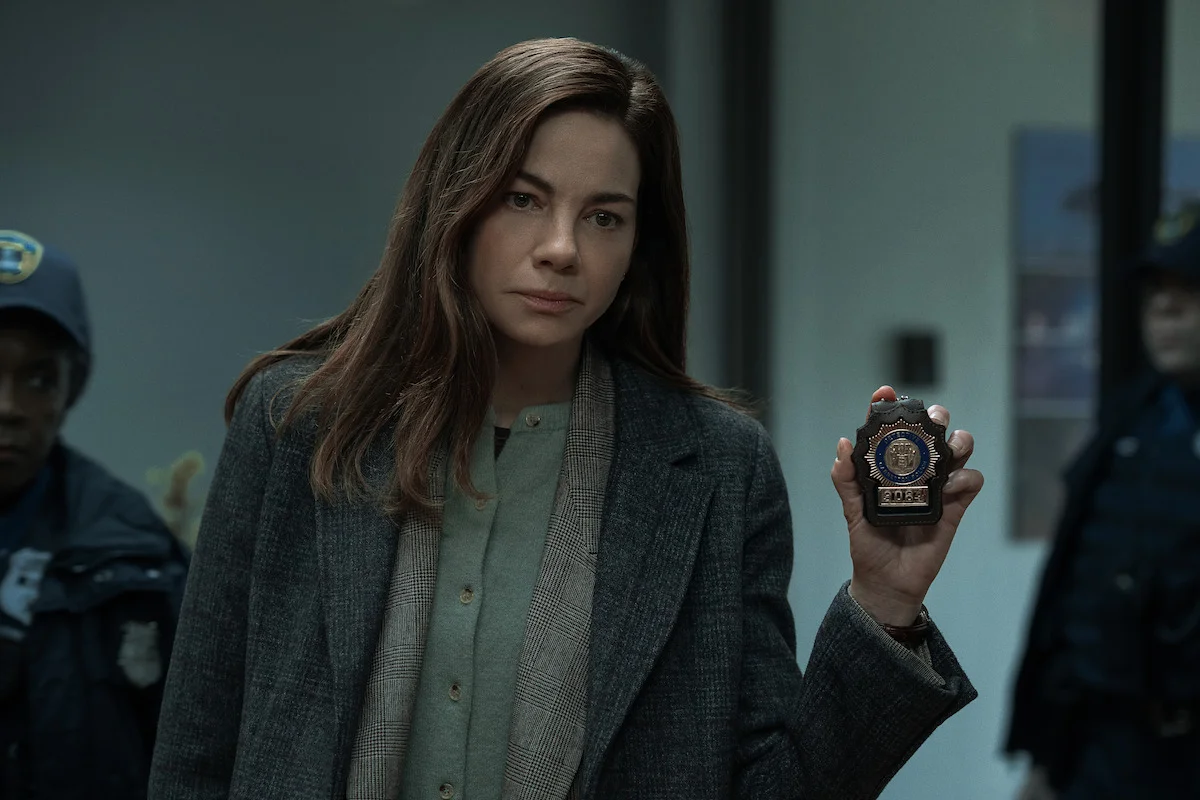
Michelle Monaghan makes Amanda feel like the person still doing the job. Detective Amanda Beck listens to Pete because he knows the old case, but she does not treat him as the lead investigator. Monaghan keeps Amanda calm and firm while Tom and Pete bring private anger into every room. The part is not large enough, yet her presence stops the police work from becoming a family argument with badges in the background.
The mystery reveals too much too early
The mystery points too hard at the pieces it wants viewers to notice. A suspicious object, an odd reaction, or a person placed near Jake receives enough attention to feel important before the investigation has earned that focus. Red herrings are useful when several explanations remain possible. Here, some suspects are introduced with such obvious warning signs that they feel less like people and more like stops on a list.
The film also repeats its central setup. Pete caught the original Whisper Man. The prisoner cannot be carrying out the new kidnapping himself. Someone may be copying the old crimes. These facts matter, but characters return to them after the audience understands the problem. Time that could test a new suspect or show Amanda making a difficult choice is used to restate what the title, trailer, and opening already made clear.
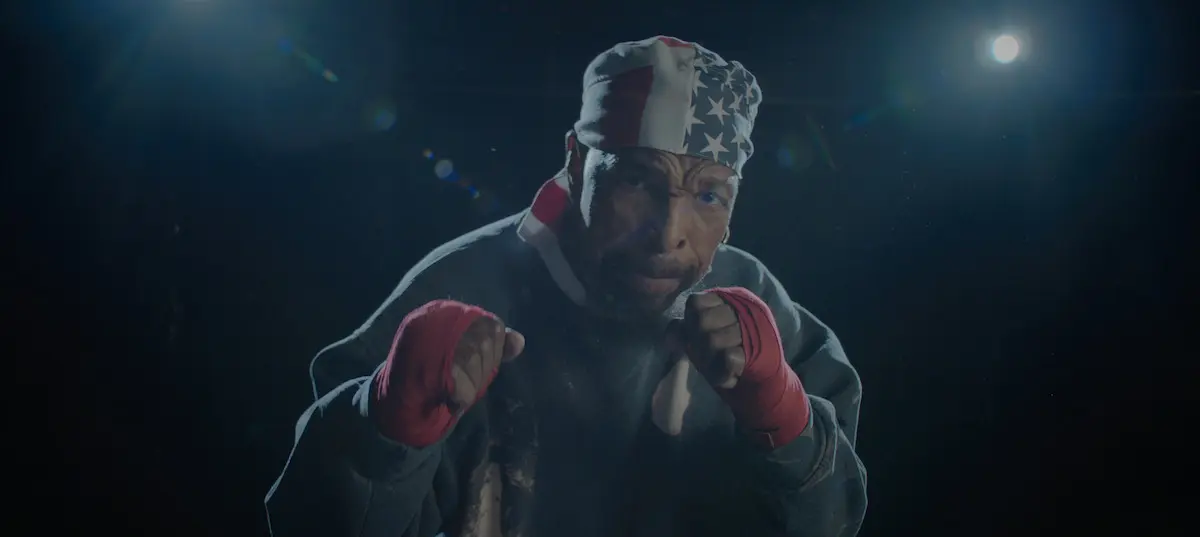
Michael Keaton is most effective when Frank barely moves. Frank Carter, the imprisoned killer from Pete’s old case, understands that a quiet answer can force other people to lean closer. Keaton does not turn the interview into a loud performance. His stillness gives De Niro something sharp to answer, and the history between the prisoner and detective becomes clear without showing the old murders. The scene promises a battle of observation that the rest of the mystery does not fully match.
The investigation depends on convenient timing more often than careful police work. A clue appears when the story needs a new direction. A person reveals information after holding it long enough to slow the search. Tom can move through important areas because the plot needs his fear close to the next discovery. None of these choices breaks the movie by itself, but together they make the case feel arranged for the audience instead of solved by the characters.
The movie often delays answers without making the wait tense. A long pause can increase fear when the viewer understands what might enter the room or what a character risks by opening a door. Several pauses here only postpone another conversation. The same dark hall, police desk, or drive between locations returns without changing the danger. At 114 minutes, the film has enough time to deepen the suspects, but much of the middle simply moves the search forward one clue at a time.
The kidnapping remains serious because Tom, Pete, and Amanda behave as if every delay matters. The movie avoids turning Jake’s danger into graphic spectacle. That restraint is welcome. It also means the suspense has to come from decisions and uncertainty. Once the likely direction becomes clear, the story needs a stronger obstacle than another withheld detail. The final answers explain the plot, but they do not make the earlier misdirection more convincing.
This review does not name the killer or describe the final rescue. Viewers who already know the novel may recognize some changes, including how quickly the film brings the three generations into one story. New viewers will still have clues to follow. The problem is not that the answer is impossible to enjoy after guessing it. The problem is that the movie gives the suspects less detail than the family, so one line of inquiry soon feels much more likely than the others.
The cast is stronger than the 114-minute pace
The house and police rooms look colder than the people inside them. Blue-gray light, bare walls, old boxes, and narrow hallways make the film feel cut off even when several characters share a room. The Kennedy house is especially useful because it holds signs of Jake’s imagination beside Tom’s exhaustion. The setting explains why a half-open door or noise outside can feel threatening without requiring a large effect.
Ashcroft stages conversations more confidently than physical danger. Tom confronting Pete beside a car, Amanda controlling a police room, and Pete facing Frank across a table all have clear positions and goals. Faster scenes rely on familiar dark corners, sudden movement, and urgent cutting. They are understandable, but they rarely build the same pressure as two actors waiting for the other person to admit something.
The sound design uses whispers, taps, recordings, and the children’s rhyme to make ordinary spaces uncomfortable. These details work best when they remain quiet. A voice through a wall or a tape player asks the audience to listen, which fits a story about a threat defined by sound. When the music becomes louder and tells viewers exactly when to worry, the film becomes more ordinary. The small sounds are more unsettling than the larger warning signals.
The cast makes the family scenes more convincing than the investigation. Scott gives Tom panic, De Niro gives Pete restraint, Monaghan gives Amanda authority, and Porto makes Jake more than a missing name. Keaton adds controlled menace in limited screen time. The performances do not fix weak clues, but they make each meeting matter because the people arrive with different needs.
The film is rated R for material involving child abduction and murder, threatening language, violence, and some bloody images. It is not built around graphic attacks, but its subject is disturbing. The kidnapping and references to earlier victims may be harder to watch than the visible violence. Viewers looking for a fast serial-killer thriller may find the middle too slow. Viewers more interested in De Niro and Scott as an estranged father and son will find more to hold onto.
A shorter version could have kept the same family story while removing repeated case explanations. The opening gives Tom, Jake, and Pete clear problems. The prison interview gives the old crime a face. Amanda gives the new search a professional center. Those are enough. The extra suspect detours do not need as much time because the film does not develop them into equally believable answers.
The Whisper Man official stills
5 screenshotsA 6.3/10 score fits a strong cast trapped in a predictable thriller. The Whisper Man has good actors, controlled rooms, useful sound, and a father-son conflict that gives the kidnapping emotional weight. Its obvious clues, repeated setup, and slow middle keep the case from becoming equally strong. The family drama is worth watching. The mystery is easier to solve than it should be.
The Whisper Man is now streaming on Netflix and runs 1 hour 54 minutes. For the confirmed cast, premise, rating, and release details, read The Whisper Man Netflix guide.
After watching, the spoiler-filled The Whisper Man ending explained guide covers the killer, motive, final rescue, and book changes.