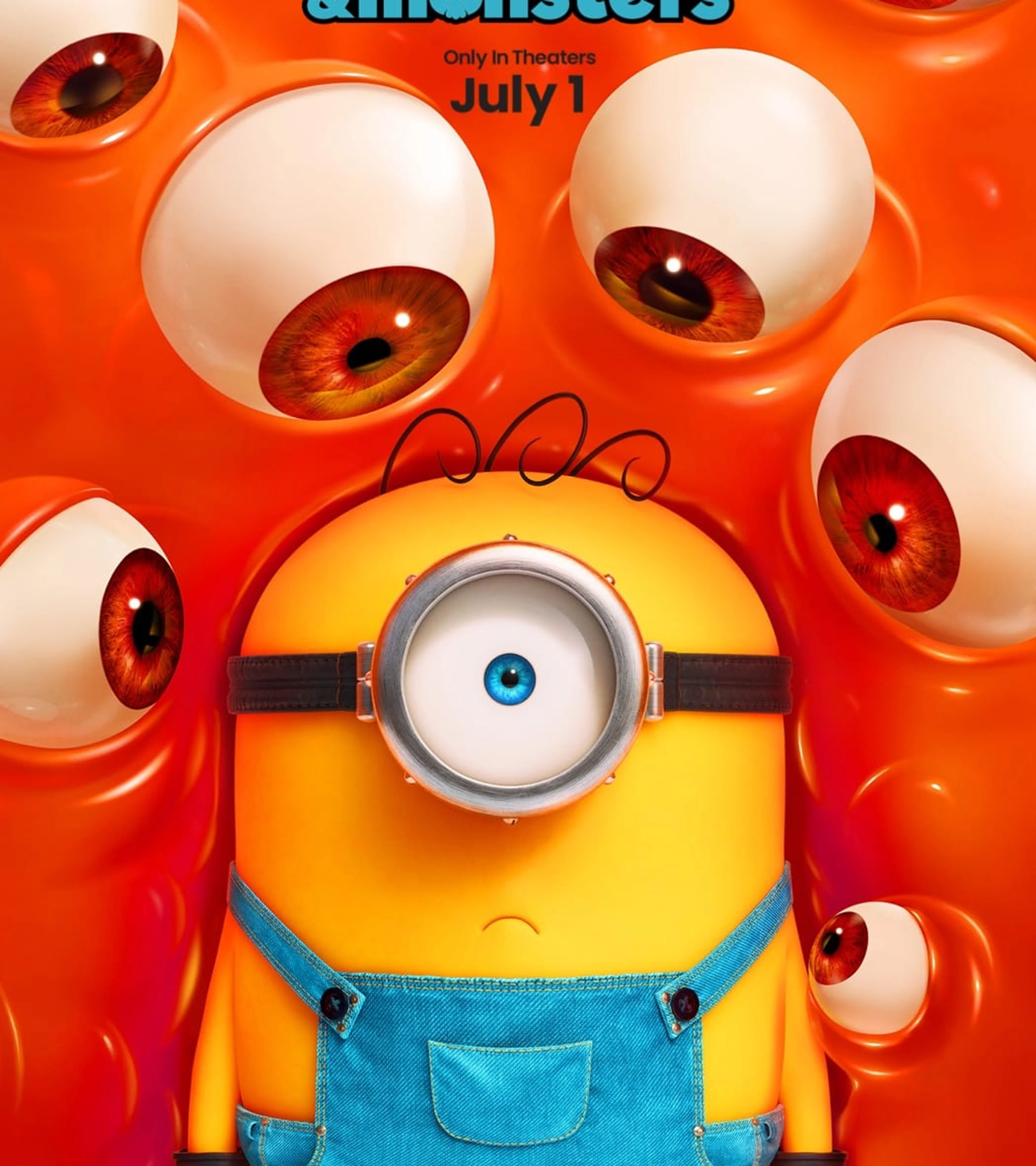
Minions & Monsters gives the yellow chaos machine a setting that finally feels as specific as the characters. The Minions arrive in 1920s Hollywood, chase the dream of making a monster movie, and turn the history of cinema into another place for bad decisions, physical comedy, and oversized disasters. The movie does not make the Minions deeper. It gives them a better playground.
That choice matters because the characters work through timing more than dialogue. They fall, run, misunderstand instructions, overreact, and recover before the scene has time to become sentimental. In a long-running franchise, that basic language can feel worn out. Here, the filmmaking setting gives the same behavior a new purpose. The Minions are not just causing trouble in another location. They are trying to perform, produce, and survive the kind of movie they have always wanted to be inside.
The Hollywood setting does the heavy lifting
The strongest part of Minions & Monsters is the way it uses old movie language without requiring the audience to study it. Silent-film movement, oversized sets, studio ambition, and the shift from silent pictures to talkies all give the visual jokes a clear frame. A child can enjoy the motion and noise. An older viewer can see why the staging resembles the physical comedy of early cinema. Both reactions come from the same scene.
James and Henry give the story a simple goal: they want to make a movie. That goal is enough to organize the chaos. When the Minions are only reacting to a villain, the jokes can feel interchangeable. When they are trying to build a production, impress a studio, or keep a creature under control, the destruction has a direction. The film works best when every setback damages the same dream instead of sending the characters into a completely new plot.
The movie also understands that the Minions should not be treated as precious. They can be loyal and selfish in the same sequence. They can want recognition, make the wrong choice, and still try to fix the damage. The story's affection comes from letting them remain ridiculous. It does not stop the comedy to explain that the characters are secretly wise.
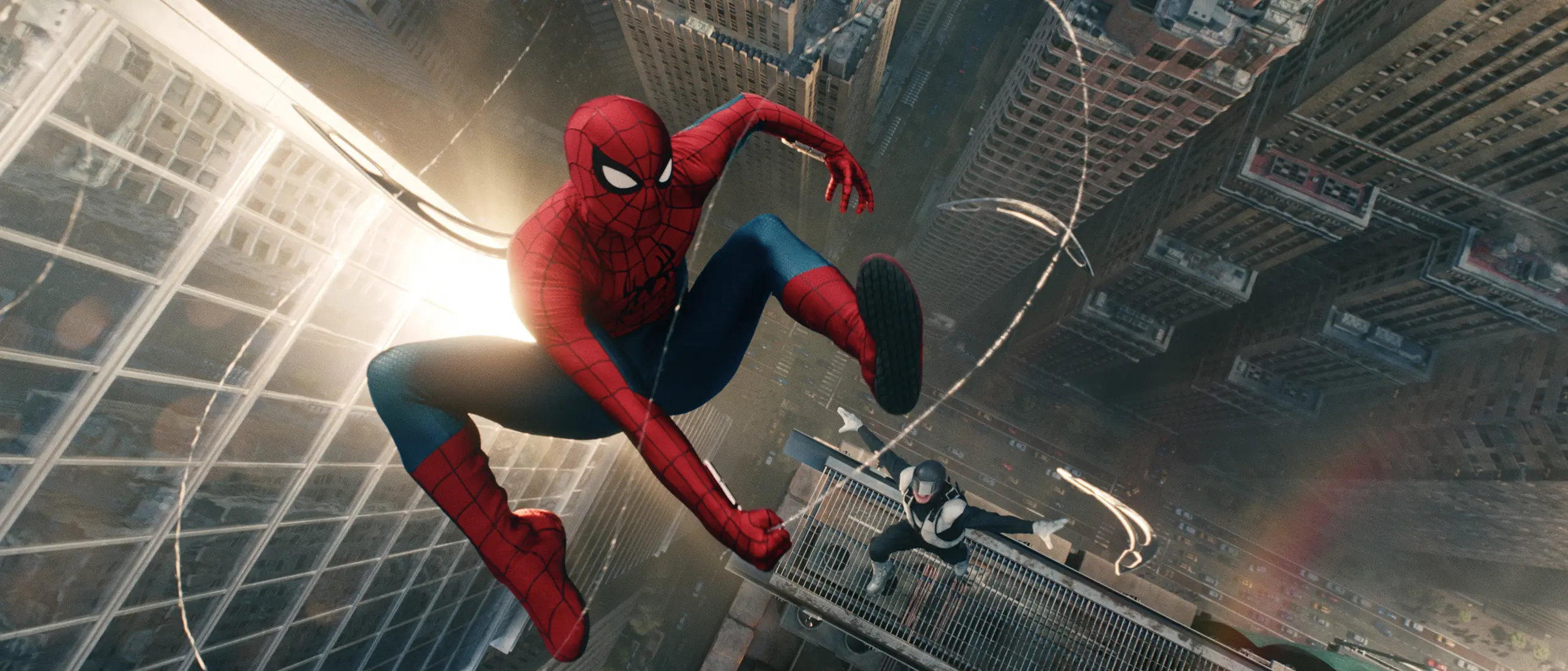
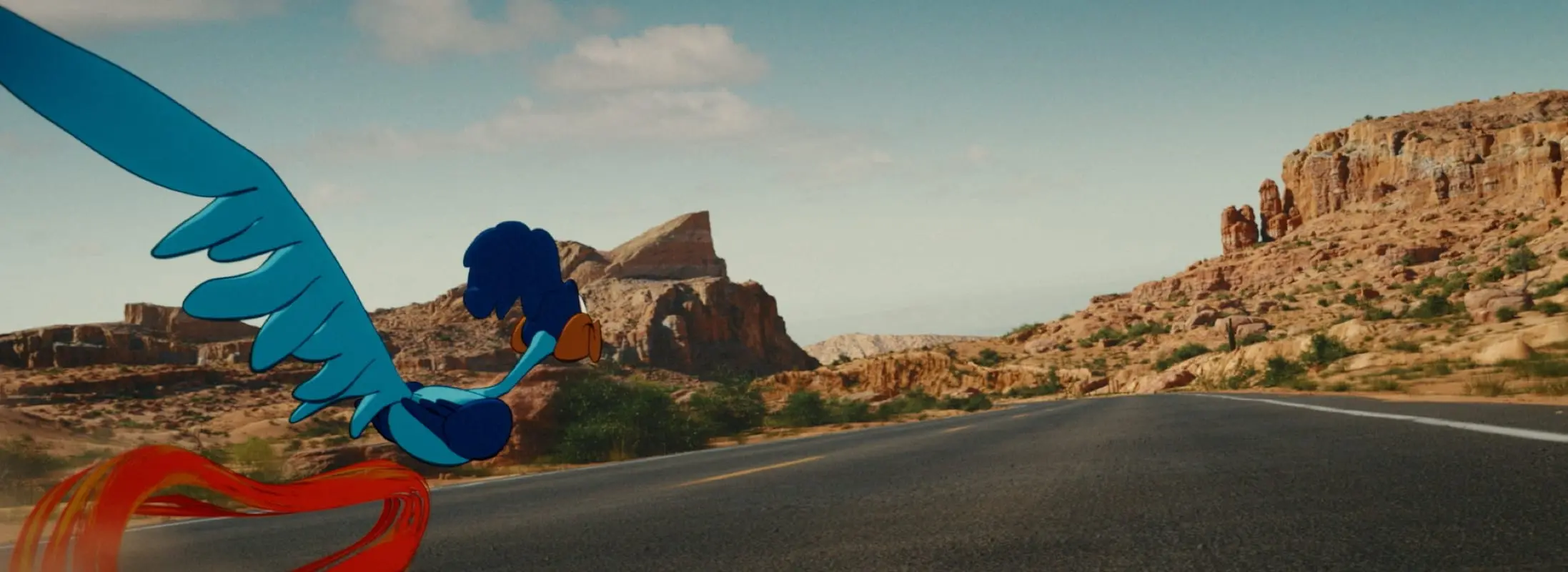
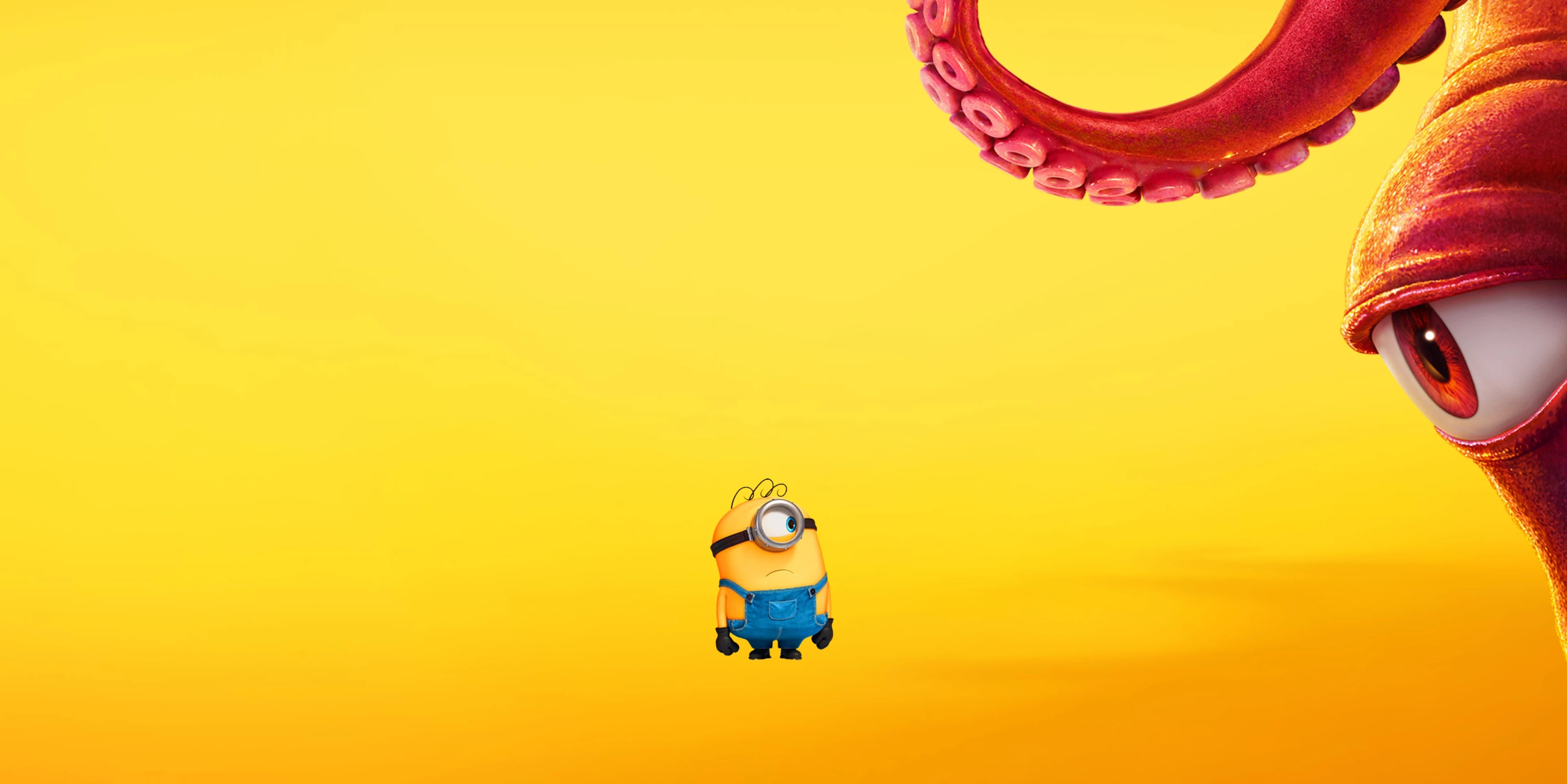
Minions & Monsters official stills
3 screenshotsThe jokes connect across age groups
Minions & Monsters is most successful when the same joke works at two speeds. The physical gag arrives immediately, while the cinema reference adds another layer for adults. The film does not pause to announce the reference or turn the scene into a lesson. It trusts the movement to carry the joke.
Advertisement

That is also why the 90-minute runtime helps. The film moves quickly through its setups and does not ask one idea to carry an entire act. When the staging is clean, the result is exactly what a family comedy should be: readable from a distance, easy to follow, and energetic without becoming cruel.
The monster material changes the rhythm. Once the movie leaves the filmmaking problem behind, the action grows louder and more conventional. The visual scale increases, but the comic logic becomes less precise. The Minions are funnier when they collide with a specific rule, set, or task. They are less effective when the film simply adds another explosion and another wave of movement.
The emotional story stays light
The movie has enough feeling to give James and Henry a reason to keep trying, but it does not build a deep emotional arc around them. That is not automatically a flaw. The Minions are comic engines, and the film is more interested in momentum than reflection. Still, the final stretch would have more impact if the characters' dreams changed them in a visible way instead of mainly moving the plot toward its next set piece.
This limits the movie's reach. Children can follow the goal and enjoy the chaos. Adults can appreciate the movie references and the production joke. Viewers looking for the family warmth of the original Despicable Me may find less to hold onto once the jokes slow down. The film's affection is directed toward moviemaking and performance more than toward a complicated family relationship.
That trade works often enough because the setting is so well chosen. The movie understands that the Minions do not need a new personality every time. They need a world with clear comic rules. Hollywood supplies those rules: a silent set, a studio system, a monster picture, and the pressure to keep performing when everything goes wrong.
Verdict
Minions & Monsters is a playful family comedy with a stronger premise than its franchise fatigue suggests. Its Hollywood setting gives the Minions new visual material, its short runtime keeps the jokes moving, and its best scenes let children and adults laugh at the same action for different reasons. The monster escalation is less focused, and the emotional story remains light, but the movie earns its place by understanding what these characters do well.
Watch it for the old-Hollywood playground, the physical comedy, and the easy group energy. Do not expect a major character drama or a reinvention of the franchise. The film's improvement is more practical: it puts the Minions in a setting that knows how to use them.