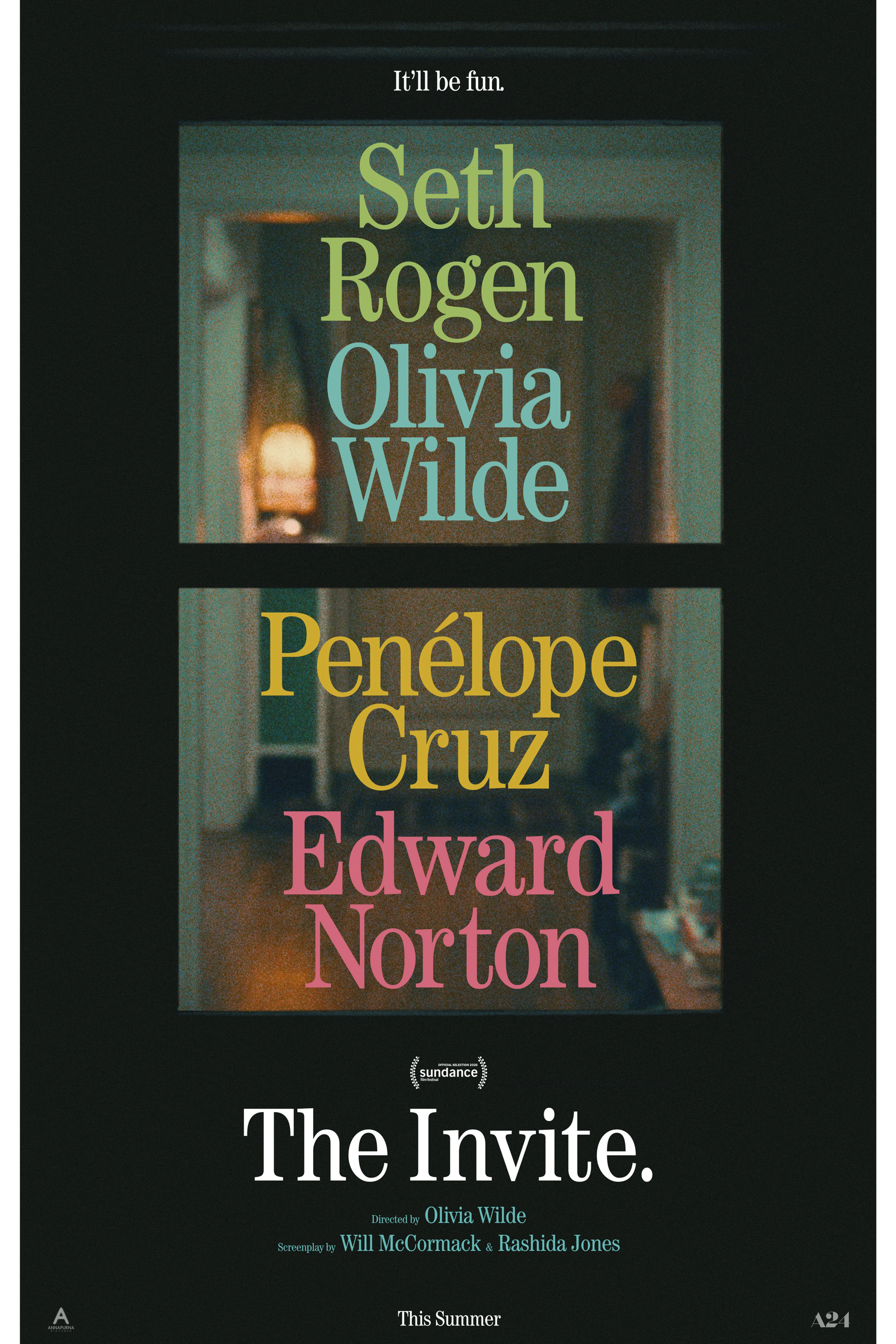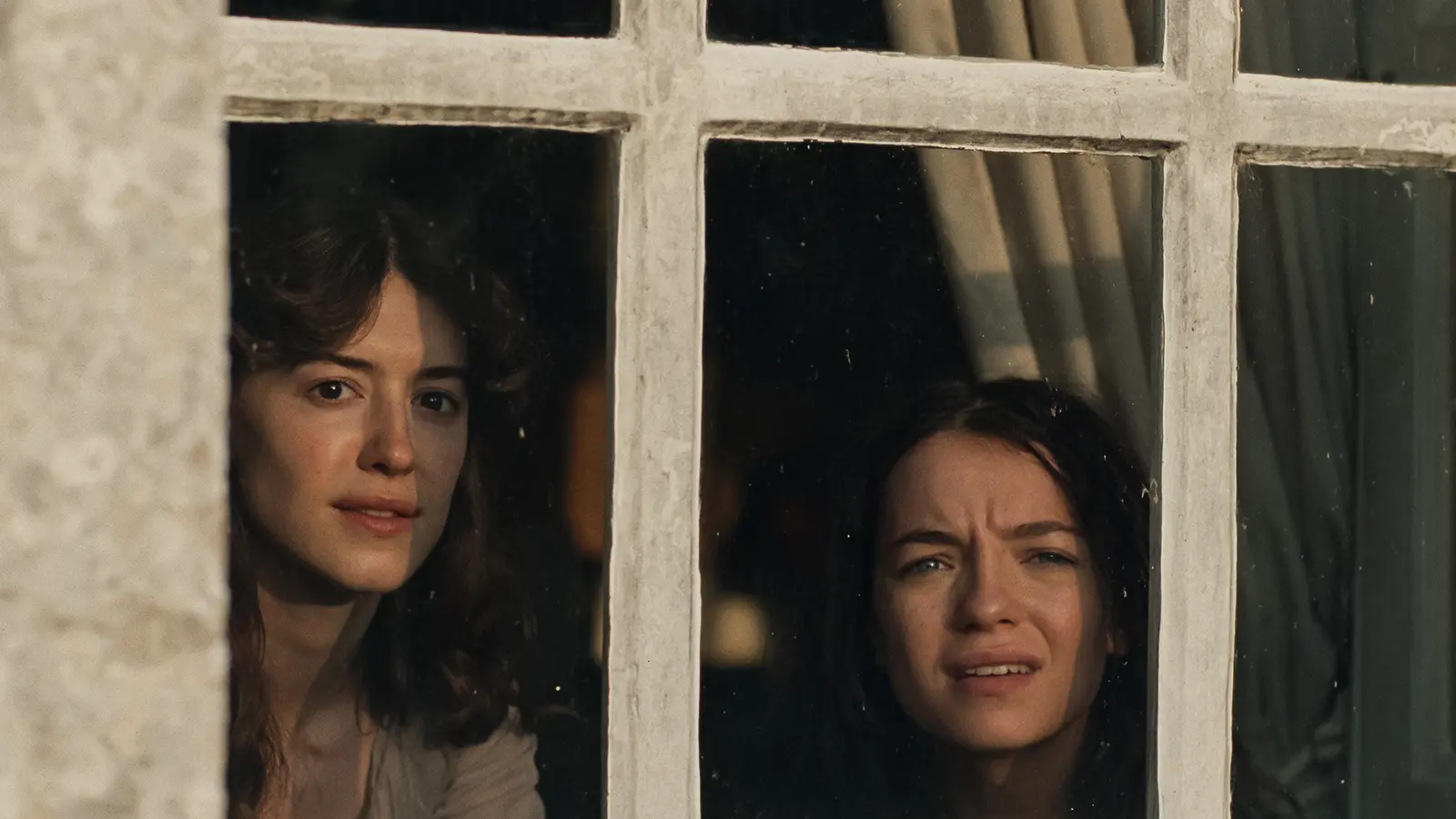
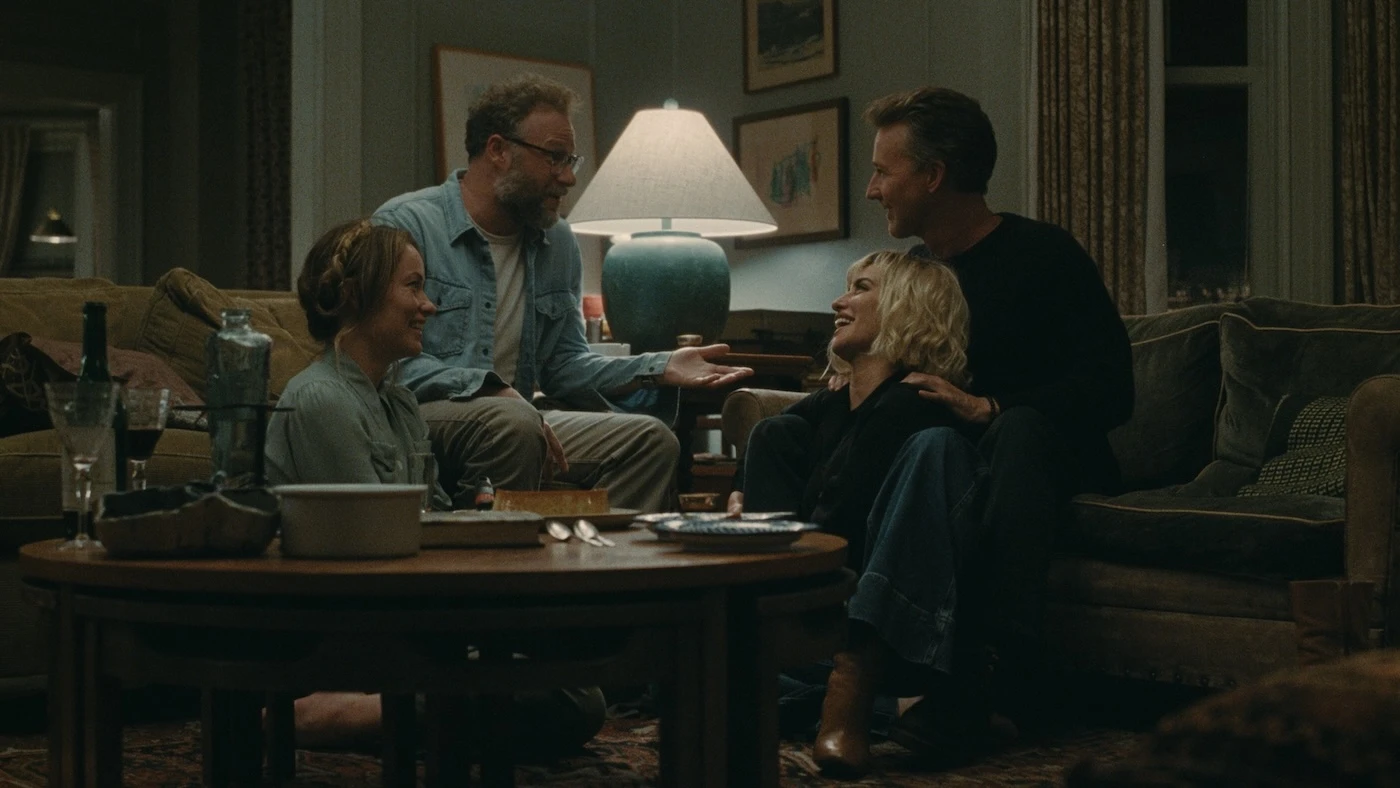
Angela has invited the upstairs neighbors to dinner. Her husband Joe comes home tired and insists he knew nothing about it. She says she told him. Before anyone has arrived, they are already arguing over who listens to whom. It is an awkward way to start a party, and a very funny way to start The Invite.
Olivia Wilde directs and plays Angela opposite Seth Rogen’s Joe. They are a married couple living in San Francisco, where Joe teaches music after his own music career failed to take off. Angela spends her time looking after their home and family. Neither seems happy with how life has turned out, and both have plenty to say about the other’s part in that disappointment.
Their guests are Hawk, played by Edward Norton, and Piña, played by Penélope Cruz. They live upstairs and are much more comfortable talking about sex than their hosts. Joe already dislikes them because he can hear their nighttime activities through the ceiling. Angela wants him to keep that complaint to himself. Naturally, this is not going to be a quiet evening of polite conversation.
The fun is in watching all four try to handle conversations that keep getting more personal. A compliment can make one person smile and another feel overlooked. A joke can reveal a complaint that has been waiting years to come out. The Invite sometimes spends too long on those complaints, but the actors make it hard to stop listening.
Angela wants a pleasant dinner. Joe wants the guests to leave.
You do not need to have seen The People Upstairs, the Spanish film this adapts, to follow any of this. The setup is straightforward: two couples spend an evening together in one apartment. There are no complicated timelines or earlier stories to remember. What changes is how much the four people are willing to tell each other.
Angela has made an effort with the food and the apartment. Joe reacts as if being asked to talk to two neighbors is an unreasonable demand. Rogen makes Joe’s bad mood funny without making him a good husband. His objections are petty enough to laugh at, but you can also understand why Angela is tired of hearing them. He does not have to shout for a dismissive answer to hurt.
Wilde gives Angela a different kind of frustration. She wants the gathering to go well so badly that relaxing becomes almost impossible. Watching her manage Joe while trying to welcome the guests is uncomfortable in a recognizable way. She has invited people over for company, only to find herself dealing with another argument about the invitation.
When Hawk and Piña arrive, the contrast is immediate. They seem pleased to be there. Hawk notices the home and speaks warmly about it, while Joe struggles to show any enthusiasm. Norton is especially funny because Hawk stays friendly when Joe is clearly annoyed. His confidence makes Joe’s hostility look even sillier. You can enjoy the exchange without deciding that Hawk is perfect or Joe is beyond sympathy.
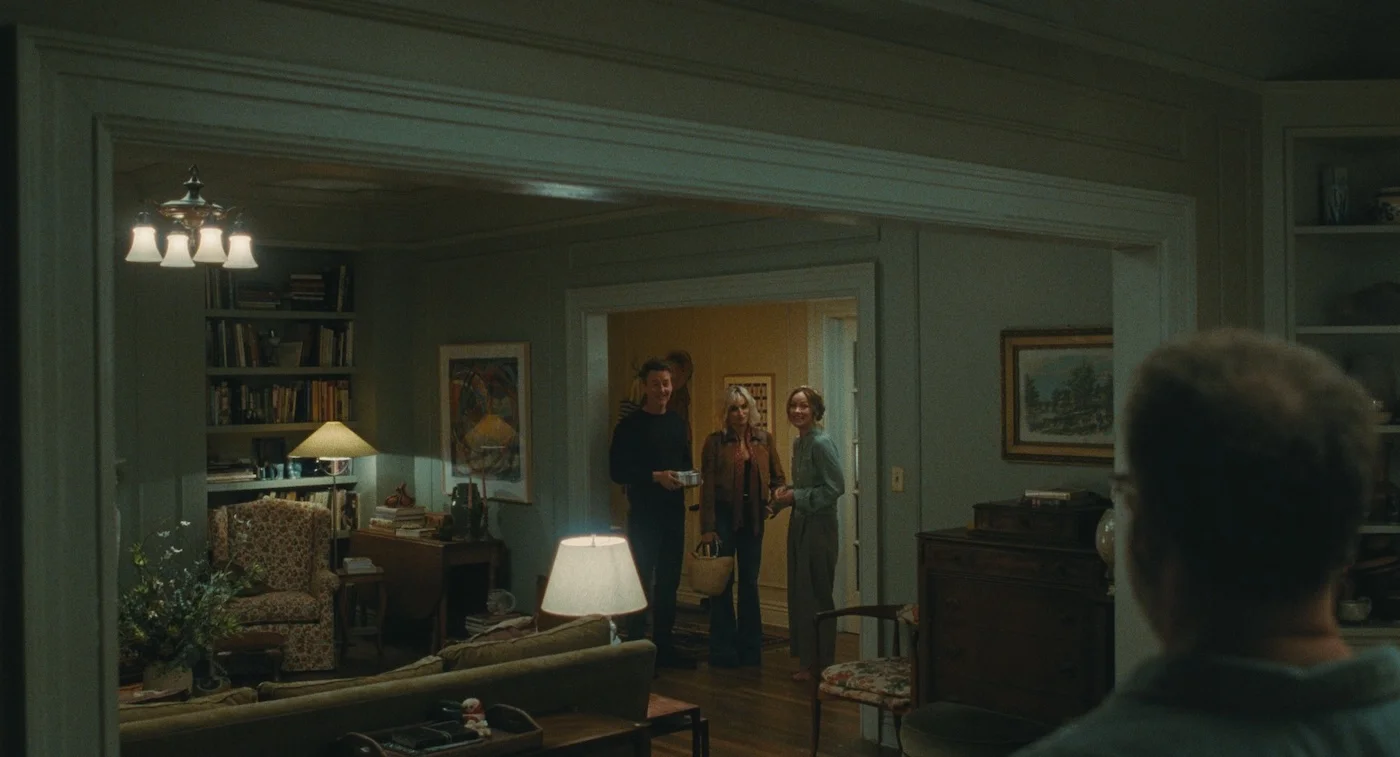
The apartment tour gives Angela time with Hawk while Joe and Piña talk separately. That change is important. With their own partners out of the conversation, the hosts can speak without having every remark corrected. The guests pay attention to them, and the pleasure of being listened to becomes easier to understand than it would in a speech about an unhappy marriage.
Cruz does particularly good work here. Piña is a therapist who talks about intimate subjects without Joe’s embarrassment. Cruz makes Piña’s calm replies funnier than an exaggerated reaction would be. Joe is the one becoming flustered; she does not need to join him. The difference between their reactions gives a simple exchange more comic possibilities than a series of loud insults.
There is a limit to how much of Joe and Angela’s arguing remains entertaining, though. The film establishes their habits quickly, then sometimes keeps returning to them. We know that he feels disappointed and that she feels ignored. A further complaint needs to reveal something new, not merely confirm what the previous complaint already showed.
Some early arguments continue after we have understood why both people are upset. This is the main reason the first part can feel longer than it is. Their behavior may be believable, but believable repetition is still repetition. If you find couples talking over each other exhausting, the performances will not make every minute easy to watch.
The guests ask questions the hosts have been avoiding
Hawk and Piña eventually explain that they have relationships with other people as well as with each other. They are open about that arrangement rather than hiding it from a partner. Joe and Angela now have to respond to something much more personal than a complaint about noise. Their curiosity does not necessarily match their first answers.
The film is rated R in the US and includes frequent sexual discussion, strong language and drug use. This is an adult comedy about what people say they want from a relationship. It is not a family comedy simply because the situation is easy to follow. Much of the humor comes from the hosts being unsure how to respond when the guests speak so directly.
What works is that attraction does not erase Joe and Angela’s existing problems. Being noticed by someone new can be flattering. It does not explain what went wrong at home or settle years of resentment. The evening remains interesting because those are different questions, even when the characters would rather treat them as the same one.
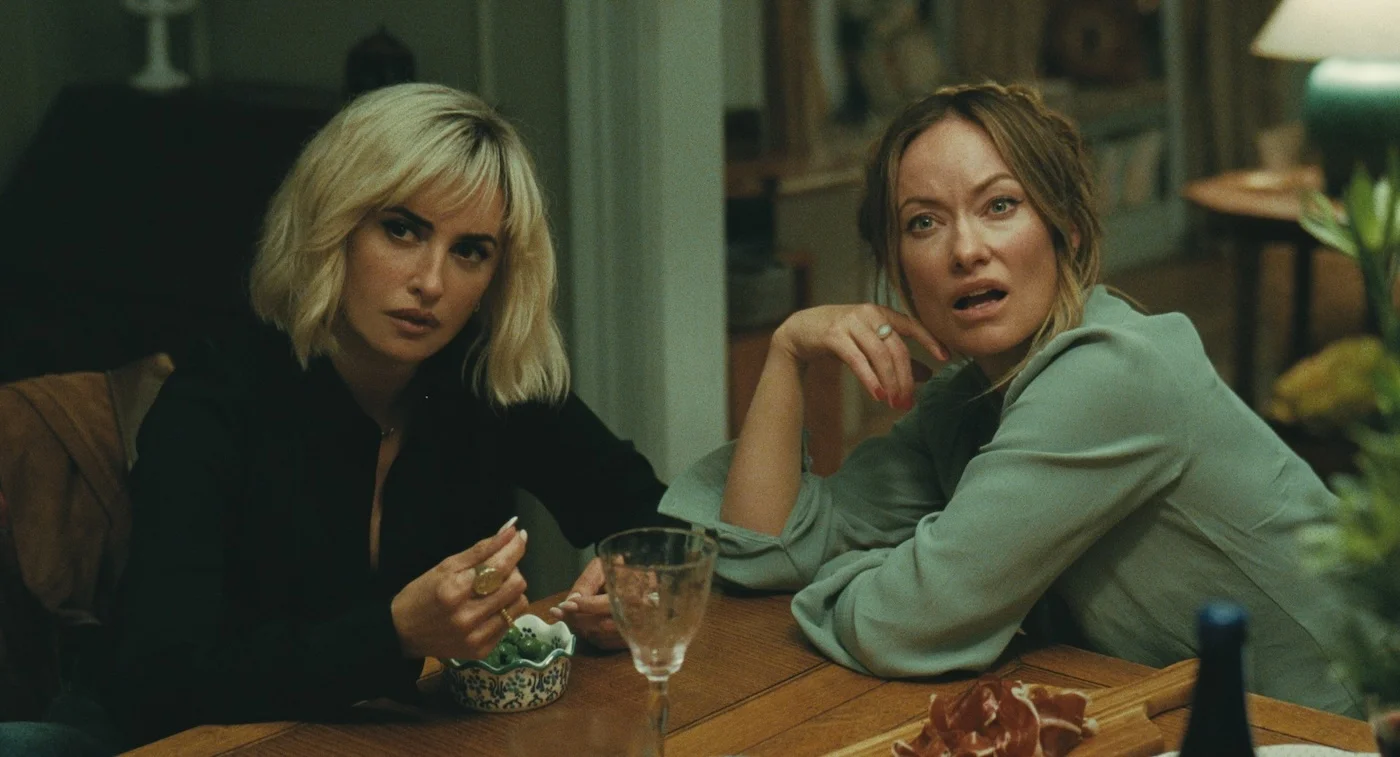
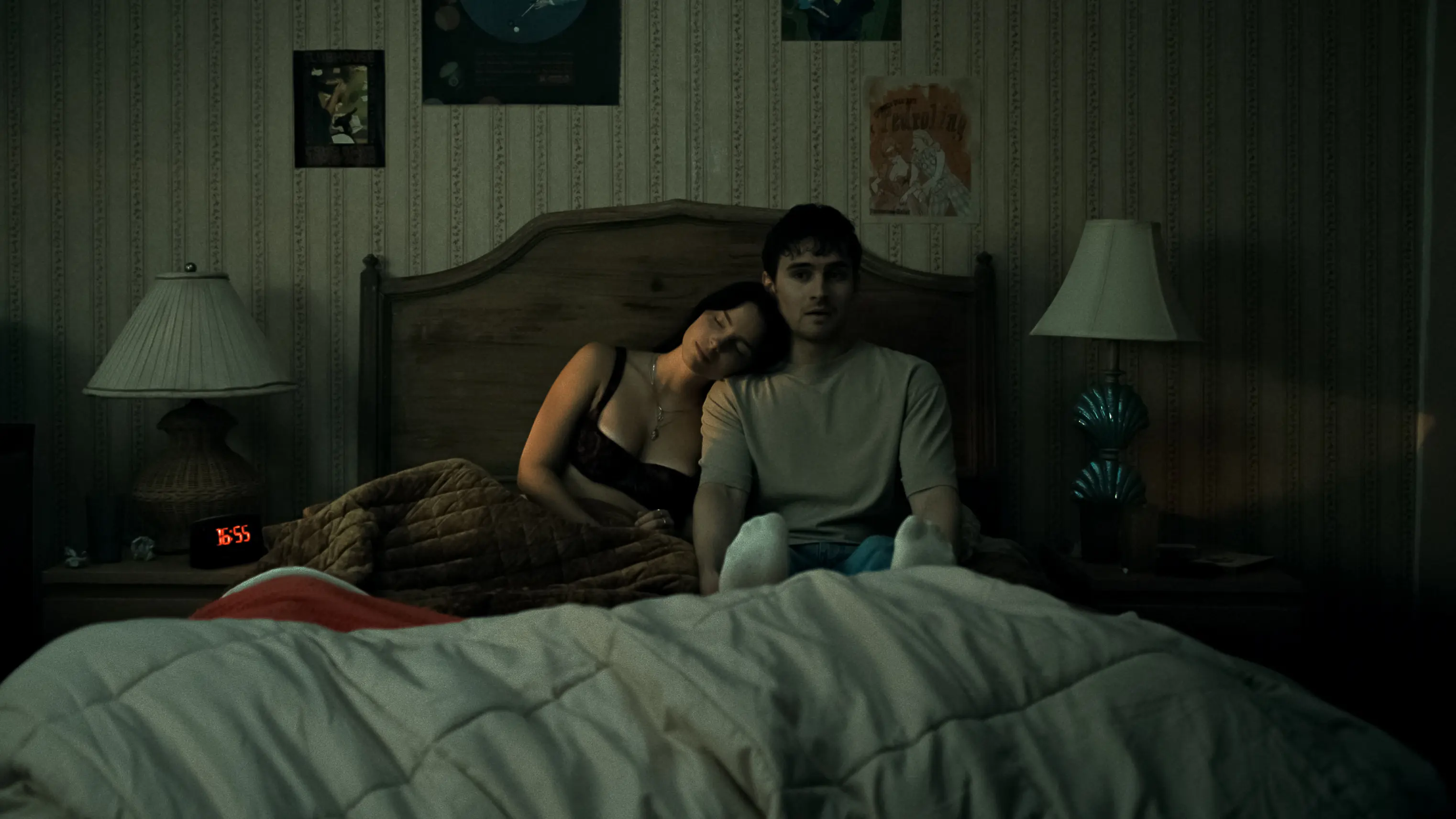
The four actors are worth watching even when they are not speaking. Piña can look amused while Angela looks taken aback by the same conversation. Joe’s discomfort is different from Hawk’s apparent ease. Having those reactions together lets you notice a disagreement before somebody explains it aloud. The still above captures that difference between Piña and Angela particularly well.
The scenes become less convincing when a character speaks for so long that the conversation starts to sound like a prepared explanation. Piña’s professional experience gives her a reason to discuss relationships, but she seems very sure about what the hosts need after spending only a few hours with them. We learn about Joe and Angela through mistakes and interruptions; listening to Piña explain their behavior is less interesting than watching them talk to each other.
There is still a reason to stay with them when the joking slows down. Rogen lets Joe’s disappointment become uncomfortable rather than immediately turning it into another gag. Wilde makes Angela’s need for attention understandable without pretending that every attempt to control the evening is reasonable. Both hosts get to be hurt and difficult at the same time. That makes their later conversations more affecting than a simple lesson in which one spouse is right and the other apologizes.
The guests also do more than provoke a reaction and disappear. Norton and Cruz give Hawk and Piña enough patience and interest to make their presence believable. Their relaxed manner is appealing, but the film does not require you to adopt their relationship choices to care about the four people. You can disagree with someone’s advice and still understand why another character wants to hear it.
The camera and music sometimes distract from the actors
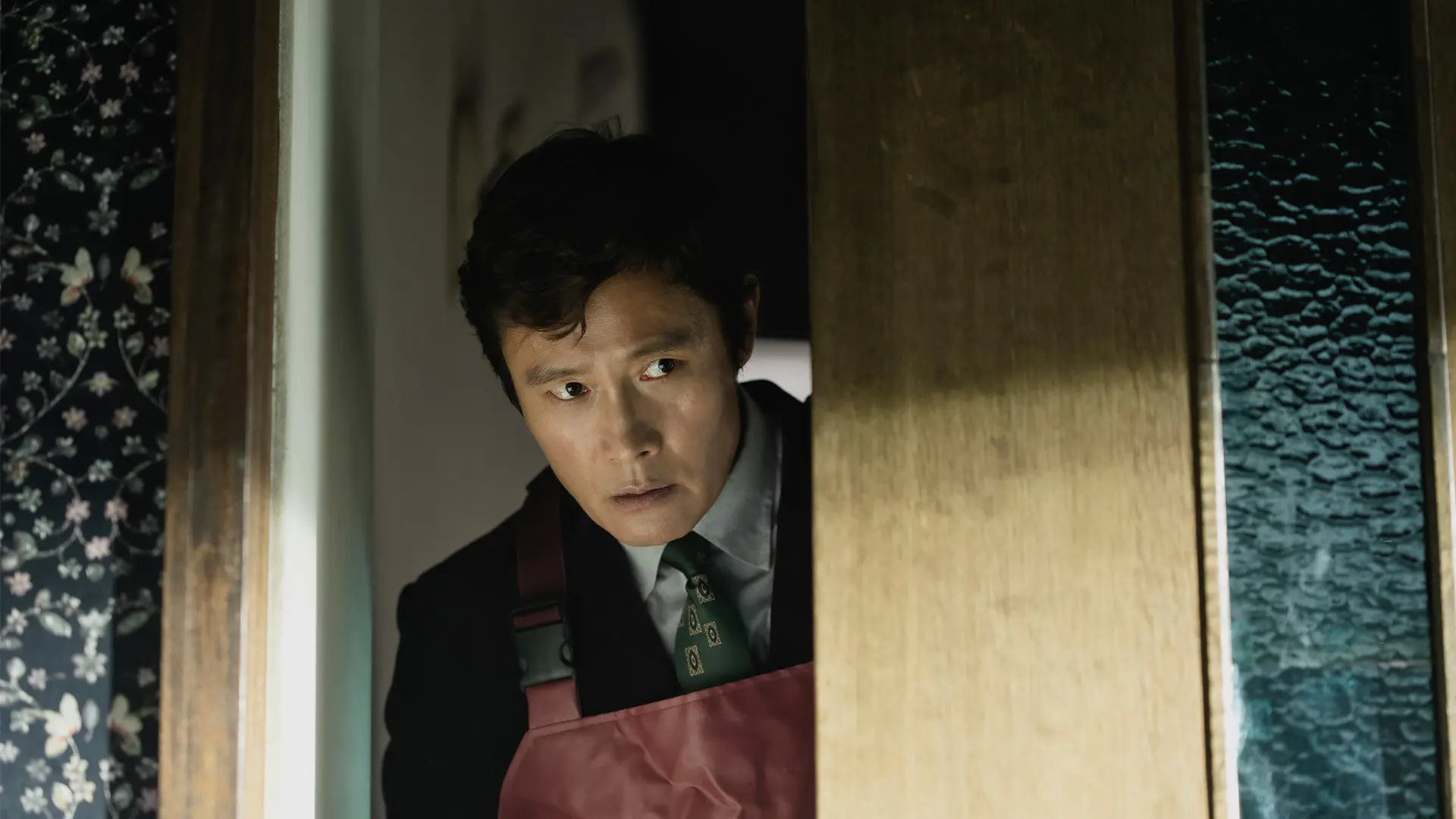
Most of The Invite takes place inside Joe and Angela’s home. It helps that the rooms look different and allow people to move away from one another. A private conversation in a smaller room feels different from everyone listening in the living room. The dinner does not become a row of four faces taking turns delivering lines to the camera.
Production designer Jade Healy built the interior on a studio stage. The narrow passages, old woodwork and collection of furniture make it look like a home that has changed over time. Joe’s music room contains reminders of the life he wanted. Angela’s efforts to arrange the shared rooms suggest someone still trying to make the place comfortable. Those details are useful because the couple do not need to explain every part of their history.
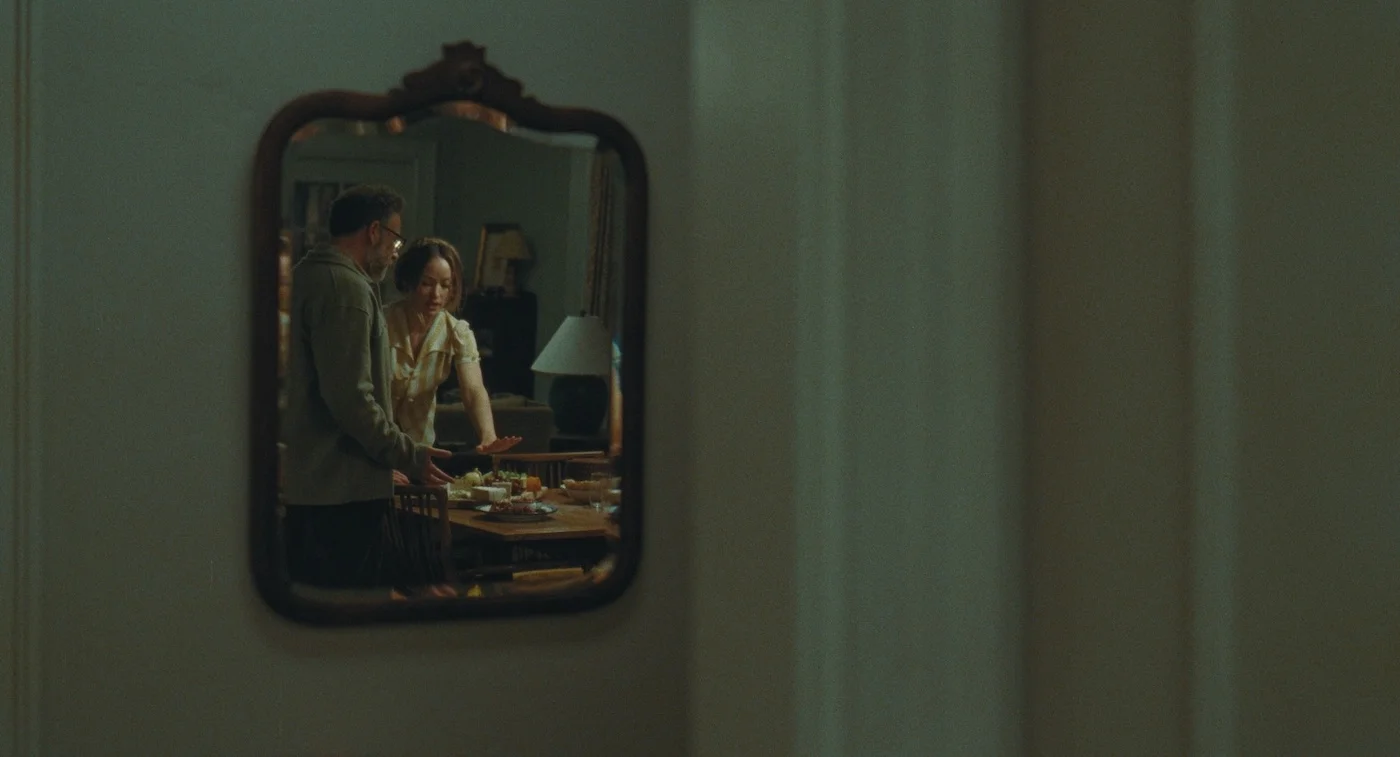
Not every unusual camera angle makes the conversation better. Showing Joe and Angela in a small mirror leaves a lot of the picture occupied by an empty wall. It emphasizes their separation from the camera, but also makes their expressions harder to see. After several carefully arranged views through the apartment, a closer look at the person listening can be more rewarding.
Devonté Hynes’s string music has a similar problem in some of the tense scenes. The quick, nervous playing adds urgency, but Joe and Angela already sound upset. The music sometimes adds more tension than the argument needs. We would rather hear the uncomfortable pause after a remark than have the score keep stressing how uncomfortable everyone is.
The quieter stretches give the actors more opportunity to hold our attention. As the evening becomes more serious, the important change is not simply that people stop making jokes. They start discussing disappointments that their earlier insults did not properly explain. That gives the later sadness a reason to matter without requiring a detailed recap of the ending here.
At 107 minutes, you spend a lot of time with people who are not always pleasant company. For us, the changing conversations and four very different performances make that time worthwhile. The repeated complaints and frequent bursts of tense music keep it below the very best relationship comedies. Even so, Rogen and Norton are very funny together, and Cruz and Wilde give you a reason to watch the person listening as closely as the person speaking.
Pixel Twelve’s score: 8.0/10 — Great. Watch it for the guests’ awkward arrival, the hosts’ badly hidden frustration and the moments when a joke stops being harmless. Skip it if you want a light romance with little arguing. The Invite is funniest when nobody can agree on how the evening should go, and most moving when Joe and Angela finally explain why they are so unhappy.
The Invite is available to rent or buy digitally in the US. Availability varies by country.
More from The Invite
3 screenshotsFilm stills: A24.
Loading results