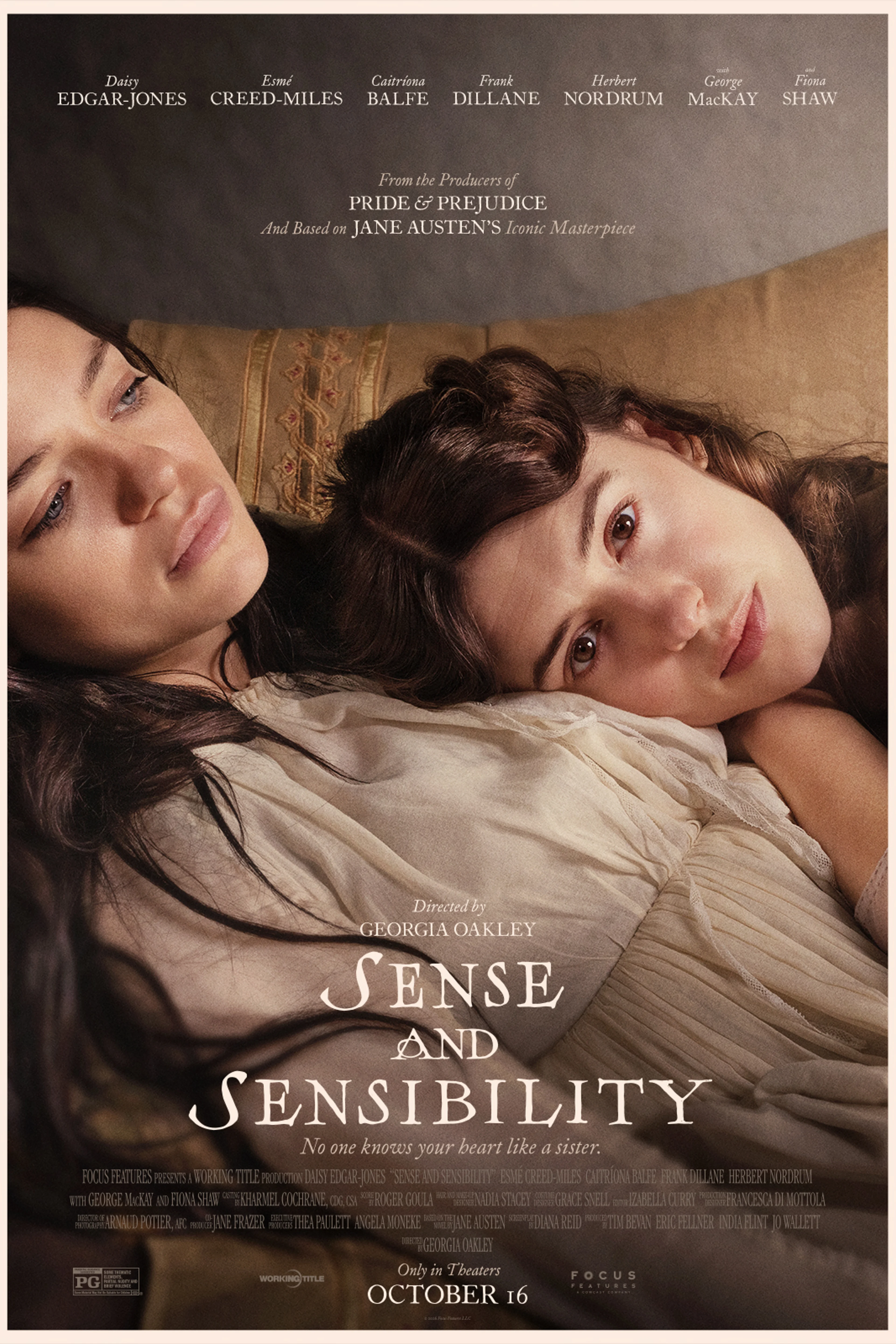
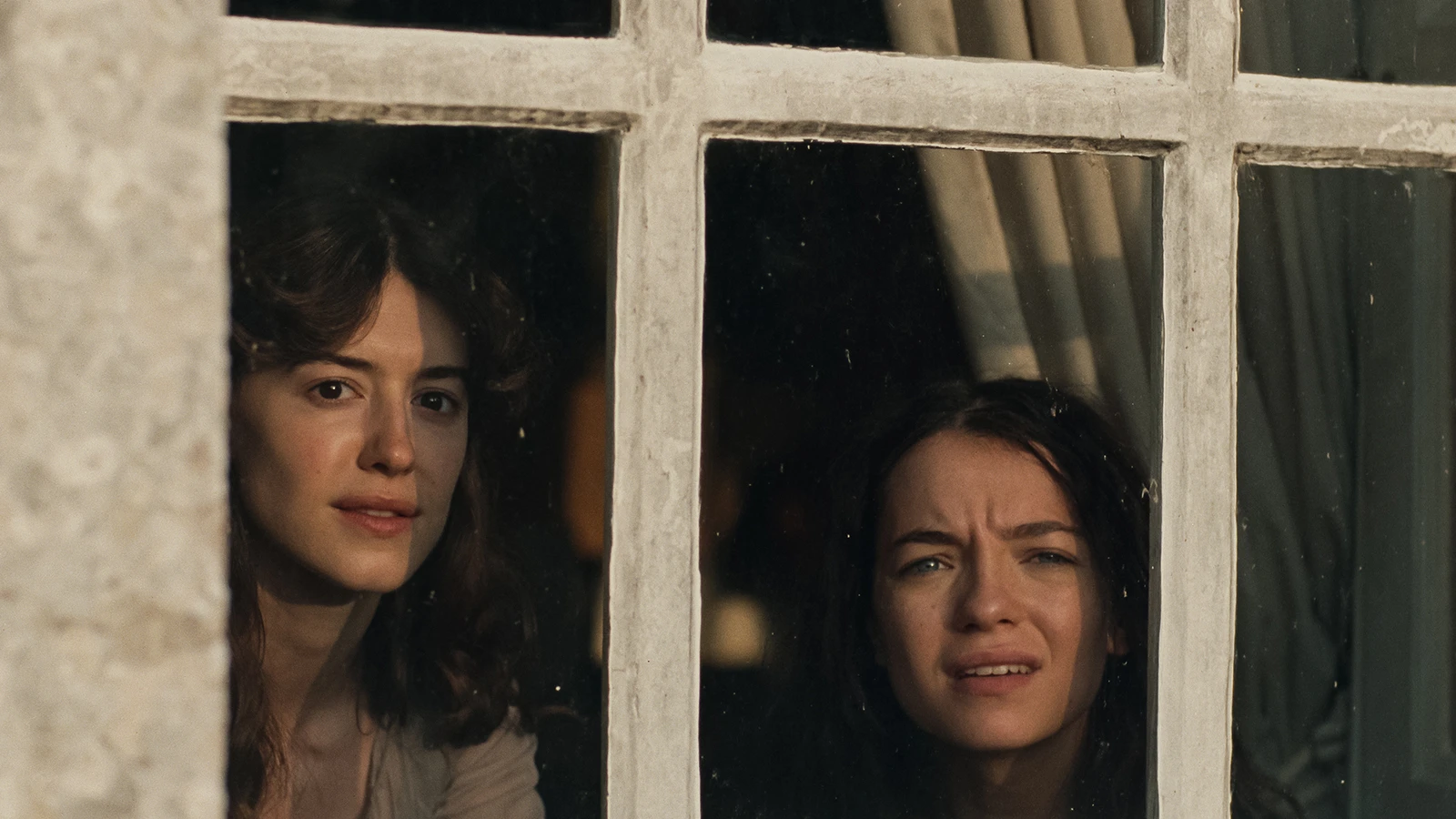
Elinor and Marianne Dashwood lose their father, then find out that their home belongs to their half-brother. He has promised to help them. His wife would rather he kept his money. Before either sister can think seriously about getting married, they have to leave the house where they grew up and work out how to live on much less.
That is the starting point of Georgia Oakley's Sense and Sensibility, a new film based on Jane Austen's novel. Daisy Edgar-Jones plays Elinor, who tries to keep the family together without telling everyone how worried she is. Esmé Creed-Miles plays Marianne, who is much more willing to say when she is miserable or in love. You don't need to have read Austen to understand what these sisters are facing. The difficult part is watching them depend on people who can afford to be generous but choose not to be.
Oakley gives us good reasons to care about both women. The film is less successful at making every man they meet equally interesting. There are lovely scenes between Elinor and Edward Ferrars, played by George MacKay. Marianne's two admirers are more uneven, and the long wait for answers about their relationships can become tiring.
Elinor and Marianne have to leave their home
The story takes place in England in the late 1700s. The Dashwood women cannot simply decide to keep the family estate after their father dies. John, their half-brother, inherits it. Their mother and three daughters are left with a much smaller income. Marriage could give the older sisters financial security, but neither wants to choose a husband just because he has money.
John's wife, Fanny, makes their position especially uncomfortable. She treats money for his sisters as money being taken from her own household. Stacy Martin makes Fanny's selfishness easy to recognize without turning every exchange into a shouting match. Fanny doesn't have to throw anyone out in a rage. She makes staying with her unpleasant enough. It is an effective way to show why the family wants to leave, even though moving means giving up so much.
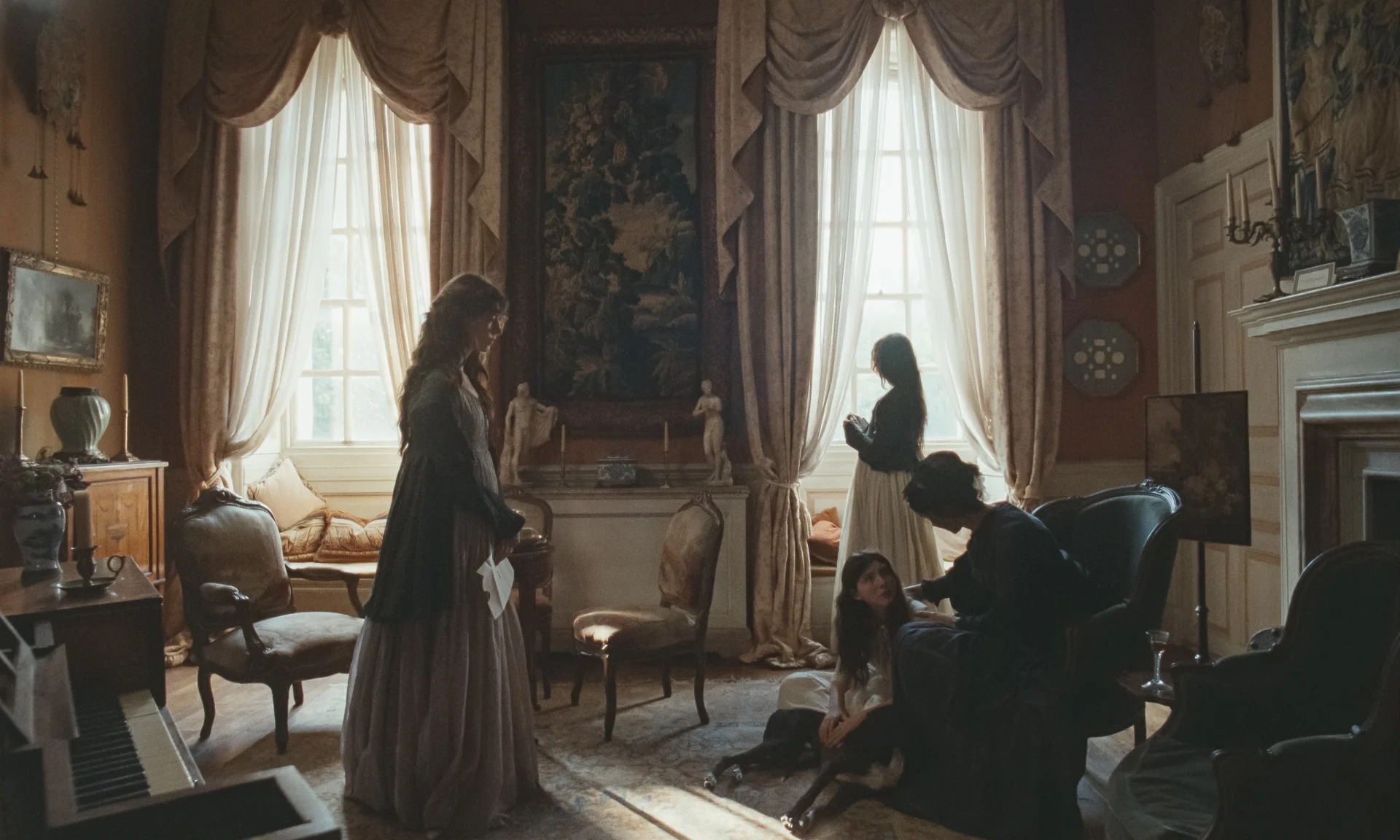
Their new home is Barton Cottage in Devon, offered by a relative. It is a big change from Norland, the spacious house they have left. Elinor gets on with the work of living there. Her plain dress and waistcoat make sense when she is chopping wood. These are useful details: the film lets us see her taking responsibility, rather than only having other characters call her the sensible sister.
Marianne has a harder time accepting that this smaller life might be all they can expect. She wants music, excitement and someone who understands her. Creed-Miles makes that impatience believable. Marianne is not politely waiting to be invited into an adult conversation about her future. She already has strong ideas about what that future should look like, even when she has little experience to support them.
The disagreement between the sisters is worth following because neither is entirely wrong. Elinor has good reasons to be careful. Marianne is right that staying quiet can also leave you unhappy. Marianne wants Elinor to admit that she loves Edward. Elinor wants Marianne to think before trusting Willoughby. Both are trying to help, but neither enjoys being told what to do by the other.
Edgar-Jones is particularly good when Elinor has to listen to something upsetting and still respond politely. We can see the effort involved in behaving normally. That makes her more than the practical person who takes care of everybody else. She wants a relationship of her own, and being the reliable sister does not make disappointment hurt any less.
There is a limit to this quiet approach. When Elinor keeps her feelings private for long stretches, the film sometimes needs more from the people around her to keep a scene interesting. The sisters are most engaging when they can actually talk to each other about what they want. Their different reactions give those conversations tension without needing a new misunderstanding every time.
Edward's shyness works better than Brandon's silence
Elinor meets Edward before the move to Devon. He is Fanny's brother, but he does not share her sharp manner. He is shy and uncertain about how to express himself. Elinor likes his company, and MacKay makes him seem comfortable with her in a way he is not with everyone else. It is easy to understand why she misses him after leaving Norland.
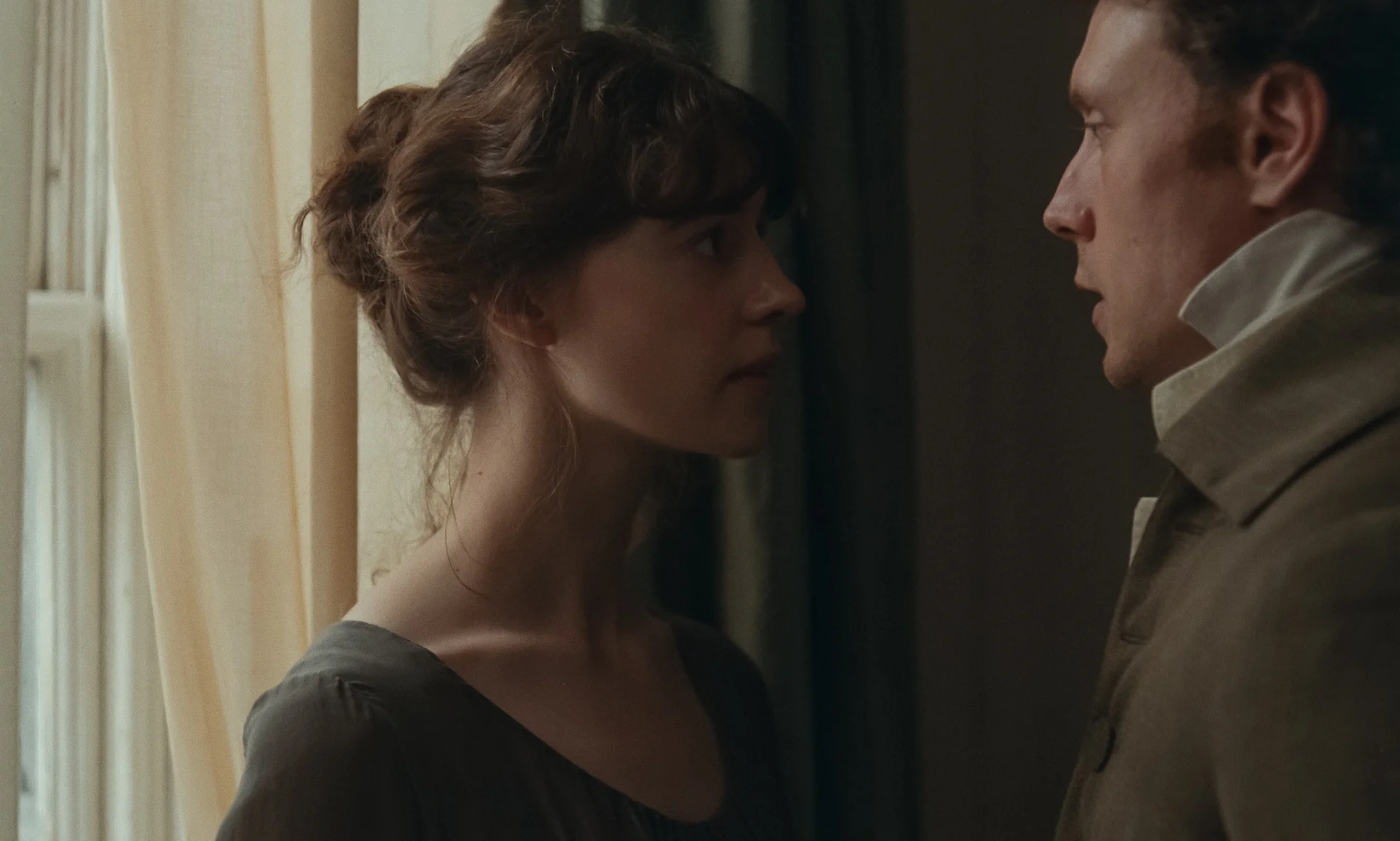
Their early scenes show why Elinor would want to see Edward again. He is not trying to impress a room full of people. He is trying to get to know her. Edgar-Jones and MacKay let that be awkward without making it embarrassing to watch. Elinor and Edward seem like two people who would enjoy spending an ordinary afternoon together. That matters more here than a grand speech about love.
Edward's family has different expectations. They want him to marry someone with money, which makes Elinor an unwelcome choice. She cannot solve that problem by being kind or patient. His relatives care more about what she could bring to the household than whether she would make Edward happy. It is frustrating to watch, especially once the actors have given us a reason to want them together.
Marianne meets Willoughby in a much more dramatic way. She hurts her ankle while walking, and he carries her home. Frank Dillane plays a man who seems ready to offer the excitement she has been missing. They share interests in music and poetry. For Marianne, this is not just a handsome stranger helping her. It looks like the beginning of the kind of romance she has imagined.
That is enough to explain her attraction. It is not always enough to make us trust him as quickly as she does. Dillane's self-assurance can make Willoughby seem pleased with himself before Marianne has much reason to question him. We understand why Marianne likes Willoughby, but we are less willing to believe everything he says. The difference makes her enthusiasm worrying as well as sweet.
Colonel Brandon, played by Herbert Nordrum, is another man interested in Marianne. He is older and much quieter. She sees little of the excitement she wants in his careful behavior. Nordrum makes him seem decent, but his reserve is also a problem for the film. Too often, knowing that Brandon cares about Marianne has to stand in for seeing a strong connection between them.
Brandon needs more time with Marianne, not simply more time looking concerned about her. A quiet performance can be moving, as Edgar-Jones shows. Here, though, we do not get enough of the conversations that could make us want these two people together. We can see that Brandon would look after Marianne. We are less sure that they would enjoy each other's company.
Thankfully, not everybody treats love with such seriousness. Fiona Shaw plays Mrs Jennings, an older acquaintance who loves guessing who might marry whom. She has little interest in keeping those guesses to herself. Shaw is fun to watch because Mrs Jennings can make a private crush into a conversation nobody wanted to have. Her noisy enthusiasm is a welcome change after so many careful exchanges.
The countryside is beautiful, but the London scenes take too long
Oakley often takes the sisters outside, into grass and woods rather than another carefully arranged room. Marianne's loose hair and plain clothes suit those walks. Arnaud Potier's photography gives the fields texture and space, while the interiors can look dim and cold. This isn't the bright, polished look you might expect from a costume romance. The women look as though they have spent time outdoors, not just arrived for a portrait.

That choice works especially well at Barton. The sisters have lost a comfortable home, so clothes that can get wet or dirty fit their new circumstances. But the muted colors can become too much. Some scenes are so subdued that the pleasure of seeing the clothes and rooms is reduced. The film is often beautiful without always being inviting to look at.
The second half takes the sisters to London. Social visits and parties give them opportunities to see the men again, but those encounters do not always bring the answers they want. Waiting is part of the story. At 132 minutes, though, the film spends enough time on uncertainty that the later scenes can feel slower than the earlier ones in Devon.
The London section would be stronger with less waiting and more conversation between the people whose relationships are in trouble. The problem is not that a party is less pretty than a field. It is that another formal meeting can leave us in much the same position as the previous one. The sisters want answers, and by this stage we do too.
For someone coming to Austen for the first time, the family situation is easier to follow than the full social circle. The most important relationships are introduced well, but several relatives and acquaintances have opinions about the same couples. Paying attention to who is related to whom helps. The film remains a complete story on its own; the 1995 adaptation is not required viewing.
Pixel Twelve's score: 7.2/10. Edgar-Jones and Creed-Miles make the sisters worth spending time with, and Elinor's relationship with Edward gives the film a romance to care about. Fanny and Mrs Jennings also make the family visits funny in very different ways. We would give it a higher score if Marianne and Brandon had more time to get to know each other and the London section moved faster.
Watch it if you like family dramas where people struggle to say what they mean, with a romance alongside those arguments. If you mainly want a fast, funny courtship or strong chemistry in every couple, some of the long silences may frustrate you. We would recommend it for Elinor and Marianne first, rather than promise that every love story will win you over.
Sense and Sensibility (2026) opened in UK cinemas on September 25. It opens in US theaters on October 16. These are theatrical dates; a home-streaming release has not been confirmed in the official listing checked for this review.
More scenes from Sense and Sensibility
2 screenshotsLoading results