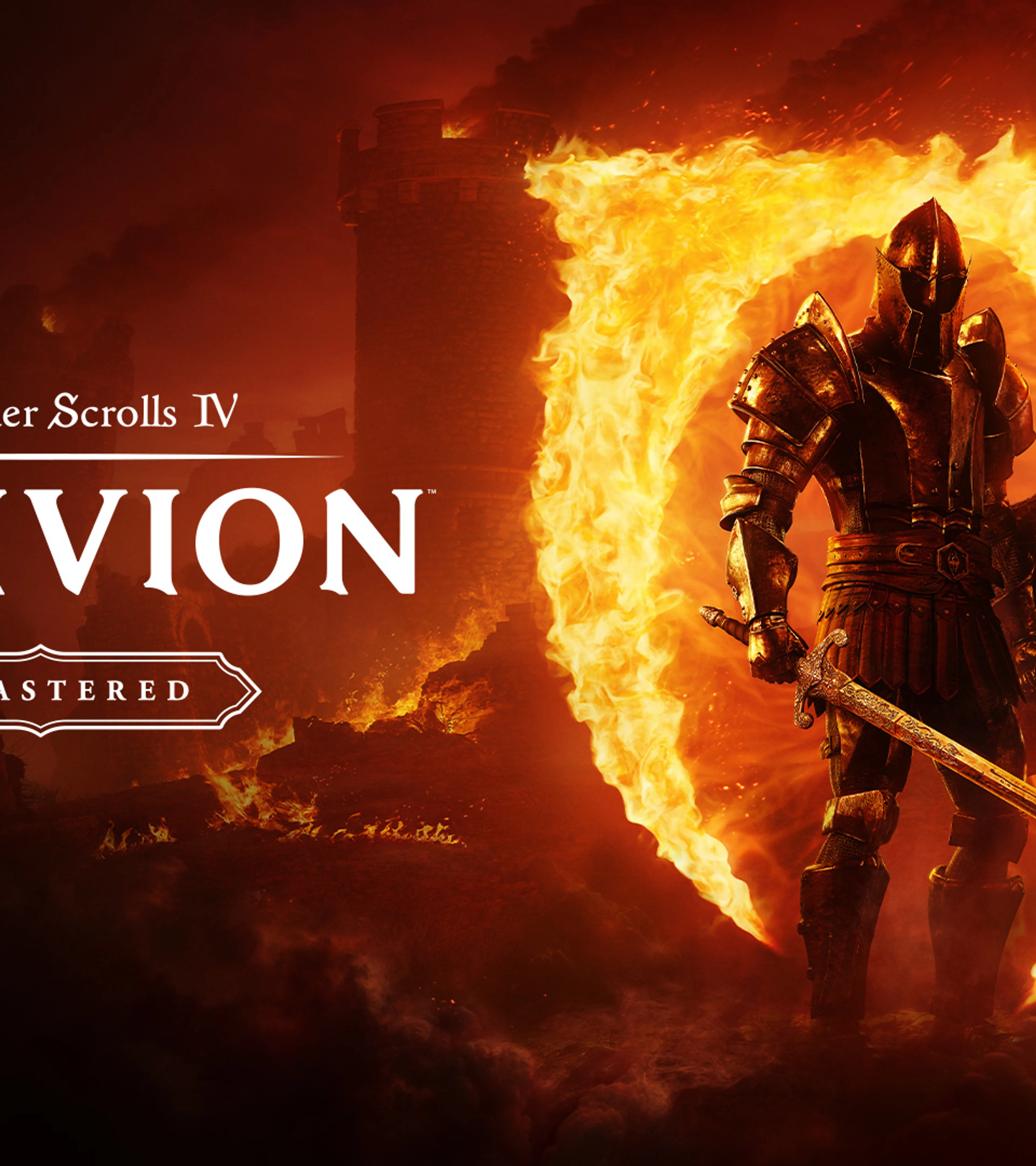
Leveling in The Elder Scrolls IV: Oblivion Remastered has two stages. First, improve Major and Minor Skills until a bronze level icon appears. Then sleep in a bed to raise the character level and spend the Virtue Points earned for that level.
The process is simple once those stages are separated. The Oblivion Remastered game page covers the broader RPG, while this guide explains how skill use, attributes, sleep, and enemy scaling work together.
Oblivion Remastered leveling quick answer
- Use Major and Minor Skills during normal play to gain character experience.
- Watch for the bronze icon in the top-right corner of the screen.
- Find a bed and sleep after the icon appears.
- Spend all 12 Virtue Points, with no more than 5 in one attribute and no more than 3 attributes increased per level.
- Keep combat, defense, and utility improving together because enemies scale with character level.
Major and Minor Skills both advance the character
Blade, Alchemy, Sneak, and the other named skills improve when they are used. Both Major and Minor Skills contribute experience toward the next character level. Major Skills advance character experience faster, so the skills chosen for the build influence how quickly the level-ready icon appears.
There is no need to perform every action simply because it can raise a skill. Use the skills that support the build being played. A sword-and-shield character benefits more from practicing Blade, Block, and armor use during real fights than from rapidly increasing a trading skill while combat remains unchanged.
Higher skill levels award more experience when they improve. That means the route to later character levels changes as familiar skills become stronger. Check which useful skills are close to improving before deciding that progress has stopped.
Sleep after the bronze icon appears
The bronze icon at the top-right means enough skill experience has been earned for a character level. The level is not applied immediately. Find a bed, sleep, and complete the attribute screen to receive it.
Several levels can be waiting if the character continues improving skills without sleeping. Banking them is possible, but it also delays the attribute increases that could help with the current area. Sleeping after the icon appears keeps the relationship between enemy strength and the build easier to judge.
Save in a new slot before sleeping. Multiple saves make it possible to reconsider an attribute choice or return to a point before entering a difficult area without overwriting the only useful recovery point.
Spend all 12 Virtue Points with a purpose
Each level grants 12 Virtue Points. Up to 5 can go into one attribute, and the points can be spread across no more than 3 attributes. A focused allocation can therefore strengthen one main need and still support one or two secondary needs.
Strength supports melee damage and carrying capacity. Intelligence raises total Magicka, while Willpower supports Magicka regeneration and magic resistance. Agility helps dodging and ranged accuracy, Speed improves movement, and Endurance supports health and fatigue recovery. Personality changes social interactions, and Luck provides smaller benefits across different situations.
Choose points based on what happened during the last few quests. A melee character who reaches enemies safely but cannot finish fights may value Strength. A caster who empties the Magicka bar too quickly should compare Intelligence and Willpower. A character who survives poorly needs a defensive answer before adding more convenience.
Balance character level with combat strength
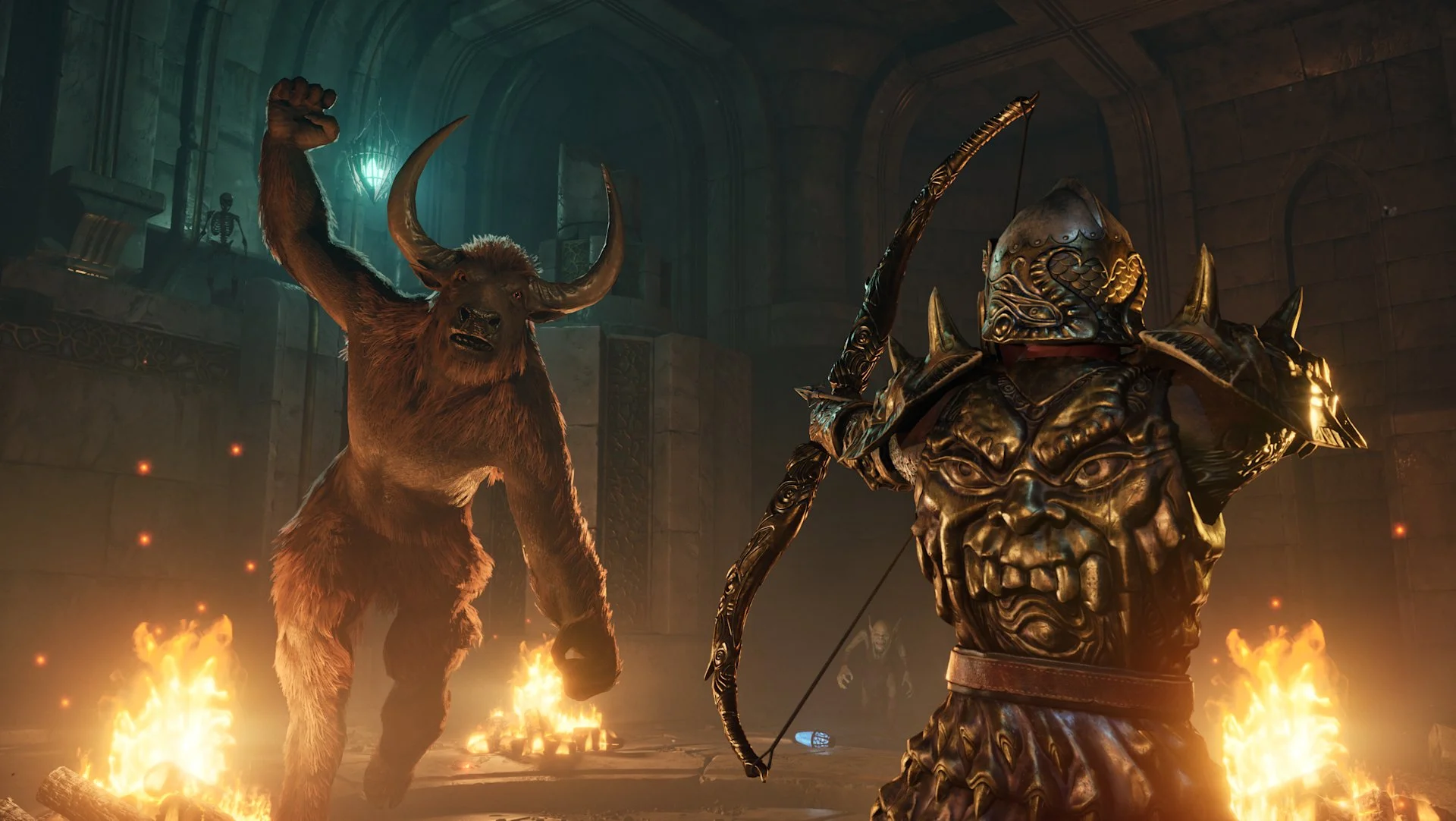
Enemies scale with the character's level. Raising Mercantile, Speechcraft, Acrobatics, or another utility skill is not bad, but gaining several character levels without improving damage, defense, or recovery can make ordinary encounters harder.
Keep at least one reliable offensive skill and one survival tool developing alongside exploration and social skills. A balanced build does not need equal numbers everywhere. It needs a clear way to deal damage, avoid or absorb damage, and recover when a fight lasts longer than expected.
If a favorite utility skill is driving levels quickly, direct the next Virtue Points toward the attribute that supports combat. Then spend time using the weapon, armor, shield, or magic school that the build actually depends on before deliberately pushing another utility increase.
A safe leveling loop
- Enter a quest with one offensive plan and one defensive plan already equipped.
- Use Major and Minor Skills naturally while completing objectives.
- Save before a new area, major objective, or difficult fight.
- When the bronze icon appears, finish the immediate safe task and find a bed.
- Create a separate save, sleep, and spend all 12 Virtue Points on no more than three attributes.
- Test the new level against familiar enemies before changing several pieces of equipment or tactics at once.
This loop reveals whether the attribute choice solved the actual weakness. If the same enemy still causes the same failure, improve the relevant skill or equipment instead of waiting for another character level to fix it automatically.
What to change when leveling feels wrong
The bronze icon is visible but the level does not increase
Sleep in a bed. Waiting or continuing to use skills does not complete the level-up screen.
Enemies became stronger faster than the build
Stop deliberately raising unrelated utility skills for a while. Improve the weapon, armor, shield, or magic school used in combat and direct the next Virtue Points toward the attribute that supports the missing damage or survival.
Carry weight keeps blocking fast travel
Strength affects carrying capacity, and over-encumbrance prevents fast travel. Store or sell unnecessary items before treating another level as the only solution.
A point allocation did not help
Use the separate save created before sleeping, then choose attributes tied to the problem observed in play. Do not change the whole build and the attribute plan at the same time, or the useful adjustment will be difficult to identify.
For Nintendo Switch 2 timing, download size, and editions, use the separate Oblivion Remastered release guide. The Oblivion Remastered guide hub keeps release information and this gameplay guide separated by intent.