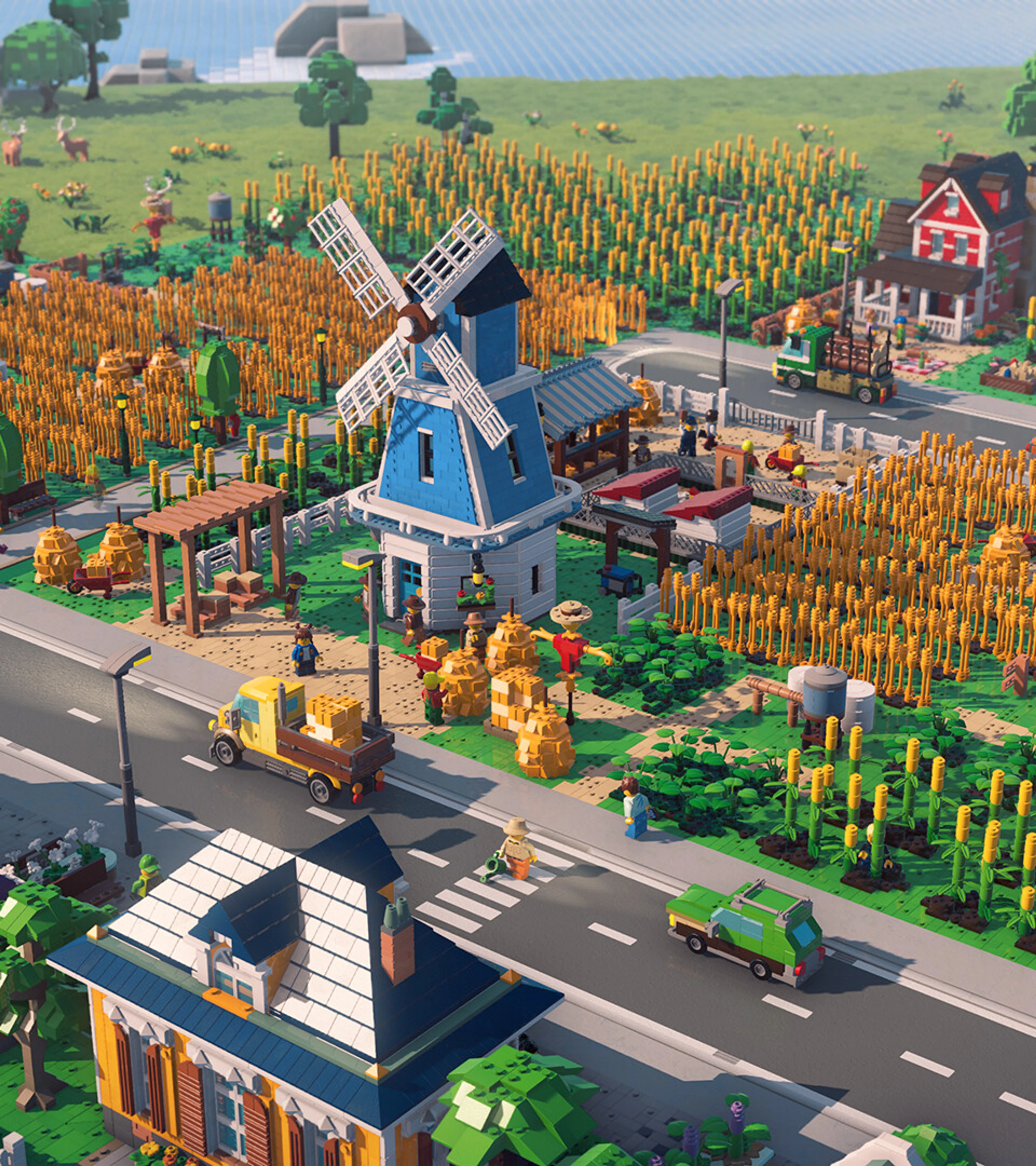
Paradox Interactive and the LEGO Group have announced LEGO Skylines, a single-player city-building game developed by Iceflake Studios. It appeared during Gamescom Opening Night Live on August 25, 2026, with versions confirmed for PC through Steam, PlayStation 5, Xbox Series X|S, and Nintendo Switch 2.
Players begin with one plot and expand it into a city built from LEGO bricks. The management side covers roads, electricity, food, water, homes, jobs, hospitals, garbage collection, and sewage. The creative side offers customizable plots, buildings, and decorations.
LEGO Skylines does not have a release date or launch window. The game can be wishlisted, but Paradox has not announced a price, editions, preorder bonuses, or finished PC hardware requirements.
LEGO Skylines starts with one plot
The first plot is the base for a small neighborhood. Players add a house, connect roads, and introduce the services residents need. New areas, buildings, and services become available as the city expands, allowing the original neighborhood to grow into a larger metropolis.
The announcement presents two goals that must work together. A city needs functional infrastructure, but it can also reflect the player’s preferred layout and visual style. A dense downtown, a quieter residential district, and a farming area can all be part of the same city.
A working city needs more than buildings
LEGO Skylines includes basic city services rather than treating the city as a display model. The confirmed systems cover the resources, jobs, infrastructure, and public facilities needed to keep residents supplied and happy.
The official announcement confirms these parts of city management:
- Roads connect homes, businesses, services, and public spaces.
- Electricity, food, and water are basic needs that must be provided.
- Residents need homes, jobs, parks, and hospitals.
- Garbage collection and sewage are part of the service network.
- Museums and sports arenas can turn a district into a cultural or recreation center.
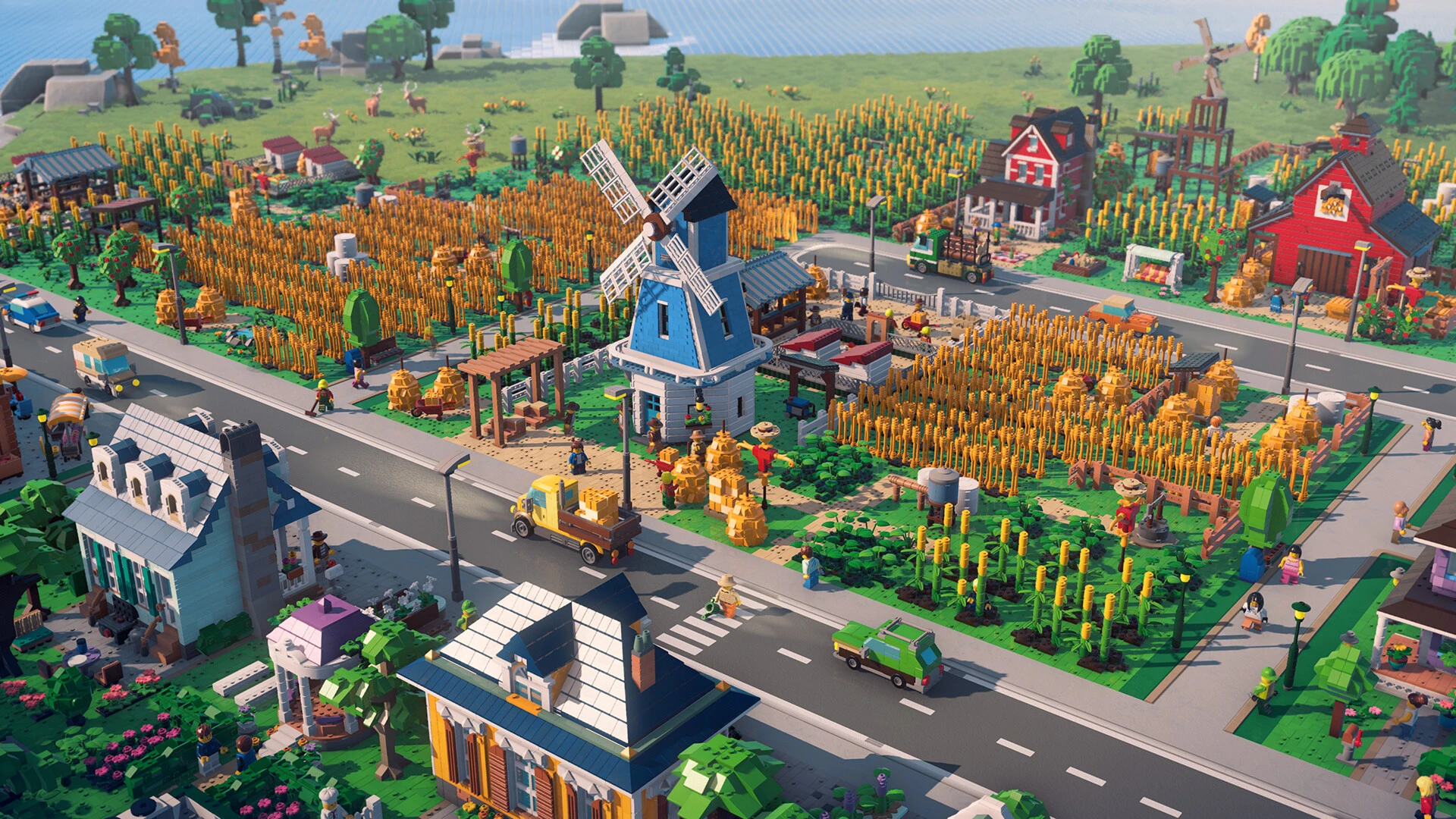
- Farms and bakeries are used as an example of how food production can support the city.
Buildings and services unlock gradually as the city develops. The announcement also refers to a city rating and resident happiness, although it does not explain the exact calculations behind either system.
Customization affects buildings, plots, and whole districts
Players can choose from customizable plots, buildings, and LEGO decorations. That makes it possible to adjust individual homes and public spaces while also planning the larger road network and the location of services.
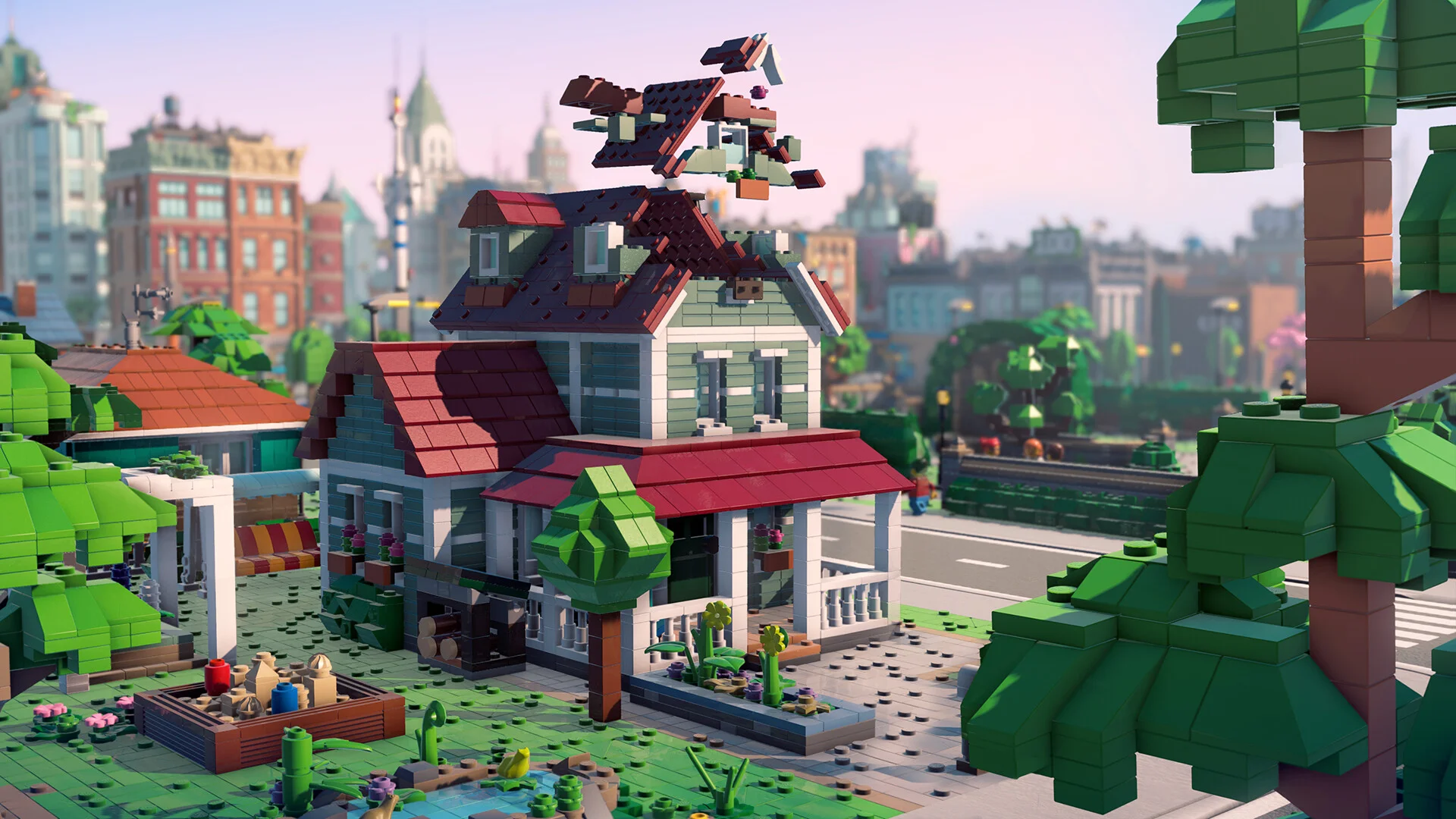
The official material promises a large selection of decorative and functional pieces, but it does not show the full editing interface. It has not confirmed whether players can assemble every structure one brick at a time, import outside LEGO models, or share custom buildings with other players.
Iceflake Studios is also leading Cities: Skylines II
Iceflake Studios is a Paradox-owned developer based in Tampere, Finland, with experience in city-building and management games. At the start of 2026, the studio took over all existing and future development of Cities: Skylines II, including updates, the editor, console editions, expansions, and content packs.
That gives the team direct experience with another large city simulation, but LEGO Skylines has been announced as a separate, all-new game. Paradox has not said that the two games share an engine, traffic model, economy, save format, mod tools, or other technical systems. The name and developer make the comparison understandable, but the confirmed feature list should be treated on its own.
LEGO Skylines platforms and release status
Four platform groups have been confirmed:
- PC through Steam.
- PlayStation 5.
- Xbox Series X|S.
- Nintendo Switch 2.
The Steam listing identifies LEGO Skylines as a single-player game and marks it as coming soon. No PlayStation 4, Xbox One, original Nintendo Switch, mobile, or Mac version has been announced. Paradox has not detailed differences between the PC and console editions.
What LEGO Skylines has not announced
The announcement explains the basic city loop, but several purchase and technical details remain open:
- Release date or launch window.
- Price, editions, or preorder content.
- Final PC system requirements.
- Map size, population limits, and the number of available regions.
- Mods, custom-content sharing, or imports from LEGO design tools.
- DLC, expansions, or a post-launch schedule.
- Multiplayer or cooperative play; only single-player is currently confirmed.
Until Paradox publishes more information, claims about a 2027 release, mod support, story modes, multiplayer, or specific performance targets remain unconfirmed and should not be treated as announced features.
The trailer focuses on daily city life
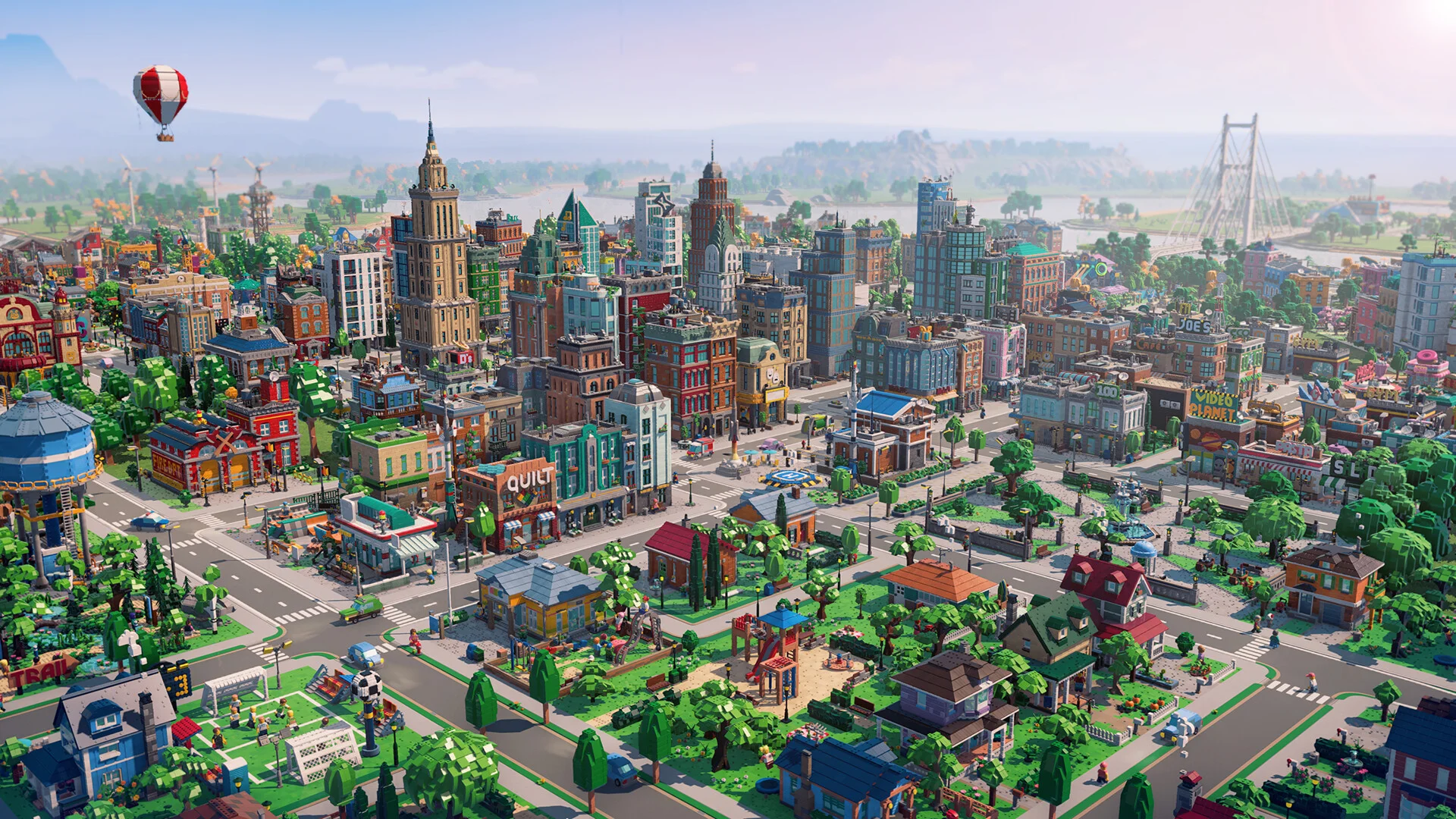
The first trailer moves between a busy downtown, residential streets, farms, parks, and recreation areas. Minifigures walk through neighborhoods while cars and service vehicles use the road network. A larger city includes towers, a suspension bridge, wind turbines, and a hot-air balloon.
The footage establishes the visual range of the city, but it does not provide a full look at menus, zoning, budgets, traffic controls, or the pace of progression. For now, the confirmed picture is a single-player LEGO city builder that combines essential services with extensive customization and has no announced release timing.